

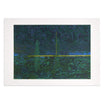
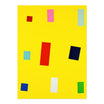
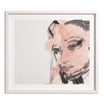
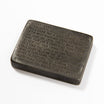
David Shrigley (born 1968, Macclesfield, United Kingdom) is a contemporary artist whose work is characterized by deadpan humor, graphic directness, and an acute awareness of language and social convention. Working across drawing, sculpture, animation, installation, printmaking, and text-based artworks, Shrigley has developed a practice that uses apparent simplicity to expose absurdity, contradiction, and discomfort within everyday life.
Emerging in the 1990s, Shrigley’s work gained recognition for its refusal of refinement and its deliberate embrace of awkwardness and misalignment. His practice has been exhibited internationally and is held in major public collections, positioning him as a distinctive voice within contemporary British art.
View available works by David Shrigley
Artistic Practice
David Shrigley’s artistic practice is rooted in drawing as a primary mode of thinking and production. His drawings, often executed with uneven line and sparse composition, function as concise vehicles for ideas rather than demonstrations of technical skill.
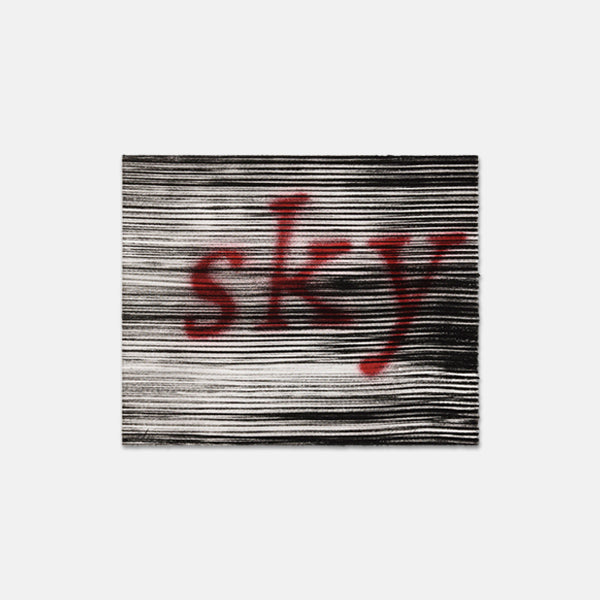
Rather than pursuing visual polish, Shrigley emphasizes immediacy and bluntness. Text and image frequently appear together, with handwritten statements operating as captions, commands, or disruptions that complicate the visual field.
Across media, his work employs reduction as a strategy, stripping images and language to their most basic forms in order to foreground meaning, discomfort, and contradiction.
Key Themes and Motifs
Central to Shrigley’s work are themes of failure, mortality, anxiety, and the inadequacy of communication. His imagery often confronts subjects that are typically avoided or softened, presenting them with unsettling frankness.
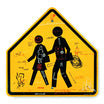
Motifs such as distorted figures, animals, bodily functions, warning signs, and declarative statements recur throughout his practice. These elements function as carriers of social unease rather than as narrative devices.
Humor plays a critical role, operating not as relief but as a mechanism for exposing underlying discomfort and existential uncertainty.
Historical and Cultural Context
Shrigley’s practice developed within the context of late twentieth-century British art, marked by shifts in institutional authority, media culture, and public engagement. His work stands apart from spectacle-driven approaches, favoring understatement and subversion.
His engagement with humor aligns him loosely with traditions of British satire, while his conceptual clarity situates his work within broader discussions of language and meaning in contemporary art.
By rejecting visual refinement, Shrigley challenges expectations around seriousness, value, and artistic competence.
Text, Drawing, and Object-Based Work
Text is integral to Shrigley’s practice, appearing as handwritten statements that are often declarative, accusatory, or nonsensical. Language is treated as unreliable, prone to failure and misunderstanding.
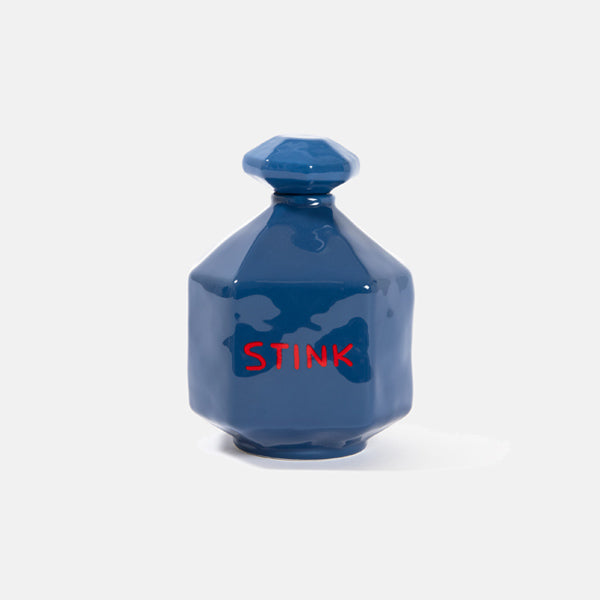
In sculpture and object-based works, Shrigley extends his graphic logic into three dimensions. Found objects and simplified forms are altered or recontextualized to create situations that oscillate between humor and unease.
Animation and sound-based works further complicate his use of timing, repetition, and voice, reinforcing the instability of meaning across formats.
Editions and Works on Paper
Editions and works on paper form a central component of David Shrigley’s practice. Prints, drawings, and multiples allow his visual language to circulate widely while maintaining immediacy and conceptual clarity.
These works often condense his ideas into direct, confrontational statements, emphasizing repetition and accessibility.
Editions are conceived as autonomous works rather than secondary reproductions, reinforcing Shrigley’s interest in dissemination and reach.
See also: David Shrigley prints and editions
Market and Circulation Context
David Shrigley’s work circulates within a firmly established institutional and market framework. His drawings, sculptures, and editions are widely collected and exhibited internationally.
Editioned works play a particularly important role in the circulation of his practice, aligning with his emphasis on accessibility and reproducibility.
Within the contemporary art ecosystem, Shrigley’s work occupies a distinctive position that bridges conceptual rigor and broad public engagement.
Institutional Exhibitions and Collections
Shrigley has been the subject of numerous solo exhibitions and major institutional presentations worldwide. These exhibitions often emphasize the coherence of his visual language across media.
His work has been exhibited at institutions including Tate Modern, London; the British Council; and the Museum of Modern Art, New York.
Shrigley’s work is held in major public collections globally, where it is positioned within narratives of contemporary conceptual and graphic art.
Position within Contemporary Art
Within contemporary art, David Shrigley occupies a distinctive position as an artist who employs humor, reduction, and discomfort as tools for critical engagement.
By exposing the fragility of language and social convention, his practice continues to influence artists working with text, drawing, and conceptual strategies.
Editorial Note
This editorial page provides a structured overview of David Shrigley’s artistic practice, thematic concerns, institutional context, and market circulation, with particular attention to his use of humor and text.
A selection ofDavid Shrigley artworks is featured on our collection page.
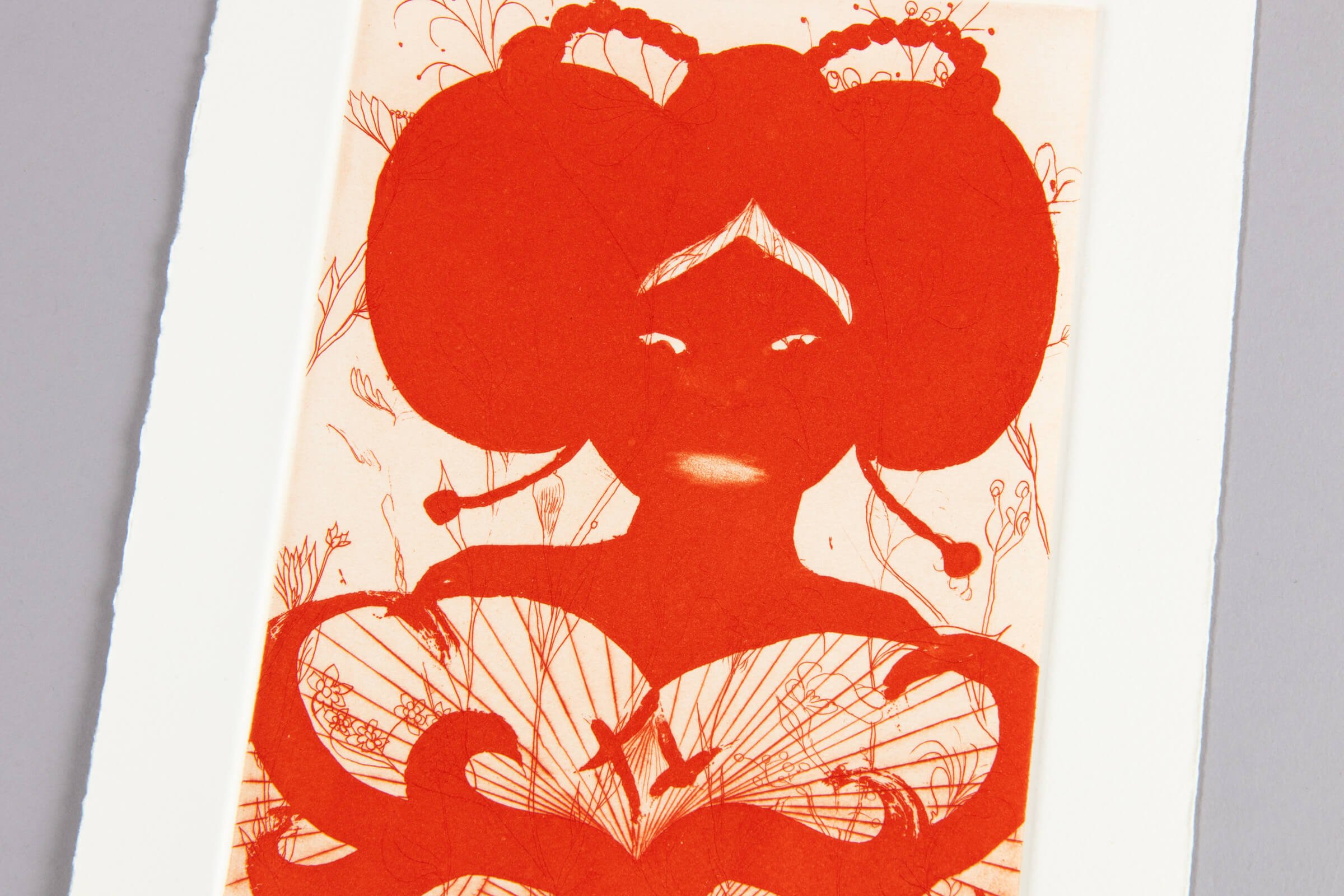
The Art of Printmaking
From the precise lines of woodcuts to the velvety depth of lithographs. Discover a curated selection of editioned works on paper that celebrate the unique texture and heritage of traditional print media.
The Photographic Image
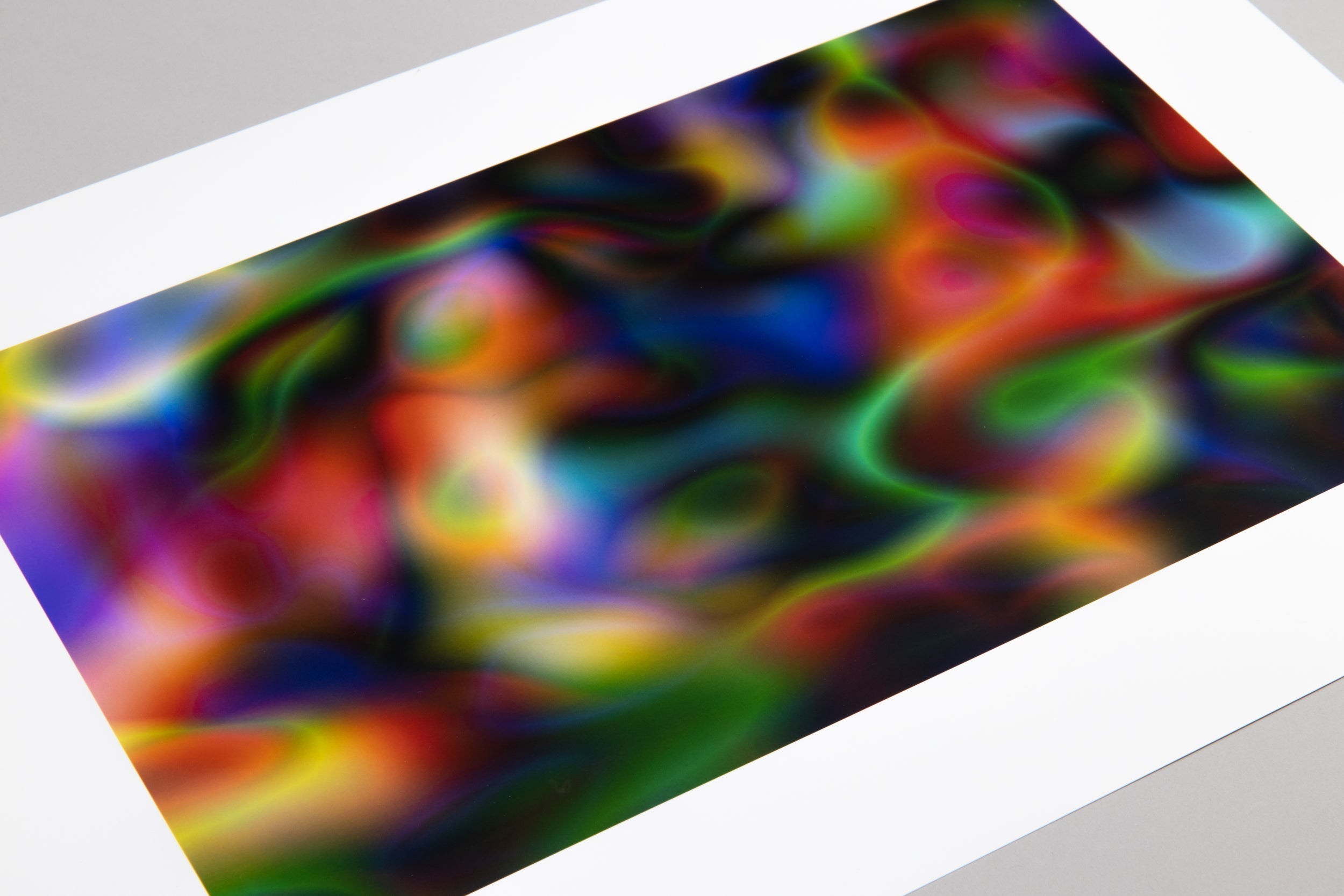
Explore contemporary photography through the lens of precision and scale. Our collection features exceptional photo editions that investigate the boundaries of representation and spatial order.
The Sculptural Multiple
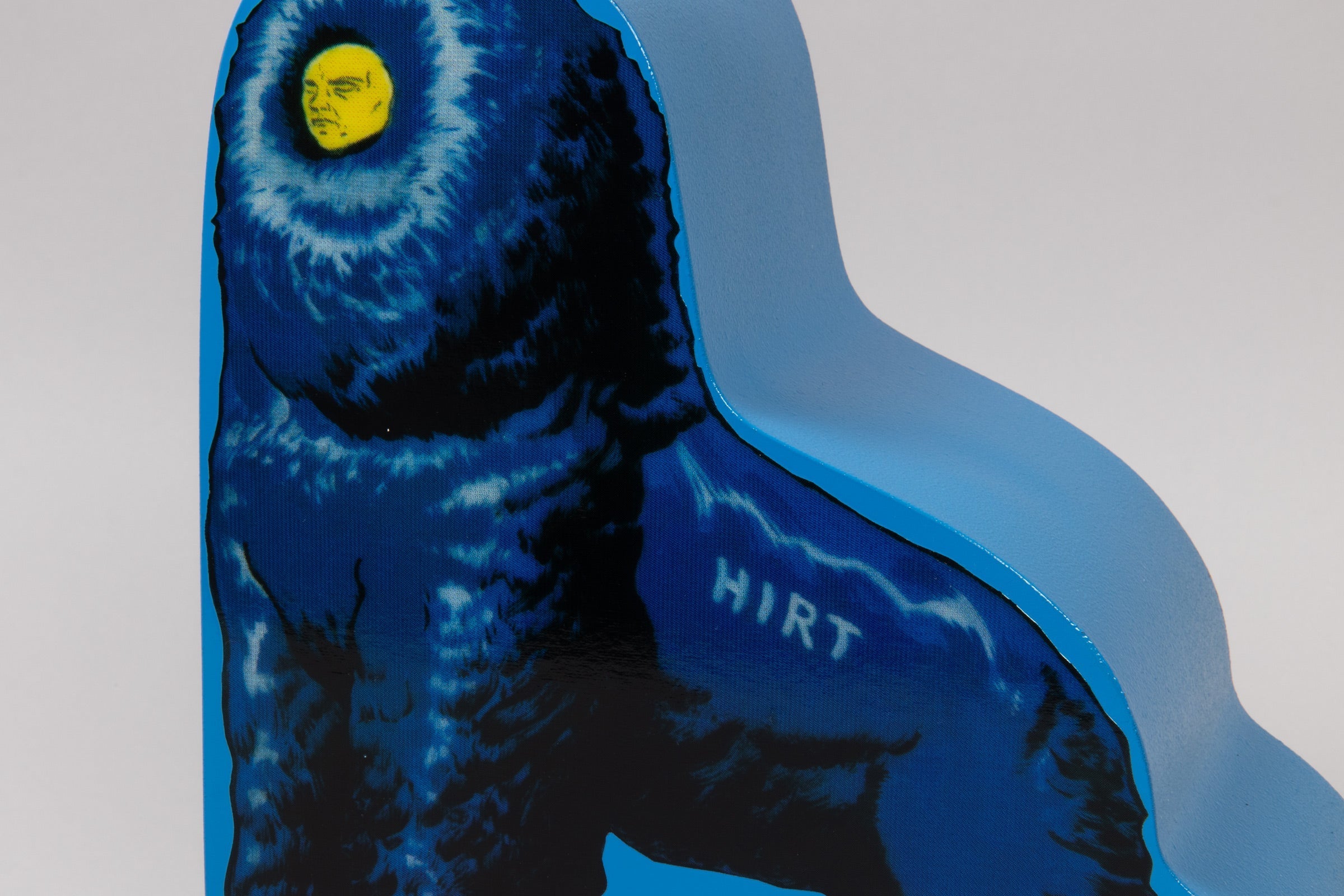
Art beyond the pedestal. Discover three-dimensional objects designed to circulate ideas in space. These works bridge the gap between sculpture and the everyday, making radical art accessible.


