Imi Knoebel

Imi Knoebel asks a question most painters take for granted: what is a painting actually made of, once you strip away the image? Trained under Joseph Beuys, he pushed further than most of his teacher's students toward a rigorous, Malevich-descended Minimalism — colour, structure, and raw material investigated on their own terms, sometimes reduced to nothing more than a wooden frame or a sheet of fibreboard. Six decades on, that investigation remains unfinished, and still visibly ambitious. Works held at MoMA, Tate, and the Centre Pompidou.

Browse signed Imi Knoebel prints and editions now.

Available Prints & Editions

3 products
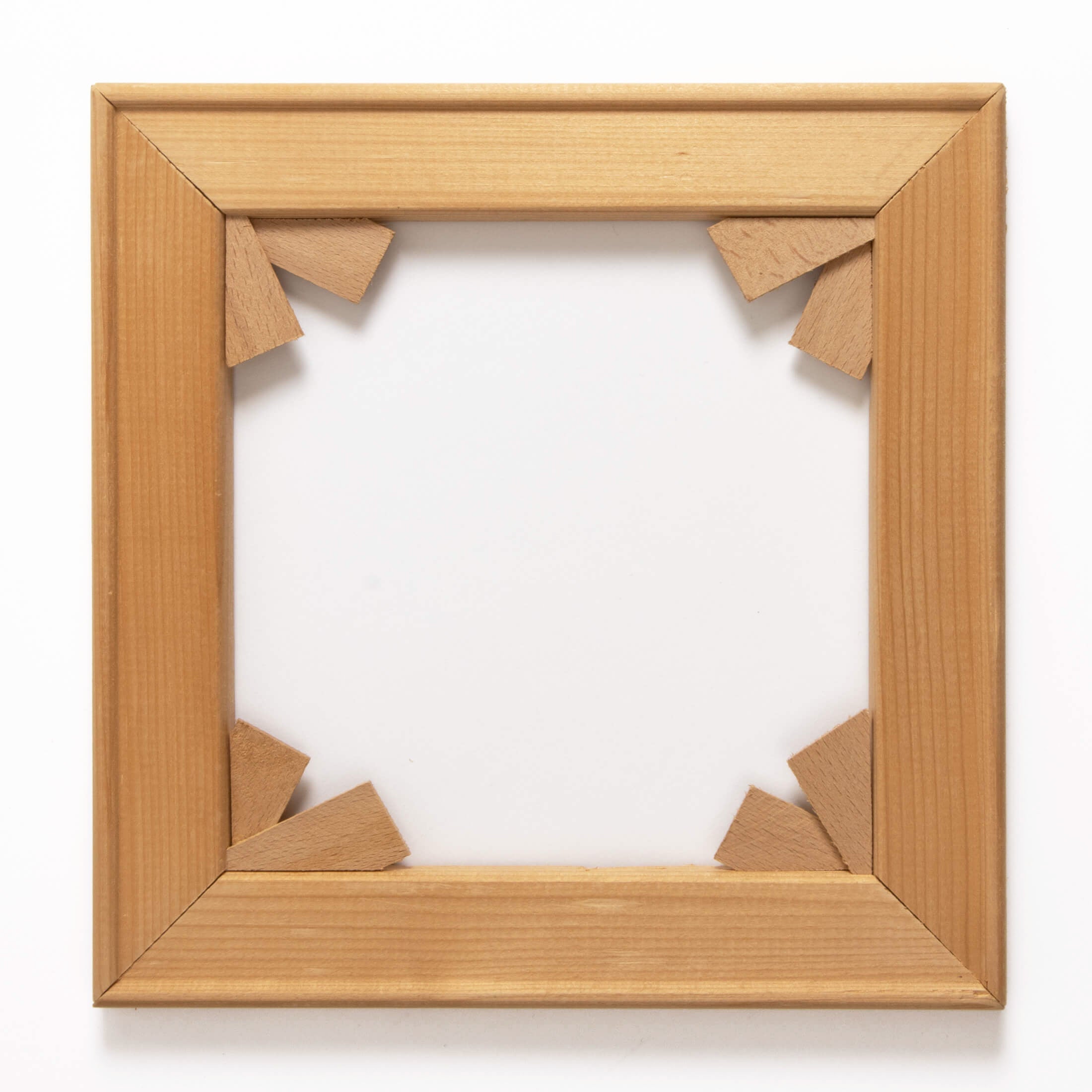
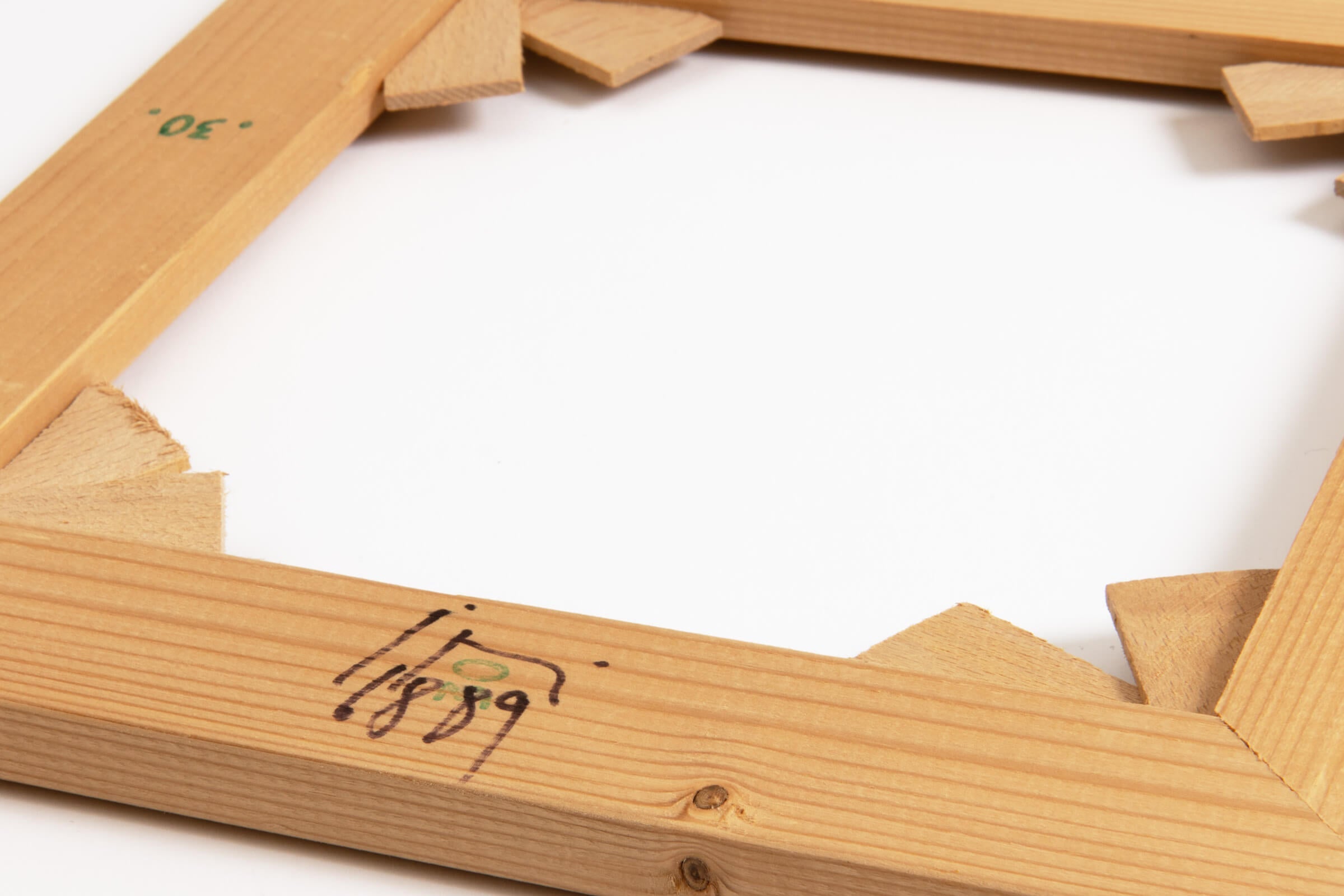
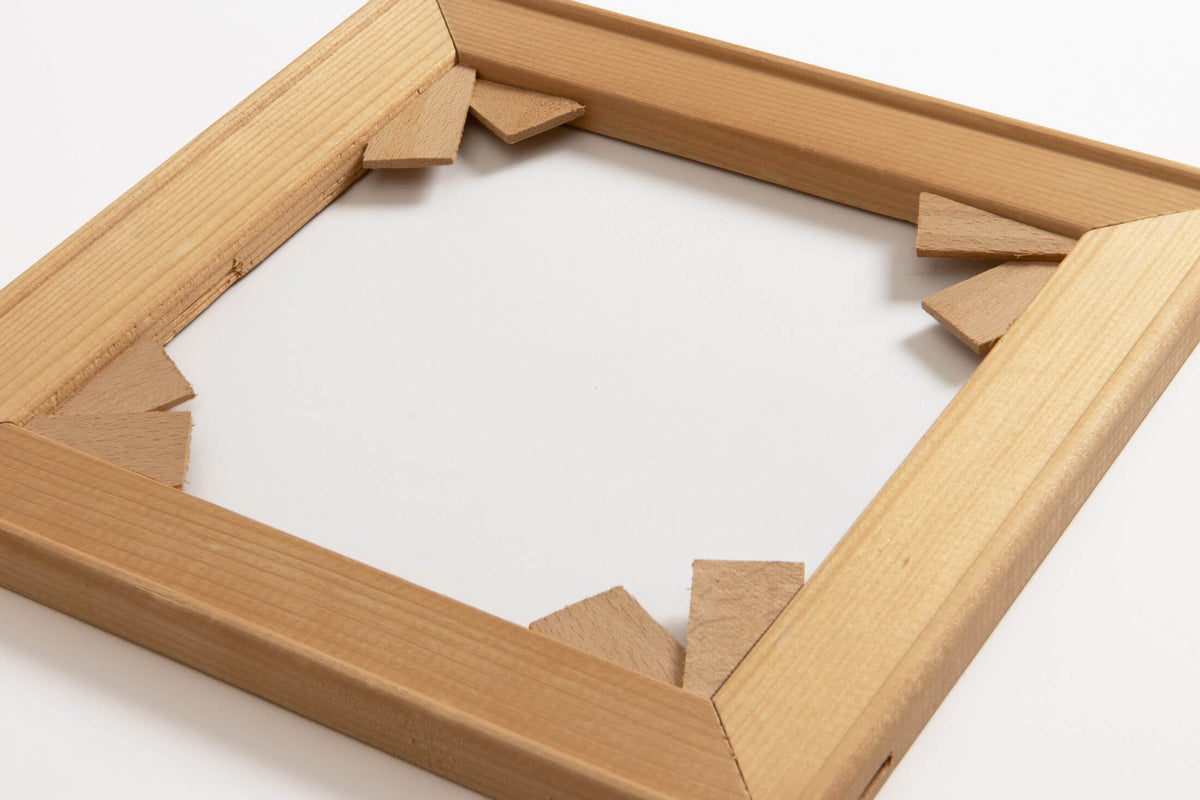
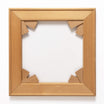
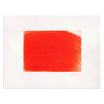
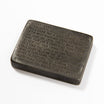
Imi Knoebel – KeilrahmenImi Knoebel – Keilrahmen
Imi Knoebel – Keilrahmen Sale price€800,00
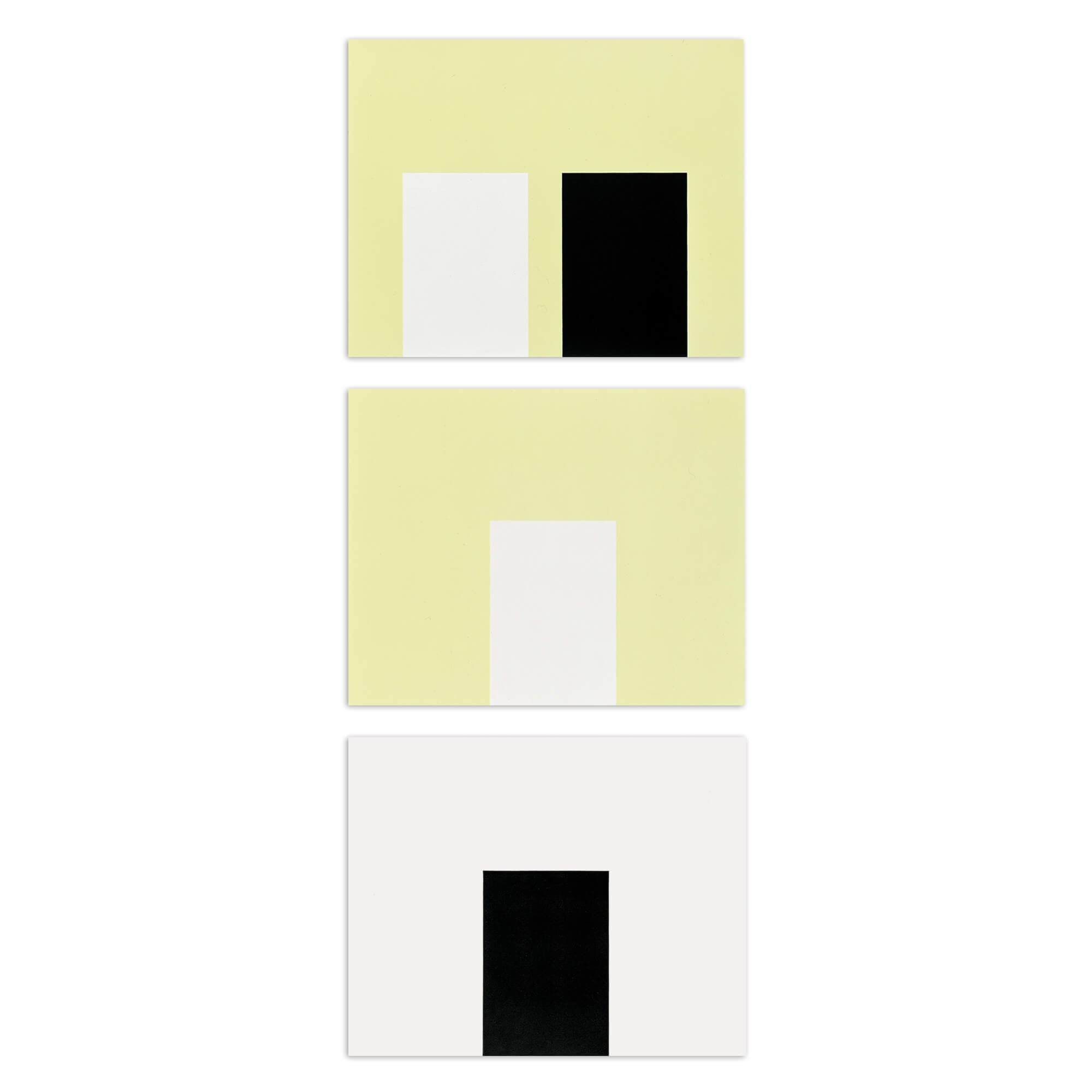
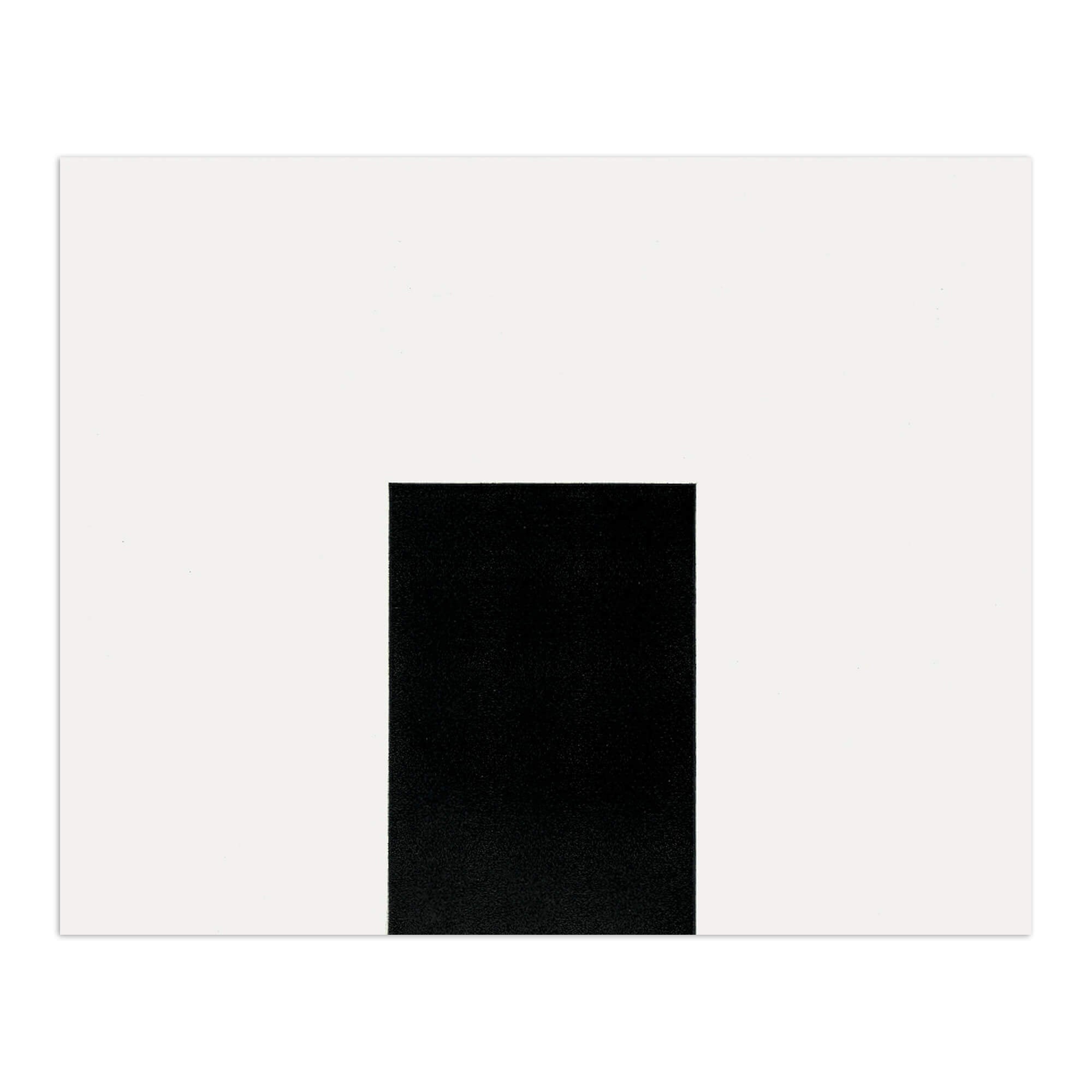
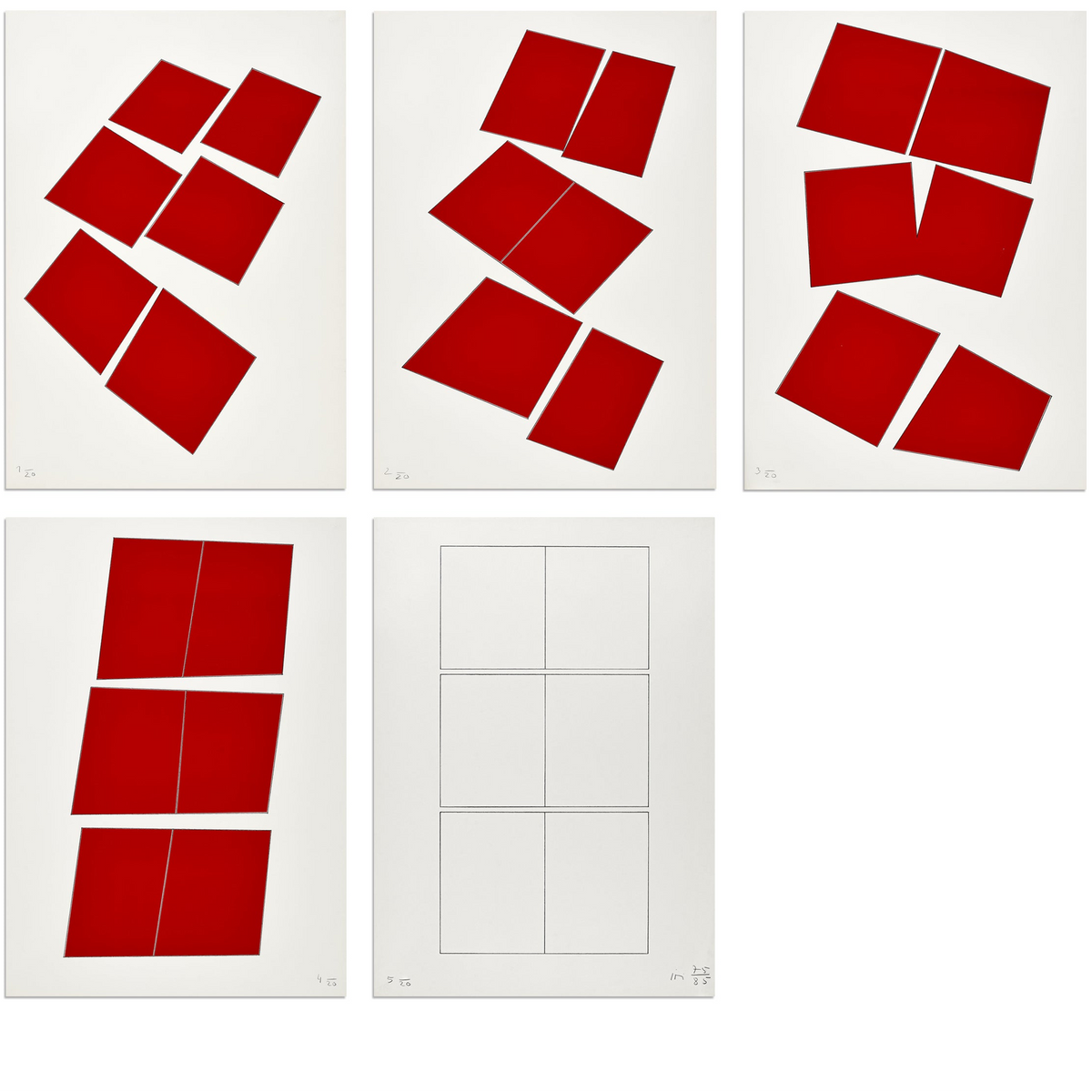
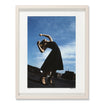
Imi Knoebel – Tür und TorImi Knoebel – Tür und Tor
Imi Knoebel – Tür und Tor Sale price€3.200,00
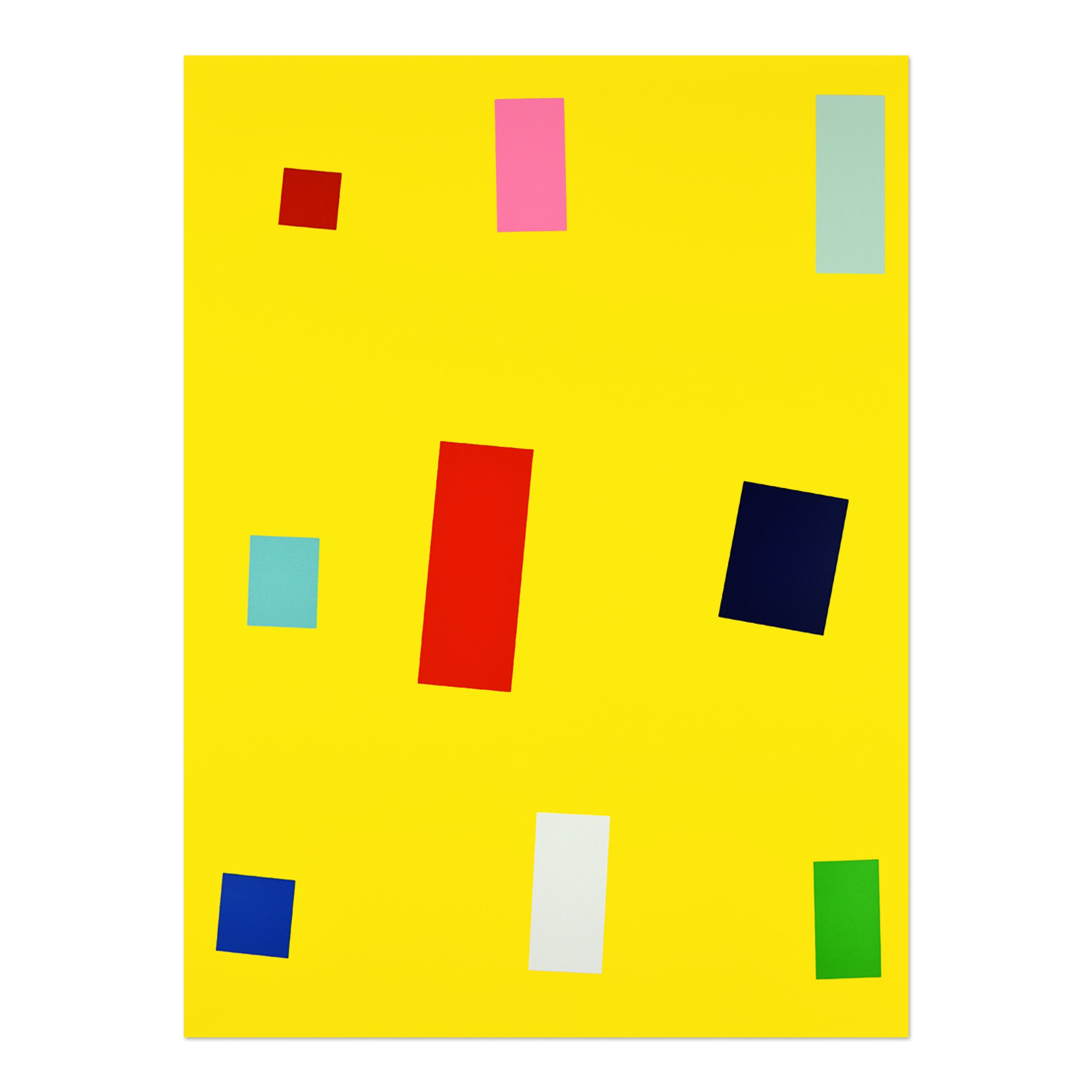
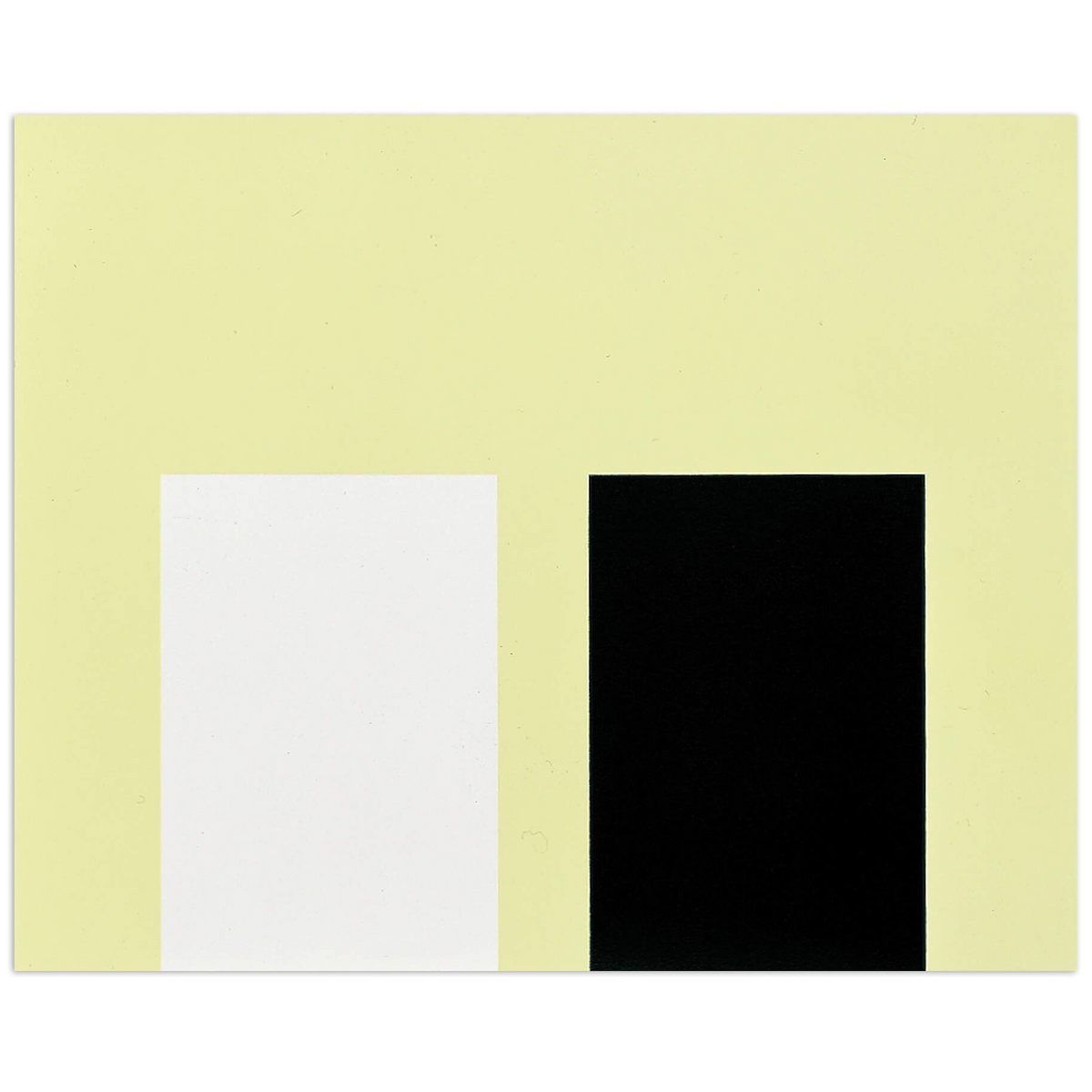
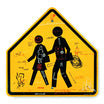
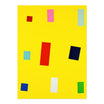
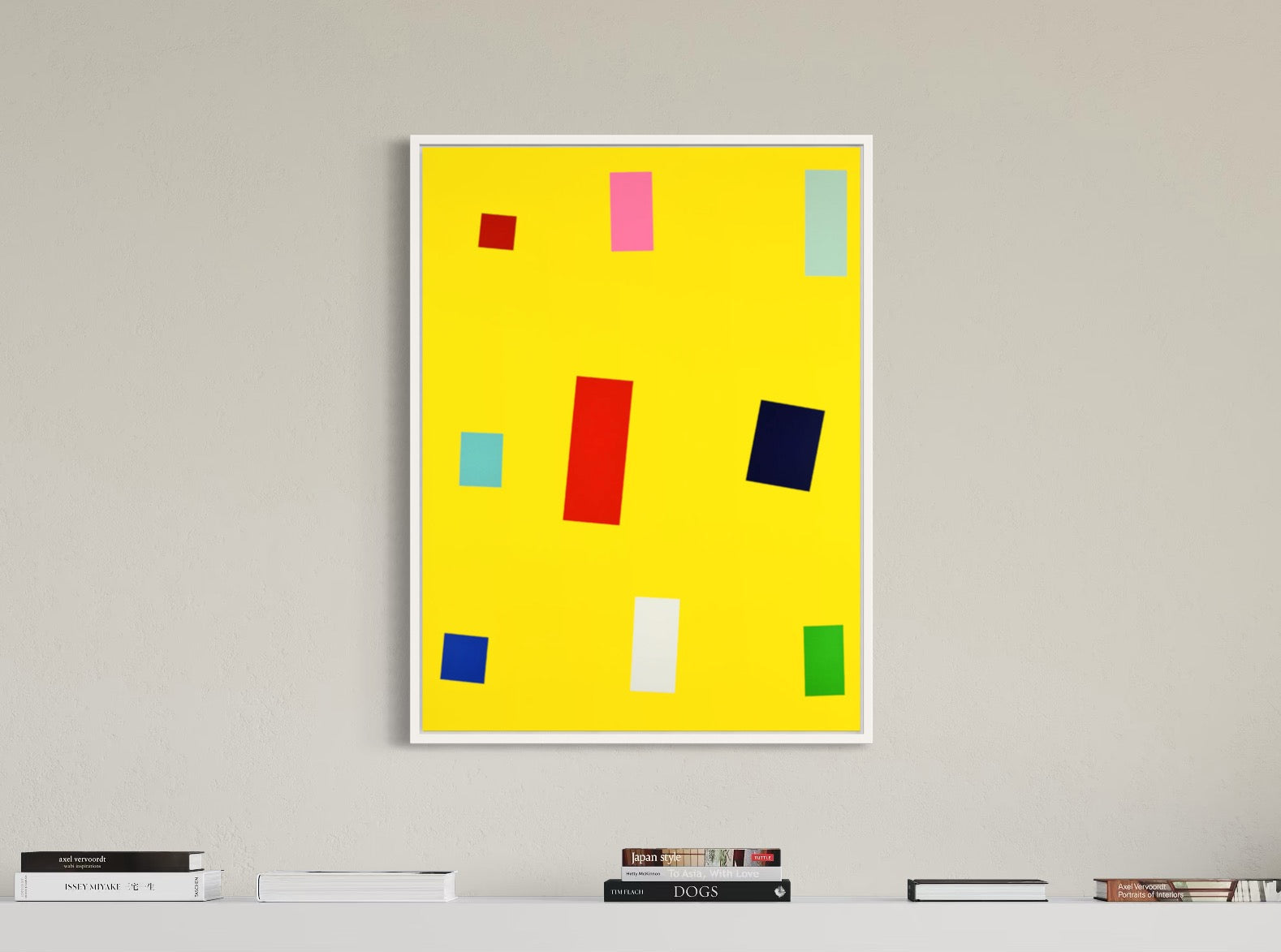
Imi Knoebel - Gelbe FahneImi Knoebel - Gelbe Fahne
Imi Knoebel – Gelbe Fahne Sale price€2.800,00

Imi Knoebel Biography

Imi Knoebel (born Klaus Wolf Knoebel in 1940 in Dessau, Germany) spent his childhood near Dresden before his family relocated to Mainz in 1950. From 1962 to 1964, he studied at the Werkkunstschule Darmstadt alongside fellow student Imi Giese — both independently adopted the same nickname — in a course rooted in the Bauhaus preliminary teachings of Johannes Itten and László Moholy-Nagy. In 1964, he moved to the Kunstakademie Düsseldorf, joining Joseph Beuys's studio, where he shared a workspace with Blinky Palermo until 1971. Alongside Katharina Sieverding, the three defined a rigorous Minimalist position within Beuys's class, distinct from contemporaries like Jörg Immendorff, who pursued a more political, figurative direction.

In 1968, Knoebel created Raum 19, converting an academy storage space into an immersive installation of white geometric forms — a direct engagement with Kazimir Malevich's investigation of figure and ground. In 1992 he installed a second version at the Hessisches Landesmuseum Darmstadt, deliberately positioned beside Beuys's own Block Beuys — student and teacher reunited as neighbours.

When Palermo died unexpectedly in 1977, Knoebel responded with 24 Colors for Blinky, twenty-four irregularly shaped panels, each painted a distinct hue — a personal memorial now held at Dia:Beacon. His palette soon expanded from black-and-white into vivid colour, returning repeatedly to primary red, yellow, and blue. Between 1988 and 1989 he produced the Schattenräume, seven artworks pairing large fibreboard cubes with matching black paintings, now held at the Centre Pompidou, MUDAM Luxembourg, and the Pinakothek der Moderne. He participated in documenta 6 and 7, and major retrospectives have followed at Dia:Beacon, the Kunstsammlung Nordrhein-Westfalen, the Stedelijk Museum, and Haus der Kunst. He continues to live and work in Düsseldorf.

Famous Imi Knoebel Artworks

Raum 19 (1968), his breakthrough installation, transformed a converted academy storage room into an immersive field of white geometric forms directly engaging Malevich's investigation of figure and ground — a founding statement he reinstalled in 1992 beside Beuys's own Block Beuys.

24 Colors for Blinky (1977), created after the sudden death of his close collaborator Blinky Palermo, consists of twenty-four irregularly shaped panels, each rendered in a single distinct hue — a memorial series now held at Dia:Beacon.

Schattenräume (1988–89), a series of seven works pairing large fibreboard cubes with black paintings of matching proportion, is held across the Centre Pompidou, MUDAM Luxembourg, and the Pinakothek der Moderne — surface and space staged in direct architectural dialogue.

Imi Knoebel – Keilrahmen

Imi Knoebel Prints & Editions

Imi Knoebel's editions include some of the clearest embodiments of the multiple as a genuine art form, an idea inherited directly from Joseph Beuys — an object produced in number, yet complete in itself, never a mere reproduction. Keilrahmen (1968/1989), a raw wooden stretcher frame in an edition of 1,000, turns painting's usually hidden support into the entire artwork — Minimalism reduced to its barest object. Hartfaserquadrat (Ehre an Kasimir Severinowitsch Malewitsch) (1991), a fibreboard square in an edition of 300, extends the same logic while making his Suprematist debt explicit. 1000 Hasen (2021), a waterjet-cut copper multiple made for what would have been Beuys's hundredth birthday, closes the circle back to his teacher directly.

Because his major installations and unique paintings can reach six figures at auction, these multiples and signed prints — including Gelbe Fahne (1999), an edition of 99 — offer considerably more accessible entry, typically trading in the low thousands.

For collectors, Knoebel's editions offer direct access to one of the defining German abstract practices of the postwar period. Works are held in the permanent collections of MoMA, Tate, and the Centre Pompidou.

Imi Knoebel: Key Questions

Collecting Imi Knoebel?

Looking for a specific artwork or have a question about an edition? We're happy to advise on availability, pricing, condition, and provenance — and to source artworks beyond our current selection.

Contact us

Prints, Photographs & Multiples

View our full collection of

Prints, Photographs & Multiples

Explore editions