

Sol LeWitt
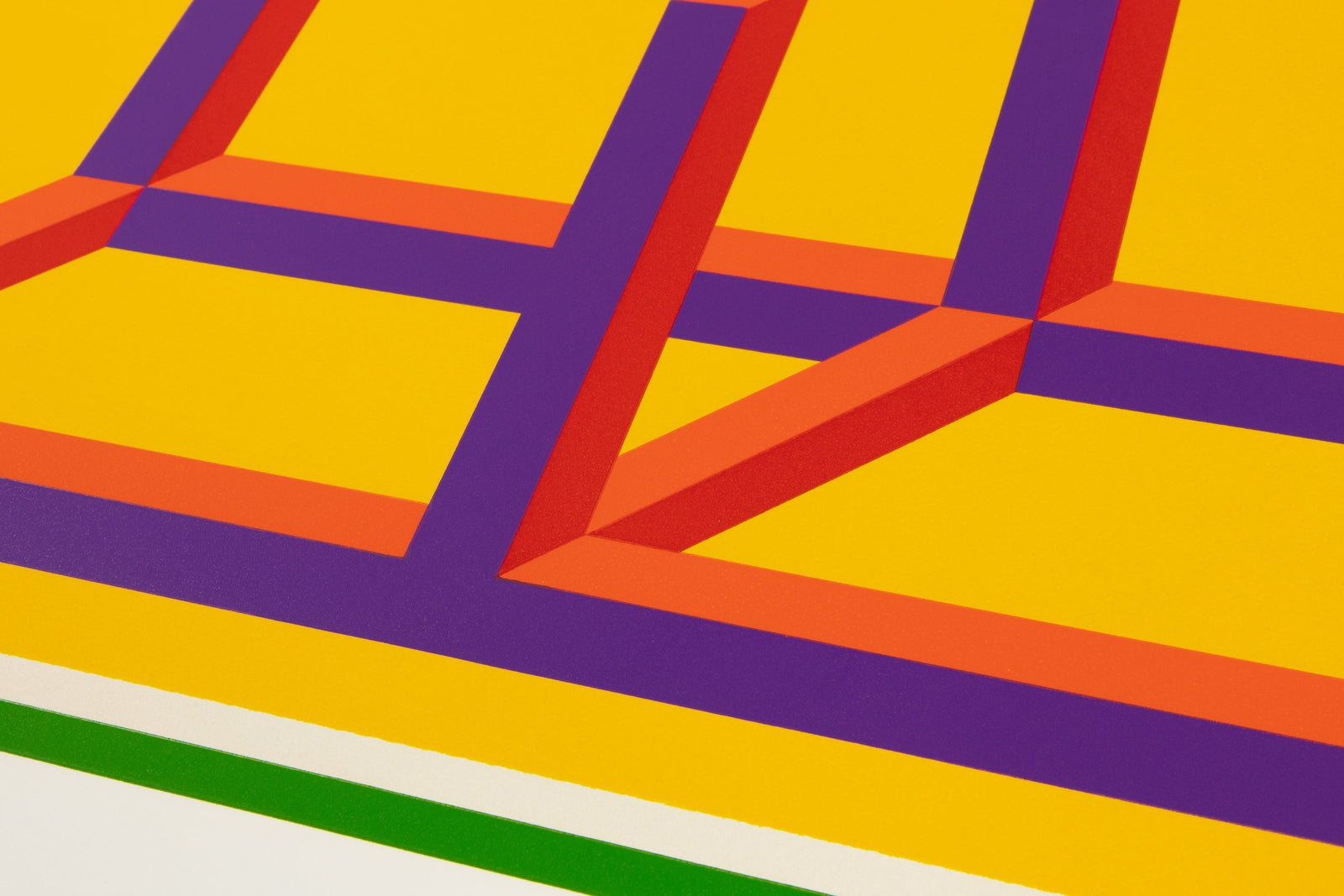
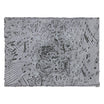
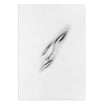
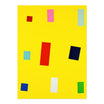
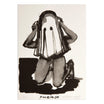
Sol LeWitt prints and editions for sale.
Sol LeWitt reshaped contemporary art through a radical emphasis on ideas over expression, emerging first from Minimalism before becoming one of Conceptual Art's founding figures. His prints and editions translate the systematic principles of his practice into line, colour, and abstract geometry on paper, forming a distinct body of work alongside his celebrated Wall Drawings. Across both, predetermined systems shape the work: "the idea becomes a machine that makes the art," as he put it in 1967.
Available Prints & Editions
4 products
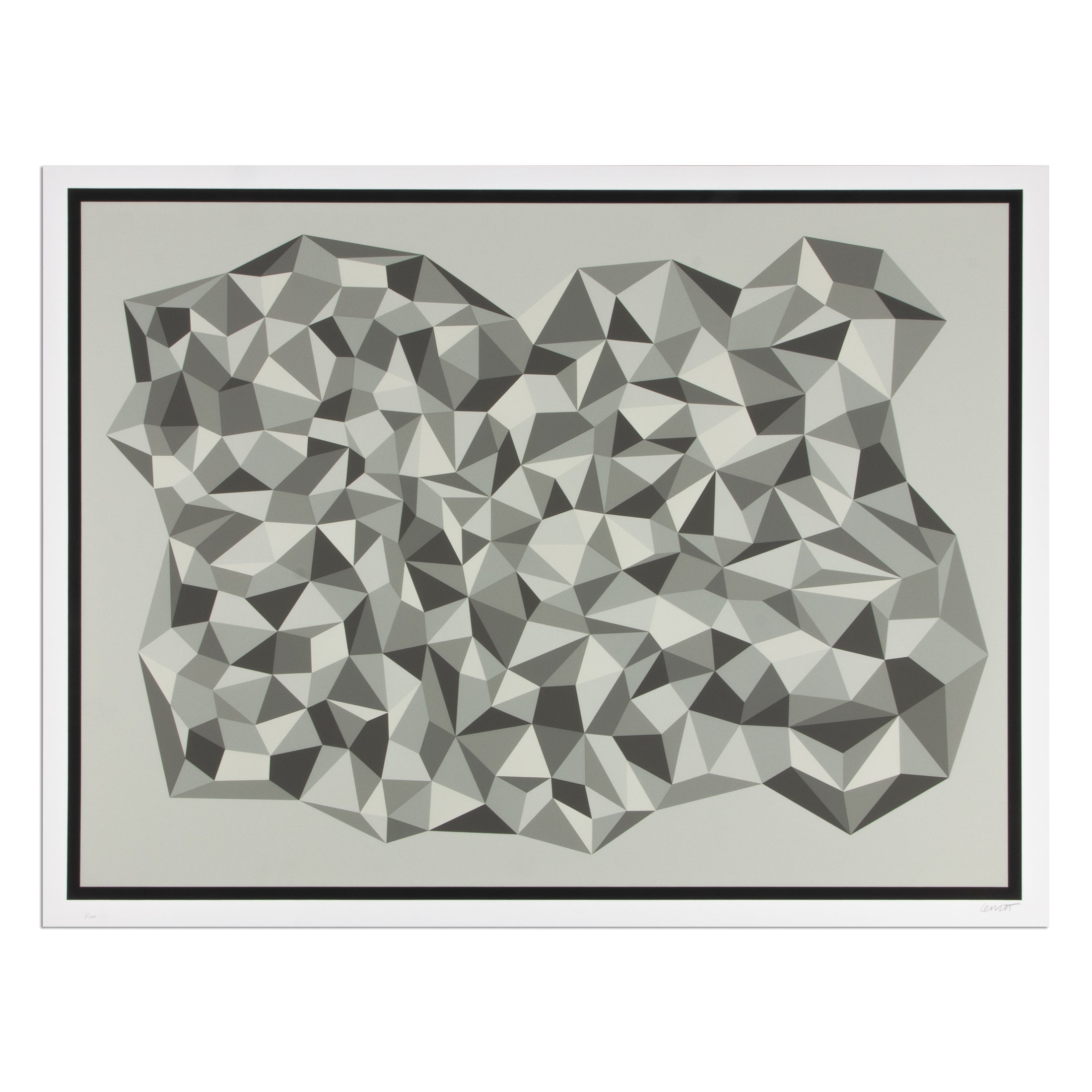
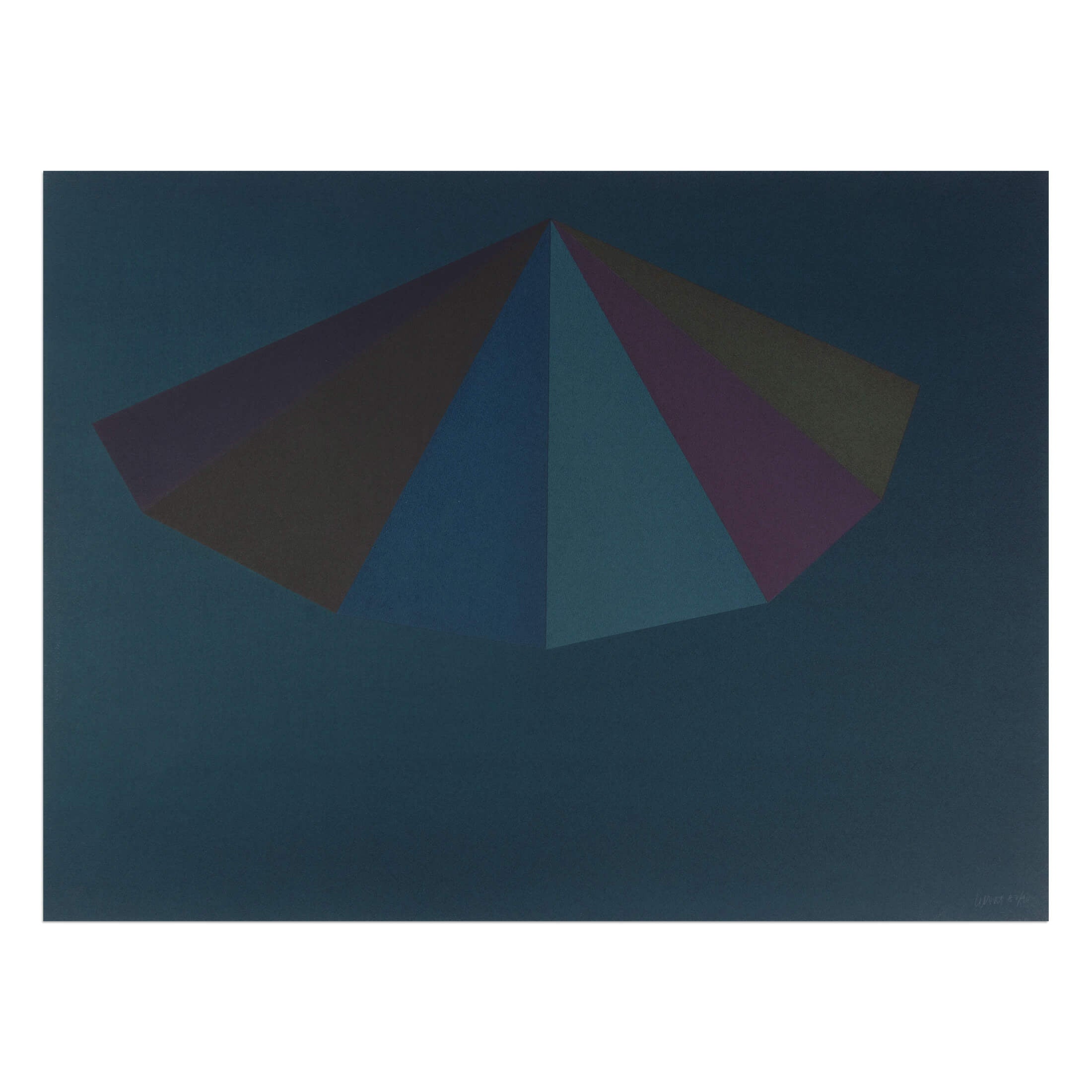
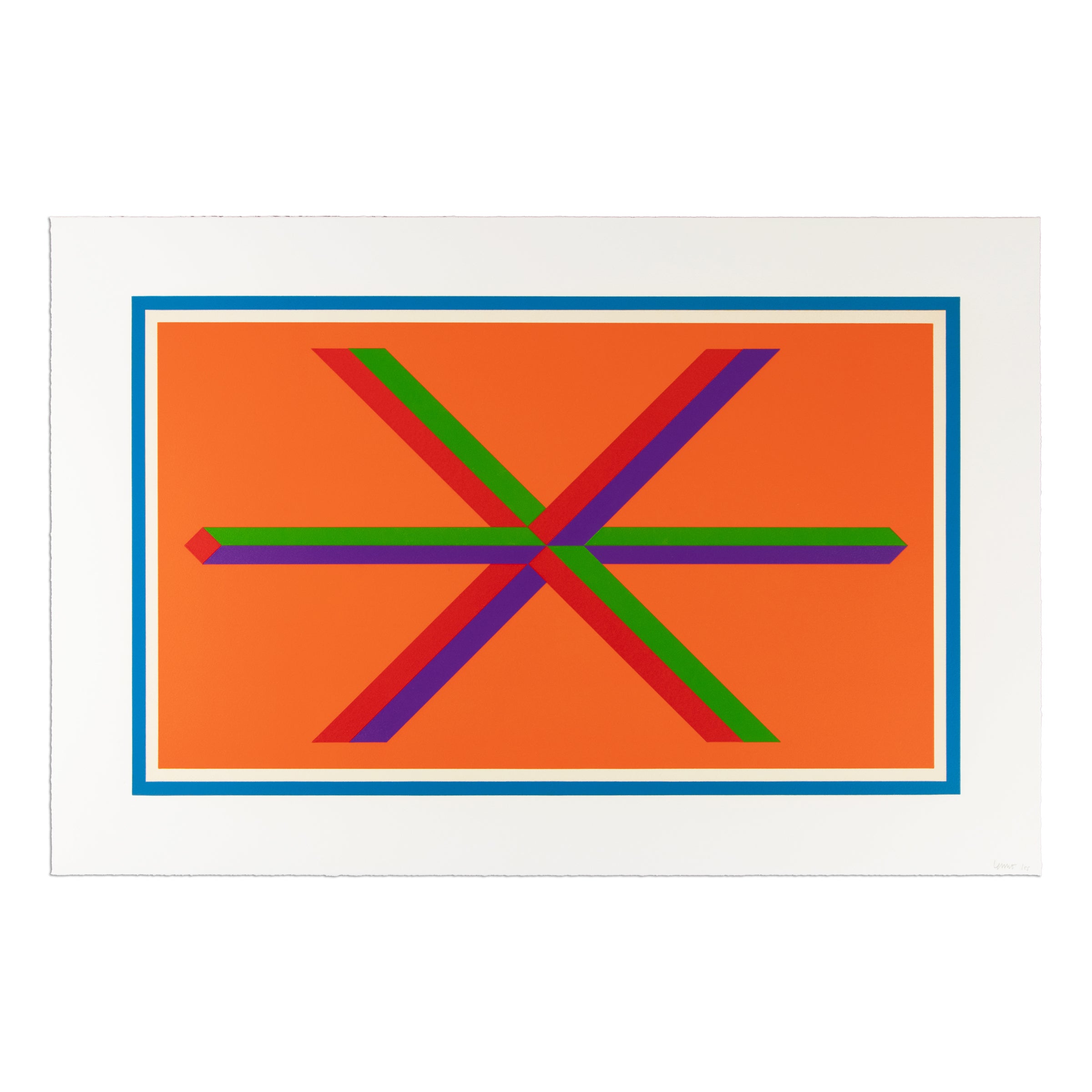
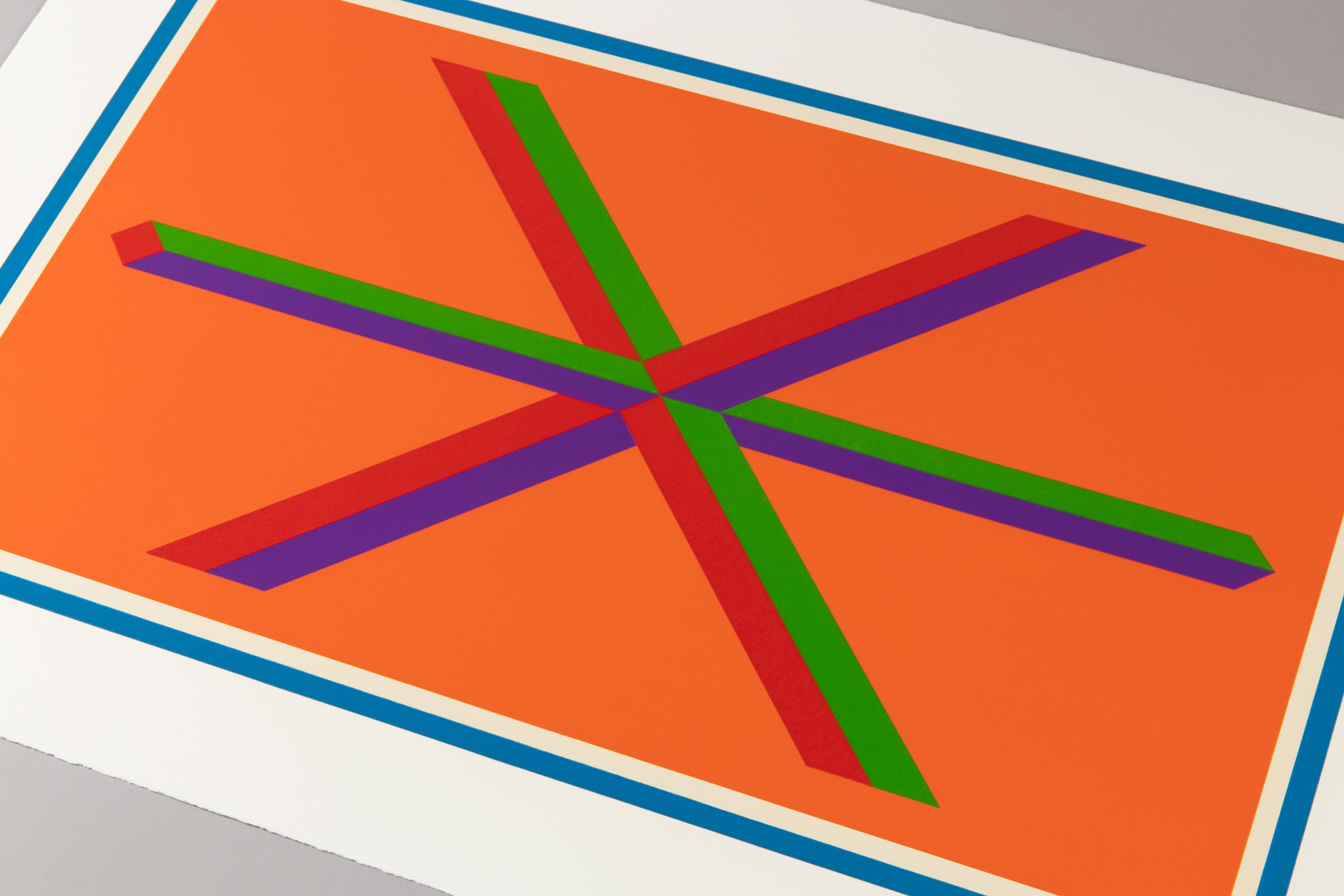
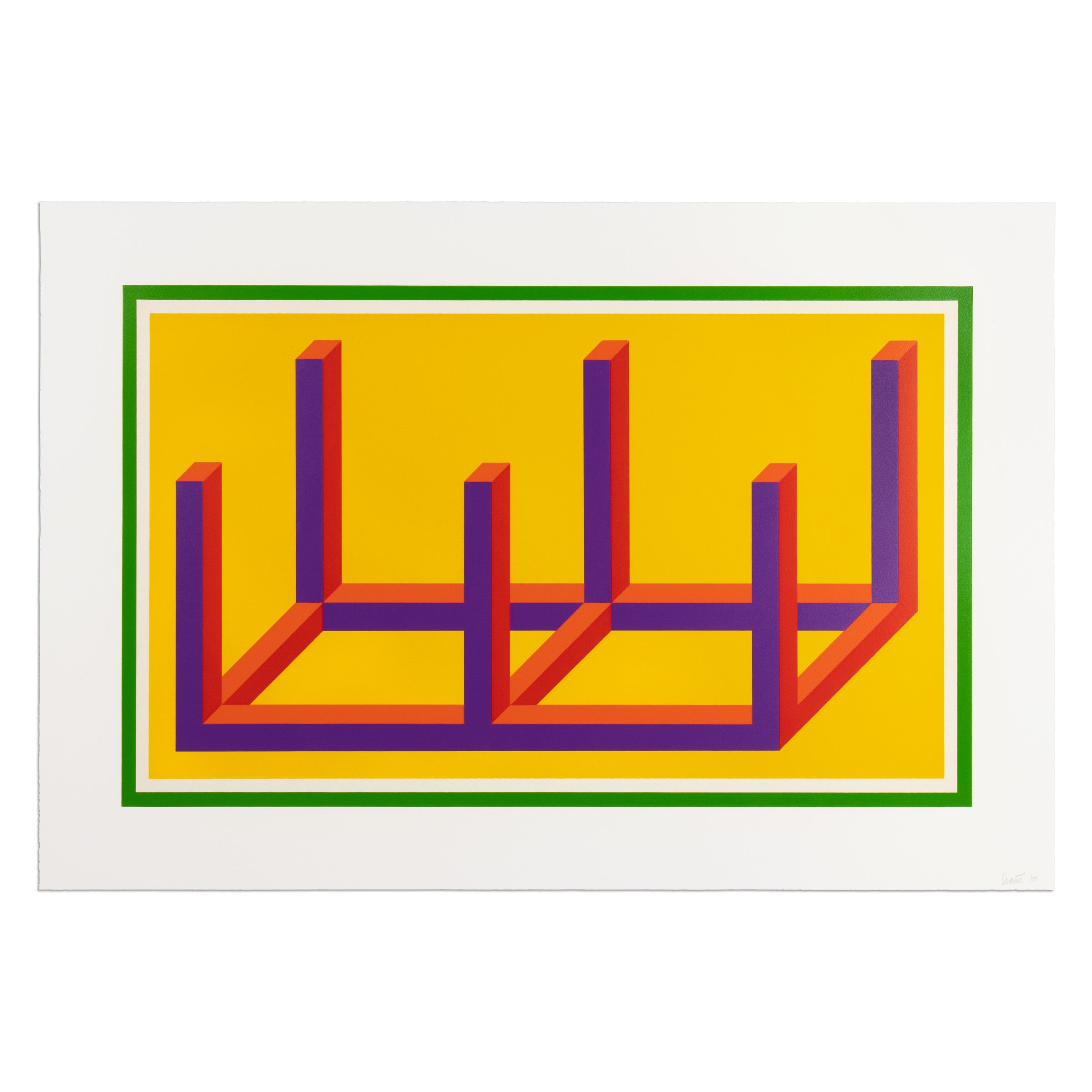
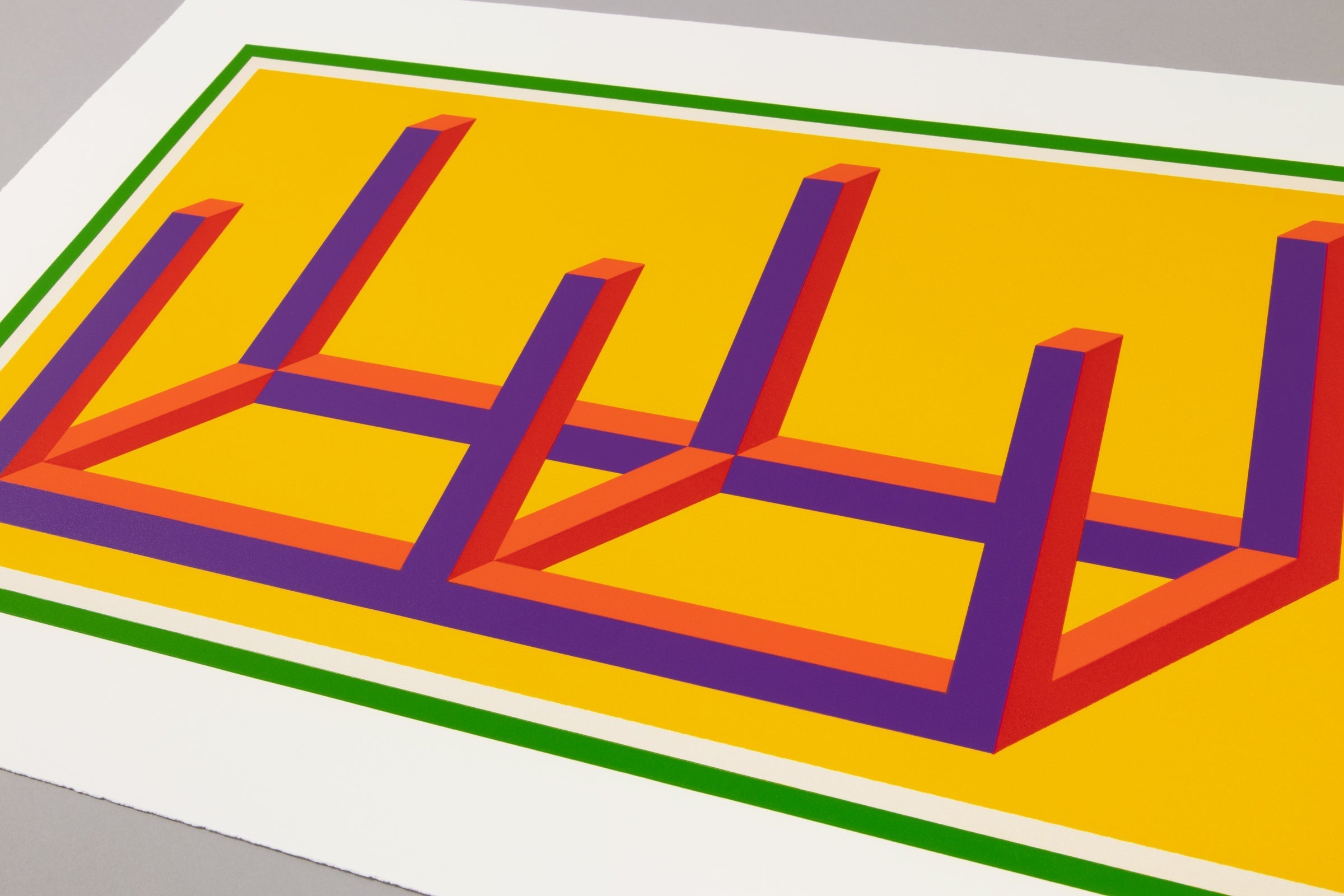

Sol LeWitt (1928–2007) was born in Hartford, Connecticut, to Russian immigrant parents, and studied painting and sculpture at Syracuse University before serving as a graphic artist during the Korean War. In New York in the 1950s, he worked as a draftsman for the architect I. M. Pei — an early exposure to systematic, instruction-based design that would prove decisive. He also spent time as a graphic designer at Esquire and worked the night desk at MoMA, absorbing the New York art world from its edges before entering it fully.
By the mid-1960s, Sol LeWitt had established himself as a central figure of Minimalism, working alongside contemporaries including Donald Judd and Dan Flavin on modular structures built from repeated geometric units. His first "structures" — open cube frameworks and grid-based forms — shared Judd's conviction that an artwork should exist as a real object in real space rather than an illusion on canvas. But LeWitt pushed that logic one step further than his peers were willing to go: if a structure's meaning lay in its underlying system rather than its physical presence, did the object need to be built by the artist's own hand at all — or even exist as a single, fixed thing?
That question found its answer in 1967, with the essay "Paragraphs on Conceptual Art," published in Artforum: "When an artist uses a conceptual form of art, it means that all of the planning and decisions are made beforehand and the execution is a perfunctory affair. The idea becomes a machine that makes the art." A year later, at Paula Cooper Gallery, he drew directly onto a gallery wall for the first time — the beginning of what would become more than 1,200 numbered wall drawings, each existing not as a fixed object but as a set of instructions that could be executed, and re-executed, by others.
His visual vocabulary — grids, cubes, structures reduced to their essential geometry — drew directly on the legacy of Bauhaus Constructivism and De Stijl, movements that had already argued for geometric abstraction as a rational, universal language. LeWitt inherited that formal discipline first through Minimalism, then redirected its purpose entirely: geometry became not an end in itself but the visible residue of a system, a way of making the underlying idea legible.
This separation of conception from execution was not a gimmick but a serious philosophical position, one he extended into sculpture (which he insisted on calling "structures"), drawing, and an extensive body of prints — often exploring the same formal problem, a grid, a cube, a progression of lines, across every medium simultaneously. LeWitt was also a generous and attentive presence to younger artists: his 1965 letter to a struggling Eva Hesse, urging her simply to "DO," remains one of the most quoted pieces of artist correspondence of the twentieth century.

Wall Drawing #1 (1968), executed by LeWitt himself on the wall of Paula Cooper Gallery, inaugurated an entirely new category of artwork: instructions, not objects. LeWitt soon discovered assistants could often execute his systems better than he could, cementing the principle at the centre of his practice — that authorship lay in the idea, not the hand that realised it.
Serial Project #1 (ABCD) (1966), a large floor-based arrangement of cubes and rectangles built on a fixed ratio of 1:8:5, marked LeWitt's decisive turn toward pure system. Partly inspired by Eadweard Muybridge's serial photography, the work replaced compositional intuition with mathematical procedure — the clearest possible demonstration of "the idea as a machine."
1 x 2 Half Off (1966), a painted wood structure, became LeWitt's auction record when it sold for $1.63 million at Sotheby's New York in 2023 — confirmation that his three-dimensional "structures" now command results on par with, or exceeding, his most significant works on paper.
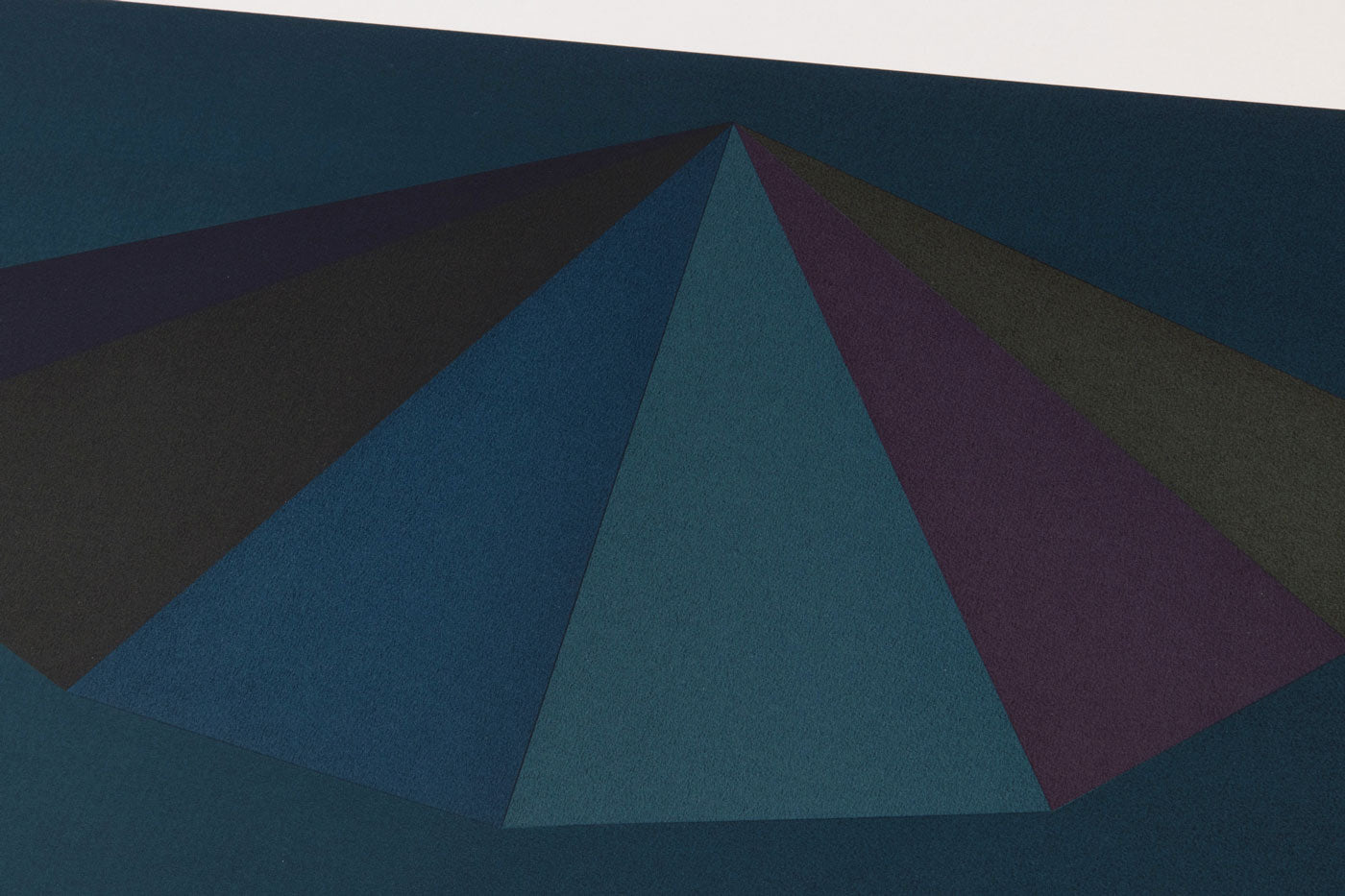
For Sol LeWitt, limited edition prints were never a secondary output translating a "real" wall drawing elsewhere — they extended the same generative logic into a portable, permanent format. Working with master printers over four decades, he applied the same systematic rigour to etching, aquatint, woodcut, and screenprint that governed his wall drawings and structures: predetermined rules for line, colour, and geometric progression, executed with exacting technical precision.
Because his wall drawings are, by design, temporary — reinstalled and often altered with each new exhibition — his abstract editions frequently constitute the most permanent surviving record of a given system. Portfolios such as Six Geometric Figures And All Their Combinations (1980), a suite of 63 screenprints, set the current auction record for a Sol LeWitt print at over £60,000 at Christie's New York in 2022, while individual signed prints more typically trade between £2,000 and £20,000 depending on rarity and series.
For collectors, Sol LeWitt prints and editions offer direct access to the intellectual core of his practice — the same systems, the same conceptual discipline, in signed, strictly limited editions. Artworks are held in the permanent collections of MoMA, Tate, and the Centre Pompidou.
Sol LeWitt (1928–2007) was born in Hartford, Connecticut, to Russian immigrant parents, and studied painting and sculpture at Syracuse University before serving as a graphic artist during the Korean War. In New York in the 1950s, he worked as a draftsman for the architect I. M. Pei — an early exposure to systematic, instruction-based design that would prove decisive. He also spent time as a graphic designer at Esquire and worked the night desk at MoMA, absorbing the New York art world from its edges before entering it fully.
By the mid-1960s, Sol LeWitt had established himself as a central figure of Minimalism, working alongside contemporaries including Donald Judd and Dan Flavin on modular structures built from repeated geometric units. His first "structures" — open cube frameworks and grid-based forms — shared Judd's conviction that an artwork should exist as a real object in real space rather than an illusion on canvas. But LeWitt pushed that logic one step further than his peers were willing to go: if a structure's meaning lay in its underlying system rather than its physical presence, did the object need to be built by the artist's own hand at all — or even exist as a single, fixed thing?
That question found its answer in 1967, with the essay "Paragraphs on Conceptual Art," published in Artforum: "When an artist uses a conceptual form of art, it means that all of the planning and decisions are made beforehand and the execution is a perfunctory affair. The idea becomes a machine that makes the art." A year later, at Paula Cooper Gallery, he drew directly onto a gallery wall for the first time — the beginning of what would become more than 1,200 numbered wall drawings, each existing not as a fixed object but as a set of instructions that could be executed, and re-executed, by others.
His visual vocabulary — grids, cubes, structures reduced to their essential geometry — drew directly on the legacy of Bauhaus Constructivism and De Stijl, movements that had already argued for geometric abstraction as a rational, universal language. LeWitt inherited that formal discipline first through Minimalism, then redirected its purpose entirely: geometry became not an end in itself but the visible residue of a system, a way of making the underlying idea legible.
This separation of conception from execution was not a gimmick but a serious philosophical position, one he extended into sculpture (which he insisted on calling "structures"), drawing, and an extensive body of prints — often exploring the same formal problem, a grid, a cube, a progression of lines, across every medium simultaneously. LeWitt was also a generous and attentive presence to younger artists: his 1965 letter to a struggling Eva Hesse, urging her simply to "DO," remains one of the most quoted pieces of artist correspondence of the twentieth century.
Wall Drawing #1 (1968), executed by LeWitt himself on the wall of Paula Cooper Gallery, inaugurated an entirely new category of artwork: instructions, not objects. LeWitt soon discovered assistants could often execute his systems better than he could, cementing the principle at the centre of his practice — that authorship lay in the idea, not the hand that realised it.
Serial Project #1 (ABCD) (1966), a large floor-based arrangement of cubes and rectangles built on a fixed ratio of 1:8:5, marked LeWitt's decisive turn toward pure system. Partly inspired by Eadweard Muybridge's serial photography, the work replaced compositional intuition with mathematical procedure — the clearest possible demonstration of "the idea as a machine."
1 x 2 Half Off (1966), a painted wood structure, became LeWitt's auction record when it sold for $1.63 million at Sotheby's New York in 2023 — confirmation that his three-dimensional "structures" now command results on par with, or exceeding, his most significant works on paper.
For Sol LeWitt, limited edition prints were never a secondary output translating a "real" wall drawing elsewhere — they extended the same generative logic into a portable, permanent format. Working with master printers over four decades, he applied the same systematic rigour to etching, aquatint, woodcut, and screenprint that governed his wall drawings and structures: predetermined rules for line, colour, and geometric progression, executed with exacting technical precision.
Because his wall drawings are, by design, temporary — reinstalled and often altered with each new exhibition — his abstract editions frequently constitute the most permanent surviving record of a given system. Portfolios such as Six Geometric Figures And All Their Combinations (1980), a suite of 63 screenprints, set the current auction record for a Sol LeWitt print at over £60,000 at Christie's New York in 2022, while individual signed prints more typically trade between £2,000 and £20,000 depending on rarity and series.
For collectors, Sol LeWitt prints and editions offer direct access to the intellectual core of his practice — the same systems, the same conceptual discipline, in signed, strictly limited editions. Artworks are held in the permanent collections of MoMA, Tate, and the Centre Pompidou.


Sol LeWitt: Key Questions
Collecting Sol LeWitt?
Looking for a specific artwork or have a question about an edition? We're happy to advise on availability, pricing, condition, and provenance — and to source artworks beyond our current selection.
What is Sol LeWitt known for?
Sol LeWitt is known as a founding figure of both Conceptual and Minimalist Art, best recognised for his wall drawings — instruction-based works, numbering over 1,200, executed directly onto architecture by assistants following his written rules. His 1967 essay "Paragraphs on Conceptual Art" remains one of the defining texts of the movement, articulating his conviction that "the idea becomes a machine that makes the art."
Why did Sol LeWitt use assistants to make his art?
Sol LeWitt believed the idea, not the physical execution, constituted the artwork. Beginning with Wall Drawing #1 in 1968, he provided written instructions that assistants and gallery staff carried out, arguing that "all of the planning and decisions are made beforehand" and execution was secondary. This deliberately challenged traditional notions of authorship, positioning the concept itself as the true artistic contribution.
Was Sol LeWitt a Minimalist or a Conceptual artist?
Both, at different points in his career. Sol LeWitt emerged from Minimalism's interest in geometric form and modular repetition in the mid-1960s, but his writings and instruction-based wall drawings positioned him as a founding figure of Conceptual Art by the end of the decade. He is generally regarded as one of the artists who bridged the two movements most decisively.
Are Sol LeWitt's wall drawings permanent?
No — by design, they are not. Sol LeWitt's wall drawings exist as a set of instructions rather than a fixed physical object, meaning theey can be painted over after an exhibition closes and reinstalled elsewhere at a later date, sometimes by an entirely different team of assistants. This impermanence was central to LeWitt's argument: the artwork is the idea and its instructions, not any single physical realisation of it. His signed prints and editions, by contrast, are permanent — offering collectors a fixed, lasting record of systems that, on the wall, are built to be temporary.
How much do Sol LeWitt artworks sell for?
Sol LeWitt's unique structures and sculptures have reached significant prices at auction — his record stands at $1.63 million including premium, set at Sotheby's New York in 2023 for 1 x 2 Half Off (1966). Within editions specifically, the portfolio Six Geometric Figures And All Their Combinations (1980), a suite of 63 screenprints, achieved over £60,000 including premium at Christie's in 2022 — the current record for a Sol LeWitt print — while individual signed prints more typically trade between €2,000 and €20,000 including premium.


Buy art online
Shop editions with transparent pricing, accurate condition reports, and fast dispatch. Built for international collectors — buying original art made simple and reliable.

Worldwide shipping
Every work ships fully insured and tracked, handled only by trusted international express carriers — DHL Express, FedEx, UPS — and typically dispatched within five days.

Professional packaging
Meticulous packing is our craft. Each artwork is packed in-house to archival standards — multi-layer construction built to ensure it arrives in mint condition, anywhere in the world.

Secure payment
Checkout is powered by Shopify Payments — the same encrypted, PCI-compliant infrastructure trusted by millions of merchants worldwide.