


Dan Flavin

Dan Flavin transformed the experience of space through the deliberate use of commercially available fluorescent light, becoming a central figure in the development of Minimalism. His work reduces art to its most direct material conditions — light, colour, and architectural context, built from ten factory colours and five standard tube shapes and nothing else. These prints and editions extend his investigation of colour and perception into collectible form, preserving the precision of a practice conceived from the start on paper.

Browse signed Dan Flavin prints and editions now.

Available Prints & Editions

01

Dan Flavin Biography

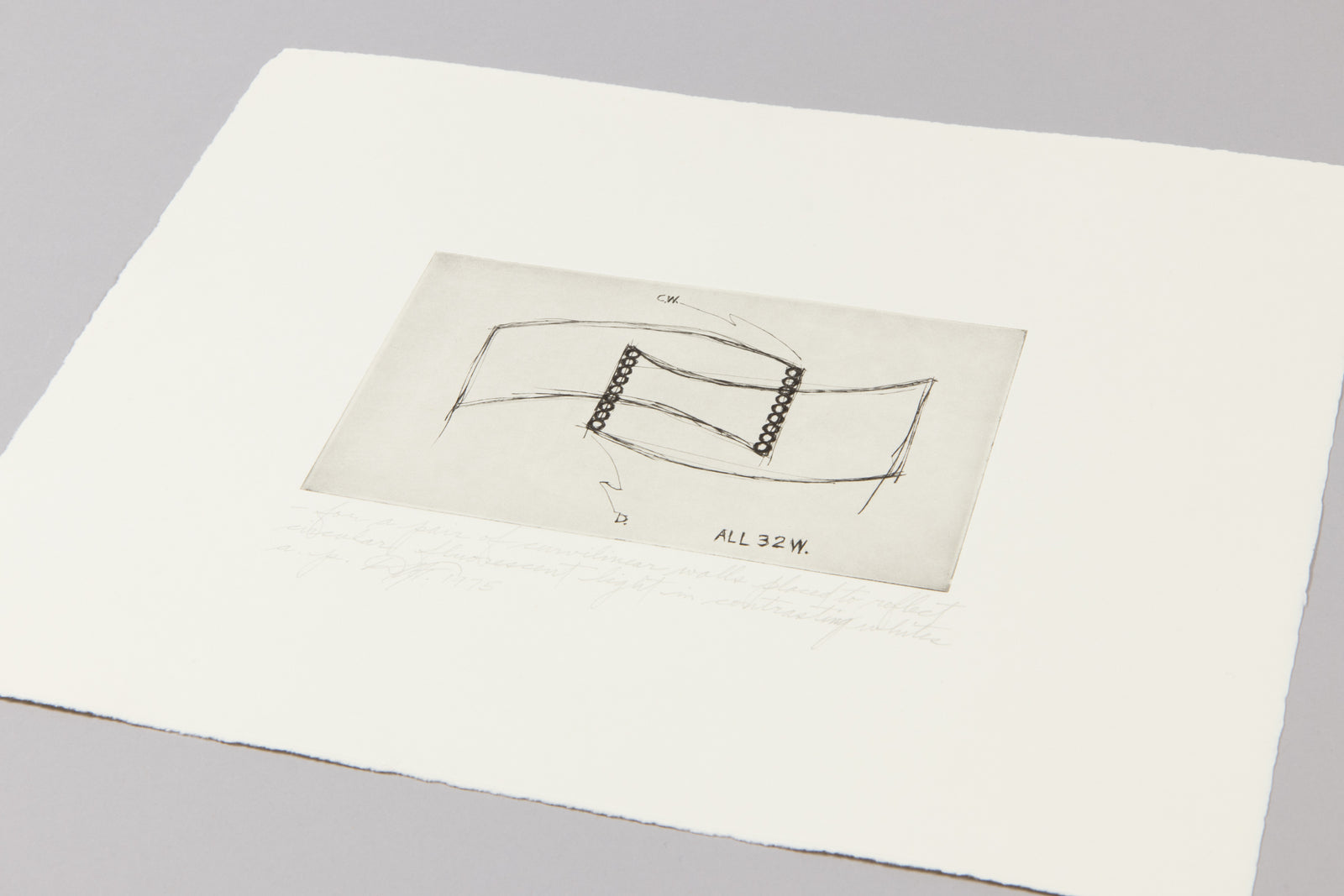
Dan Flavin (1933–1996) began developing his signature language in 1961–63 with a group of works he called "icons" — painted wooden squares fitted with a single fluorescent tube, the name borrowed from Kazimir Malevich's description of his own abstract paintings as "the icon of my time." Only eight icons were ever built, but Flavin sketched dozens more on graph paper and notebook pages — a working method that would define his entire career: the diagram, not the fabricated object, as the true site of authorship.

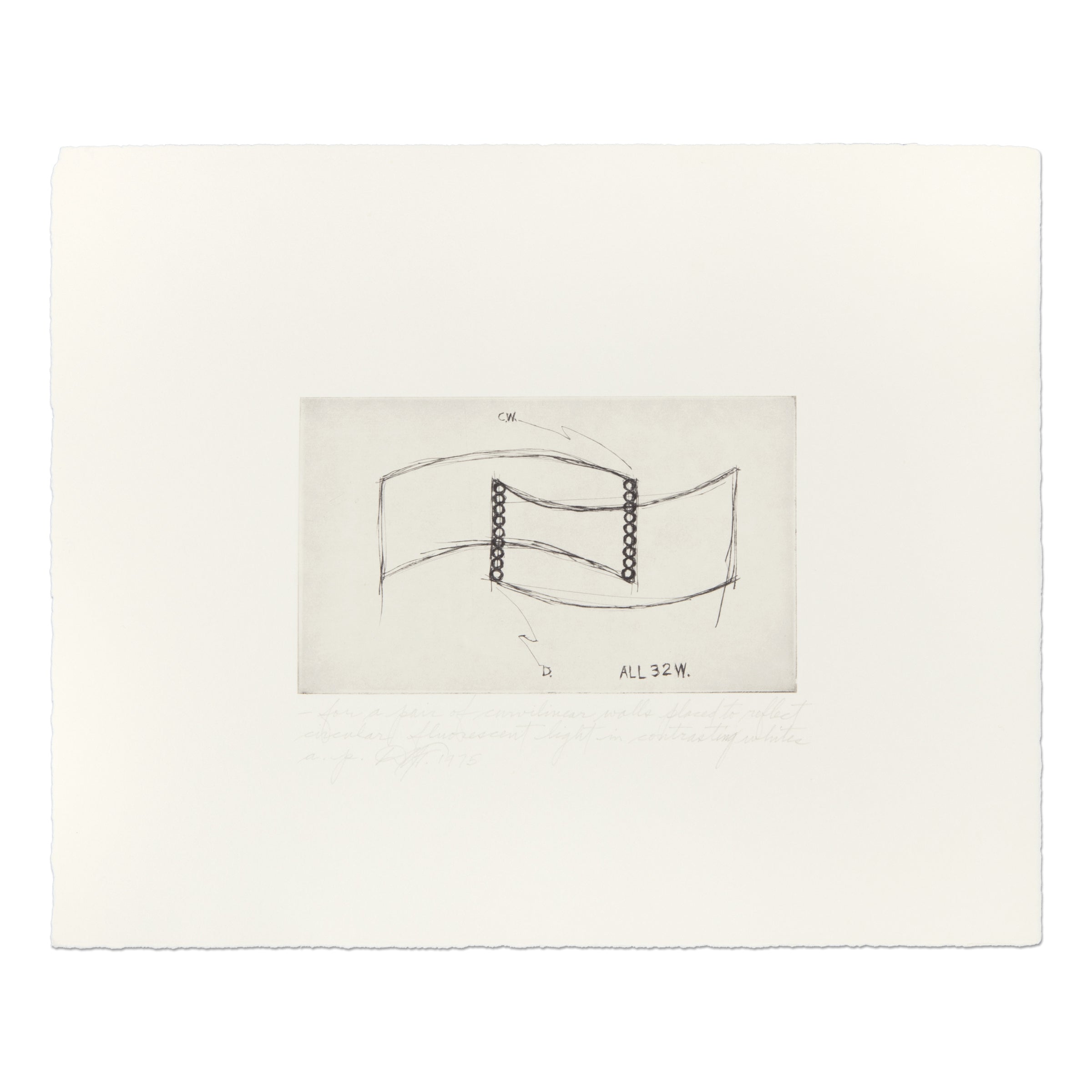
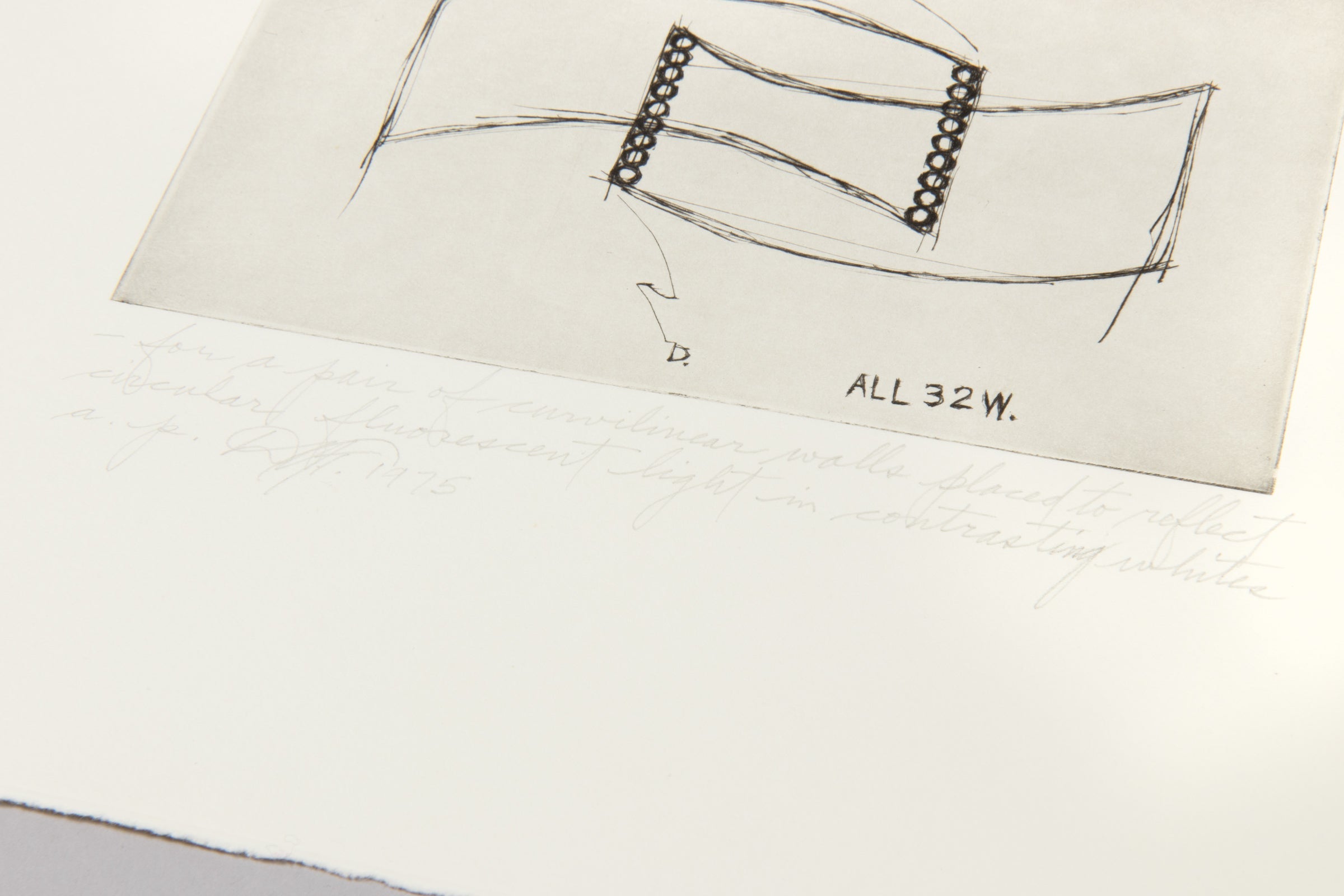
From 1963 onward, Flavin worked almost exclusively with commercially manufactured fluorescent tubes, restricting himself to ten standard colours and five standard shapes — a self-imposed constraint that recontextualised industrial lighting as sculpture without ever altering it, in the spirit of Marcel Duchamp's readymades. Crucially, Flavin was rarely the physical maker of his own work. Each piece began as a precise diagram, annotated with technical notes, which assistants and gallery electricians then used to construct the installation. He supervised construction closely but remained hands-off, often refining a work's configuration only once he saw how it inhabited a specific room.

This is what makes his prints inseparable from his practice rather than secondary to it. Where the light installations are temporary and site-specific — frequently dismantled after an exhibition closes — the diagrams, lithographs, and etchings are permanent records of the same conceptual decisions, in his own hand. His most ambitious architectural intervention, a rainbow of coloured light threaded through the curves of Frank Lloyd Wright's Guggenheim Museum rotunda in 1992, exists today largely through documentation and works on paper of exactly this kind.

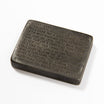
Dan Flavin, Projects 1963-1995
02

Famous Dan Flavin Artworks

the diagonal of May 25, 1963 (to Robert Rosenblum) (1963) is widely considered Flavin's breakthrough: a single yellow fluorescent tube installed at a 45-degree angle against the wall. It was the moment he abandoned the icon boxes entirely and let the light fixture itself become the entire sculpture — nothing added, nothing altered, the readymade taken to its logical conclusion.

Alternate Diagonals of March 2, 1964 (to Don Judd), a work dedicated to his close friend and fellow Minimalist, later became Flavin's auction record, selling for $3.08 million at Sotheby's New York in 2014 — confirmation of how central the dialogue between Flavin and Judd was to Minimalism's formation.

Untitled (to you, Heiner, with admiration and affection) (1973) and the broader body of installations made for the Guggenheim rotunda in 1992 demonstrate Flavin's late-career ambition: light not just placed within architecture, but used to fundamentally reshape how a monumental building is experienced by the body moving through it.

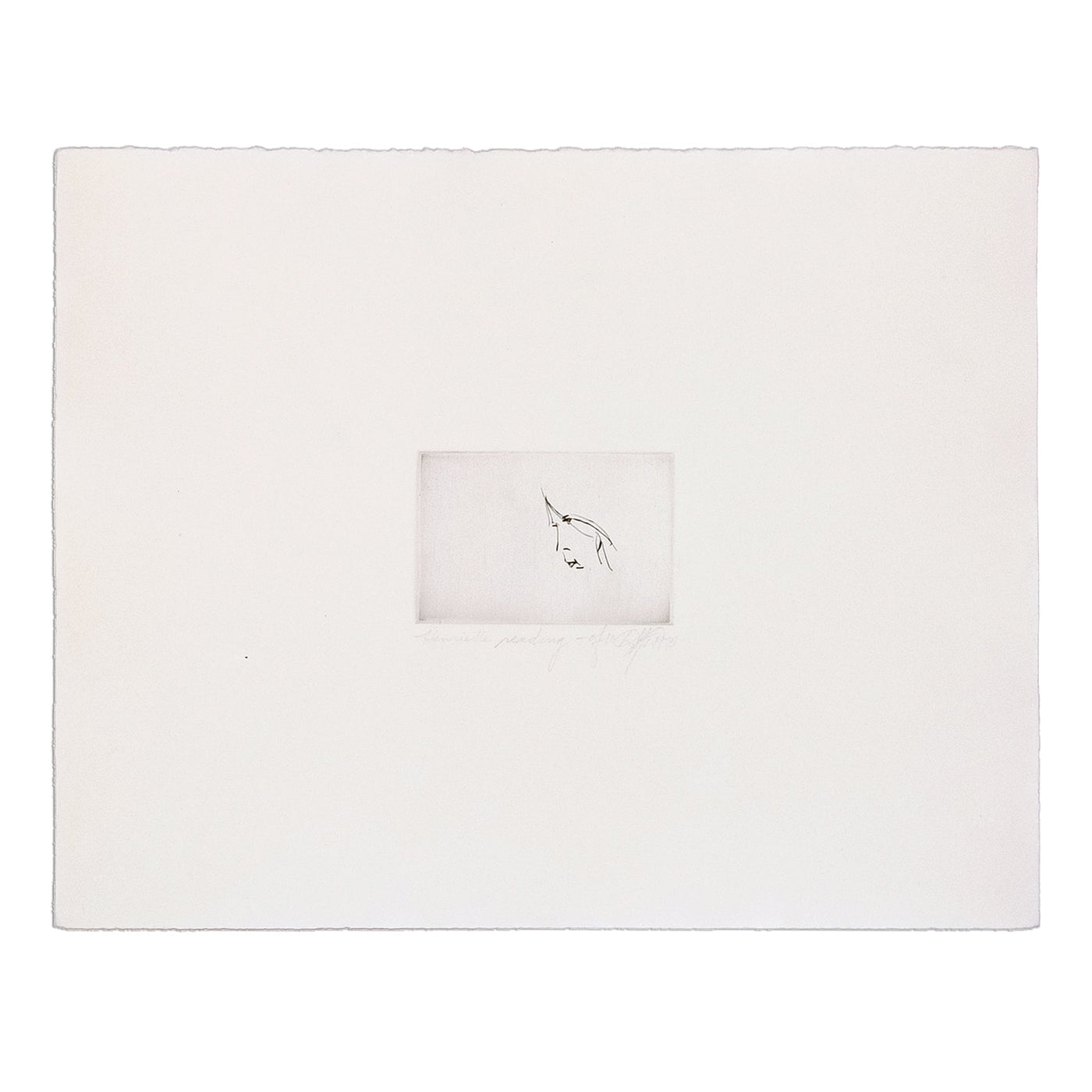
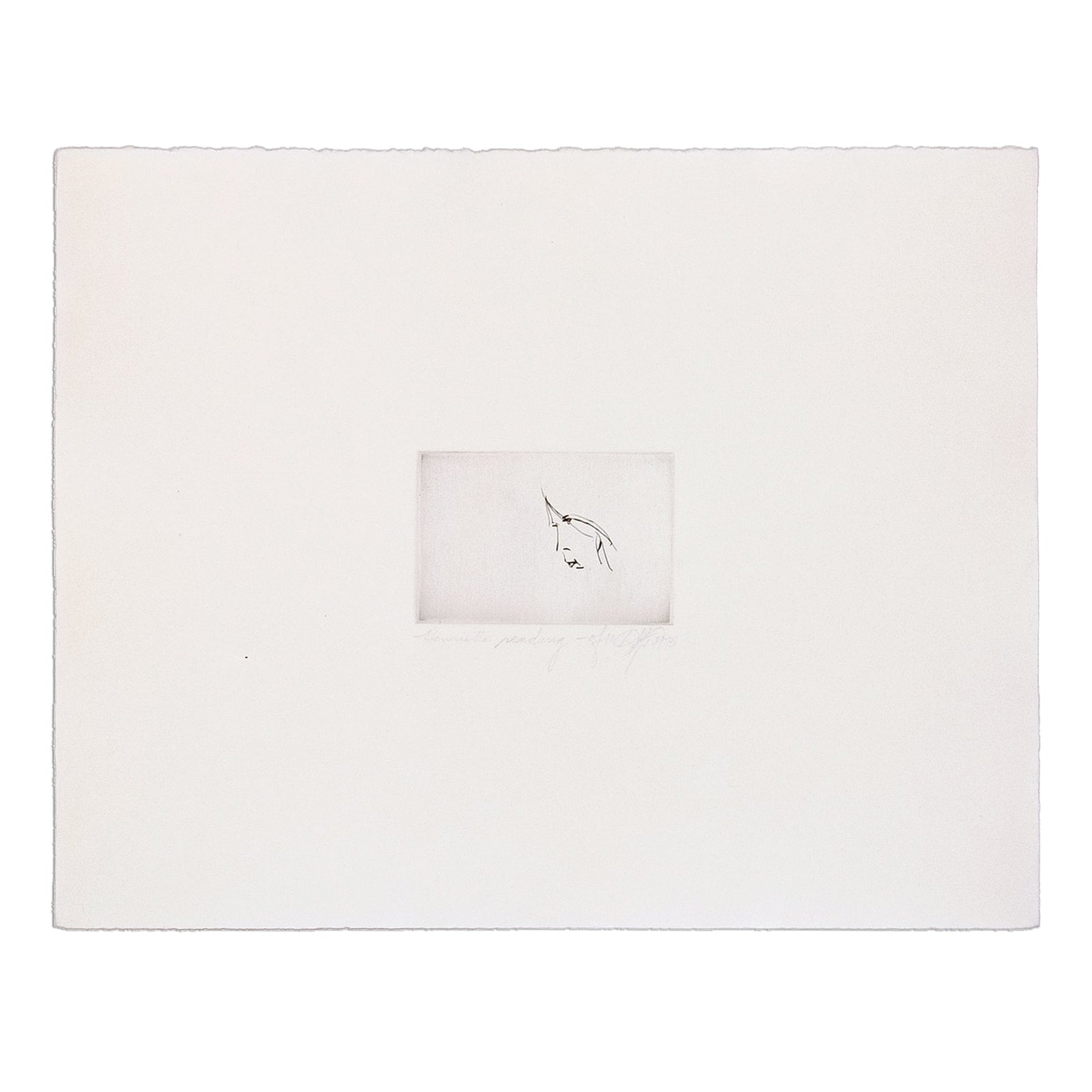
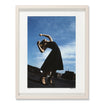
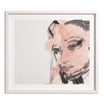
Dan Flavin – Henriette reading
03

Dan Flavin Prints & Editions

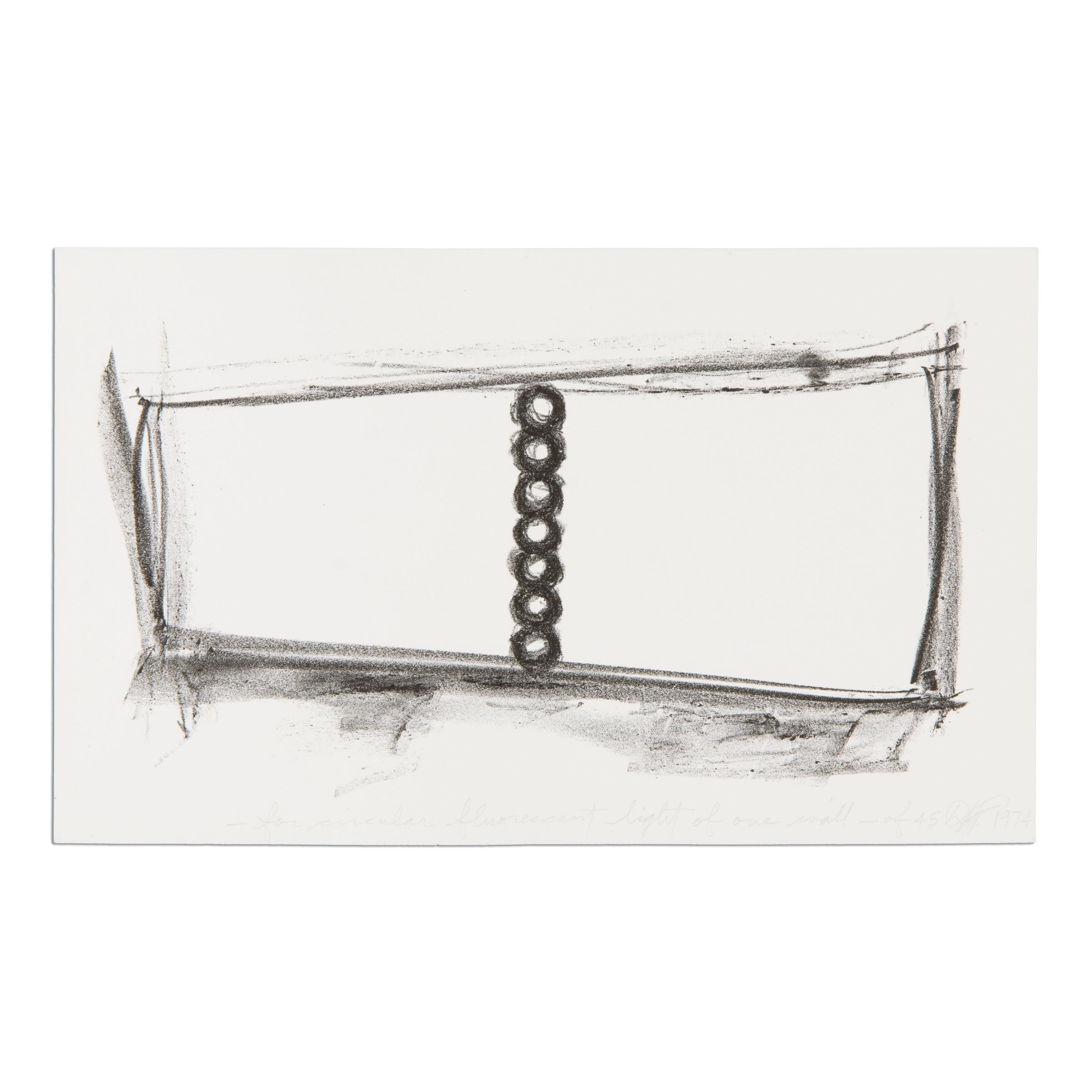
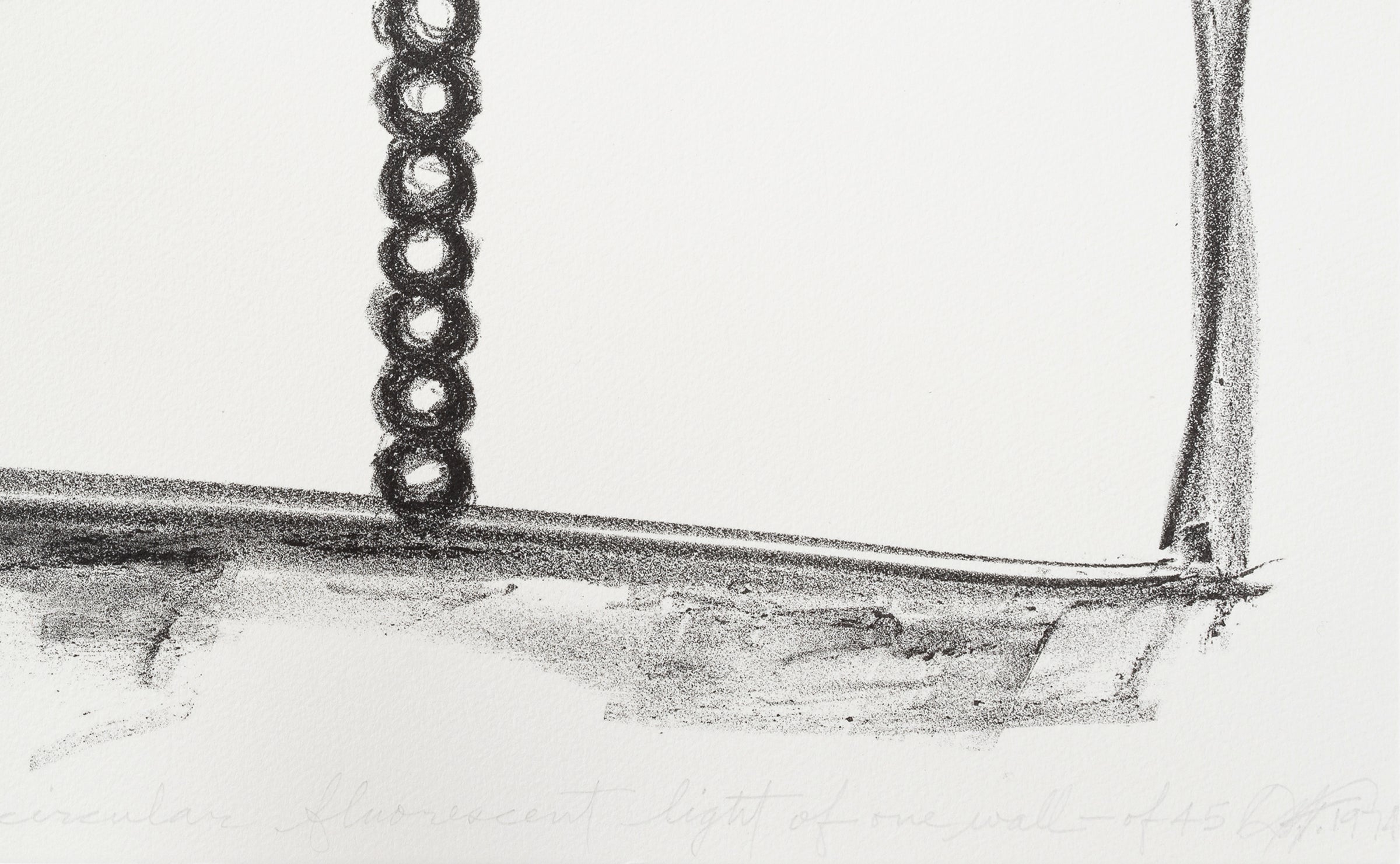
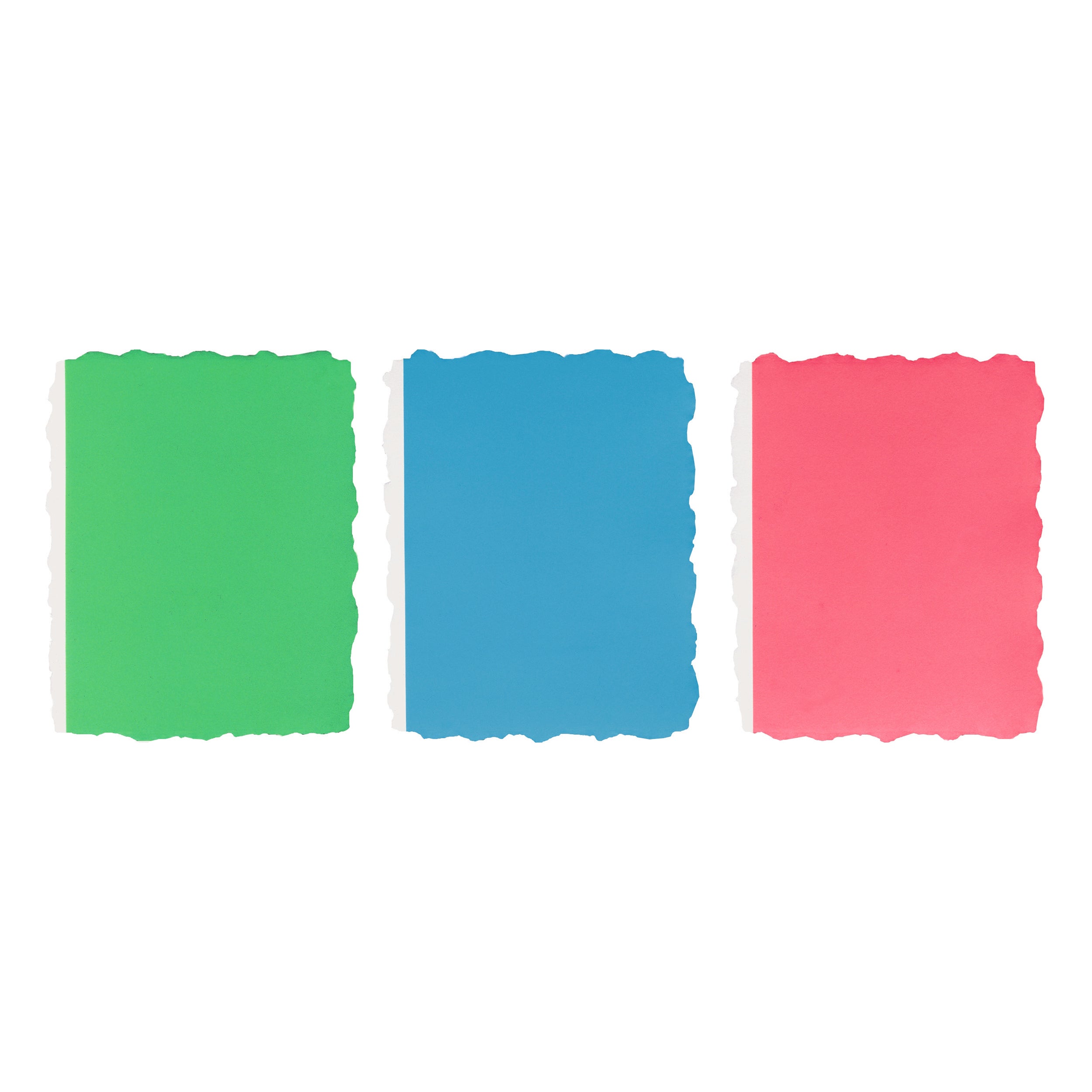
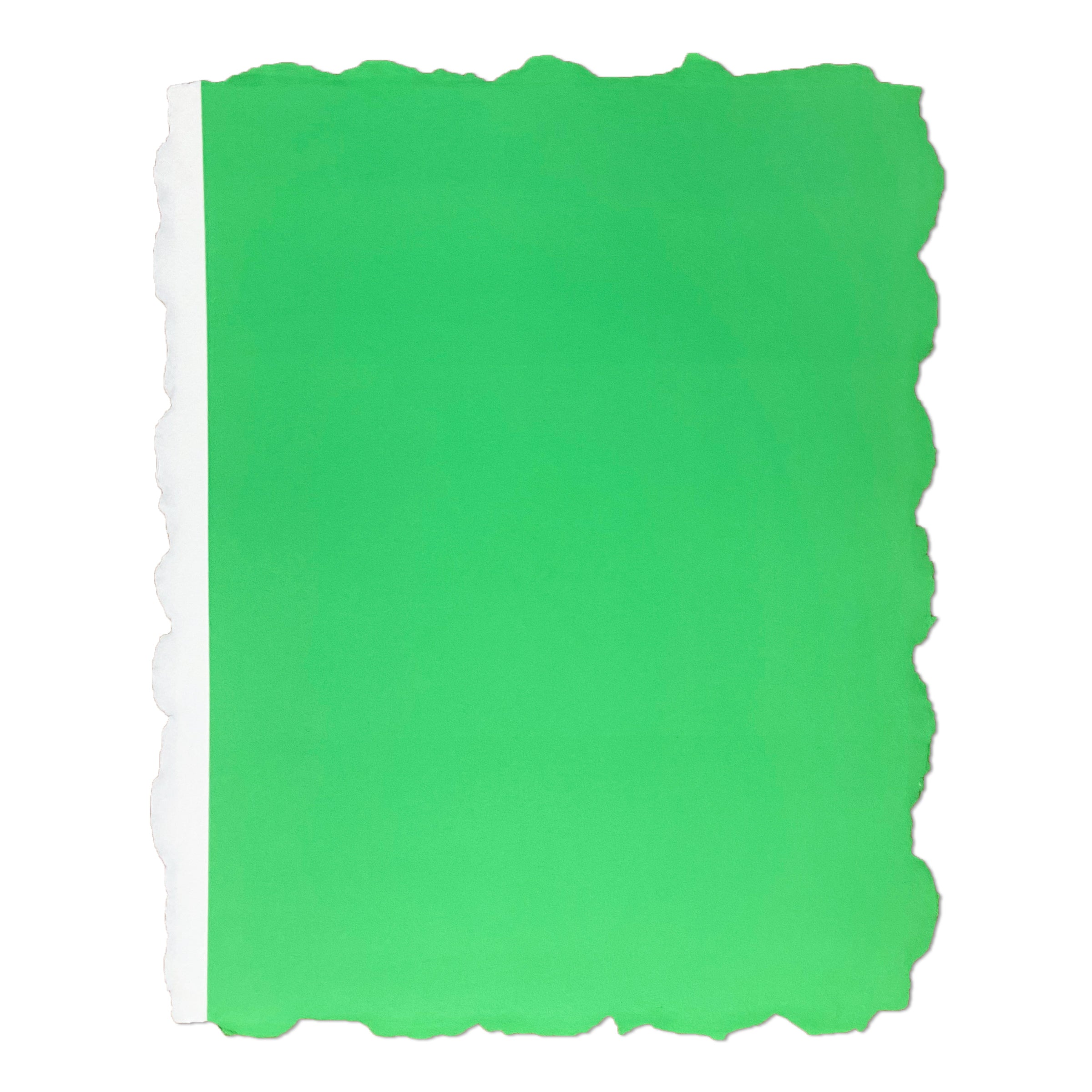
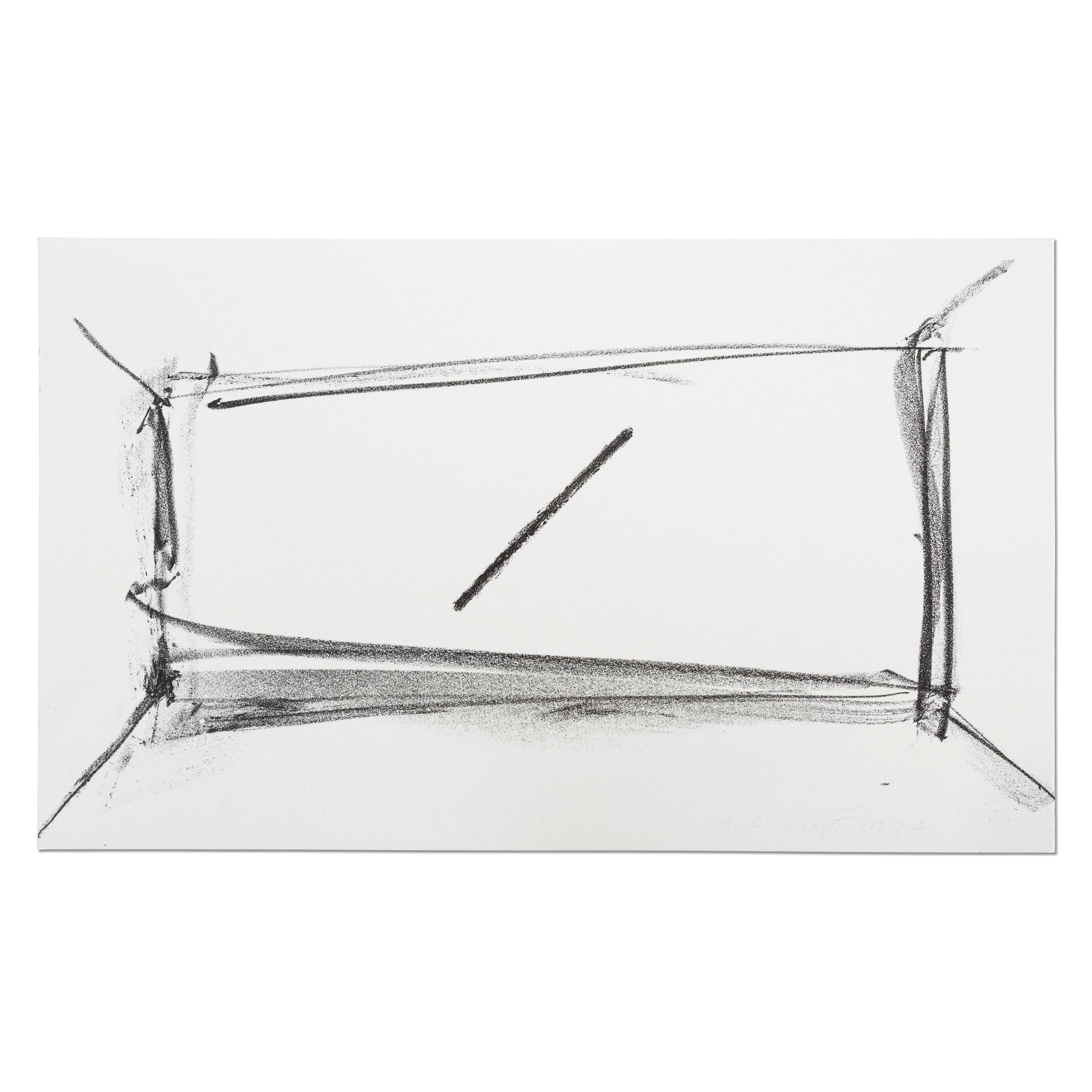
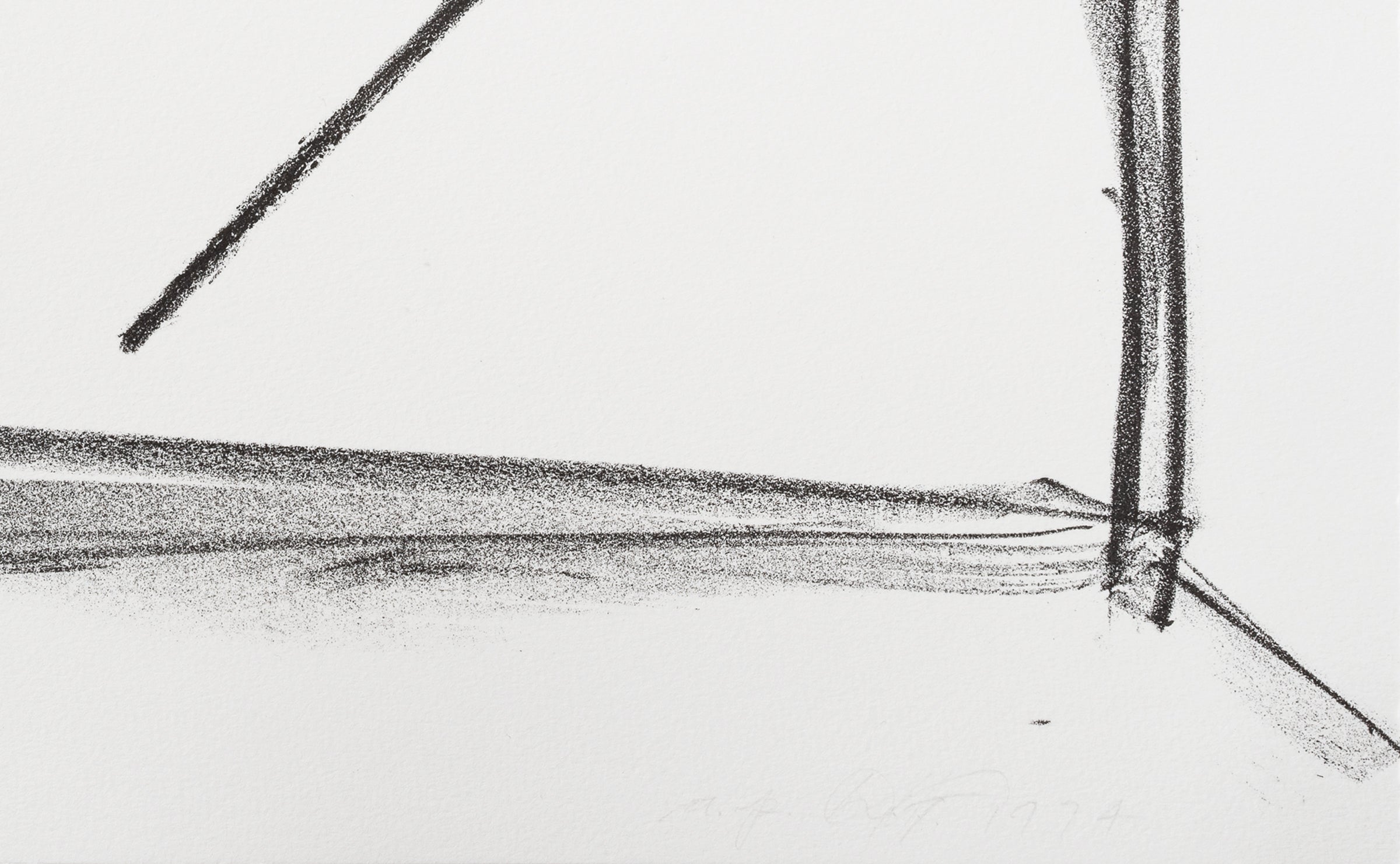
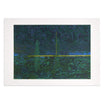
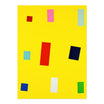
Flavin's prints did not translate his light works after the fact — they extended the same diagrammatic thinking that produced them in the first place. His lithographs and etchings employ the same restrained geometry and considered colour relationships as the installations, published through workshops including Multiples, Inc. and Gemini G.E.L., often accompanying major museum surveys such as the 1976 Fort Worth Art Museum exhibition Drawings, Diagrams, and Prints 1972–1975.

Because Flavin's sculptures are frequently realised only for the duration of a specific exhibition, his prints often outlast the installations they document — the more permanent record of decisions that were, by design, temporary in built form. For collectors, this gives his editions a documentary significance beyond their formal qualities: a signed, dated diagram is direct evidence of the artist's own hand, in a practice where the fabricated object rarely was.

Works are held in the permanent collections of MoMA, Tate, and the Hirshhorn Museum.

01

Dan Flavin Biography

Dan Flavin (1933–1996) began developing his signature language in 1961–63 with a group of works he called "icons" — painted wooden squares fitted with a single fluorescent tube, the name borrowed from Kazimir Malevich's description of his own abstract paintings as "the icon of my time." Only eight icons were ever built, but Flavin sketched dozens more on graph paper and notebook pages — a working method that would define his entire career: the diagram, not the fabricated object, as the true site of authorship.

From 1963 onward, Flavin worked almost exclusively with commercially manufactured fluorescent tubes, restricting himself to ten standard colours and five standard shapes — a self-imposed constraint that recontextualised industrial lighting as sculpture without ever altering it, in the spirit of Marcel Duchamp's readymades. Crucially, Flavin was rarely the physical maker of his own work. Each piece began as a precise diagram, annotated with technical notes, which assistants and gallery electricians then used to construct the installation. He supervised construction closely but remained hands-off, often refining a work's configuration only once he saw how it inhabited a specific room.

This is what makes his prints inseparable from his practice rather than secondary to it. Where the light installations are temporary and site-specific — frequently dismantled after an exhibition closes — the diagrams, lithographs, and etchings are permanent records of the same conceptual decisions, in his own hand. His most ambitious architectural intervention, a rainbow of coloured light threaded through the curves of Frank Lloyd Wright's Guggenheim Museum rotunda in 1992, exists today largely through documentation and works on paper of exactly this kind.

02

Famous Dan Flavin Artworks

the diagonal of May 25, 1963 (to Robert Rosenblum) (1963) is widely considered Flavin's breakthrough: a single yellow fluorescent tube installed at a 45-degree angle against the wall. It was the moment he abandoned the icon boxes entirely and let the light fixture itself become the entire sculpture — nothing added, nothing altered, the readymade taken to its logical conclusion.

Alternate Diagonals of March 2, 1964 (to Don Judd), a work dedicated to his close friend and fellow Minimalist, later became Flavin's auction record, selling for $3.08 million at Sotheby's New York in 2014 — confirmation of how central the dialogue between Flavin and Judd was to Minimalism's formation.

Untitled (to you, Heiner, with admiration and affection) (1973) and the broader body of installations made for the Guggenheim rotunda in 1992 demonstrate Flavin's late-career ambition: light not just placed within architecture, but used to fundamentally reshape how a monumental building is experienced by the body moving through it.

03

Dan Flavin Prints & Editions

Flavin's prints did not translate his light works after the fact — they extended the same diagrammatic thinking that produced them in the first place. His lithographs and etchings employ the same restrained geometry and considered colour relationships as the installations, published through workshops including Multiples, Inc. and Gemini G.E.L., often accompanying major museum surveys such as the 1976 Fort Worth Art Museum exhibition Drawings, Diagrams, and Prints 1972–1975.

Because Flavin's sculptures are frequently realised only for the duration of a specific exhibition, his prints often outlast the installations they document — the more permanent record of decisions that were, by design, temporary in built form. For collectors, this gives his editions a documentary significance beyond their formal qualities: a signed, dated diagram is direct evidence of the artist's own hand, in a practice where the fabricated object rarely was.

Works are held in the permanent collections of MoMA, Tate, and the Hirshhorn Museum.

Dan Flavin, Projects 1963-1995Dan Flavin – Henriette reading

Dan Flavin: Key Questions

Collecting Dan Flavin?

Looking for a specific artwork or have a question about an edition? We're happy to advise on availability, pricing, condition, and provenance — and to source artworks beyond our current selection.

Contact us

Prints, Photographs & Multiples

View our full collection of

Prints, Photographs & Multiples

Explore editions