






About Sol LeWitt
Sol LeWitt (1928–2007) was a pioneering American artist and key figure in the development of Conceptual Art and Minimalism. Born in Hartford, Connecticut, LeWitt led a radical shift during the 1960s away from Abstract Expressionism, asserting that the idea behind an artwork is more important than its physical form. In his influential 1967 essay Paragraphs on Conceptual Art, he wrote, "The idea becomes a machine that makes the art," emphasizing that all decisions should be made before execution, which he viewed as secondary.
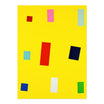
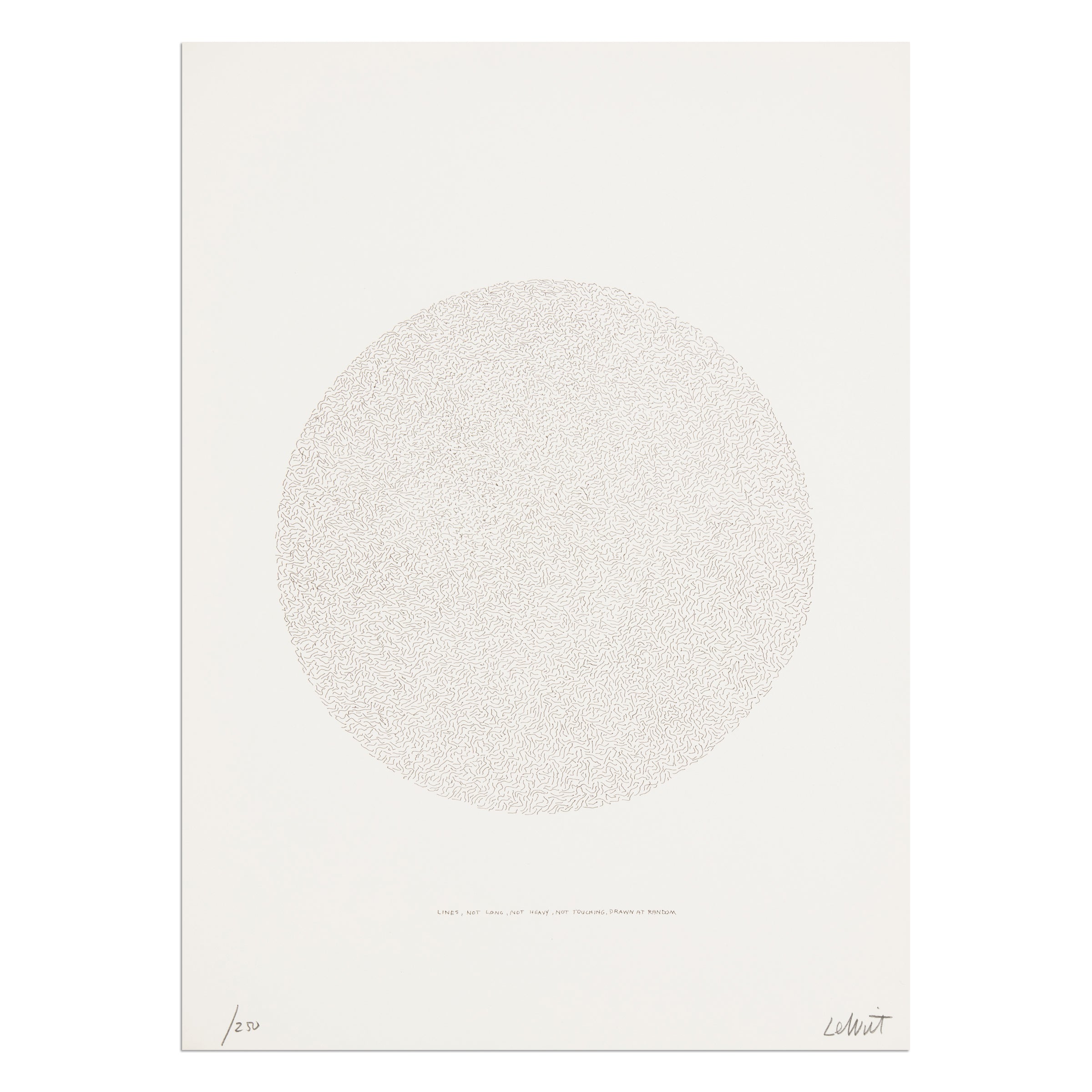
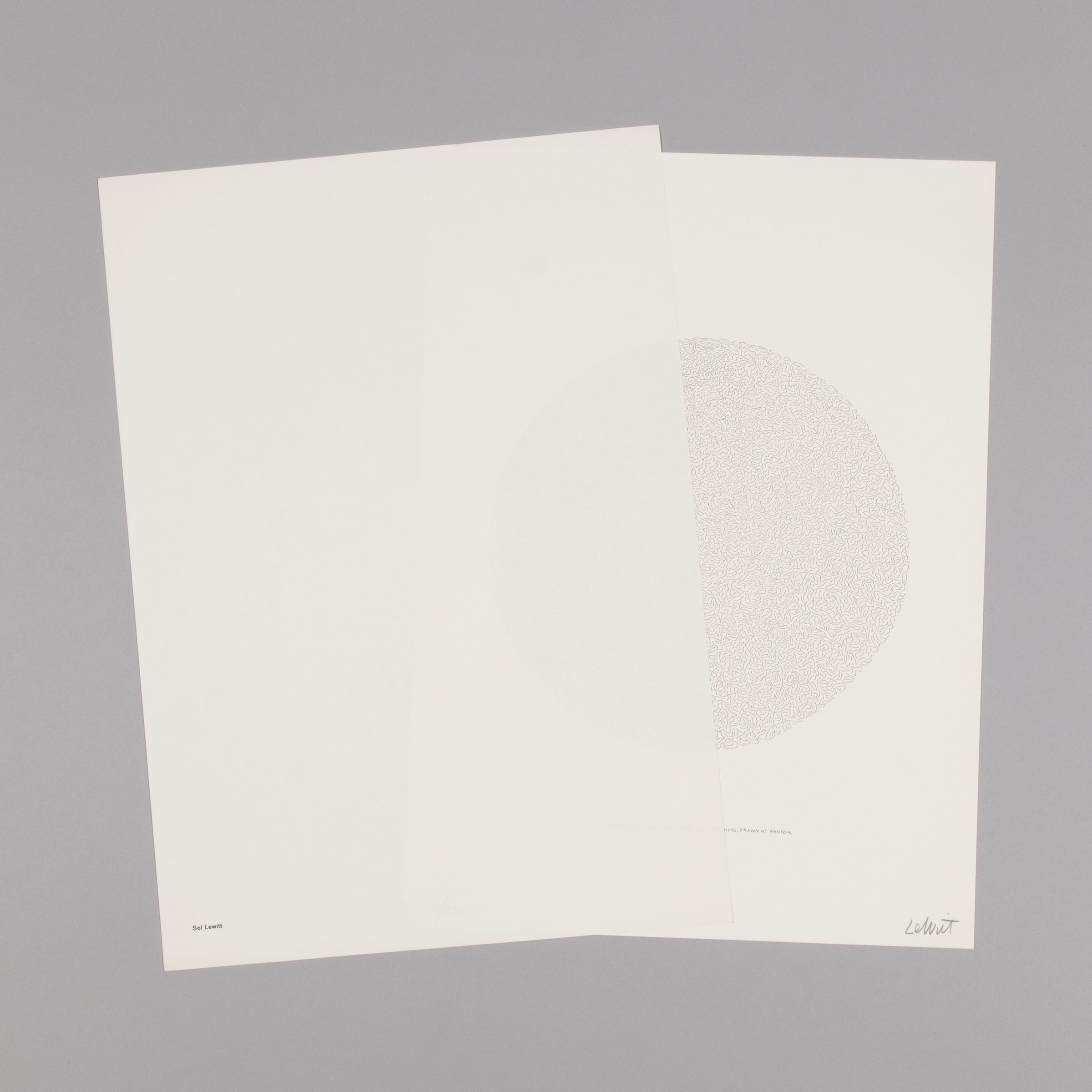
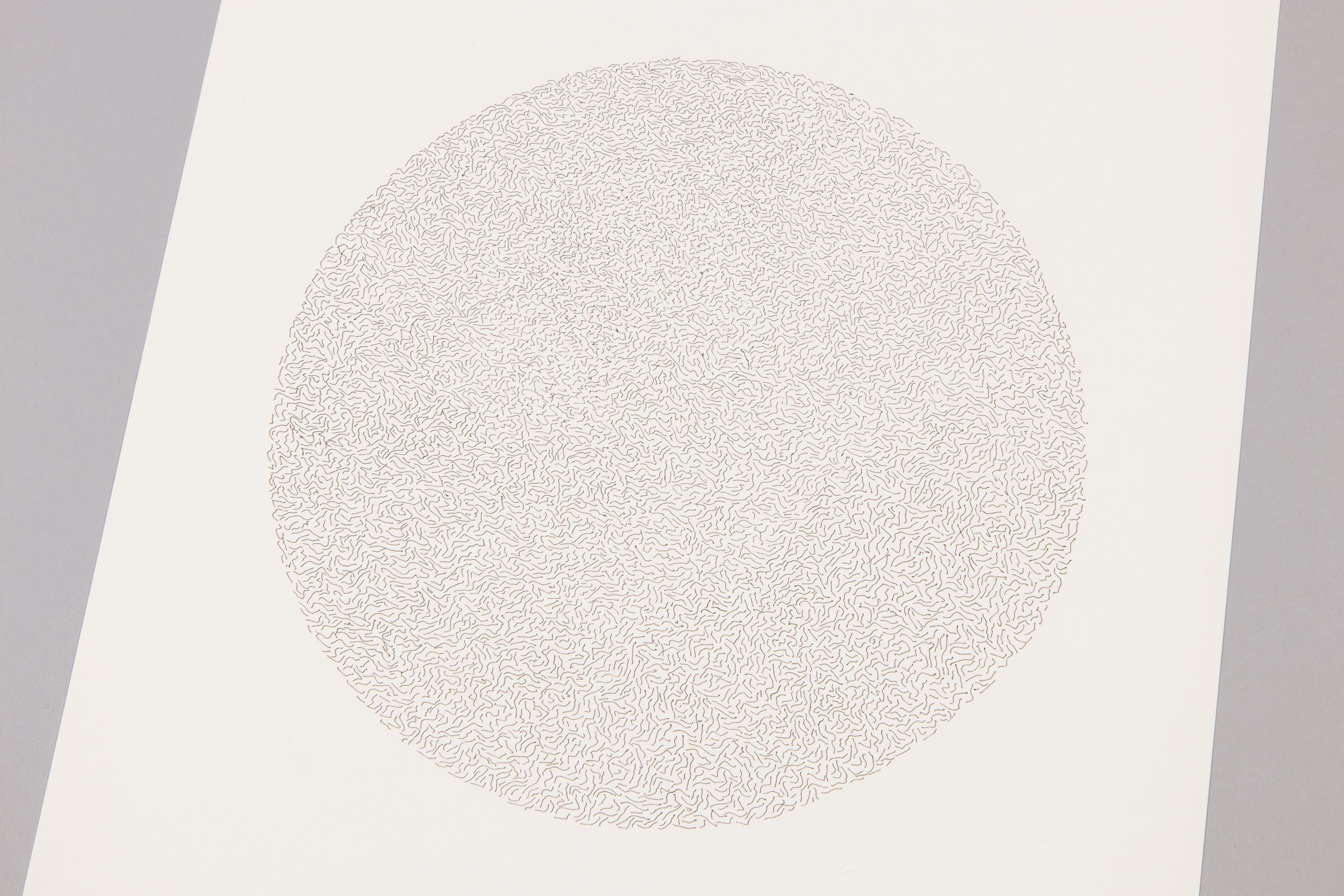
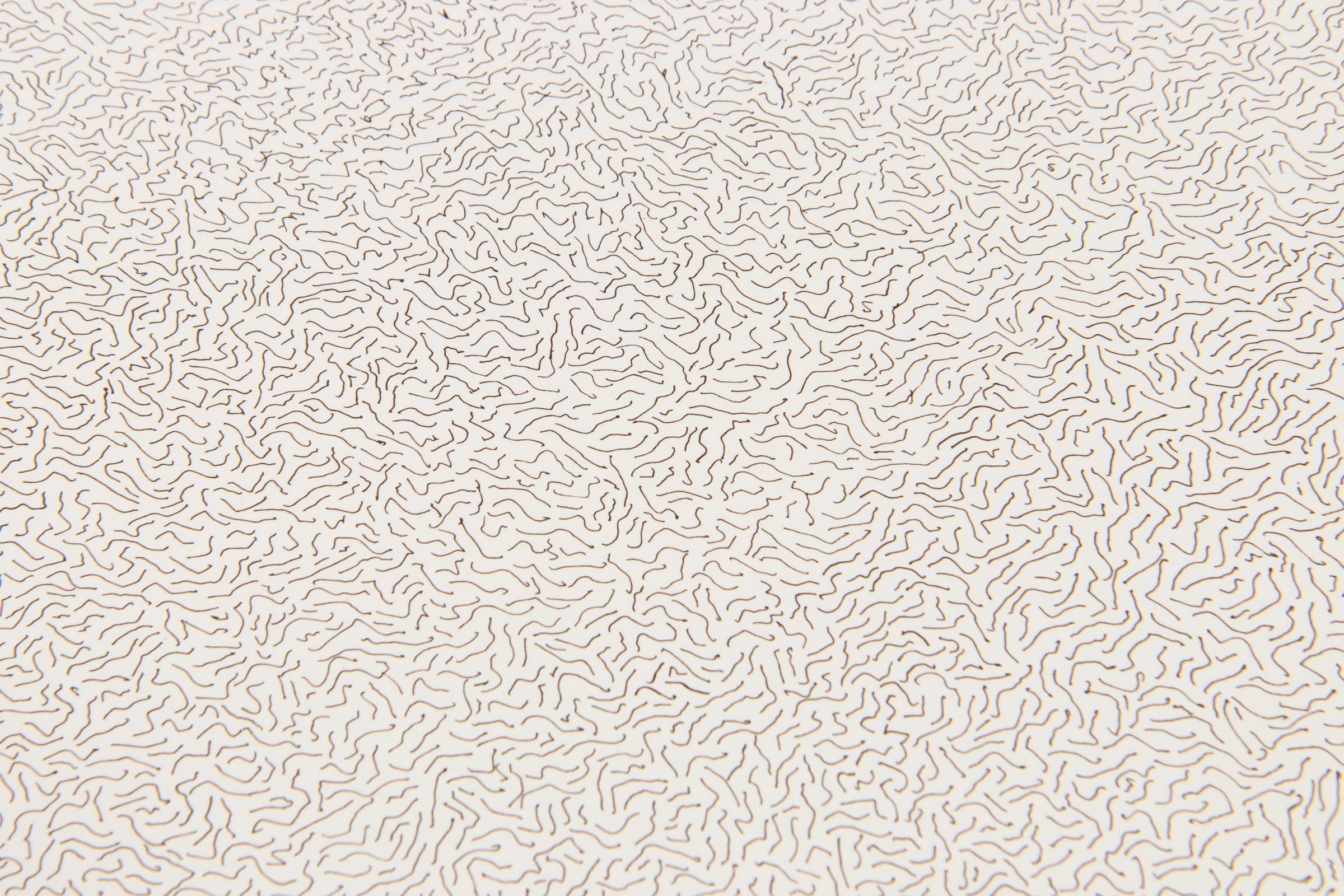
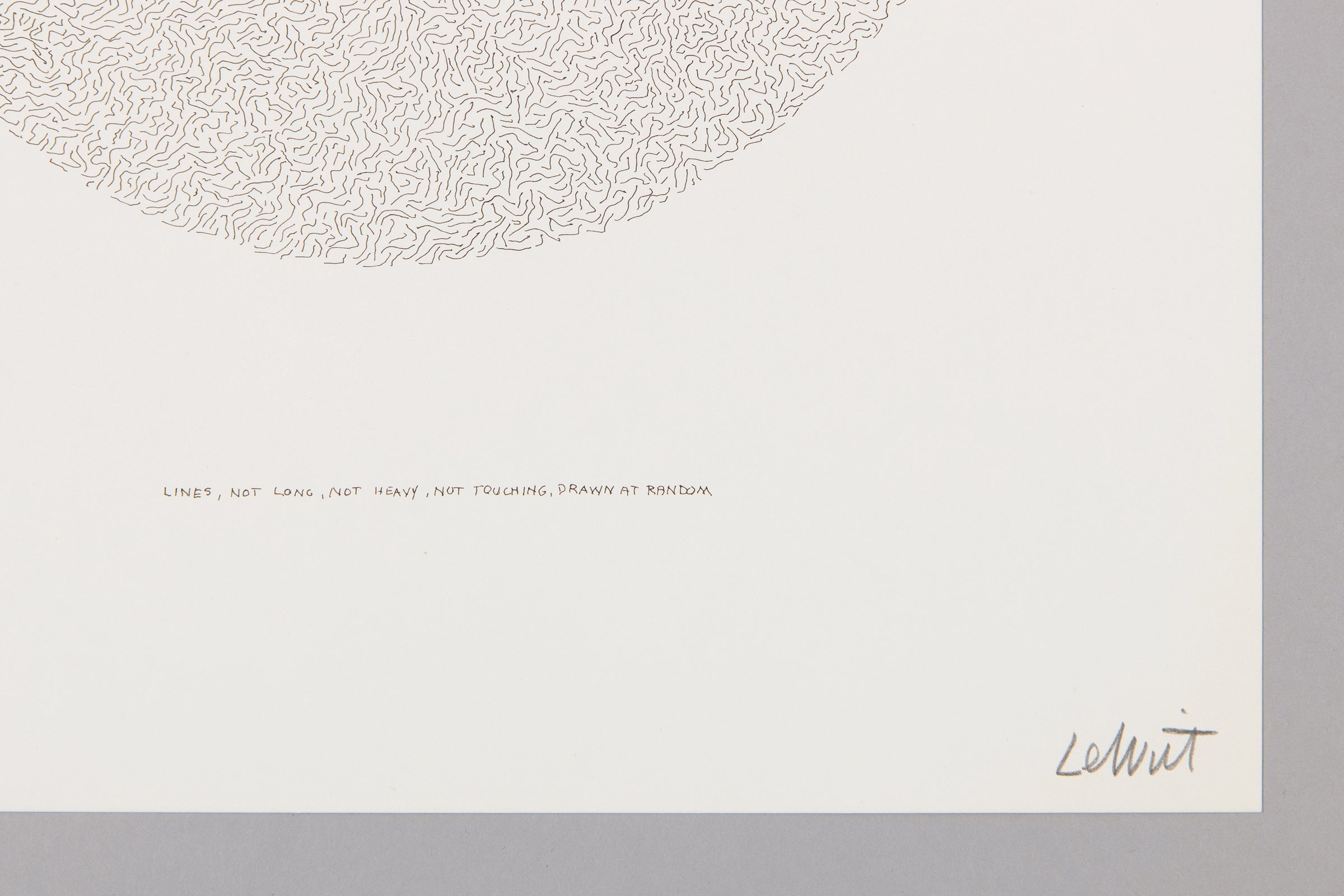
LeWitt's artworks, including limited edition prints, signed lithographs, wall drawings, paintings, and sculptures, are defined by geometric abstraction, simplicity, and the use of basic shapes and colors. Through repetition and systematic variation, he created complex visual structures that often took the form of large-scale installations and contemporary art prints. These works challenged traditional notions of authorship and production, firmly situating his practice within Conceptual Art and establishing him as one of the most important artists of the 20th century.
LeWitt's influence remains foundational for later generations of contemporary artists, with his prints, sculptures, and wall drawings central to the study of idea-driven art and conceptual printmaking. Major retrospectives of his work have been held at institutions such as the Museum of Modern Art in New York, the San Francisco Museum of Modern Art, and MASS MoCA. He died in 2007 in New York, leaving a lasting impact on how contemporary art is conceived and made.


