






About Imi Knoebel
Imi Knoebel (born Klaus Wolf Knoebel in Dessau, 1940) is a central figure in postwar abstraction, whose rigorous exploration of form, colour, and material has made him one of the most consistent and influential voices in non-representational art. He cites his discovery of Malevich's Black Square (1915) as the decisive moment that liberated his conception of painting, giving him what he described as the overwhelming feeling that he could begin from nothing. That encounter set the course for a practice built on geometric reduction, serial repetition, and a haptic, material directness — art understood as an act of seeing rather than narrating.
Knoebel studied at the Werkkunstschule Darmstadt under Johannes Itten and László Moholy-Nagy before talking his way, alongside fellow student Rainer Griese, into Joseph Beuys's class at the Kunstakademie Düsseldorf. Beuys gave the pair — known jointly as Imi & Imi — the keys to Room 19, adjacent to his own legendary studio, where Knoebel produced his defining early work Raum 19 (1968), a modular structure built from unpainted Masonite. That commitment to unassuming industrial materials — fibreboard, plywood, and later shaped aluminium — has remained constant throughout his career, allowing surface, edge, and structure to stand as the work's primary content rather than as support for an image.
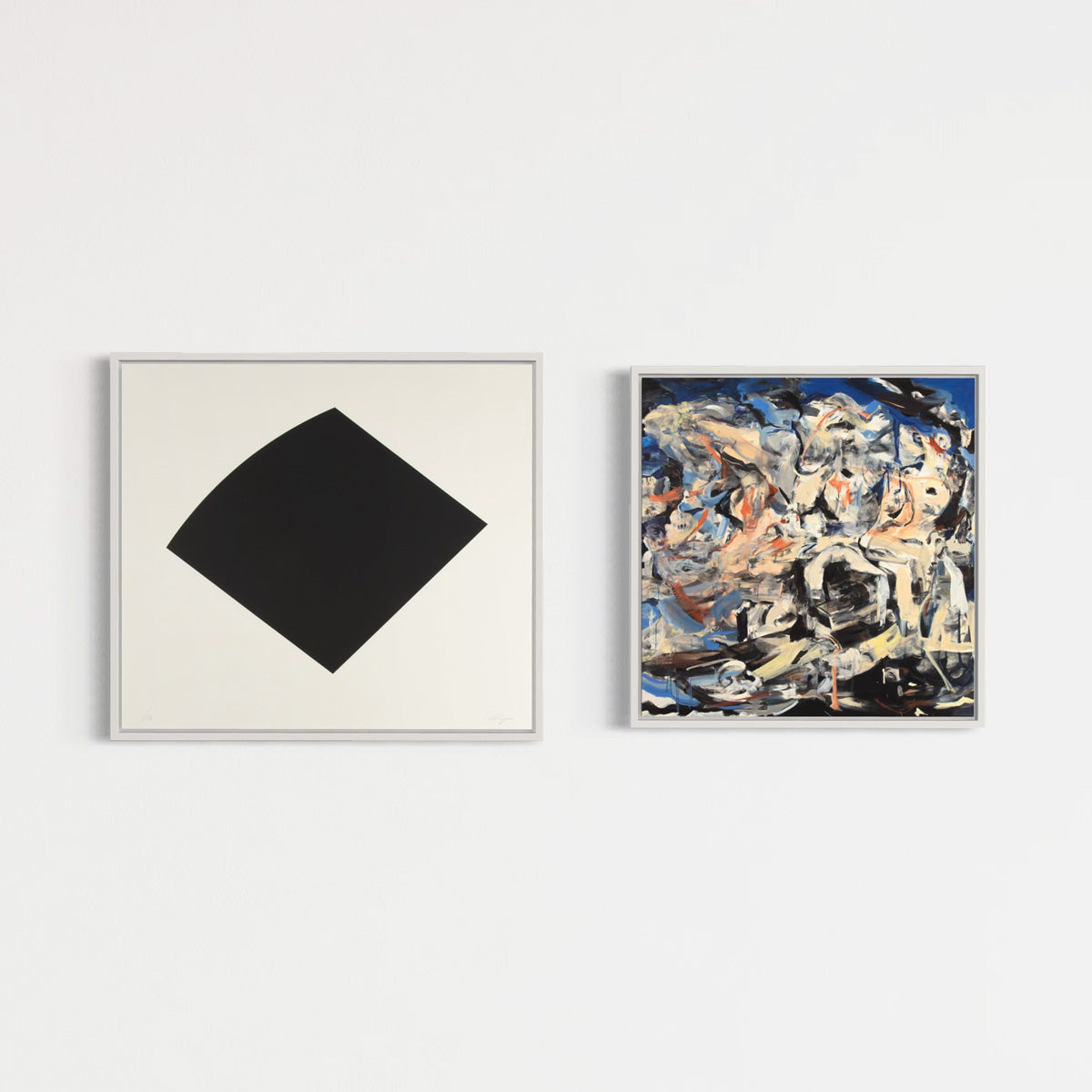
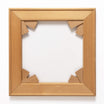
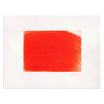
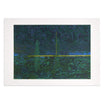
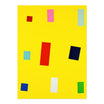
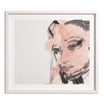
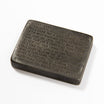
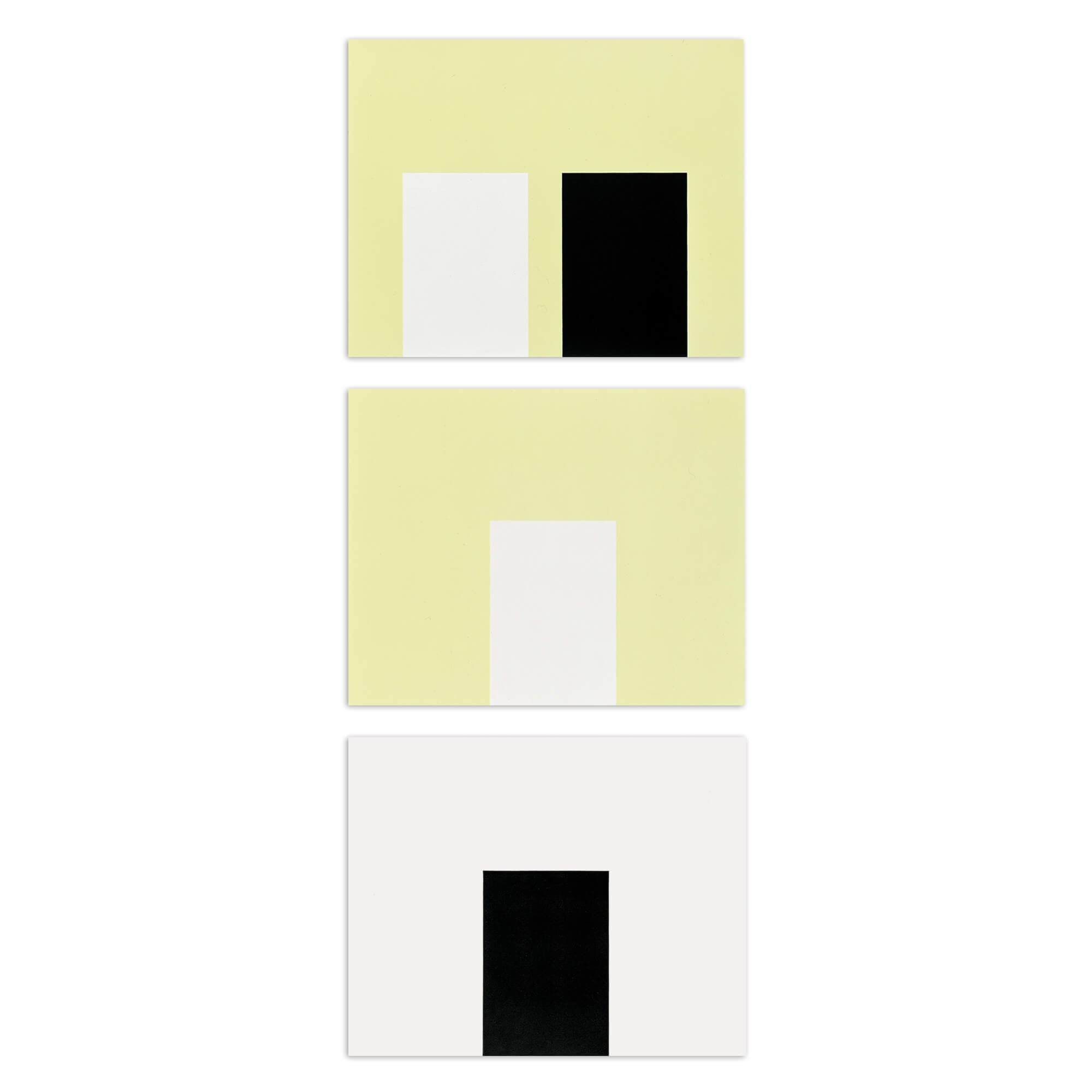
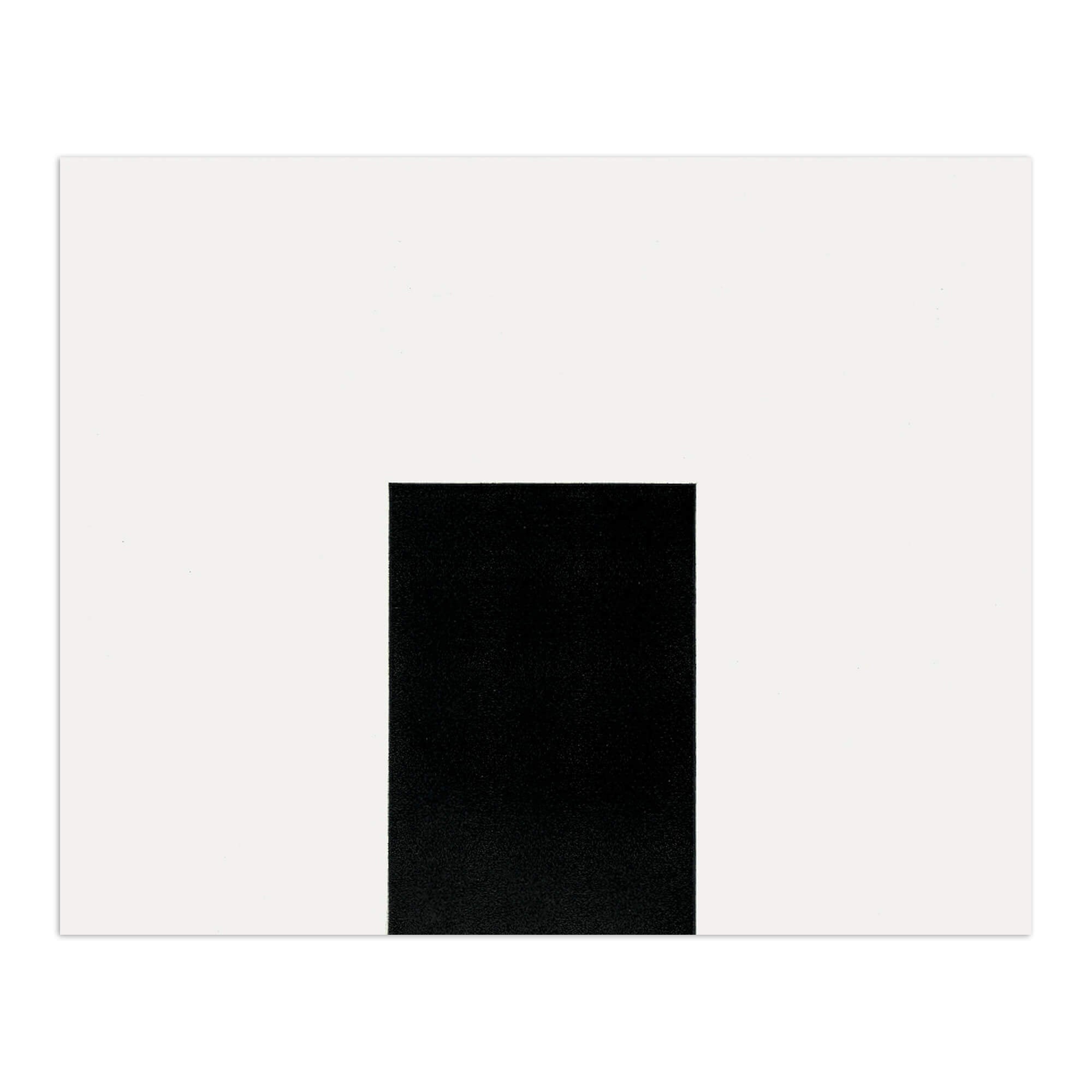
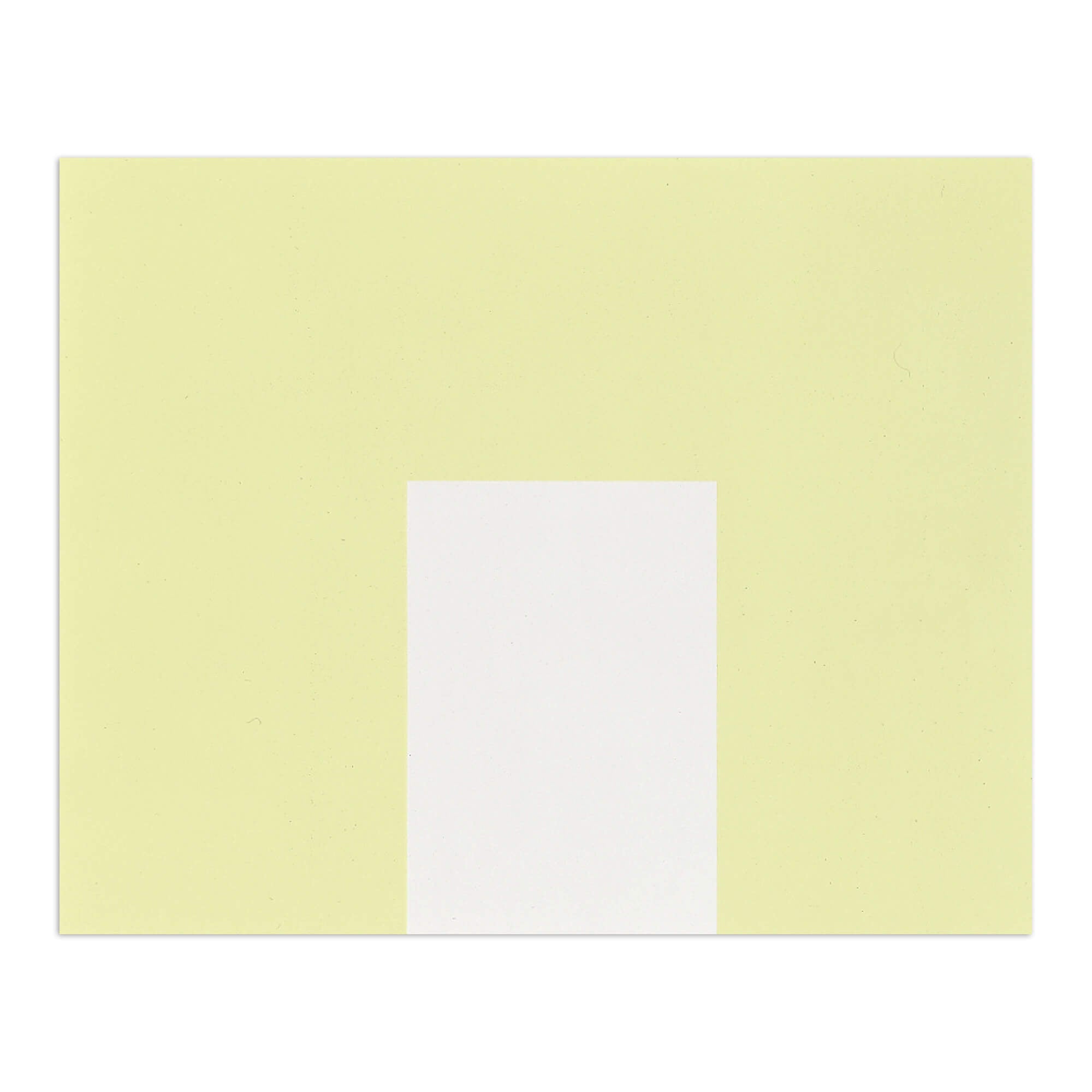
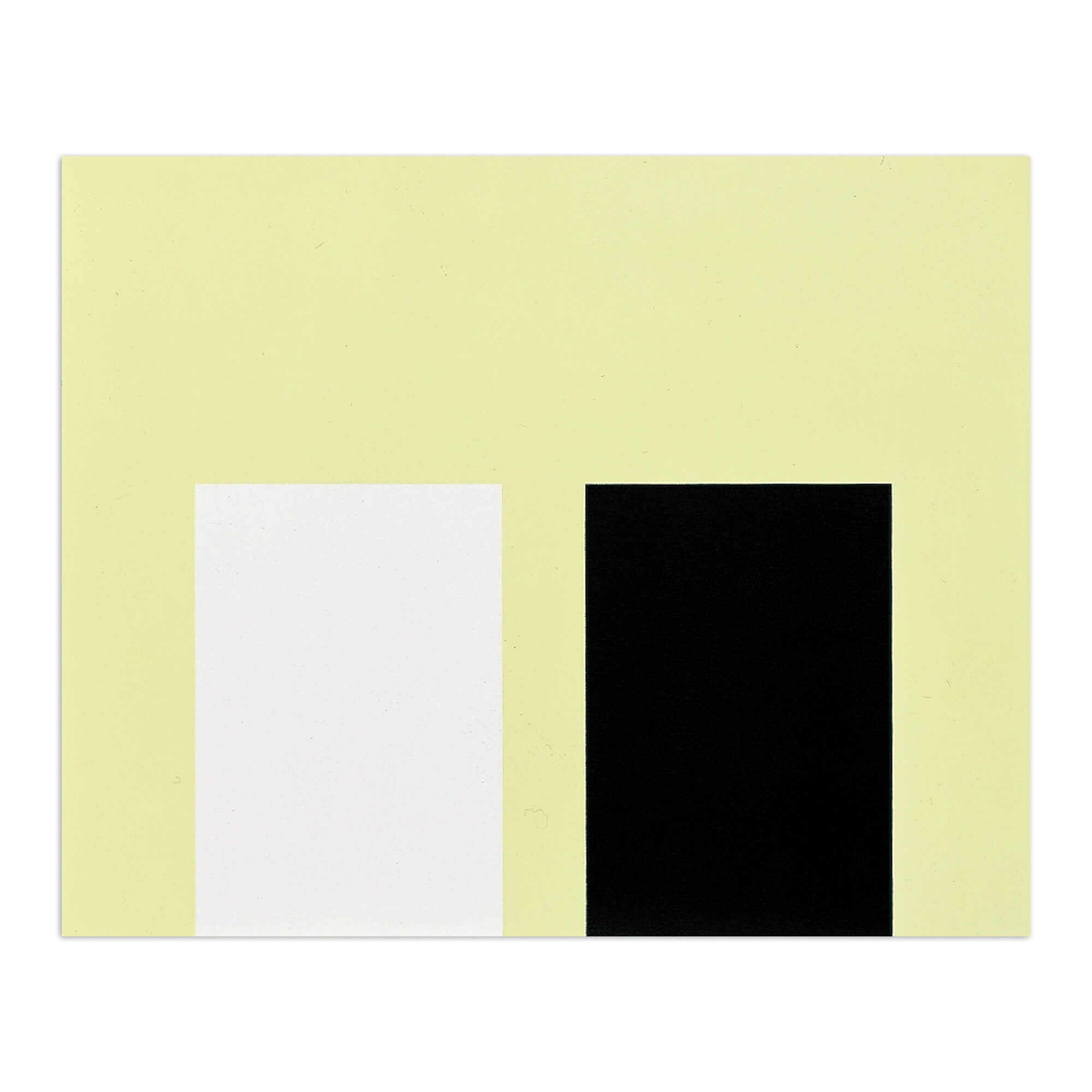
Across painting, sculpture, drawing, photography, and printmaking, Knoebel's artworks operate on a strict vocabulary of rectangles, planes, and monochrome or subtly modulated colour fields, asserting their autonomy through presence rather than symbolism. His limited edition prints and screenprints extend this same investigation into a more concentrated format, exploring the same tensions between space, colour, and form with characteristic precision — making his editioned prints a distilled but no less rigorous entry point into his broader practice.


