



About Gerhard Richter
Gerhard Richter, born in 1932 in Dresden, Germany, is widely regarded as one of the most important artists of the post-war period. Over a career spanning more than six decades, Gerhard Richter has continuously challenged the boundaries of painting, moving fluidly between photo-based figuration and abstraction while questioning the nature of images, memory, and perception.
Richter first gained recognition for his photo-based paintings, derived from found photographs and rendered with a characteristic blur that destabilizes the distinction between reality and representation. These works confront the reliability of photographic truth and reflect Richter's skepticism toward images as carriers of meaning. From the mid-1970s onward, abstraction became central to his practice, culminating in his iconic abstract paintings created with a squeegee. In these works, layers of paint are dragged across the surface, producing compositions shaped by both chance and deliberate control.
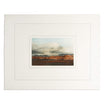
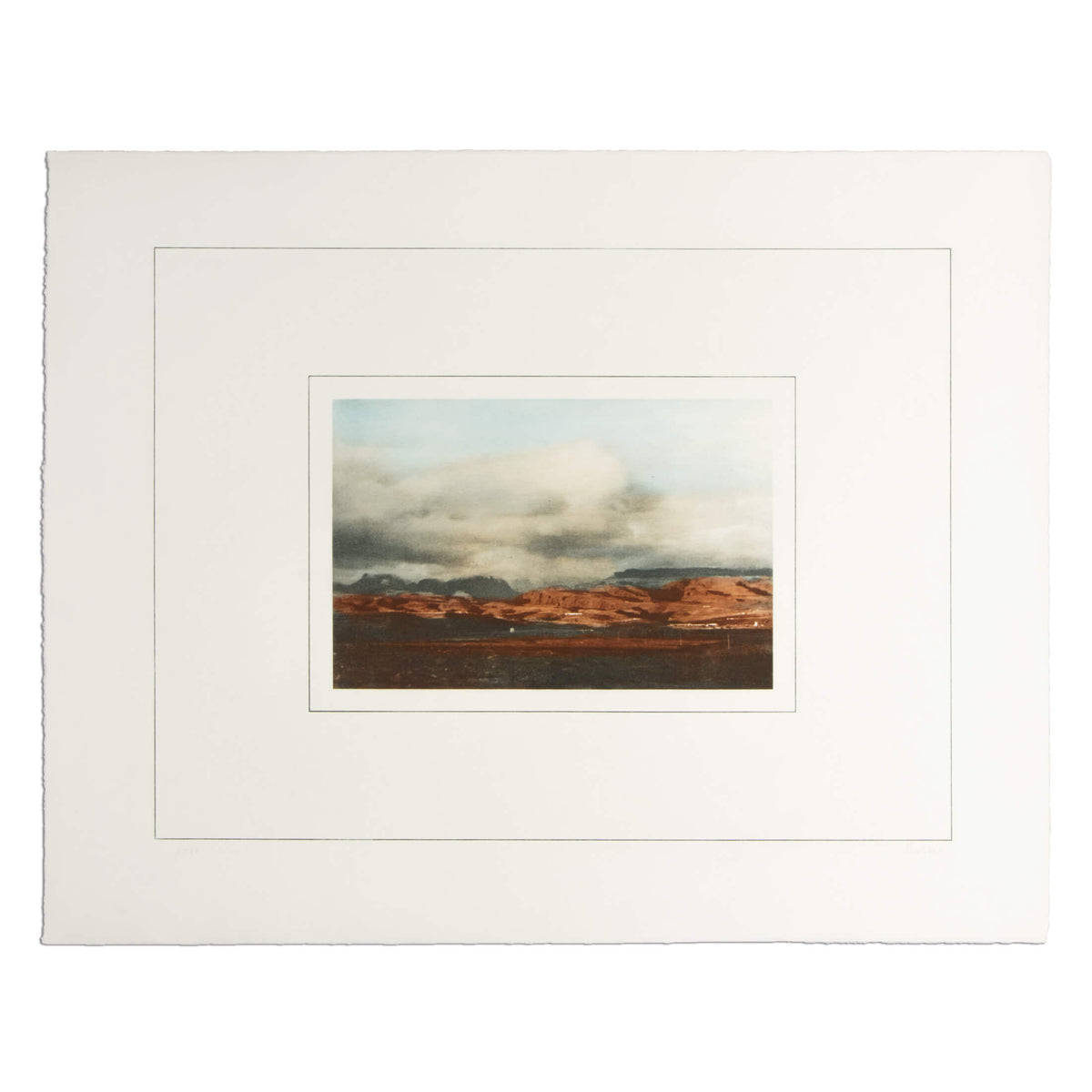
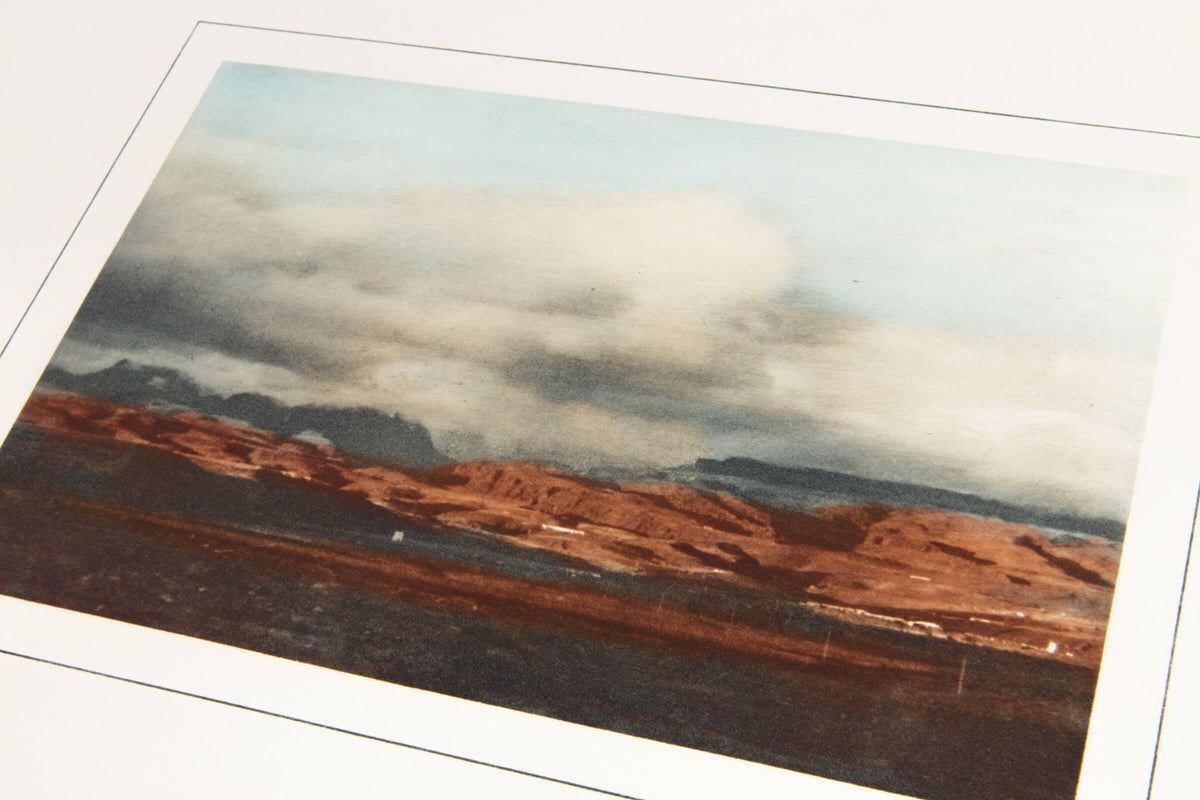
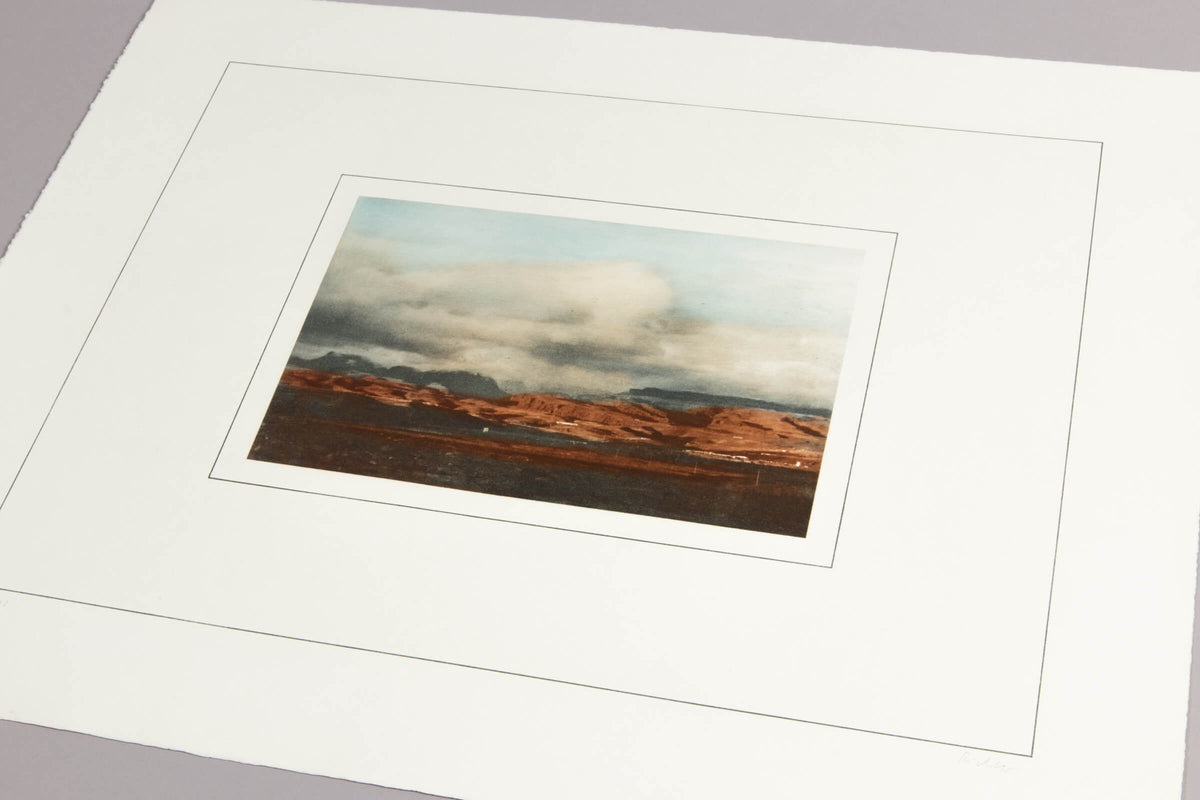
Alongside his paintings, Gerhard Richter has maintained a sustained and highly significant print practice, which began early in his career. His signed limited edition prints include heliogravures, lithographs, screenprints, digital prints, and photographic editions, often revisiting key motifs from his paintings or his own photographs while exploring the conceptual tension between originality and reproduction. Kanarische Landschaften I (1971), based on photographs Richter took on the Canary Islands in 1969, is an early example. Richter has repeatedly emphasized editions as a way to broaden access to his work, positioning fine art prints as autonomous artworks rather than secondary objects.
Across paintings, prints, artist's books, and multiples, Richter's oeuvre constitutes a rigorous investigation into image-making itself. His work is held in major museum collections, including the Museum of Modern Art in New York, and continues to exert a profound influence on contemporary art, offering a critical reflection on history, perception, and the role of painting in the modern world.


