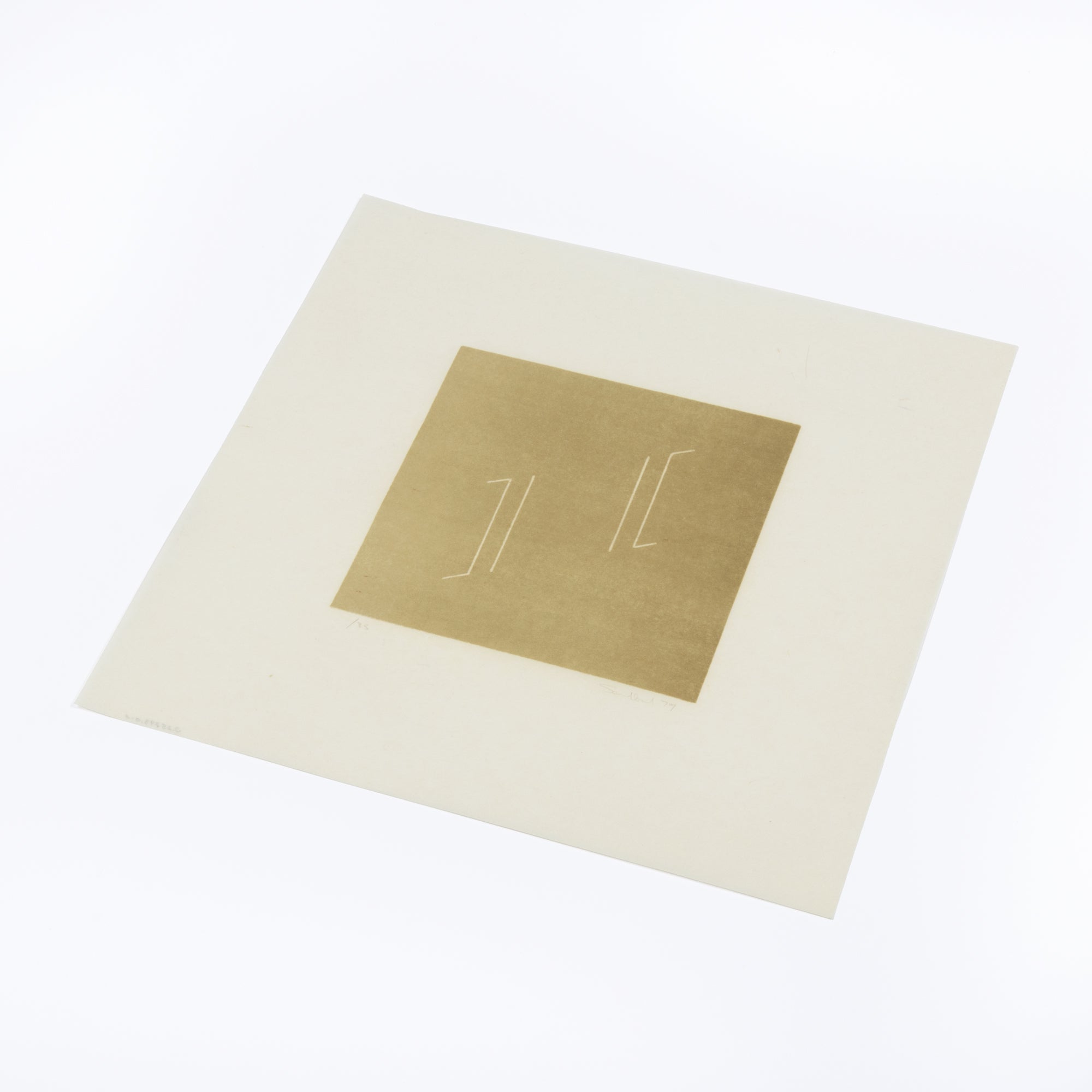
Fred Sandback (American, 1943–2003) was a pivotal figure in postwar Minimalism, best known for radically redefining sculpture through the use of line, space, and perception. Rather than working with mass or volume, Sandback employed simple materials such as yarn and acrylic cord to create precise linear constructions that articulate space without physically occupying it. His works transform architectural environments into experiential fields, where viewers become acutely aware of proportion, movement, and spatial relationships.
Sandback's sculptures often take the form of outlines suggesting planes, corridors, or volumes, yet they remain immaterial and open-ended. This deliberate restraint challenges traditional notions of sculpture, emphasizing perception over objecthood and inviting viewers to complete the work through their own spatial awareness. Despite their minimal appearance, these installations possess a quiet intensity, activating space through subtle tension and balance.
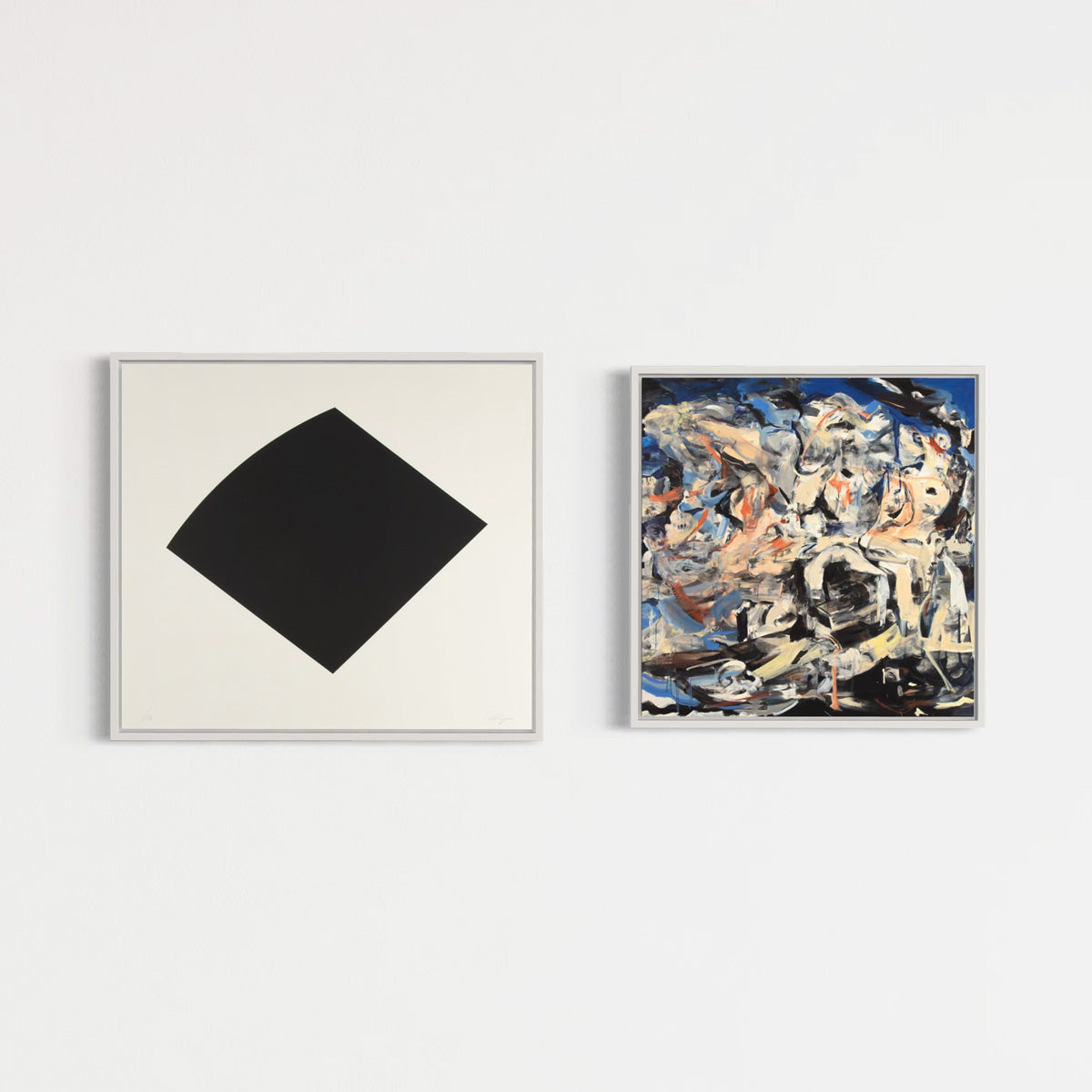
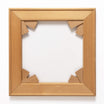
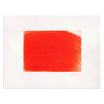
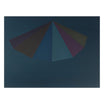
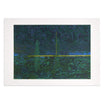
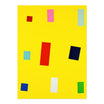
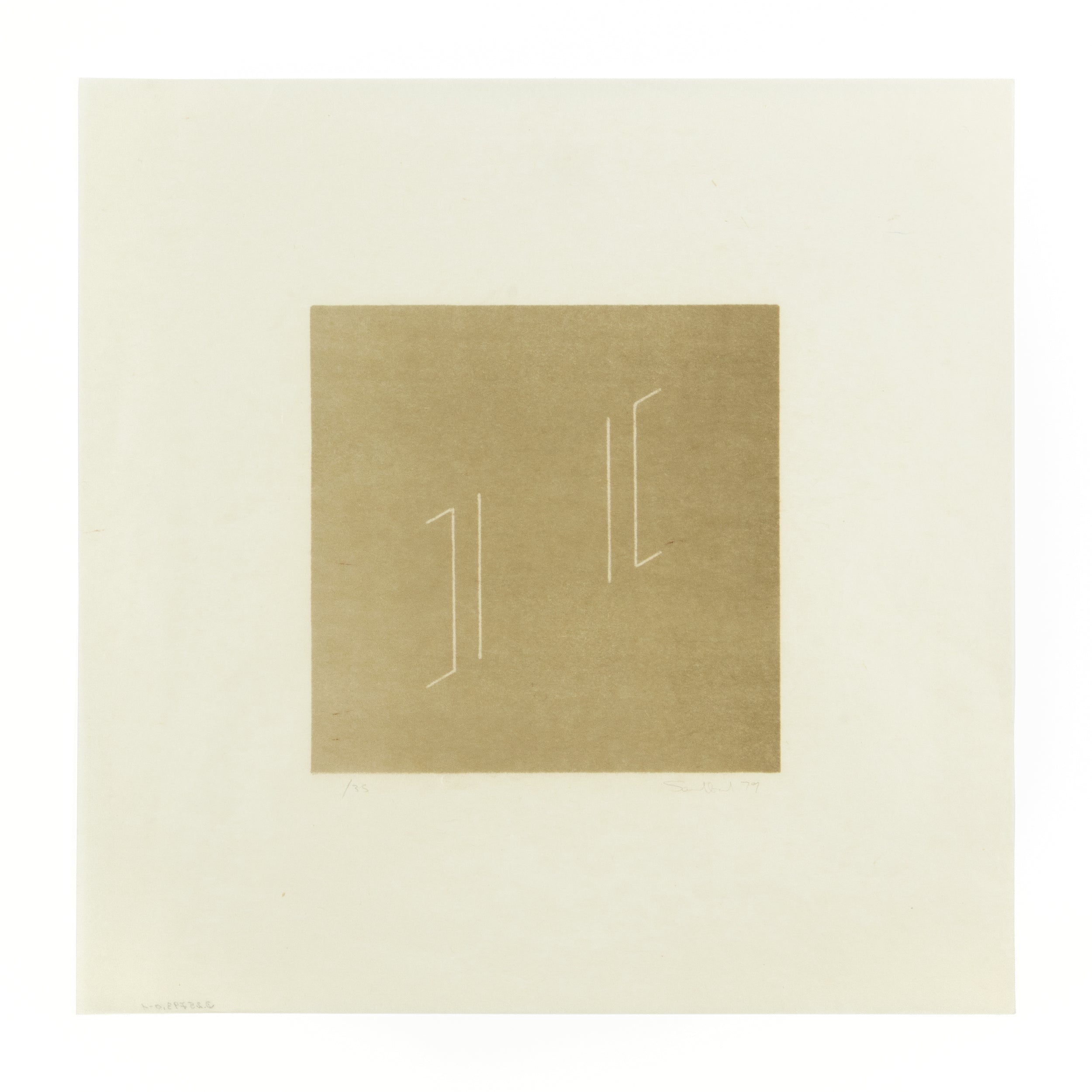
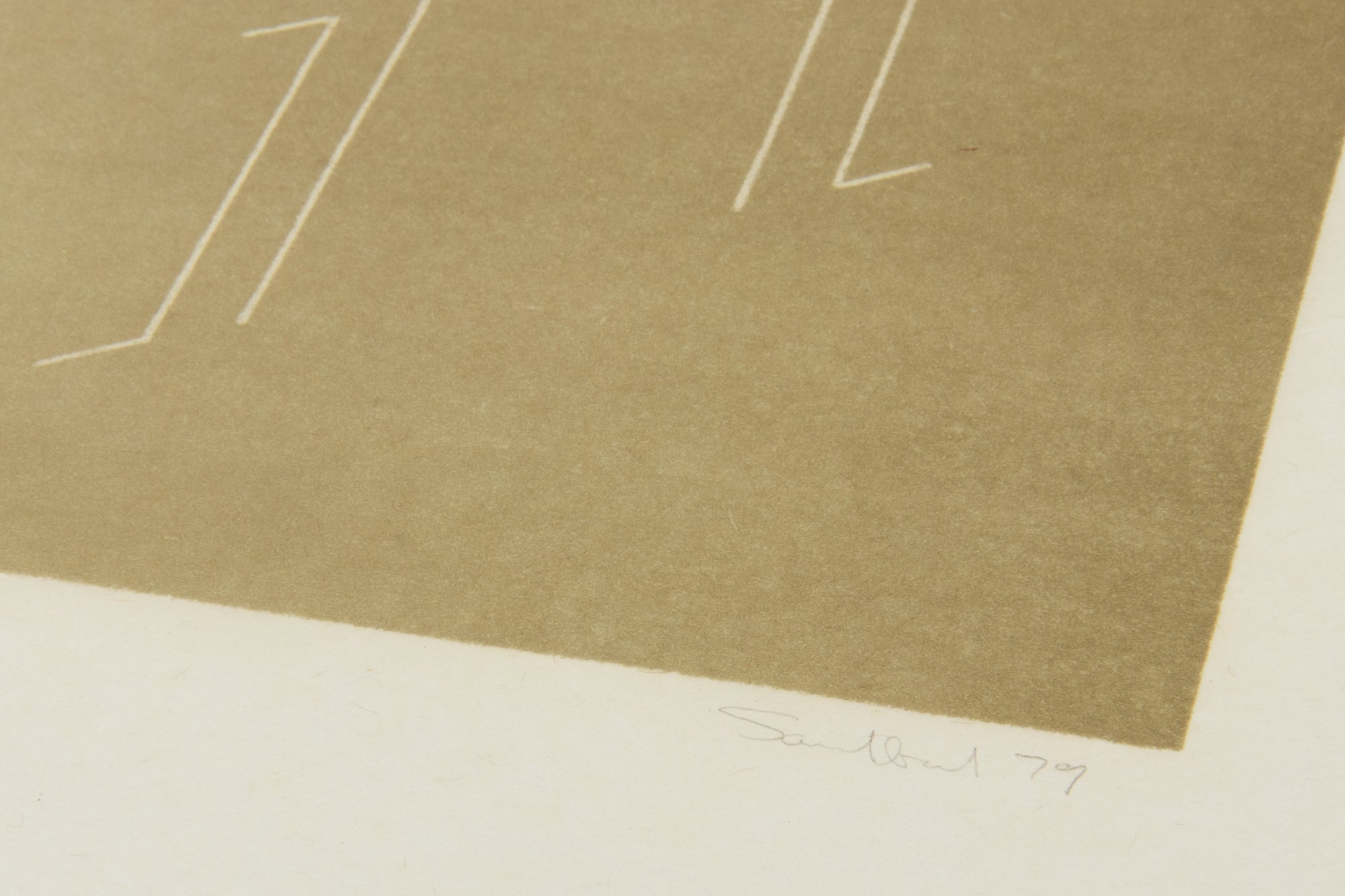
Alongside his sculptural practice, Fred Sandback produced an important body of signed limited edition prints and lithographs that translate his three-dimensional investigations into two-dimensional form. Using a reduced color palette and carefully calibrated compositions, his fine art prints explore the same concerns with line, proportion, and implied space. Through minimal means, Sandback achieves a compelling sense of depth and structure, creating optical effects that echo the experiential qualities of his installations.
Exhibited internationally in major museums and collections, Sandback's sculptures and prints are now regarded as foundational contributions to Minimalist and Conceptual art. His work continues to influence contemporary approaches to space, perception, and the boundaries between drawing, sculpture, and architecture.