



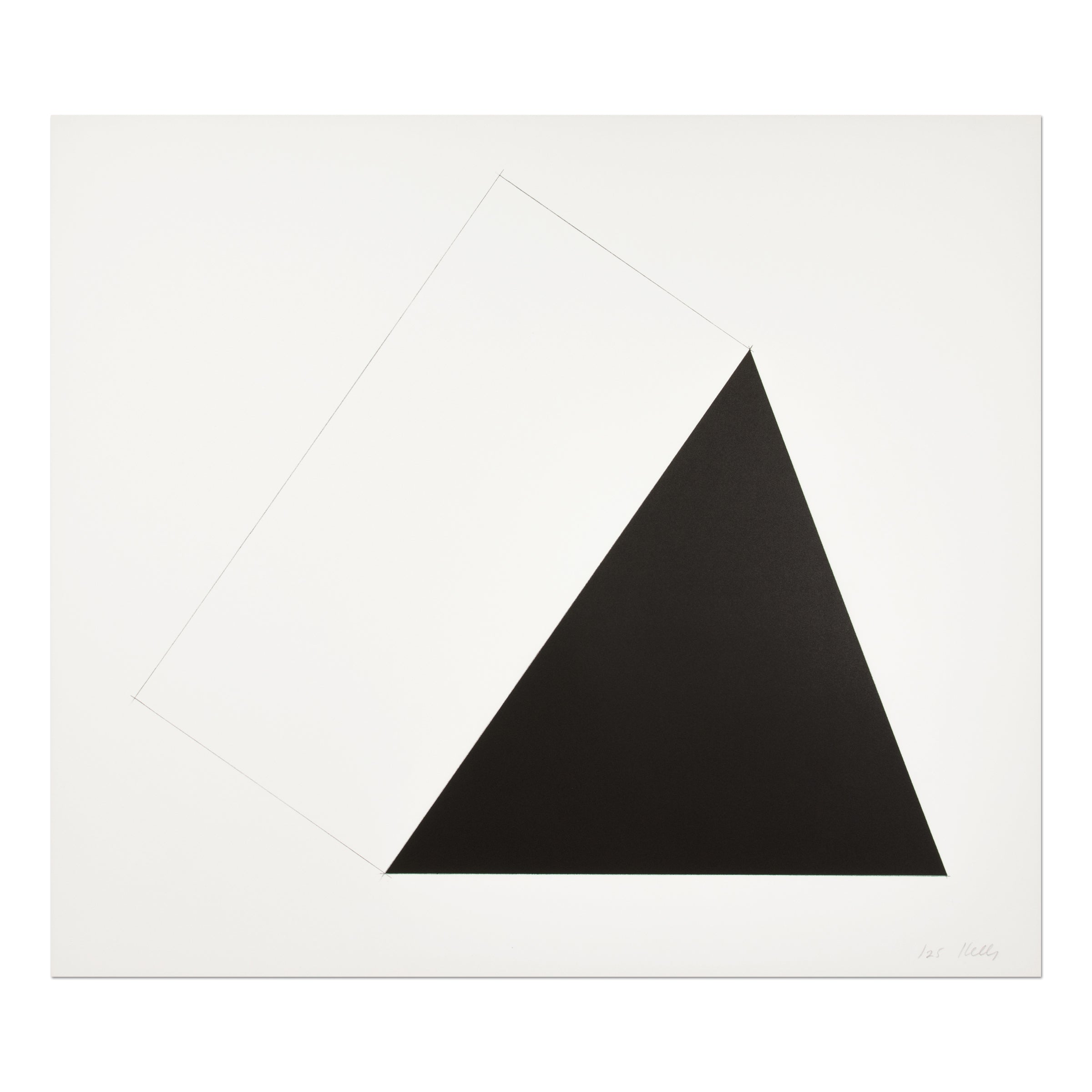
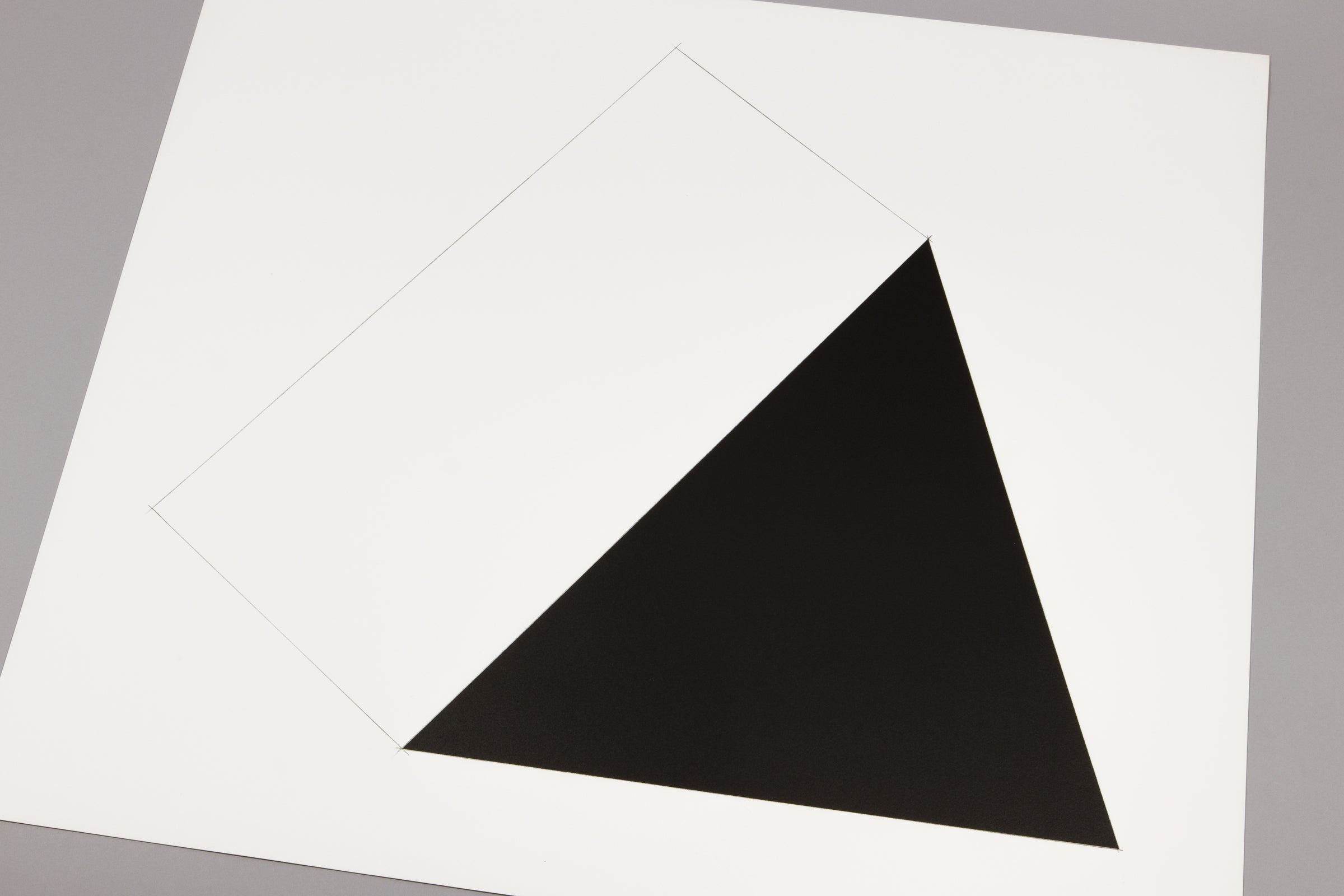


About Ellsworth Kelly
Ellsworth Kelly (1923–2015) was a seminal American painter, sculptor, and printmaker whose work played a defining role in the development of hard-edge painting, color field abstraction, and Minimalism. Renowned for his radical focus on line, color, and form, Kelly rejected expressive gesture in favor of clarity, precision, and visual autonomy, helping to reshape the language of postwar abstraction.
After several formative years in France following World War II, Kelly absorbed the influence of European modernists such as Kazimir Malevich, Paul Klee, and Constantin Brancusi. Rather than distancing himself from these traditions, he integrated them into a distinctly personal vocabulary based on what he described as an “impersonal observation of form.” Drawing inspiration from everyday visual encounters, including architectural fragments, plant shapes, shadows, and chance alignments, Kelly translated observed reality into bold, simplified compositions.
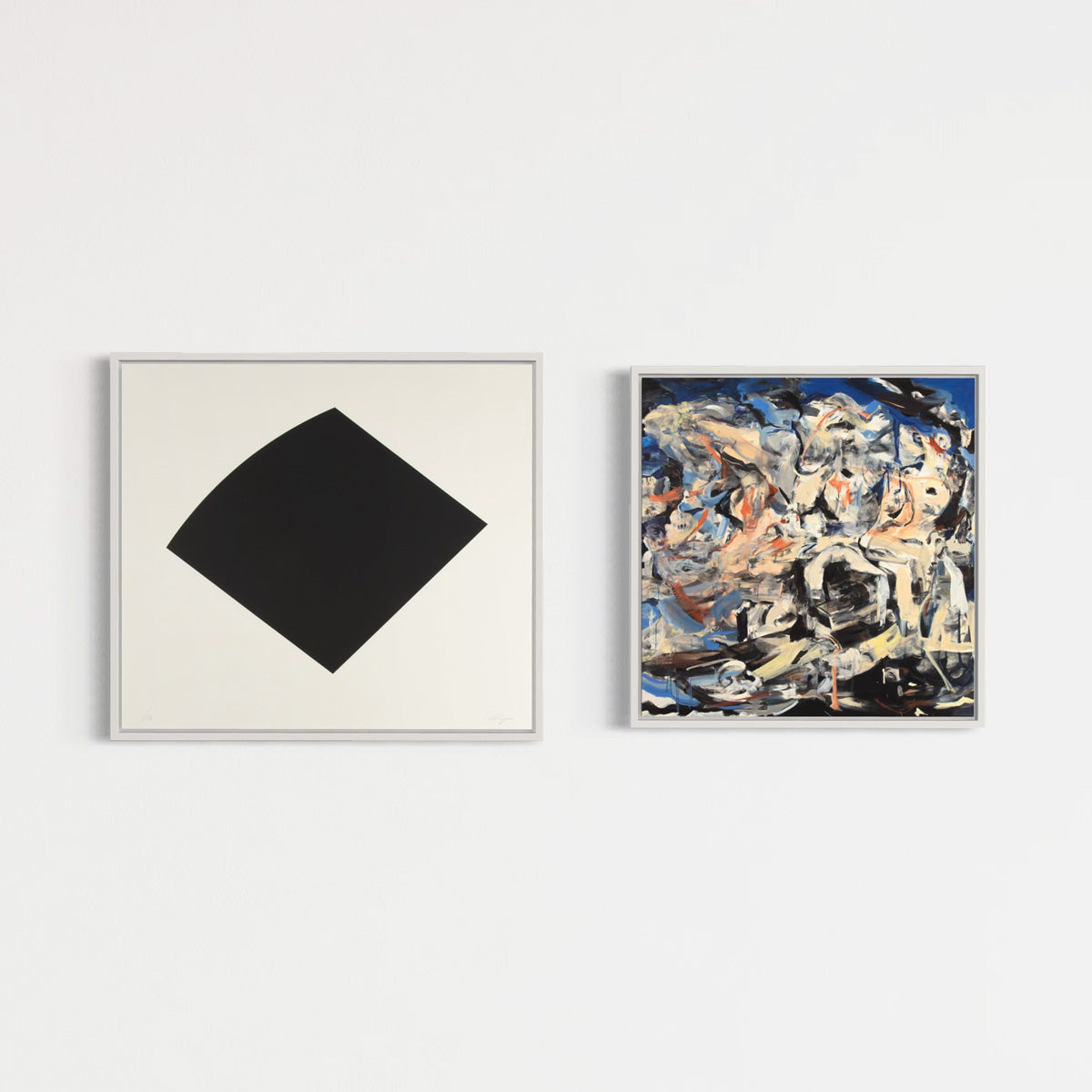
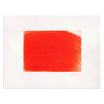
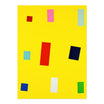
Across his paintings, sculptures, and fine art prints, Kelly explored shape as an independent subject, often using monochrome color fields, sharply defined edges, and innovative formats such as shaped canvases and multi-panel works. He famously stated, “Everywhere I looked, everything I saw became something to be made, and it had to be made exactly as it was, with nothing added.” This philosophy underscores a practice grounded in perception rather than expression, where form exists without symbolism or narrative.
Ellsworth Kelly’s artworks are represented in major museum collections worldwide, including the Museum of Modern Art, the Tate, and the Centre Pompidou. His prints and editions extend his rigorous investigation of color and form into collectible formats, making his enduring contribution to modern abstraction accessible beyond the canvas.


