









About Daniel Richter
Daniel Richter (born 1962 in Eutin, Germany) is one of the most significant German painters of his generation, celebrated for large-scale figurative artworks that oscillate between abstraction and representation. Emerging from Hamburg's punk and squatter scenes in the 1980s — before training under Werner Büttner at the Hochschule für bildende Künste Hamburg and working as an assistant to Albert Oehlen — Richter brings a countercultural sensibility to a practice deeply engaged with the history of painting itself.
His artworks combine vivid colour, monumental scale, and deliberate distortion into densely layered compositions drawing on political memory, mass media, and historical narrative. Figures emerge and dissolve within charged pictorial fields, often rendered in the thermal-imaging palette that has become one of his signatures — bright neon grounds against blurred, jet-black silhouettes. Since the 2020s, he has favoured oil sticks and palette knives over the brush, sharpening the tension between foreground and background in his recent work.
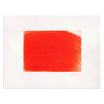
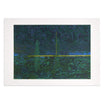
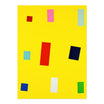
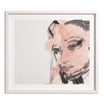
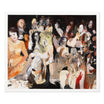
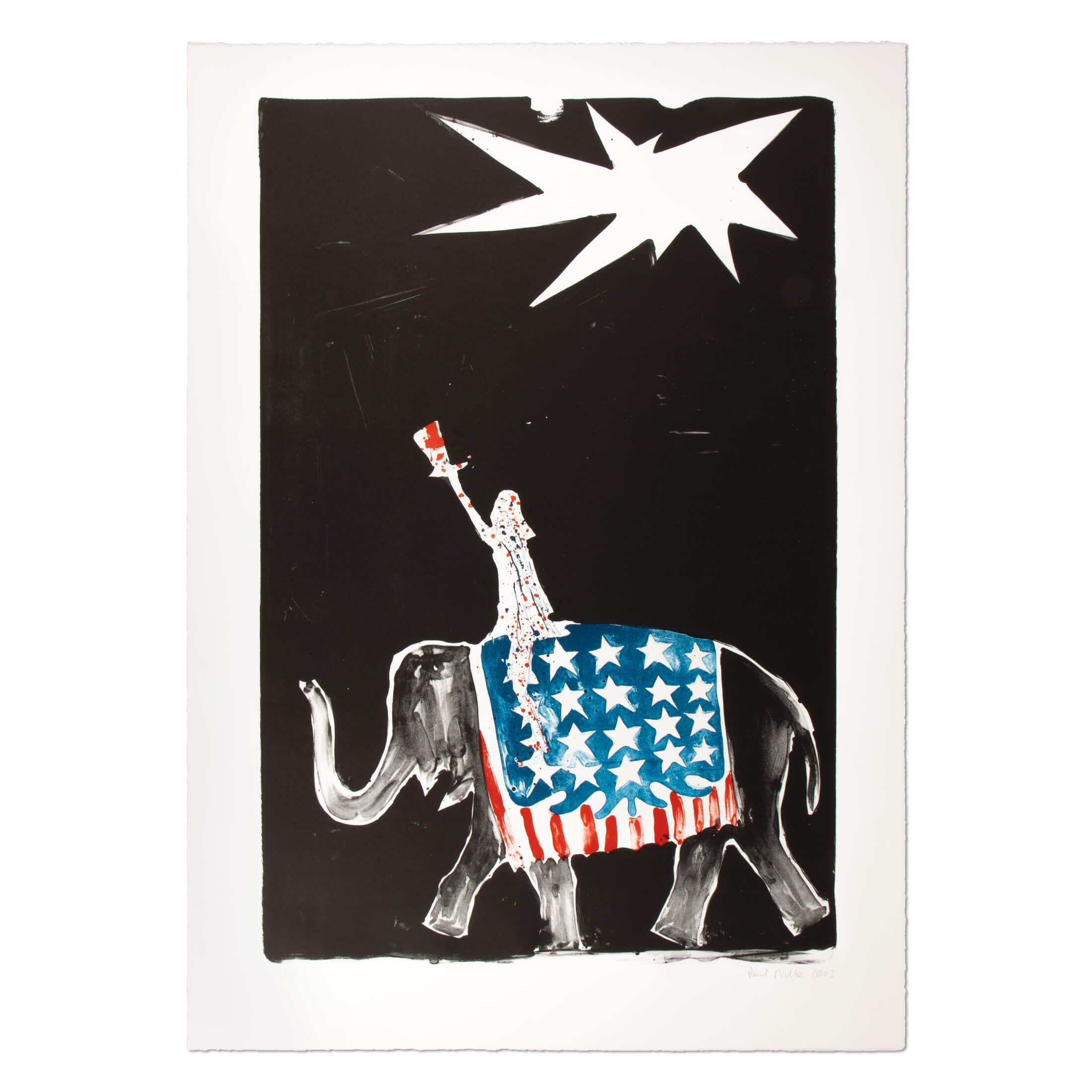
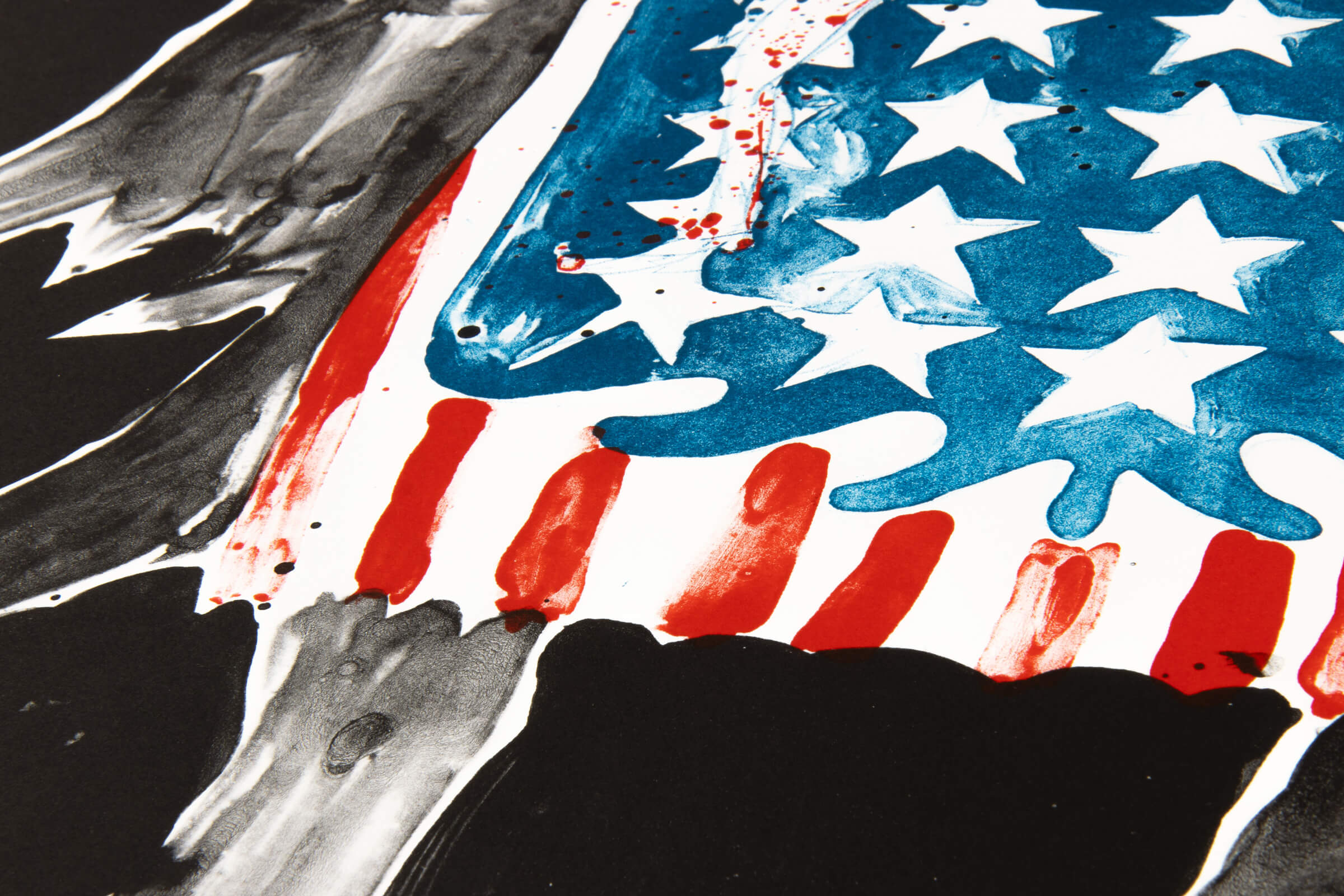
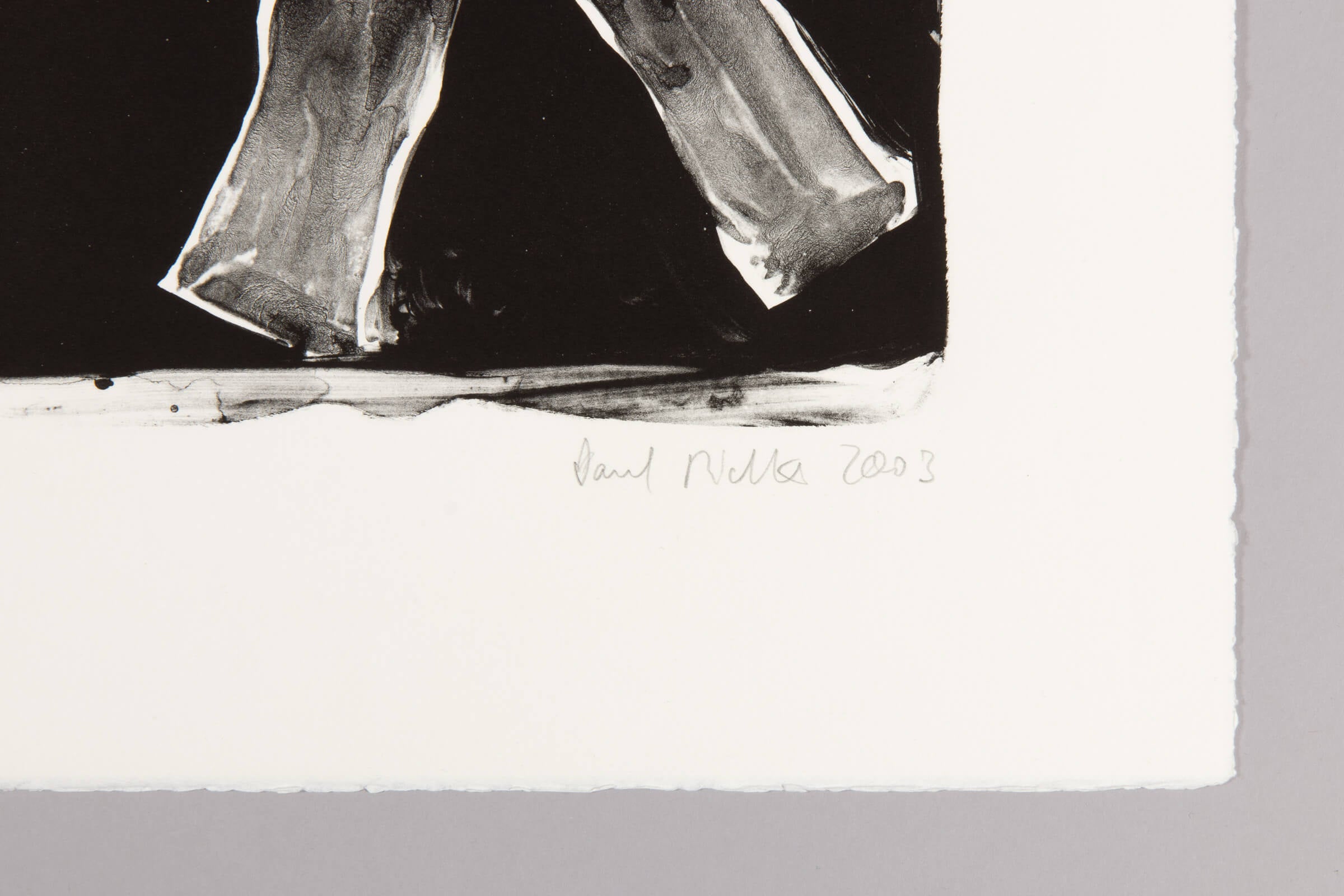
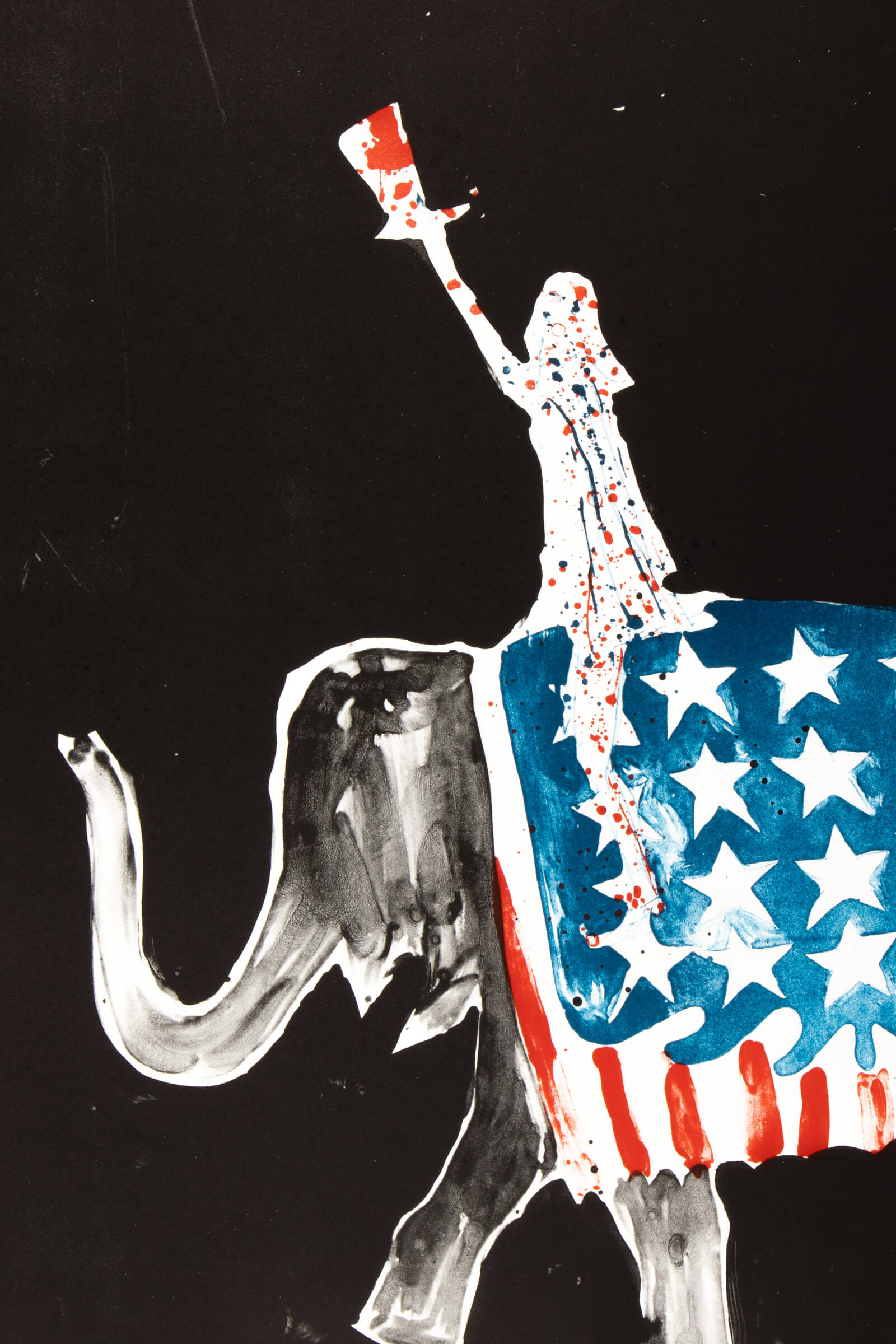
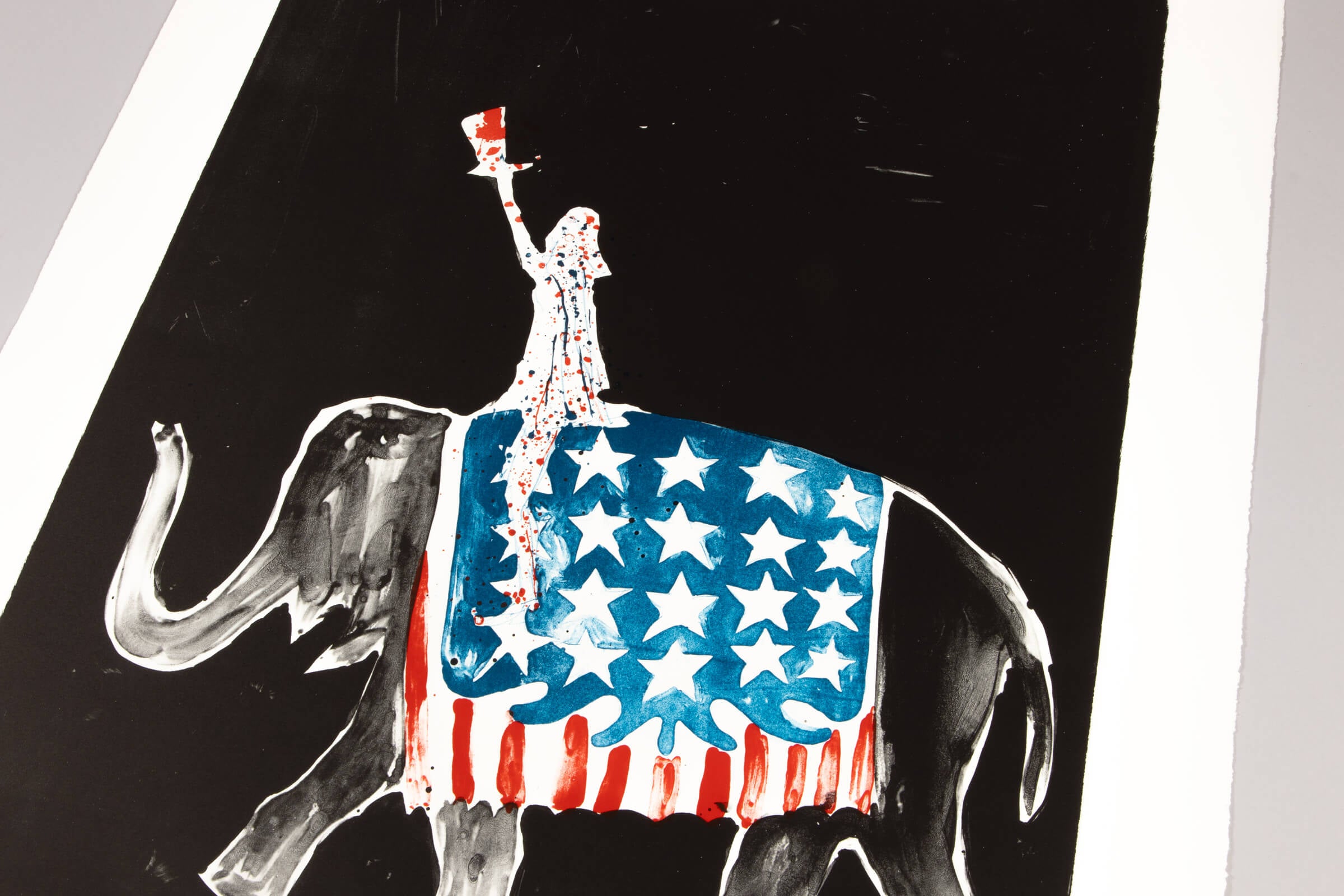
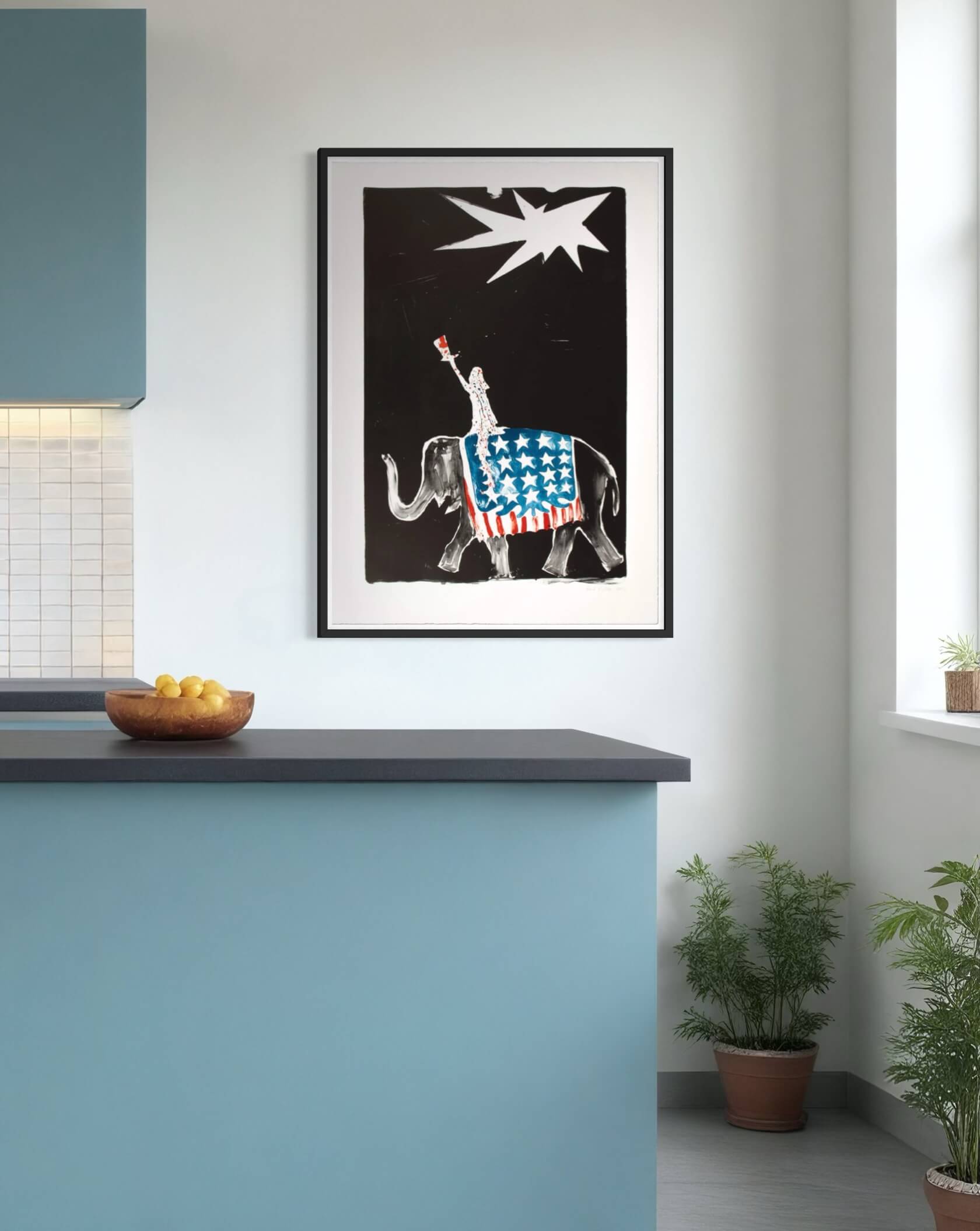
Printmaking remains a consistent strand of his practice. Richter's limited edition prints — including screenprints, lithographs, and etchings — translate the gestural intensity of his paintings into more concentrated, collectible artworks.
Richter has been the subject of major exhibitions including a mid-career retrospective at the Louisiana Museum of Modern Art, Humlebæk (2016–17), the Schirn Kunsthalle Frankfurt (2016), and a solo presentation at the Ateneo Veneto, Venice, during the 59th Venice Biennale (2022). A major retrospective opened at Schloss Gottorf, Schleswig, in December 2025. He received the Otto Dix Award (1998) and the Preis der Nationalgalerie (2002), and lives and works in Berlin.


