
Daniel Richter

Daniel Richter designed album covers for antifascist punk bands in Hamburg's squatter scene before he ever picked up a paintbrush seriously — and he never really left that world behind, even after two decades as one of Germany's most collected painters. His early work was pure abstraction, psychedelic and neon-lit; around 2000 he turned sharply toward figuration, painting ghostly, thermal-camera-like figures adrift in scenes of migration, police violence, and political unrest. Works held at MoMA, Tate, and the Centre Pompidou.

Browse signed Daniel Richter prints and editions now.

Available Prints & Editions

9 products
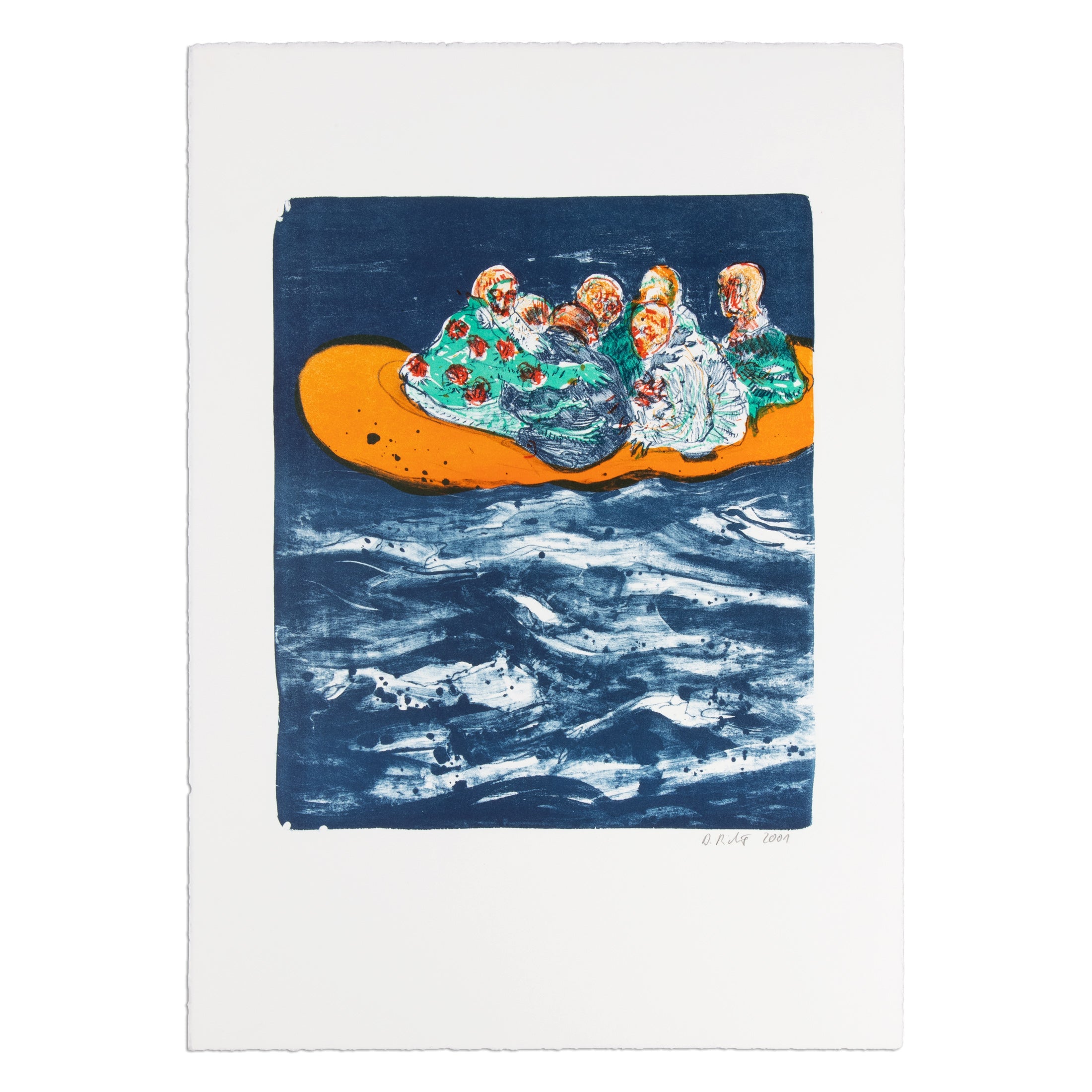
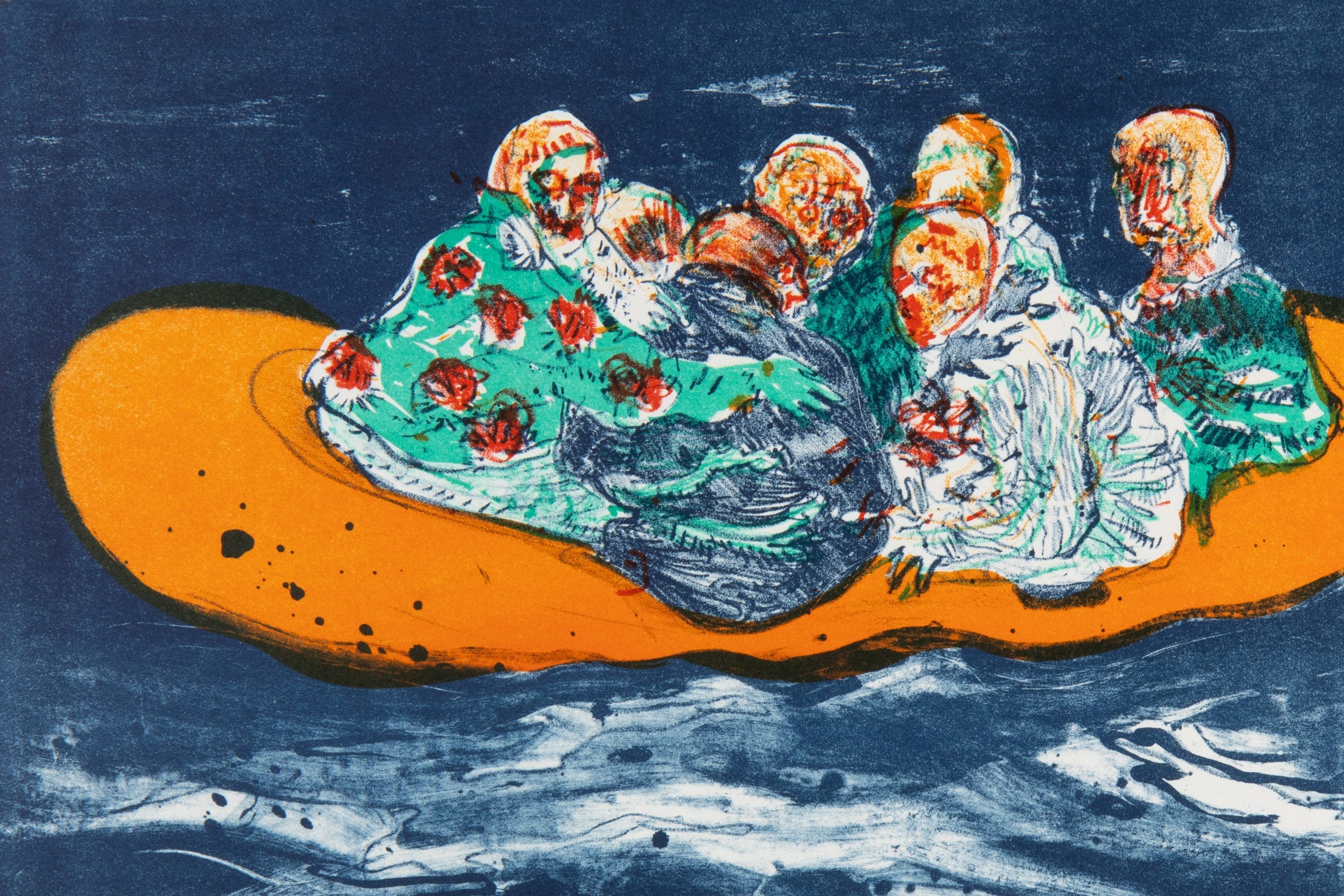
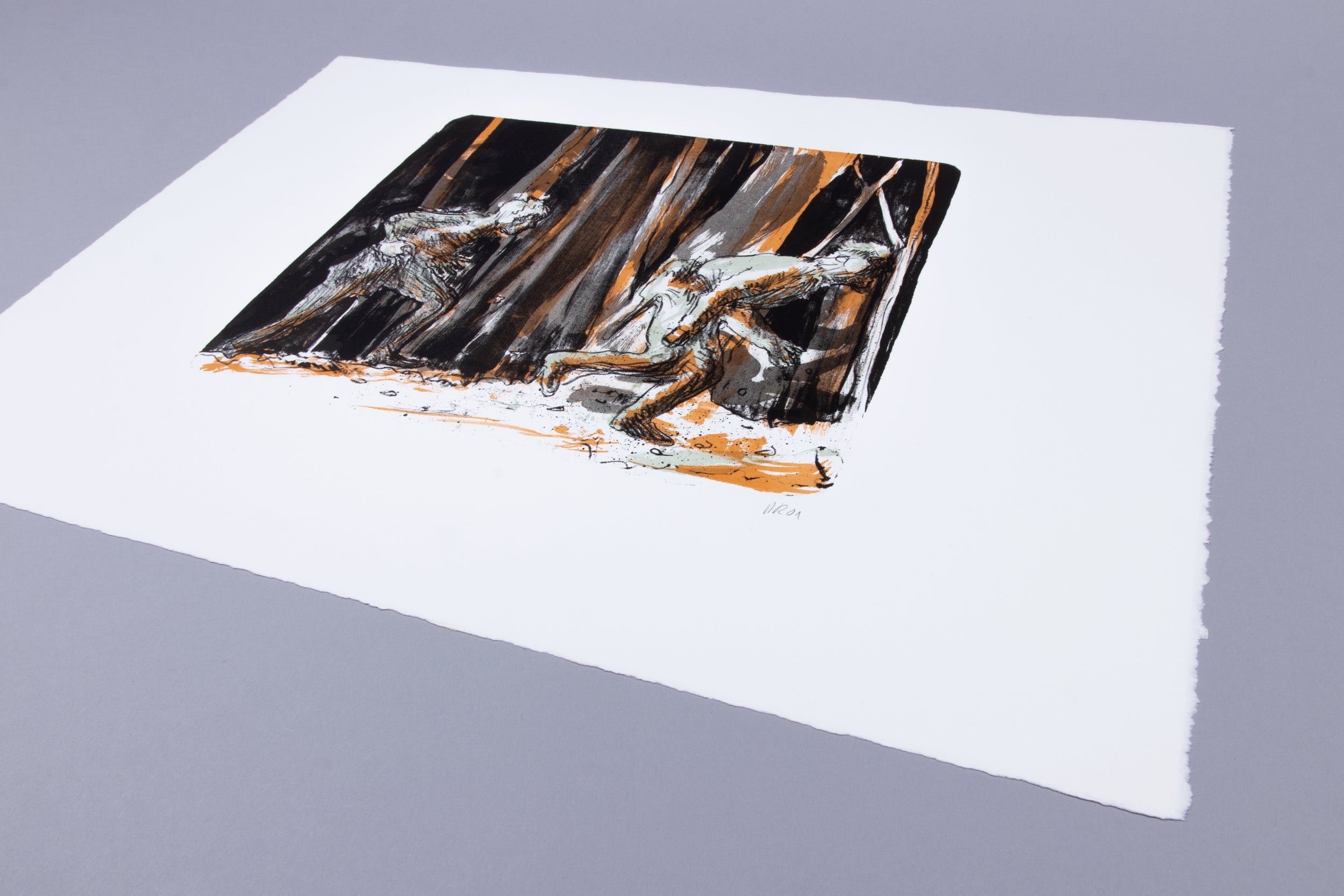
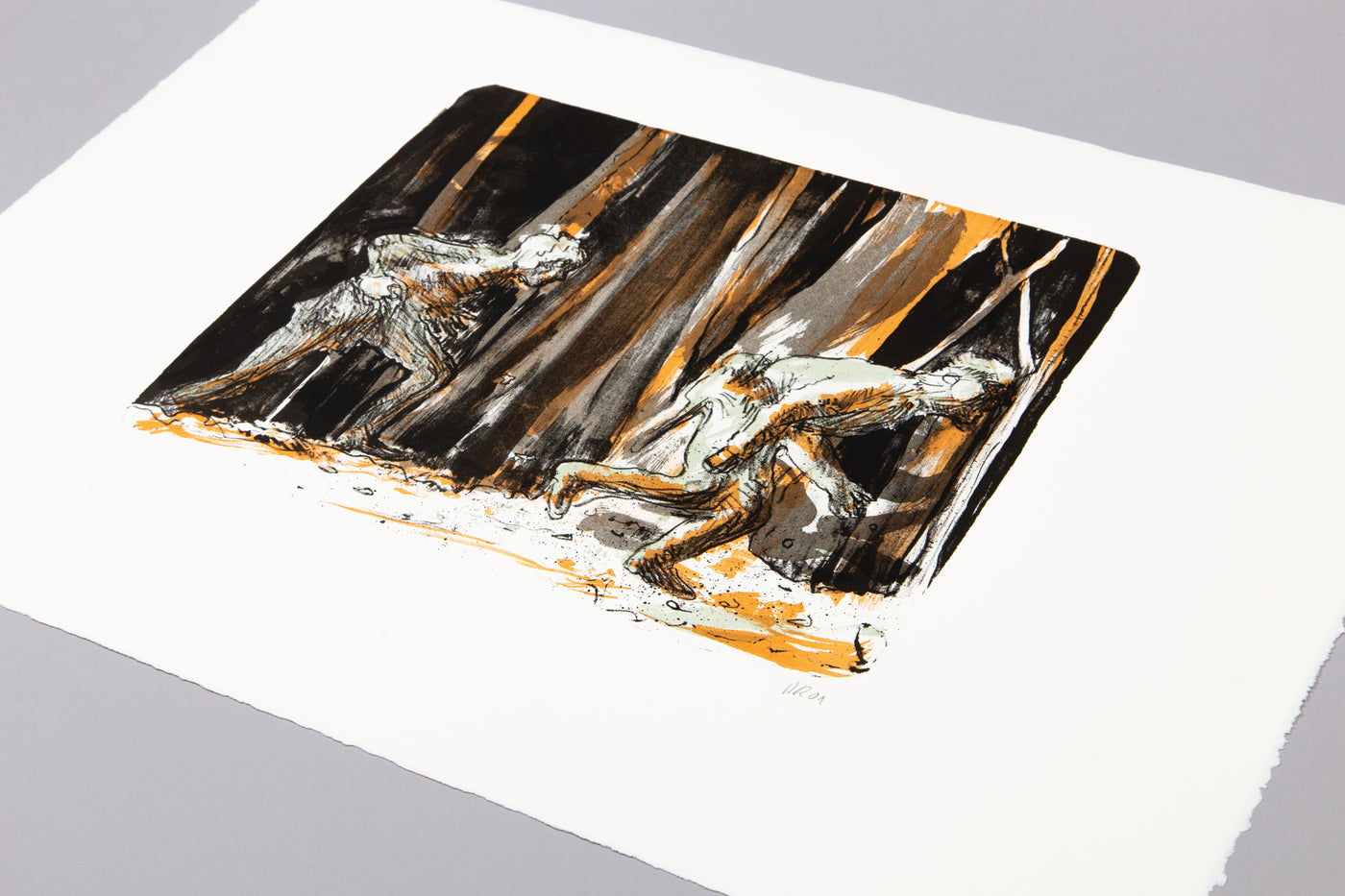
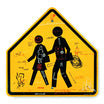
Daniel Richter – The Crew (Tarifa)Daniel Richter – The Crew (Tarifa)
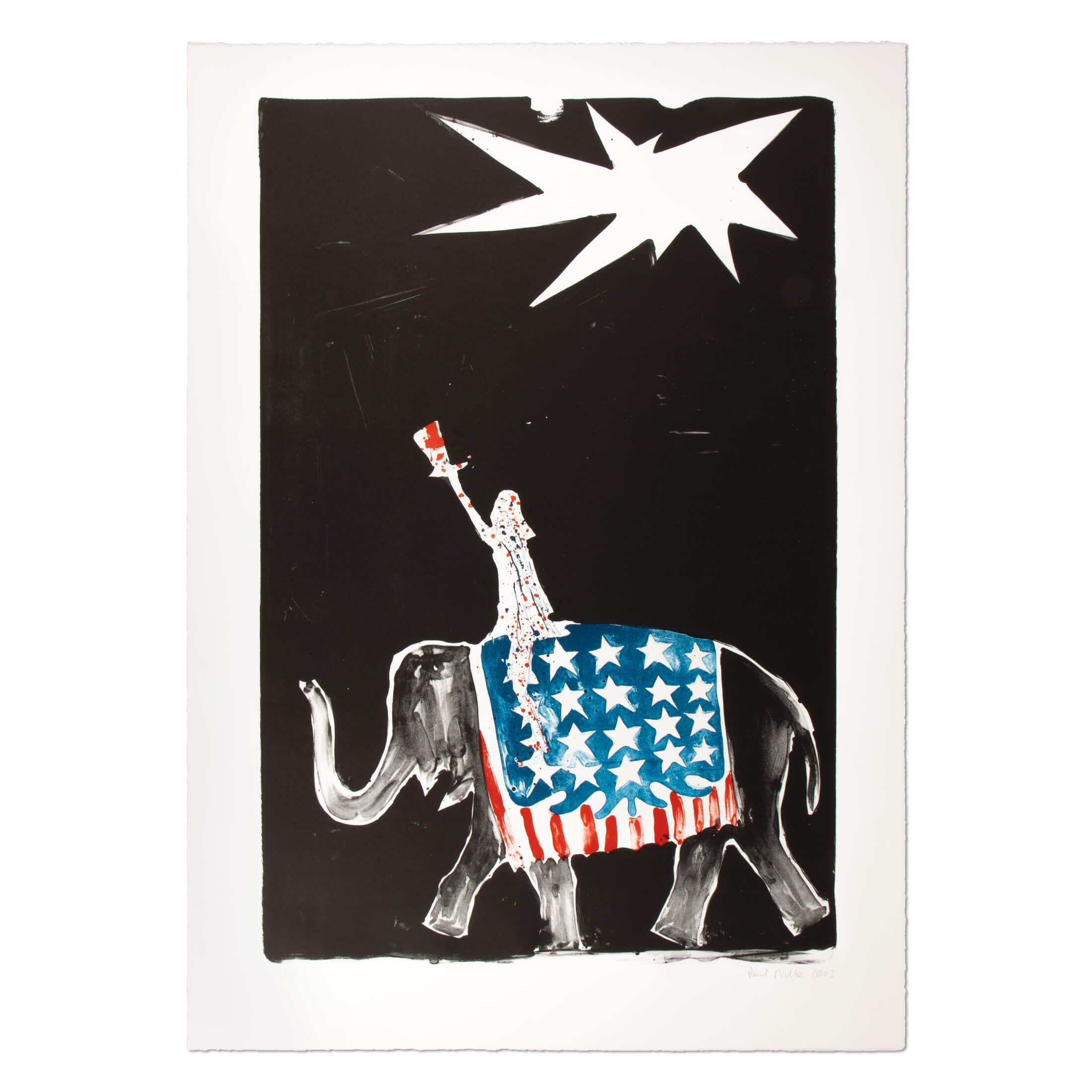
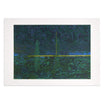
Daniel Richter – FreundeDaniel Richter – Freunde
Daniel Richter – Freunde Sale price€3.600,00
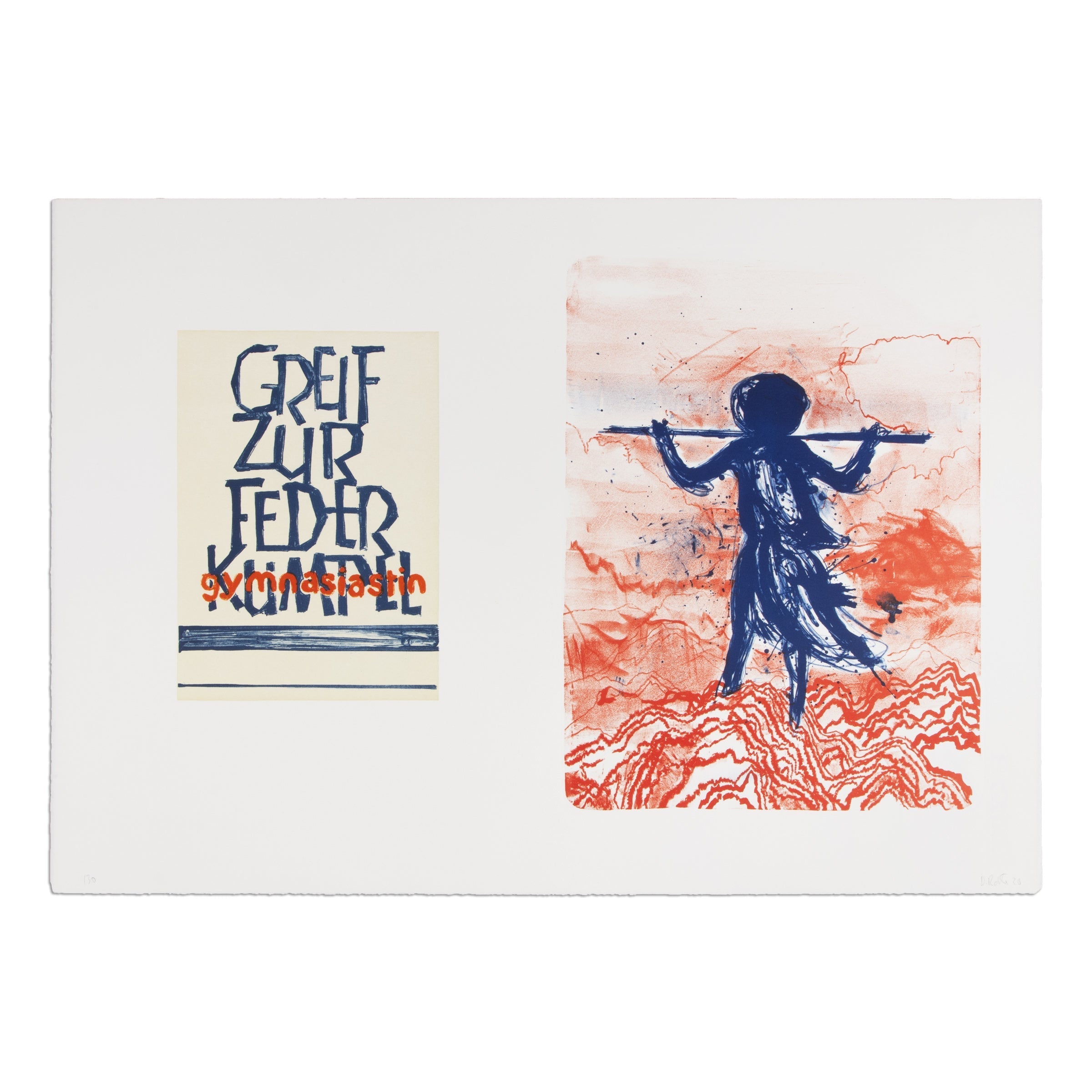
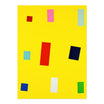
Daniel Richter – Greif zur FederDaniel Richter – Greif zur Feder
Daniel Richter – Greif zur Feder Sale price€1.900,00
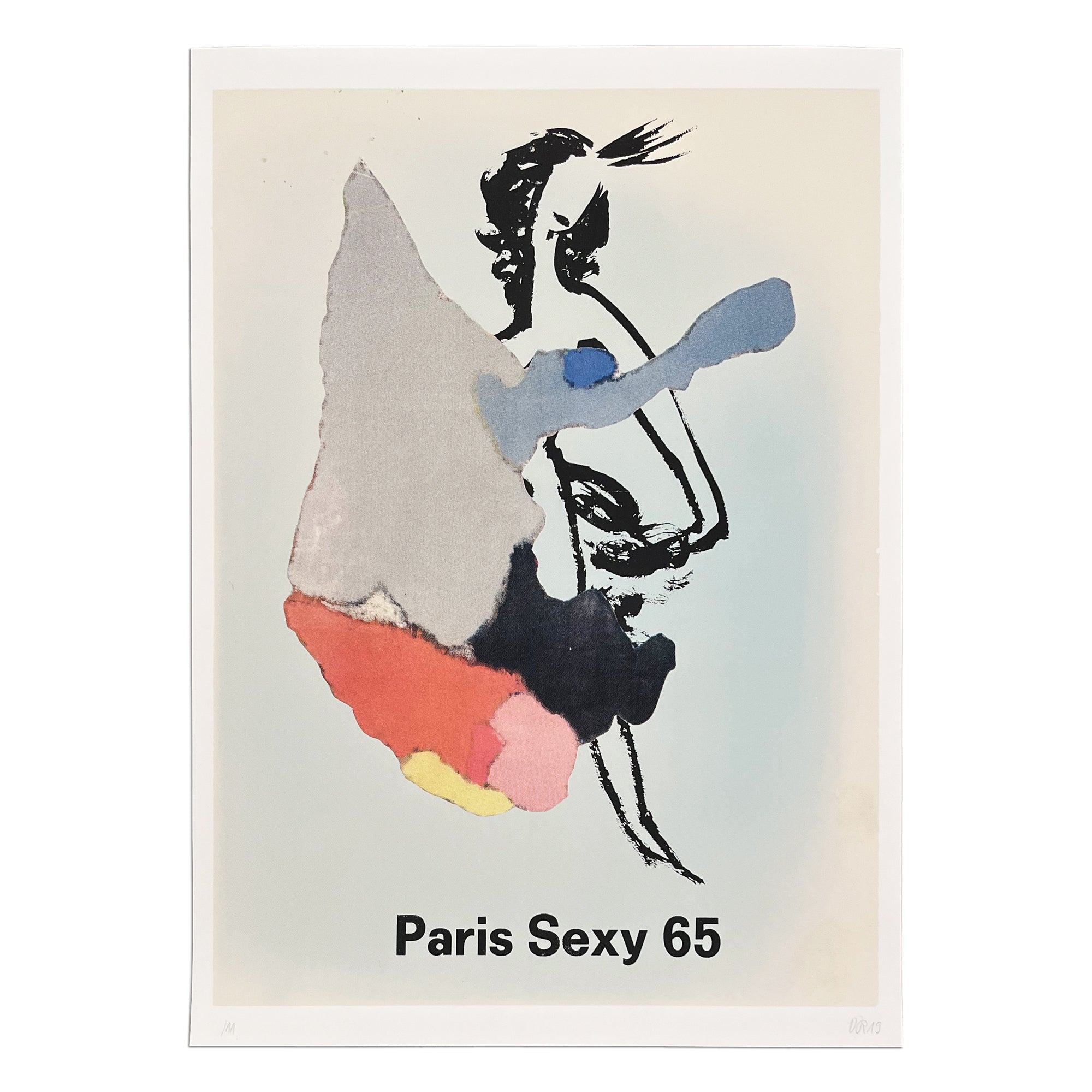
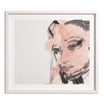
Daniel Richter - Untitled (Paris Sexy 65)
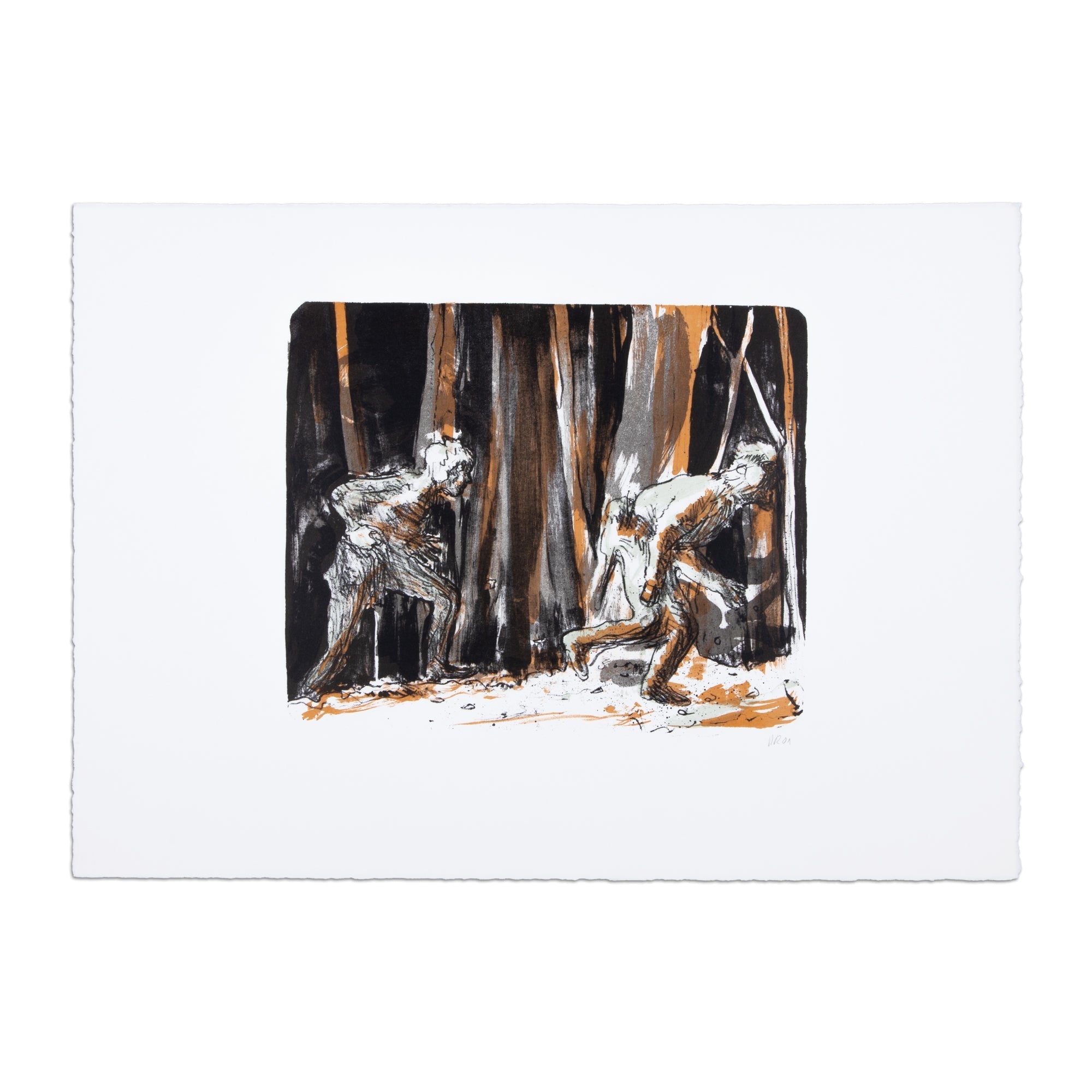
Daniel Richter, Untitled (Fuchs)
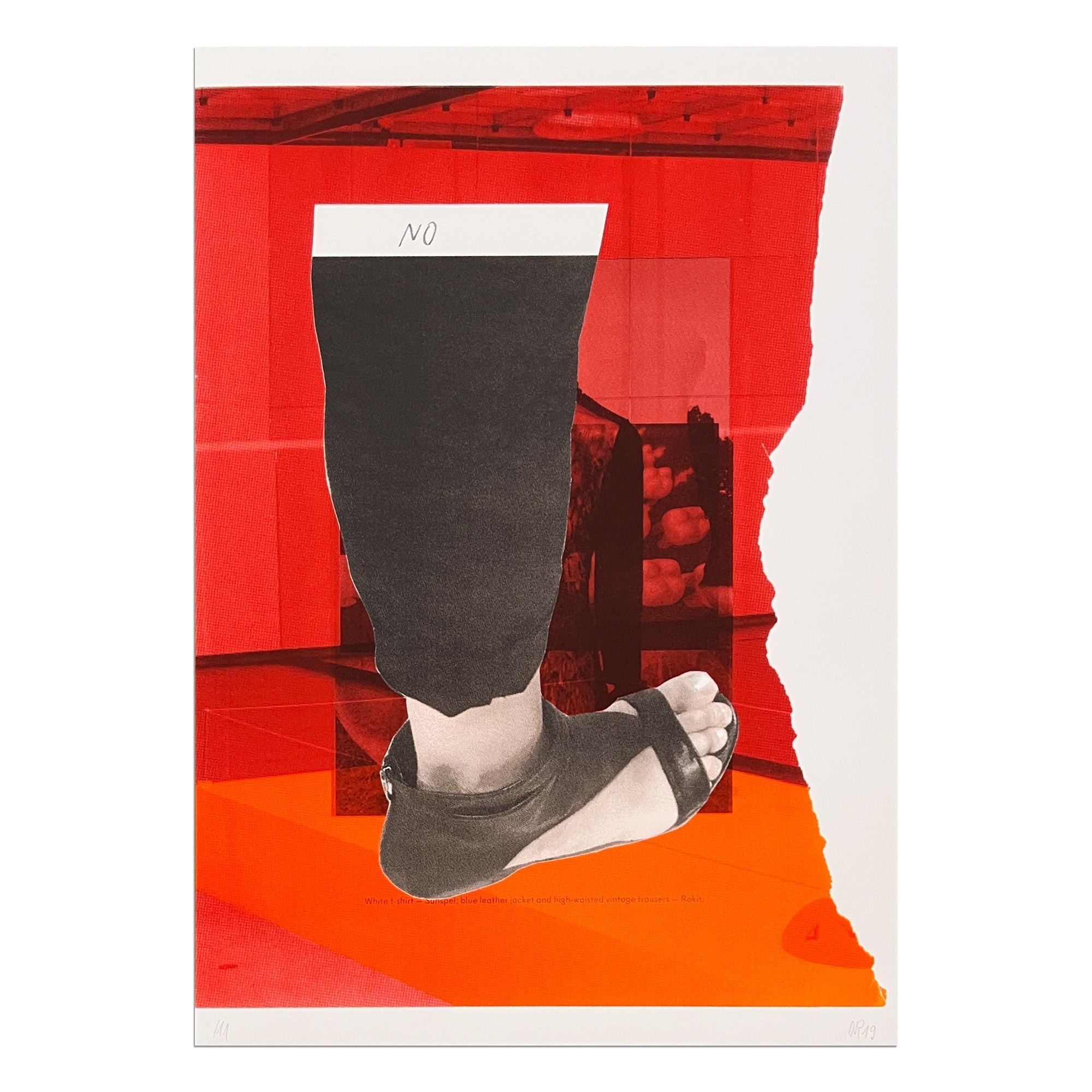
Daniel Richter - Untitled
Daniel Richter - Untitled Sale price€3.000,00
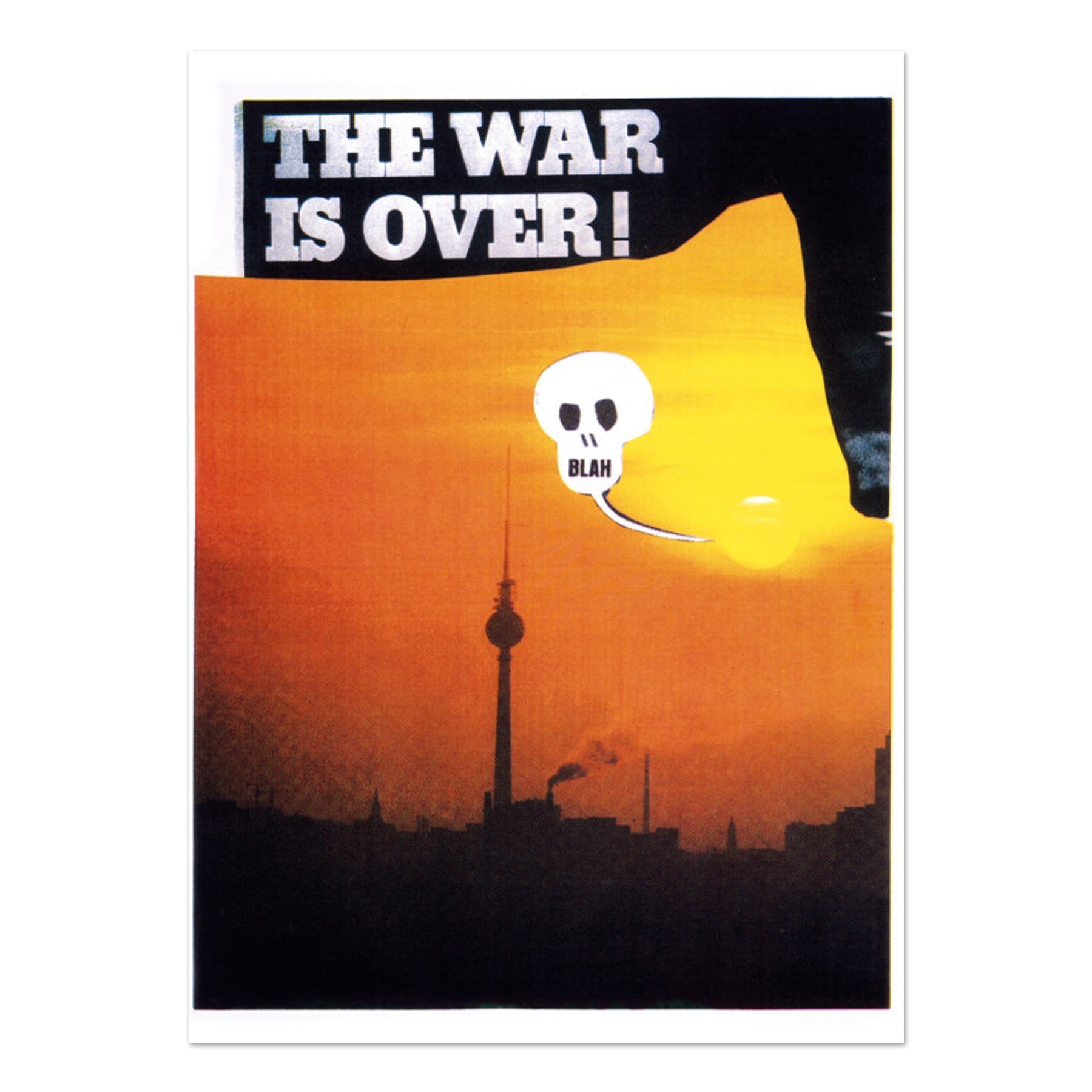
Daniel Richter - The War is Over!
Daniel Richter - Talk is CheapDaniel Richter - Talk is Cheap
Daniel Richter – Talk is Cheap Sale price€5.400,00
Daniel Richter  - Propaganda IIDaniel Richter  - Propaganda II
Daniel Richter – The Crew (Tarifa)
01

Daniel Richter Biography

Daniel Richter (born 1962 in Eutin, northern Germany) spent the 1980s embedded in Hamburg's punk and squatter scene, designing record sleeves and posters for antifascist bands — he still owns Buback, the independent Hamburg record label he helped found. He studied painting at the Hochschule für bildende Künste Hamburg from 1991 to 1995 under Werner Büttner, then worked as an assistant to Albert Oehlen, absorbing both formal training and a healthy suspicion of painting's own seriousness along the way.

His earliest mature work, made between roughly 1995 and 2000, was entirely abstract — psychedelic, colour-saturated canvases with swirling, neon-lit forms that carried the visual DNA of punk graffiti and club culture directly onto canvas. Around 2000, Daniel Richter abandoned pure abstraction almost overnight, turning toward a figurative language built from mass-media imagery: news photographs, protest footage, police reports, rendered with the disorienting glow of infrared or thermal-camera footage rather than naturalistic light.

Tarifa (2001), among his most significant works from this shift, depicted ghostly, huddled figures packed onto a small boat against an abyssal black background — a scene that anticipated, with uncomfortable precision, the European migrant crisis that would dominate headlines more than a decade later. Tuanus (2000), depicting a police drug raid in Frankfurt's Taunusanlage park, rendered its figures as barely legible silhouettes, bodies caught between presence and disappearance. Richter has said he wants his audience to resist immediately identifying what a painting depicts — the interpretive confusion is not a flaw but the entire point, a deliberate refusal to let a charged image resolve into simple illustration or slogan.

Institutional recognition followed quickly once his figurative work emerged. Daniel Richter participated in documenta 11 (2002) and represented Germany at the Venice Biennale (2003), and has since been the subject of major solo exhibitions at the Hamburger Bahnhof in Berlin (2014), the Louisiana Museum of Modern Art in Denmark (2012), and the Deichtorhallen Hamburg (2016), alongside earlier presentations at the Kunsthalle Wien and the Bonnefantenmuseum in Maastricht. He lives and works between Vienna, Hamburg, and Berlin.

02

Famous Daniel Richter Artworks

Tarifa (2001) depicts anonymous figures huddled together on a small boat, rendered in an eerie, infrared-like glow against total darkness — a scene of migration and crisis painted years before the subject dominated European news, later extended into the print edition The Crew (Tarifa).

Tuanus (2000), depicting a police raid on Frankfurt's open drug scene, renders its figures as near-featureless silhouettes seen as if through night-vision equipment — bodies present and absent at the same time.

Lonely Old Slogans (2006) shows a faceless punk figure slumped in a circular window, surrounded by discarded beer cans, "Fuck the Police" studded across his leather jacket — a blunt, almost embarrassing image of a burnt-out rebel too exhausted to keep up the fight, held in the Deichtorhallen Hamburg's Falckenberg Collection. The painting's title later gave its name to Richter's major 2014 survey exhibition at the Hamburger Bahnhof, Berlin.

Daniel Richter – Freunde
03

Daniel Richter Prints & Editions

Printmaking runs directly alongside Richter's paintings rather than behind them — screenprints, lithographs, and etchings that carry the same charged colour and deliberately unresolved imagery as his canvases, frequently drawn from the same source material and titled works. The Crew (Tarifa), The War is Over!, and Talk is Cheap extend major thematic concerns from his painted work directly into signed, numbered editions, typically trading between €1,500 and €20,000 depending on rarity, technique, and popularity.

For collectors, Richter's editions offer direct access to a practice that moves between abstraction and figuration with genuine unpredictability. Works are held in the permanent collections of MoMA, Tate, and the Centre Pompidou.

01

Daniel Richter Biography

Daniel Richter (born 1962 in Eutin, northern Germany) spent the 1980s embedded in Hamburg's punk and squatter scene, designing record sleeves and posters for antifascist bands — he still owns Buback, the independent Hamburg record label he helped found. He studied painting at the Hochschule für bildende Künste Hamburg from 1991 to 1995 under Werner Büttner, then worked as an assistant to Albert Oehlen, absorbing both formal training and a healthy suspicion of painting's own seriousness along the way.

His earliest mature work, made between roughly 1995 and 2000, was entirely abstract — psychedelic, colour-saturated canvases with swirling, neon-lit forms that carried the visual DNA of punk graffiti and club culture directly onto canvas. Around 2000, Daniel Richter abandoned pure abstraction almost overnight, turning toward a figurative language built from mass-media imagery: news photographs, protest footage, police reports, rendered with the disorienting glow of infrared or thermal-camera footage rather than naturalistic light.

Tarifa (2001), among his most significant works from this shift, depicted ghostly, huddled figures packed onto a small boat against an abyssal black background — a scene that anticipated, with uncomfortable precision, the European migrant crisis that would dominate headlines more than a decade later. Tuanus (2000), depicting a police drug raid in Frankfurt's Taunusanlage park, rendered its figures as barely legible silhouettes, bodies caught between presence and disappearance. Richter has said he wants his audience to resist immediately identifying what a painting depicts — the interpretive confusion is not a flaw but the entire point, a deliberate refusal to let a charged image resolve into simple illustration or slogan.

Institutional recognition followed quickly once his figurative work emerged. Daniel Richter participated in documenta 11 (2002) and represented Germany at the Venice Biennale (2003), and has since been the subject of major solo exhibitions at the Hamburger Bahnhof in Berlin (2014), the Louisiana Museum of Modern Art in Denmark (2012), and the Deichtorhallen Hamburg (2016), alongside earlier presentations at the Kunsthalle Wien and the Bonnefantenmuseum in Maastricht. He lives and works between Vienna, Hamburg, and Berlin.

02

Famous Daniel Richter Artworks

Tarifa (2001) depicts anonymous figures huddled together on a small boat, rendered in an eerie, infrared-like glow against total darkness — a scene of migration and crisis painted years before the subject dominated European news, later extended into the print edition The Crew (Tarifa).

Tuanus (2000), depicting a police raid on Frankfurt's open drug scene, renders its figures as near-featureless silhouettes seen as if through night-vision equipment — bodies present and absent at the same time.

Lonely Old Slogans (2006) shows a faceless punk figure slumped in a circular window, surrounded by discarded beer cans, "Fuck the Police" studded across his leather jacket — a blunt, almost embarrassing image of a burnt-out rebel too exhausted to keep up the fight, held in the Deichtorhallen Hamburg's Falckenberg Collection. The painting's title later gave its name to Richter's major 2014 survey exhibition at the Hamburger Bahnhof, Berlin.

03

Daniel Richter Prints & Editions

Printmaking runs directly alongside Richter's paintings rather than behind them — screenprints, lithographs, and etchings that carry the same charged colour and deliberately unresolved imagery as his canvases, frequently drawn from the same source material and titled works. The Crew (Tarifa), The War is Over!, and Talk is Cheap extend major thematic concerns from his painted work directly into signed, numbered editions, typically trading between €1,500 and €20,000 depending on rarity, technique, and popularity.

For collectors, Richter's editions offer direct access to a practice that moves between abstraction and figuration with genuine unpredictability. Works are held in the permanent collections of MoMA, Tate, and the Centre Pompidou.

Daniel Richter – The Crew (Tarifa)Daniel Richter – Freunde

Daniel Richter: Key Questions

Collecting Daniel Richter?

Looking for a specific artwork or have a question about an edition? We're happy to advise on availability, pricing, condition, and provenance — and to source artworks beyond our current selection.

Contact us

Prints, Photographs & Multiples

View our full collection of

Prints, Photographs & Multiples

Explore editions