Brice Marden (b. 1938, Bronxville, New York) is an American abstract painter known for his minimalist, monochromatic paintings that explore the relationship between color, form, and space. Marden studied at Boston University and Yale University before moving to New York City in the early 1960s, where he became a leading figure in postwar abstraction.
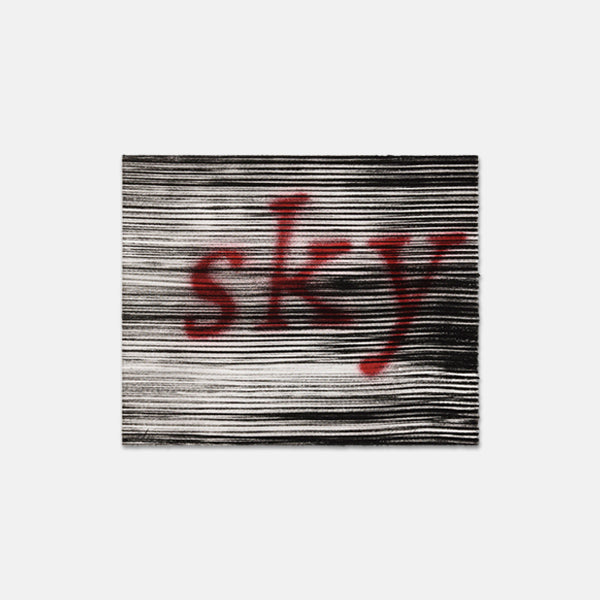
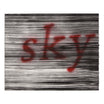
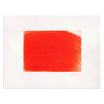
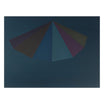
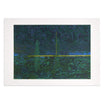
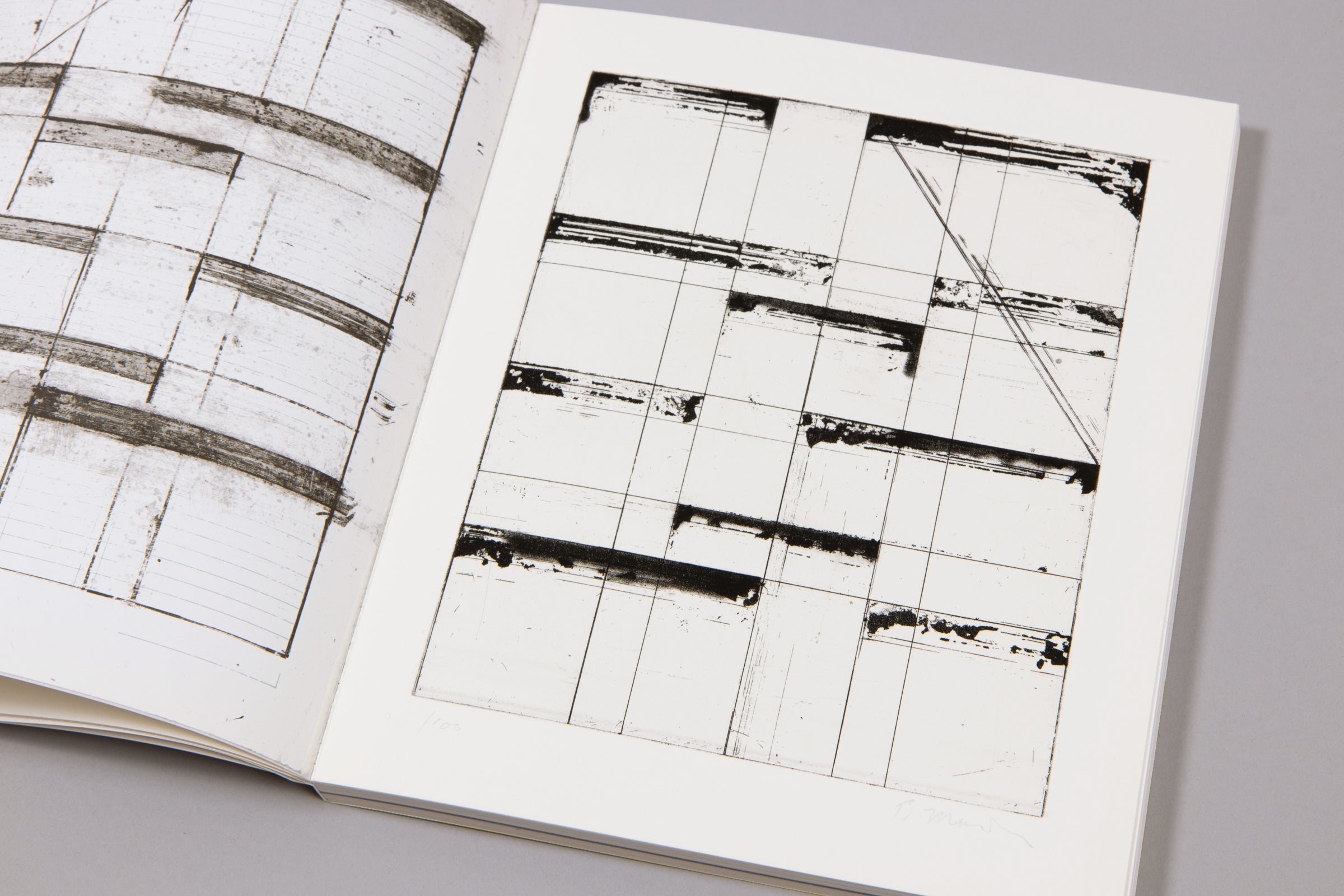
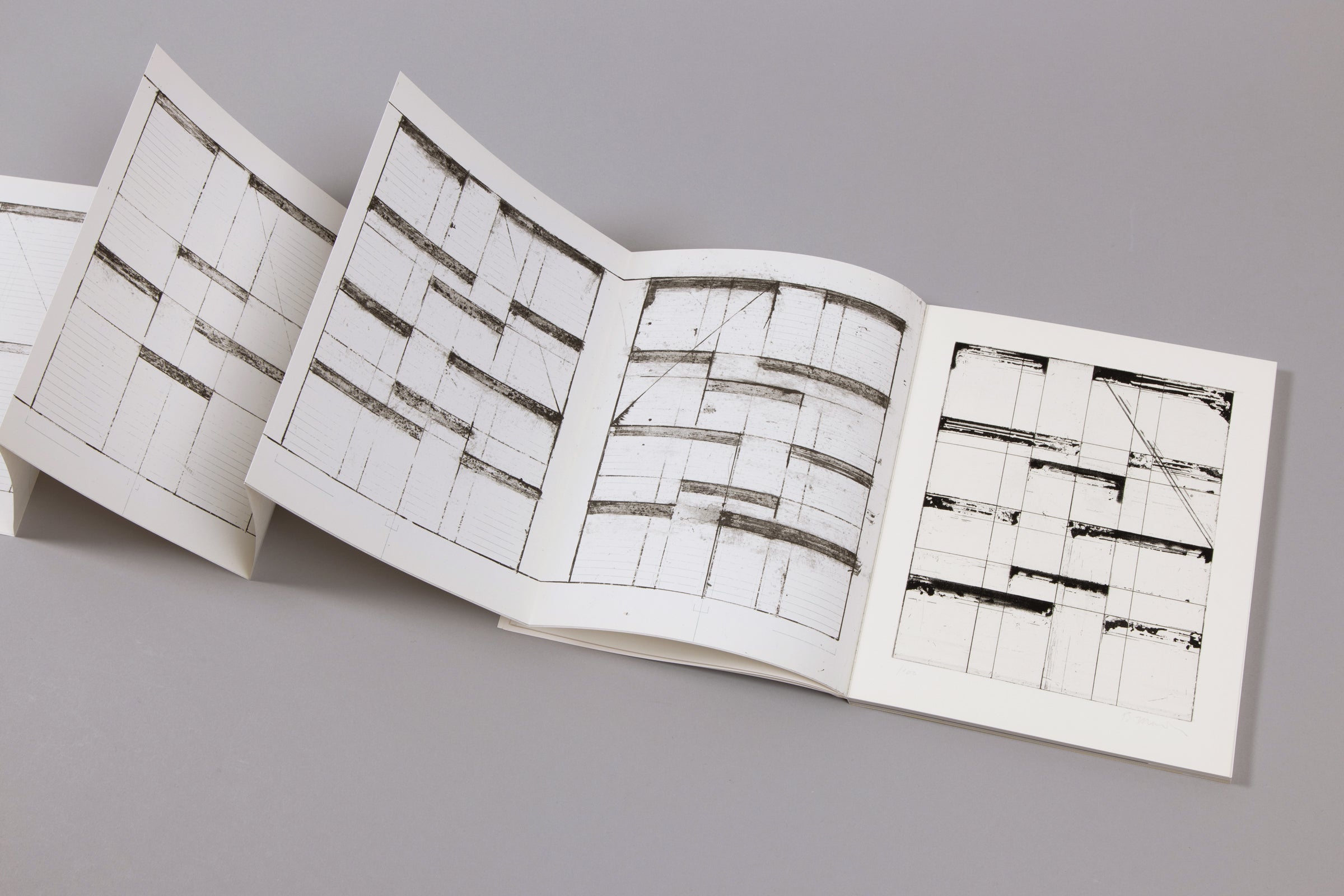
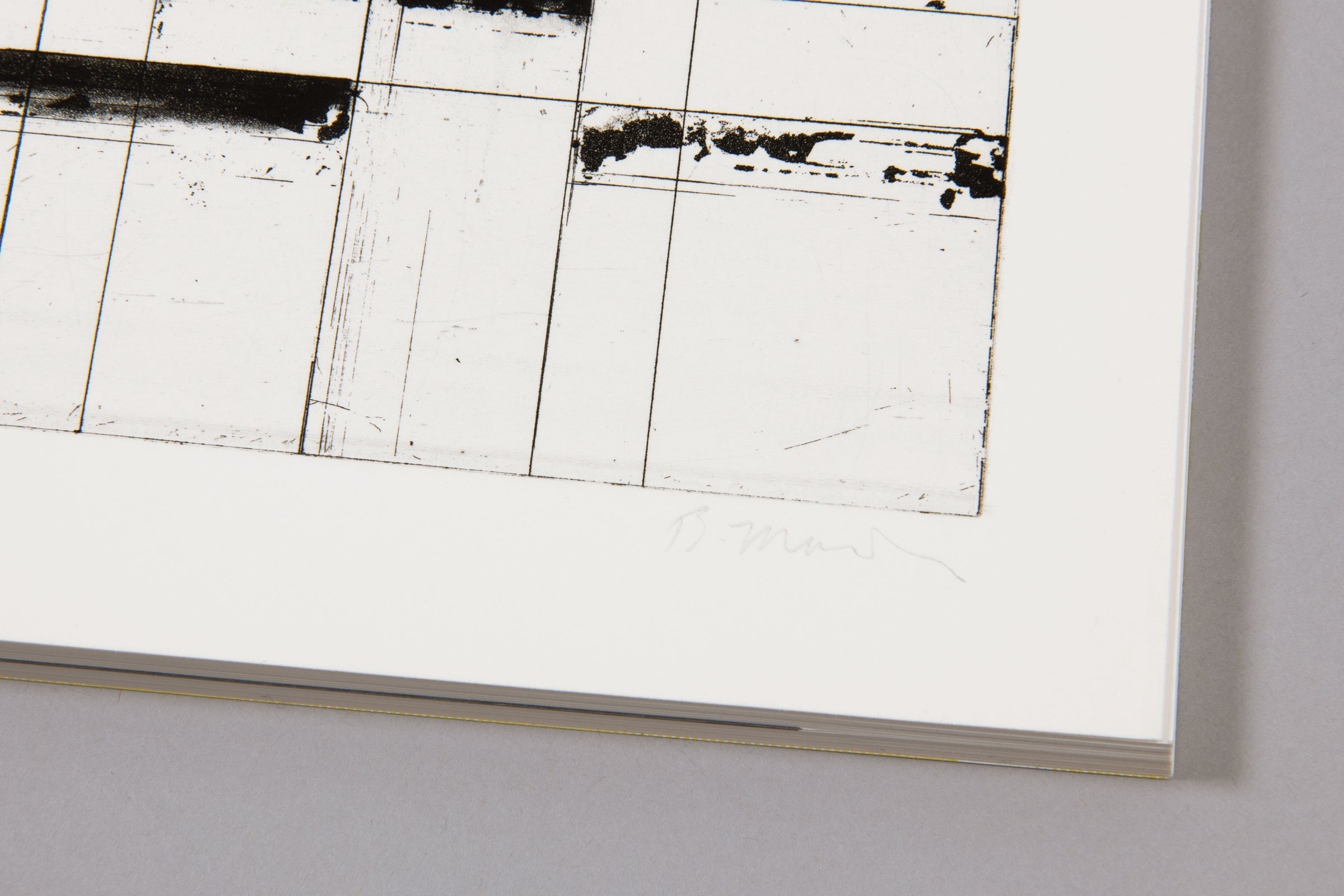
Marden's early paintings were characterized by spare, geometric forms and muted color palettes. In the late 1960s, he began incorporating more organic shapes and brighter colors, creating artworks that were more fluid and expressive. One of his most celebrated bodies of work is the Cold Mountain Series (late 1970s–early 1980s), consisting of large-scale canvases painted in earthy greens, blues, and browns. Named after a classic Chinese text, these paintings explore the relationship between nature and spirituality. In addition to painting, Brice Marden has worked extensively in printmaking since the early 1970s. His prints, including etchings and aquatints like this signed limited edition print, are characterized by delicate lines, subtle color variations, and a sense of depth and texture that reflect his broader exploration of balance, rhythm, and mark-making.
Throughout his career, Marden has been recognized for his contributions to contemporary art. He was awarded the National Medal of Arts by the United States government in 2009 and has been the subject of major exhibitions at leading institutions including the Museum of Modern Art in New York, Hamburger Bahnhof in Berlin, and Kunstmuseum Basel.