


Robert Longo (born 1953, Brooklyn, New York, United States) is a contemporary artist whose work examines power, violence, media imagery, and the construction of collective memory. Working across drawing, sculpture, film, installation, and photography, Longo has developed a practice that translates images of authority and conflict into monumental, highly controlled visual statements.
Emerging in the late 1970s and early 1980s, Longo became closely associated with the Pictures Generation, a group of artists who critically engaged with mass media and representation. His work has been exhibited internationally and is held in major public collections, positioning him as a central figure in postwar American art.
Artistic Practice
Robert Longo’s practice is grounded in the transformation of photographic source material into meticulously rendered images. Drawing occupies a central role, particularly his large-scale charcoal works, which translate mass-media imagery into high-contrast, sculptural compositions.
Longo’s process involves extensive research, image selection, and technical control. Rather than expressive gesture, his work emphasizes precision, scale, and material discipline, allowing images to confront viewers with physical and psychological intensity.
Across media, Longo isolates moments of tension, freezing motion and amplifying detail in order to reveal the underlying structures of power embedded within visual culture.
Key Themes and Motifs
Central to Longo’s work are themes of authority, violence, control, and resistance. His imagery frequently draws on symbols of state power, surveillance, weaponry, and corporate dominance.
Recurring motifs include falling or contorted bodies, firearms, animals, religious iconography, and monumental close-ups of faces or objects. These elements function as archetypal images rather than narrative scenes.
By removing context and enlarging scale, Robert Longo transforms familiar images into confrontational icons, forcing sustained engagement with their psychological and political implications.
Historical and Cultural Context
Longo’s practice emerged in a period marked by media saturation, political tension, and the rise of image-based culture. As part of the Pictures Generation, his work addressed how images shape perception, belief, and ideology.
His engagement with mass media aligns his practice with broader critiques of representation developed in the late twentieth century, particularly in relation to violence and spectacle.
Over time, Longo’s work has expanded to address global conflict, religious extremism, and systemic power, reflecting evolving geopolitical conditions.
Drawing, Scale, and Image Control
Drawing is the dominant medium in Longo’s practice, particularly his use of charcoal on paper at monumental scale. These works emphasize surface, density, and tonal contrast, creating images that appear both photographic and sculptural.
Scale plays a critical role, positioning the viewer in direct confrontation with the image. Physical proximity and bodily engagement are central to the experience of the work.
Through meticulous execution, Longo asserts control over imagery that is otherwise fleeting or overwhelming in mass-media circulation.
Editions and Works on Paper
Editions and works on paper form an important component of Robert Longo’s practice. Prints and editioned drawings allow key motifs to circulate beyond singular monumental works.
These works maintain the same emphasis on contrast, clarity, and visual force, translating Longo’s larger investigations into accessible formats.
Editions are conceived as autonomous works that preserve the conceptual rigor and visual intensity of his practice.
Market and Circulation Context
Robert Longo’s work circulates within a firmly established institutional and market framework. His drawings, sculptures, and films are widely collected and regularly exhibited internationally.
Editions and works on paper play a significant role in the circulation of his imagery, providing entry points into a practice defined by scale and control.
Within the contemporary art ecosystem, Longo’s work is recognized for its sustained engagement with power and representation.
Institutional Exhibitions and Collections
Longo has been the subject of numerous solo exhibitions and retrospective presentations at major museums and institutions worldwide. These exhibitions often emphasize the evolution of his imagery and its relationship to political and media contexts.
His artwork has been exhibited at institutions including the Museum of Modern Art, New York; Tate Modern, London; the Los Angeles County Museum of Art; and the Albertina, Vienna.
Longo’s work is held in major public collections globally, where it occupies a central position in narratives of image-based and politically engaged art.
Position within Contemporary Art
Within contemporary art, Robert Longo occupies a pivotal position as an artist who transformed mass-media imagery into monumental acts of confrontation.
By combining technical precision with conceptual rigor, his practice continues to influence artists working with image appropriation, scale, and political content.
Editorial Note
This editorial page provides a structured overview of Robert Longo’s artistic practice, thematic concerns, institutional context, and market circulation, with particular attention to his use of drawing and media imagery.
Selected works by Robert Longo are available through our collection.
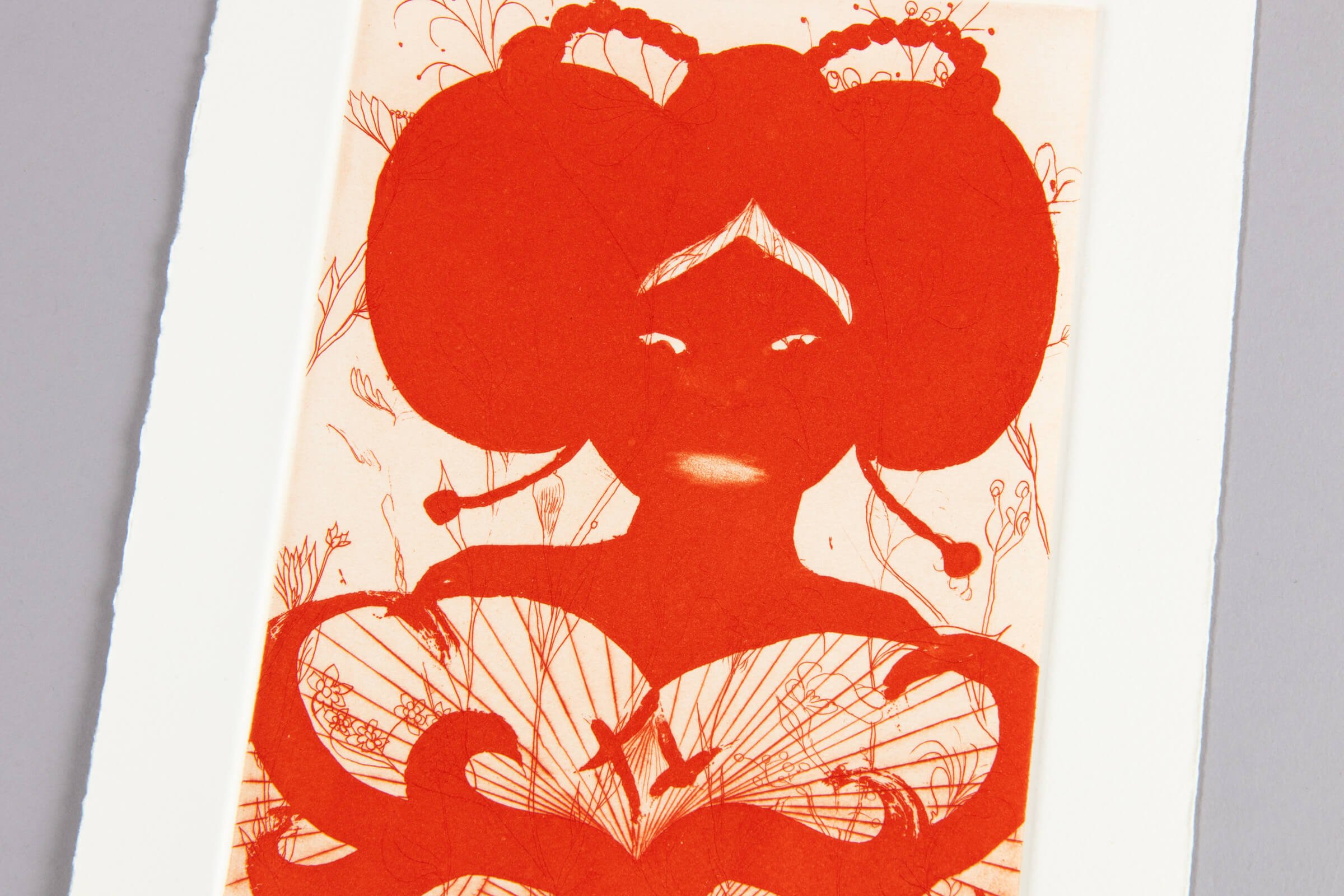
The Art of Printmaking
From the precise lines of woodcuts to the velvety depth of lithographs. Discover a curated selection of editioned works on paper that celebrate the unique texture and heritage of traditional print media.
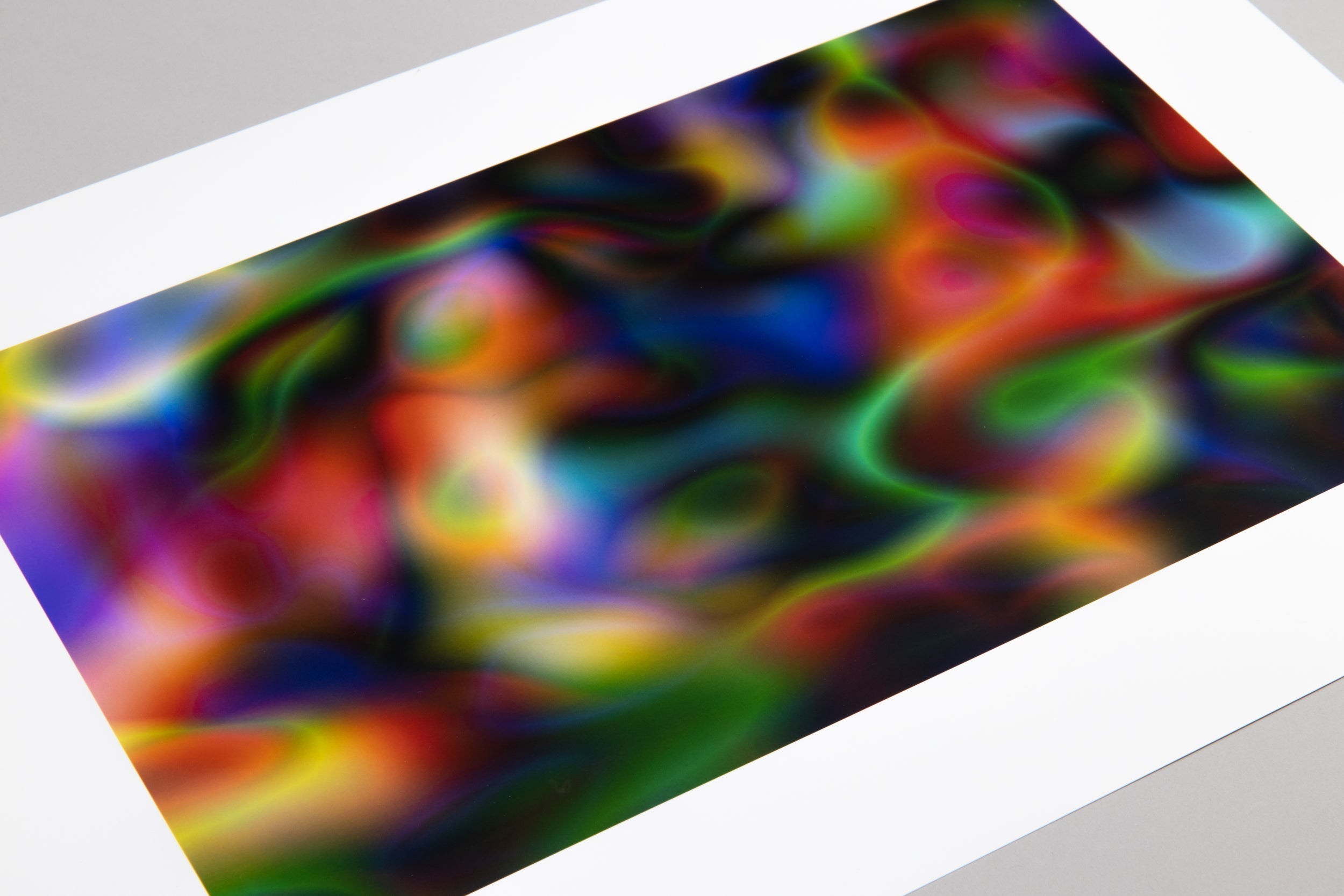
The Photographic Image
Explore contemporary photography through the lens of precision and scale. Our collection features exceptional photo editions that investigate the boundaries of representation and spatial order.
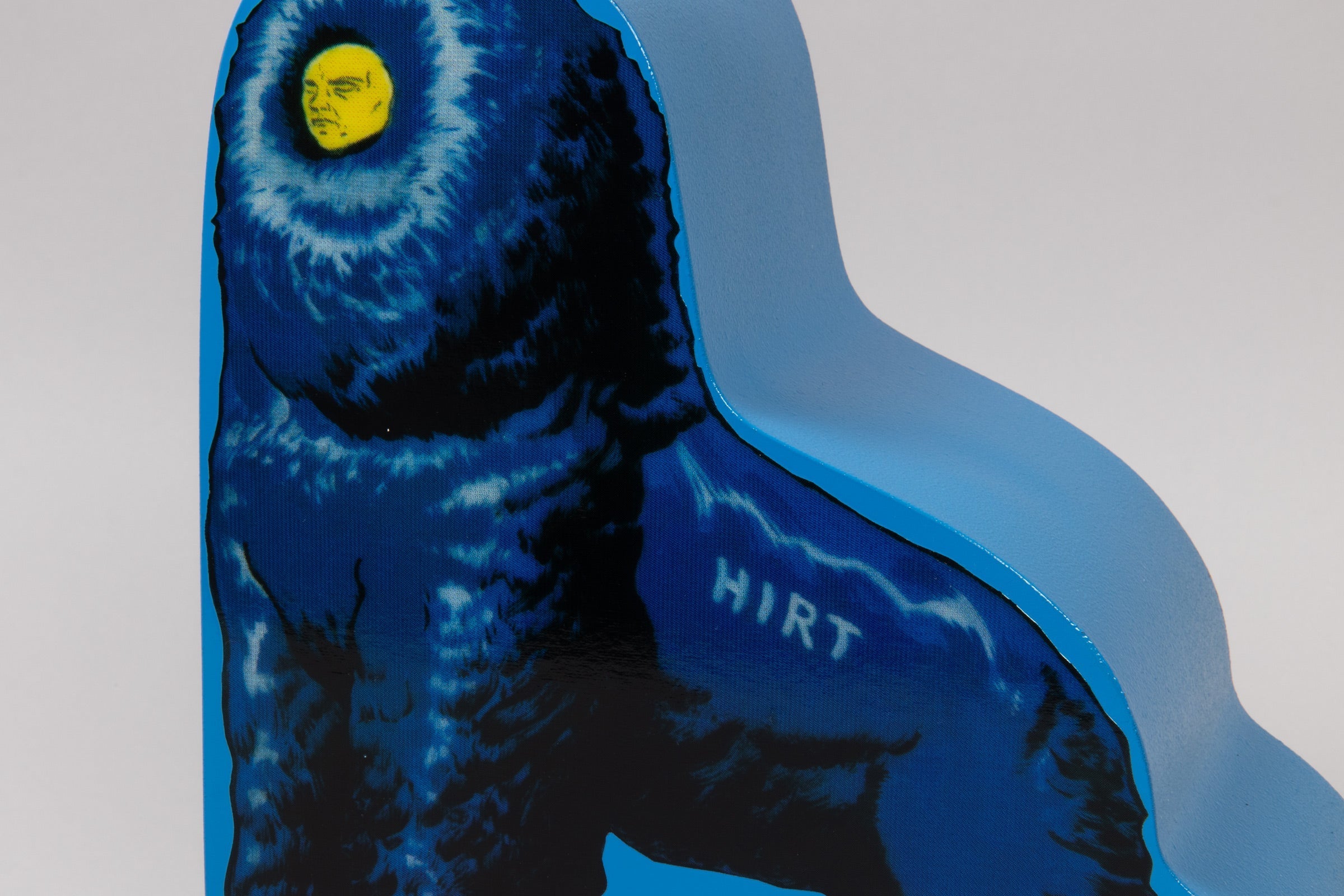
The Sculptural Multiple
Art beyond the pedestal. Discover three-dimensional objects designed to circulate ideas in space. These works bridge the gap between sculpture and the everyday, making radical art accessible.


