


Marcel Dzama (born 1974, Winnipeg, Canada) is a contemporary artist whose work combines drawing, narrative, and political allegory into a highly recognizable visual language. Working across drawing, painting, printmaking, sculpture, film, and performance, Dzama has developed a practice that merges the fantastical with sustained historical and cultural reference.
Since emerging internationally in the late 1990s, Dzama’s work has been exhibited widely and is held in major public collections. His imagery, at once playful and unsettling, positions him within a lineage of artists who use figurative invention as a means of critical engagement.
Artistic Practice
Drawing forms the conceptual and material foundation of Dzama’s practice. From early works on paper to later projects involving film, performance, and editions, drawing operates as the primary vehicle through which his ideas are developed and articulated.
His compositions are populated by recurring figures: masked characters, dancers, anthropomorphic animals, soldiers, and fantastical beings staged in choreographed, often ambiguous scenarios. These scenes do not resolve into linear stories. Instead, they function as fragments, inviting viewers to piece together meaning through repetition and variation.
Dzama’s drawings balance an apparent immediacy with careful construction. While the imagery may evoke folk art, early animation, or children’s illustration, this surface accessibility is consistently undercut by darker symbolic content and historical reference.
Key Themes and Motifs
Dzama’s visual language draws from a wide range of sources, including Dada, Surrealism, political caricature, early cinema, and modernist graphic traditions. These influences are not quoted directly but absorbed into a personal idiom that remains consistent across media.
Humor and menace frequently coexist within the same image. Whimsical figures are juxtaposed with symbols of authority, violence, and control, creating a visual tension that resists straightforward interpretation. This strategy allows Dzama’s work to operate simultaneously on aesthetic, psychological, and political levels.
Narrative, in Dzama’s work, is not illustrative but structural. Meaning accumulates through the recurrence of motifs and characters across drawings, films, and editions, forming a loosely interconnected visual universe rather than a closed symbolic system.
Historical and Cultural Context
Political and historical concerns are embedded throughout Dzama’s practice, often articulated through satire and allegory rather than direct commentary. References to authoritarian figures, military imagery, and propaganda aesthetics recur across his work, situating it within a broader tradition of artists who address power structures indirectly through figurative distortion.
Dzama has frequently drawn on twentieth-century history, particularly the visual languages associated with totalitarian regimes and modernist movements. These references coexist with fictional narratives and personal symbolism, allowing individual works to function as layered constructions rather than explicit statements.
This indirect approach to political content enables Dzama’s work to remain open and ambiguous, encouraging interpretation rather than prescribing meaning.
Performance, Film, and Expanded Practice
Beyond drawing and painting, Dzama has developed an extensive body of work in film and performance. Collaborations involving choreography, costume, and music extend his drawn imagery into time-based and performative contexts.
These projects emphasize movement, repetition, and staging, reinforcing themes already present in his two-dimensional work. Characters migrate from paper to performance, blurring distinctions between image, narrative, and embodiment.
The integration of performance within Dzama’s practice underscores his interest in theatricality and ritual, as well as the ways in which images circulate and transform across different formats.
Editions and Works on Paper
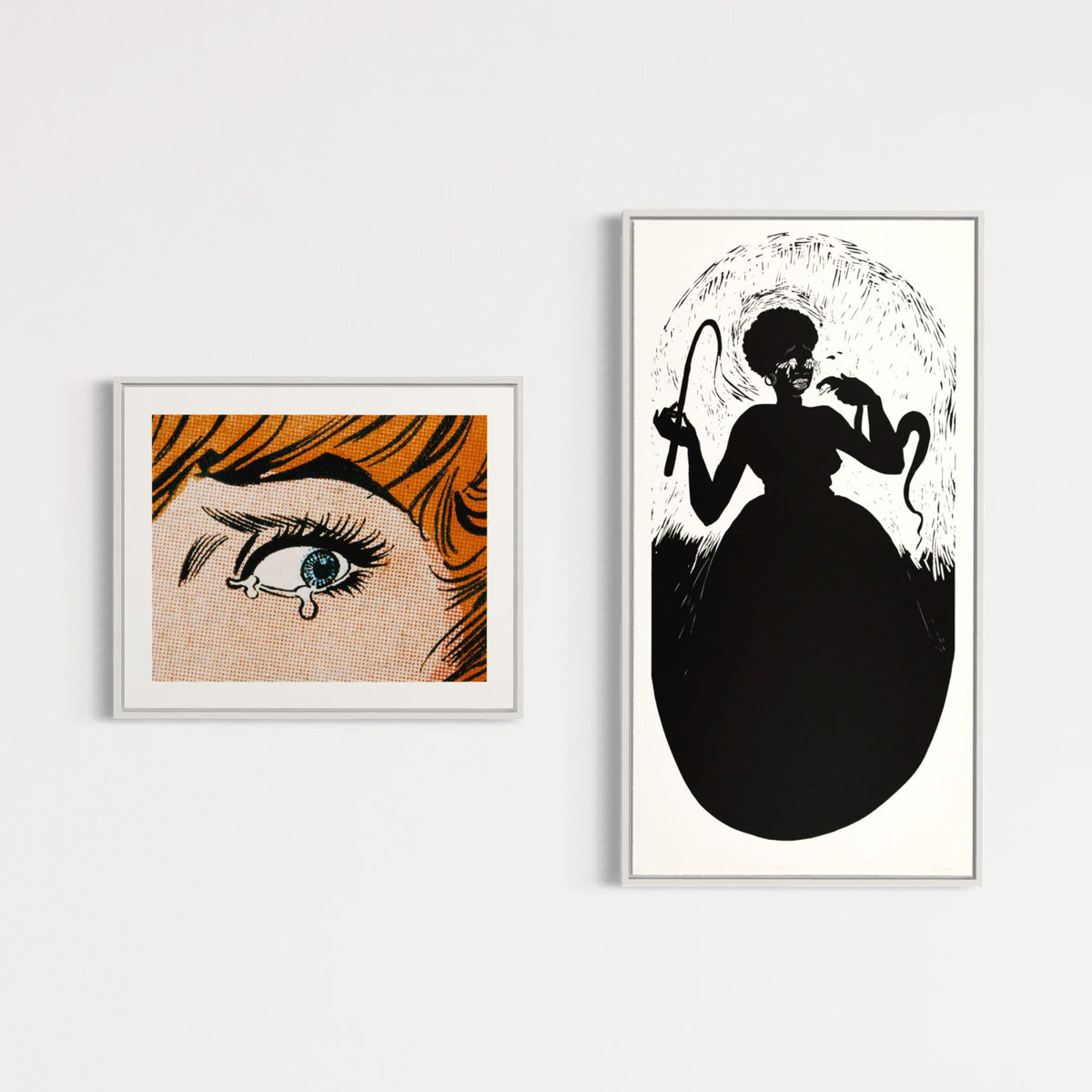
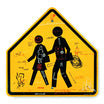
Editions play an integral role within Marcel Dzama’s broader artistic practice. Prints and multiples allow key motifs and narrative structures to circulate beyond unique works while maintaining a close relationship to his drawing-based approach.
Rather than functioning as secondary reproductions, Dzama’s editioned works are conceived as autonomous artworks. They preserve the graphic precision and compositional clarity of his drawings while engaging with printmaking processes that emphasize line, contrast, and rhythm.
Within the context of his practice, editions offer insight into the development and dissemination of Dzama’s imagery, reflecting his sustained interest in reproducibility and the movement of images across contexts.
Market and Circulation Context
Marcel Dzama’s work occupies a sustained position within both institutional and market contexts. While his practice is grounded in drawing and narrative experimentation, editions have played a significant role in extending the circulation of his imagery beyond unique works and exhibitions.
Within the contemporary art ecosystem, editioned works function as points of entry into a broader and evolving body of work, reinforcing the visibility of Dzama’s practice across private and public collections without displacing its institutional framing.
Institutional Exhibitions and Collections
Dzama has exhibited extensively in both solo and group exhibitions at museums and institutions internationally. Institutional presentations of his work often foreground the interdisciplinary nature of his practice, incorporating drawing, installation, film, and performance.
Critical writing on Dzama’s work has frequently addressed the tension between apparent playfulness and underlying seriousness, as well as his ability to synthesize diverse historical references into a coherent visual language. His work is often discussed in relation to traditions of narrative art, political satire, and the expanded role of drawing in contemporary practice.
Position within Contemporary Art
Within contemporary art, Dzama occupies a distinctive position at the intersection of figurative drawing, narrative construction, and conceptual inquiry. His practice resists strict categorization, moving fluidly between media while maintaining a consistent symbolic vocabulary.
By combining imaginative invention with historical and political awareness, Dzama’s work aligns with broader artistic strategies that employ indirect narrative and allegory as tools for critical reflection.
Editorial Note
This editorial page provides a structured overview of Marcel Dzama’s artistic practice, thematic concerns, institutional context, and market circulation, with particular attention to the role of drawing and editions within his work.
Selected editions by Marcel Dzama are available through our collection.
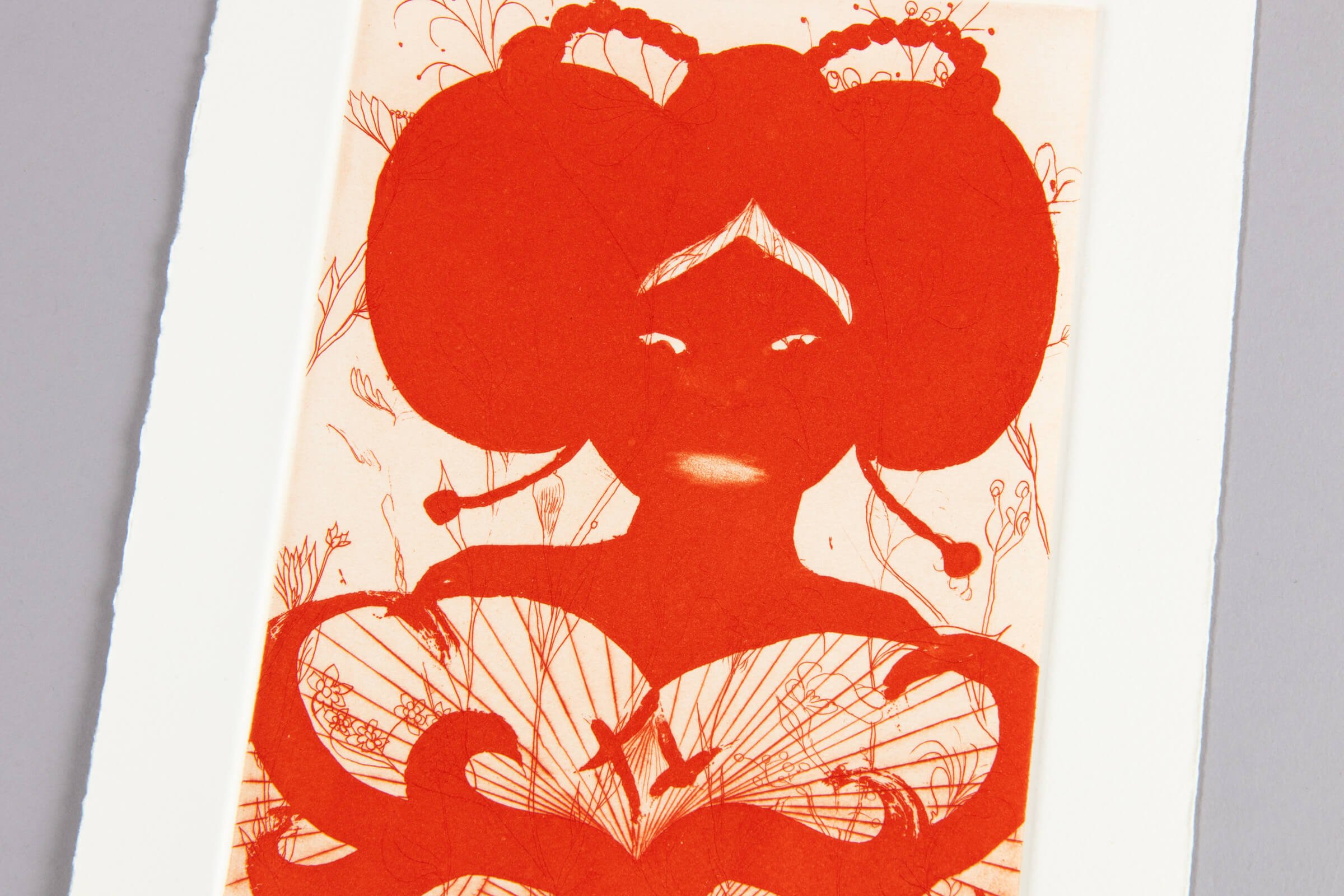
The Art of Printmaking
From the precise lines of woodcuts to the velvety depth of lithographs. Discover a curated selection of editioned works on paper that celebrate the unique texture and heritage of traditional print media.
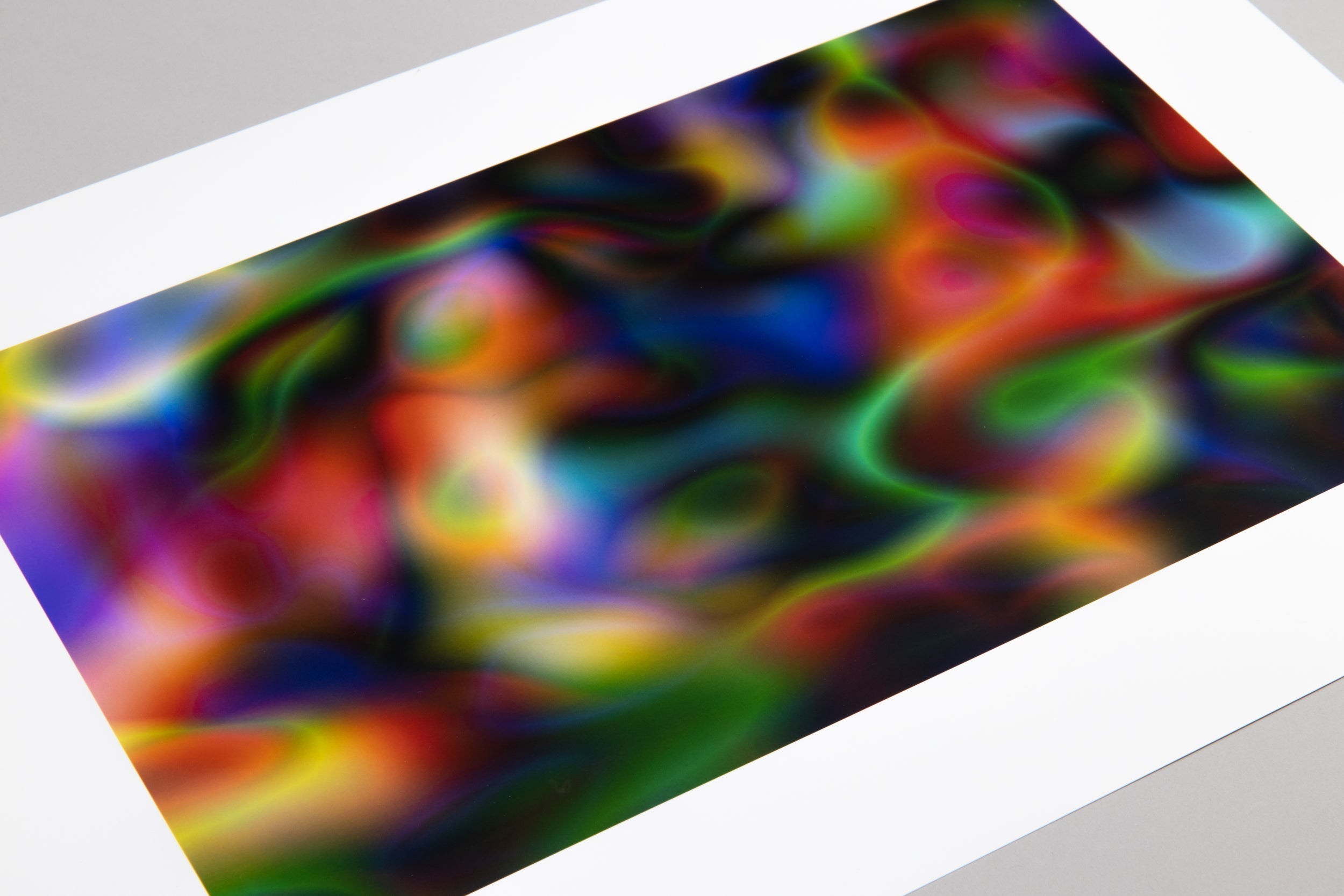
The Photographic Image
Explore contemporary photography through the lens of precision and scale. Our collection features exceptional photo editions that investigate the boundaries of representation and spatial order.
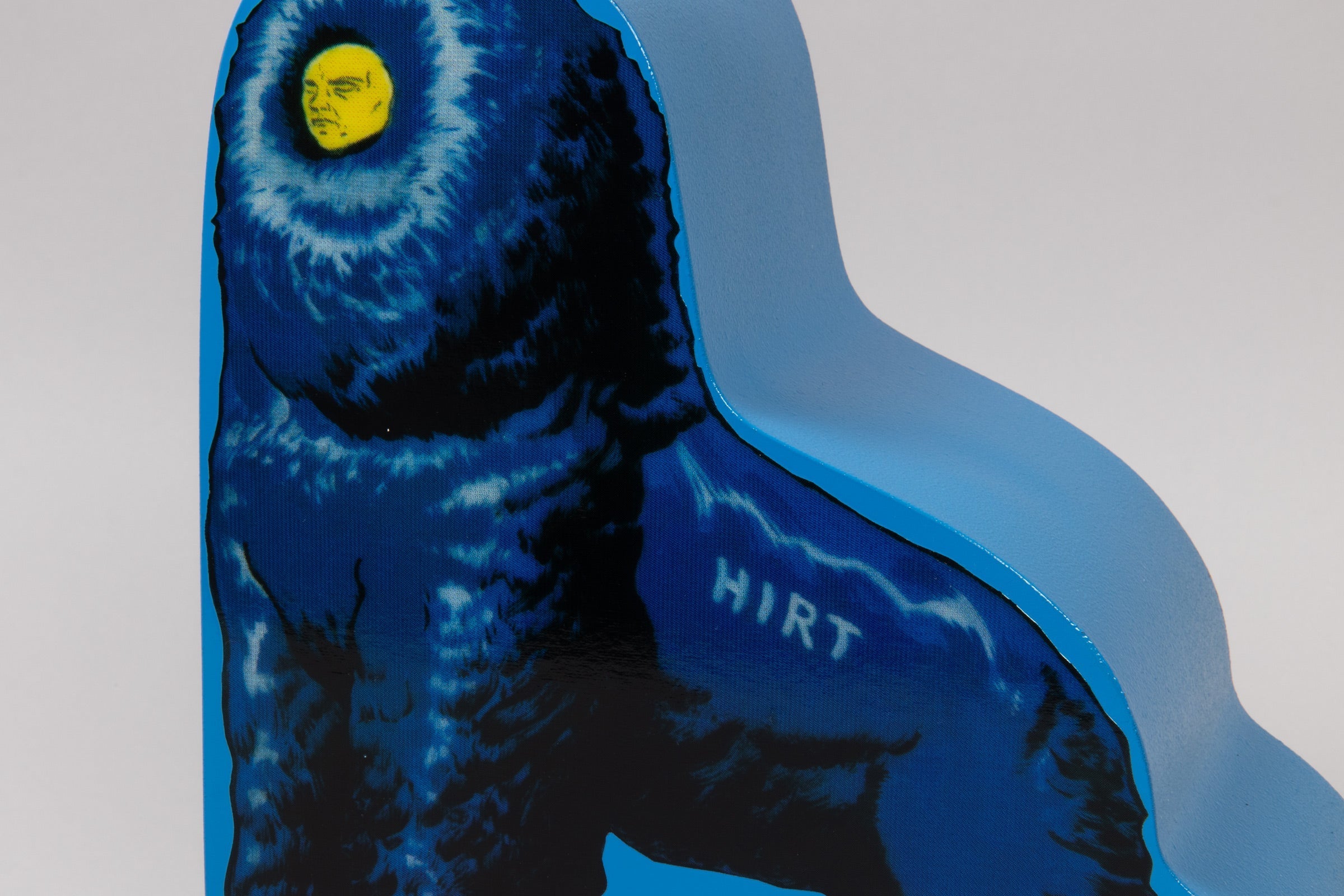
The Sculptural Multiple
Art beyond the pedestal. Discover three-dimensional objects designed to circulate ideas in space. These works bridge the gap between sculpture and the everyday, making radical art accessible.


