


Artist Insight
A Defining Moment: Sensation and the Politics of Image
Chris Ofili’s international breakthrough came with the 1997 exhibition Sensation — the defining moment of the Young British Artists generation — at the Royal Academy in London and its later presentation at the Brooklyn Museum in 1999. His painting The Holy Virgin Mary became the center of intense political and media controversy in New York, where debates over blasphemy, censorship, race, and public funding erupted.
The episode did more than amplify visibility. It revealed what Ofili’s work had already understood: painting remains a charged arena where representation, faith, and power collide. The artwork’s layered iconography, drawn from devotional imagery and contemporary culture, forced viewers to confront their own assumptions about sanctity, race, and artistic freedom.
Unlike conceptual gestures that dismantle images from a distance, Ofili builds them up until they pulse with contradiction. The controversy clarified that his paintings do not merely depict belief systems. They expose how belief is constructed, defended, and politicized.
Ornament and Material in Chris Ofili's Painting
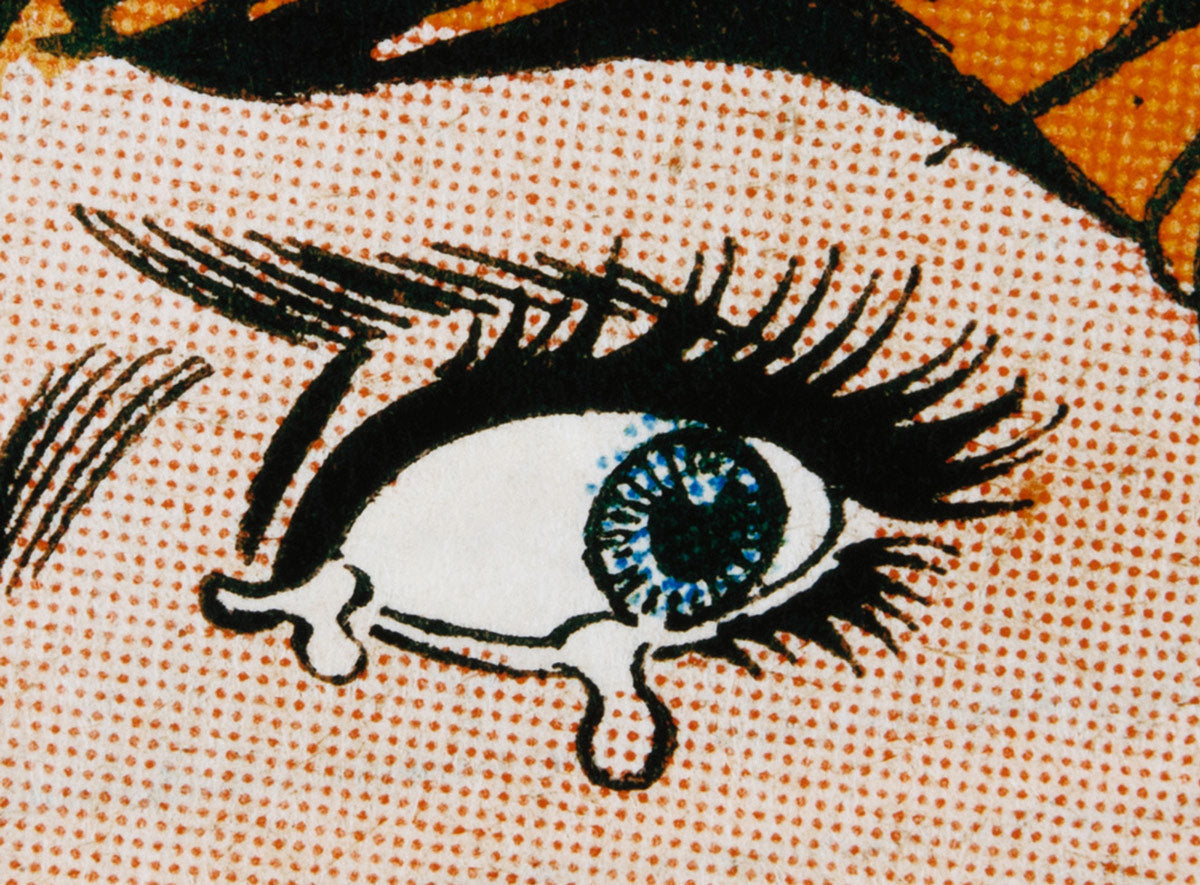
Ofili’s paintings are built through accumulation. Layers of paint, resin, collage, printed fragments, and patterned fields create surfaces that resist immediate consumption. Ornament functions structurally. It organizes the composition, establishes rhythm, and embeds symbolic meaning.
Pattern in Ofili’s artworks often behaves like music. It repeats, syncopates, and destabilizes the central figure. The eye moves across the canvas in waves rather than straight lines. This rhythmic construction distinguishes him from the cooler strategies of appropriation that defined much 1990s practice.
Painting here is not nostalgic revival. It is insurgent. By embracing excess, sensuality, and decorative intensity, Ofili challenges the modernist suspicion of ornament and reclaims it as a site of cultural memory and power.

Black Identity, Diaspora, and Cultural Hybridity
Central to Ofili’s practice is an engagement with Black identity shaped by British postcolonial discourse and diasporic experience. His imagery draws from multiple registers: hip-hop, religious painting, literature, Caribbean history, and personal memory. Rather than synthesizing these references into a unified narrative, he allows them to coexist in layered tension.
This hybridity is not stylistic eclecticism. It reflects the lived complexity of identity in a globalized image culture. Figures in his paintings often appear suspended within patterned fields, neither fixed nor dissolved. They carry vulnerability, dignity, sensuality, and myth at once.
In this respect, Ofili’s artwork aligns with broader debates within Political Art, yet it avoids overt didacticism. Politics emerges through structure and symbolism rather than slogan. The image does not instruct. It complicates.
Religion and Symbolism in Ofili's Work
Religious iconography occupies a sustained position within Ofili’s practice. References to Christian imagery, Afro-Caribbean spiritual traditions, and mythological narratives recur throughout his paintings. Yet these references are not illustrative. They operate symbolically, contributing to a broader visual cosmology.
In many artworks, the figure functions like an icon. It is presented frontally, isolated, intensified by pattern. The painting becomes a contemporary altarpiece, asking who is granted sanctity and who is denied it. Through this strategy, Ofili reframes painting as a space of devotion that is inseparable from social reality.
The sacred and the profane are not opposites in his work. They are intertwined.

Trinidad and the Transformation of Light
In the mid-2000s, Ofili relocated to Trinidad. This move marked a visible shift in atmosphere and palette. The work absorbed new light conditions, new spatial rhythms, and a different relationship to landscape and night.
Paint handling became more fluid. Compositions opened. Color deepened. Yet the underlying concerns remained intact: identity, myth, transcendence. The studio expanded geographically, but the conceptual engine remained consistent.
This phase demonstrates that Ofili’s practice is not tied to controversy or a single moment in British art history. It evolves while preserving its structural commitments.
Turner Prize and Institutional Recognition
In 1998, Chris Ofili received the Turner Prize, affirming his position within British contemporary art. He later represented Great Britain at the Venice Biennale in 2003. Major museums have presented solo exhibitions and acquired his artworks, including Tate, the Museum of Modern Art in New York, and other leading institutions internationally.
These exhibitions confirm what the paintings already suggest: Ofili did not merely participate in the YBA moment. He expanded its possibilities by returning to painting with conviction and complexity.

Editions and Prints by Chris Ofili
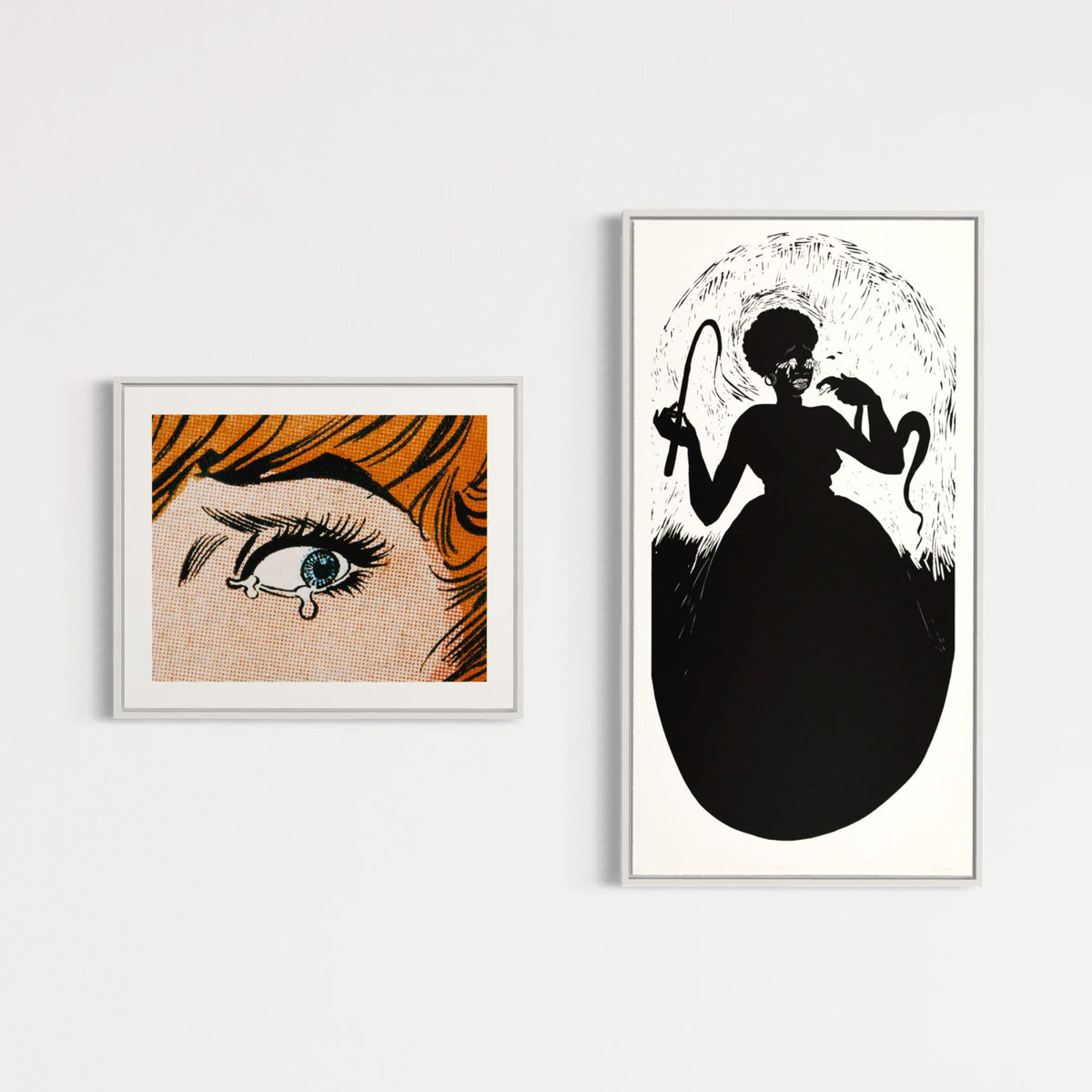
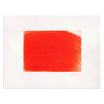
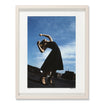
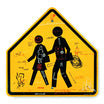
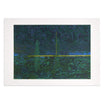
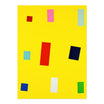
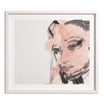
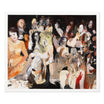
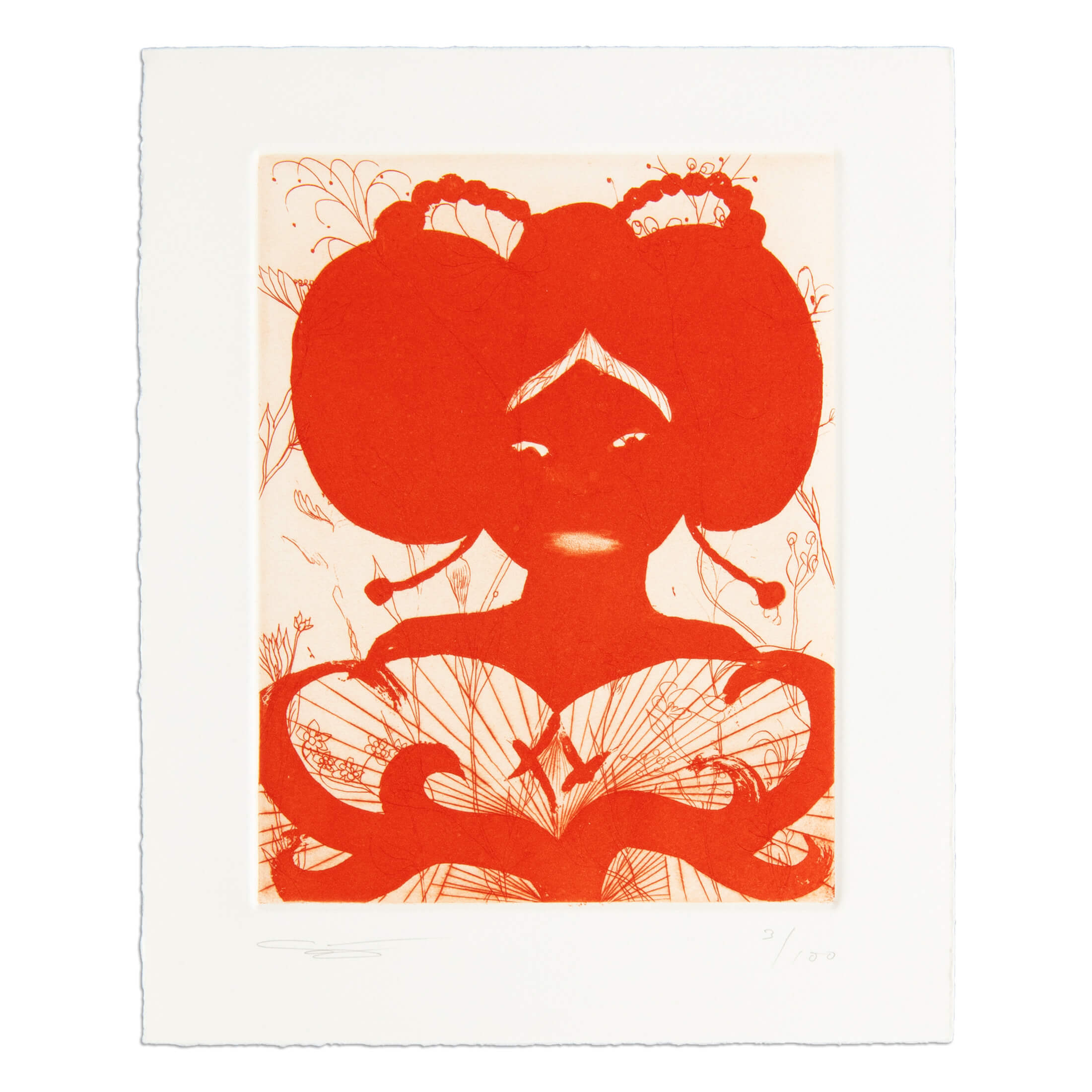
Works on paper and limited edition prints form an important component of Chris Ofili’s practice. These artworks translate his visual language into reproducible formats while preserving compositional depth and symbolic resonance.
Editioned artworks allow motifs and structural strategies to circulate beyond singular paintings. For collectors, they provide structured entry points into a practice that remains materially rich and conceptually layered.
In Ofili’s logic, circulation is not dilution. It extends the life of the image.
The Legacy of Chris Ofili
Chris Ofili reaffirmed painting at a time when its relevance was repeatedly questioned. He demonstrated that surface can carry history, that ornament can function critically, and that figuration can hold political and spiritual weight without collapsing into illustration. His work remains essential because it resists simplification. It allows beauty and discomfort to coexist. It treats painting not as retreat, but as confrontation.
Selected Chris Ofili artworks are available through our collection.
The paintings are not just pictures. They are objects.
Selected questions on the artist’s practice, major artworks, and editions.
Chris Ofili: Key Questions


