





Appropriation and Repetition
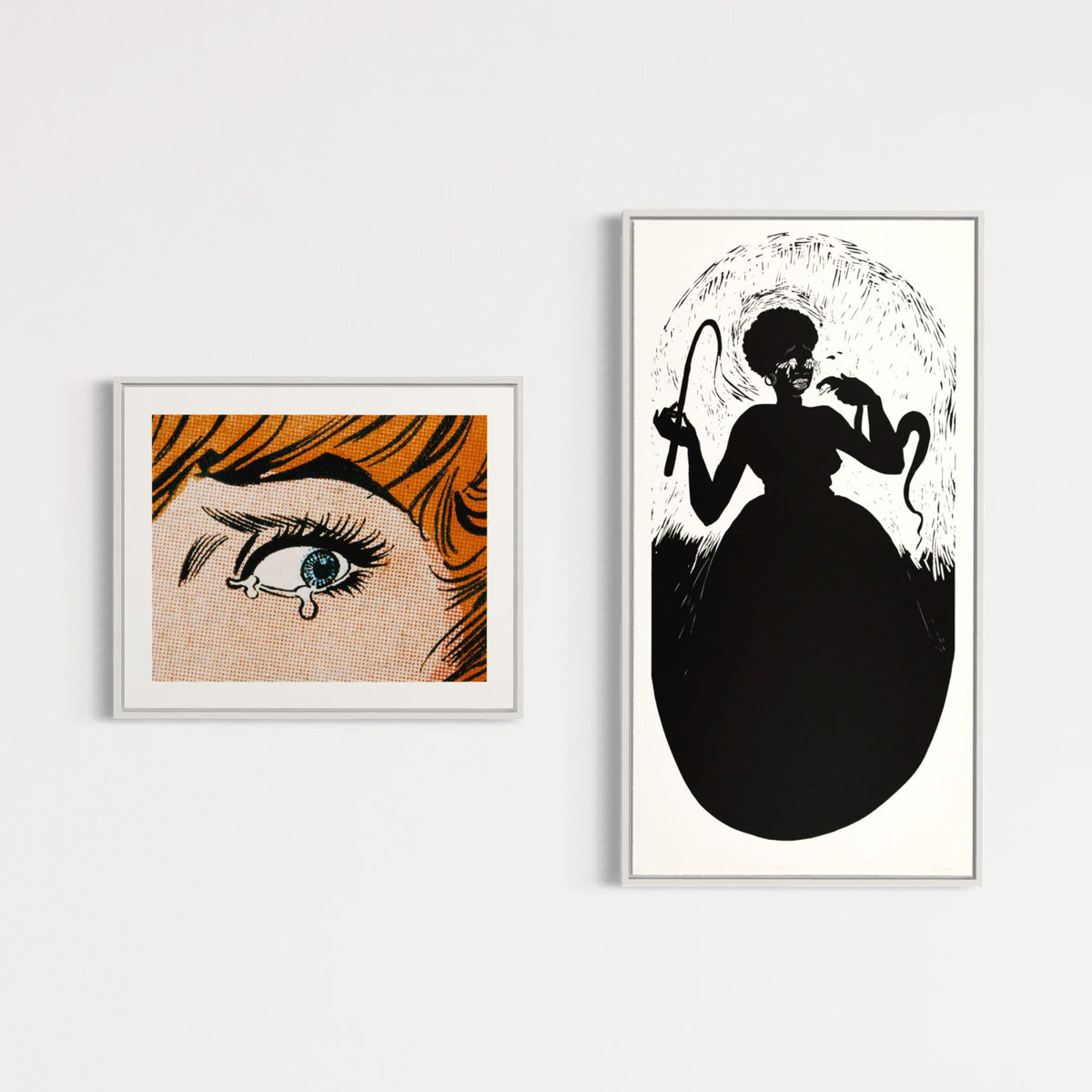
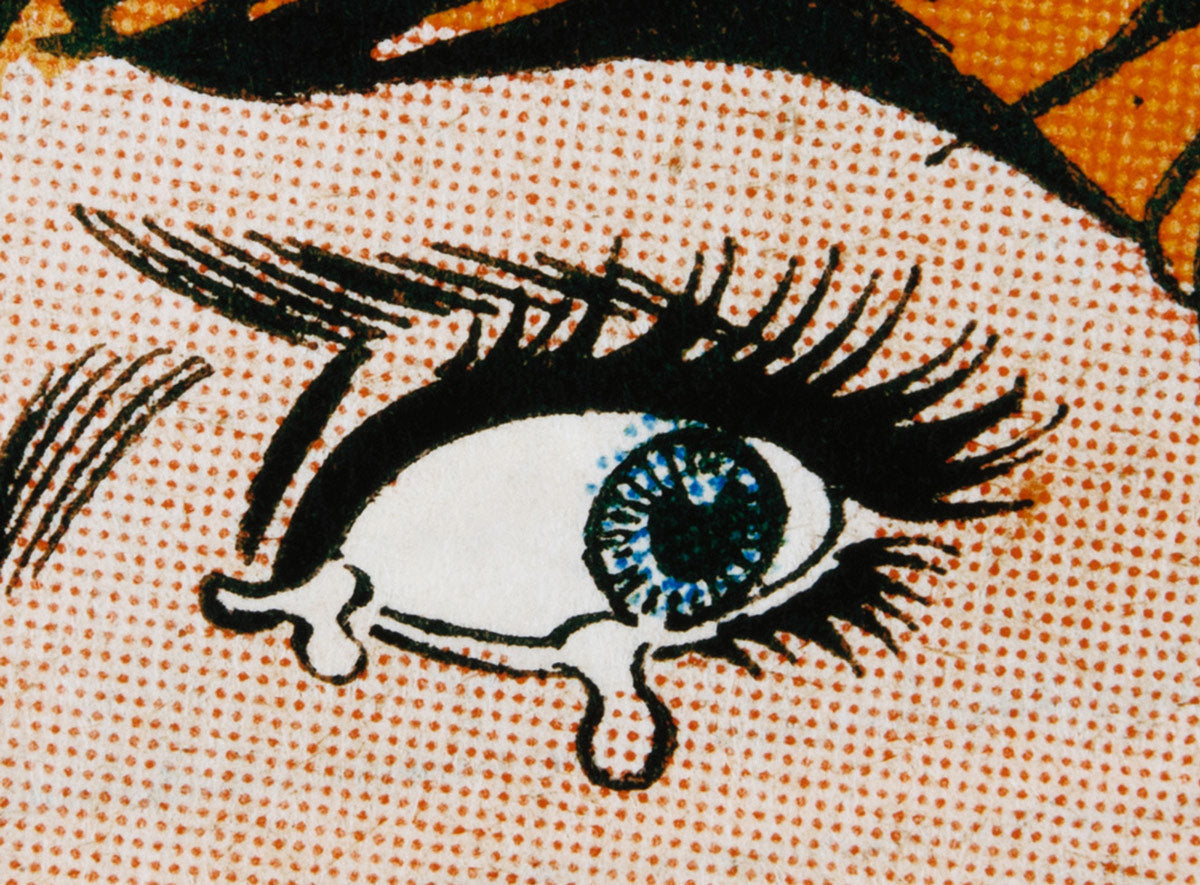
Appropriation and repetition are central strategies in postwar and contemporary art, fundamentally challenging traditional notions of originality, authorship, and artistic ownership. By reusing, recontextualizing, and repeating existing images, artists foreground the cultural, economic, and ideological systems through which meaning is produced.
Rather than inventing new imagery, practices of appropriation draw attention to the circulation of images already embedded in collective consciousness. Repetition operates not as redundancy, but as a critical tool for examining how images accrue power through visibility, familiarity, and reproduction.
Historical Context
The emergence of appropriation-based practices is closely tied to the rise of mass media, photography, and mechanical reproduction in the twentieth century. Early precedents can be found in Dada and Pop Art, where artists challenged authorship by incorporating pre-existing cultural material.
By the late 1970s and 1980s, appropriation became a sustained artistic strategy, reflecting growing skepticism toward originality in an image-saturated culture. Artists increasingly treated images as cultural objects shaped by circulation rather than creation.
Appropriation as Artistic Method
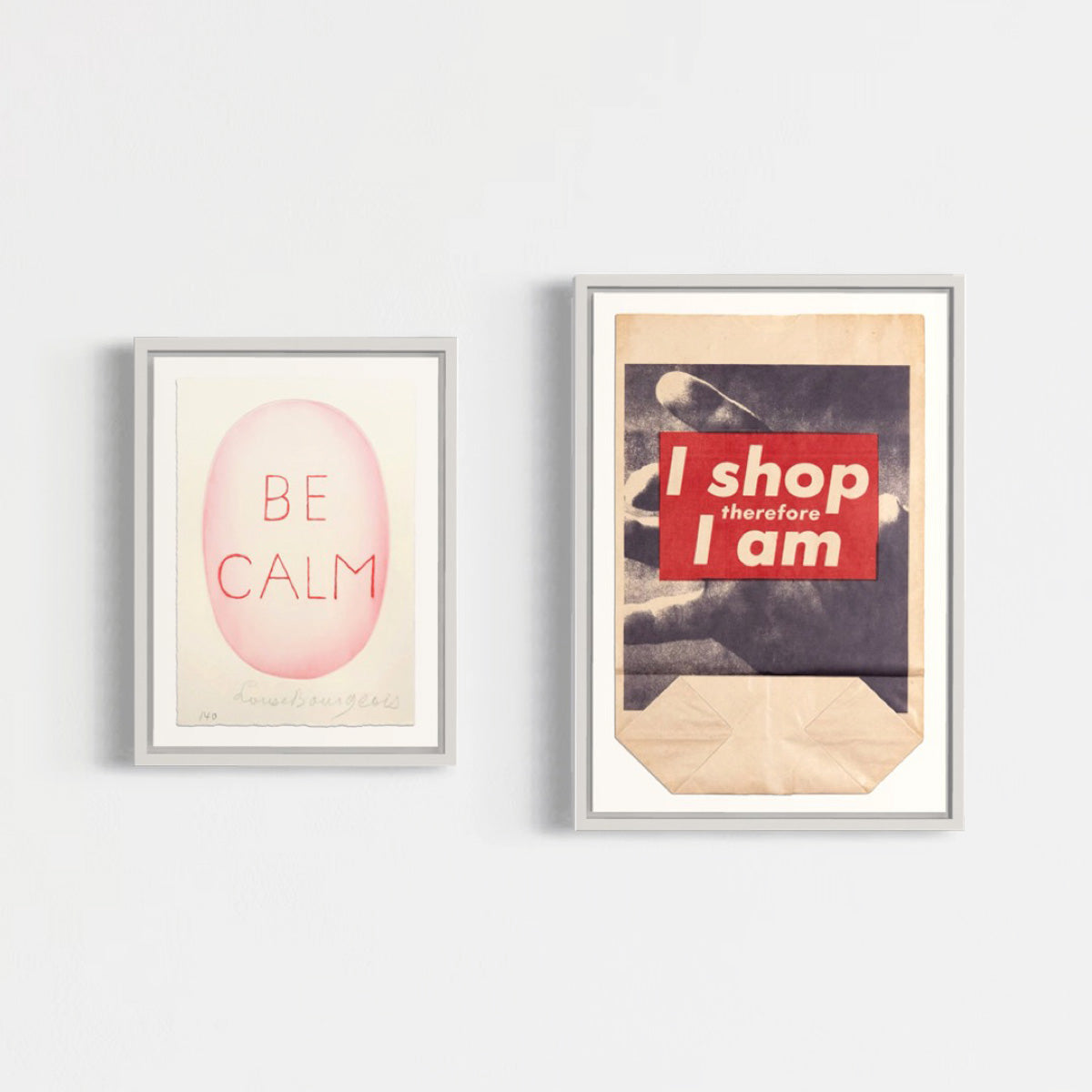
Appropriation involves the deliberate reuse or reframing of images drawn from advertising, media, art history, and popular culture. By removing images from their original contexts, artists expose the ideological frameworks that shape interpretation and desire.
Richard Prince has been central to this development, rephotographing and isolating commercial imagery to interrogate authorship, masculinity, and cultural mythologies. His work foregrounds the instability of meaning once images are detached from their source.
Appropriation thus shifts emphasis from invention to selection, framing, and context.
Photography, Identity, and Representation
Photography has played a crucial role in appropriation practices, particularly in relation to identity and representation. Photographic images are treated as cultural constructs rather than transparent records of reality.
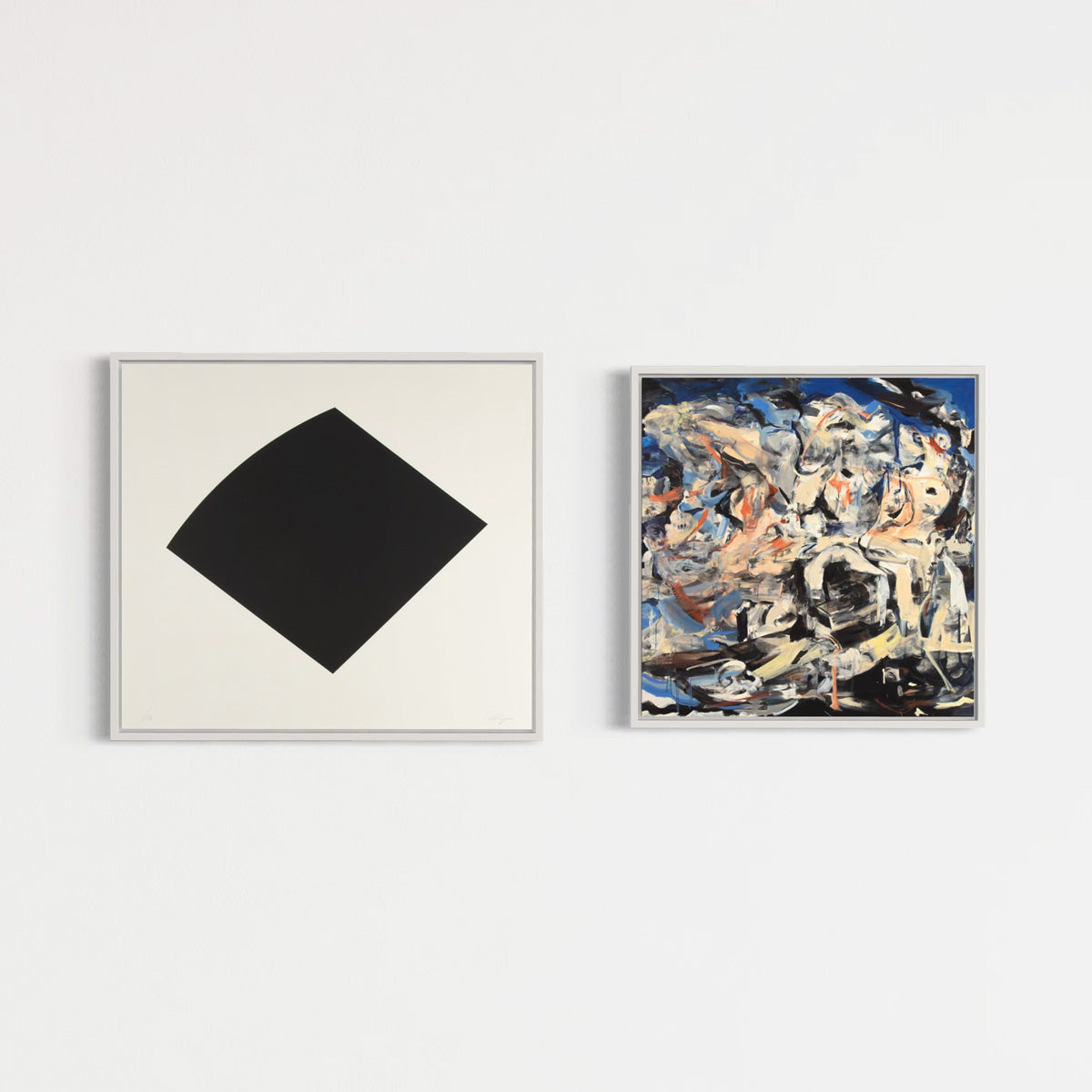
Cindy Sherman employs staged self-portraiture to appropriate visual codes drawn from film, advertising, and art history. By inhabiting and destabilizing familiar stereotypes, her work exposes the constructed nature of identity and representation.
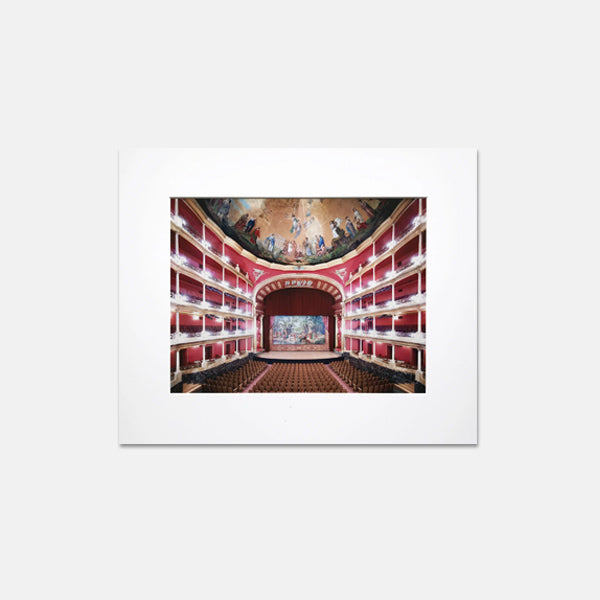
Thomas Ruff approaches appropriation through the manipulation, enlargement, and reprocessing of photographic images. His work examines how meaning shifts through scale, resolution, and technological mediation.
These practices underscore photography’s role as both image source and critical subject.
Repetition, Seriality, and Language
Repetition functions as a structural and conceptual device, allowing artists to investigate how images and words operate through accumulation rather than singularity. Serial repetition disrupts traditional hierarchies of originality and authenticity.
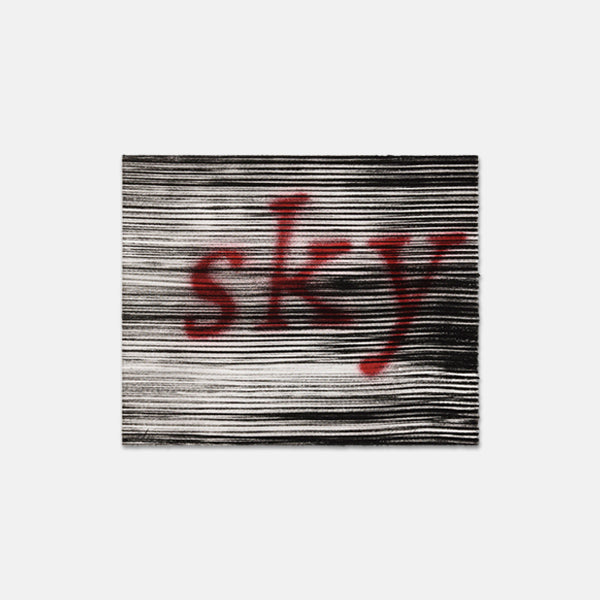
Christopher Wool employs repetition and fragmentation of text and gesture to destabilize meaning. His works oscillate between legibility and abstraction, emphasizing the tension between language as communication and language as form.
Through repetition, meaning becomes unstable, contingent, and open to reinterpretation.
Image Culture and Material Transformation
Appropriation-based practices often involve the transformation of found imagery through material processes. Images may be enlarged, cropped, obscured, or physically altered to emphasize their status as objects rather than representations.
Anne Collier exemplifies this approach by photographing printed images, record covers, and books, revealing how images function as both cultural artifacts and material surfaces.
Such strategies foreground the conditions of image production and consumption.
Appropriation, Repetition, and the Psyche
Appropriation and repetition are also closely linked to psychological and emotional inquiry. Repeated images can evoke obsession, memory, trauma, and desire, functioning as symptoms rather than representations.
Mike Kelley explored repetition through the reuse of cultural debris, imagery, and objects associated with childhood and popular culture. His work exposes the uneasy relationship between memory, repression, and cultural myth.
In this context, repetition becomes a means of confronting unresolved social and psychological narratives.
Contemporary Relevance
In contemporary art, appropriation and repetition remain essential strategies for engaging with digital image culture, where images circulate rapidly and authorship is increasingly diffuse.
Artists continue to employ these methods to interrogate power, ownership, and visibility within media-saturated environments. Repetition amplifies critical distance, allowing images to be examined rather than consumed.
Editorial Note
This editorial page examines appropriation and repetition as critical strategies in postwar and contemporary art, tracing their historical development and continued relevance within contemporary practice.
The Art of Printmaking
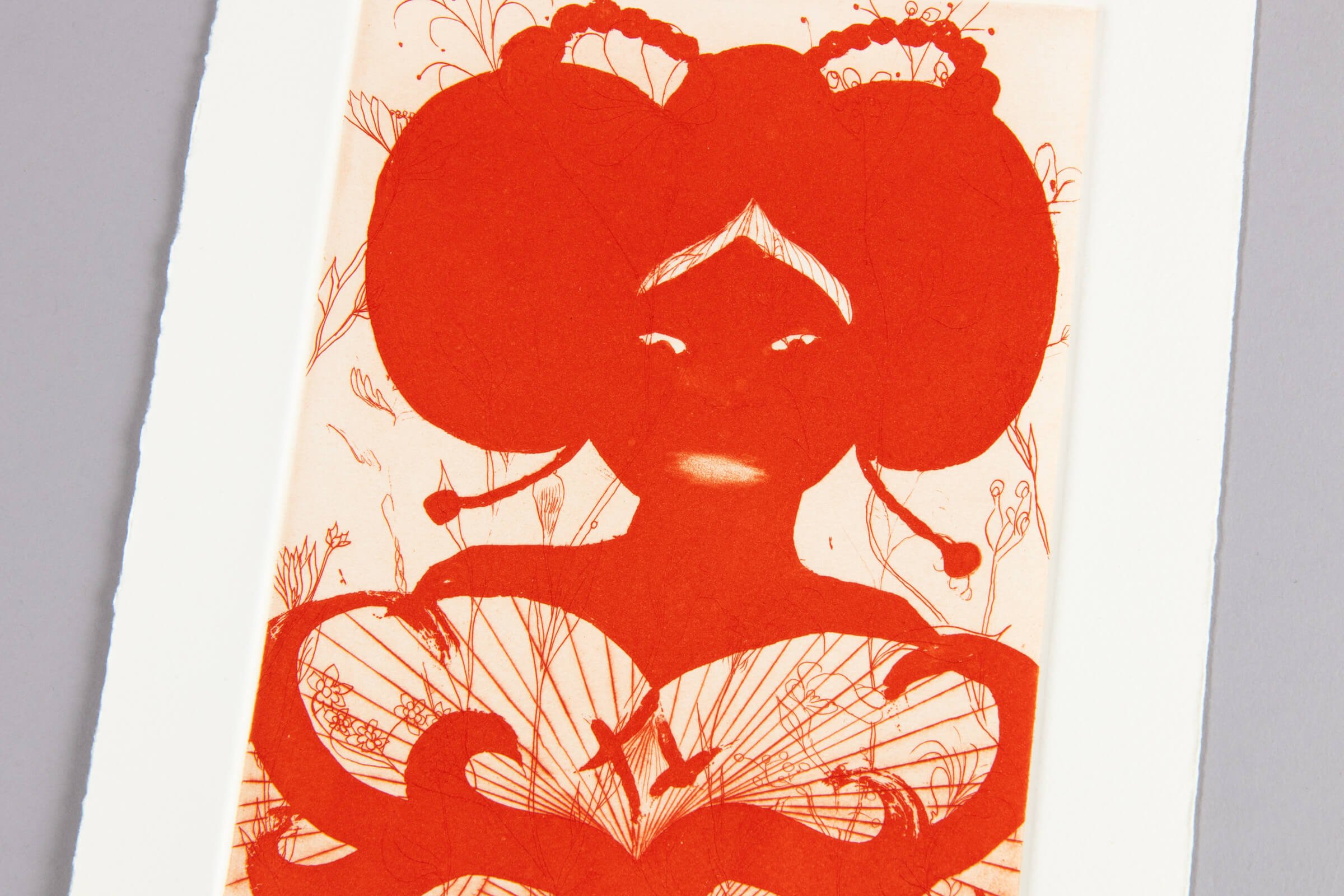
From the precise lines of woodcuts to the velvety depth of lithographs. Discover a curated selection of editioned works on paper that celebrate the unique texture and heritage of traditional print media.
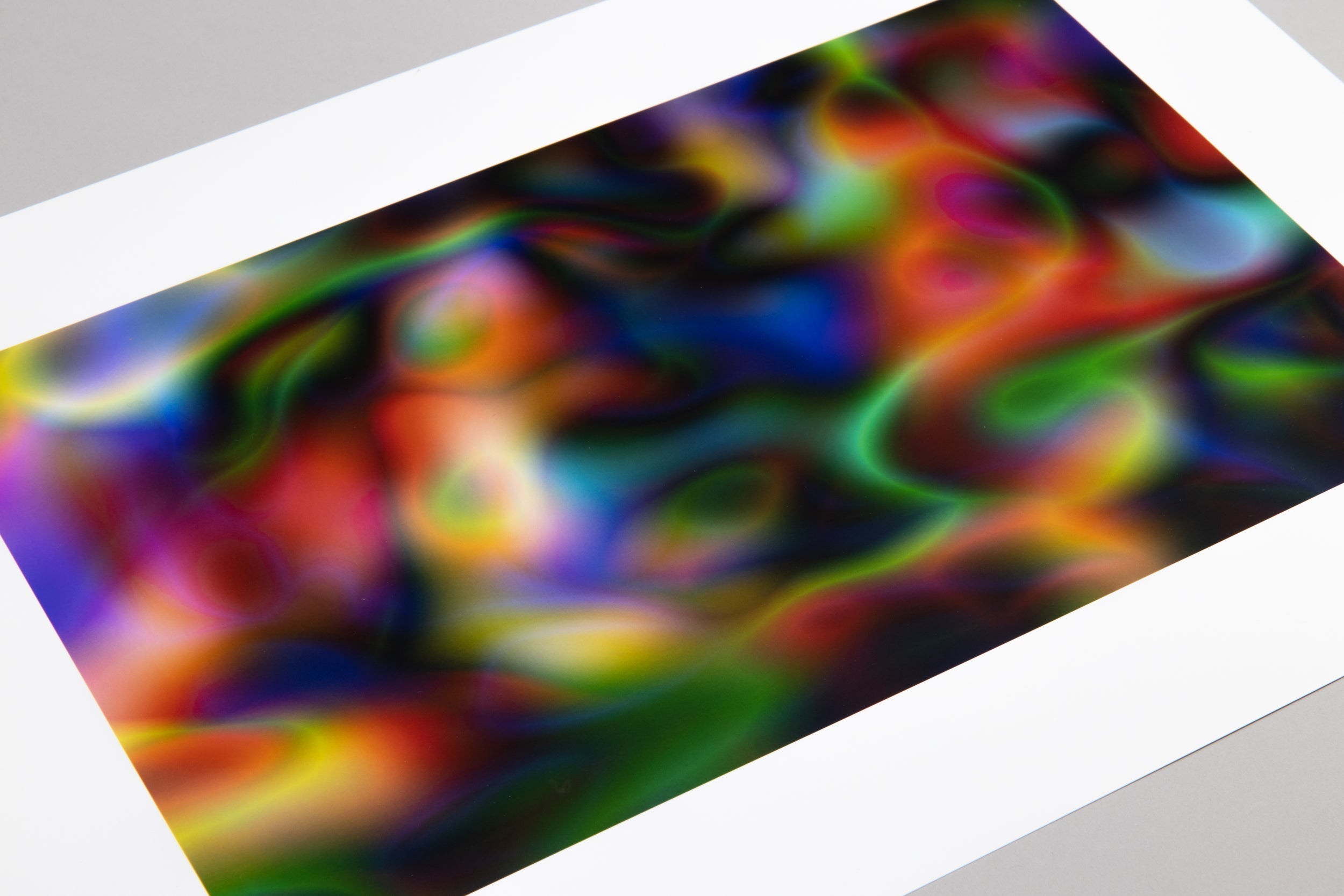
The Photographic Image
Explore contemporary photography through the lens of precision and scale. Our collection features exceptional photo editions that investigate the boundaries of representation and spatial order.
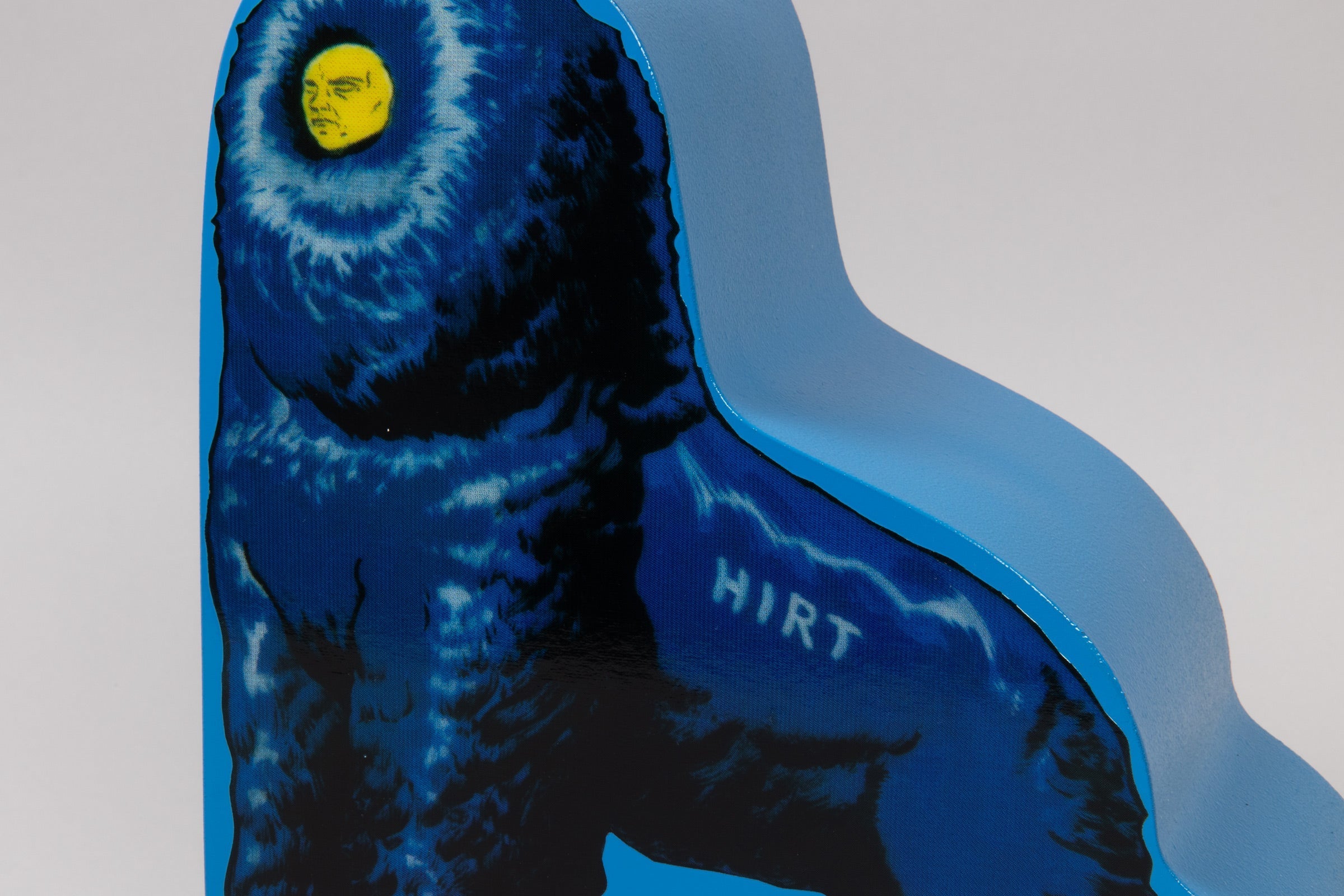
The Sculptural Multiple
Art beyond the pedestal. Discover three-dimensional objects designed to circulate ideas in space. These works bridge the gap between sculpture and the everyday, making radical art accessible.


