


Sigmar Polke

Sigmar Polke artworks
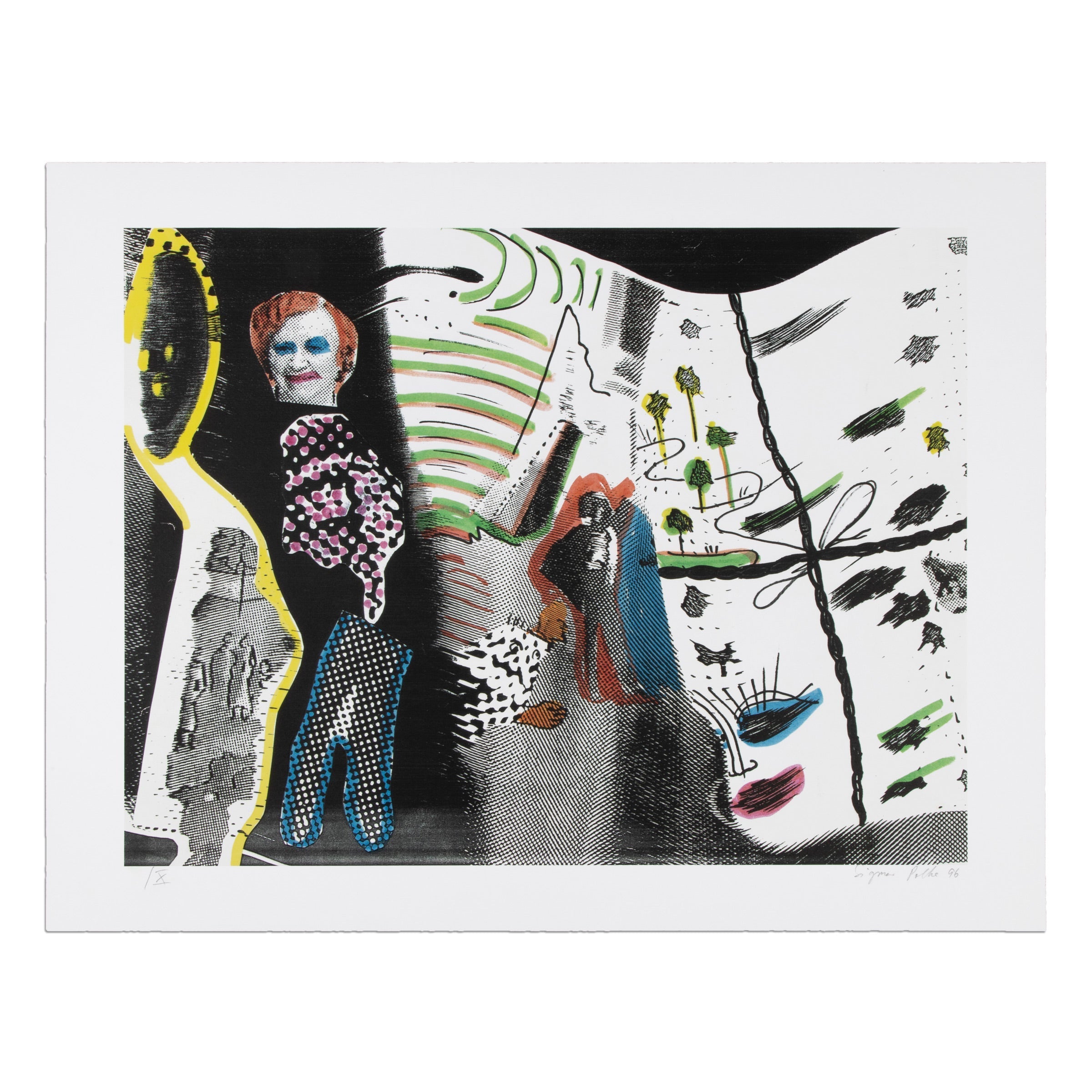
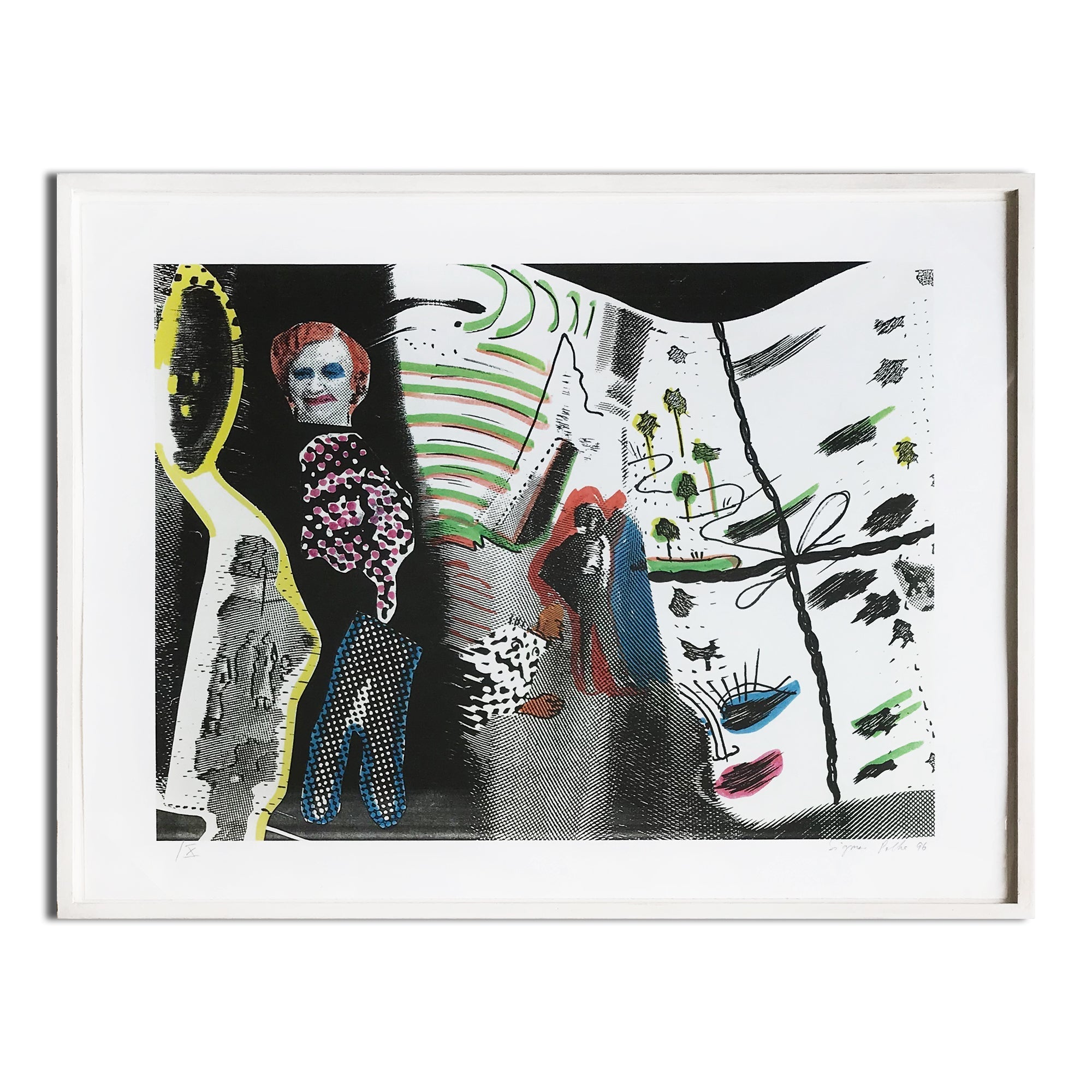
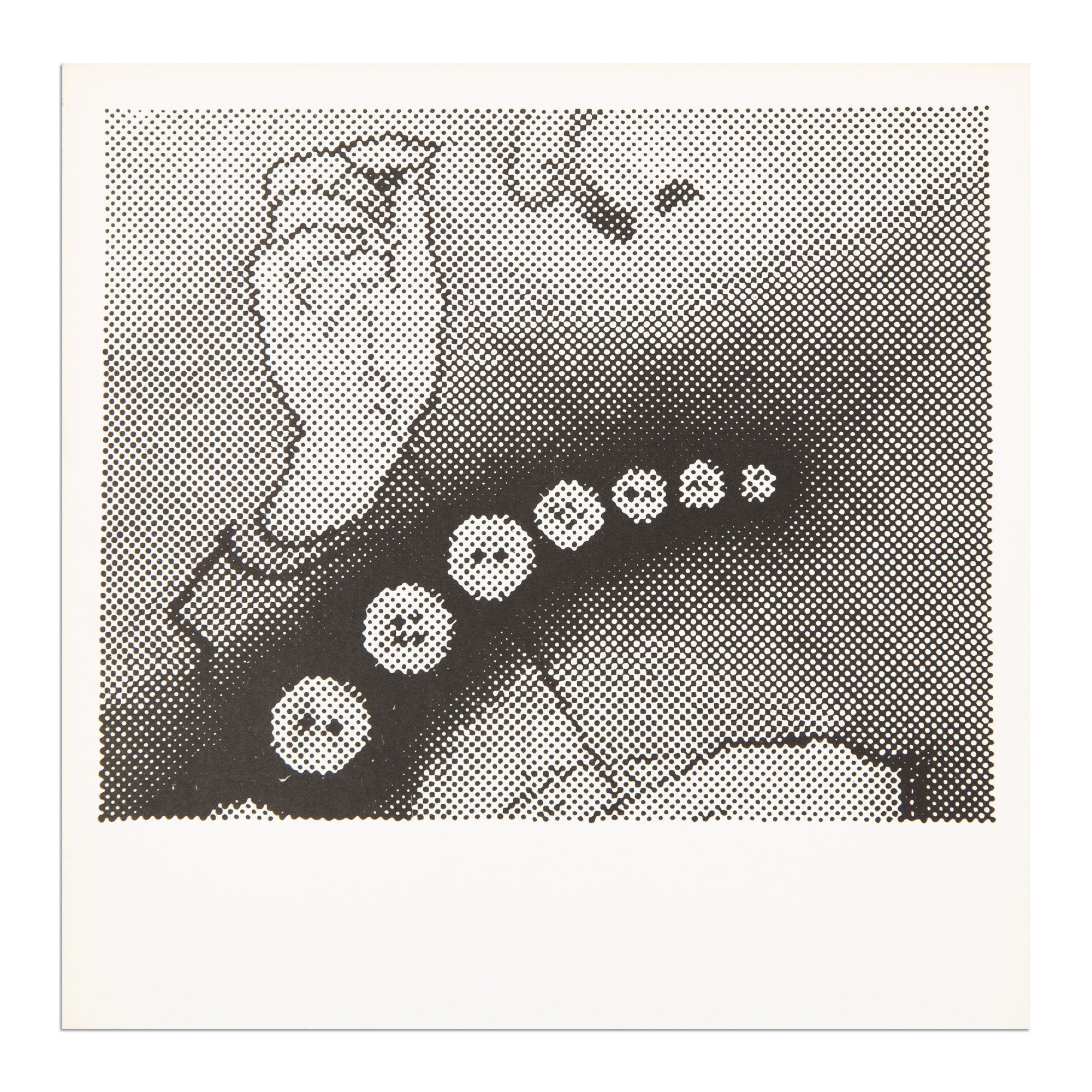
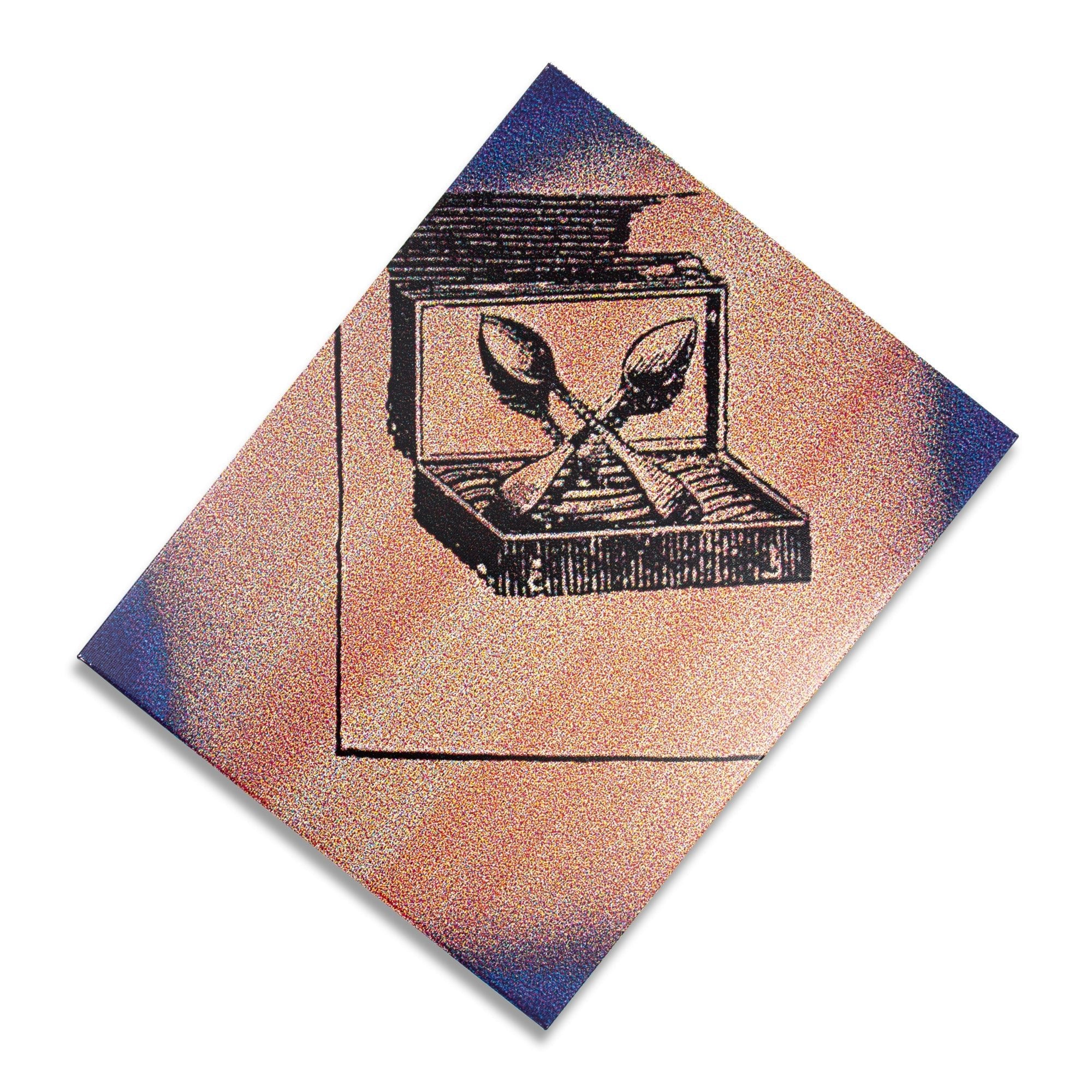
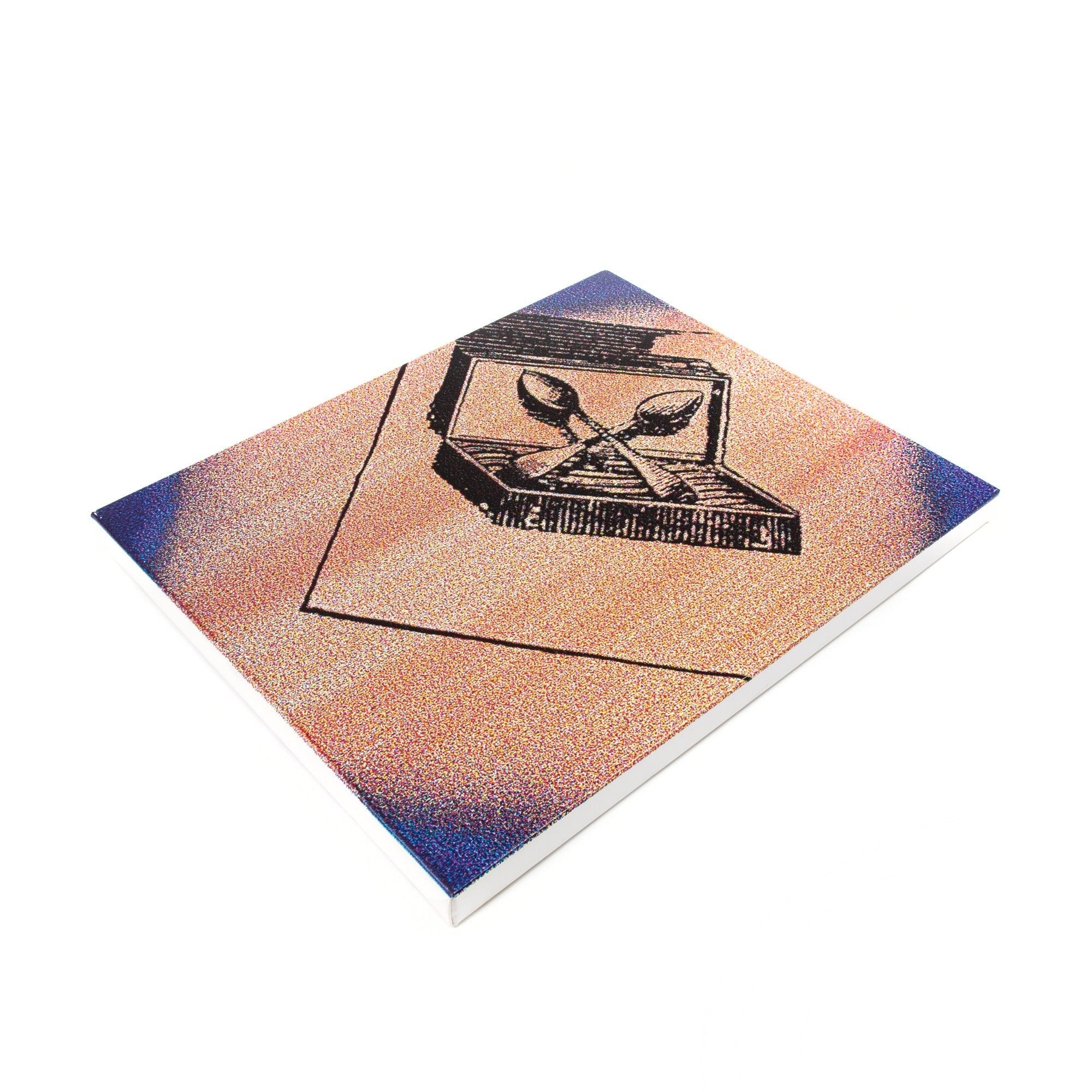
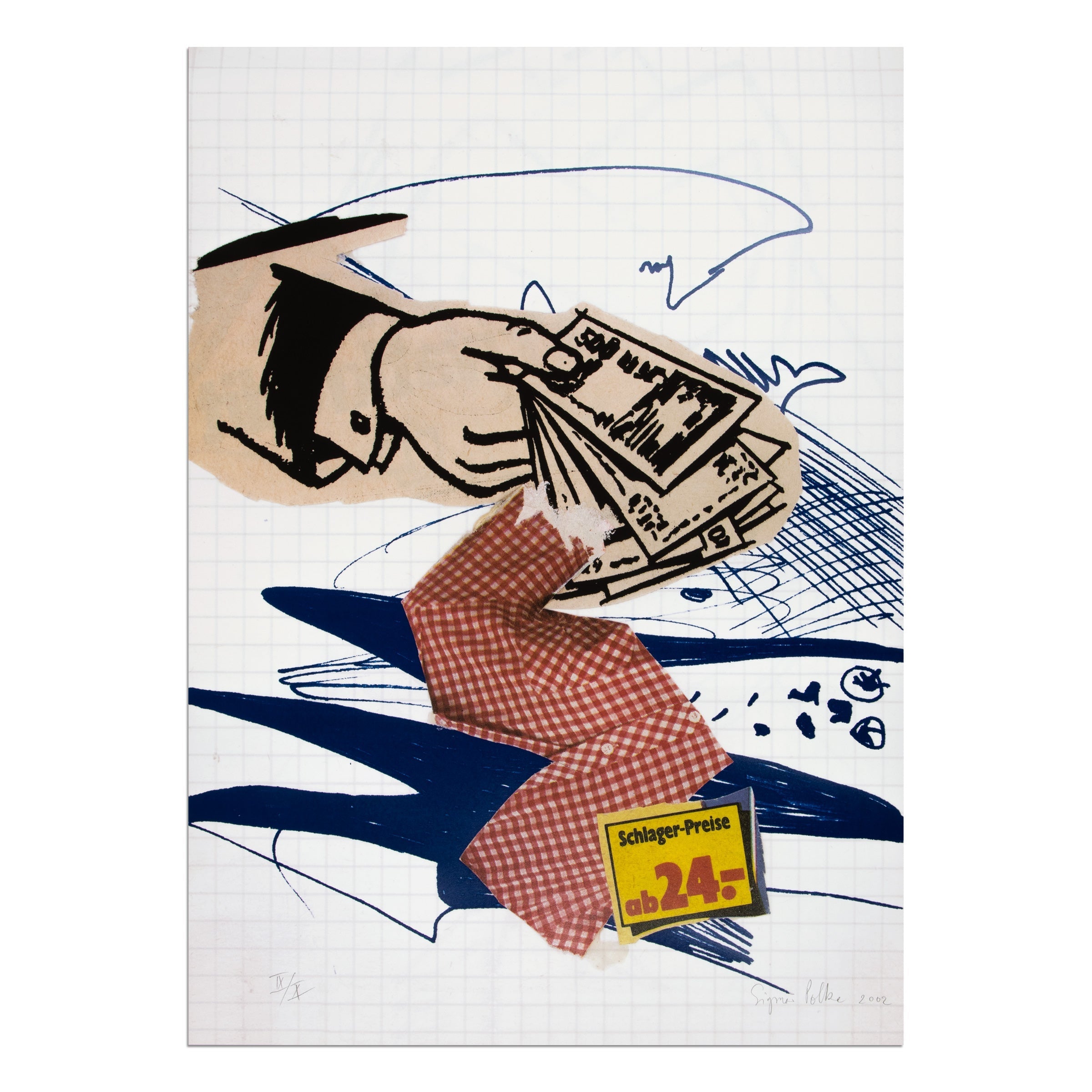
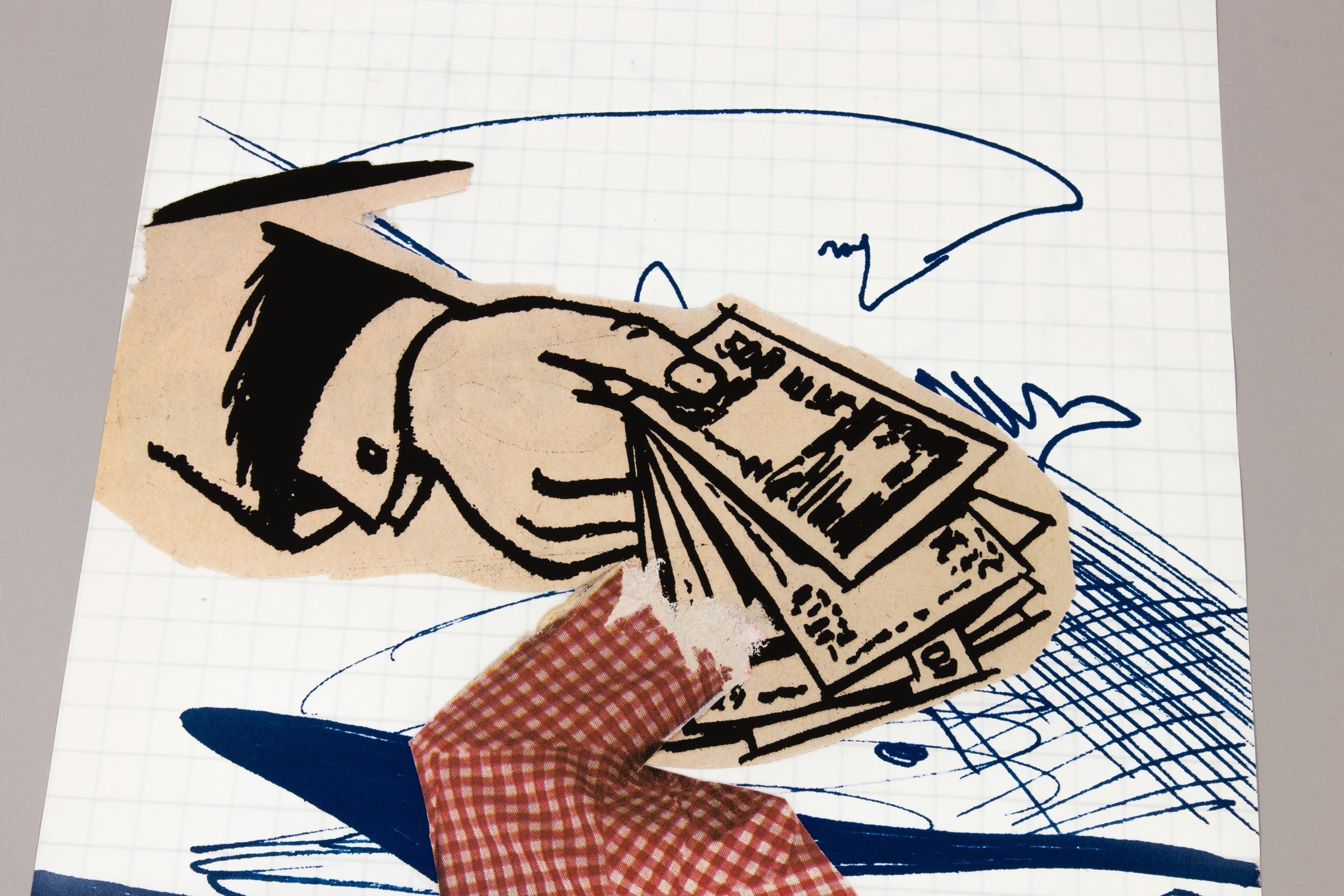
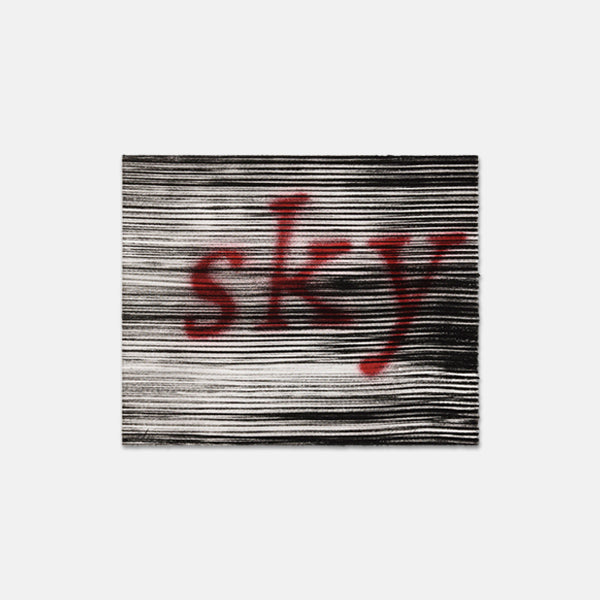
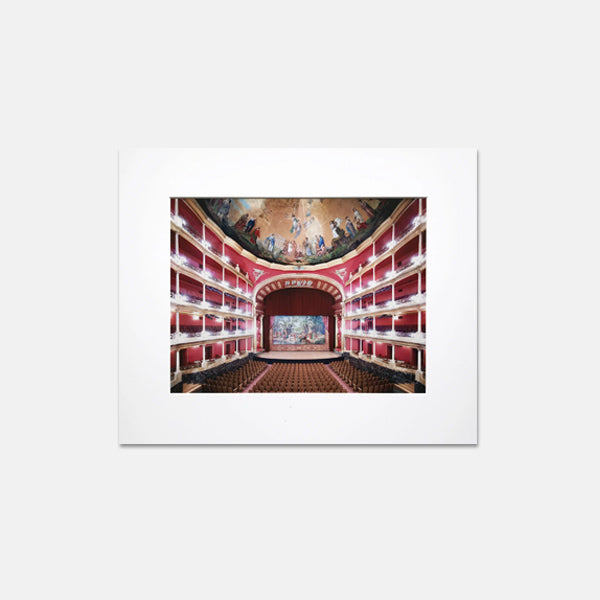
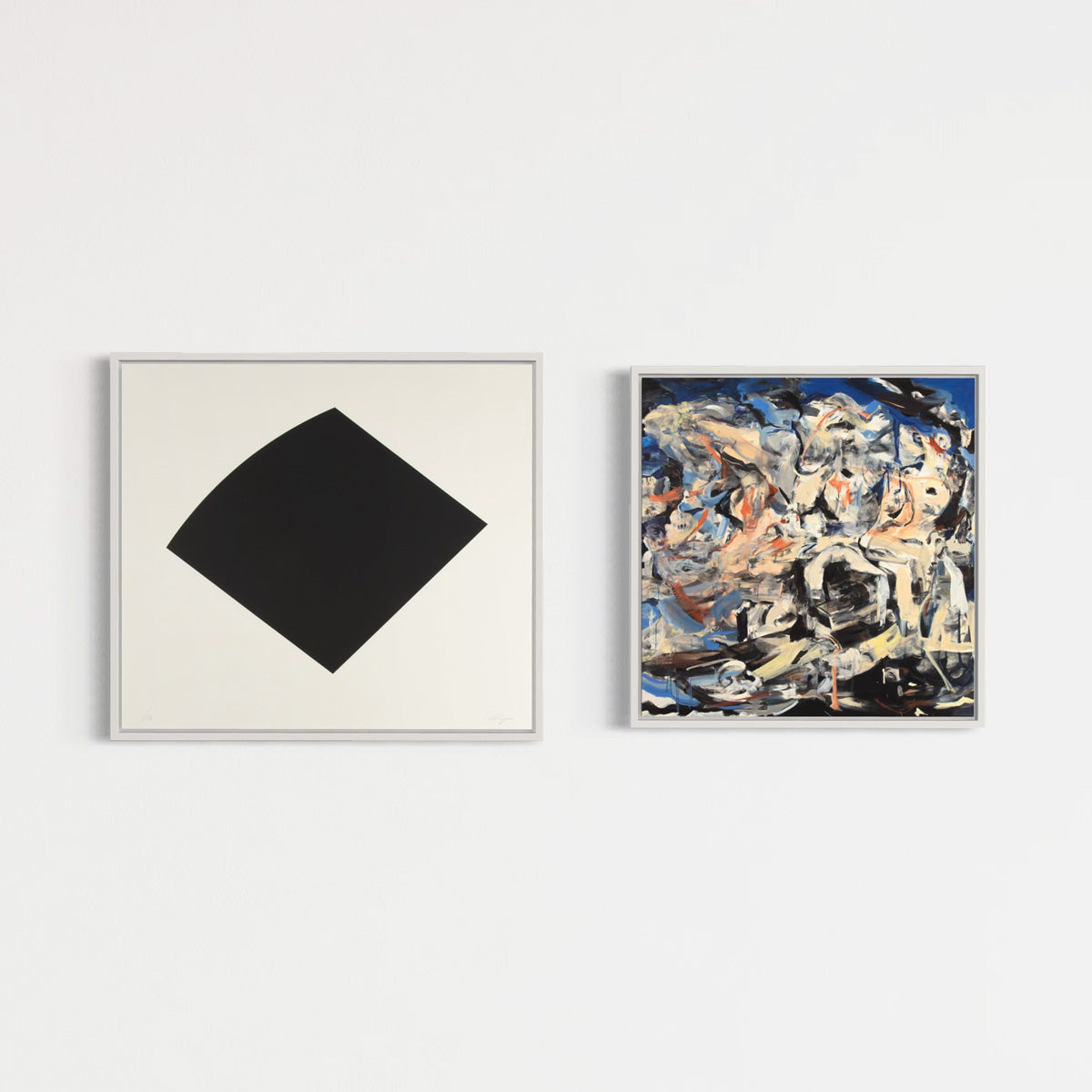
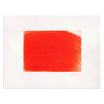
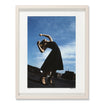
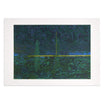
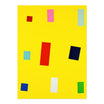
Sigmar Polke is internationally recognized for artworks defined by experimentation, contradiction, and material instability. A central figure of Capitalist Realism, he merged painting, photography, and printing processes to question postwar image culture. This selection presents signed Sigmar Polke prints and limited edition artworks, including his iconic raster-based images, offering collectors museum-quality contemporary art editions for sale.
4 products

Sigmar Polke (German, 1941–2010), often described as “the alchemist of contemporary art,” is celebrated for his restless experimentation, wit, and groundbreaking manipulation of materials. His studio functioned like a laboratory in which he combined traditional and unconventional processes to create paintings, photographs, and prints that continue to shape the course of postwar art.
In the 1960s, Polke co-founded Capitalist Realism alongside Gerhard Richter and Konrad Lueg. This movement emerged in postwar Germany as a critical response to both American Pop Art and Socialist Realism, satirizing consumer culture, mass media, and bourgeois values. Polke’s early artworks, including paintings and prints, frequently appropriated advertising imagery and popular culture, often executed on unconventional surfaces such as fabric, wallpaper, and patterned textiles.
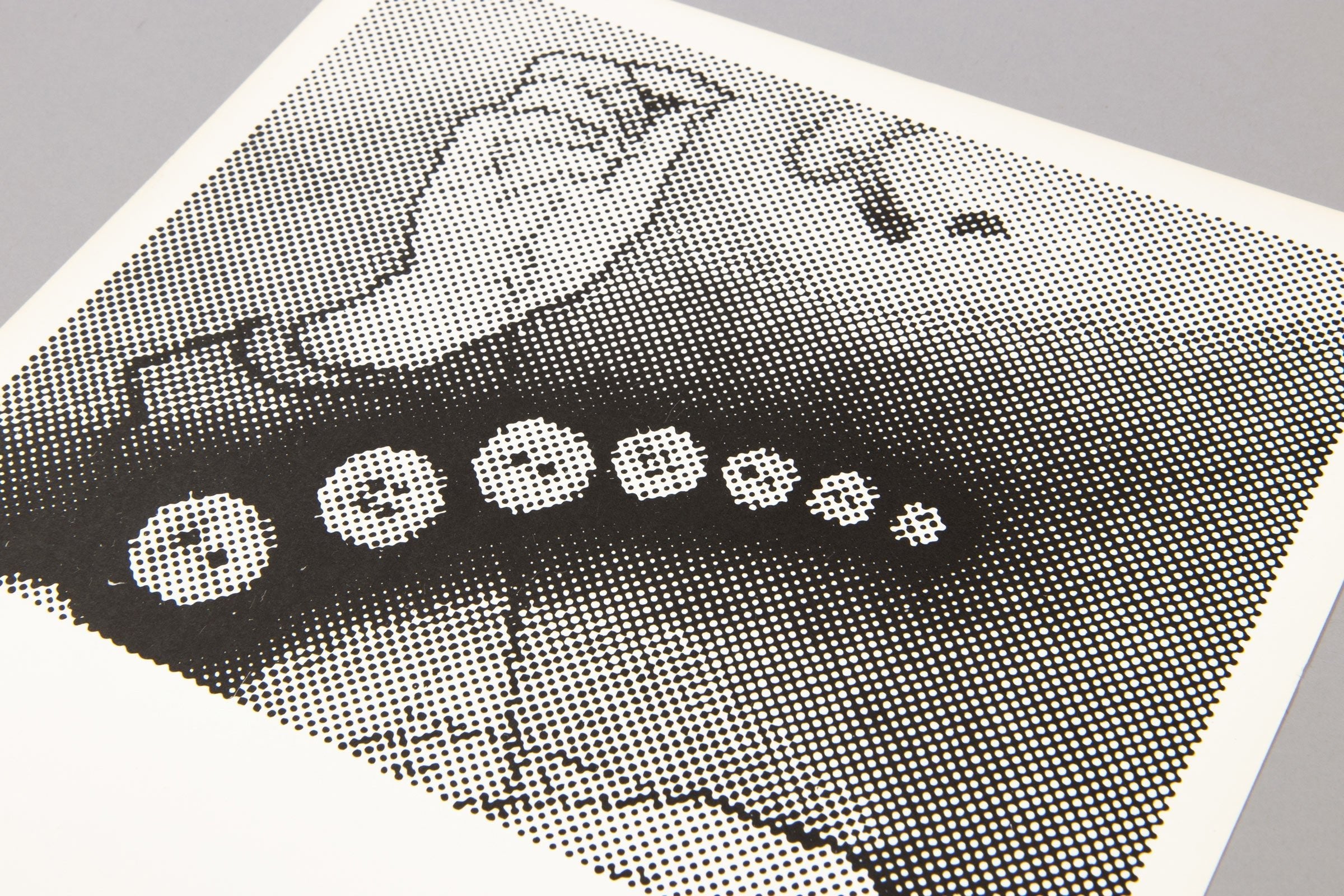
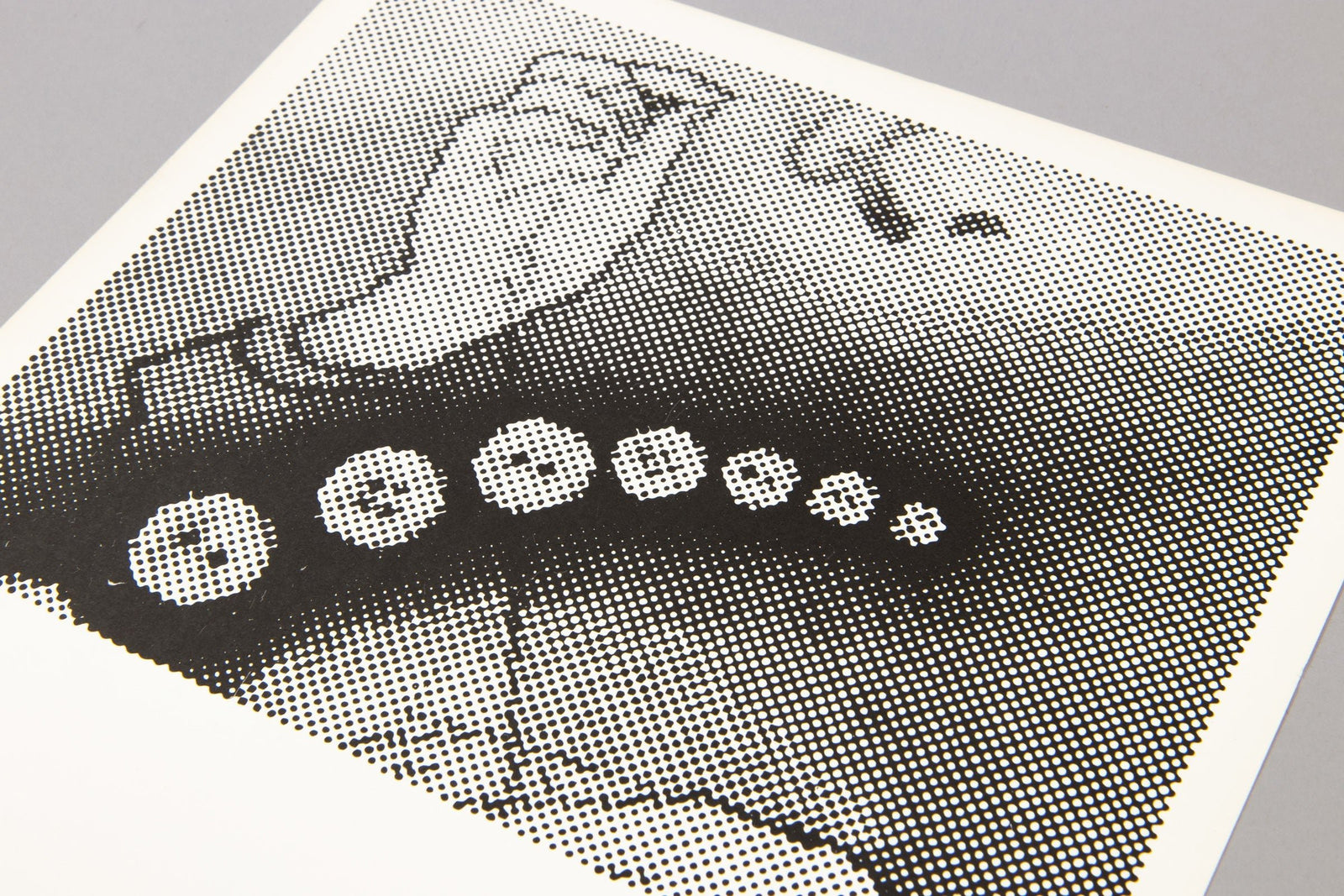
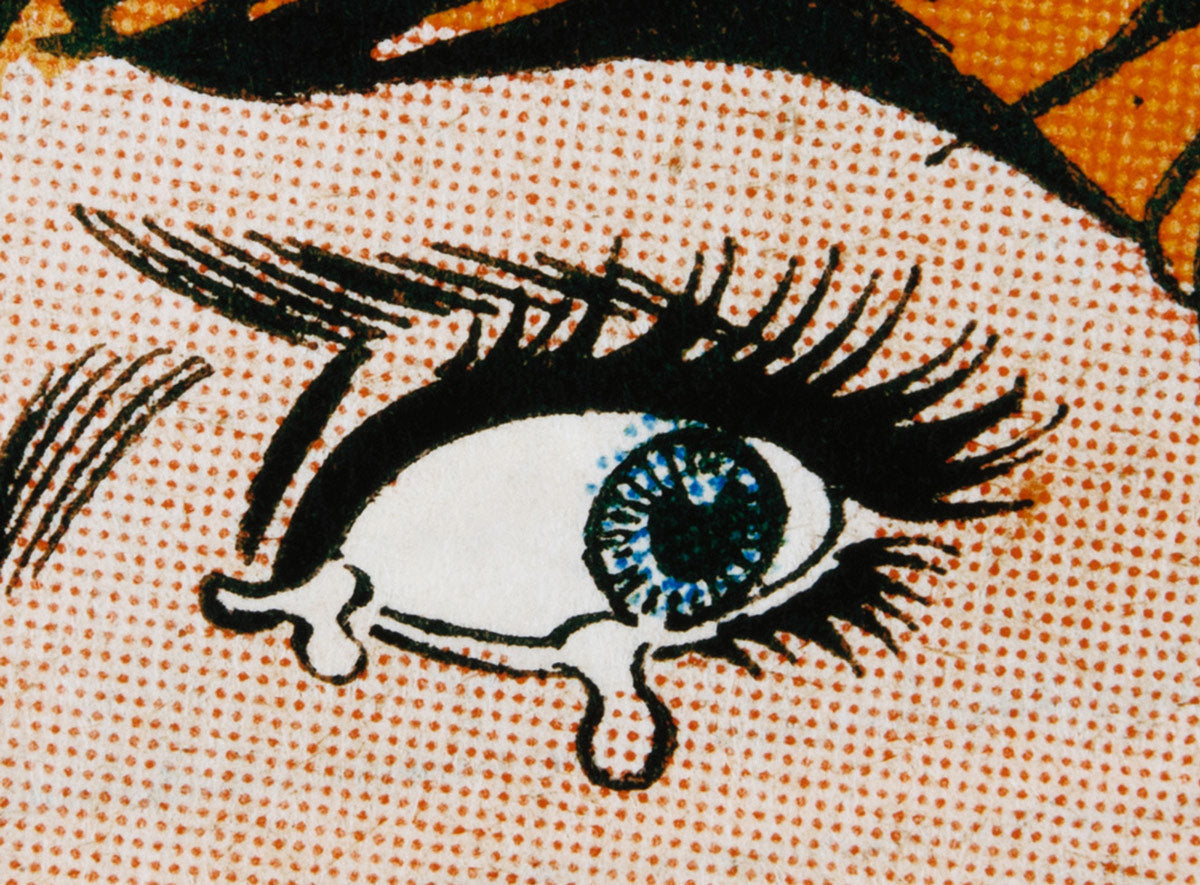
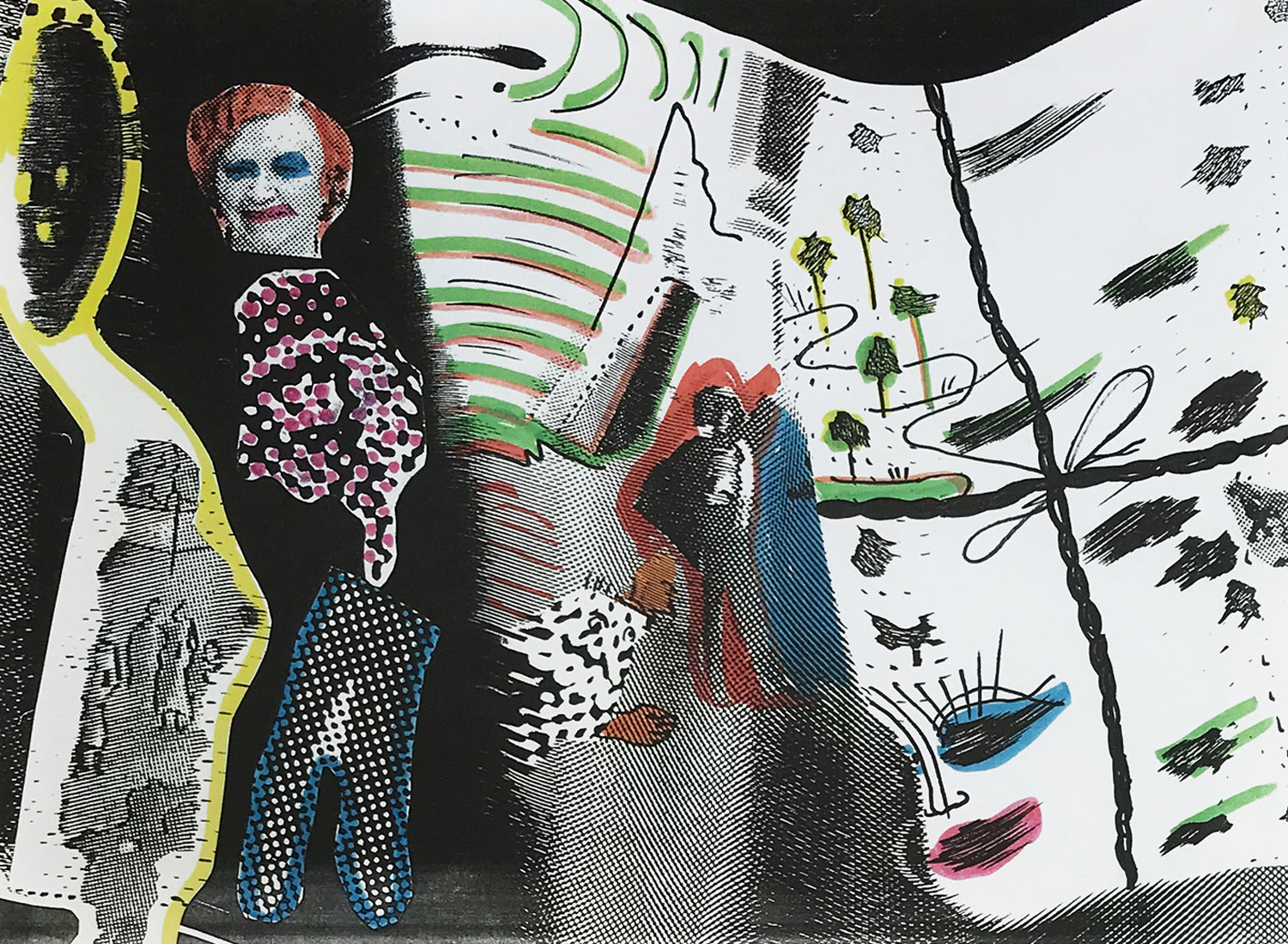
Polke’s innovative use of printing techniques became one of his defining contributions. His raster-dot paintings and prints, based on enlarged images from newspapers and magazines, created a mechanical aesthetic that simultaneously mimicked and critiqued modern image culture. By translating mass-media imagery into painting and print, Polke revealed the instability and constructed nature of photographic representation.
Throughout his career Polke remained committed to experimentation with materials and processes, from chemical reactions in painting to photographic manipulation and printing. His limited edition prints and signed editions extend this spirit of innovation, translating his investigations of image production, perception, and ideology into highly collectible artworks.
Polke’s oeuvre stands as a radical exploration of culture, politics, and media, redefining the boundaries between painting, photography, and printmaking. His enduring influence continues to shape contemporary art, and his prints remain highly sought after by collectors and institutions worldwide.
Auction record: US$27.1m, Sotheby’s, 2015.

Sigmar Polke's exhibition history underscores his status as one of the most innovative postwar artists. He participated in numerous international biennales, including documenta, the Bienal de São Paulo, and the Venice Biennale, where he was awarded the Golden Lion for his solo presentation at the West German Pavilion in 1986.
Major retrospectives of his artworks have been staged at leading institutions worldwide, including the Museum of Modern Art in New York, Tate Modern in London, Museum Ludwig in Cologne, the San Francisco Museum of Modern Art, and the Smithsonian Institution in Washington, DC. Among the most celebrated was Alibis: Sigmar Polke 1963–2010, co-organized by MoMA and Tate Modern in 2014, which offered the most comprehensive overview of his career.
Additional important exhibitions at the Centre Pompidou in Paris, the Stedelijk Museum in Amsterdam, and the Kunsthalle Zürich further affirmed his global impact. Today, his artworks—including his highly collectible limited edition prints and signed editions—remain central to major international collections, securing his legacy as an artist who redefined painting, photography, and printmaking in contemporary art.
Sigmar Polke (German, 1941–2010), often described as “the alchemist of contemporary art,” is celebrated for his restless experimentation, wit, and groundbreaking manipulation of materials. His studio functioned like a laboratory in which he combined traditional and unconventional processes to create paintings, photographs, and prints that continue to shape the course of postwar art.
In the 1960s, Polke co-founded Capitalist Realism alongside Gerhard Richter and Konrad Lueg. This movement emerged in postwar Germany as a critical response to both American Pop Art and Socialist Realism, satirizing consumer culture, mass media, and bourgeois values. Polke’s early artworks, including paintings and prints, frequently appropriated advertising imagery and popular culture, often executed on unconventional surfaces such as fabric, wallpaper, and patterned textiles.
Polke’s innovative use of printing techniques became one of his defining contributions. His raster-dot paintings and prints, based on enlarged images from newspapers and magazines, created a mechanical aesthetic that simultaneously mimicked and critiqued modern image culture. By translating mass-media imagery into painting and print, Polke revealed the instability and constructed nature of photographic representation.
Throughout his career Polke remained committed to experimentation with materials and processes, from chemical reactions in painting to photographic manipulation and printing. His limited edition prints and signed editions extend this spirit of innovation, translating his investigations of image production, perception, and ideology into highly collectible artworks.
Polke’s oeuvre stands as a radical exploration of culture, politics, and media, redefining the boundaries between painting, photography, and printmaking. His enduring influence continues to shape contemporary art, and his prints remain highly sought after by collectors and institutions worldwide.
Auction record: US$27.1m, Sotheby’s, 2015.
Sigmar Polke's exhibition history underscores his status as one of the most innovative postwar artists. He participated in numerous international biennales, including documenta, the Bienal de São Paulo, and the Venice Biennale, where he was awarded the Golden Lion for his solo presentation at the West German Pavilion in 1986.
Major retrospectives of his artworks have been staged at leading institutions worldwide, including the Museum of Modern Art in New York, Tate Modern in London, Museum Ludwig in Cologne, the San Francisco Museum of Modern Art, and the Smithsonian Institution in Washington, DC. Among the most celebrated was Alibis: Sigmar Polke 1963–2010, co-organized by MoMA and Tate Modern in 2014, which offered the most comprehensive overview of his career.
Additional important exhibitions at the Centre Pompidou in Paris, the Stedelijk Museum in Amsterdam, and the Kunsthalle Zürich further affirmed his global impact. Today, his artworks—including his highly collectible limited edition prints and signed editions—remain central to major international collections, securing his legacy as an artist who redefined painting, photography, and printmaking in contemporary art.


Buy art online
Shop art editions online with transparent pricing, accurate condition reports, and fast dispatch. Designed for international collectors, we make buying limited edition prints and artworks simple, secure, and reliable.
Worldwide shipping
We ship art editions worldwide with full insurance and tracking. Handled only by trusted international carriers, each shipment is securely packaged and typically dispatched within 5 days.
Professional packaging
Every artwork is packaged to the highest professional standards. Using solid multi-layer cardboard and protective materials, we ensure your art editions arrive safely and in excellent condition.
Secure payment
Buy with confidence using secure, encrypted payments backed by advanced fraud protection. Every transaction is processed with trusted technology, ensuring a smooth and worry-free checkout for collectors worldwide.