




Sarah Morris

Sarah Morris prints and editions for sale.
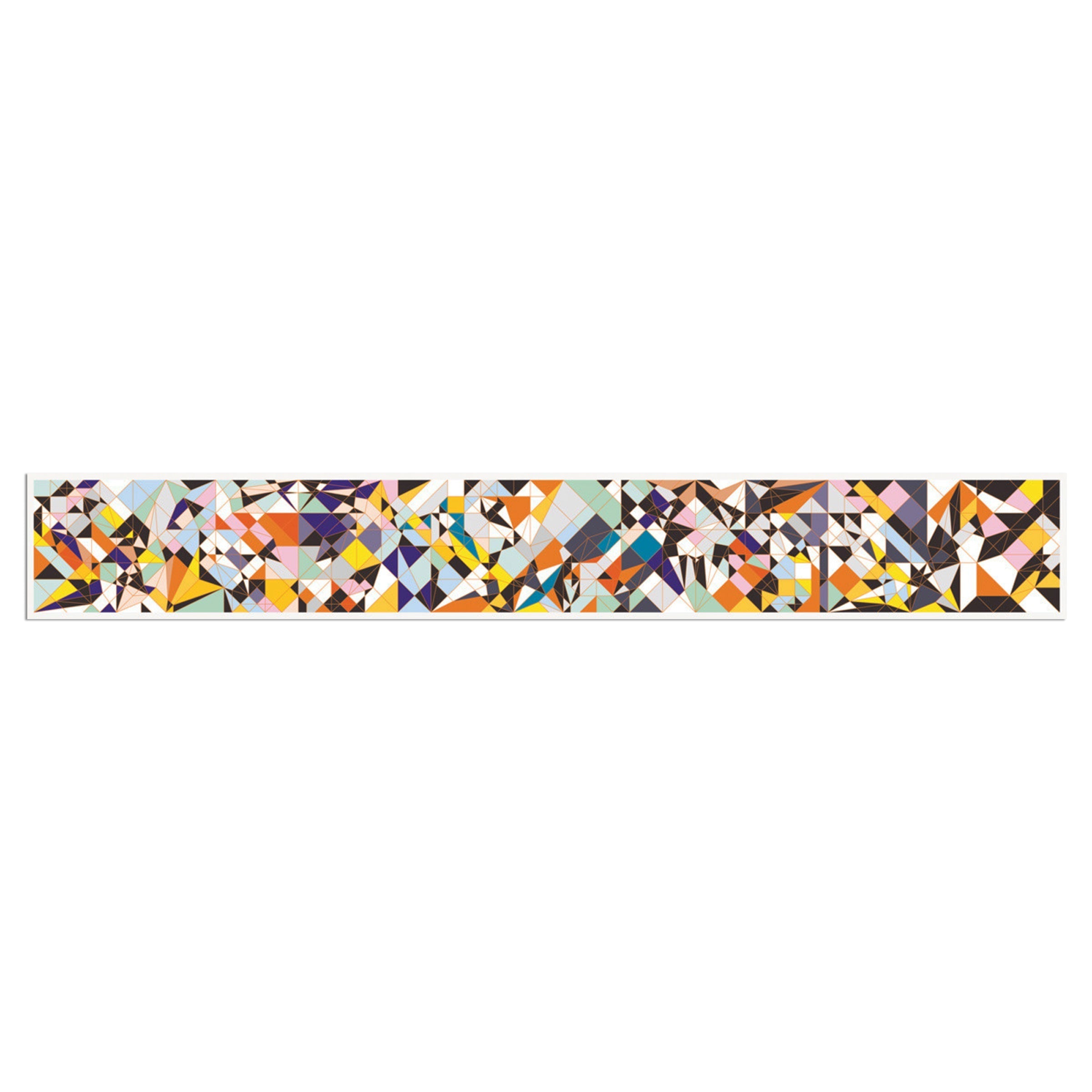
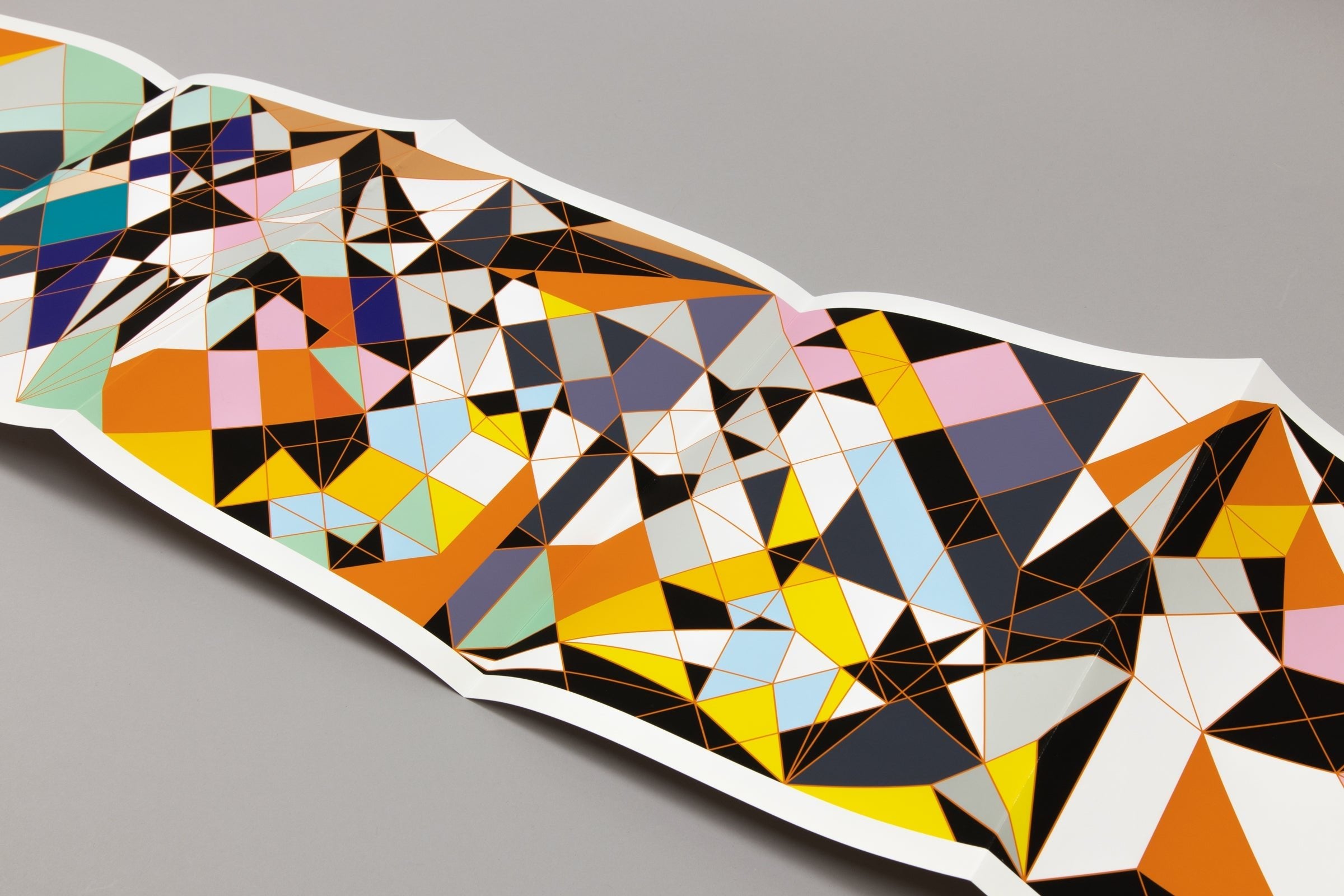
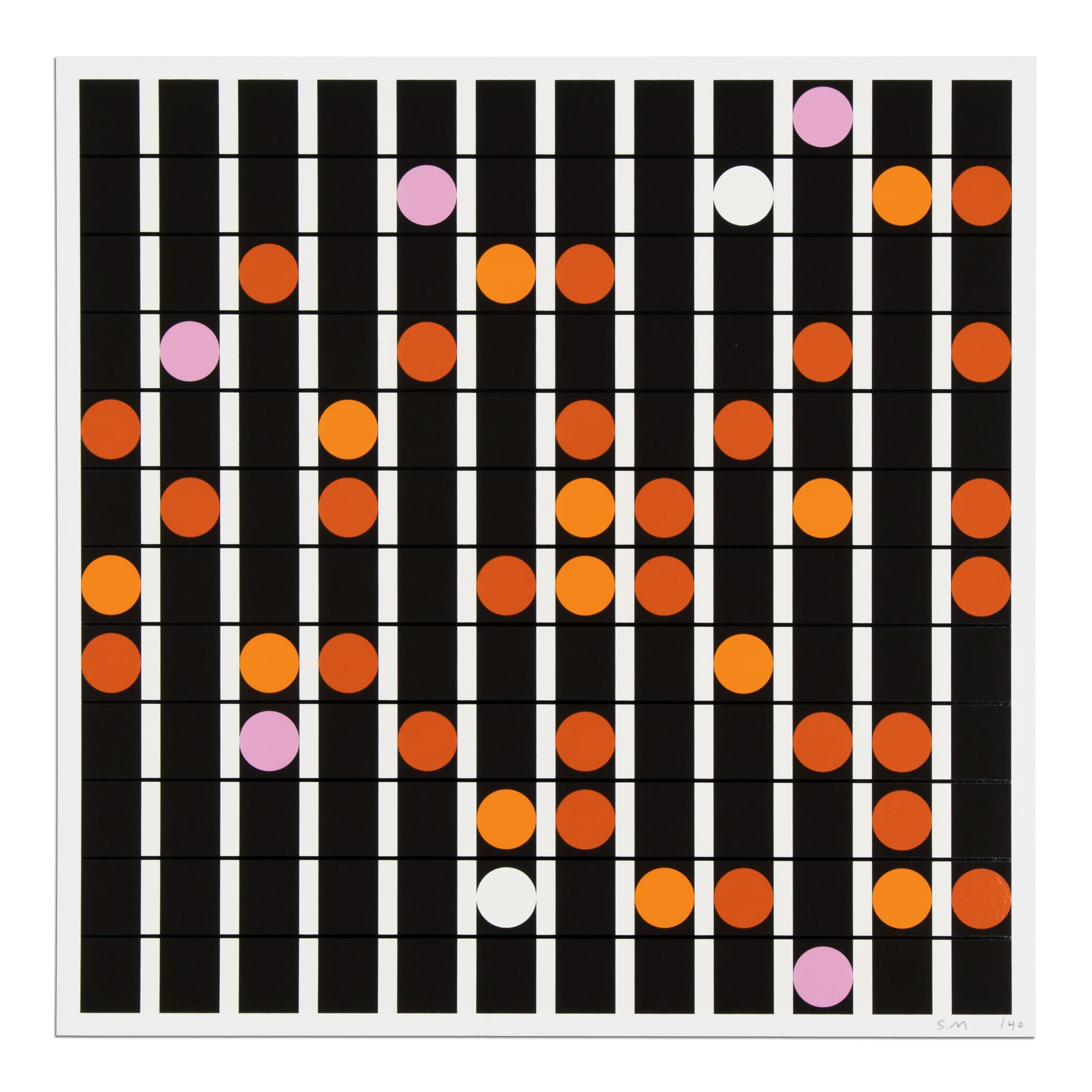
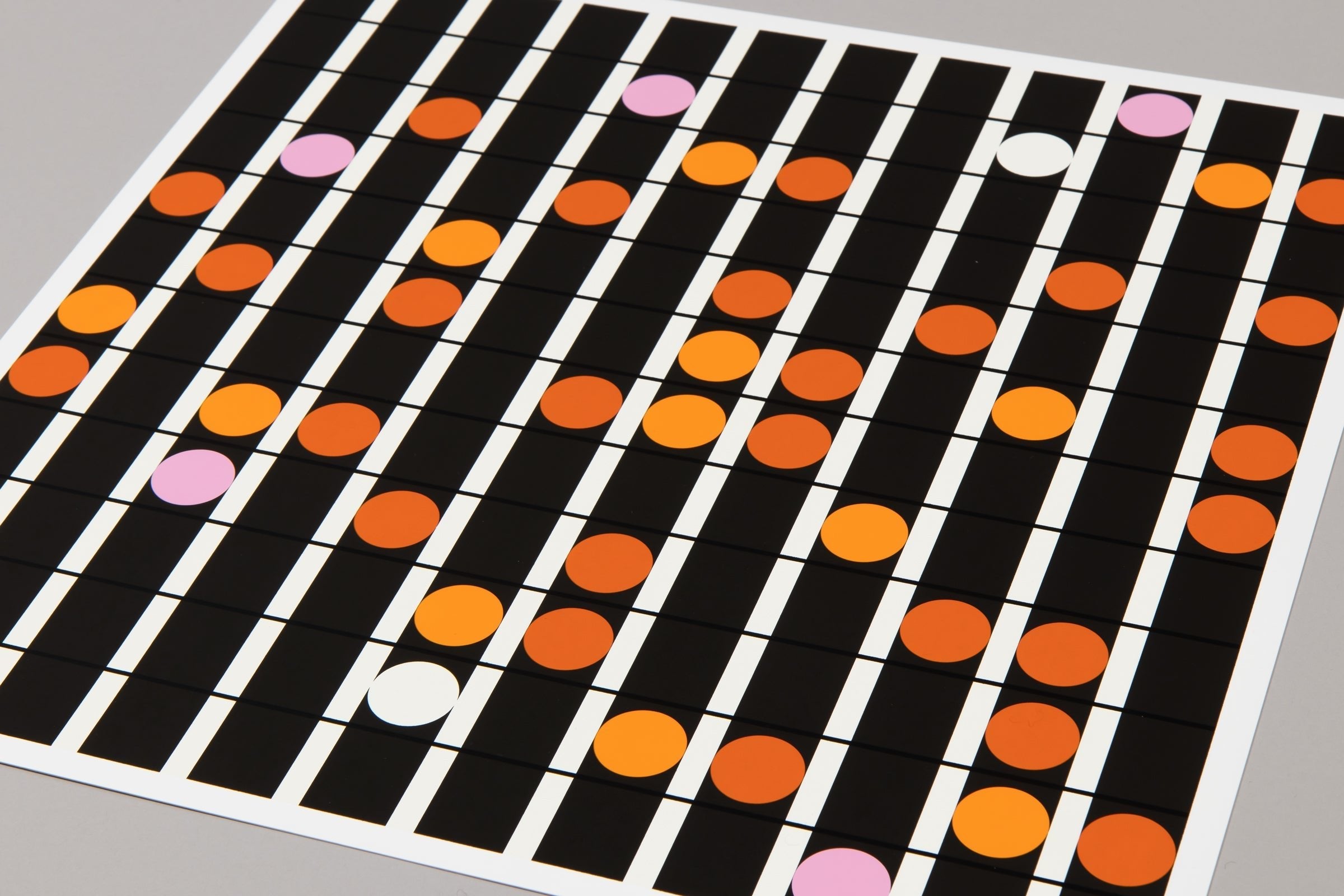
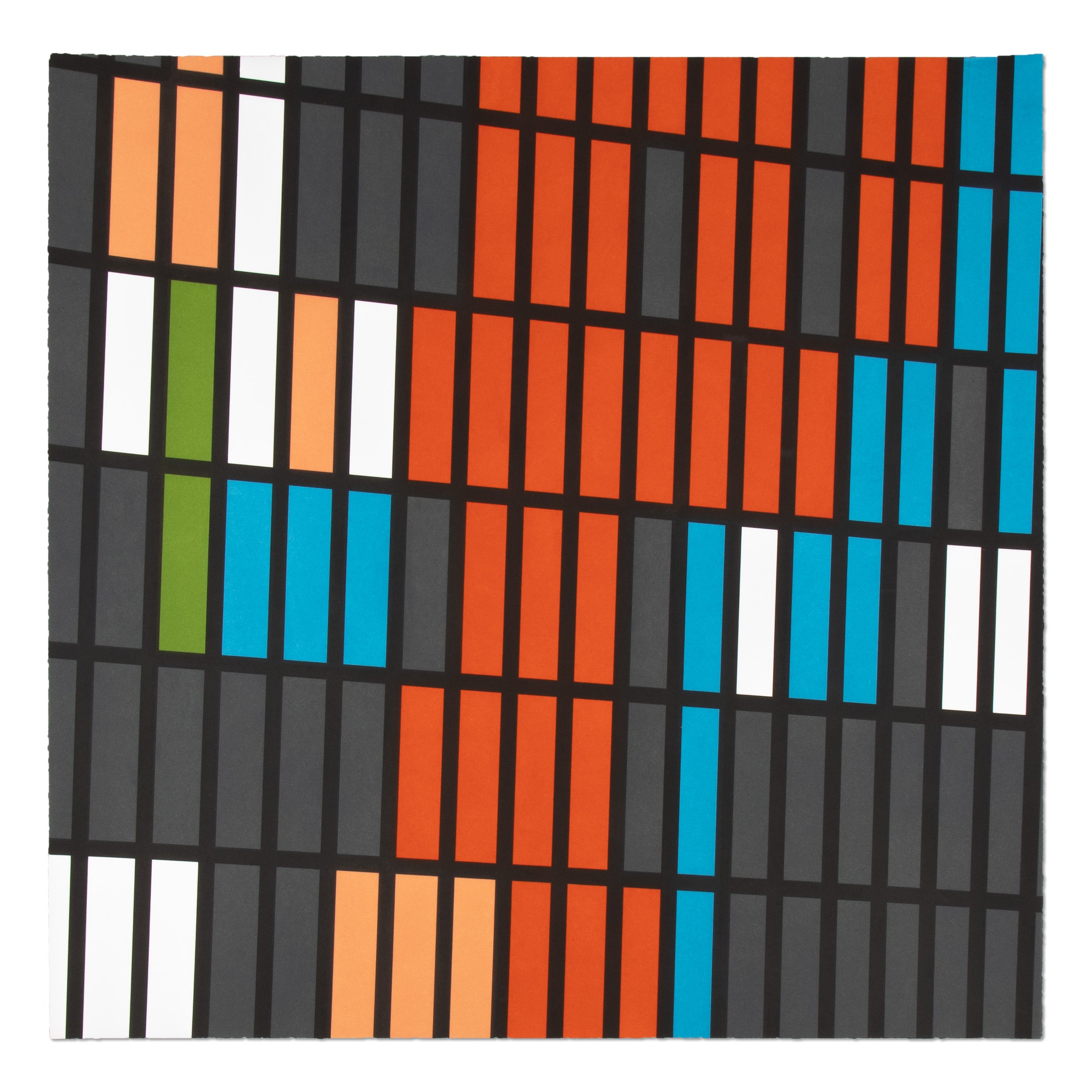
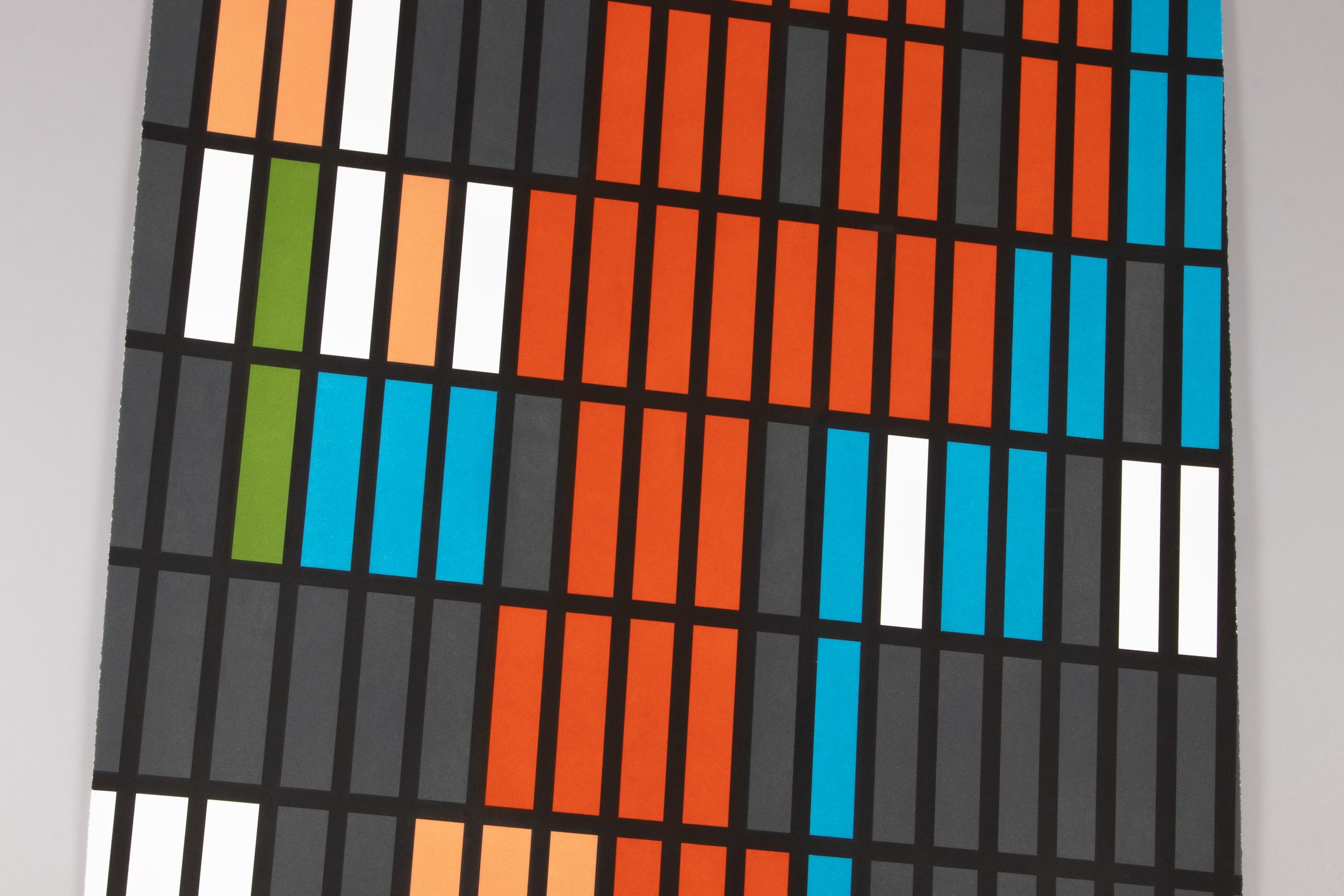
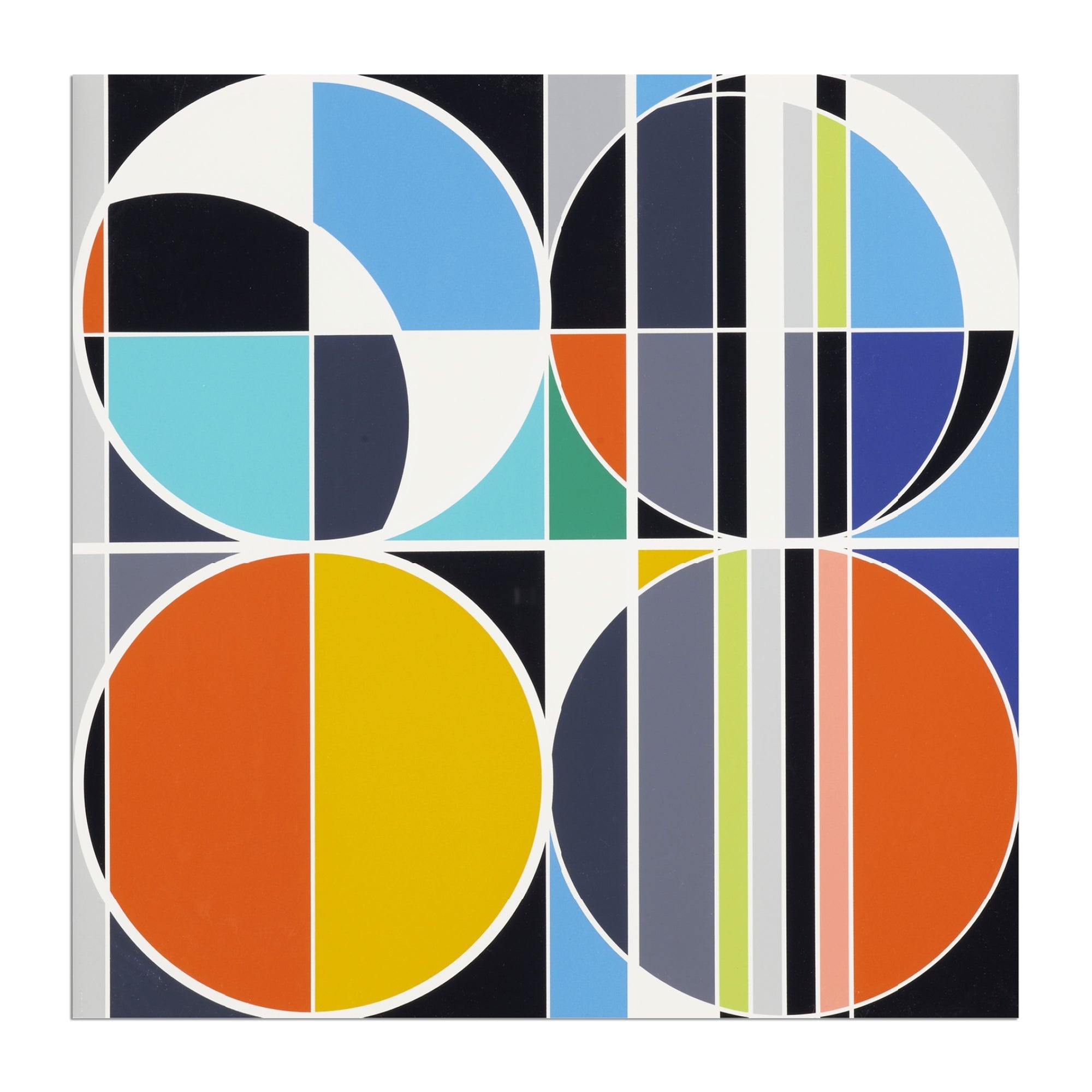
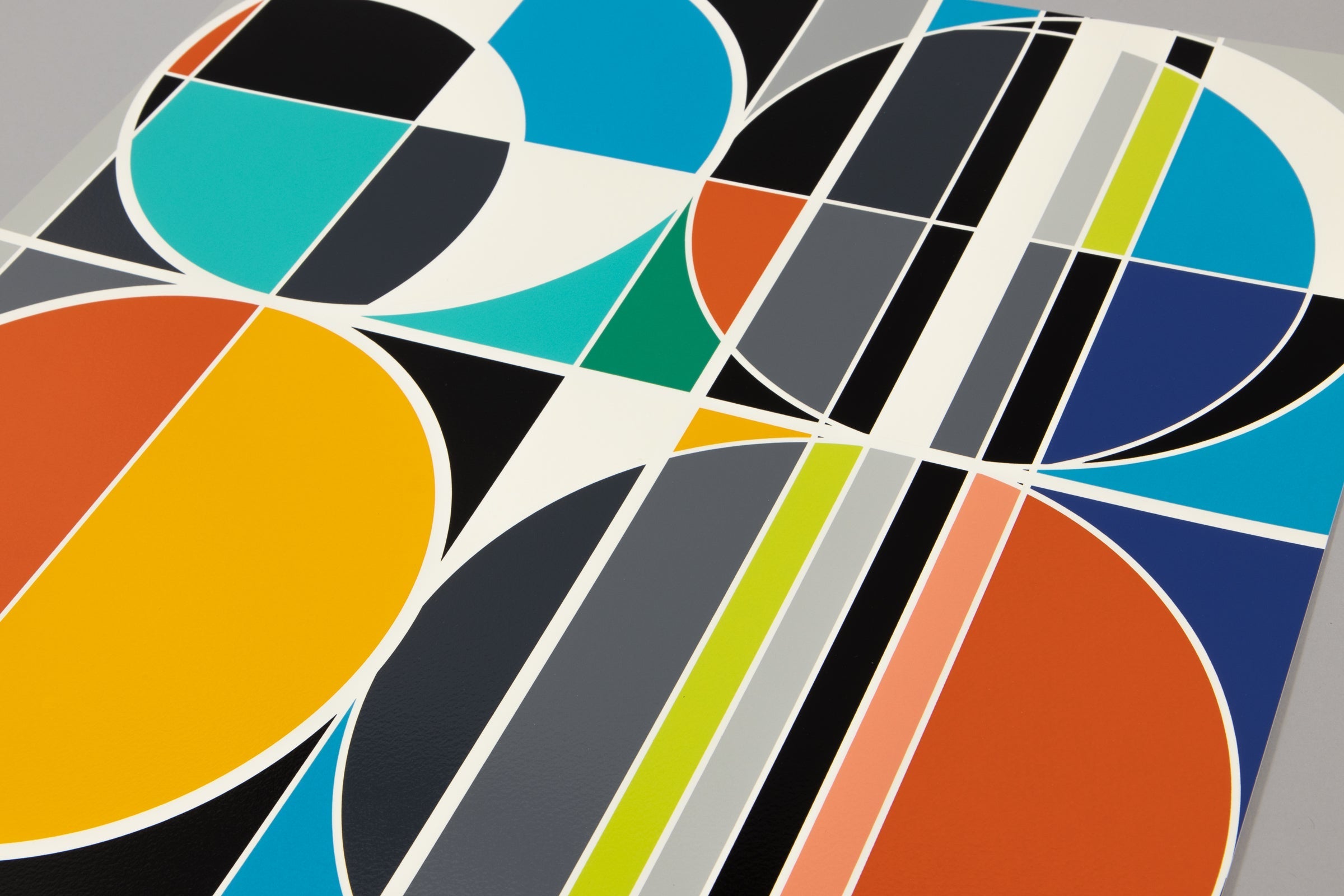
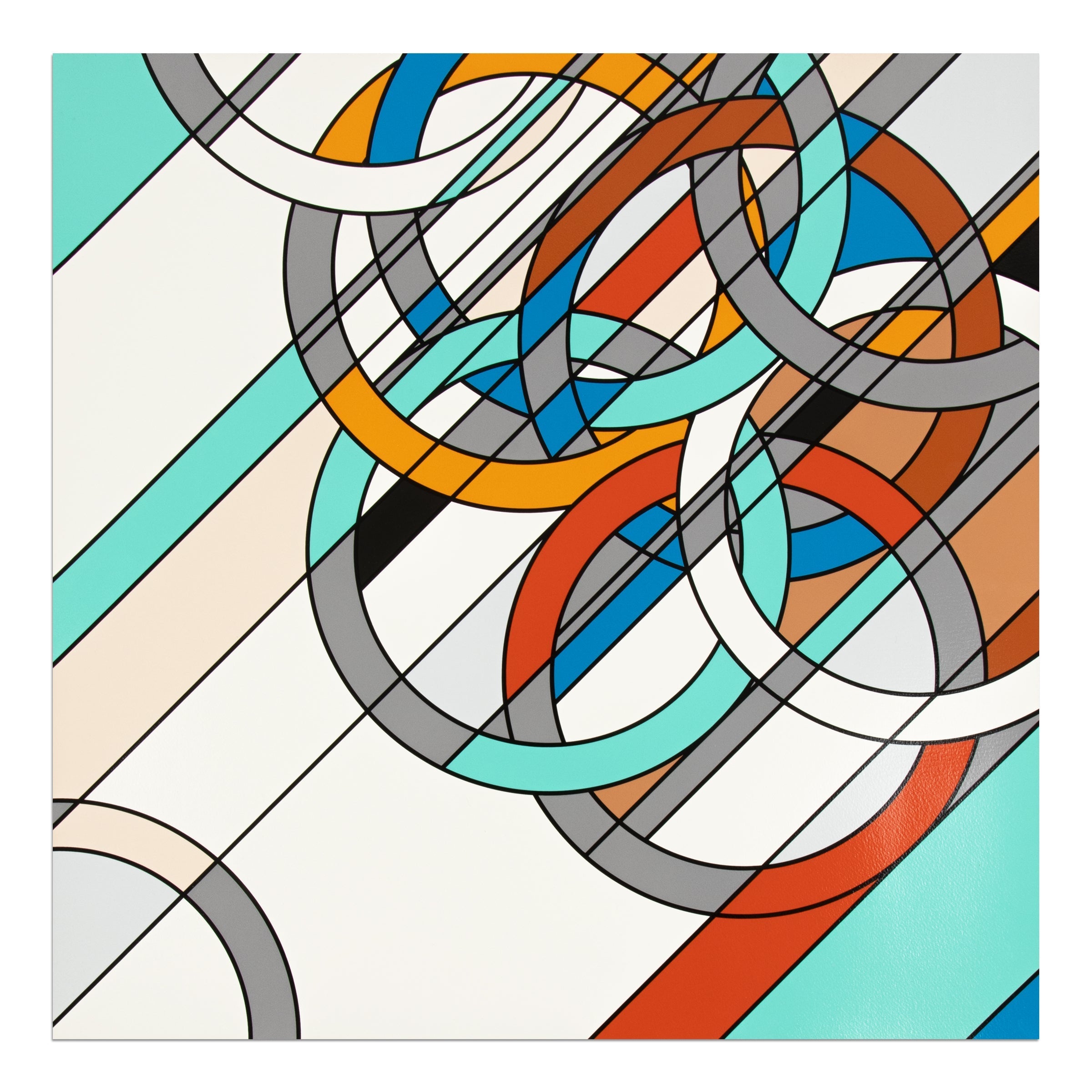
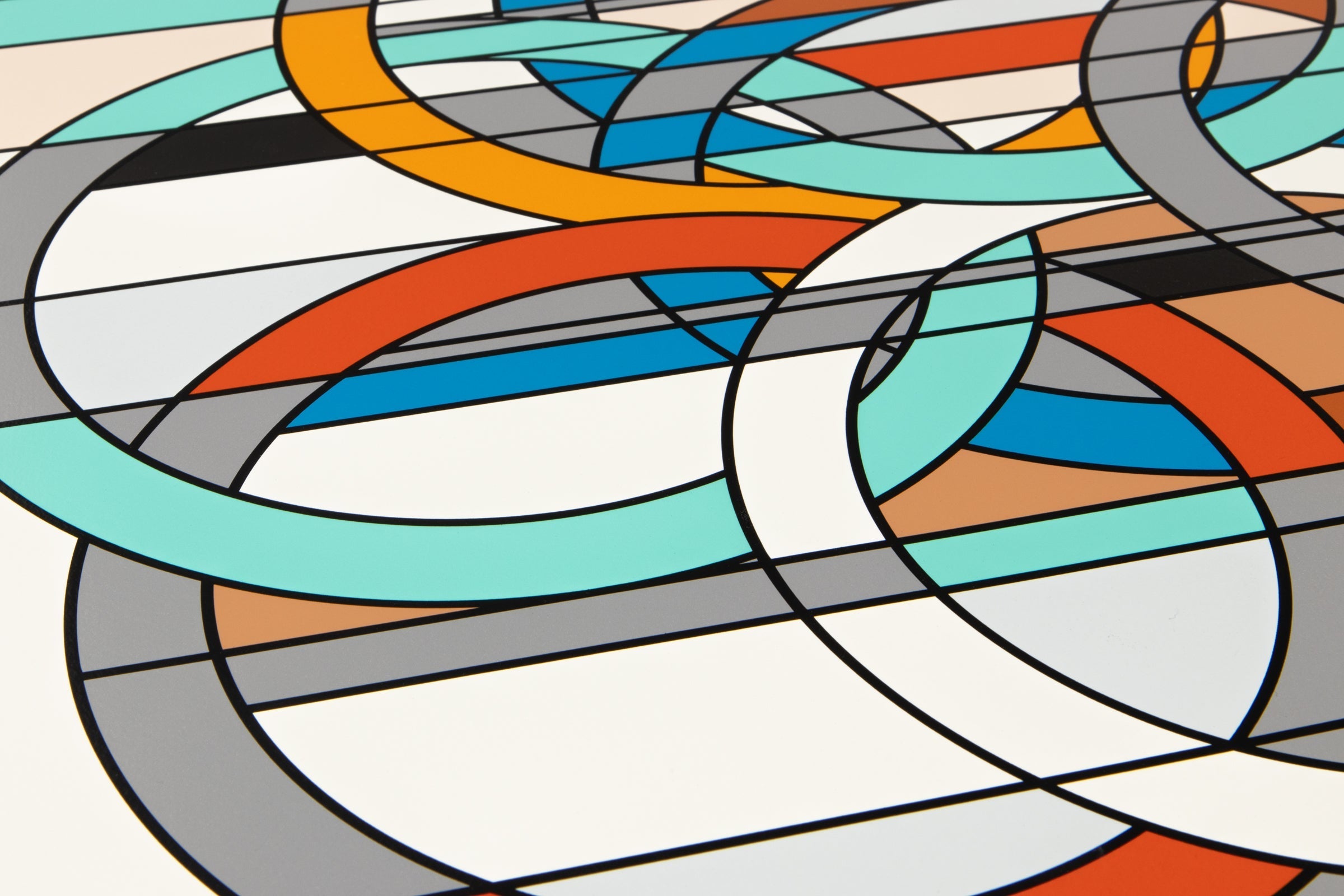
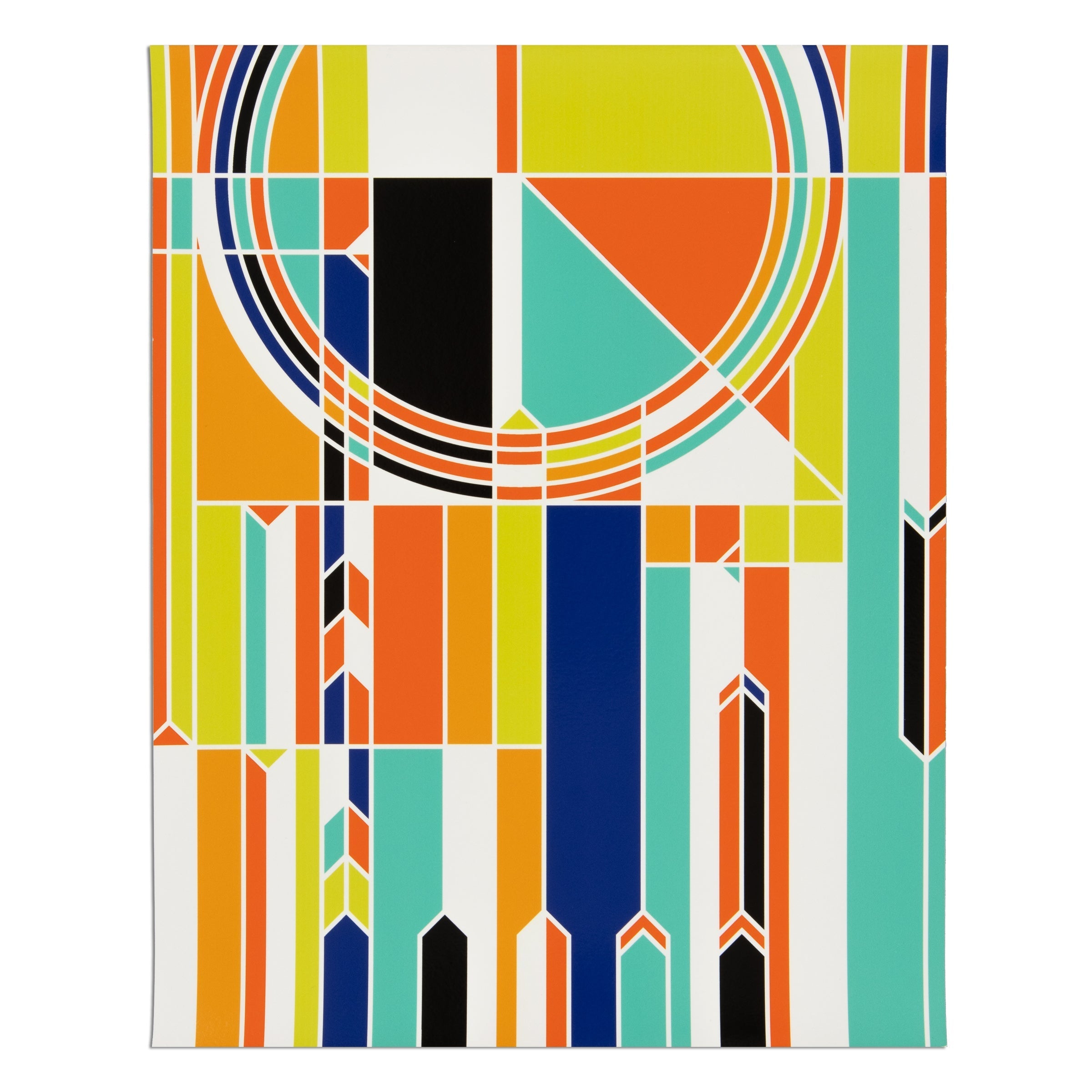
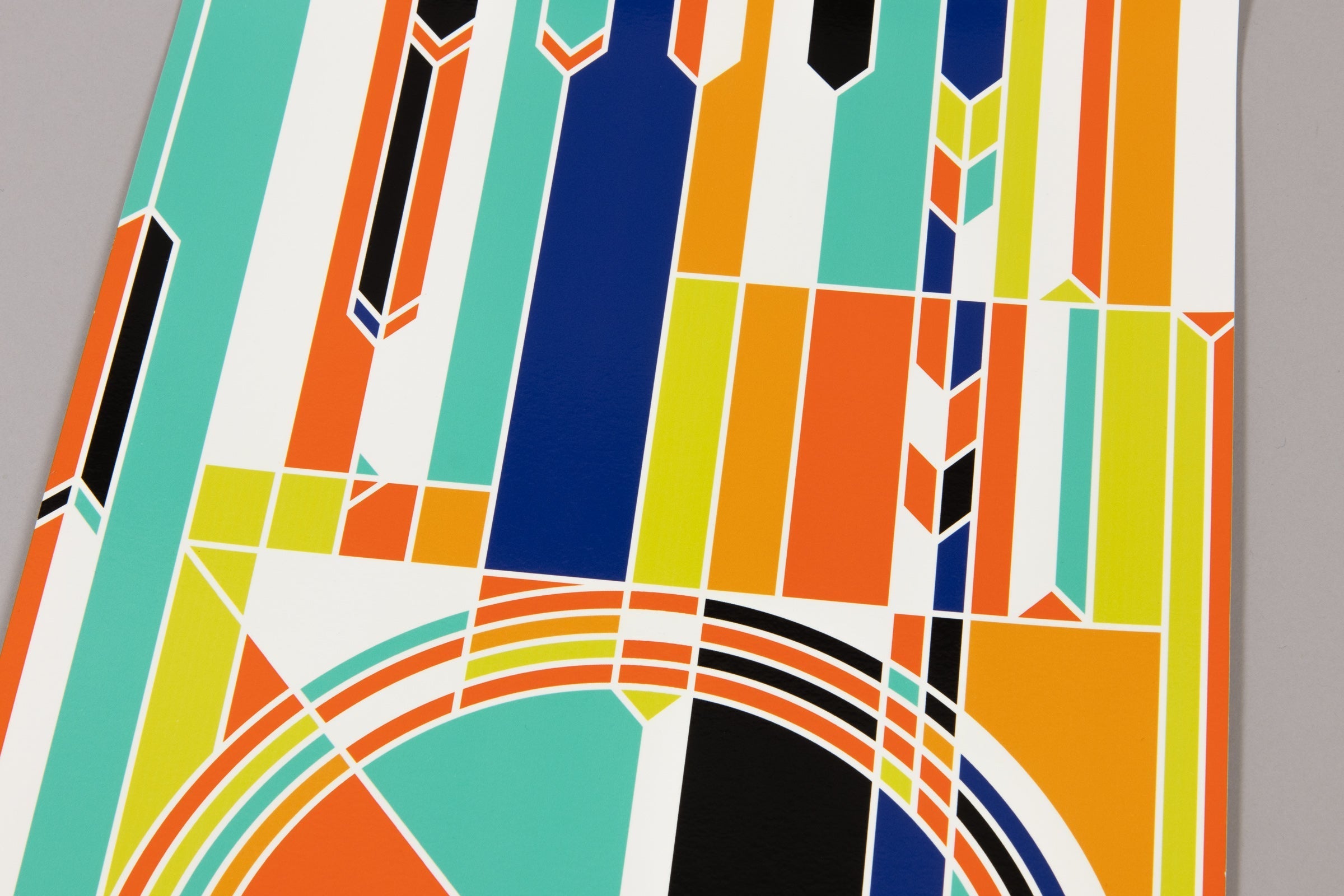
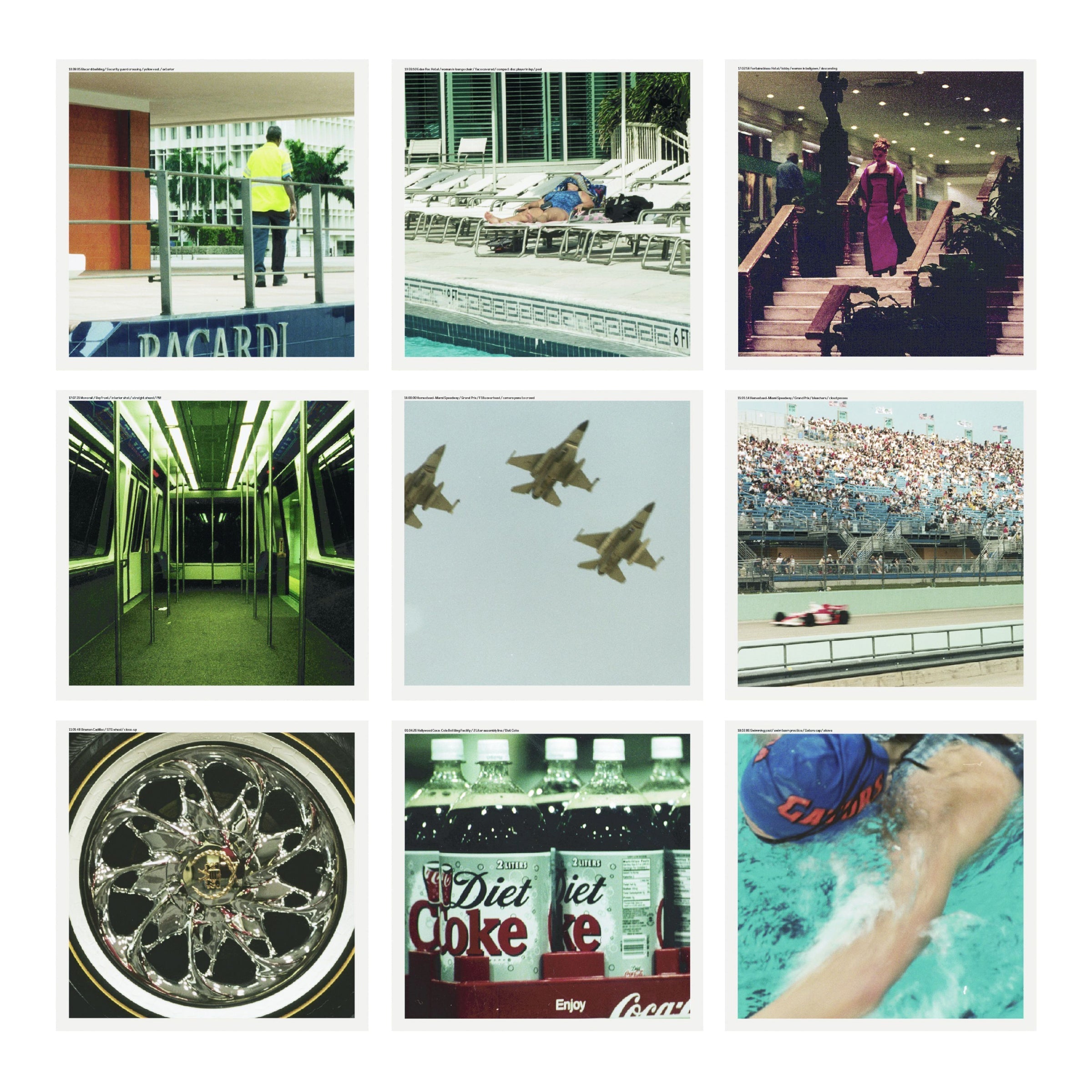
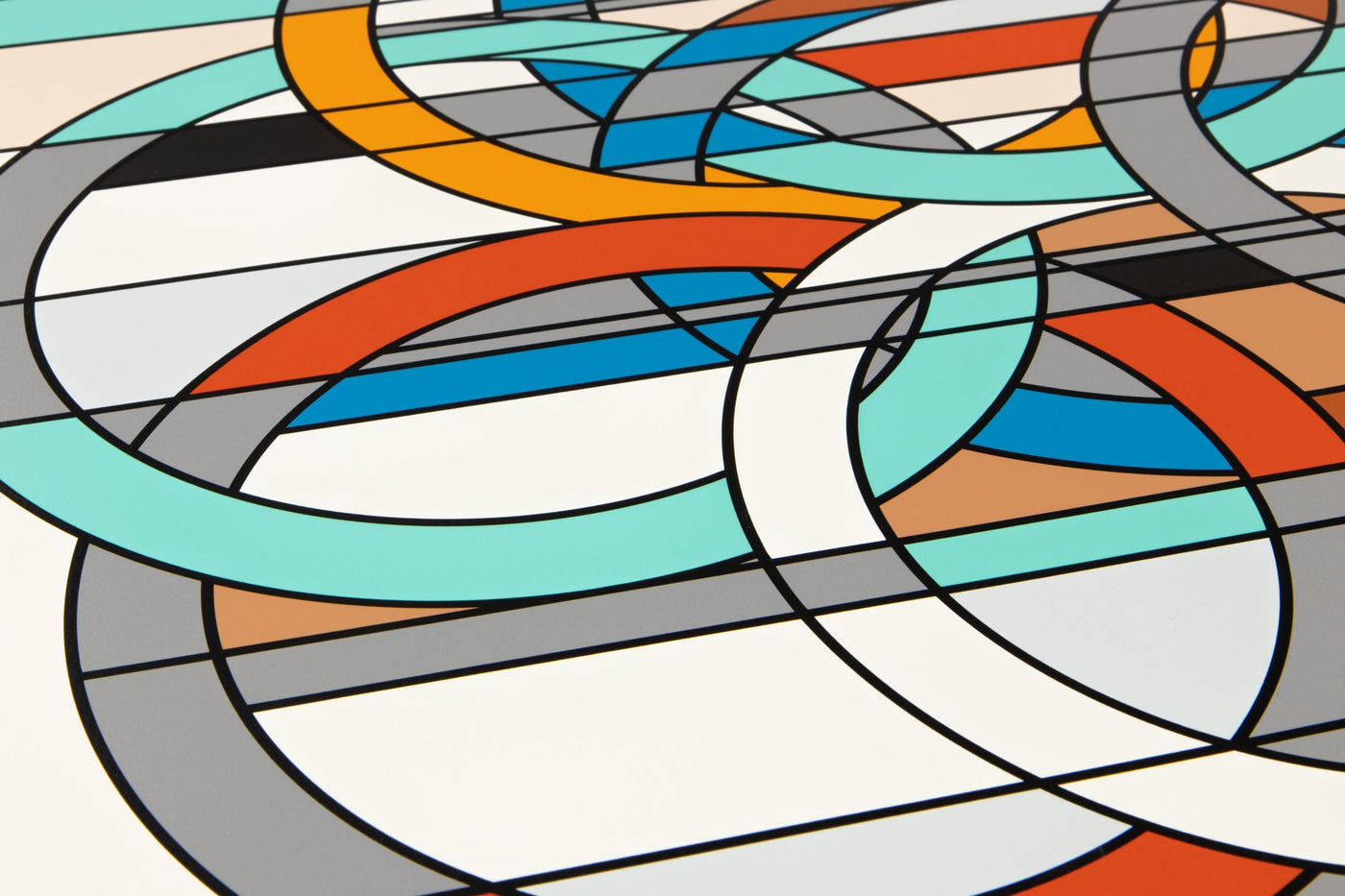
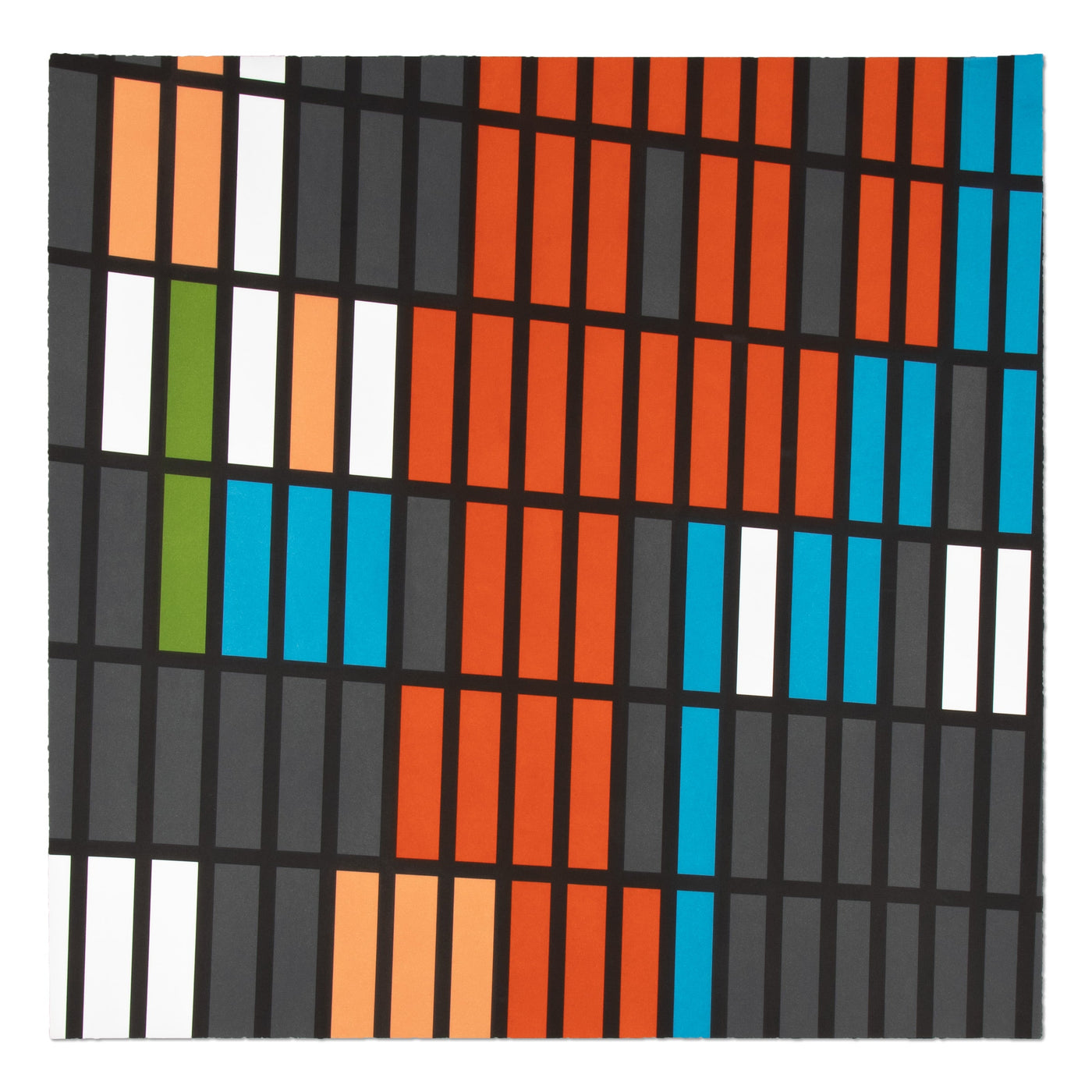
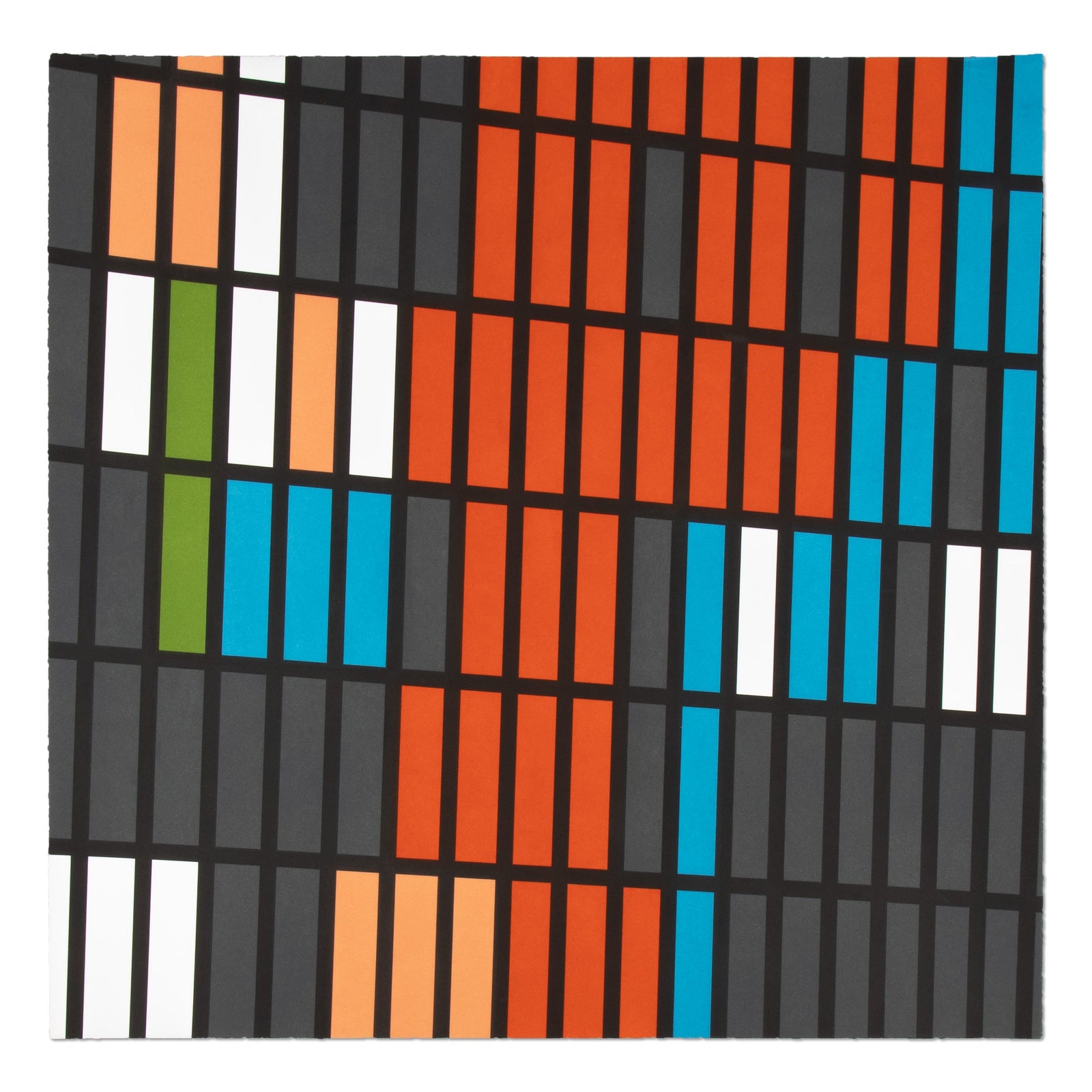
A Sarah Morris painting looks, at first, like abstraction. Look longer and it resolves into something closer to a diagram: a corporate tower's grid, a city's traffic system, the ring roads circling an Olympic host city. Her signed prints translate that same diagrammatic precision onto paper — screenprints built from architecture and infrastructure rather than invented form. She builds her compositions from ordinary household gloss paint, the same material used on doors and skirting boards, applied with the precision of an architect's drawing.
Available Prints & Editions
7 products



Sarah Morris: Key Questions
Collecting Sarah Morris?
Looking for a specific artwork or have a question about an edition? We're happy to advise on availability, pricing, condition, and provenance — and to source artworks beyond our current selection.
What is Sarah Morris known for?
Why does Sarah Morris use household gloss paint?
What is Sarah Morris's Rings series about?
Is Sarah Morris an abstract painter?
How much do Sarah Morris artworks sell for?


