Sigmar Polke

Sigmar Polke co-founded Capitalist Realism in 1963 — splicing East Germany's state-mandated Socialist Realism with the consumer imagery of American Pop Art. His signature technique, hand-painting enlarged raster dots to mimic commercial printing, made his reputation before he pushed painting somewhere stranger: arsenic, uranium, meteor dust, dye extracted from boiled snails. Critics called him an alchemist; Polke treated the label as a joke worth playing along with, using genuinely toxic materials to question stability and authorship itself.

Browse signed Sigmar Polke prints and editions now.

Available Prints & Editions

4 products
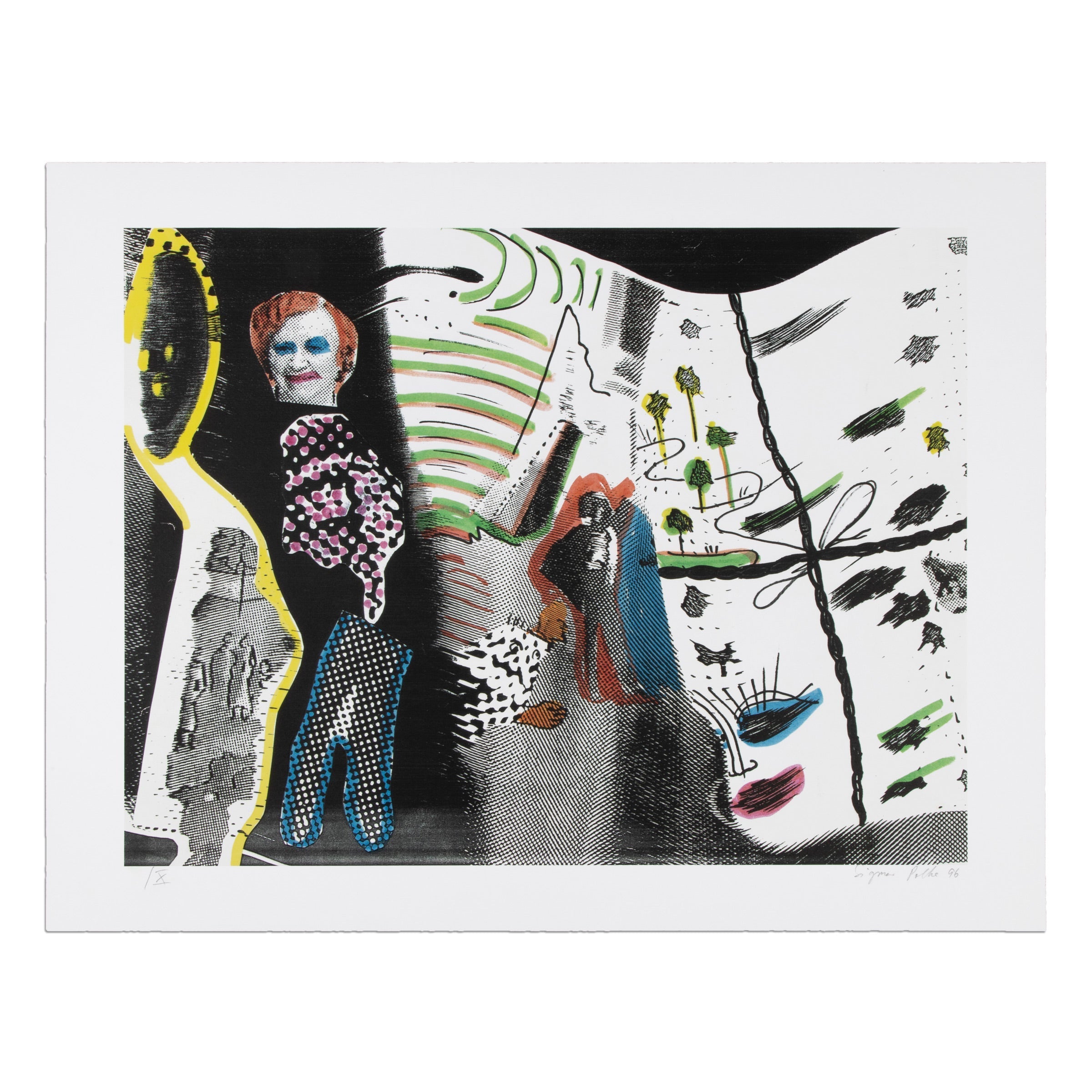
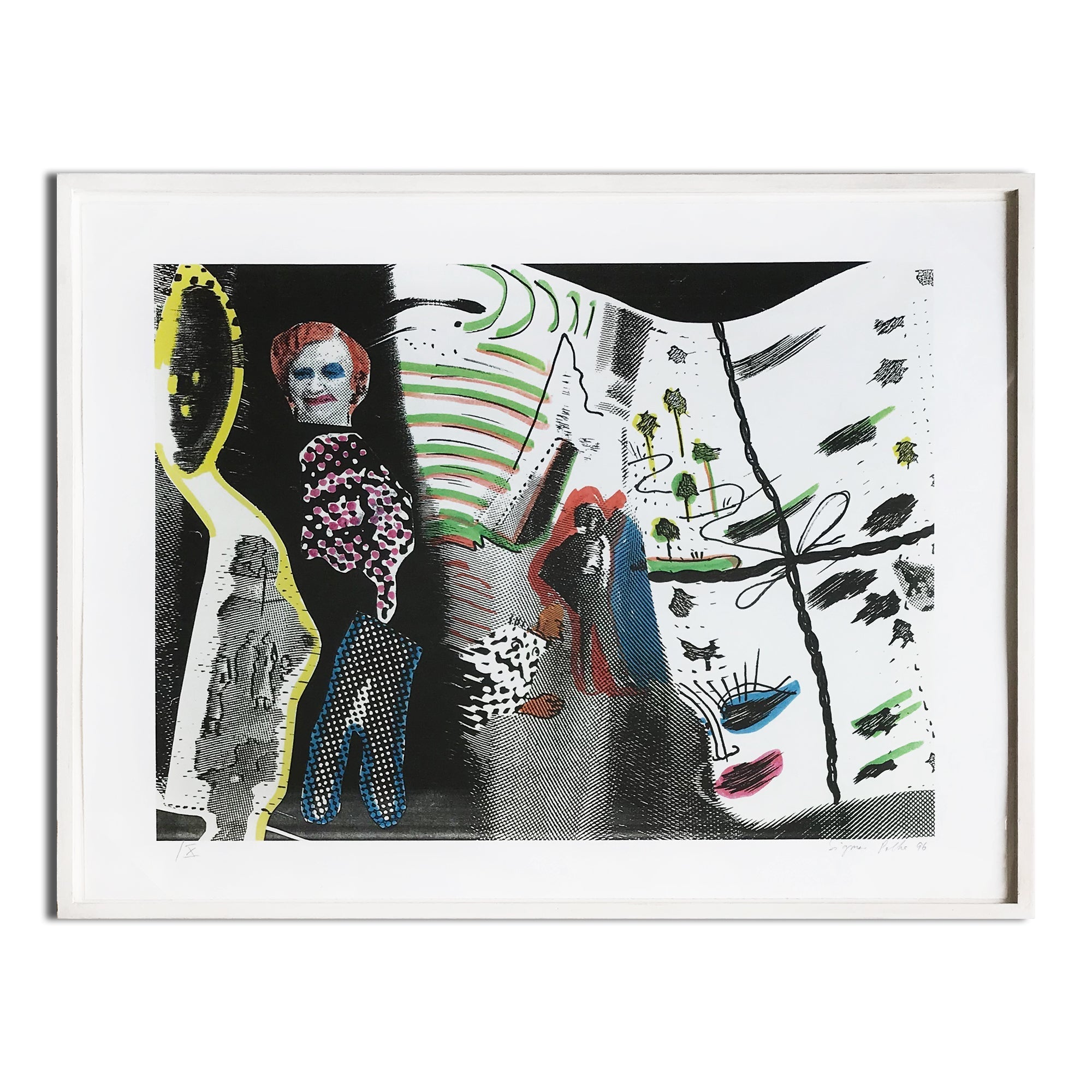
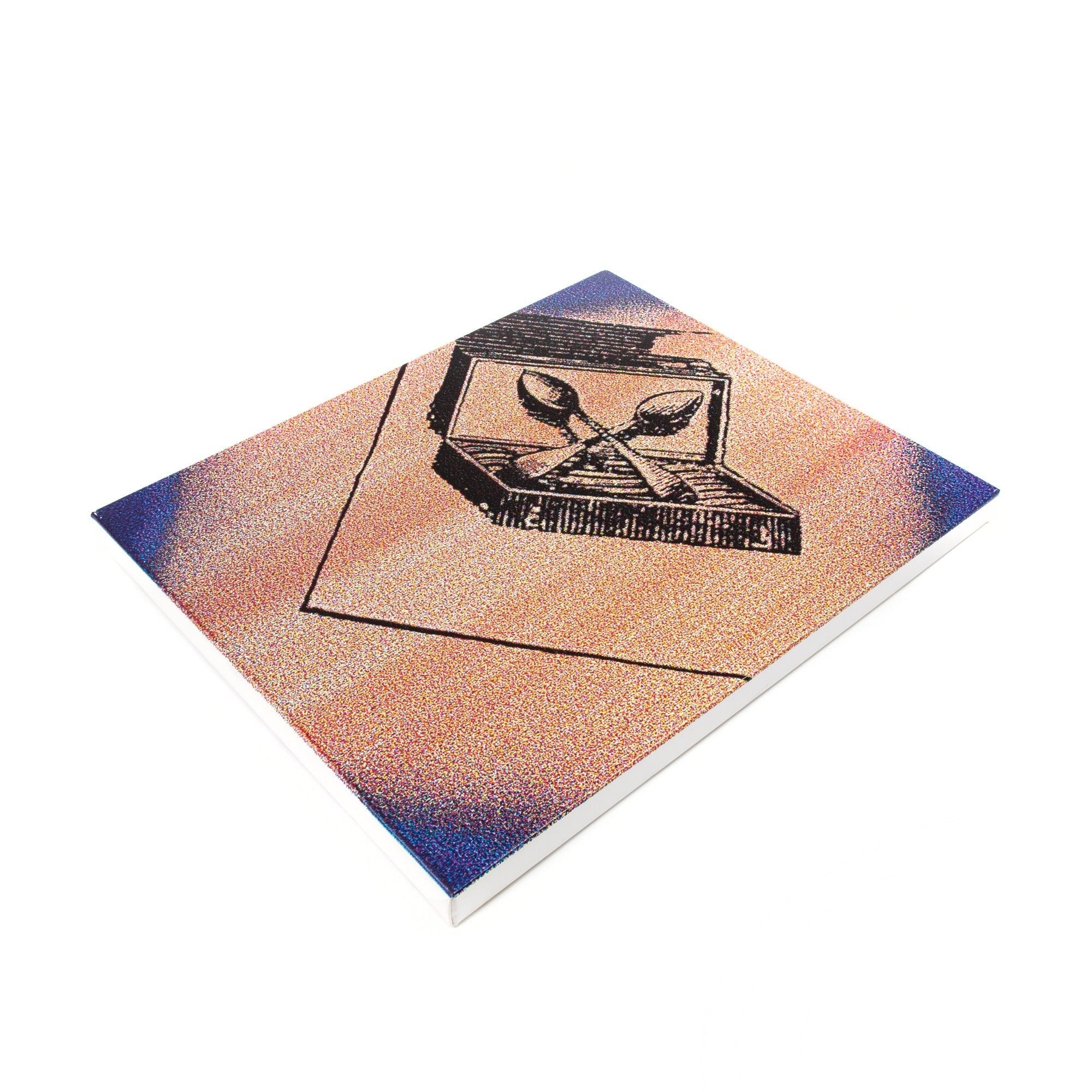
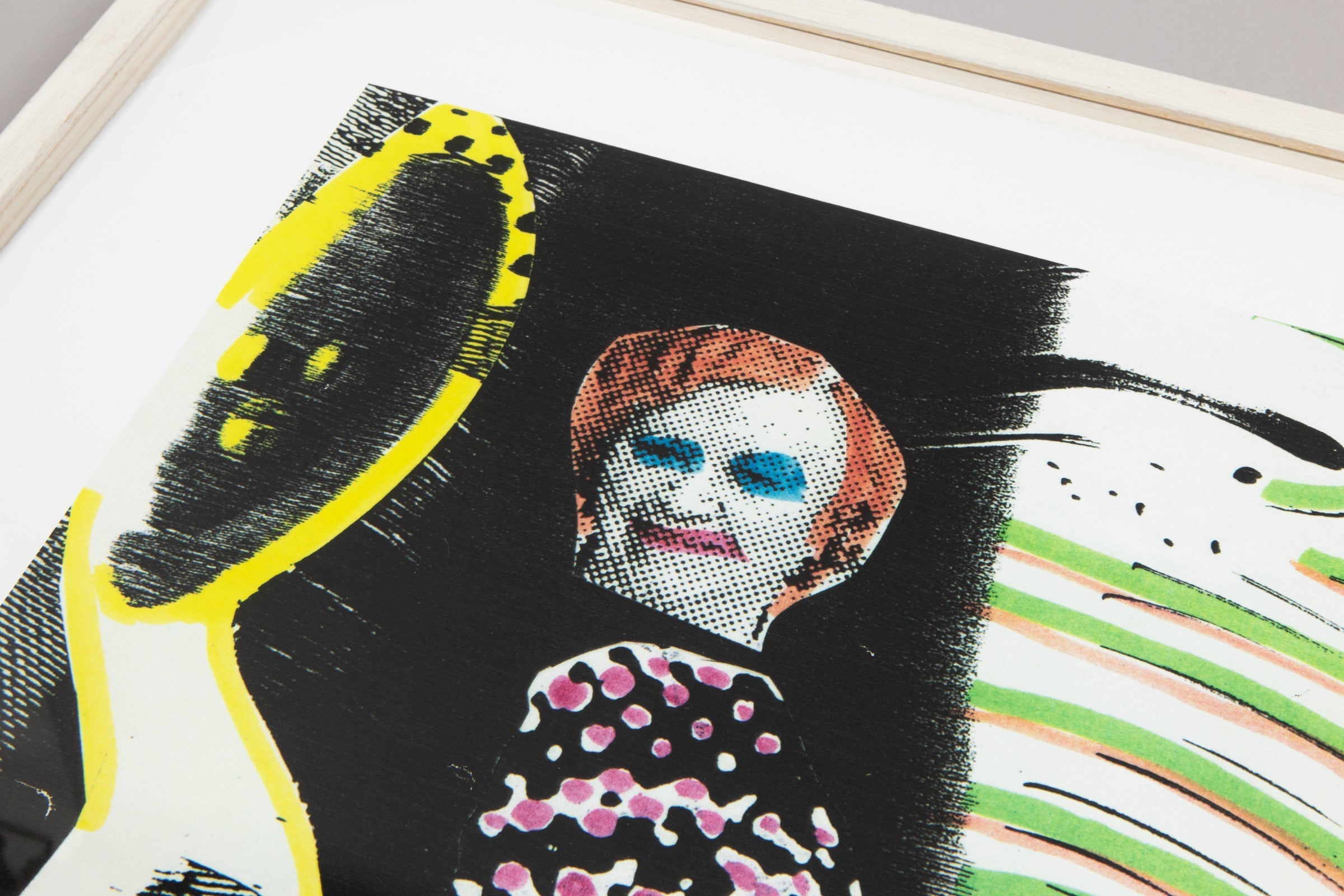
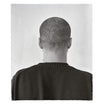
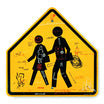
Sigmar Polke - S. schmeckt Pfirsich von H.Sigmar Polke - S. schmeckt Pfirsich von H.
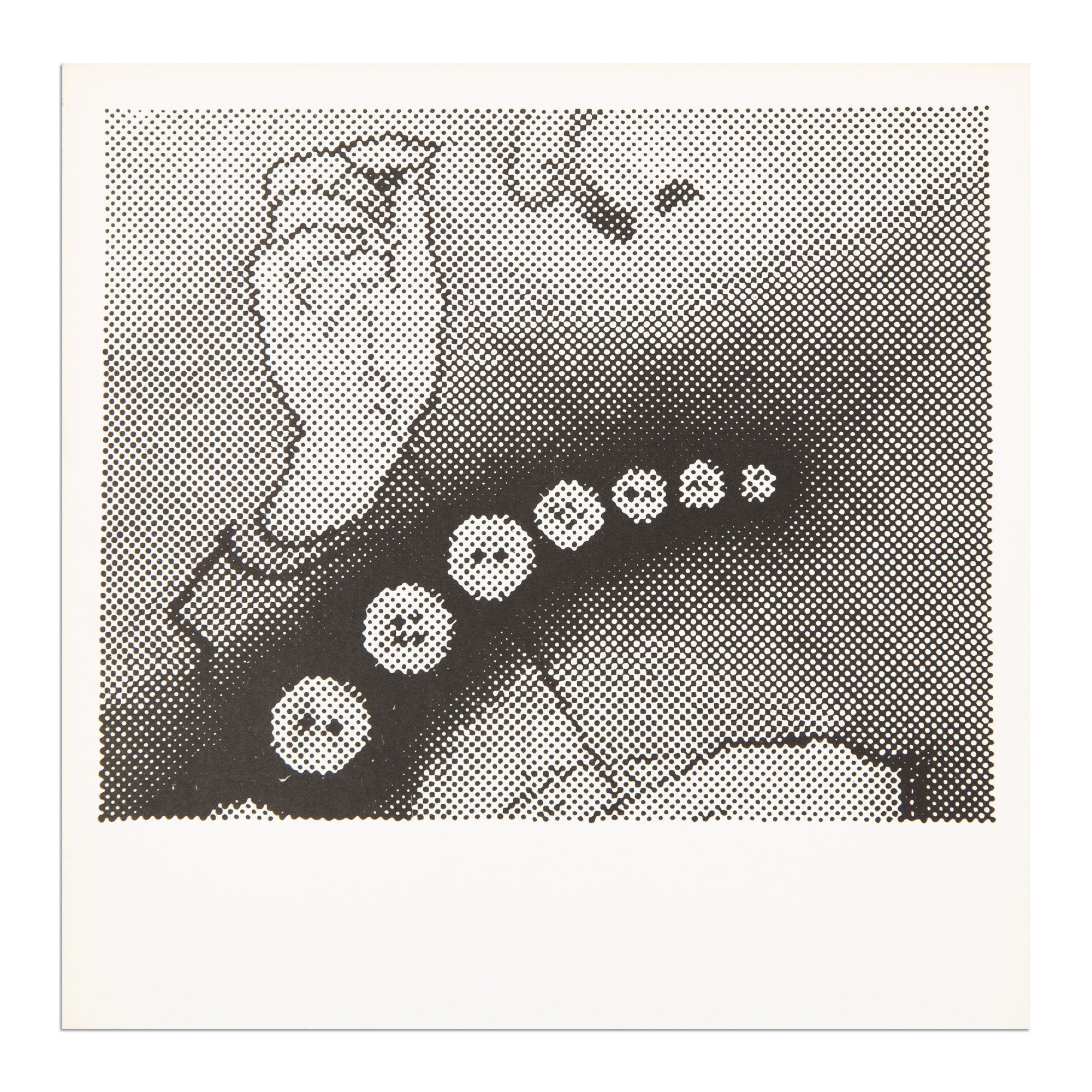
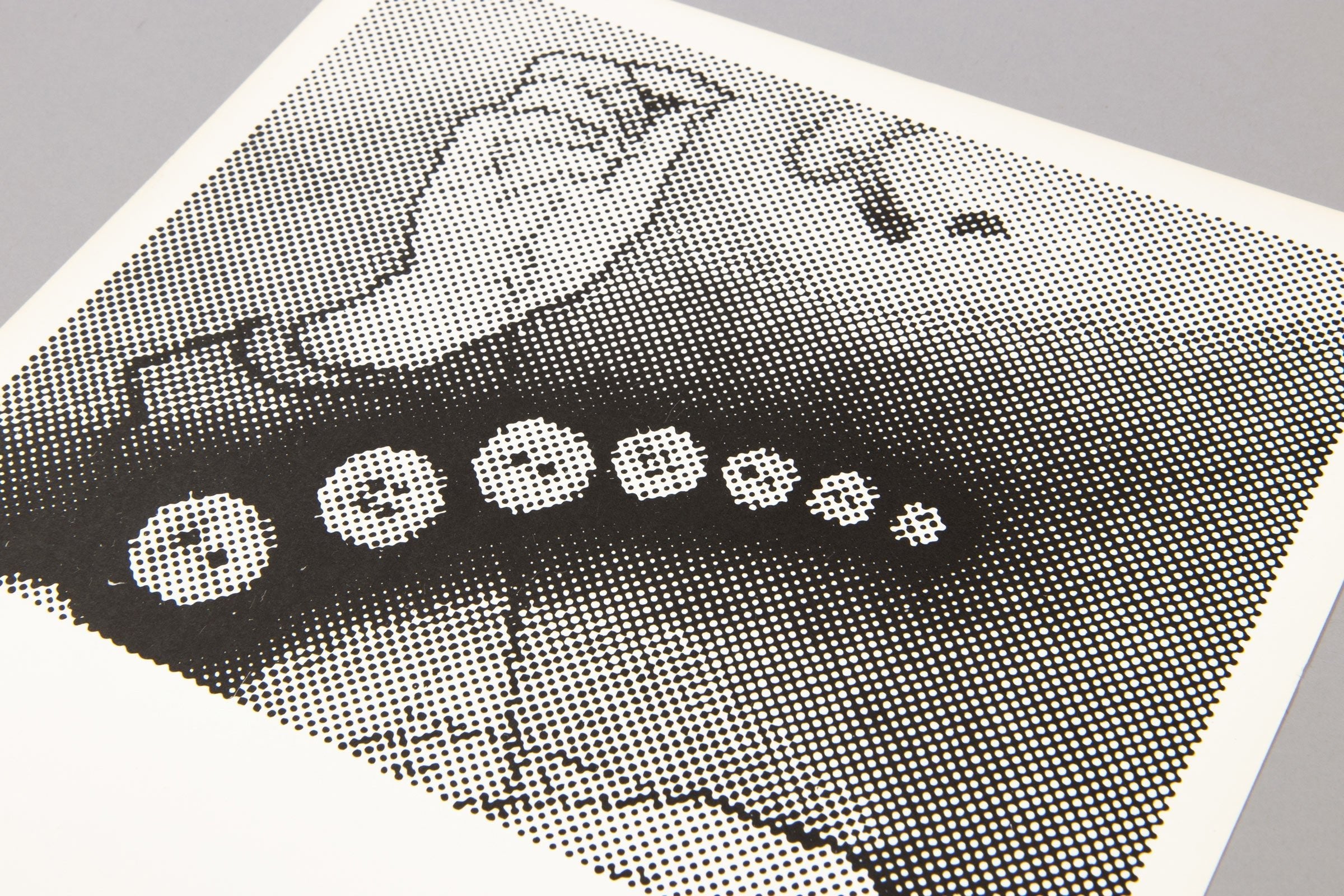
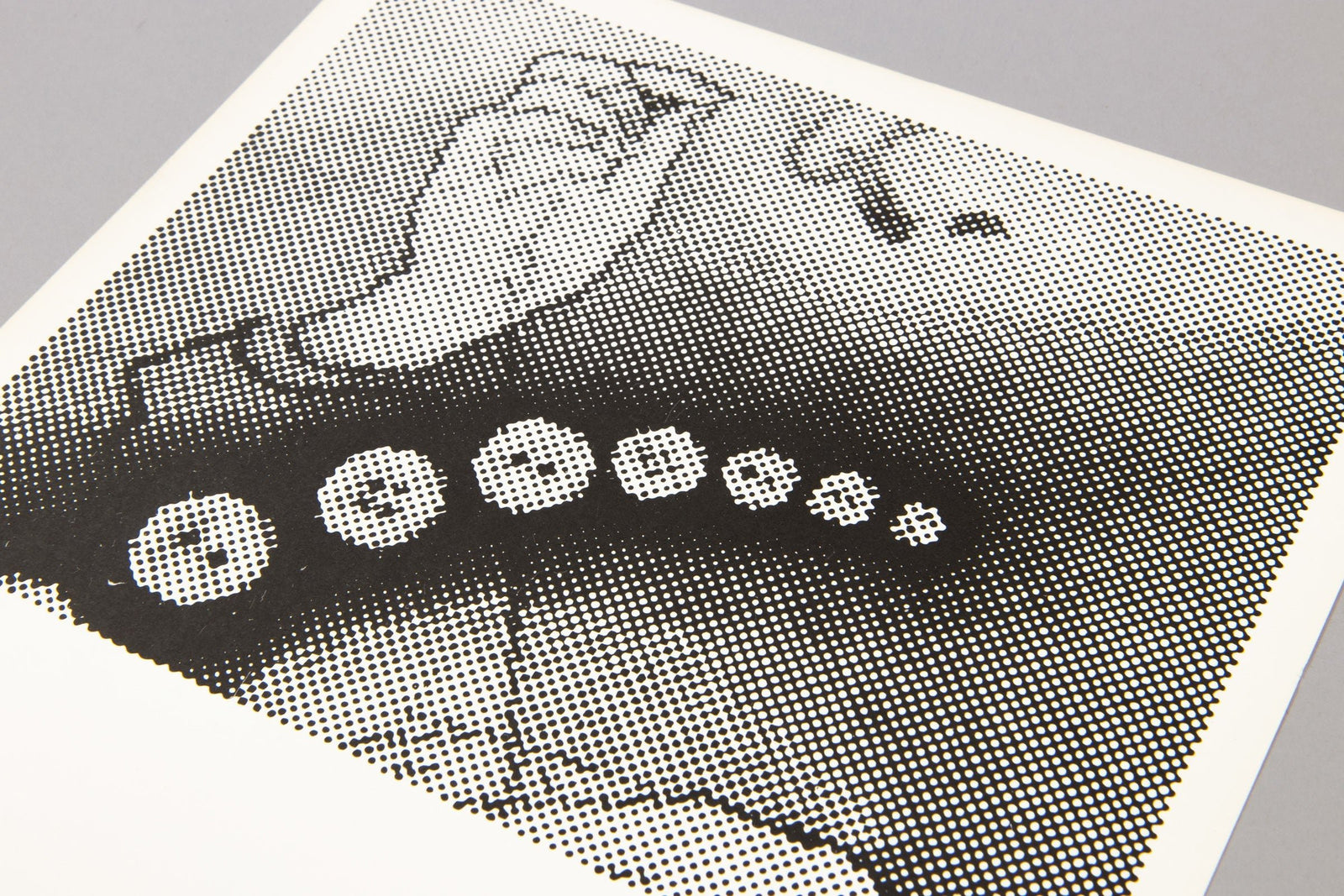
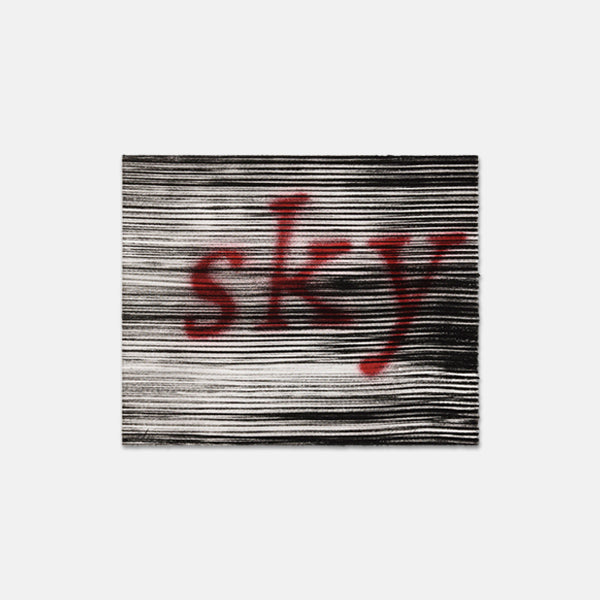
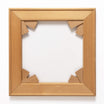
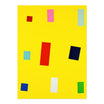
Sigmar Polke - KnöpfeSigmar Polke - Knöpfe
Sigmar Polke – Knöpfe Sale price€800,00
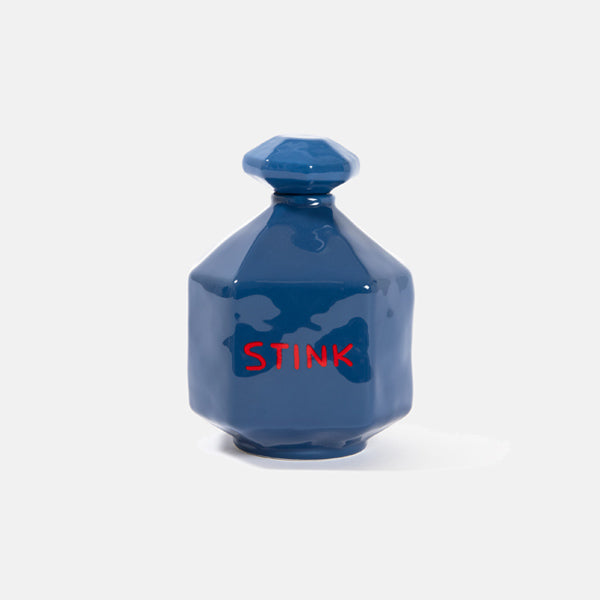
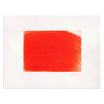
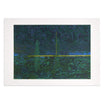
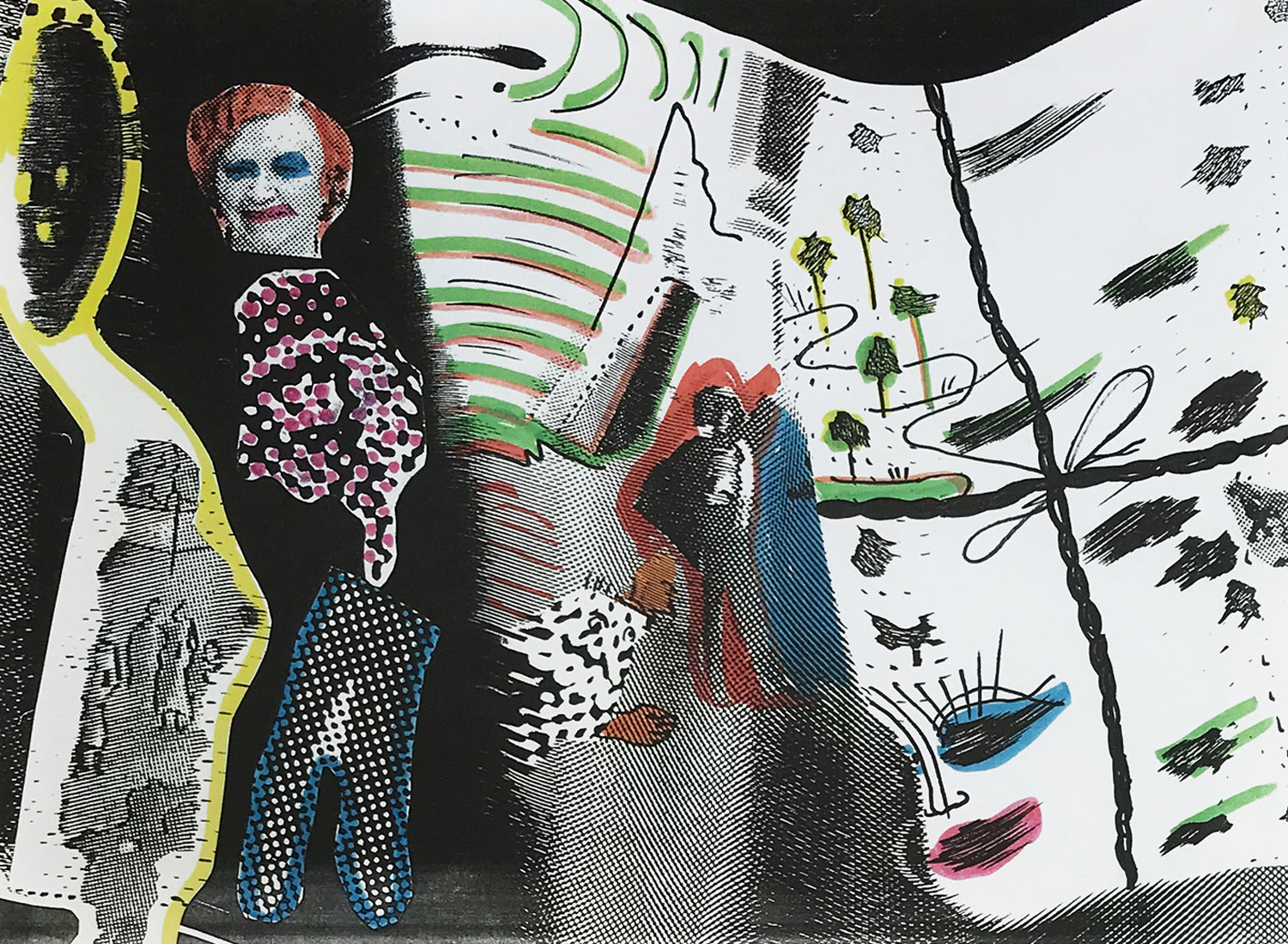
Sigmar Polke – Dr Pabscht het z'Schpiez...Sigmar Polke – Dr Pabscht het z'Schpiez...
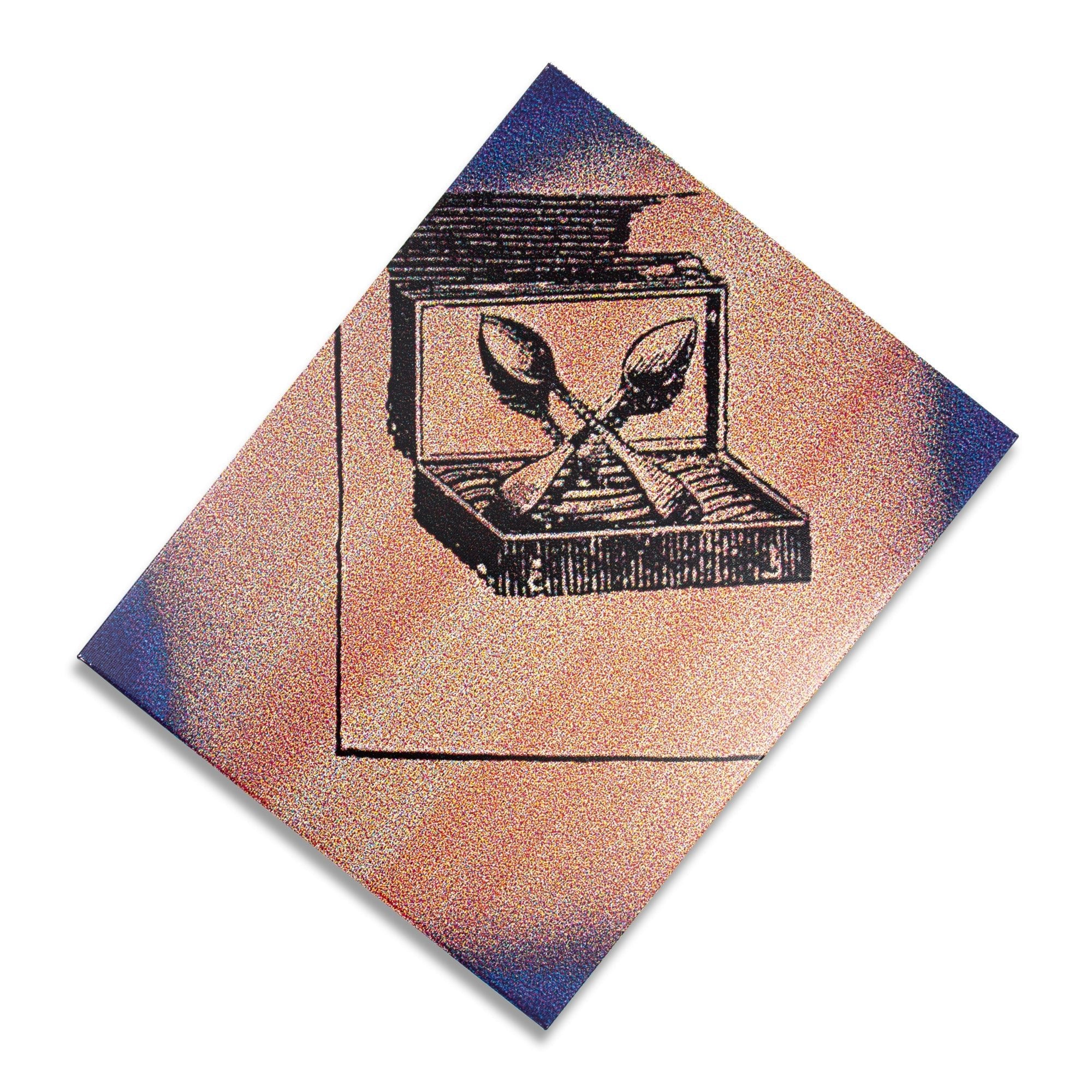
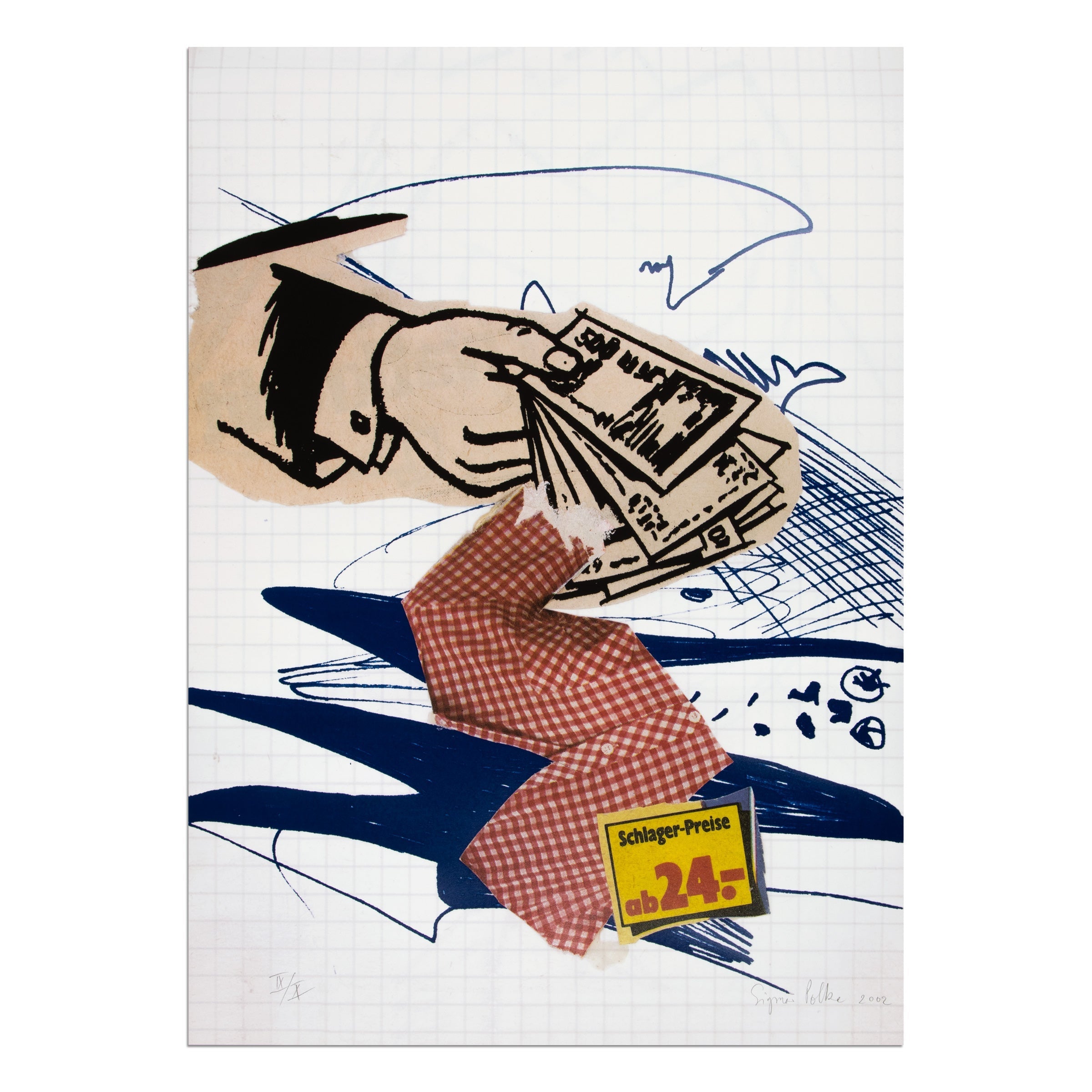
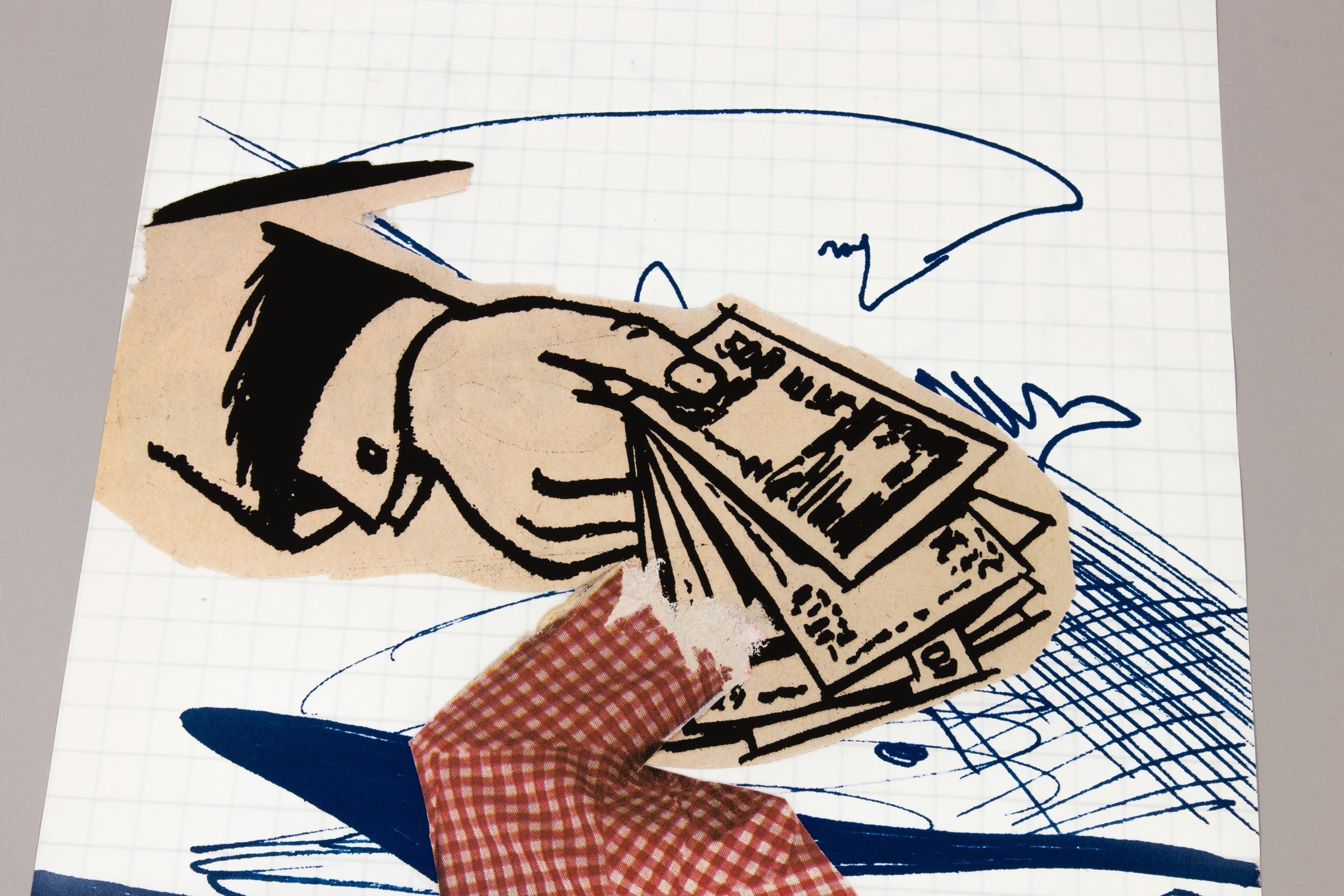
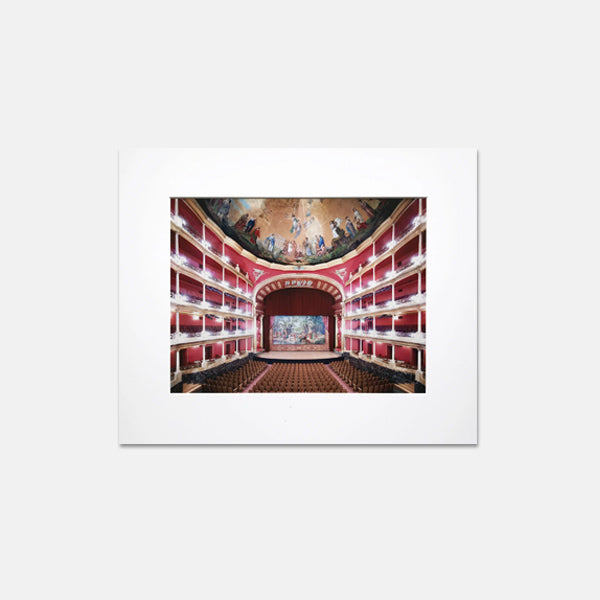
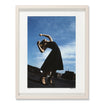
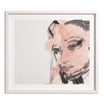
Sigmar Polke - Bargeld LachtSigmar Polke - Bargeld Lacht
Sigmar Polke – Bargeld Lacht Sale price€2.900,00
Sigmar Polke – Dr Pabscht het z'Schpiez...
01

Sigmar Polke Biography

Sigmar Polke (1941–2010) was born in Oels, then part of Germany and now in Poland — a region his family was forced to leave at the end of the Second World War. They fled first to East Germany before escaping to the West in 1953, a childhood displacement Polke later described as shaped entirely by the war's aftermath. That early experience of borders, surveillance, and forced movement would resurface decades later in works like his Watchtower series, which drew an uncomfortable line between Nazi concentration camp architecture and Cold War border security.

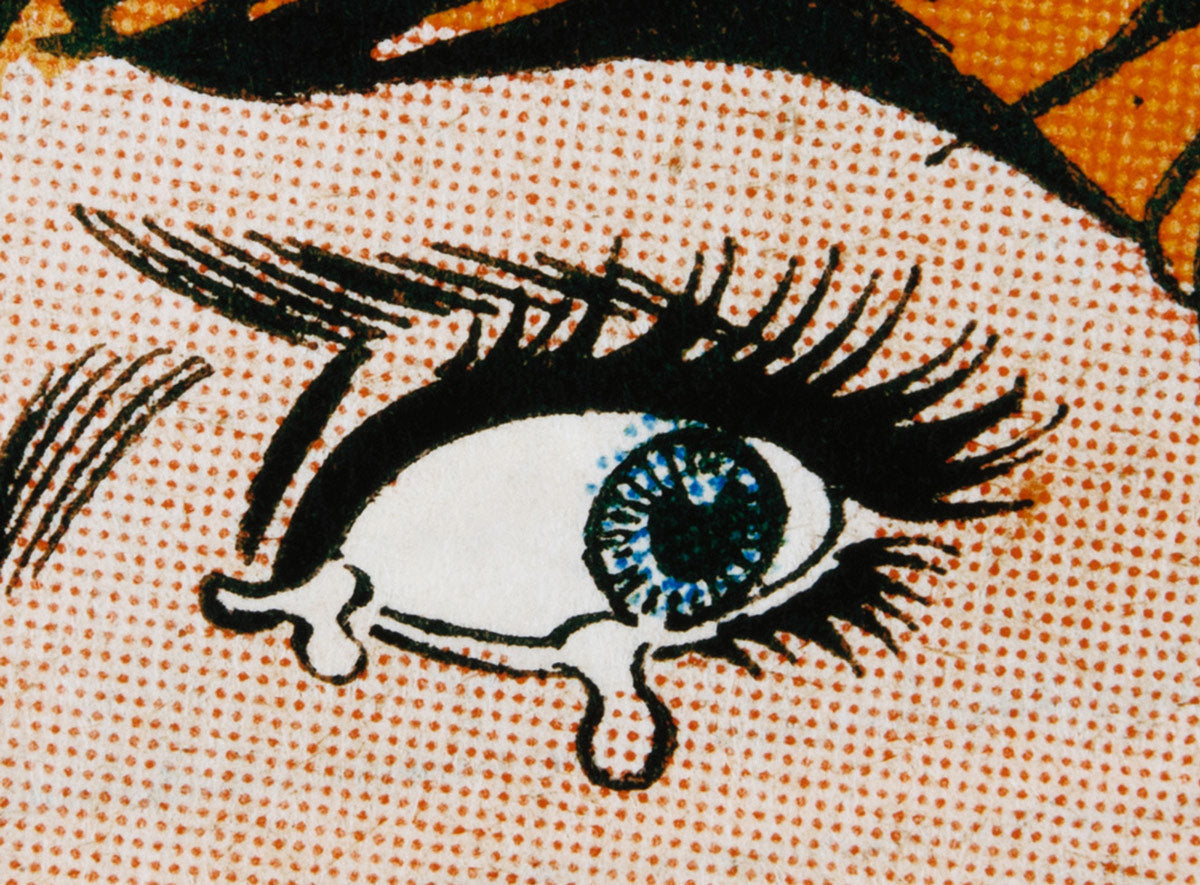
In 1963, alongside Gerhard Richter and Konrad Lueg, Polke co-founded Capitalist Realism — a term coined half as satire, splicing the state-mandated optimism of Socialist Realism with the consumer imagery of American Pop Art. Where Warhol and Lichtenstein used the mechanical raster dot of commercial printing to idealise mass production, Polke did the opposite: he hand-painted enlarged, imperfect raster dots by hand, reintroducing exactly the human error and instability that industrial printing was designed to eliminate.

By the early 1980s, following travels through Australia and Southeast Asia, Polke's experimentation turned genuinely hazardous. He began working with arsenic-based pigments, uranium, meteor dust, and dye extracted from boiled snails — materials chosen for their instability, their tendency to shift colour with temperature, humidity, or simply time. "Poison just crept into my pictures," he later said of the period. His 1969 work Higher Beings Commanded: Paint the Upper Right Corner Black! — a single black triangle beneath a typed claim of divine instruction — distilled his sense of humour into a single deadpan gesture, mocking the overheated spiritual rhetoric that had come to surround abstract painting.

Polke won the Golden Lion at the 1986 Venice Biennale for his presentation in the West German pavilion, and remained a central, restlessly inventive figure in German art until his death in Cologne in 2010. The 2014 retrospective Alibis: Sigmar Polke 1963–2010, co-organised by MoMA and Tate Modern, gathered over 300 works and confirmed the scale of an output that had, by then, touched nearly every material a painting could hold.

Sigmar Polke - Knöpfe
02

Famous Sigmar Polke Artworks

Dschungel (1967), Polke's auction record at $27.1 million (Sotheby's New York, 2015), exemplifies his 1960s Rasterbilder — a hand-painted tropical landscape built entirely from enlarged, imperfect dots that mimic and subtly undermine the mechanical printing processes they reference.

Higher Beings Commanded: Paint the Upper Right Corner Black! (1969), a single black triangle beneath a typed statement claiming divine instruction, remains one of his sharpest and most quoted jokes — a deadpan parody of the mystical authority abstract painting had claimed for itself.

The Watchtower series (1984–88) reworked the architecture of surveillance towers — drawing an explicit, uncomfortable line between Nazi concentration camps and Cold War border security — into some of his most directly political paintings.

Sigmar Polke - Bargeld Lacht
03

Sigmar Polke Prints & Editions

Printmaking sat at the centre of Polke's practice rather than beside it — screenprint, offset lithography, and photocopy-based processes let him pursue the same investigation of mechanical reproduction and image instability that defined his paintings, often at greater speed and with room for genuine experimentation. His prints frequently incorporate the same raster-dot logic, chemical unpredictability, and appropriated mass-media imagery as his canvases, translated onto a more accessible, collectible format.

Because his major paintings now rarely reach the secondary market — and command prices well into eight figures when they do — his signed prints and editions represent one of the most realistic ways to own an original by an artist central to postwar German art. Signed prints generally trade from the low thousands to the low tens of thousands, depending on rarity and technique.

For collectors, Polke's editions offer direct access to a restless, genuinely experimental practice. Works are held in the permanent collections of MoMA, Tate, and the Centre Pompidou.

01

Sigmar Polke Biography

Sigmar Polke (1941–2010) was born in Oels, then part of Germany and now in Poland — a region his family was forced to leave at the end of the Second World War. They fled first to East Germany before escaping to the West in 1953, a childhood displacement Polke later described as shaped entirely by the war's aftermath. That early experience of borders, surveillance, and forced movement would resurface decades later in works like his Watchtower series, which drew an uncomfortable line between Nazi concentration camp architecture and Cold War border security.

In 1963, alongside Gerhard Richter and Konrad Lueg, Polke co-founded Capitalist Realism — a term coined half as satire, splicing the state-mandated optimism of Socialist Realism with the consumer imagery of American Pop Art. Where Warhol and Lichtenstein used the mechanical raster dot of commercial printing to idealise mass production, Polke did the opposite: he hand-painted enlarged, imperfect raster dots by hand, reintroducing exactly the human error and instability that industrial printing was designed to eliminate.

By the early 1980s, following travels through Australia and Southeast Asia, Polke's experimentation turned genuinely hazardous. He began working with arsenic-based pigments, uranium, meteor dust, and dye extracted from boiled snails — materials chosen for their instability, their tendency to shift colour with temperature, humidity, or simply time. "Poison just crept into my pictures," he later said of the period. His 1969 work Higher Beings Commanded: Paint the Upper Right Corner Black! — a single black triangle beneath a typed claim of divine instruction — distilled his sense of humour into a single deadpan gesture, mocking the overheated spiritual rhetoric that had come to surround abstract painting.

Polke won the Golden Lion at the 1986 Venice Biennale for his presentation in the West German pavilion, and remained a central, restlessly inventive figure in German art until his death in Cologne in 2010. The 2014 retrospective Alibis: Sigmar Polke 1963–2010, co-organised by MoMA and Tate Modern, gathered over 300 works and confirmed the scale of an output that had, by then, touched nearly every material a painting could hold.

02

Famous Sigmar Polke Artworks

Dschungel (1967), Polke's auction record at $27.1 million (Sotheby's New York, 2015), exemplifies his 1960s Rasterbilder — a hand-painted tropical landscape built entirely from enlarged, imperfect dots that mimic and subtly undermine the mechanical printing processes they reference.

Higher Beings Commanded: Paint the Upper Right Corner Black! (1969), a single black triangle beneath a typed statement claiming divine instruction, remains one of his sharpest and most quoted jokes — a deadpan parody of the mystical authority abstract painting had claimed for itself.

The Watchtower series (1984–88) reworked the architecture of surveillance towers — drawing an explicit, uncomfortable line between Nazi concentration camps and Cold War border security — into some of his most directly political paintings.

03

Sigmar Polke Prints & Editions

Printmaking sat at the centre of Polke's practice rather than beside it — screenprint, offset lithography, and photocopy-based processes let him pursue the same investigation of mechanical reproduction and image instability that defined his paintings, often at greater speed and with room for genuine experimentation. His prints frequently incorporate the same raster-dot logic, chemical unpredictability, and appropriated mass-media imagery as his canvases, translated onto a more accessible, collectible format.

Because his major paintings now rarely reach the secondary market — and command prices well into eight figures when they do — his signed prints and editions represent one of the most realistic ways to own an original by an artist central to postwar German art. Signed prints generally trade from the low thousands to the low tens of thousands, depending on rarity and technique.

For collectors, Polke's editions offer direct access to a restless, genuinely experimental practice. Works are held in the permanent collections of MoMA, Tate, and the Centre Pompidou.

Sigmar Polke – Dr Pabscht het z'Schpiez...Sigmar Polke - KnöpfeSigmar Polke - Bargeld Lacht

Sigmar Polke: Key Questions

Collecting Sigmar Polke?

Looking for a specific artwork or have a question about an edition? We're happy to advise on availability, pricing, condition, and provenance — and to source artworks beyond our current selection.

Contact us

Prints, Photographs & Multiples

View our full collection of

Prints, Photographs & Multiples

Explore editions