



About Sigmar Polke
Sigmar Polke (1941–2010) was a defining force in contemporary art, renowned for his radical experimentation, conceptual wit, and relentless material innovation. Working across painting, photography, and printmaking, Polke treated his studio as a laboratory, combining chemical processes, unconventional materials, and layered imagery to expand the possibilities of both artwork and print. His paintings and limited edition prints remain highly influential and are widely sought after in the international contemporary art market.
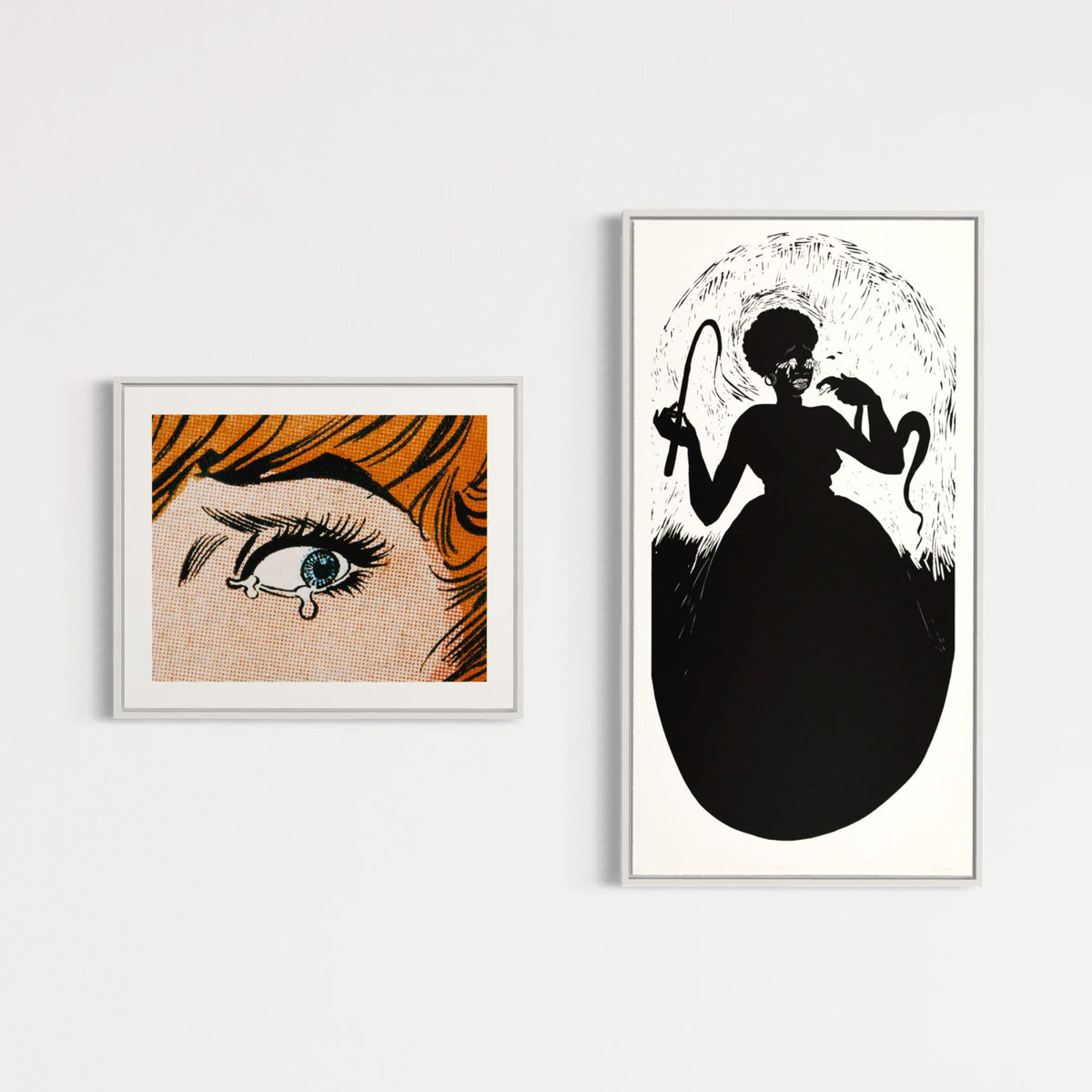
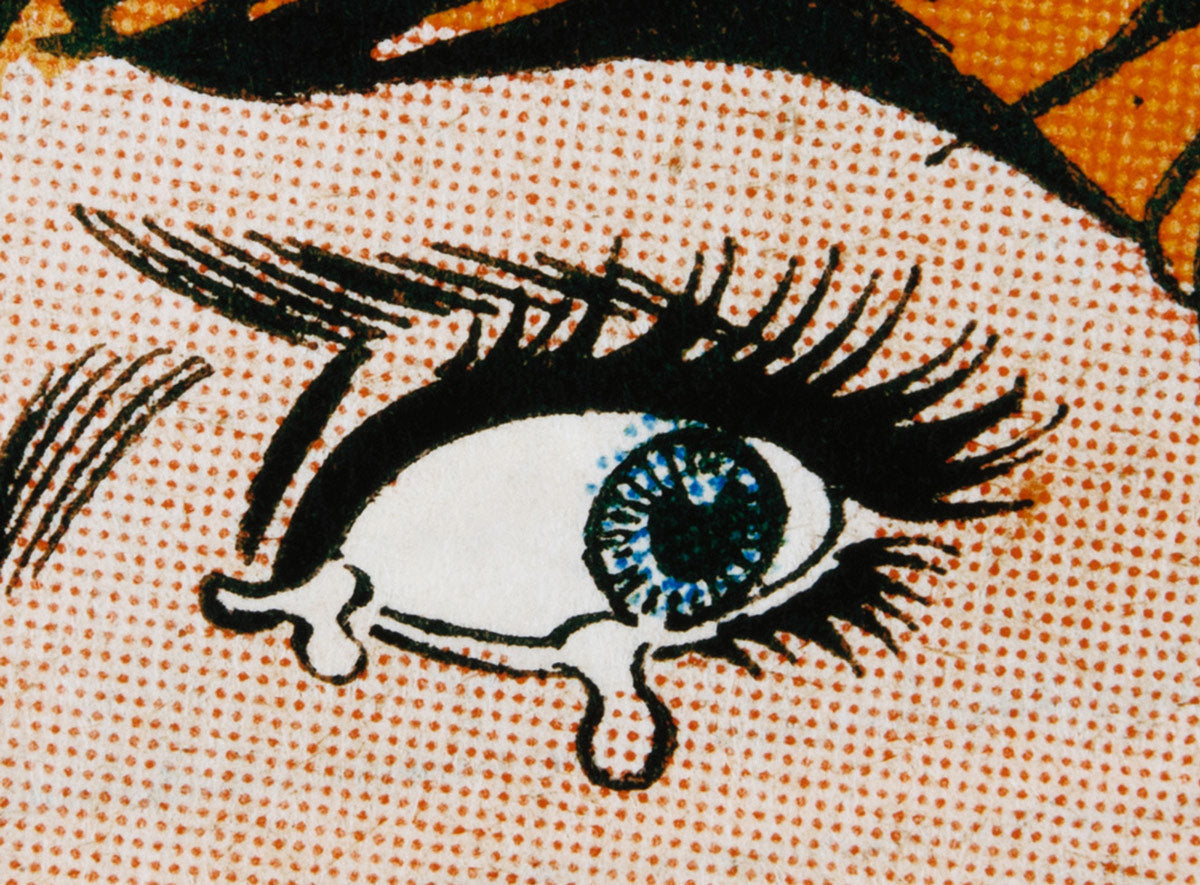
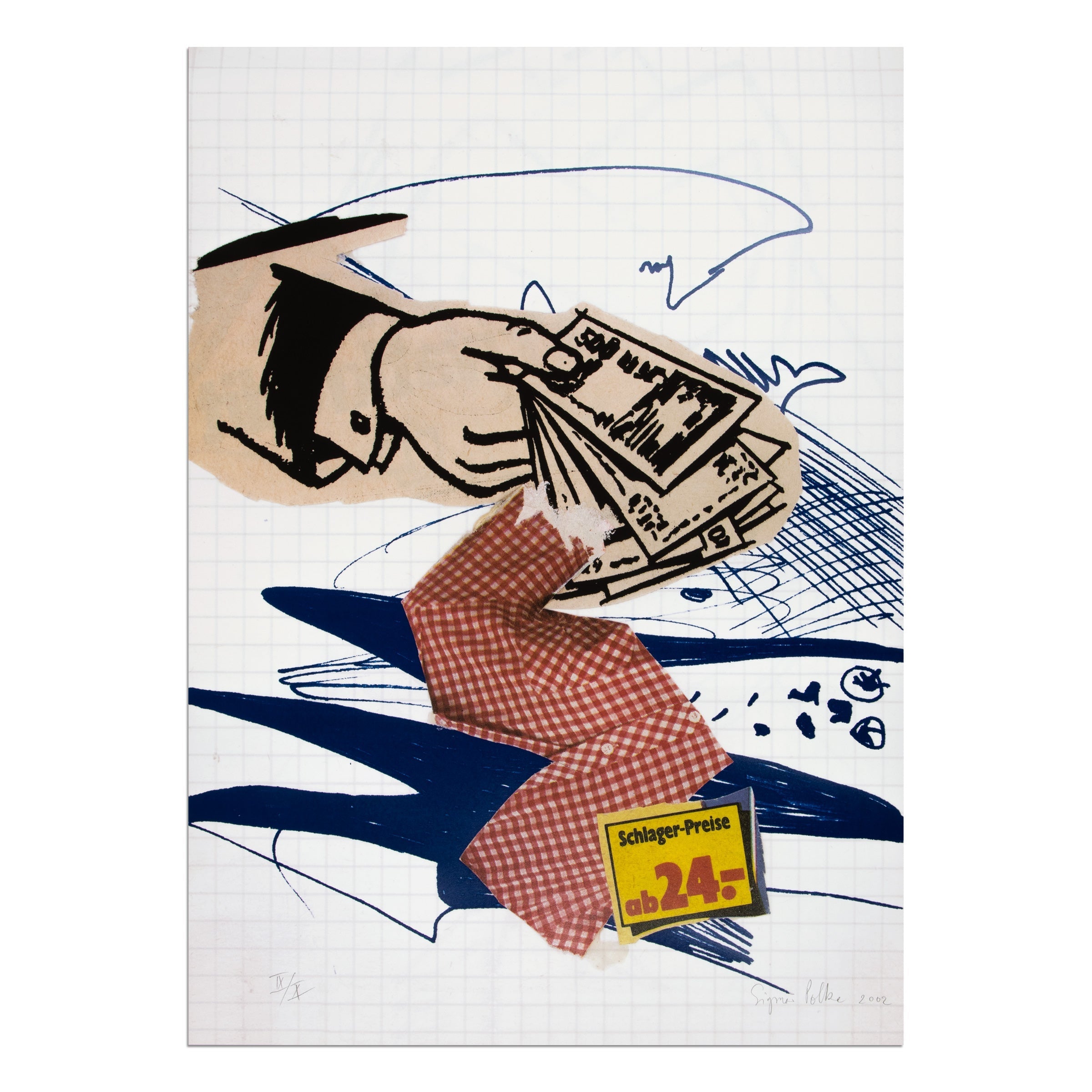
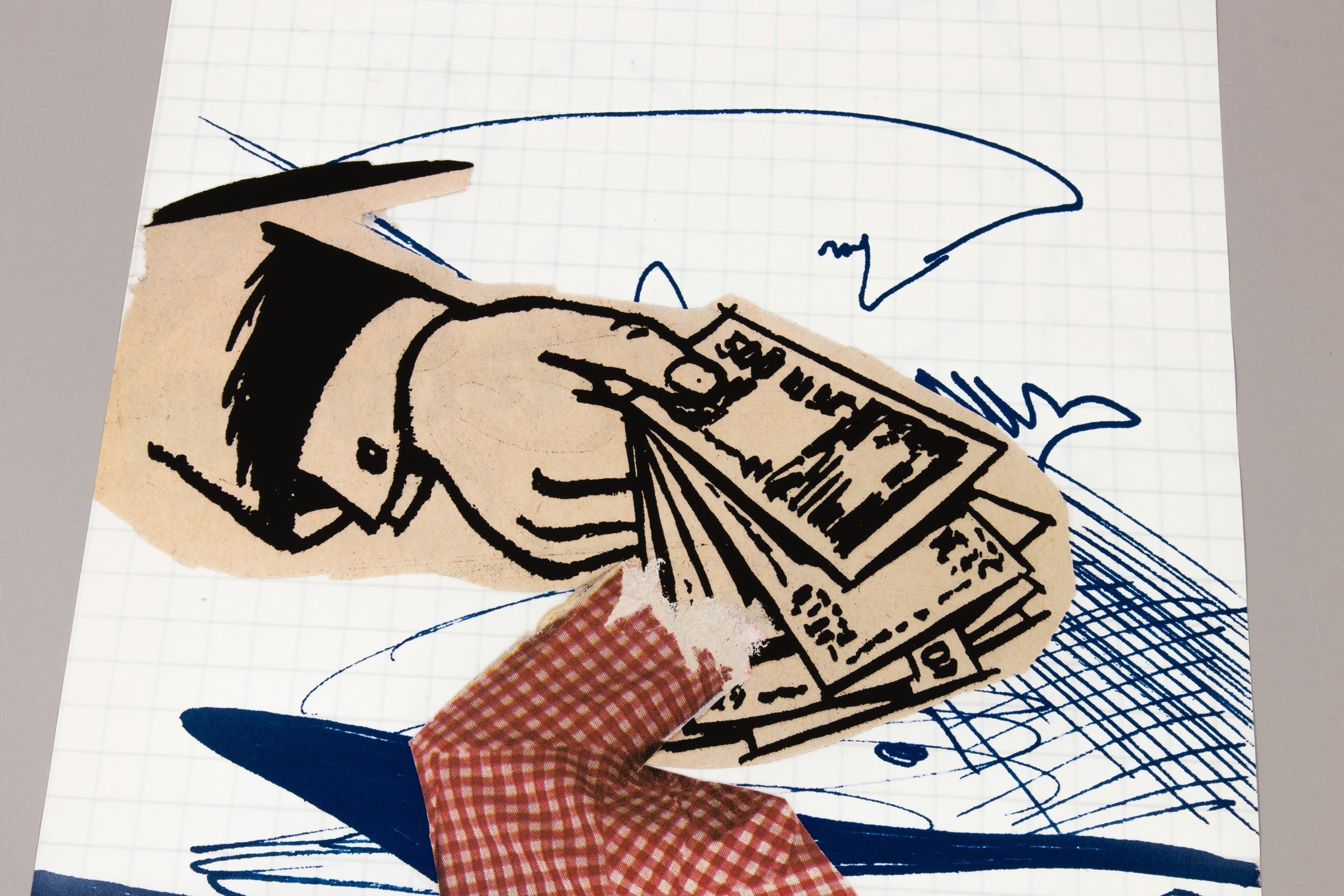
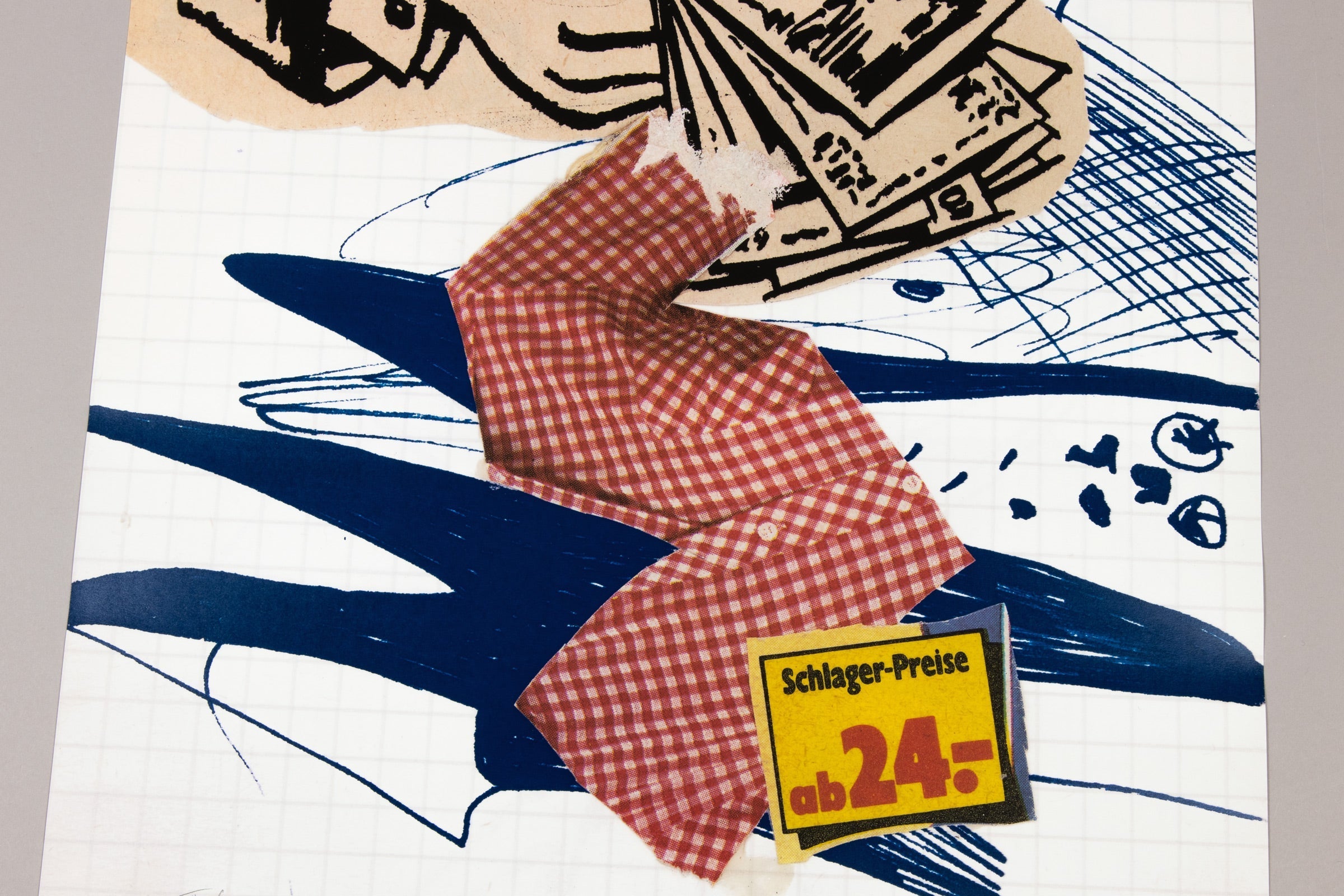
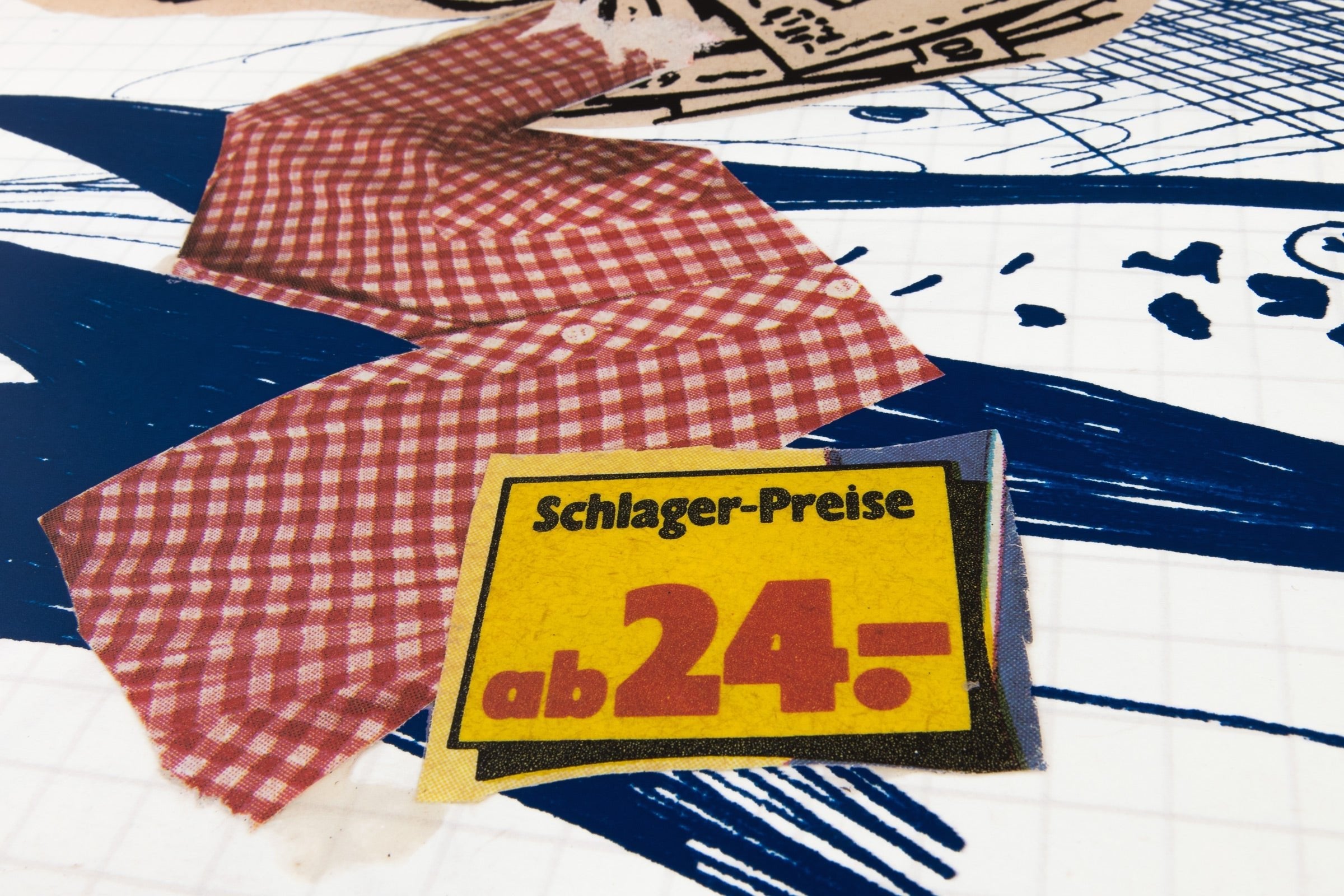
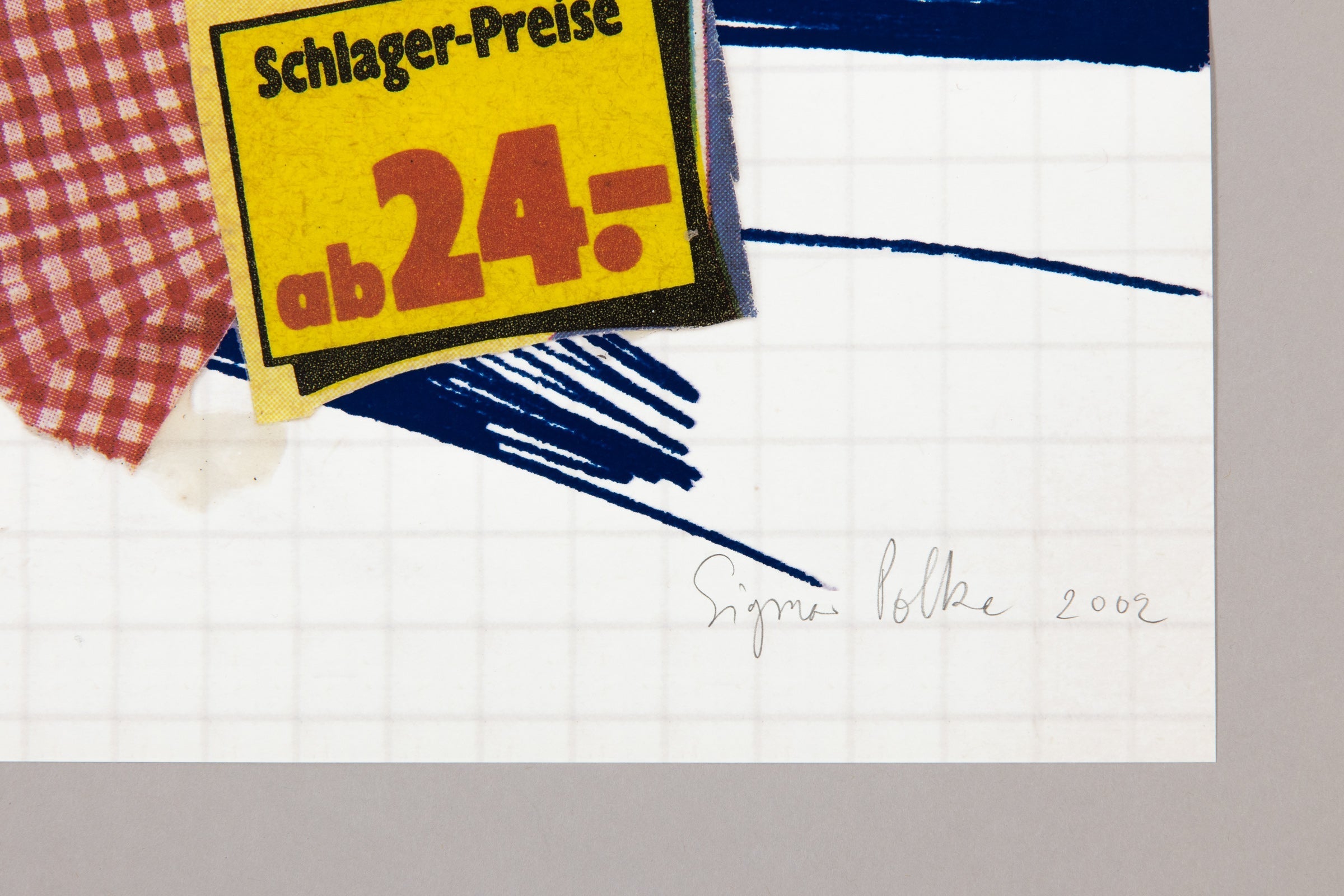
In the early 1960s, Polke co-founded Capitalist Realism with Gerhard Richter and Konrad Lueg, developing a sharp critique of consumer culture and postwar German society. Drawing on advertising, newspapers, and popular imagery, his artworks blurred the boundaries between high art and mass production. His signature raster-dot technique, inspired by mechanical printing processes, translated enlarged media images into paintings and art editions that questioned authorship, reproduction, and authenticity.
Throughout his career, Sigmar Polke continually reinvented his artistic language, producing complex artworks that combine irony, political commentary, and painterly experimentation. He participated in major international exhibitions, including documenta and the Venice Biennale, where he received the Golden Lion in 1986. Major retrospectives at institutions such as the Museum of Modern Art, Tate Modern, and Museum Ludwig confirm Polke’s lasting importance. Today, his artworks and prints hold a central position in museum collections and among collectors of museum-quality contemporary art editions.


