Arnulf Rainer

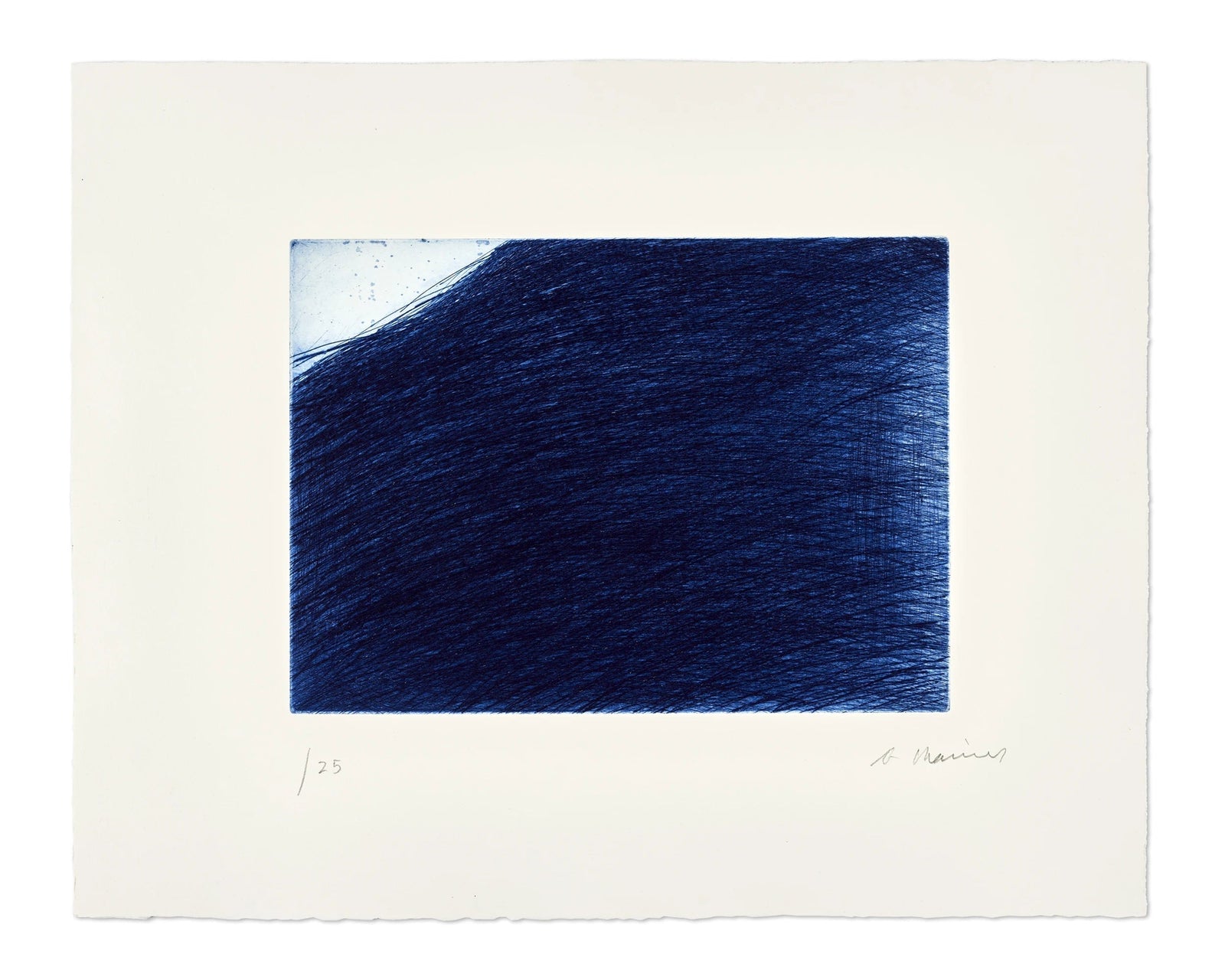
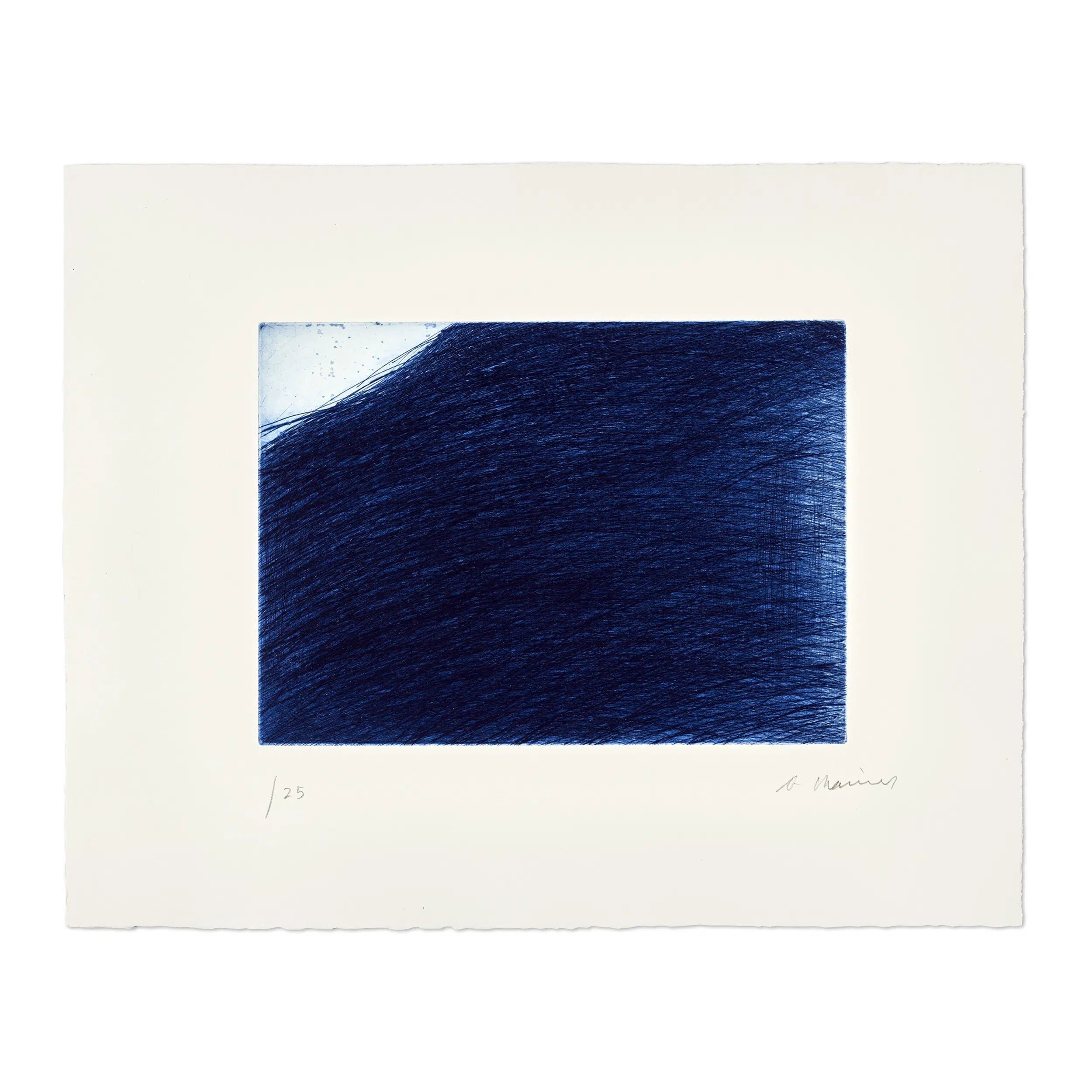
Arnulf Rainer - Mar Azul

Arnulf Rainer began painting over his own canvases in 1952 for the plainest possible reason: he couldn't afford new ones. What started as necessity became a lifelong method — overpainting existing images and photographs with dense brushwork, and, in his prints, achieving the same effect with a drypoint needle: scratching directly into the plate until an underlying image, often borrowed from another artist entirely, dissolved into a half-legible mist of incised lines. He died in December 2025 at 96, having spent seven decades treating destruction as a legitimate, even necessary, form of creation.

Browse signed Arnulf Rainer prints and editions now.

Available Prints & Editions

5 products

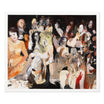
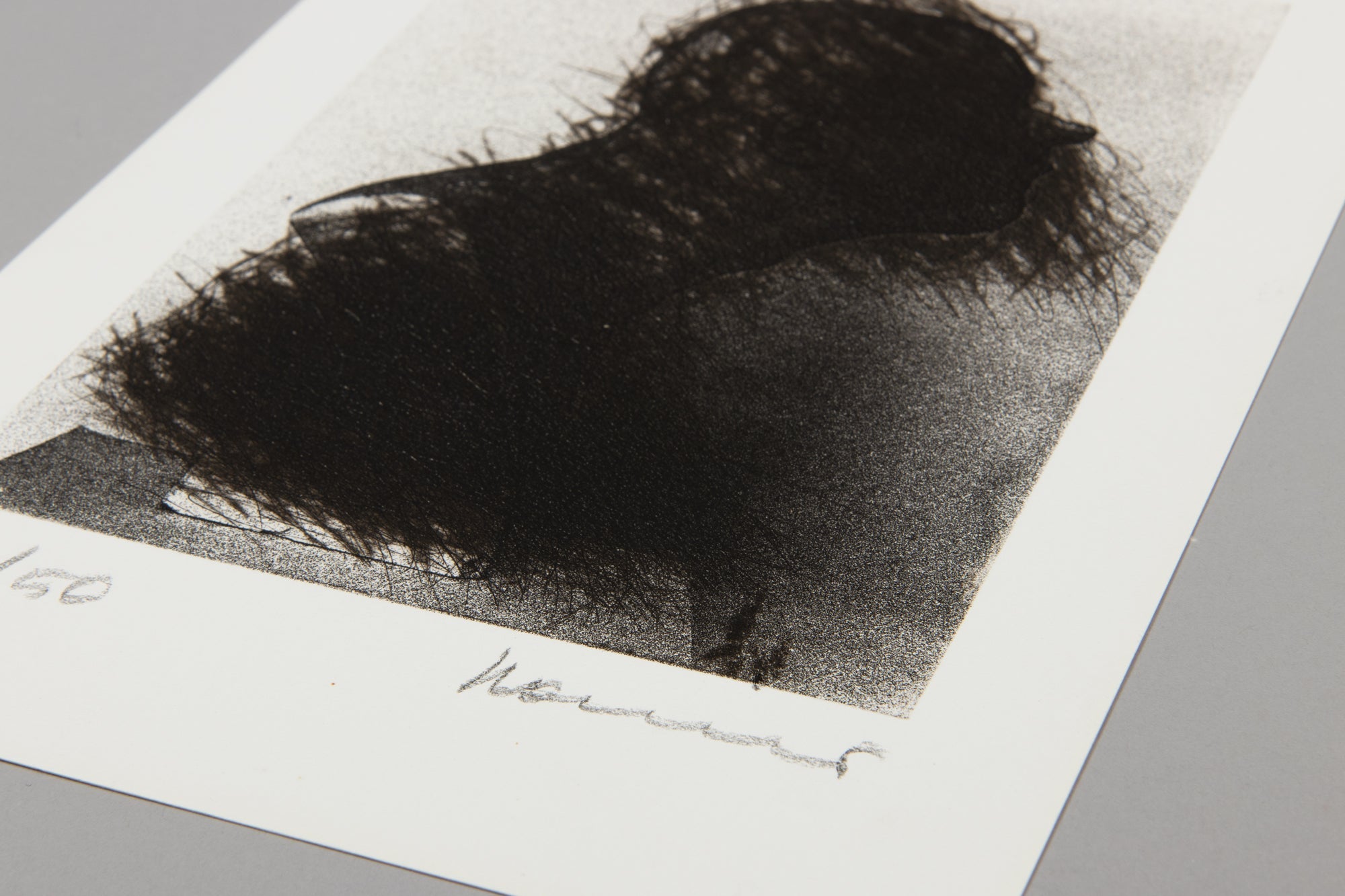
Arnulf Rainer – Hinterkopf
Arnulf Rainer – Hinterkopf Sale price€3.600,00
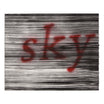
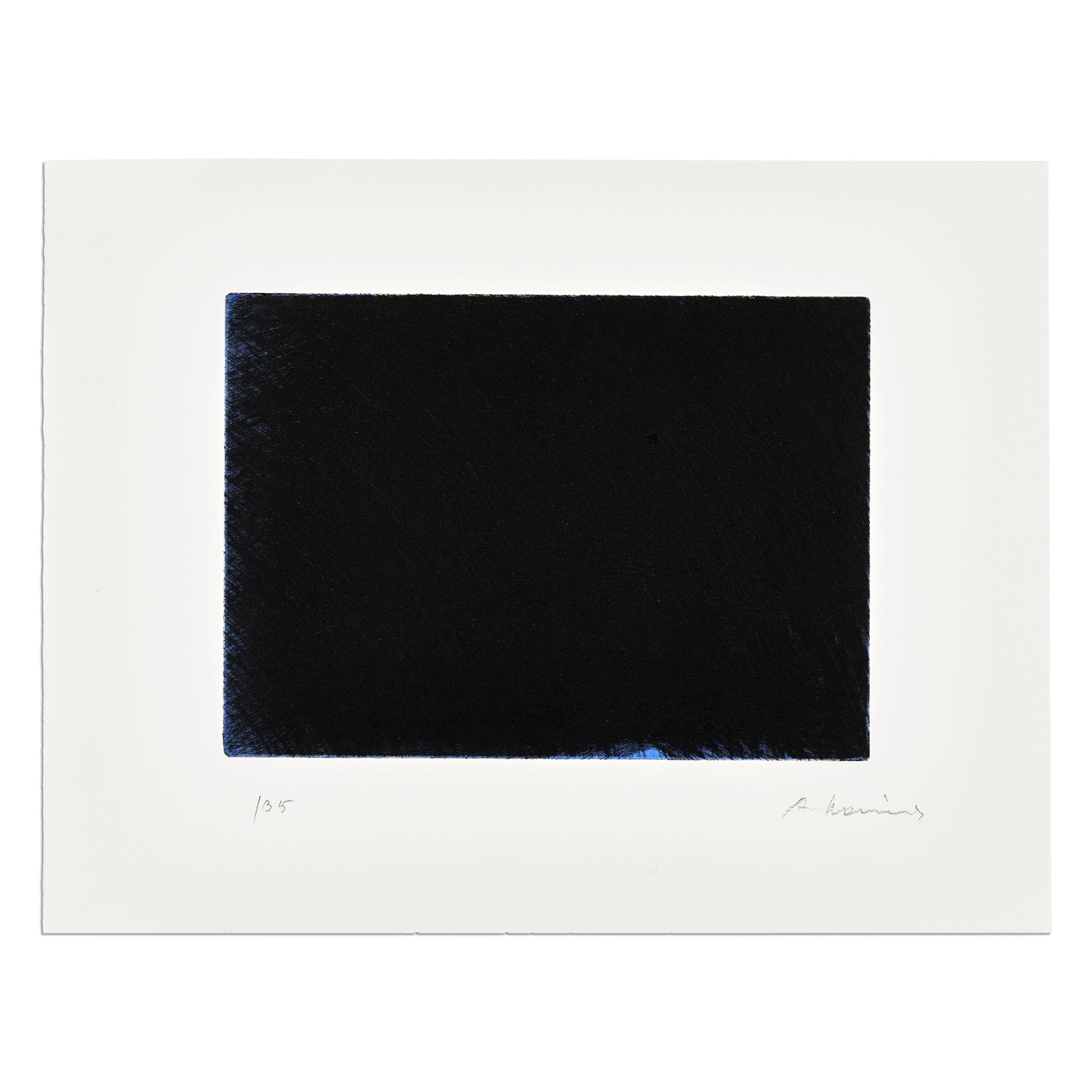
Arnulf Rainer – Das Blau der Nacht
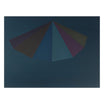
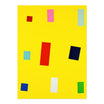
Arnulf Rainer – Mar Azul
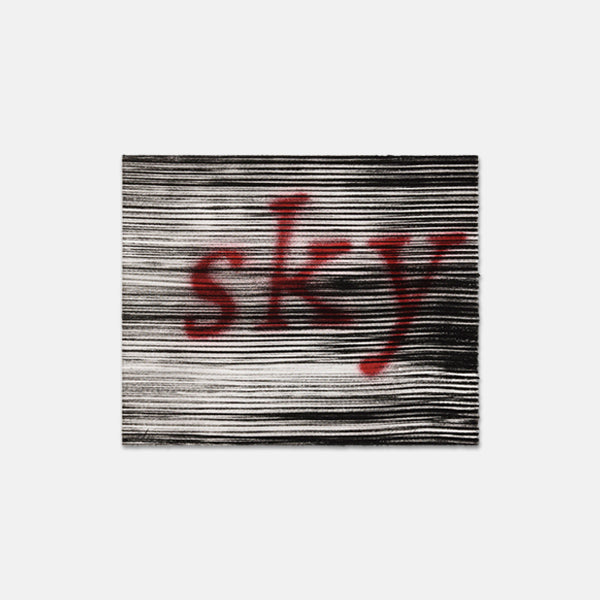
Arnulf Rainer – Mar Azul Sale price€3.900,00
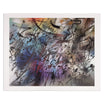
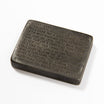
Arnulf Rainer - Drahtwolke
Arnulf Rainer - Drahtwolke Sale price€3.800,00
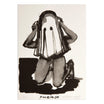
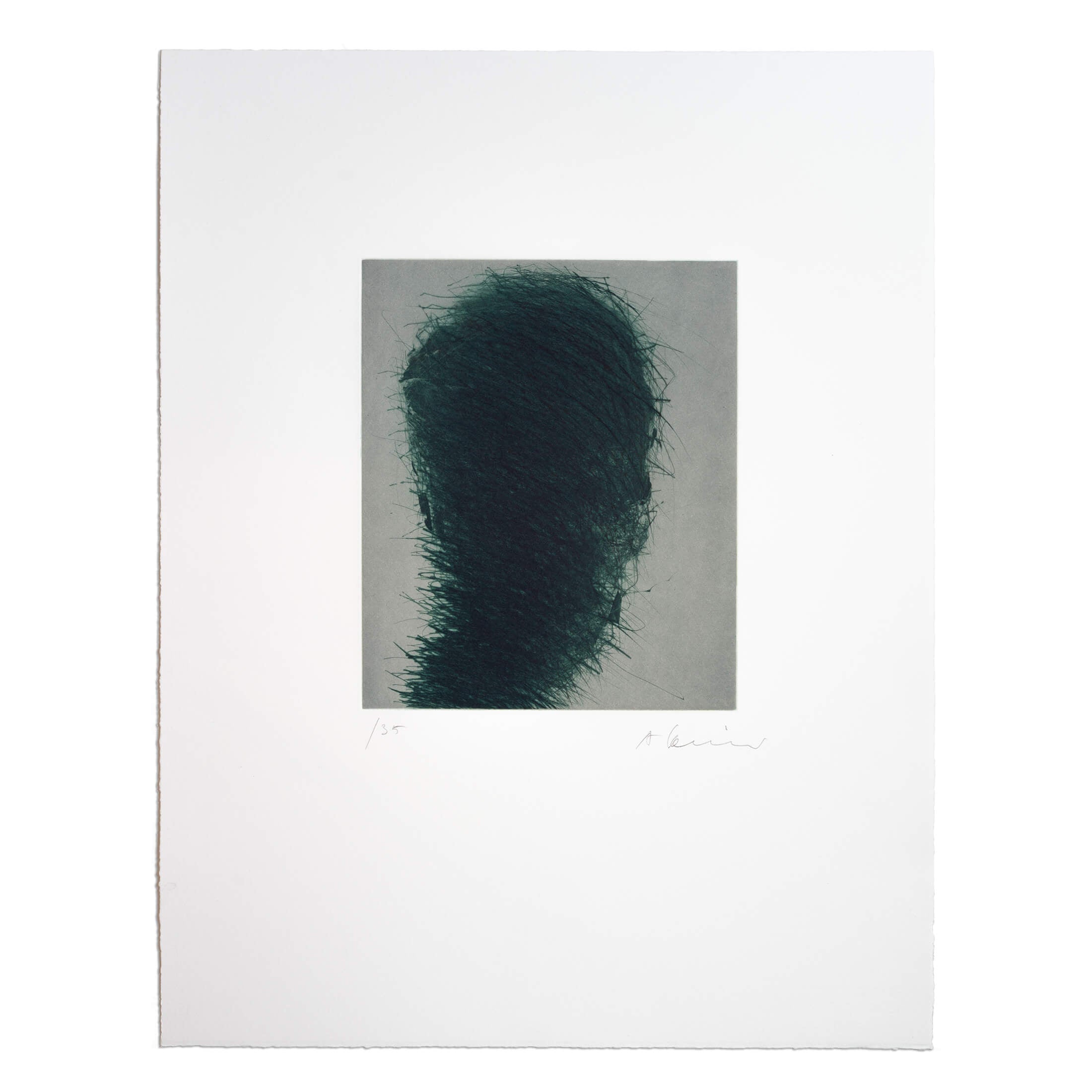
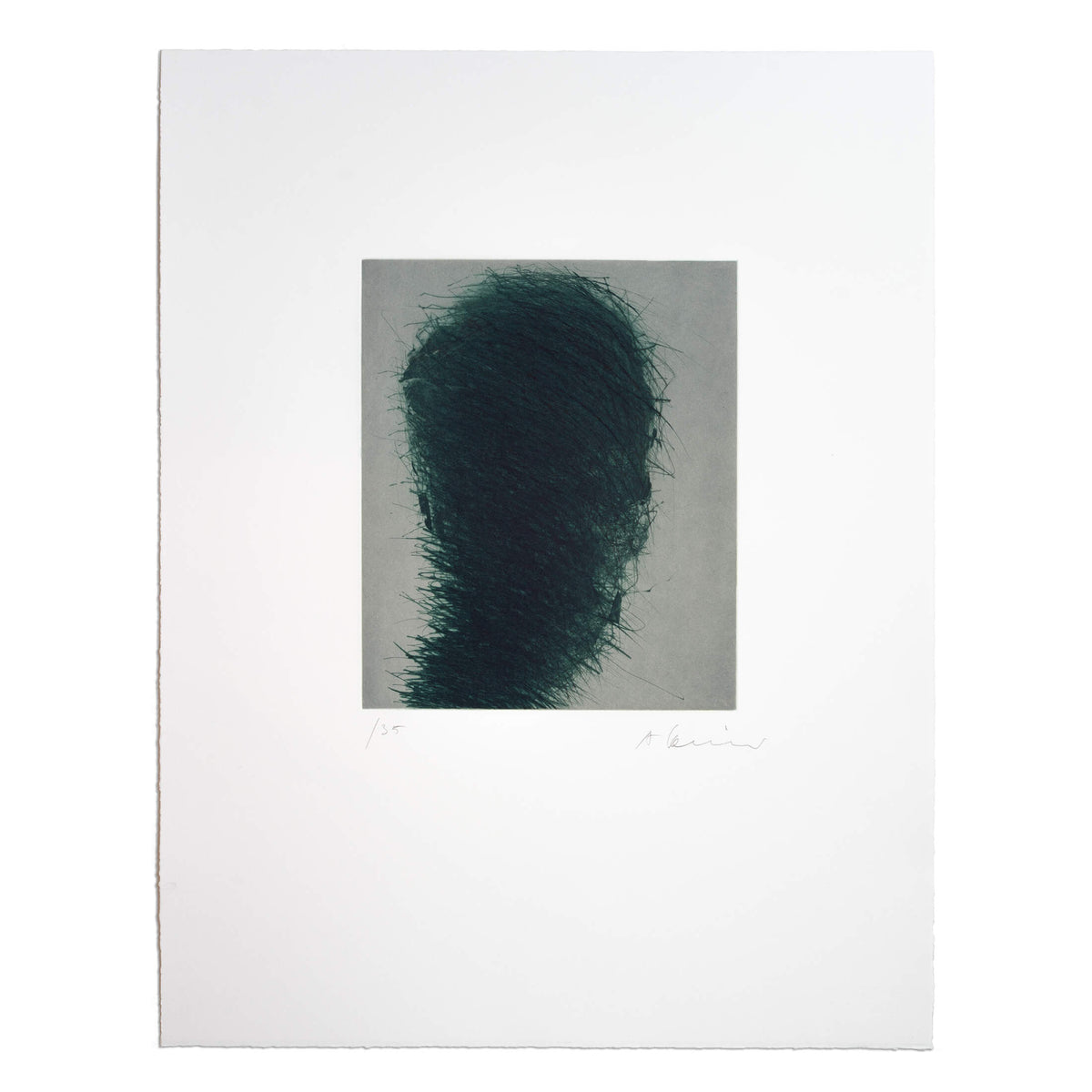
Arnulf Rainer - Büste im NebelArnulf Rainer - Büste im Nebel
Arnulf Rainer – Büste im Nebel Sale price€2.400,00
Arnulf Rainer - Büste im Nebel
01

Arnulf Rainer Biography

Arnulf Rainer (1929–2025) was born in Baden bei Wien, Austria, and studied architecture briefly before abandoning it for painting. Largely self-taught, he engaged early with Surrealism and, in 1950, co-founded the short-lived "Hundsgruppe" ("dog group") with fellow Austrian painters Ernst Fuchs, Arik Brauer, and Josef Mikl. A formative setback followed in 1951: travelling to Paris with fellow Austrian painter Maria Lassnig to meet André Breton — often nicknamed the "pope of Surrealism" for his authoritarian grip on the movement — Rainer found his drawings met with open boredom. The rejection pushed him toward something more radical than Surrealism could offer.

In 1952, working without money for new canvases, Rainer began painting directly over existing images — his own earlier work, reproductions, found photographs — layering them with gestural strokes until the original was partially or entirely obscured. He called the resulting practice Übermalung (overpainting), and it became his defining method for the rest of his career, alongside Maria Lassnig recognised as a founder of Austrian Informel painting. What began as practical necessity hardened into philosophy: Rainer described the work as meditations on "the extinction of expression, permanent covering, and contemplative tranquility" — destruction and creation treated as the same act.

From the late 1960s, Rainer turned the technique on himself. Face Farces (1968–75) took photo-booth self-portraits, contorted into grimaces, and overpainted them with the same violent gestural energy he applied to canvas; Body Poses extended the method to his own nude body in extreme, convulsive positions. Loosely associated with, though never formally part of, the Viennese Actionists, Rainer used his own face and body as the surface under attack.

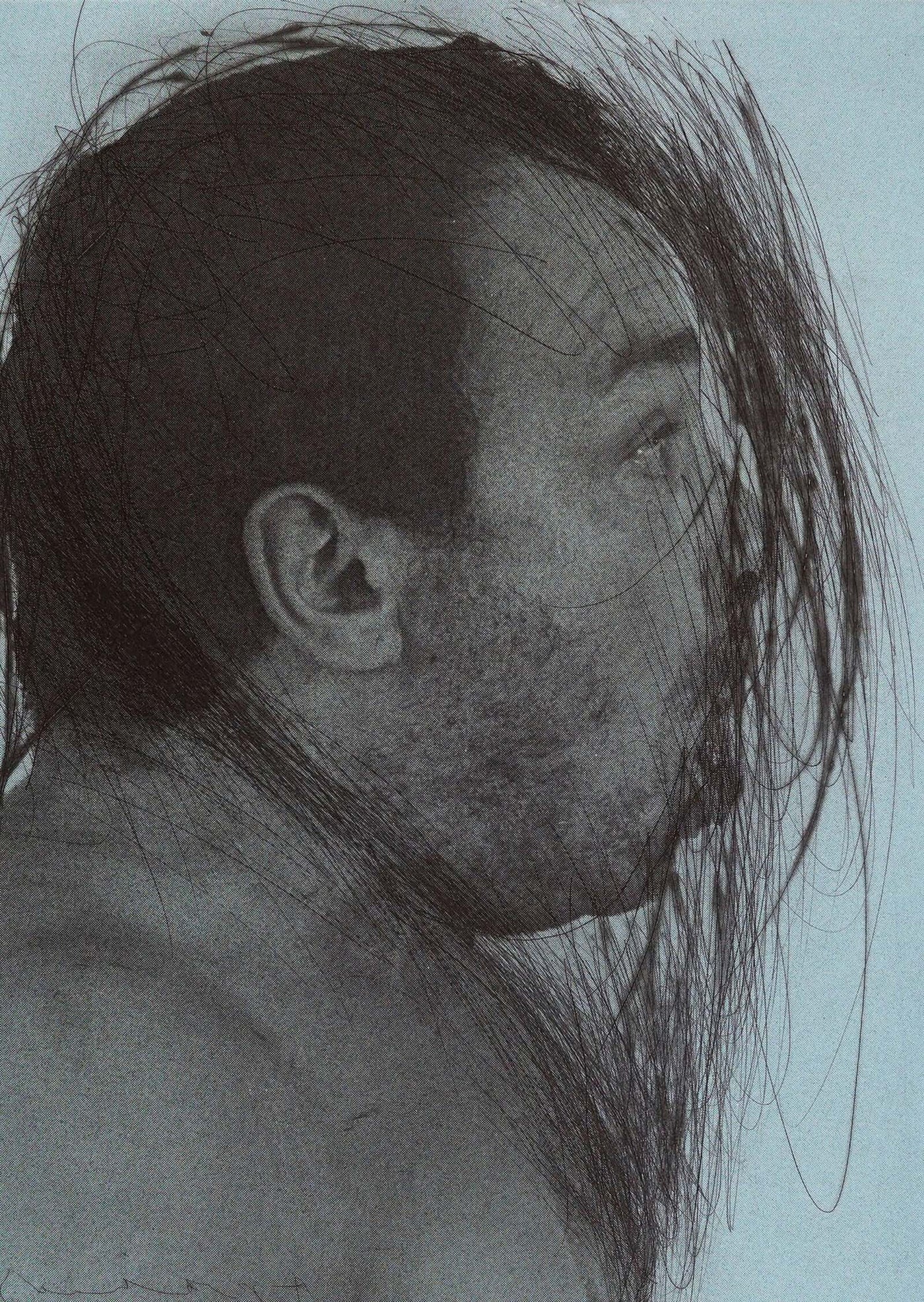
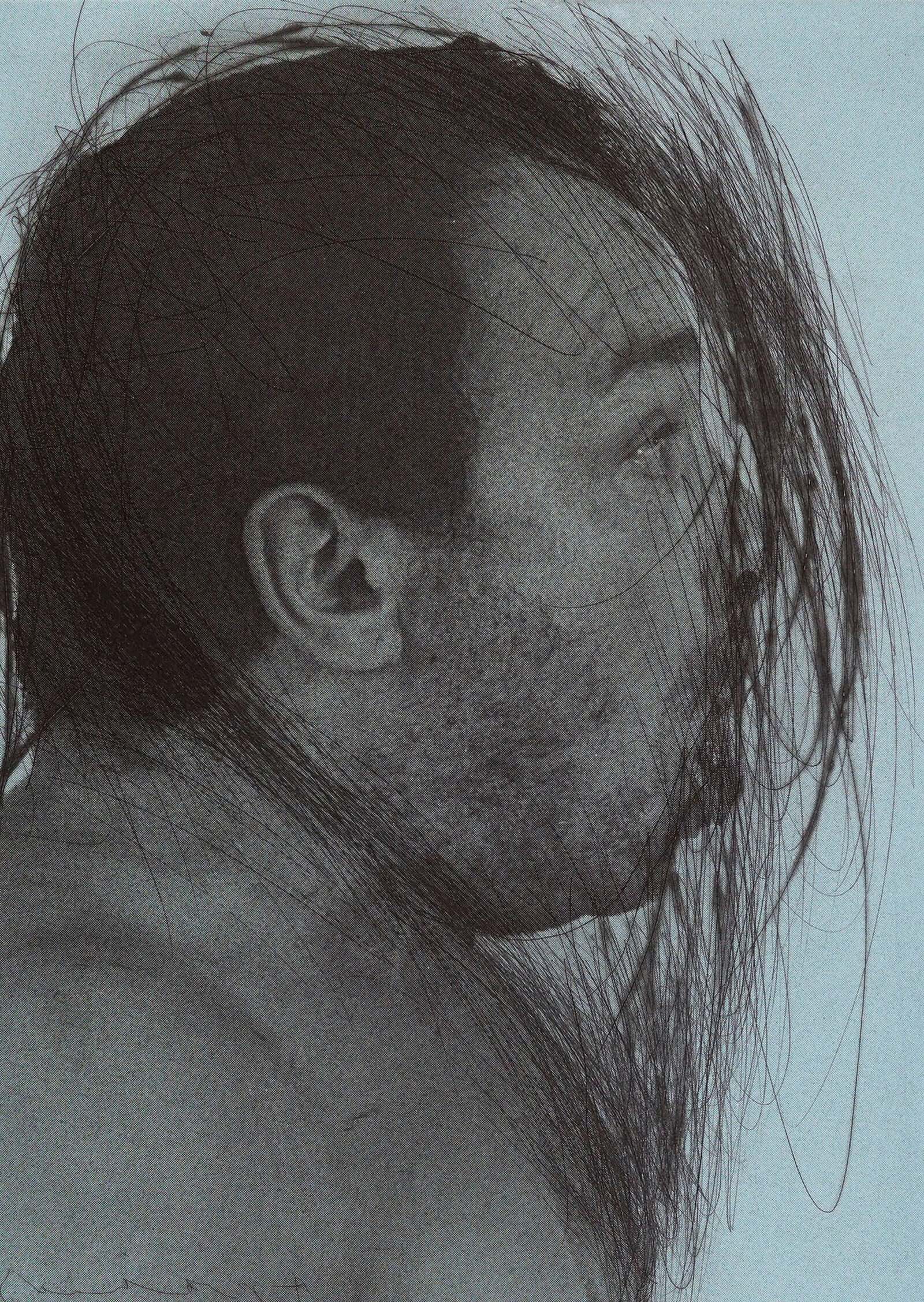
Between 1976 and 1977, he conducted what he called a series of "conversations" with the eighteenth-century sculptor Franz Xaver Messerschmidt, reworking photographs of Messerschmidt's Charakterköpfe — grimacing busts the sculptor had made in an attempt to catalogue every extreme human expression. Rather than applying paint, Rainer worked the drypoint needle directly into the printing plate, scratching and layering marks until the original grimace was only partially recoverable from the resulting mist of incised lines — the same obscuring logic as his overpaintings, translated into a technique specific to intaglio. From 1979, he turned to a darker subject still: photographs of death masks, both of known historical figures and anonymous deceased individuals, overpainted with the same intensity — an extended meditation on mortality that ran through much of his later career.

Despite, or perhaps because of, this sustained confrontation with erasure and death, institutional recognition followed steadily across seven decades. Rainer's first solo exhibition took place in 1955 at Vienna's Galerie St. Stephan; he went on to participate in documenta in Kassel in 1972, 1977, and 1982, represented Austria at the Venice Biennale in 1978, and designed the Austrian Pavilion for the 1984 edition. Major retrospectives followed at the Alte Pinakothek in Munich (2010) and the Albertina in Vienna (2014), alongside presentations at the Stedelijk Museum, the Guggenheim, and the Centre Pompidou. He served as Professor of Painting at the Academy of Fine Arts Vienna from 1981 to 1995, and in 2009 the Arnulf Rainer Museum opened in his hometown of Baden bei Wien, dedicated entirely to his work. He died on 18 December 2025 in Enzenkirchen, Austria, at the age of 96.

Arnulf Rainer: Artistic depiction of a person's head with detailed hair and facial features.
02

Famous Arnulf Rainer Artworks

Face Farces (1968–75), Rainer's series of overpainted photo-booth self-portraits, remains his most psychologically direct body of work — his own contorted, grimacing face attacked with the same gestural violence he applied to canvas.

The death mask series (from 1979) overpainted photographs of both famous and anonymous deceased individuals, extending his lifelong preoccupation with erasure into a direct confrontation with mortality itself.

Schwarze Übermalung auf Braun (1955/56), an early overpainting sold at Ketterer Kunst in 2023, reportedly came close to doubling his previous auction record — confirmation that his earliest, most foundational overpaintings remain among his most sought-after works.

Arnulf Rainer – Hinterkopf
03

Arnulf Rainer Prints & Editions

Rainer extended his overpainting method directly into printmaking, working in two related but distinct ways: etchings and lithographs reworked afterward with paint, in the manner of his canvases, and drypoints where the needle itself performed the obscuring — scratched directly into the plate over an existing photographic image until it dissolved into dense, layered incisions. Büste im Nebel (1977), reworking a photograph of a Messerschmidt sculpture this way, exemplifies the technique at its most precise: erasure achieved not through pigment, but through the accumulated weight of the needle's own marks.

His editions frequently echo major series, including works related to his crosses, death masks, and gestural abstractions, translating the same intensity onto paper at a more accessible scale.

Prices for Rainer's signed prints and editions vary considerably by technique and rarity, generally ranging from the low thousands for smaller etchings to the mid five figures for more significant, densely worked pieces — a broad range reflecting seven decades of genuinely varied production.

For collectors, Rainer's editions offer direct access to one of postwar Austria's most radical and philosophically serious practices. Works are held in the permanent collections of MoMA, Tate, and the Centre Pompidou.

01

Arnulf Rainer Biography

Arnulf Rainer (1929–2025) was born in Baden bei Wien, Austria, and studied architecture briefly before abandoning it for painting. Largely self-taught, he engaged early with Surrealism and, in 1950, co-founded the short-lived "Hundsgruppe" ("dog group") with fellow Austrian painters Ernst Fuchs, Arik Brauer, and Josef Mikl. A formative setback followed in 1951: travelling to Paris with fellow Austrian painter Maria Lassnig to meet André Breton — often nicknamed the "pope of Surrealism" for his authoritarian grip on the movement — Rainer found his drawings met with open boredom. The rejection pushed him toward something more radical than Surrealism could offer.

In 1952, working without money for new canvases, Rainer began painting directly over existing images — his own earlier work, reproductions, found photographs — layering them with gestural strokes until the original was partially or entirely obscured. He called the resulting practice Übermalung (overpainting), and it became his defining method for the rest of his career, alongside Maria Lassnig recognised as a founder of Austrian Informel painting. What began as practical necessity hardened into philosophy: Rainer described the work as meditations on "the extinction of expression, permanent covering, and contemplative tranquility" — destruction and creation treated as the same act.

From the late 1960s, Rainer turned the technique on himself. Face Farces (1968–75) took photo-booth self-portraits, contorted into grimaces, and overpainted them with the same violent gestural energy he applied to canvas; Body Poses extended the method to his own nude body in extreme, convulsive positions. Loosely associated with, though never formally part of, the Viennese Actionists, Rainer used his own face and body as the surface under attack.

Between 1976 and 1977, he conducted what he called a series of "conversations" with the eighteenth-century sculptor Franz Xaver Messerschmidt, reworking photographs of Messerschmidt's Charakterköpfe — grimacing busts the sculptor had made in an attempt to catalogue every extreme human expression. Rather than applying paint, Rainer worked the drypoint needle directly into the printing plate, scratching and layering marks until the original grimace was only partially recoverable from the resulting mist of incised lines — the same obscuring logic as his overpaintings, translated into a technique specific to intaglio. From 1979, he turned to a darker subject still: photographs of death masks, both of known historical figures and anonymous deceased individuals, overpainted with the same intensity — an extended meditation on mortality that ran through much of his later career.

Despite, or perhaps because of, this sustained confrontation with erasure and death, institutional recognition followed steadily across seven decades. Rainer's first solo exhibition took place in 1955 at Vienna's Galerie St. Stephan; he went on to participate in documenta in Kassel in 1972, 1977, and 1982, represented Austria at the Venice Biennale in 1978, and designed the Austrian Pavilion for the 1984 edition. Major retrospectives followed at the Alte Pinakothek in Munich (2010) and the Albertina in Vienna (2014), alongside presentations at the Stedelijk Museum, the Guggenheim, and the Centre Pompidou. He served as Professor of Painting at the Academy of Fine Arts Vienna from 1981 to 1995, and in 2009 the Arnulf Rainer Museum opened in his hometown of Baden bei Wien, dedicated entirely to his work. He died on 18 December 2025 in Enzenkirchen, Austria, at the age of 96.
02

Famous Arnulf Rainer Artworks

Face Farces (1968–75), Rainer's series of overpainted photo-booth self-portraits, remains his most psychologically direct body of work — his own contorted, grimacing face attacked with the same gestural violence he applied to canvas.

The death mask series (from 1979) overpainted photographs of both famous and anonymous deceased individuals, extending his lifelong preoccupation with erasure into a direct confrontation with mortality itself.

Schwarze Übermalung auf Braun (1955/56), an early overpainting sold at Ketterer Kunst in 2023, reportedly came close to doubling his previous auction record — confirmation that his earliest, most foundational overpaintings remain among his most sought-after works.

03

Arnulf Rainer Prints & Editions

Rainer extended his overpainting method directly into printmaking, working in two related but distinct ways: etchings and lithographs reworked afterward with paint, in the manner of his canvases, and drypoints where the needle itself performed the obscuring — scratched directly into the plate over an existing photographic image until it dissolved into dense, layered incisions. Büste im Nebel (1977), reworking a photograph of a Messerschmidt sculpture this way, exemplifies the technique at its most precise: erasure achieved not through pigment, but through the accumulated weight of the needle's own marks.

His editions frequently echo major series, including works related to his crosses, death masks, and gestural abstractions, translating the same intensity onto paper at a more accessible scale.

Prices for Rainer's signed prints and editions vary considerably by technique and rarity, generally ranging from the low thousands for smaller etchings to the mid five figures for more significant, densely worked pieces — a broad range reflecting seven decades of genuinely varied production.

For collectors, Rainer's editions offer direct access to one of postwar Austria's most radical and philosophically serious practices. Works are held in the permanent collections of MoMA, Tate, and the Centre Pompidou.

Arnulf Rainer - Büste im NebelArnulf Rainer: Artistic depiction of a person's head with detailed hair and facial features.Arnulf Rainer – Hinterkopf

Arnulf Rainer: Key Questions

Collecting Arnulf Rainer?

Looking for a specific artwork or have a question about an edition? We're happy to advise on availability, pricing, condition, and provenance — and to source artworks beyond our current selection.

Contact us

Prints, Photographs & Multiples

View our full collection of

Prints, Photographs & Multiples

Explore editions