



Louise Bourgeois

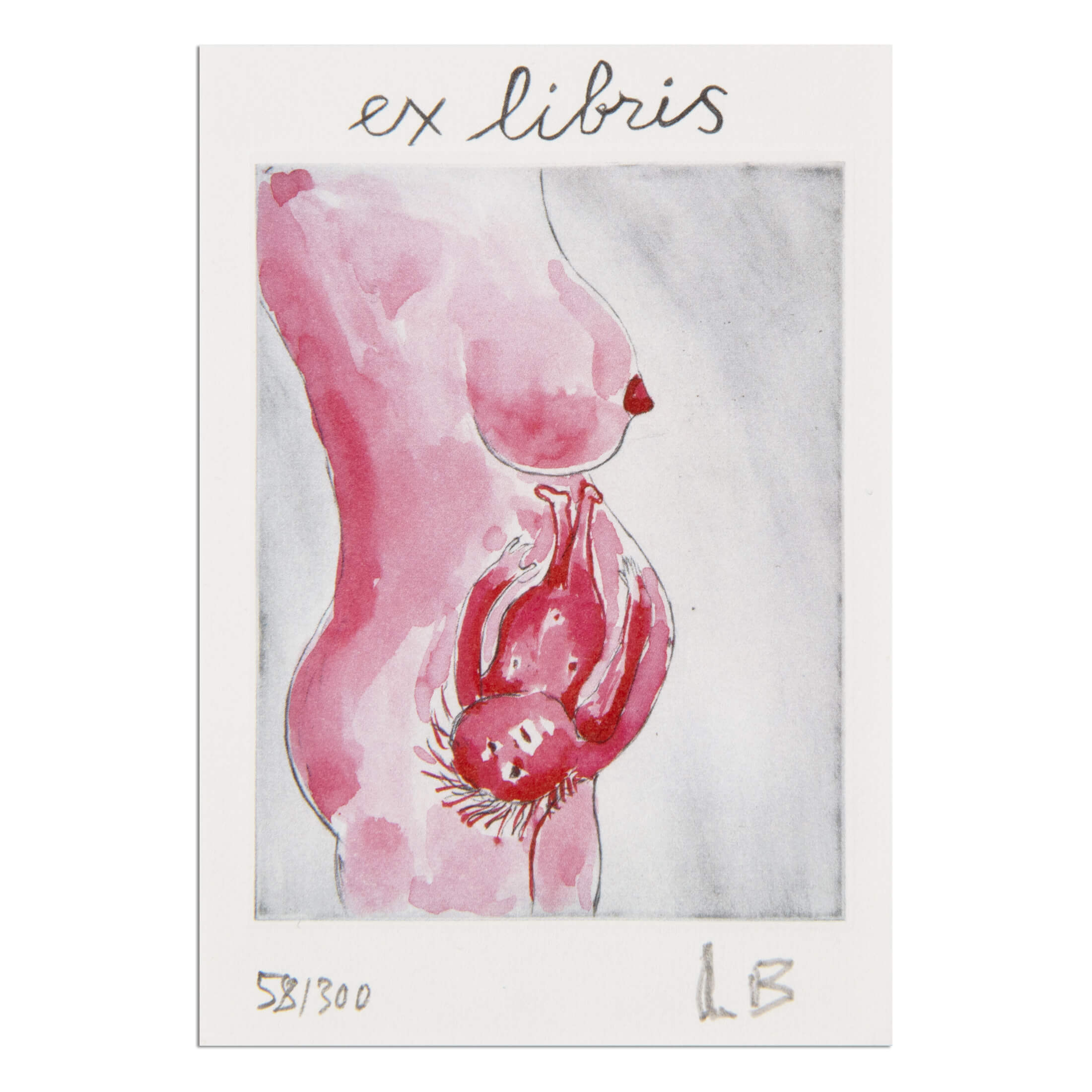
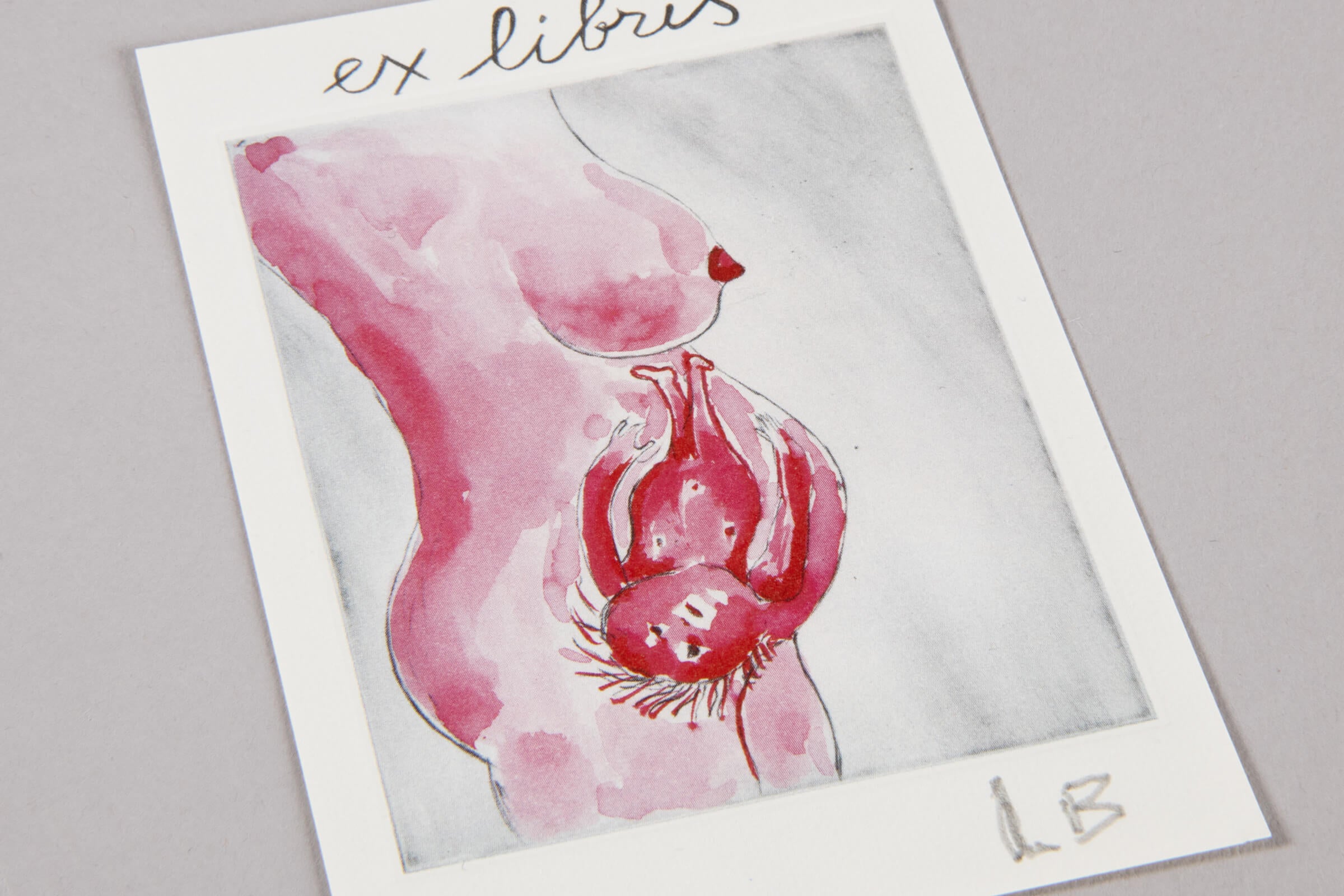
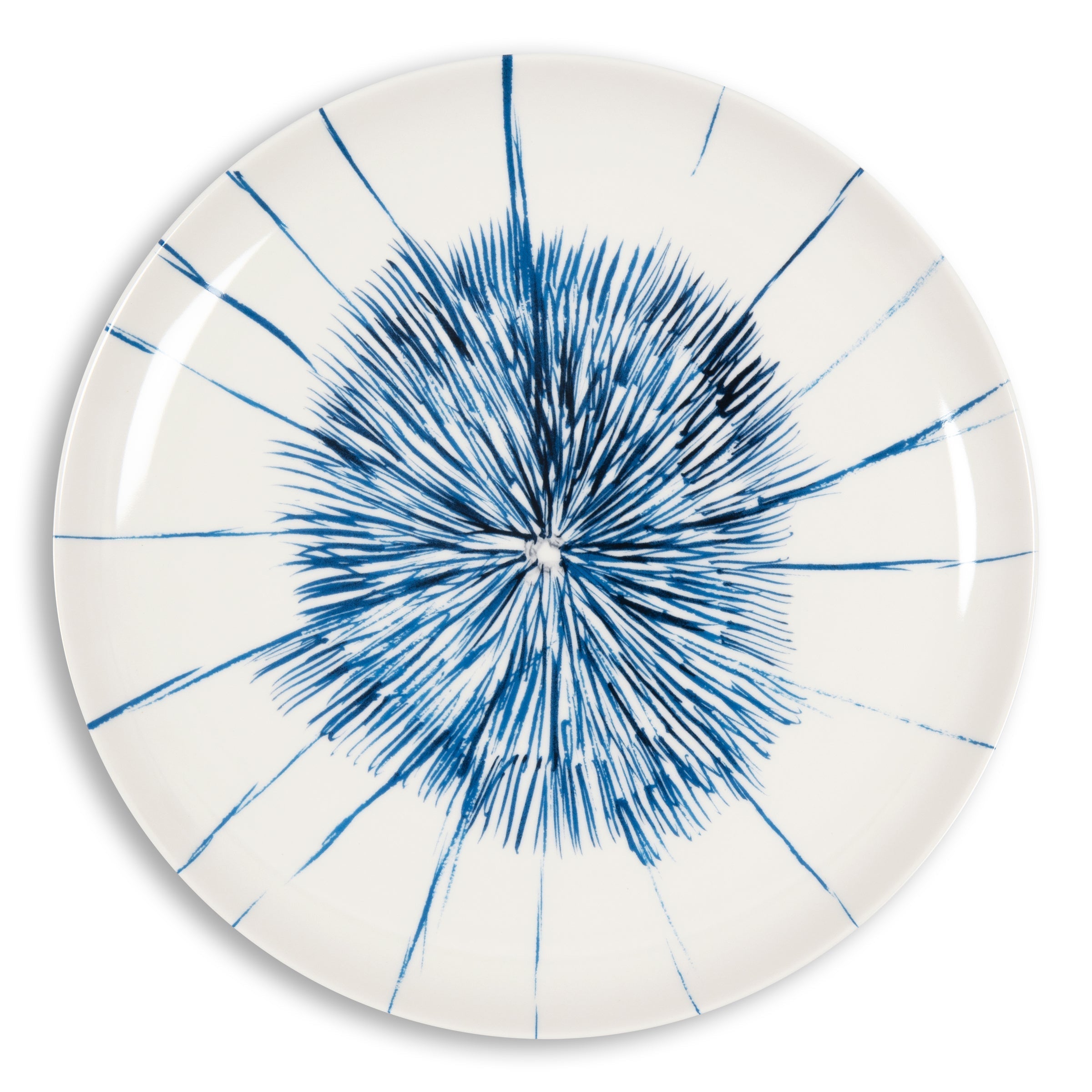
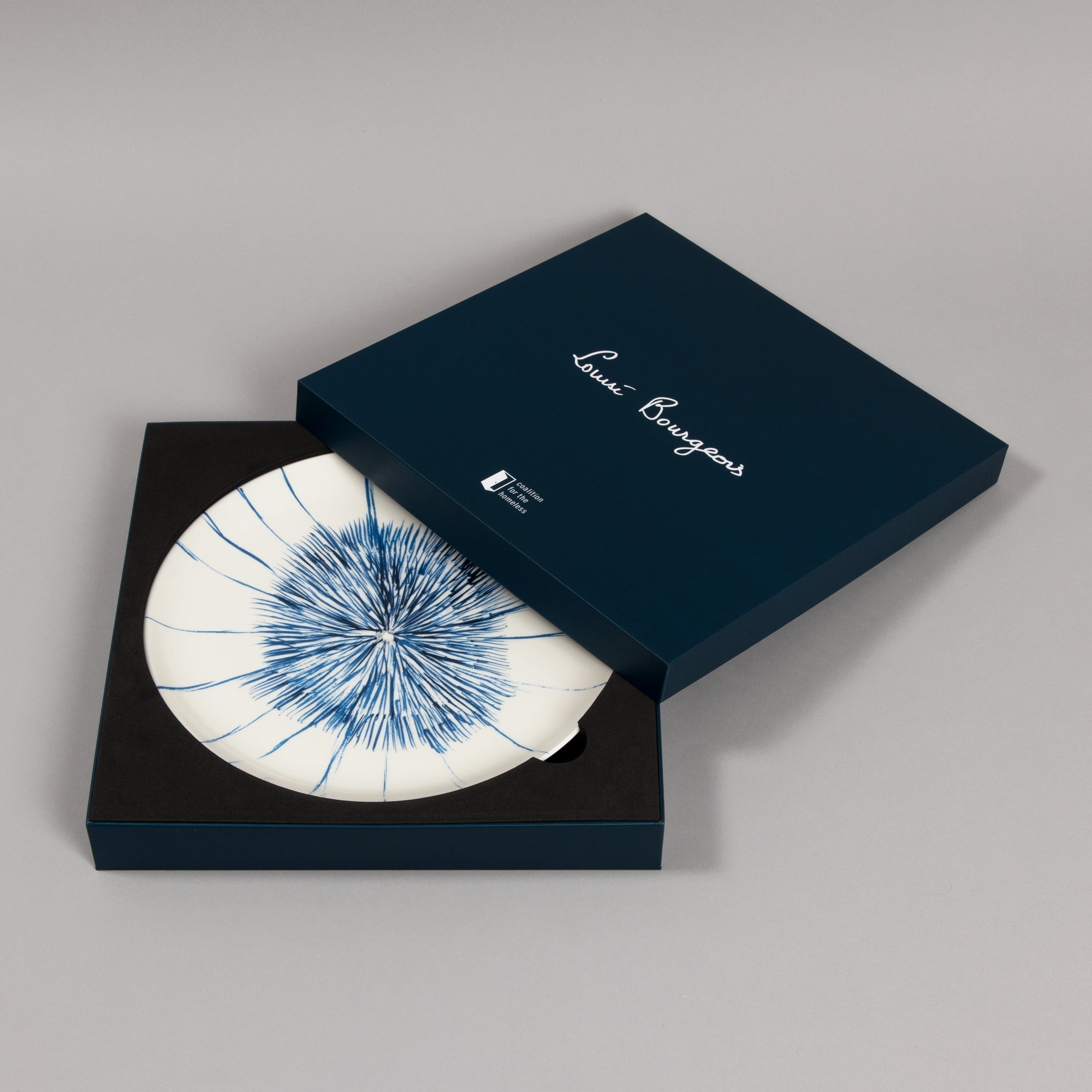
Louise Bourgeois prints and editions for sale.
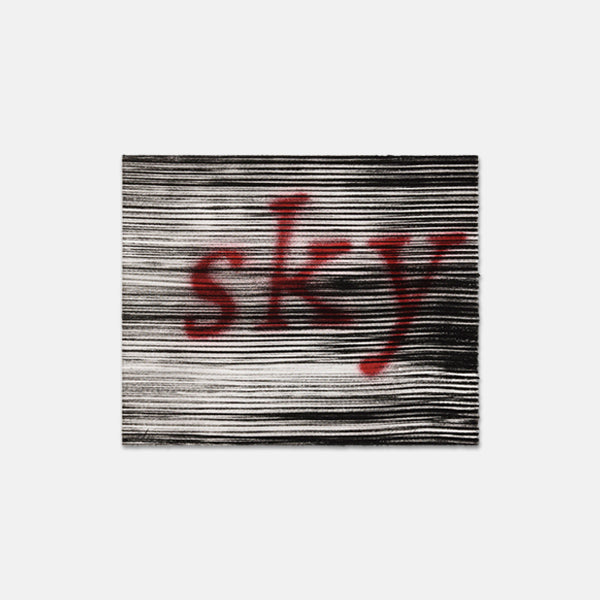
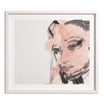
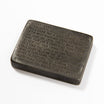
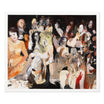
Louise Bourgeois spent seven decades turning autobiography into artwork — fear, motherhood, the body in fragments, rendered across sculpture and fabric with unflinching precision. Her signed prints and editions carry that same psychological charge, often fusing handwritten text with image: confession treated as material, language as another texture to cut into and repeat. Recognition arrived late — her 1982 MoMA retrospective was the museum's first ever dedicated to a woman artist — but her artworks have since entered the collections of Tate and the Centre Pompidou alongside the sculpture that made her famous.
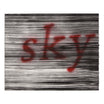
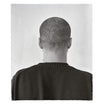
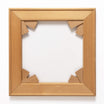
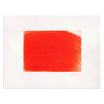
Available Prints & Editions
4 products

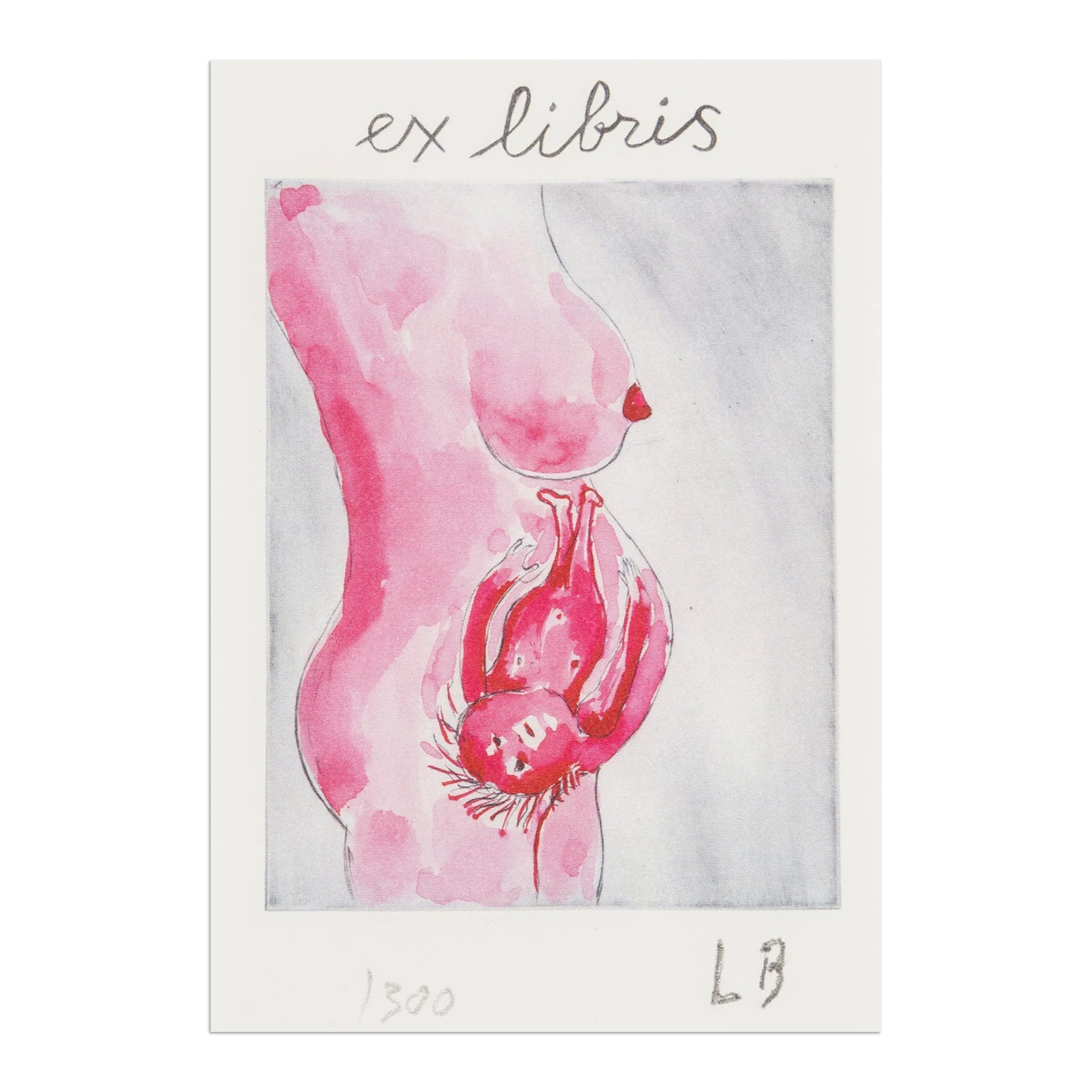
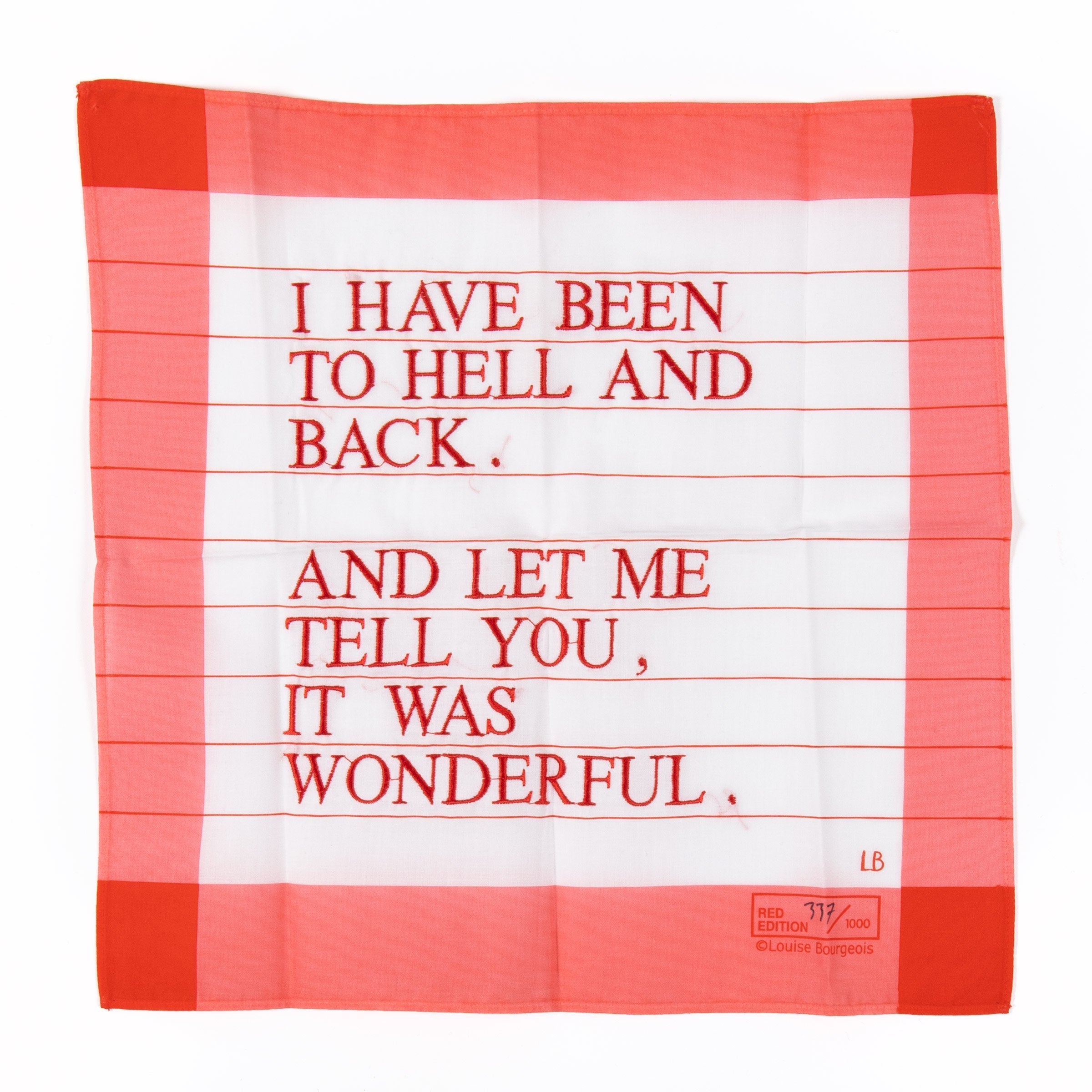
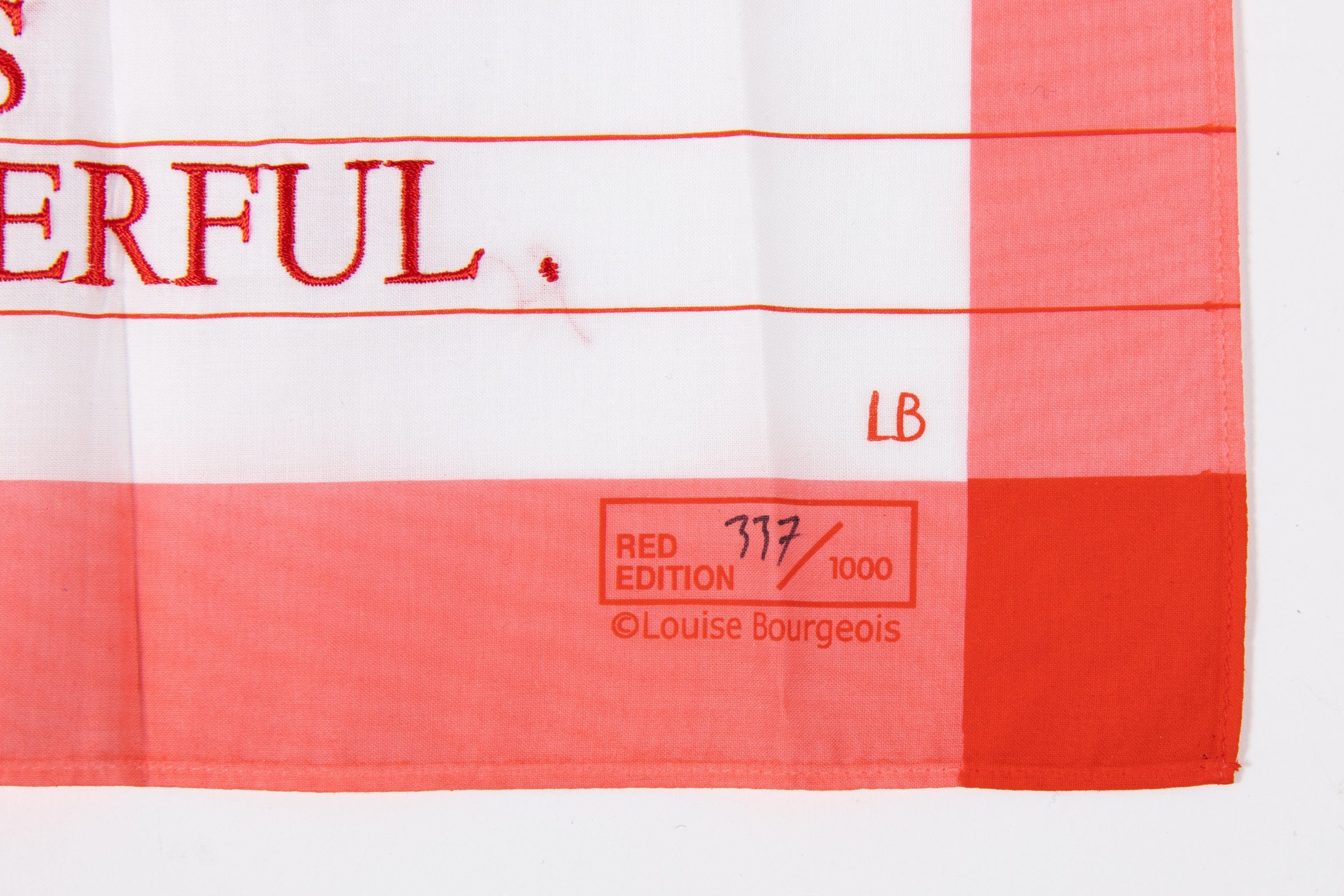

Louise Bourgeois Biography

Famous Louise Bourgeois Artworks

Louise Bourgeois Prints & Editions

Louise Bourgeois: Key Questions
Collecting Louise Bourgeois?
Looking for a specific artwork or have a question about an edition? We're happy to advise on availability, pricing, condition, and provenance — and to source artworks beyond our current selection.
What is Louise Bourgeois known for?
Why did Louise Bourgeois make spider sculptures?
What was Louise Bourgeois's Destruction of the Father about?
Why did Louise Bourgeois's recognition arrive so late in her career?
How much do Louise Bourgeois artworks sell for?


