









About Santiago Sierra
Santiago Sierra (b. 1966, Madrid) is a Spanish conceptual artist whose installations, performances, and photographs examine labour, borders, and economic inequality. He studied Fine Arts at the Complutense University in Madrid and completed his training in Hamburg as a guest of the Hochschule für bildende Künste. He then worked for many years in Mexico (from 1995) and later in Italy, before returning to Spain.
Sierra is known for projects that put the economics of art on display. He pays people to carry out tasks, often menial or degrading, and states what they were paid, so that the exchange of money for labour becomes the work itself. At the 2003 Venice Biennale he represented Spain by sealing the entrance of the national pavilion and admitting only visitors who could show Spanish passports, a direct comment on national pride at the Biennale. In 2006 he created 245 cubic metres, a gas chamber installed in a former synagogue in Pulheim, Germany, which drew wide controversy. In 2015 and 2016 he organised the placing of black anarchist flags at the North and South Poles.
He is equally outspoken about the art system he works within. In 2010 he was awarded Spain's National Award for Plastic Arts and publicly refused it, citing the state's "contempt for the mandate to work for the common good."
His work has been shown at institutions including Tate Modern in London, KW Institute for Contemporary Art in Berlin, Palais de Tokyo in Paris, the Irish Museum of Modern Art in Dublin, and P.S.1 in New York. In 2012, the Reykjavik Art Museum presented Films and Works, the first showing of his complete body of films and video documentation.
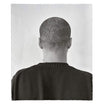
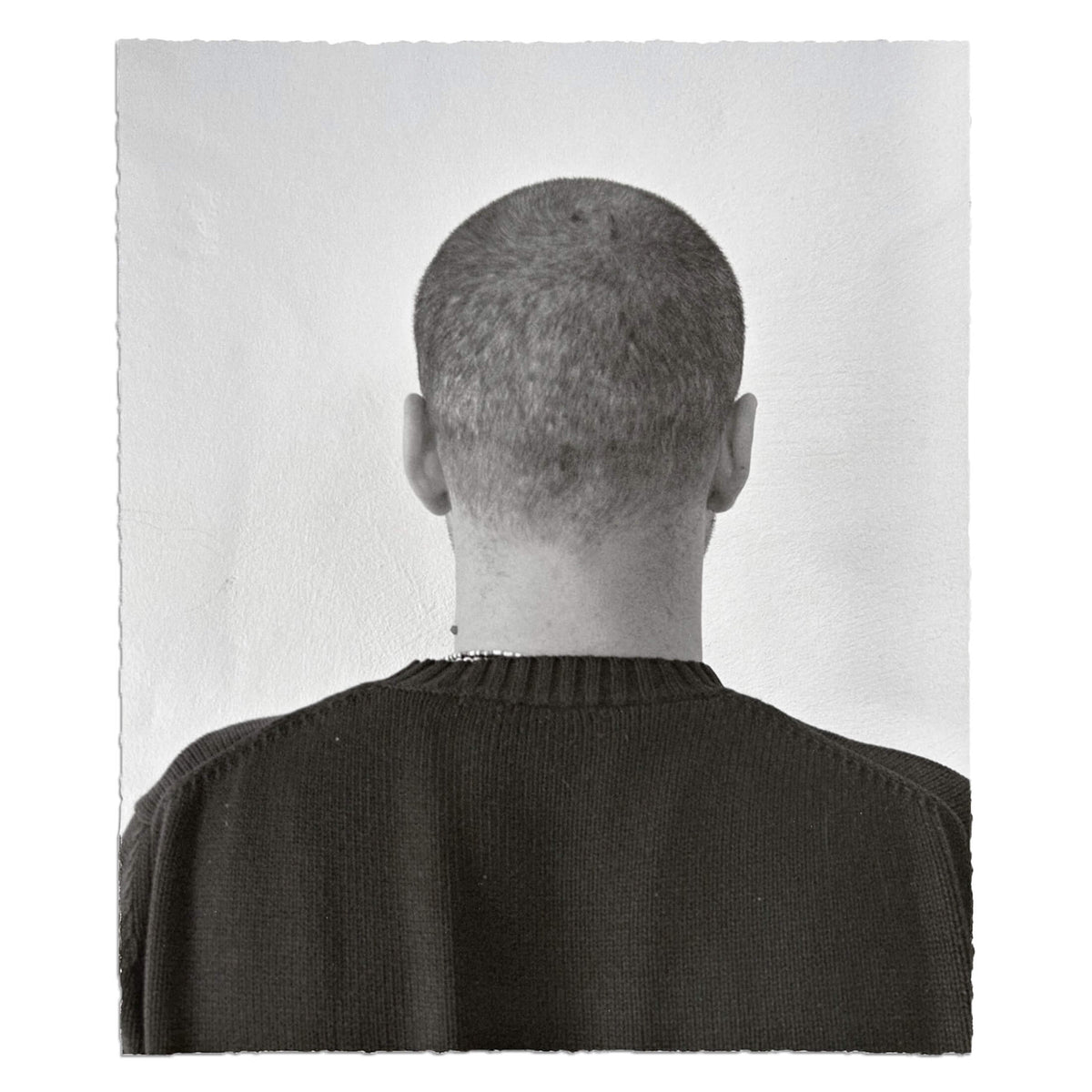
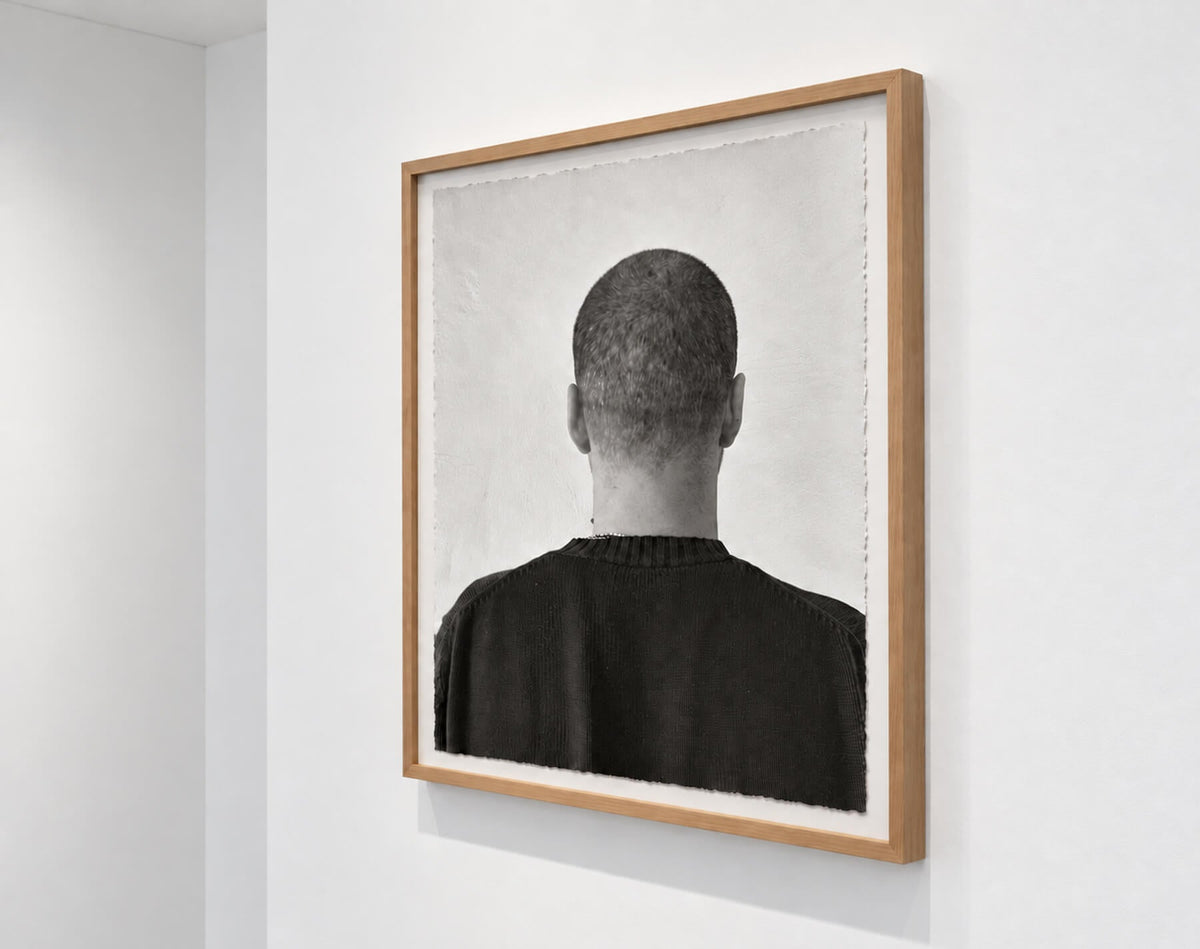
Sierra's interest in who is seen and who stays hidden also runs through his photographs and editions, where faces are withheld or anonymised, as in his Self-Portrait (2006/2024), a view of the artist from behind.


