






About Richard Serra
Richard Serra was an American sculptor known for his large-scale abstract steel sculptures, whose substantial presence forces viewers to engage with the physical qualities of the works and their particular sites. Born in San Francisco to a working-class family—his father worked as a pipe fitter in the shipbuilding industry—Serra's early immersion in industrial processes profoundly shaped his artistic practice. During his college years at the University of California, Santa Barbara, he worked in steel mills, a formative experience that would define his career. After earning an MFA from Yale University in 1964, Serra relocated to New York in 1966, where he emerged as a central figure in postminimalist sculpture.
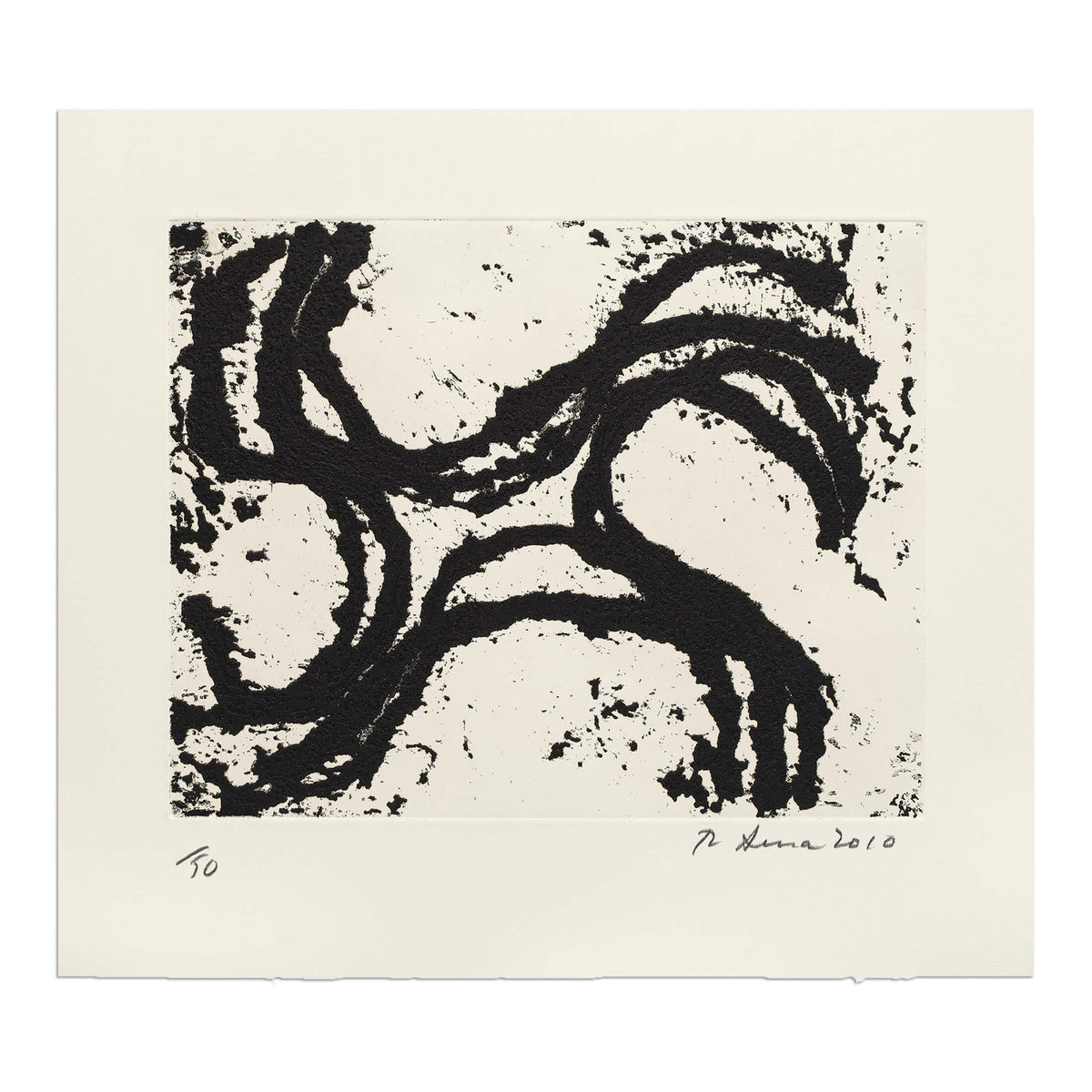
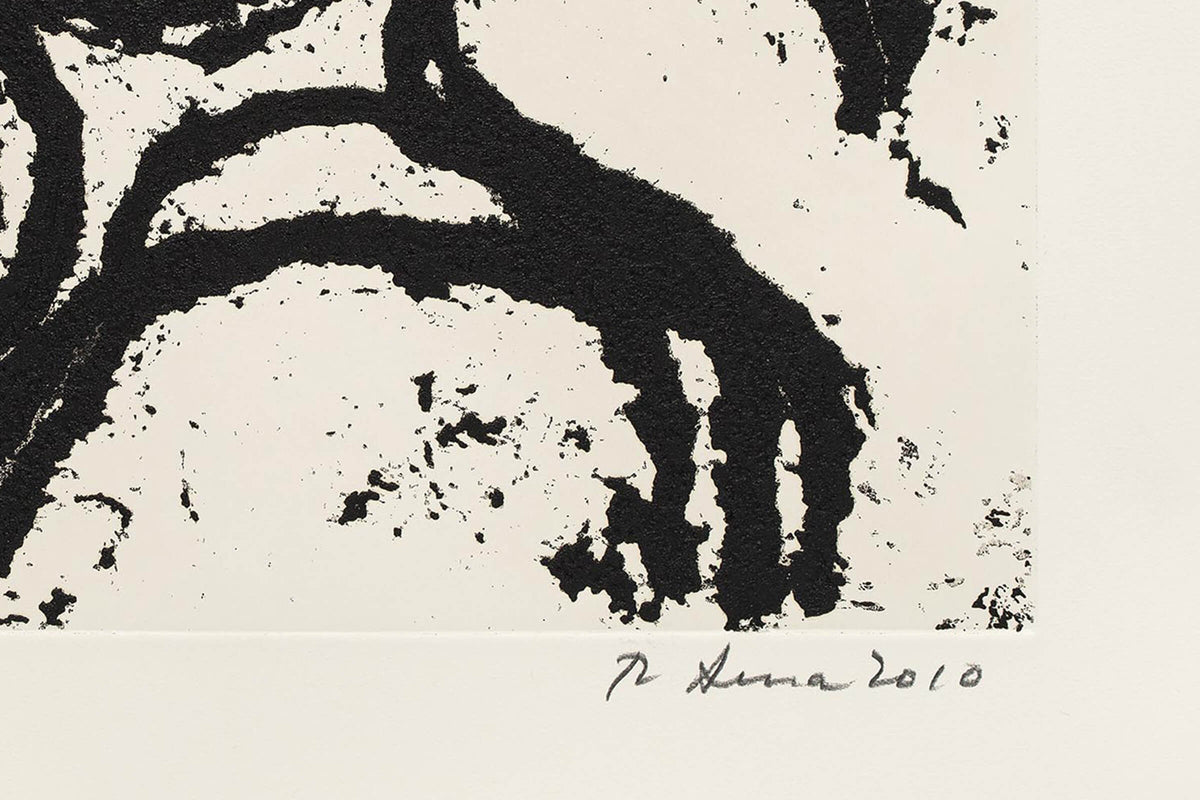
Serra's interest in place and the way an object can shape the space around it made him a popular artist for public art commissions. From the late 1960s onward, he experimented radically with industrial materials—lead, rubber, neon—before developing the monumental weathering steel sculptures for which he became world-renowned. These site-specific works, positioned to engage viewers through movement and perception, challenged fundamental assumptions about sculpture's relationship to space and gravity. His interrogation of material, process, and phenomenological experience led him to investigate how viewers physically and temporally experience artworks, transforming public spaces from New York to New Zealand. Beyond sculpture, Serra pursued drawing, experimental film, video, and printmaking with equal rigor, extending his conceptual investigations across mediums.
In 2000 he won the Golden Lion for contemporary art at the 49th Venice Biennale. In 1993 Serra became a member of the American Academy of Arts and Sciences. The following year he received the Japan Art Association's Praemium Imperiale prize for sculpture. Serra's work is held in major collections worldwide, including MoMA, the Guggenheim, and the Tate. His legacy stands as a testament to the power of signed and drawings as autonomous artistic statements that preserve his investigation of material, space, and the viewer's embodied experience.


