



About Louise Bourgeois
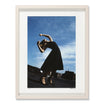
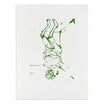
Louise Bourgeois (1911–2010) was a French-American artist whose career spanned more than seven decades. She was born in Paris and moved to New York in 1938, where she lived and worked until her death. Louise Bourgeois is best known for her sculptures and installations, and also worked in drawing, printmaking and textiles.
Her subjects were family, the body, memory and fear, drawn from her own life. Maman, the giant spider first shown in the Turbine Hall of Tate Modern in 2000, and her Cells, enclosed rooms filled with objects, became her best-known works. Louise Bourgeois received her first major retrospective at the Museum of Modern Art in New York in 1982, and represented the United States at the Venice Biennale in 1993.
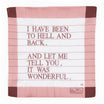
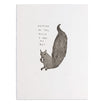
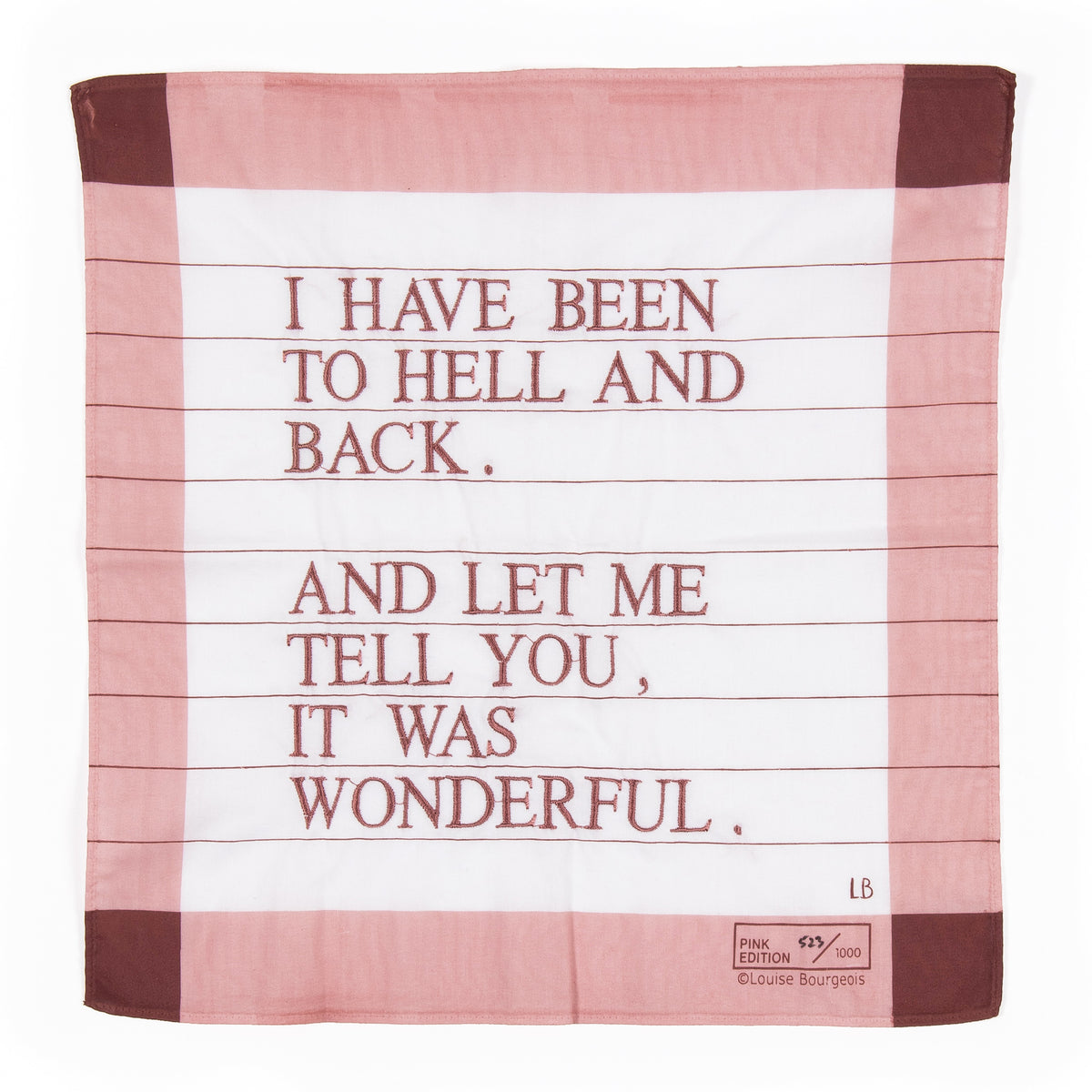
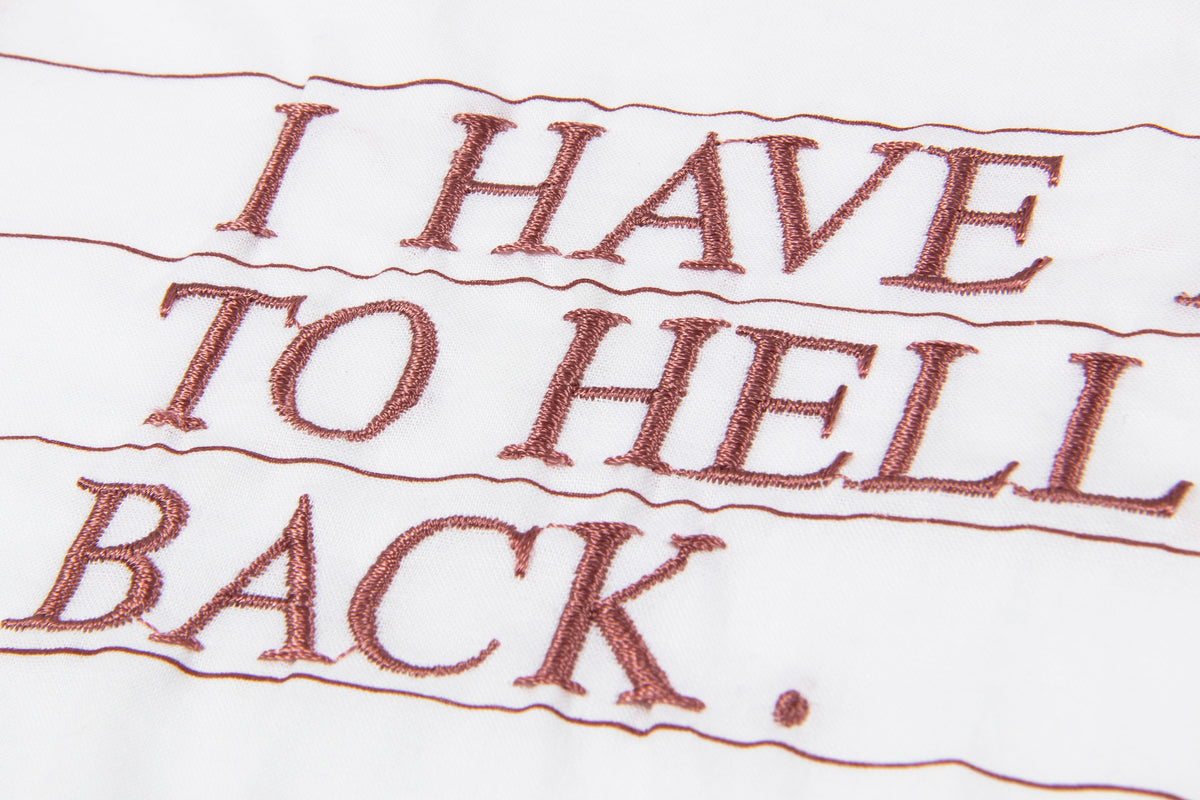
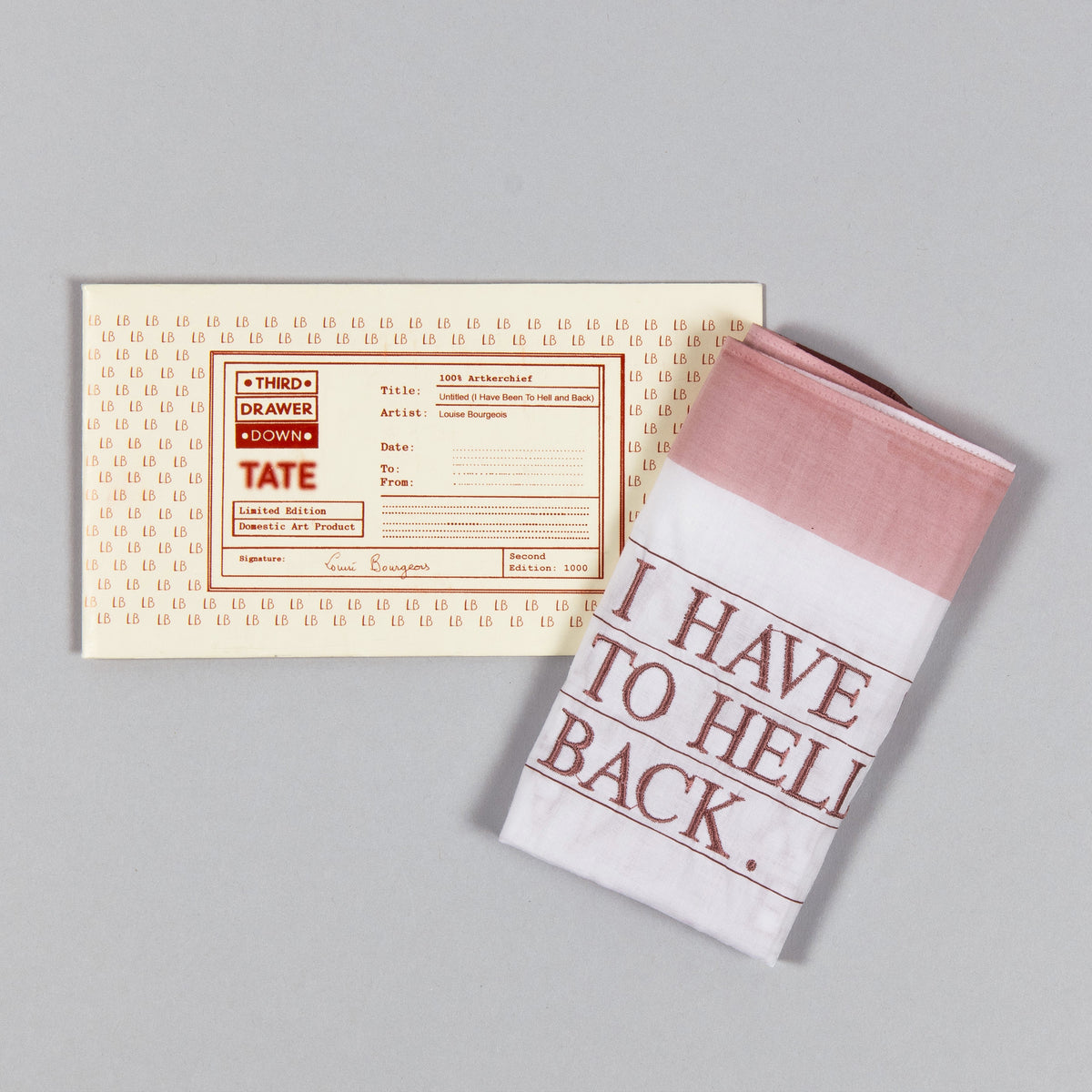
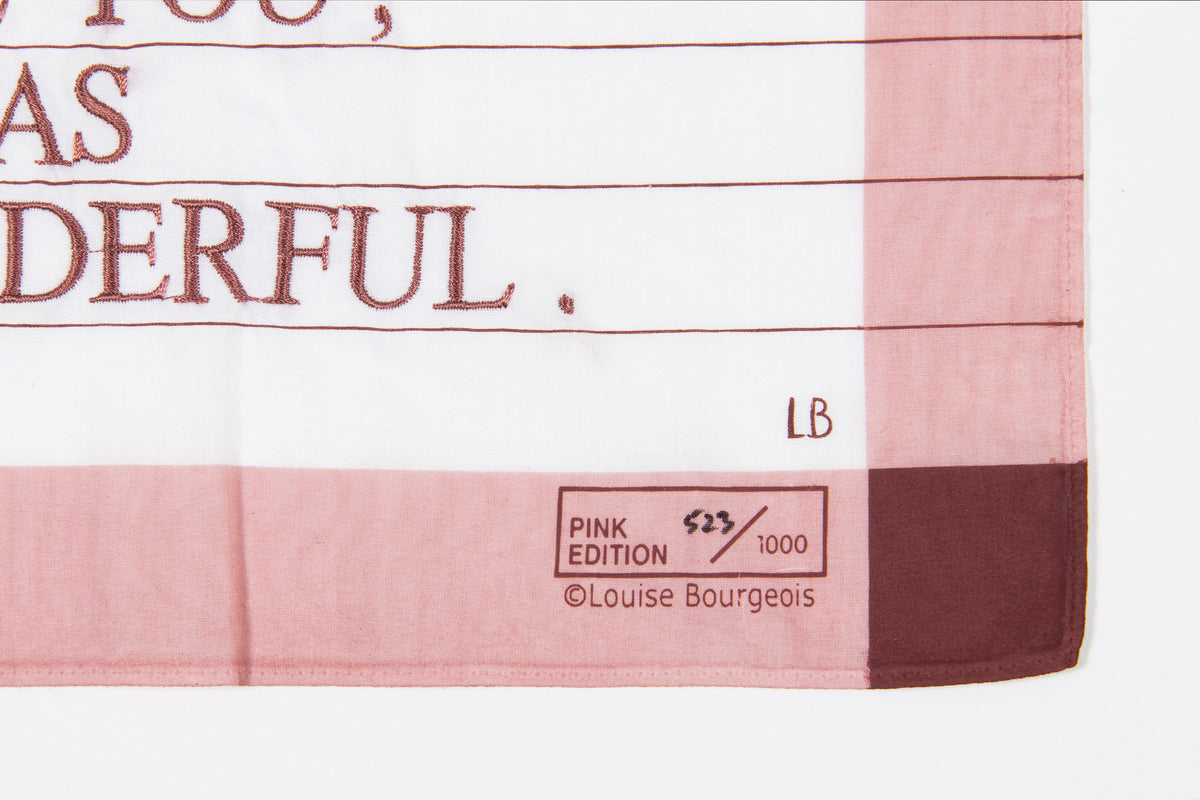
From the early 2000s, Louise Bourgeois increasingly worked with fabric, including old clothing and household linens, which she cut, sewed and embroidered. Her late textile pieces, such as embroidered handkerchiefs, carry short statements and show the same candour as her sculptures. Her work remains a key reference in feminist art, and is held in major museum collections worldwide.


