



About Georg Baselitz
Georg Baselitz (1938–2026) was a German artist, painter, printmaker and sculptor, and one of the most influential figures of postwar European art. He was born Hans-Georg Kern in Deutschbaselitz in Saxony, in what later became East Germany, and took the name Georg Baselitz in 1961 after his birthplace. He studied in East Berlin, where he was expelled after two semesters for “sociopolitical immaturity”, and then in West Berlin.
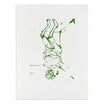
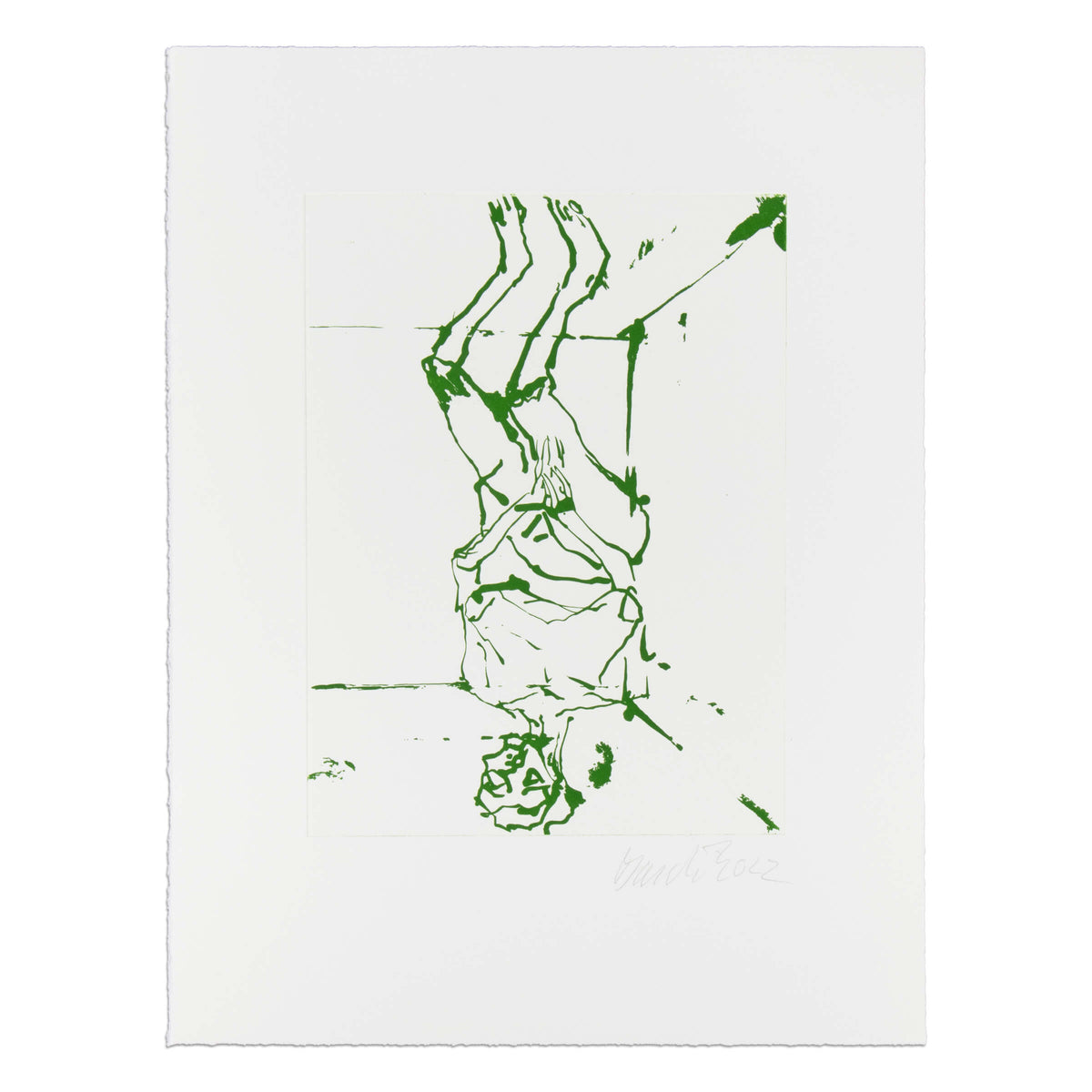
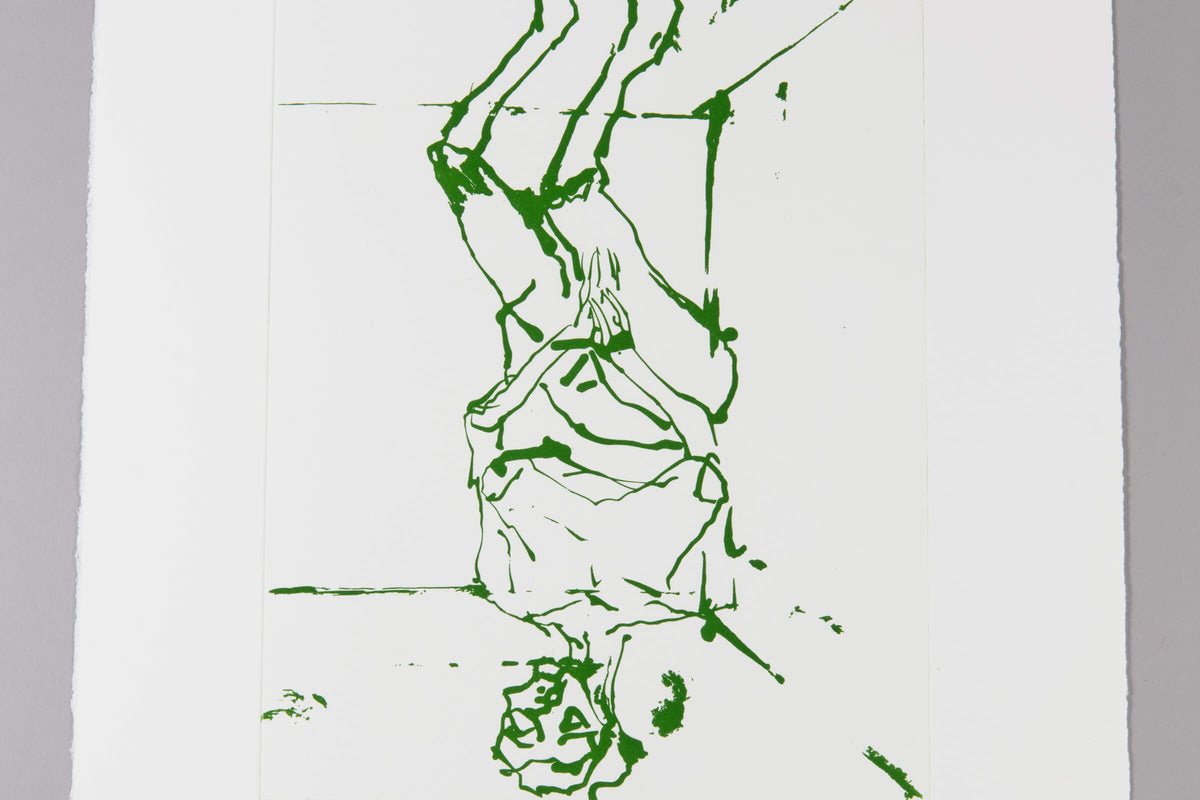
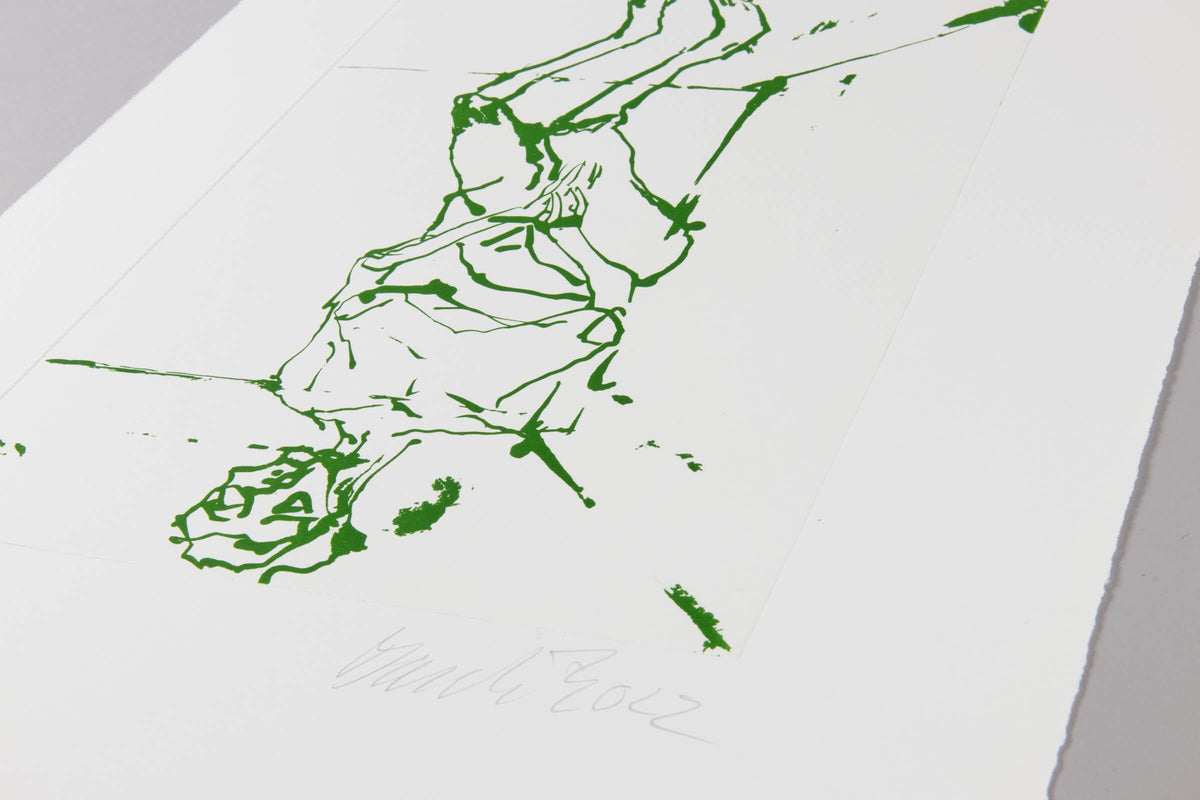
Georg Baselitz first drew attention with figurative, expressive paintings. His first solo exhibition in West Berlin in 1963 caused a scandal, and the authorities seized two paintings for obscenity. In 1964 he made his first etchings, and printmaking remained a part of his work for the rest of his career. In 1969 he painted his first picture with an inverted motif, The Wood on Its Head, and turned his subjects upside down from then on. The inversion was meant to overcome the representational, content-driven character of his earlier work and to stress the artifice of painting. His paintings, drawings, prints and, from 1979, sculptures drew on Socialist Realism, Mannerism and African sculpture, and he is counted among the leading artists of German Neo-Expressionism. The inverted figure of his wife Elke, whom he met in 1958, recurs throughout his work.
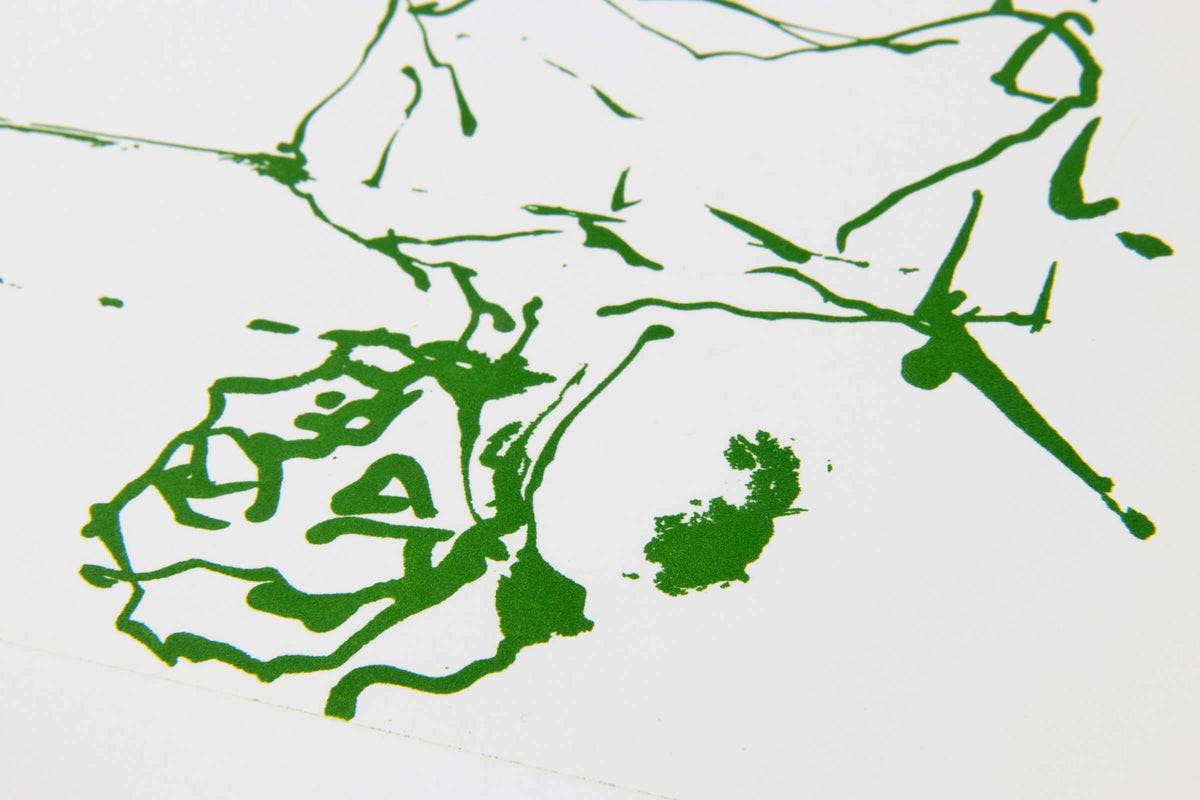
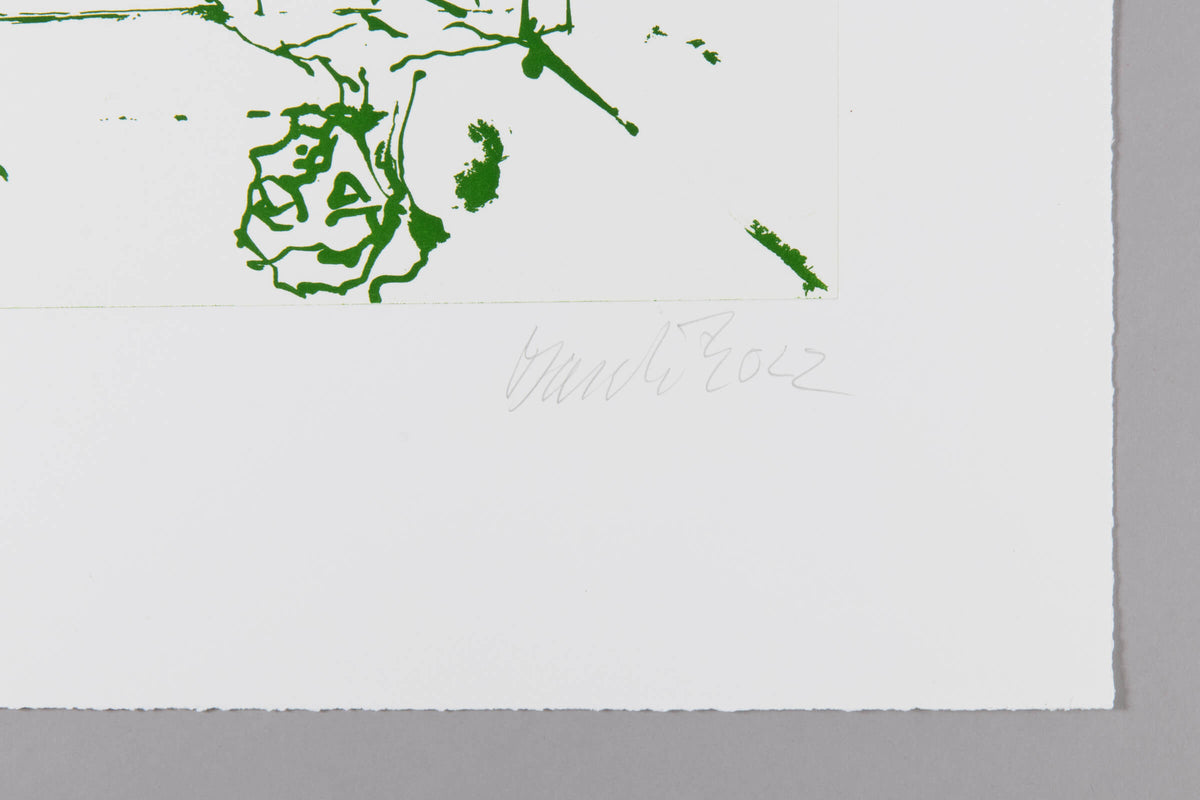
The paintings of Georg Baselitz were shown at the Royal Academy of Arts in London in 2007 and in the retrospective Baselitz: Six Decades at the Hirshhorn Museum and Sculpture Garden in Washington, D.C. in 2018, organised with the Fondation Beyeler. In 2023 the Albertina in Vienna showed a large exhibition of his drawings. Baselitz received the Praemium Imperiale. Georg Baselitz lived in Salzburg from 2013 and died on 30 April 2026 at the age of 88. His limited edition prints, including etchings with aquatint such as Serpentine (2022), carry his inverted figures into editions on paper.


