

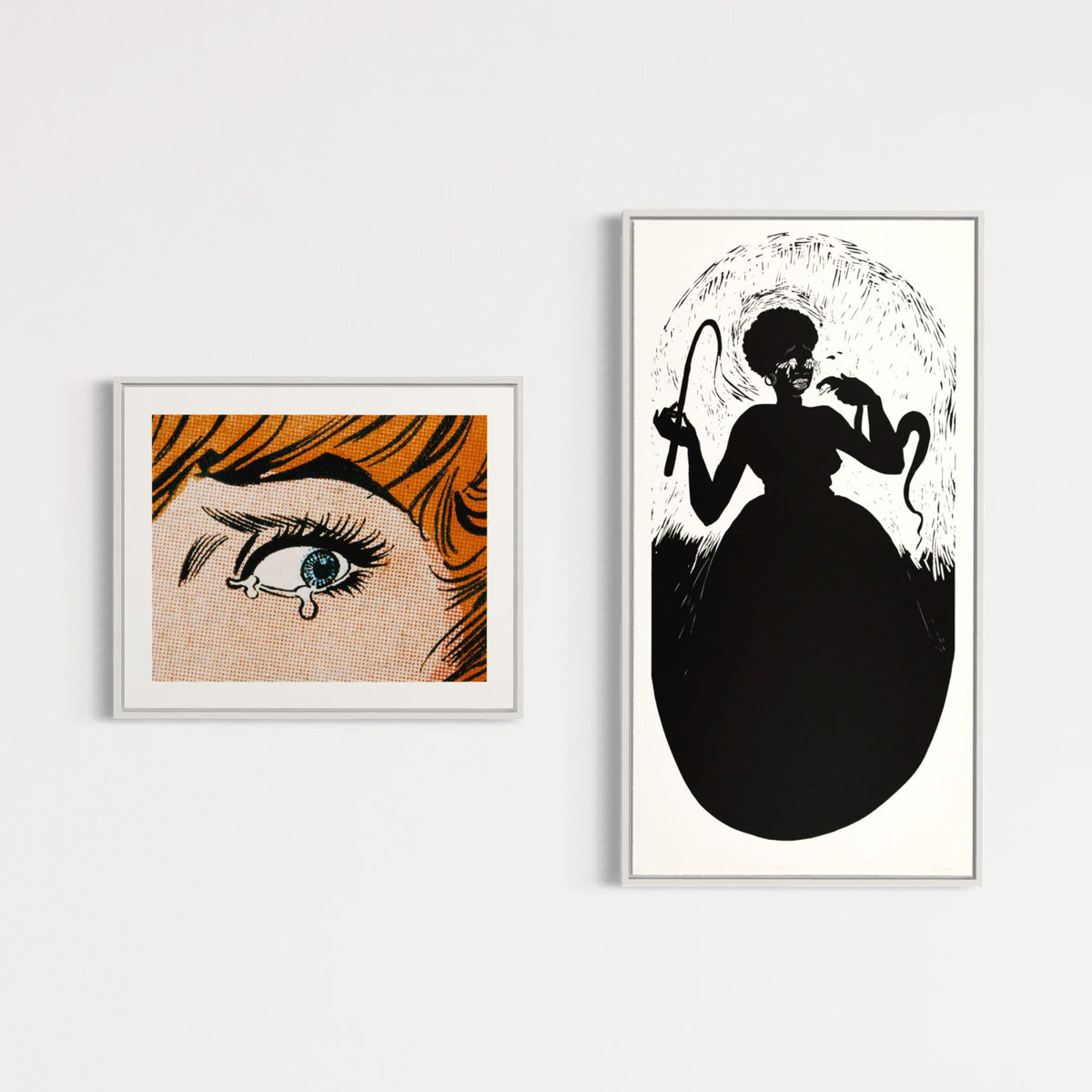

Kara Walker (born 1969, Stockton, California, United States) is a contemporary artist whose work examines the histories and afterlives of race, power, and violence in the United States. Working across cut-paper silhouettes, drawing, printmaking, film, sculpture, and large-scale installation, Walker has developed a practice that confronts historical imagery through provocation, narrative disruption, and critical inversion.
Emerging in the mid-1990s, Walker’s work has been exhibited internationally and is held in major public collections. Her practice occupies a central position within contemporary art discourse, particularly in relation to the representation of history, the ethics of visual confrontation, and the role of figuration as a tool of critique. This overview focuses on Kara Walker’s artistic practice and critical context.
View available works by Kara Walker
Artistic Practice
Kara Walker’s practice is grounded in the use of figuration as a critical and destabilizing device. Her early adoption of the cut-paper silhouette, a medium historically associated with genteel portraiture, enabled her to stage complex and often disturbing scenes that draw on antebellum imagery, folklore, and racial caricature.
Across media, Walker constructs narratives that resist linear resolution. Her images unfold through fragmentation, exaggeration, and repetition, creating visual environments in which meaning remains unstable and unresolved. Rather than illustrating history, her work exposes the mechanisms through which historical narratives are produced and sustained.
Material restraint plays a crucial role in her practice. Whether working with paper, film, or monumental sculptural forms, Walker employs clarity and economy to heighten psychological and symbolic intensity.
Key Themes and Motifs
Central to Walker’s work are themes of race, power, sexuality, and violence, particularly as they intersect with the legacy of slavery and colonialism. Her imagery frequently draws on grotesque exaggeration and stereotype, exposing how such representations function within systems of domination.
Recurring motifs include plantation settings, mythic and hybrid figures, bodily transformation, and scenes of brutality. These elements do not operate as historical reenactment but as devices that collapse temporal distance, forcing the viewer to confront the persistence of historical trauma.
Walker’s work often implicates the viewer directly, destabilizing moral distance and challenging the assumption of neutral spectatorship.
Historical and Cultural Context
Walker’s practice emerged during a period of intensified debate around identity, representation, and historical memory in American art. Her work responded both to the visibility of multicultural discourse and to its limitations, confronting how histories of violence are narrated, sanitized, or suppressed.
By appropriating and distorting racist iconography, Walker situates her work within a broader examination of American history as a contested and unresolved field. Her practice engages not only with the past but with the ongoing structures through which historical meaning is constructed.
This positioning has placed Walker at the center of critical discussions surrounding censorship, provocation, and the ethics of representation.
Installation, Film, and Expanded Practice
Beyond works on paper, Walker has produced large-scale installations, films, and sculptural environments that extend her narrative strategies into immersive space. These works often employ theatrical staging and architectural scale to intensify emotional and physical engagement.
Film and animation introduce movement, voice, and temporal progression, complicating the static associations of silhouetted imagery. These time-based works reinforce Walker’s interest in storytelling as unstable and contingent.
Across expanded formats, her practice maintains a commitment to confrontation, ambiguity, and historical unease.
Editions and Works on Paper in Context
Editions and works on paper form a significant component of Kara Walker’s practice. Prints and editioned works allow her imagery to circulate beyond large-scale installations while retaining conceptual rigor and visual force.
These works often revisit key motifs and narrative devices, emphasizing repetition and variation as critical strategies. Editions are conceived as autonomous works rather than secondary reproductions.
Within her broader practice, works on paper provide insight into both the development and dissemination of her imagery.
See also: Kara Walker prints and editions
Institutional Exhibitions and Reception
Kara Walker has been the subject of numerous solo exhibitions and major installations at museums and institutions worldwide. Institutional presentations frequently foreground the historical, political, and ethical dimensions of her work.
Critical writing on Walker has addressed her challenge to traditional modes of representation, her engagement with historical trauma, and her influence on contemporary debates around race and memory.
Position within Contemporary Art
Within contemporary art, Kara Walker occupies a pivotal position as an artist who has fundamentally reshaped how history, race, and power are addressed through figurative imagery. Her work resists resolution, demanding sustained engagement and critical self-reflection.
By combining visual clarity with narrative provocation, Walker’s practice continues to shape institutional and scholarly discourse around representation and responsibility.
Editorial Note
This editorial page provides a structured overview of Kara Walker’s artistic practice, thematic concerns, and institutional context, with particular attention to her use of historical imagery and narrative provocation.
A selection ofKara Walker artworks is featured on our collection page.
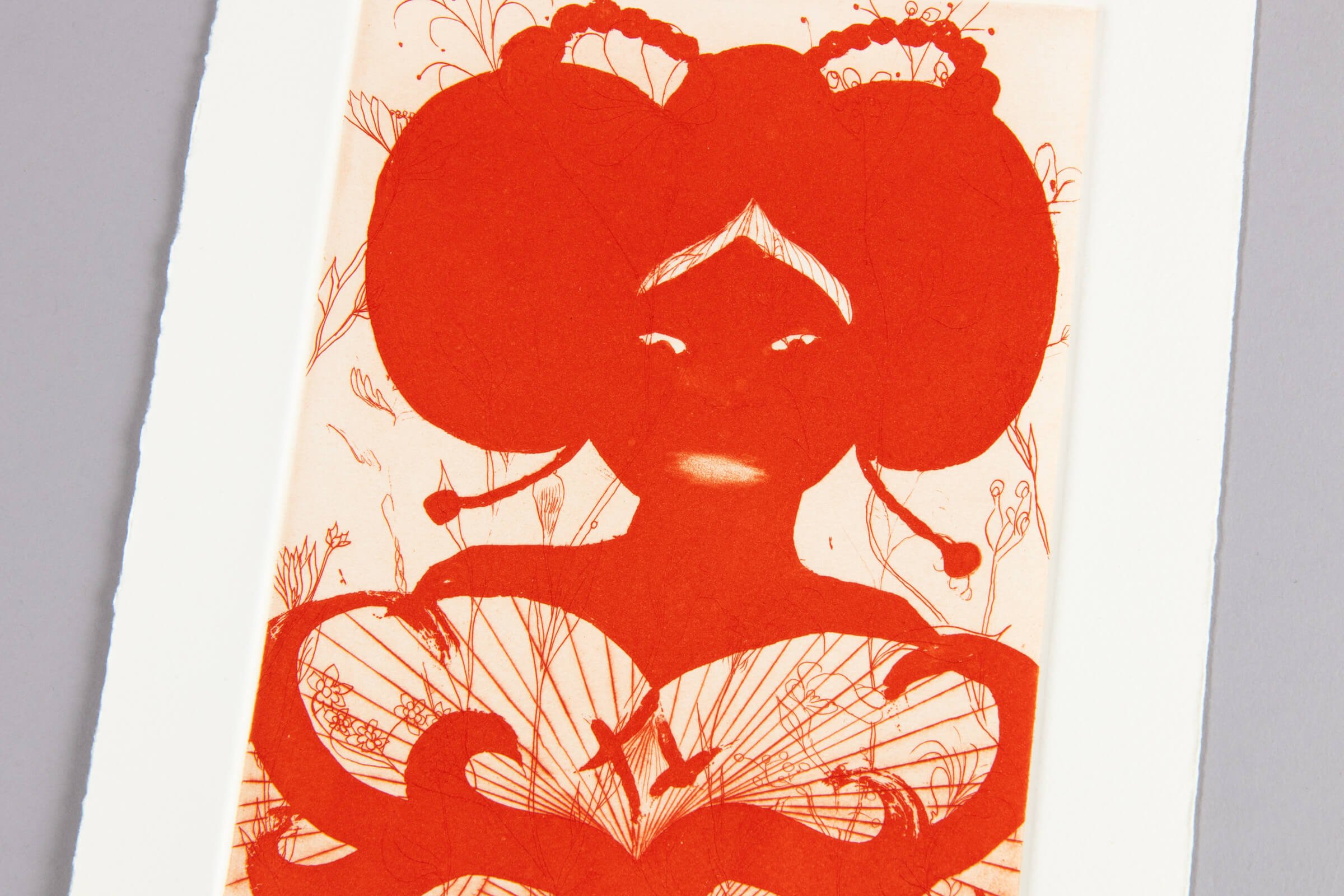
The Art of Printmaking
From the precise lines of woodcuts to the velvety depth of lithographs. Discover a curated selection of editioned works on paper that celebrate the unique texture and heritage of traditional print media.
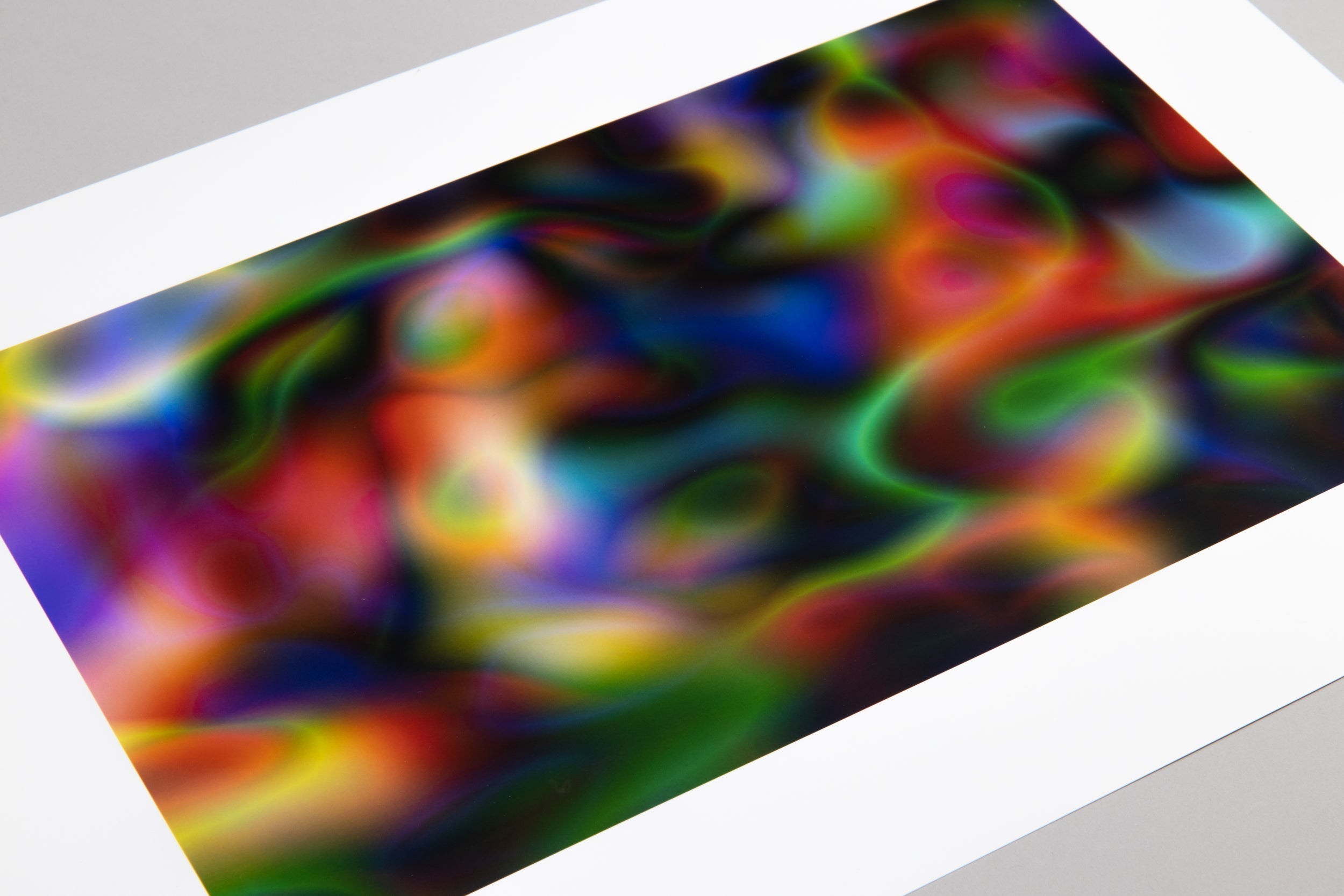
The Photographic Image
Explore contemporary photography through the lens of precision and scale. Our collection features exceptional photo editions that investigate the boundaries of representation and spatial order.
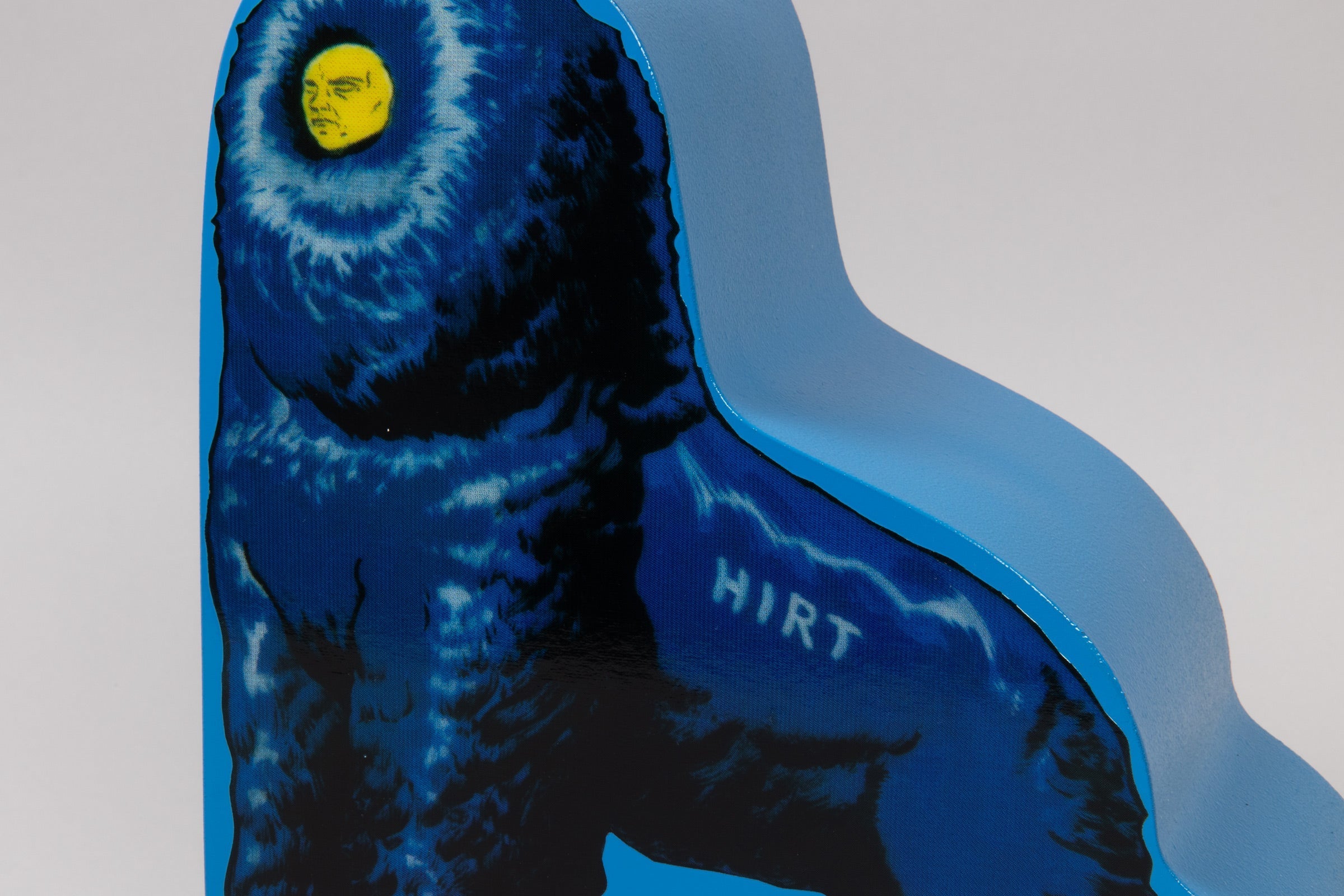
The Sculptural Multiple
Art beyond the pedestal. Discover three-dimensional objects designed to circulate ideas in space. These works bridge the gap between sculpture and the everyday, making radical art accessible.


