





Carmen Herrera (1915–2022, Havana, Cuba) was a Cuban-American abstract artist whose work stands as a rigorous and singular contribution to twentieth-century geometric abstraction. Working primarily in painting, Herrera developed a practice defined by radical reduction, precision, and a sustained investigation of form, line, and color.
Although Herrera produced a consistent body of work from the late 1940s onward, she achieved widespread recognition only later in life. Her practice has since been exhibited internationally and is held in major public collections, positioning her as a key figure in the histories of postwar abstraction, Minimalism, and Concrete art.
Artistic Practice
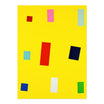
Carmen Herrera’s artistic practice is characterized by extreme economy of means. Her paintings are constructed through sharply defined planes of color, precise edges, and carefully calibrated compositional balance.
From the early stages of her career, Herrera rejected gestural expression in favor of clarity and control. Paint is applied evenly, eliminating visible brushwork and emphasizing structure over process.
Her compositions often rely on bilateral symmetry, angular divisions, and the tension between positive and negative space. These elements function not decoratively but as formal systems that activate the pictorial surface.
Key Themes and Motifs
Central to Herrera’s work is the exploration of balance, structure, and spatial tension. Rather than employing narrative or symbolism, her paintings focus on the relationships between form, color, and edge.
Geometric motifs such as triangles, diagonal axes, and interlocking planes recur throughout her practice. These forms generate a sense of movement and equilibrium within tightly controlled parameters.
Color is used sparingly and deliberately, often limited to two or three hues, reinforcing the compositional logic and visual clarity of the work.
Historical and Cultural Context
Herrera’s practice developed across multiple cultural contexts, including Cuba, Paris, and New York. In Paris during the late 1940s and early 1950s, she engaged with European abstraction and Concrete art, encountering artists and movements committed to non-representational form.
After relocating permanently to New York, Herrera continued to pursue abstraction at a time when Abstract Expressionism dominated the American art scene. Her refusal of expressive gesture and personal symbolism positioned her outside prevailing trends.
Her later recognition coincided with broader reassessments of overlooked artists, particularly women and artists working in reductive abstraction.
Geometry, Space, and Perception
Space in Herrera’s work is generated through the interaction of geometric forms and color planes. Rather than depicting depth illusionistically, her paintings create spatial tension through flatness and precision.
The viewer’s perception shifts as attention moves across edges and intersections, emphasizing the relational nature of form.
This approach aligns her practice with phenomenological and concrete traditions in abstraction, where meaning arises through direct visual experience.
Editions and Works on Paper
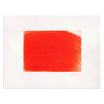
Works on paper and editioned prints form an important component of Carmen Herrera’s practice. Drawings and prints allowed her to explore compositional ideas with immediacy and clarity.
These works often parallel her paintings in their use of geometric structure and reduced color palettes, reinforcing consistency across media.
Editions are conceived as autonomous works that preserve the formal rigor and conceptual focus of her painting practice.
Market and Circulation Context
Carmen Herrera’s work circulates within a firmly established institutional and market framework, particularly following her late-career recognition. Paintings, works on paper, and editions are widely collected.
The circulation of her work reflects sustained interest in reductive abstraction and the reassessment of historically underrecognized artists.
Within the contemporary art ecosystem, Herrera’s practice is often cited as a model of consistency, discipline, and formal clarity.
Institutional Exhibitions and Collections
Herrera was the subject of numerous solo exhibitions at major museums and institutions, particularly in the later decades of her life. These exhibitions emphasized the continuity and coherence of her practice across more than six decades.
Her work has been exhibited at institutions including the Museum of Modern Art, New York; the Whitney Museum of American Art; the Tate Modern, London; and the Hirshhorn Museum and Sculpture Garden, Washington, D.C.
Herrera’s work is held in major public collections worldwide, where it is positioned within narratives of postwar abstraction and geometric art.
Position within Contemporary Art
Within contemporary art history, Carmen Herrera occupies a significant position as an artist who pursued geometric abstraction with unwavering commitment and precision.
By maintaining a rigorous formal language independent of prevailing trends, her practice continues to inform contemporary approaches to abstraction, structure, and visual economy.
Editorial Note
This editorial page provides a structured overview of Carmen Herrera’s artistic practice, thematic concerns, institutional context, and market circulation, with particular attention to her geometric abstraction.
Selected works by Carmen Herrera are available through our collection.
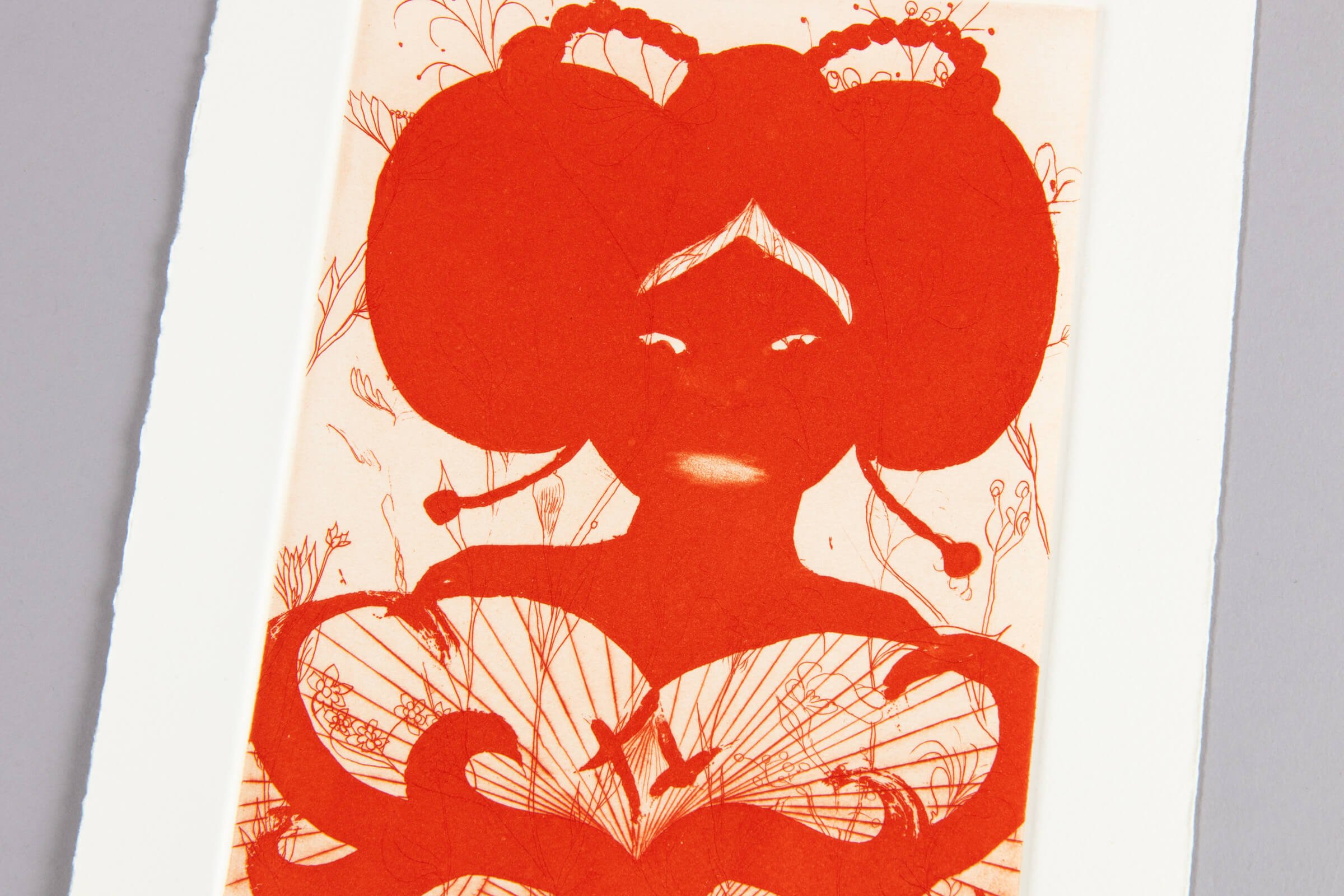
The Art of Printmaking
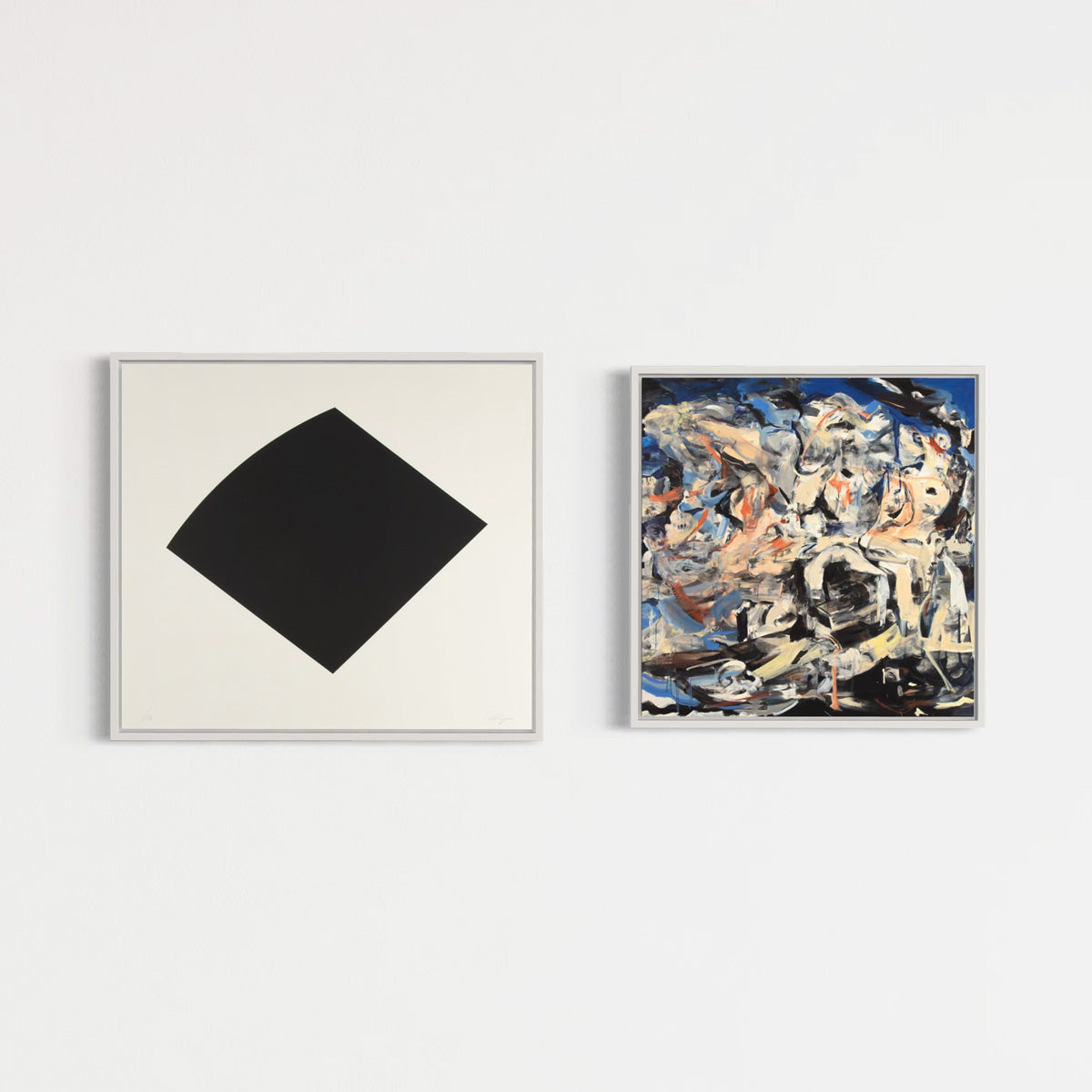
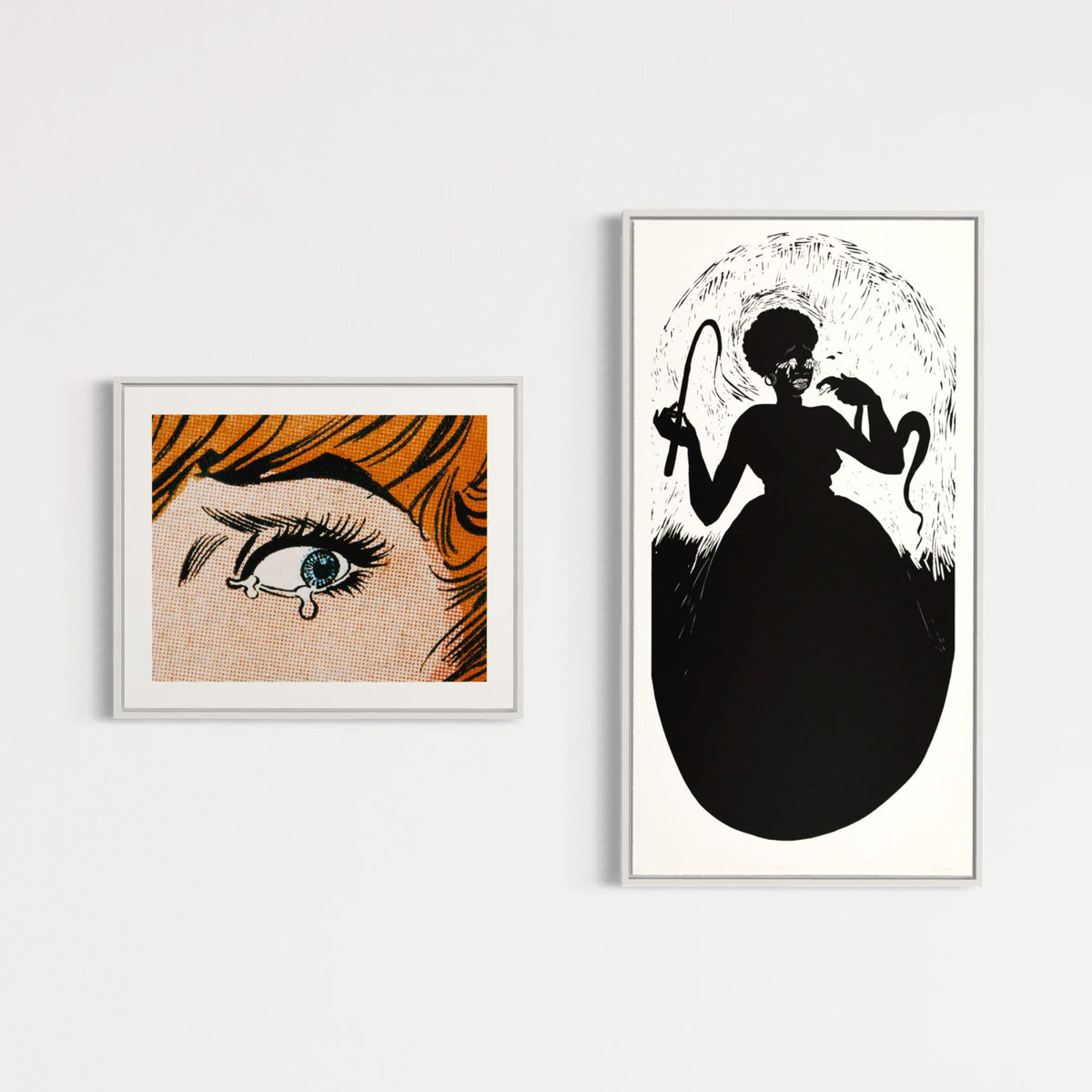
From the precise lines of woodcuts to the velvety depth of lithographs. Discover a curated selection of editioned works on paper that celebrate the unique texture and heritage of traditional print media.
The Photographic Image
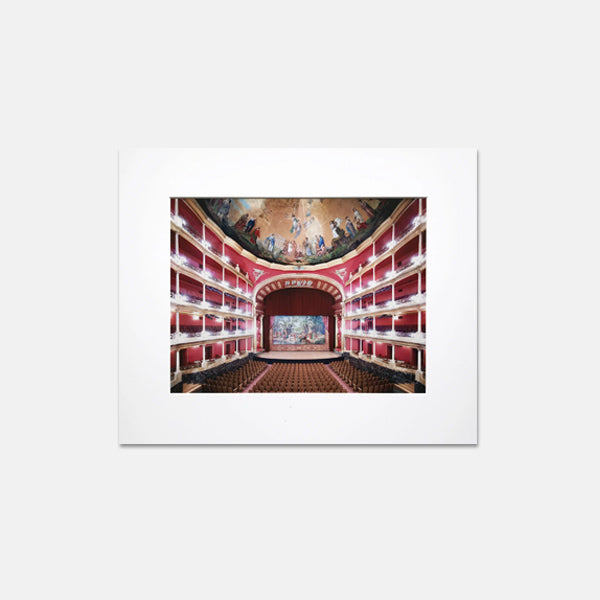
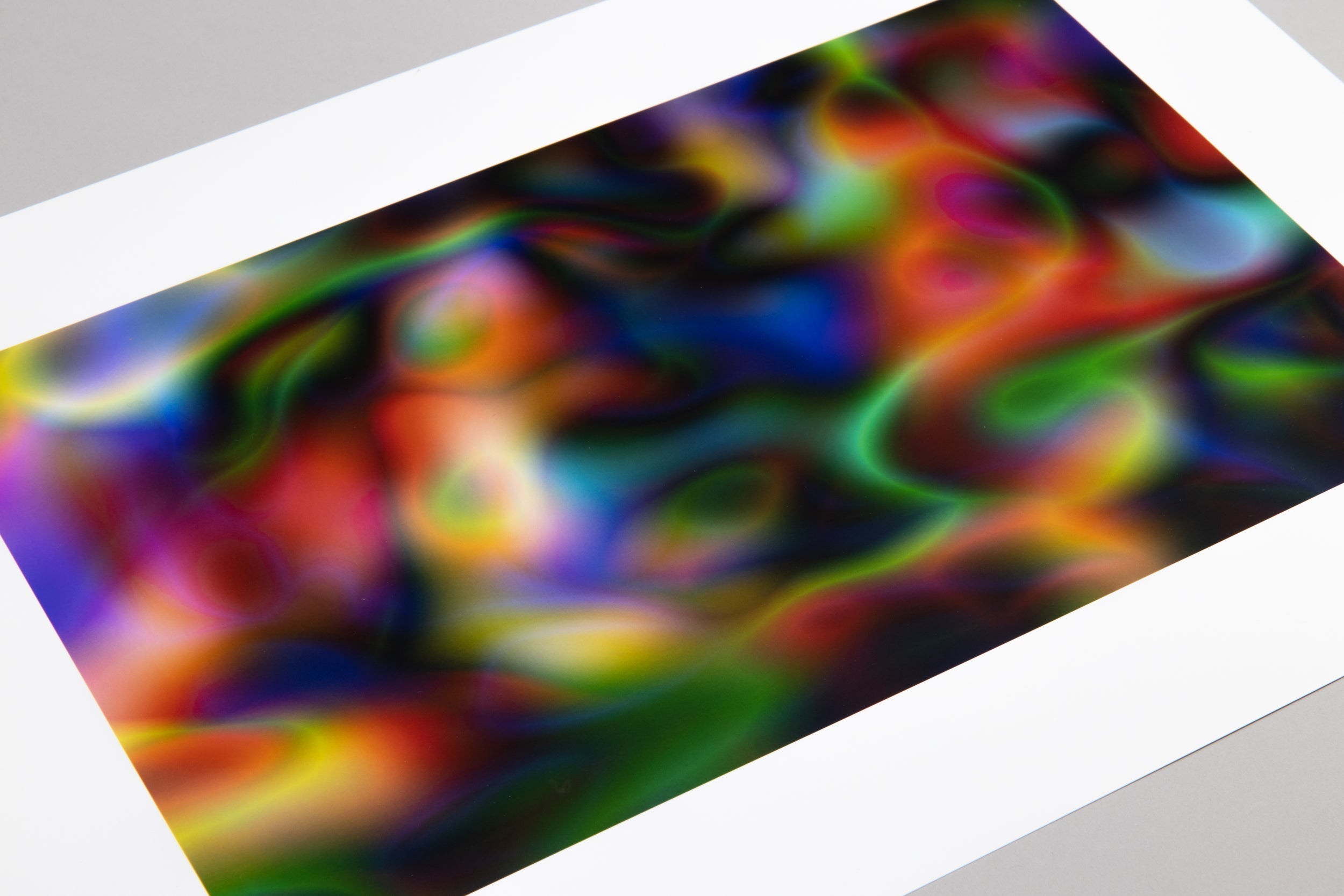
Explore contemporary photography through the lens of precision and scale. Our collection features exceptional photo editions that investigate the boundaries of representation and spatial order.
The Sculptural Multiple
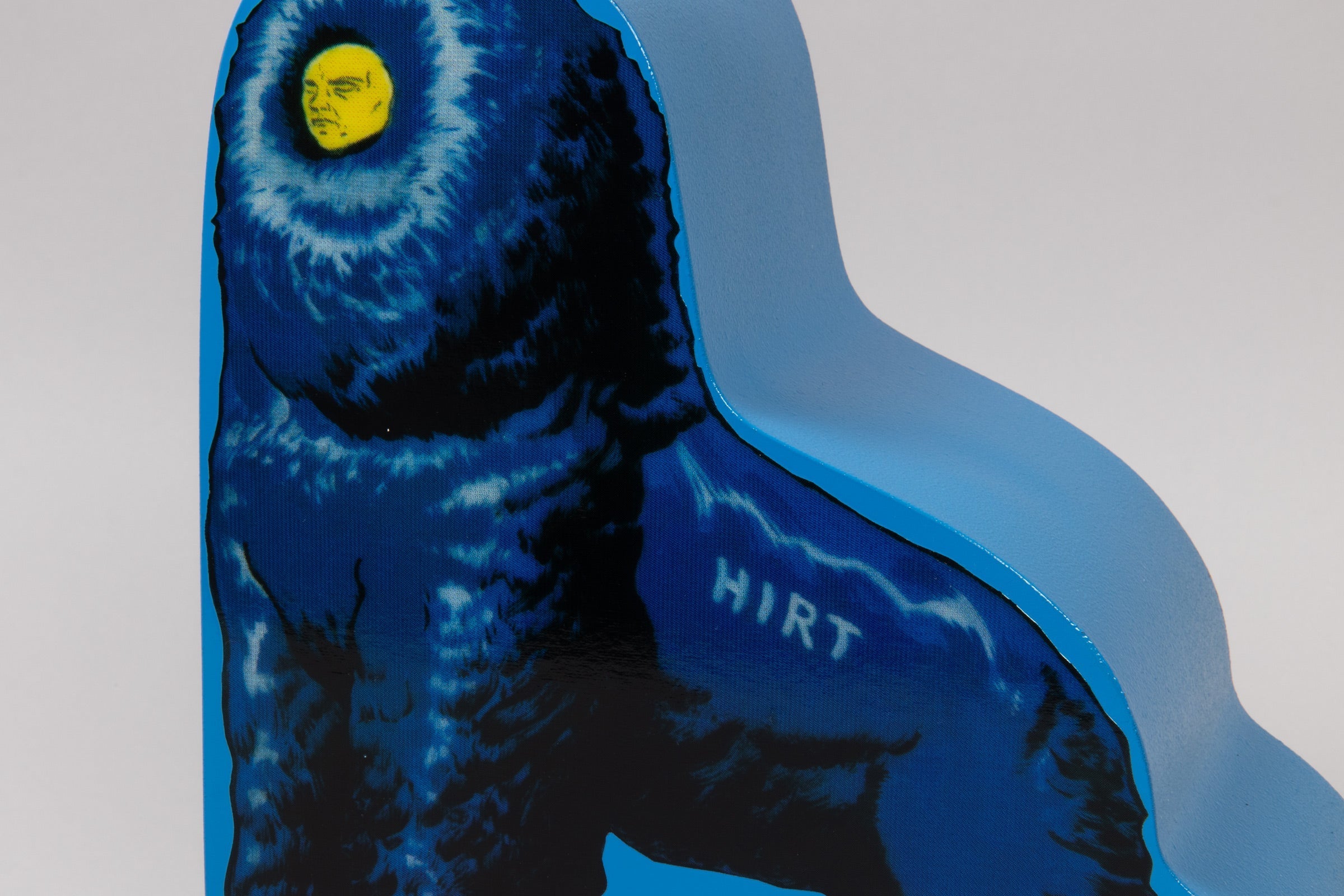
Art beyond the pedestal. Discover three-dimensional objects designed to circulate ideas in space. These works bridge the gap between sculpture and the everyday, making radical art accessible.


