Start Collecting: Art Under €2,500
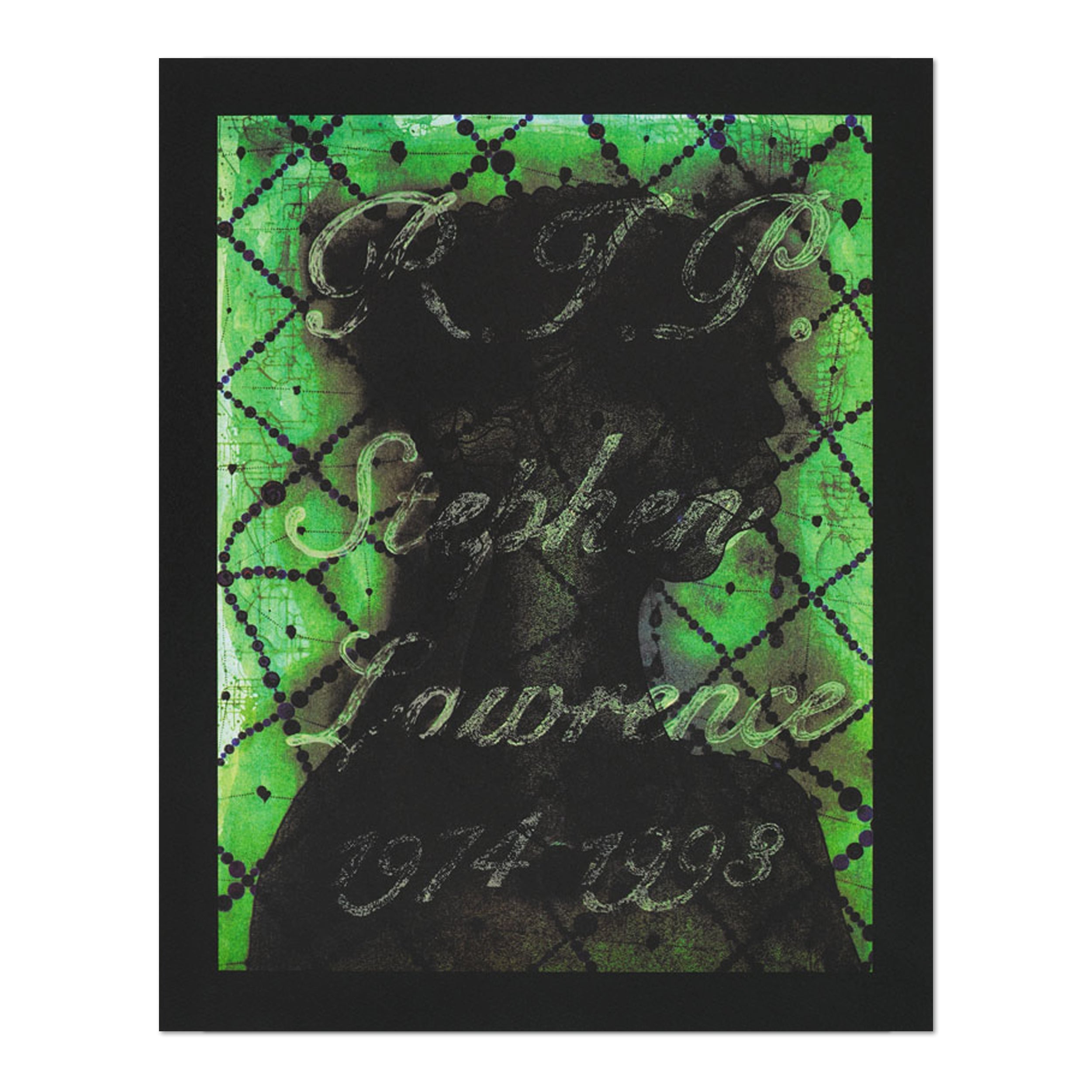
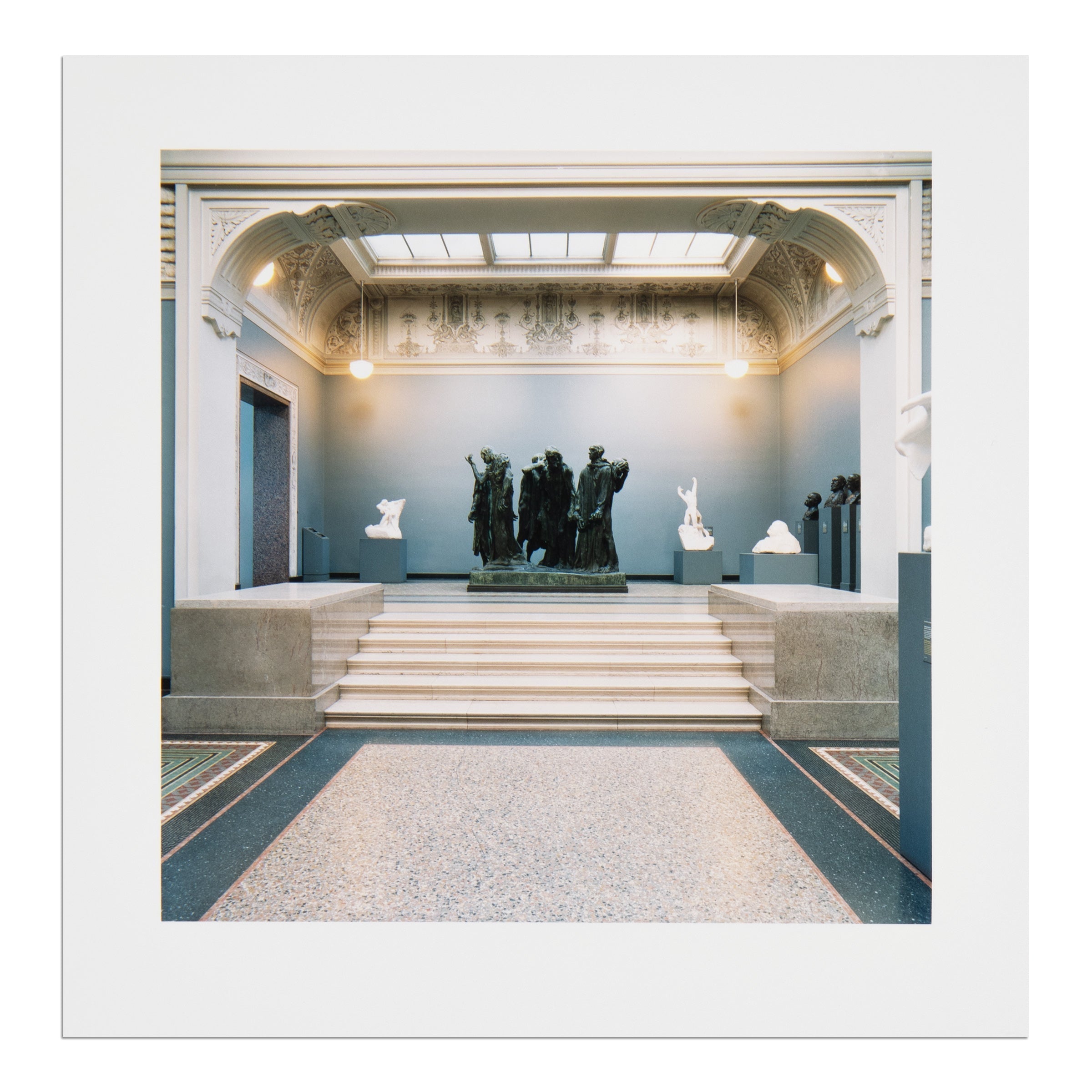
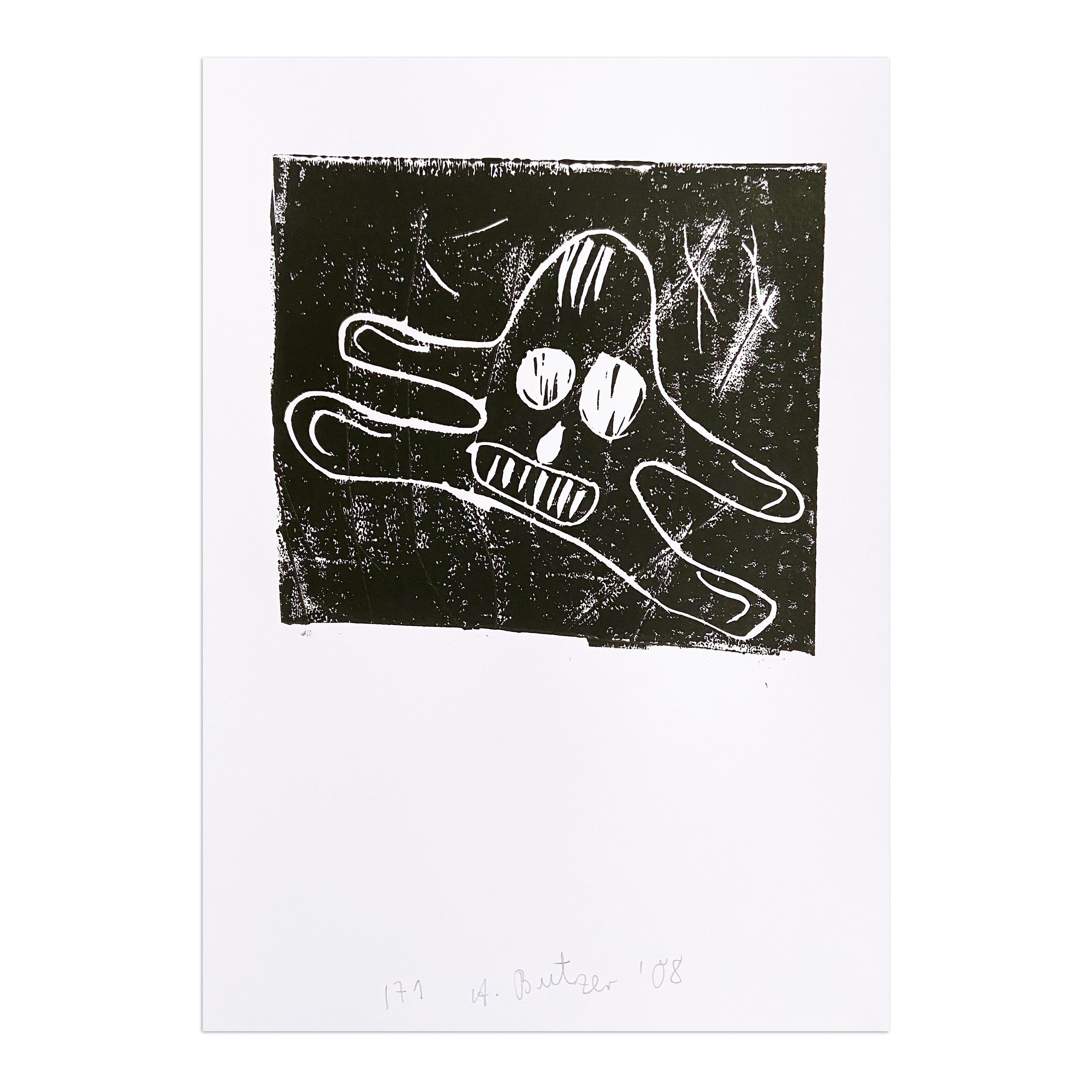
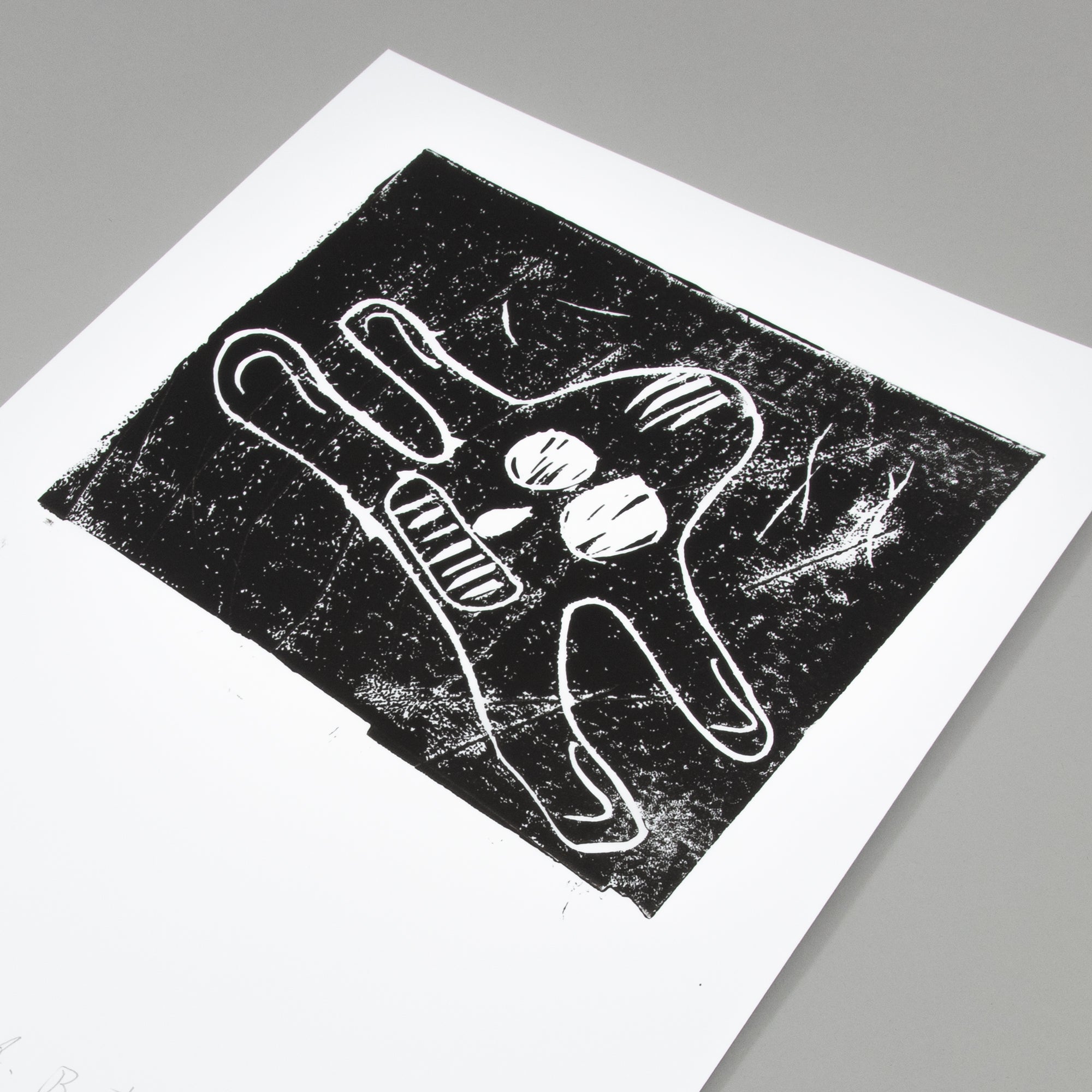
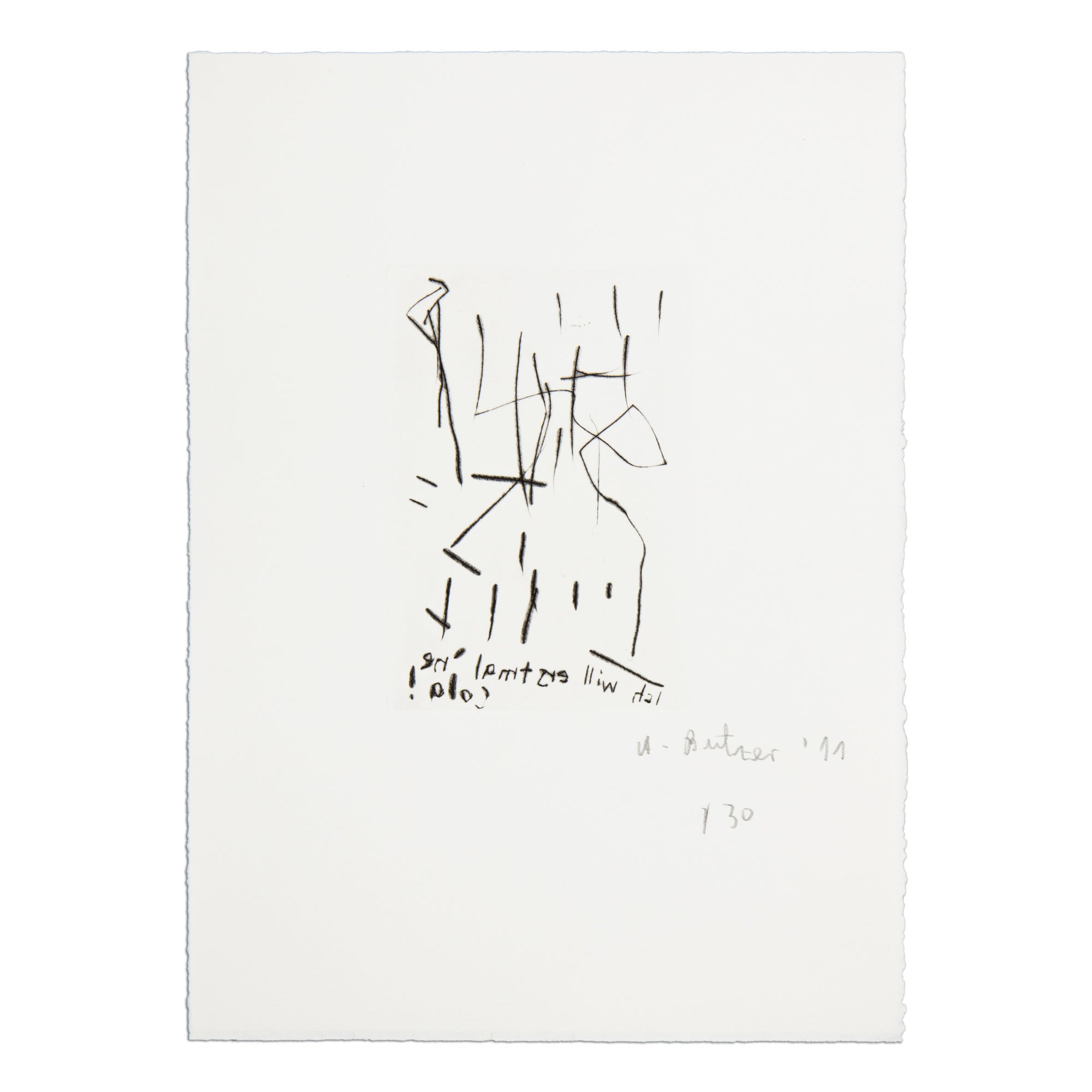
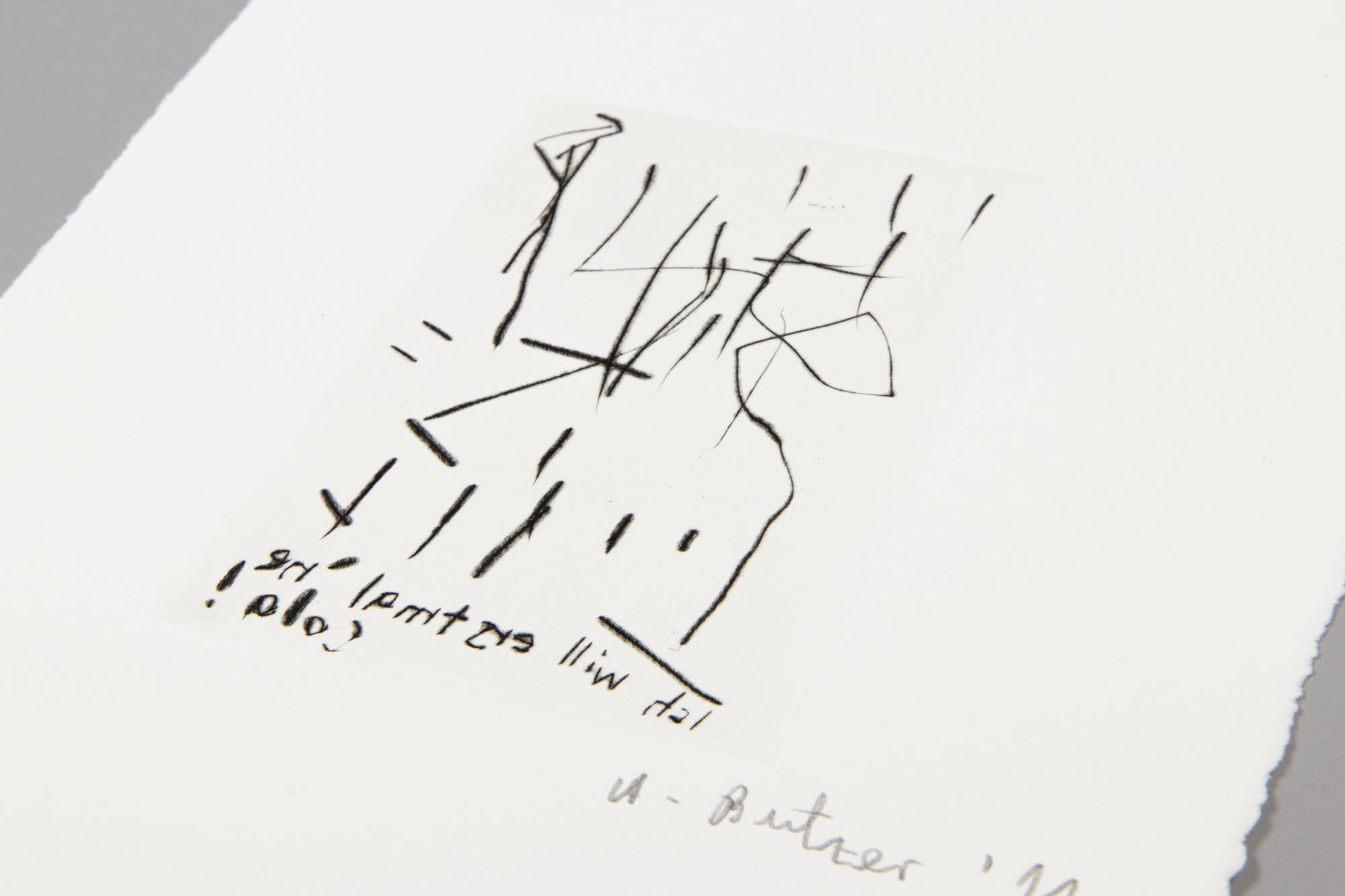
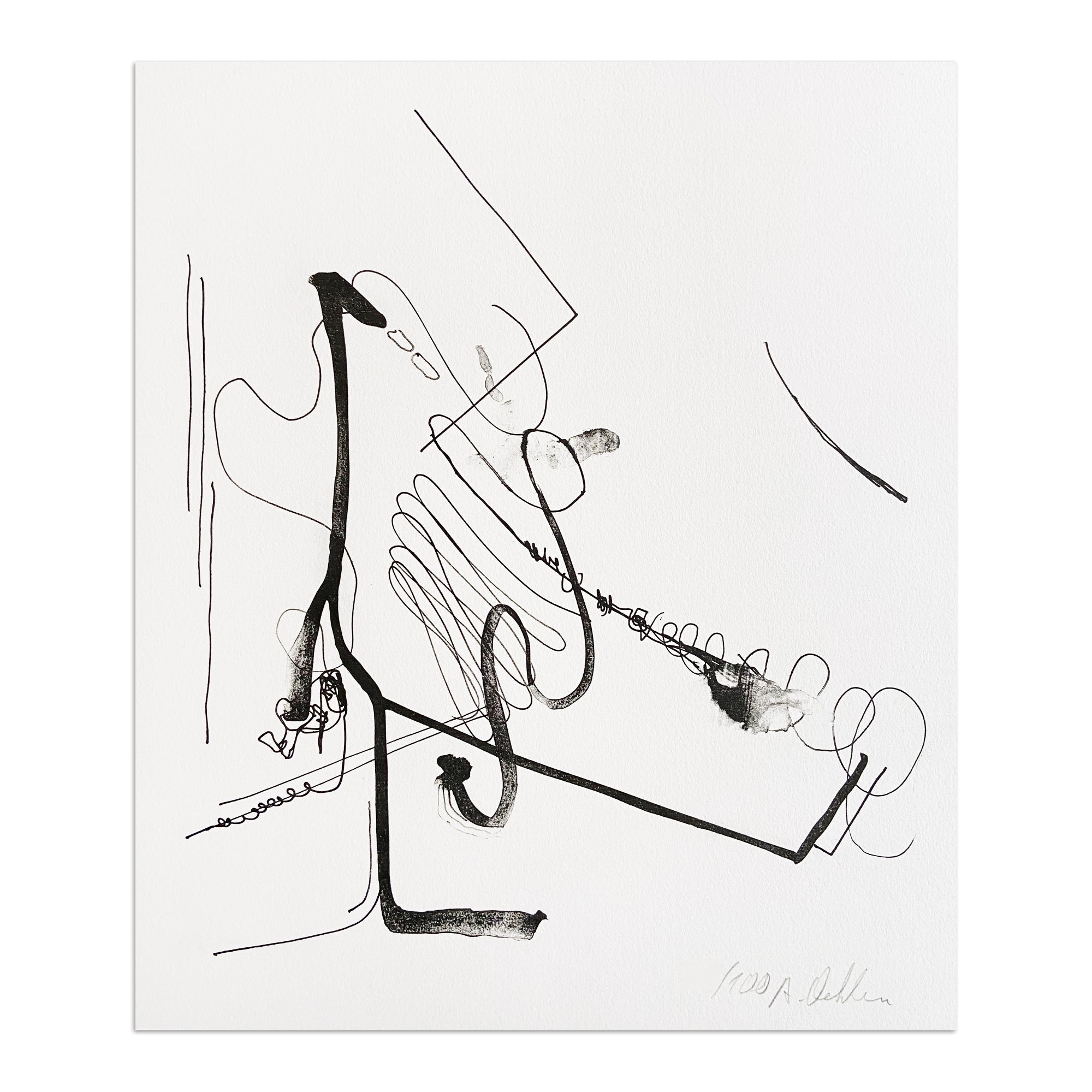
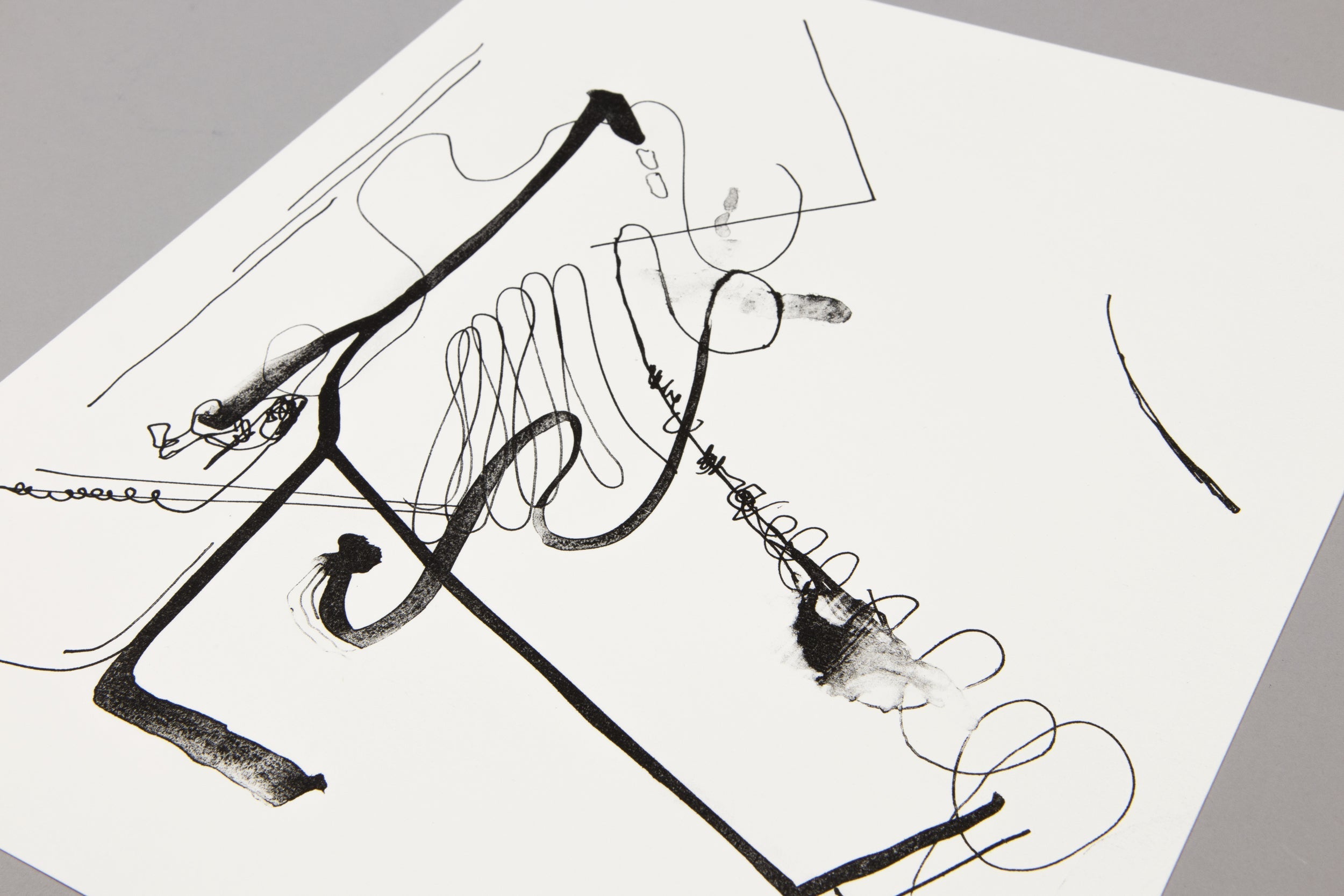
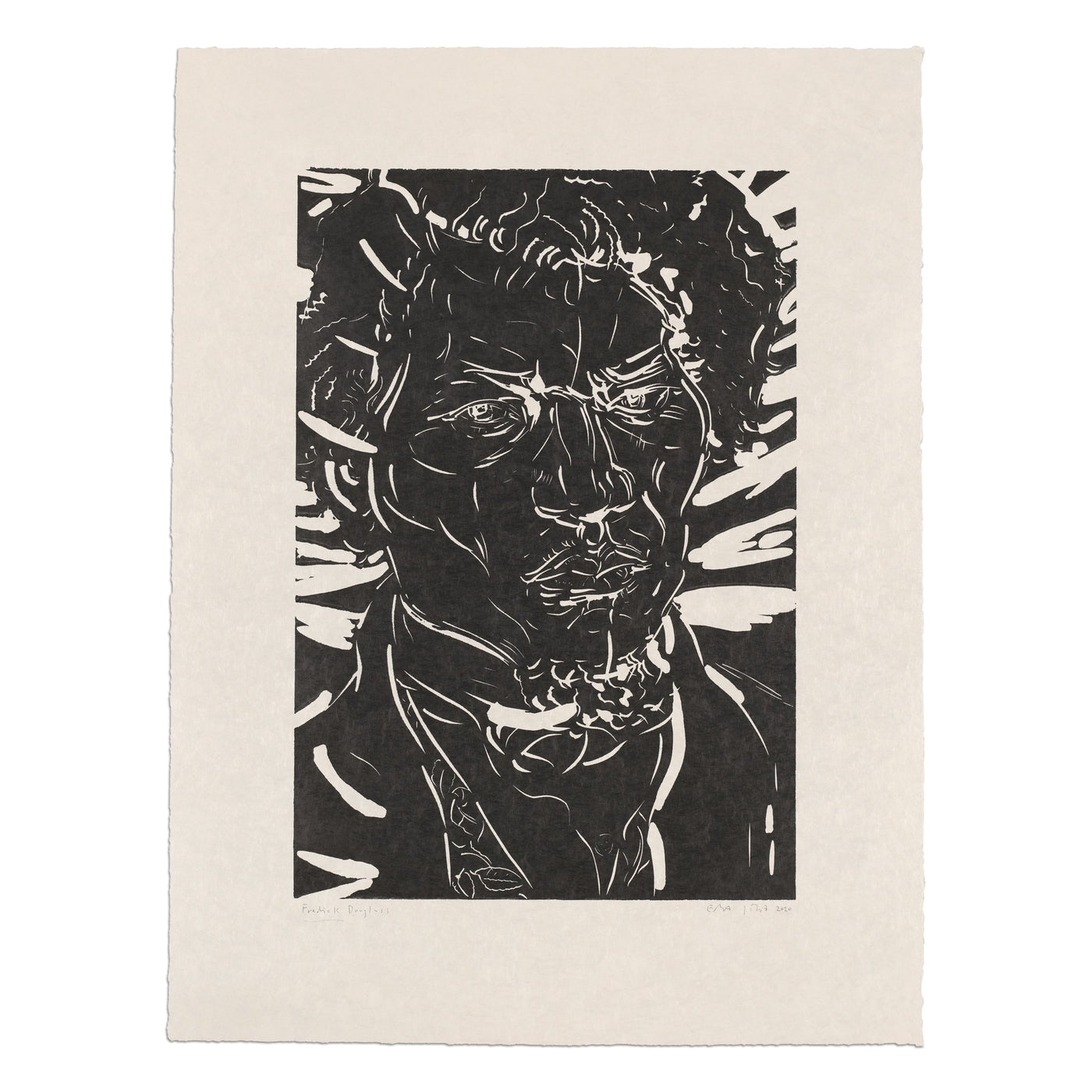
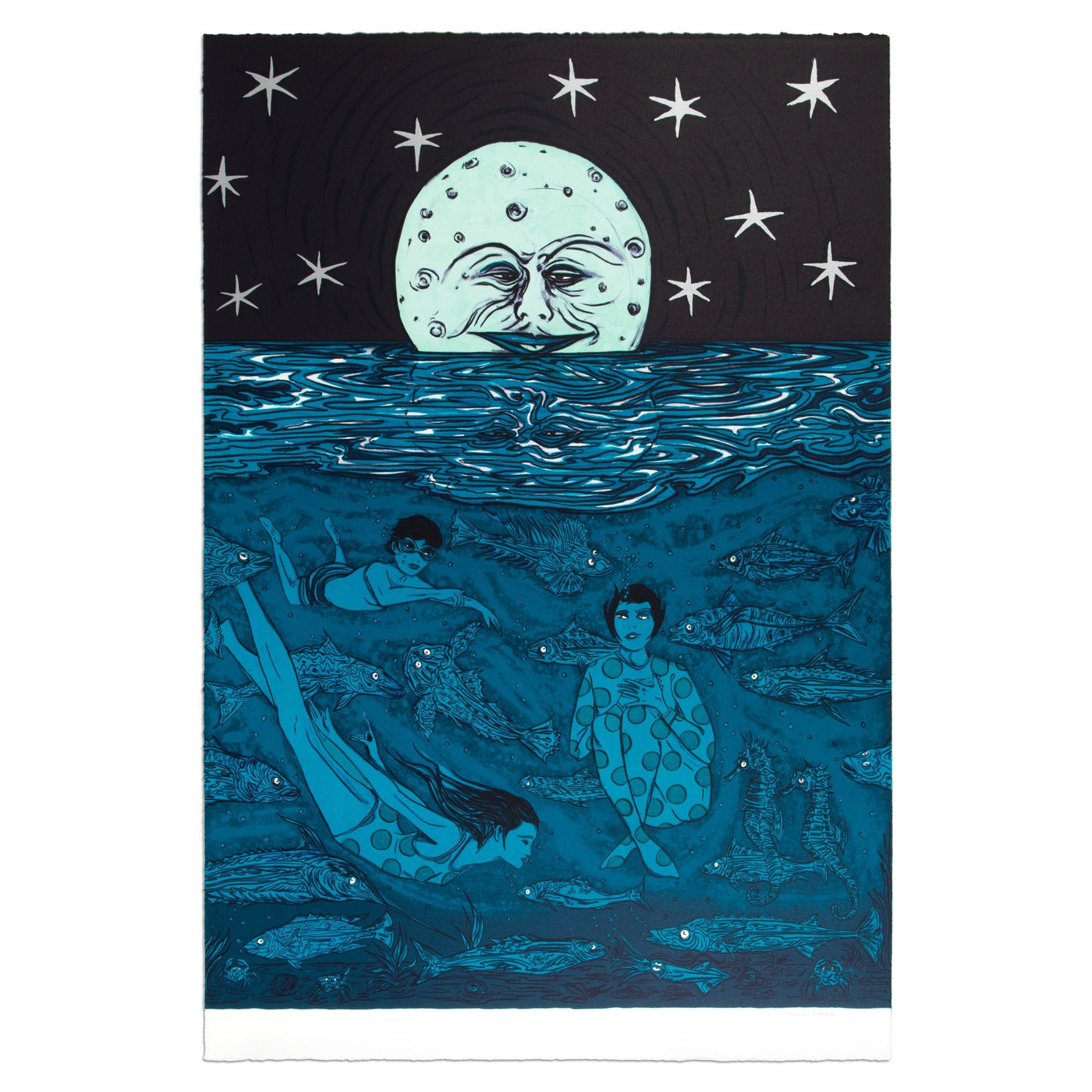
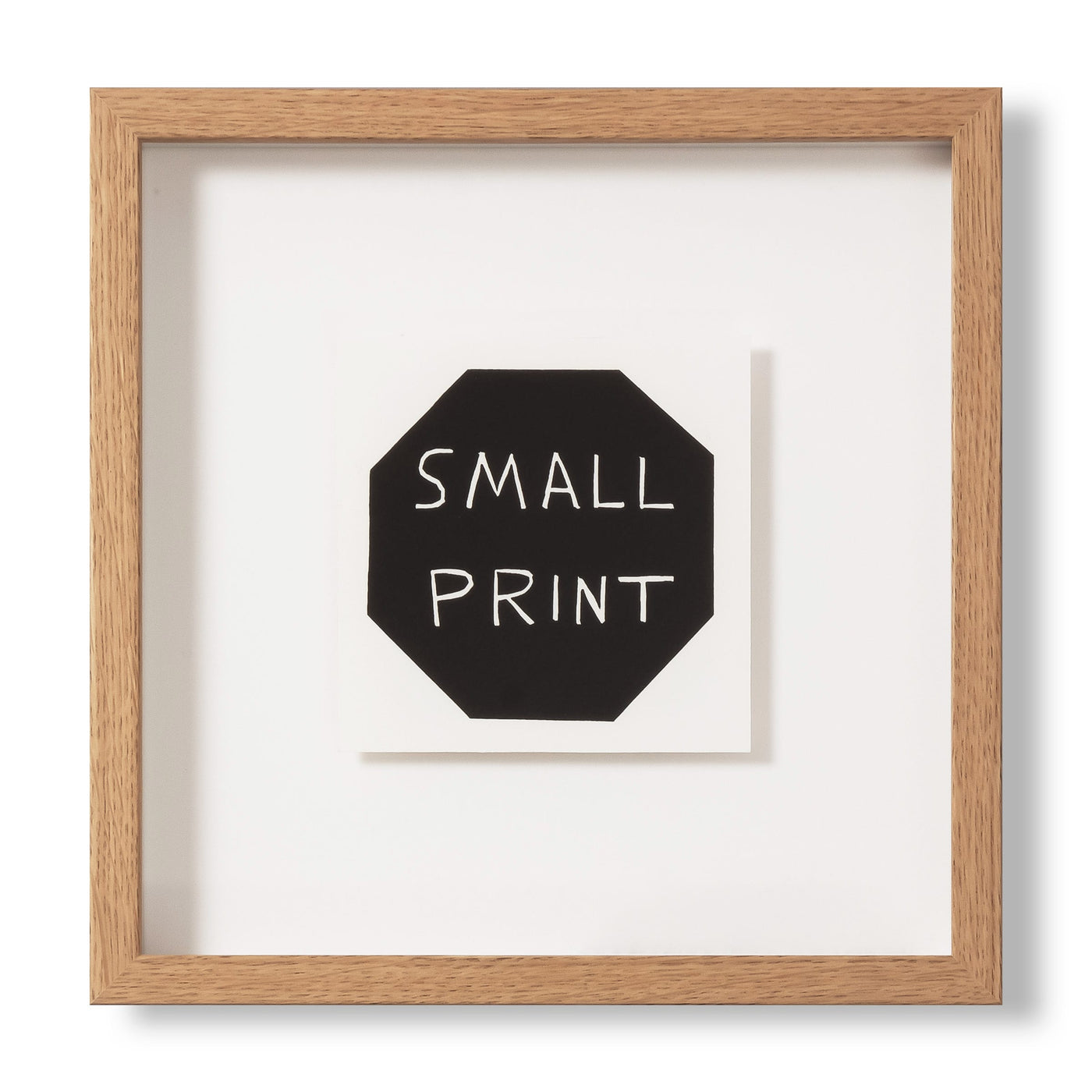
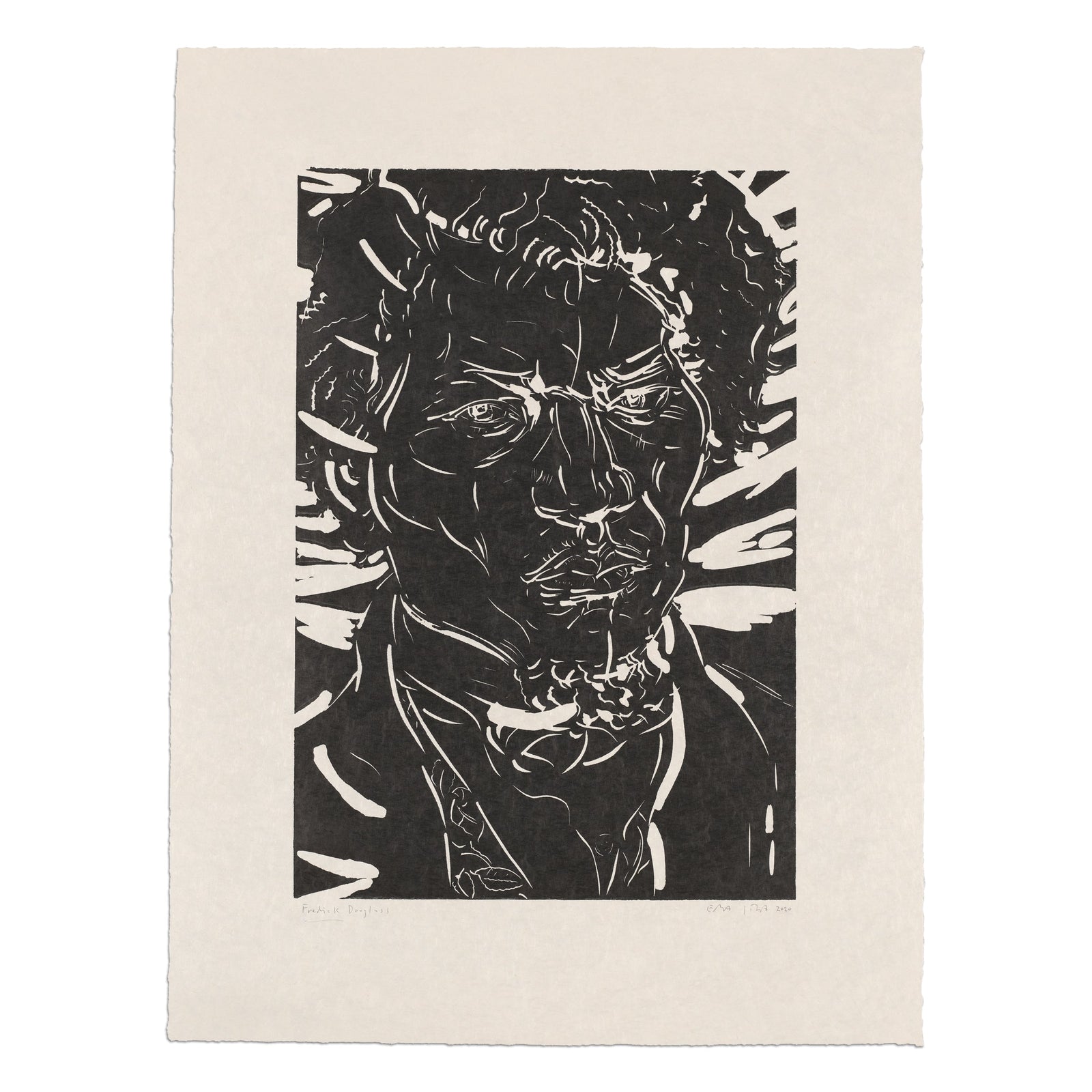
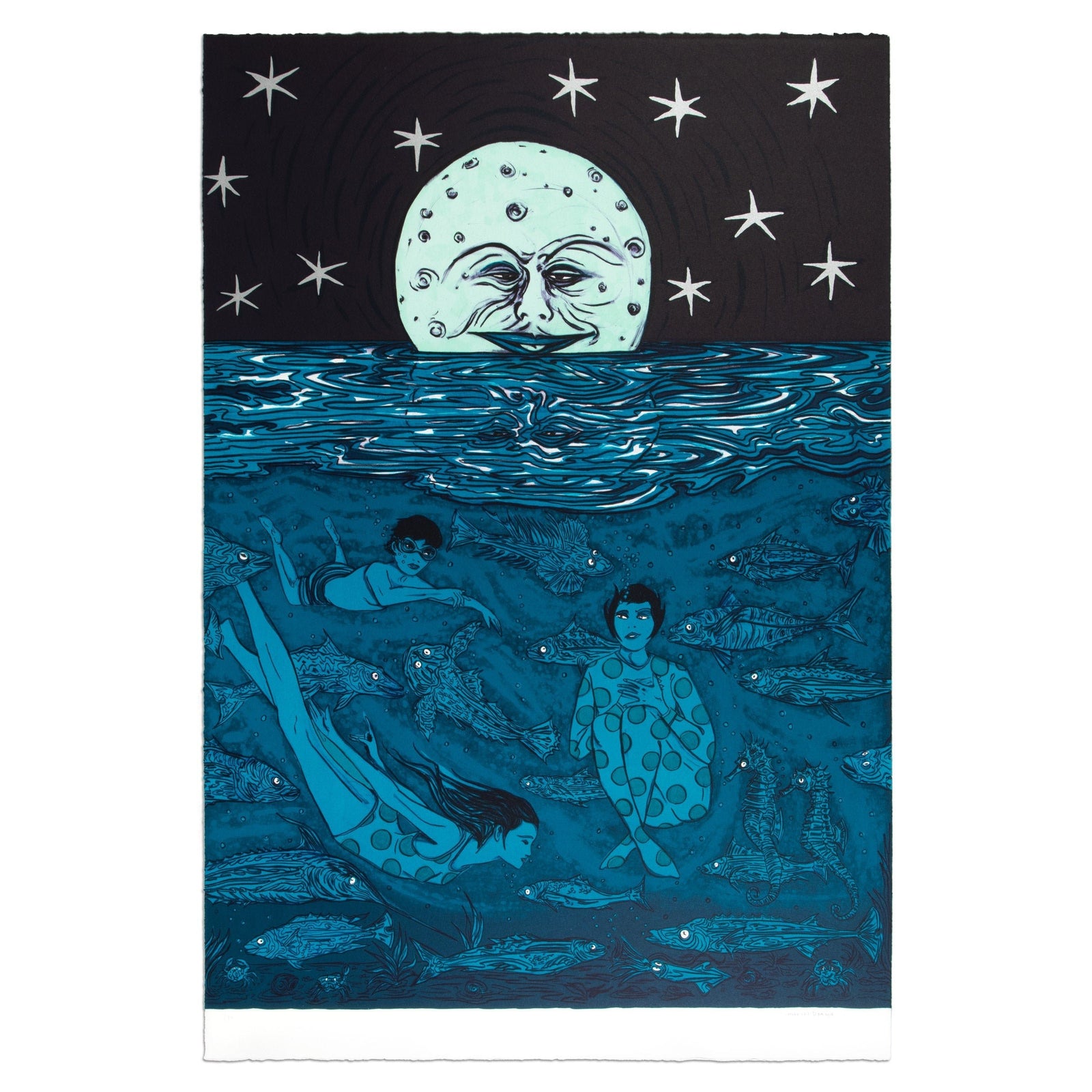
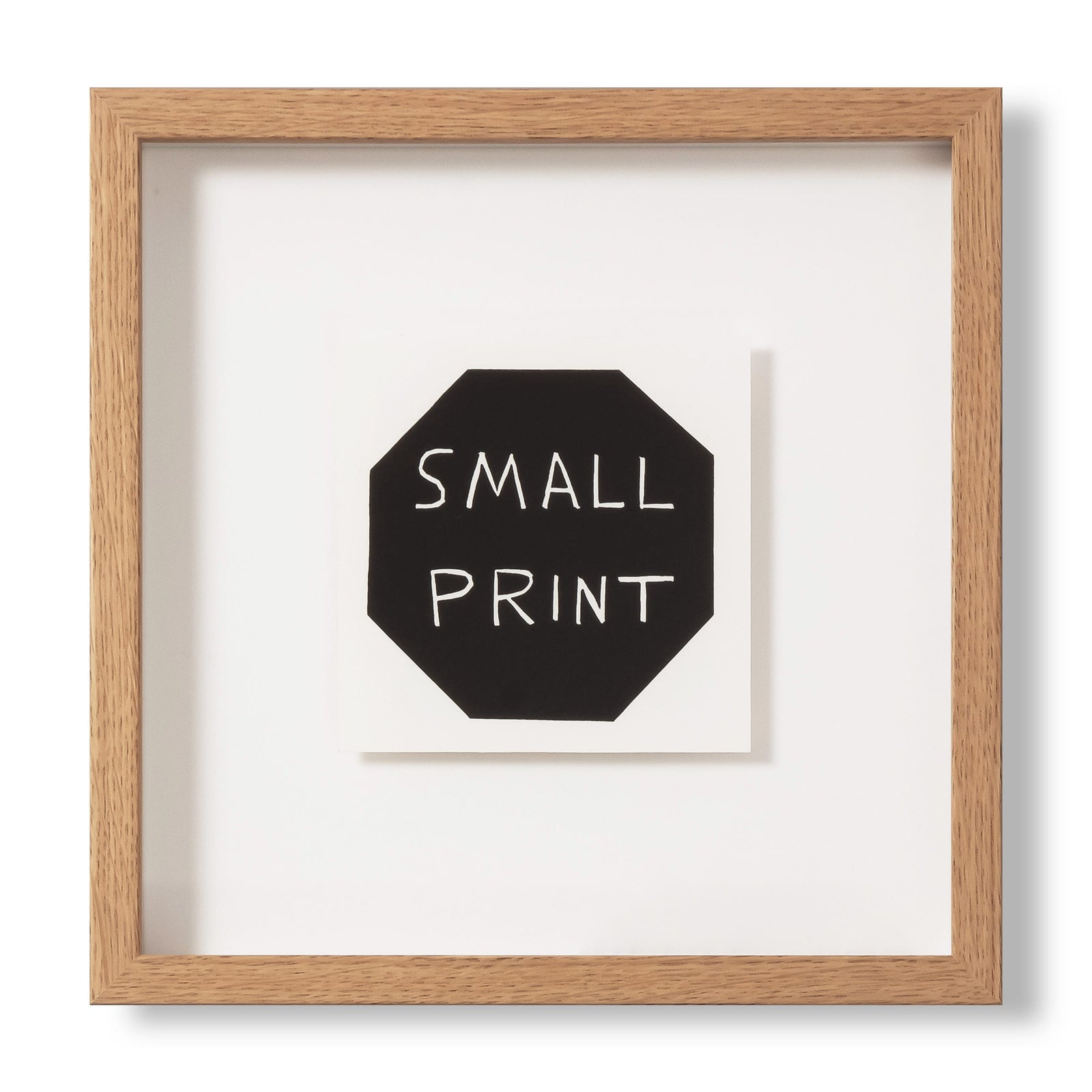
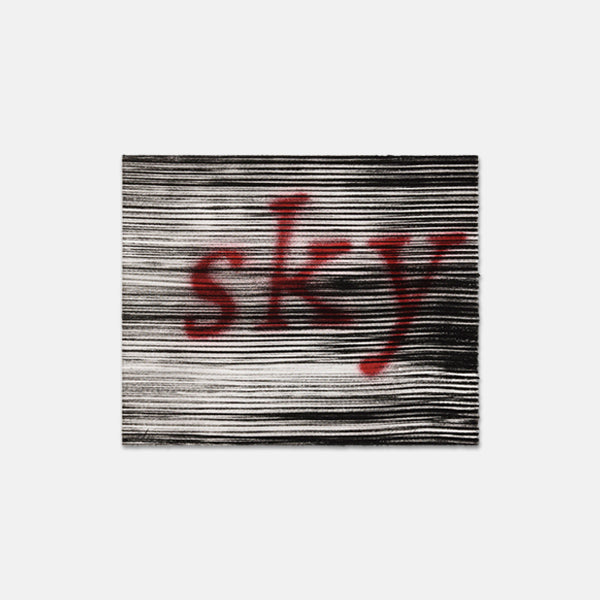
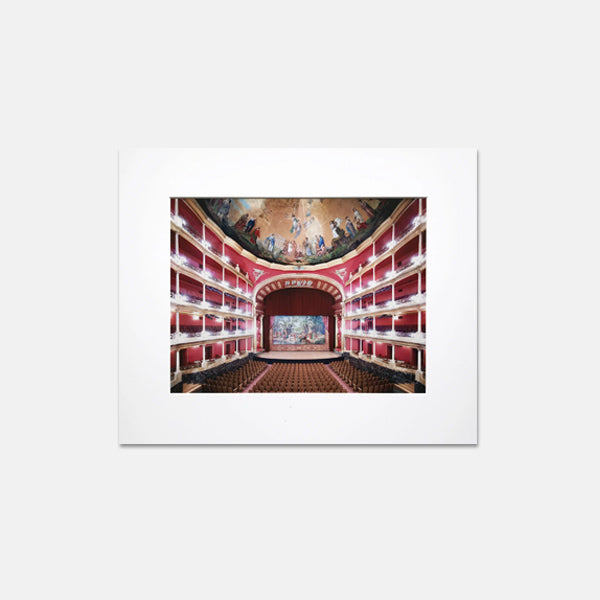
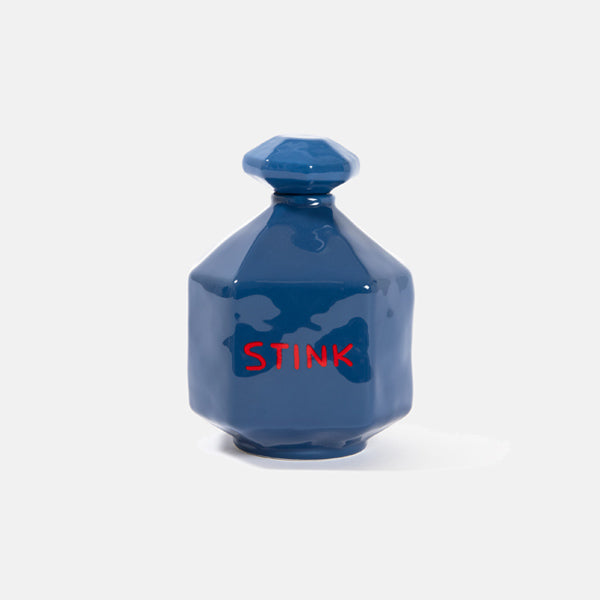
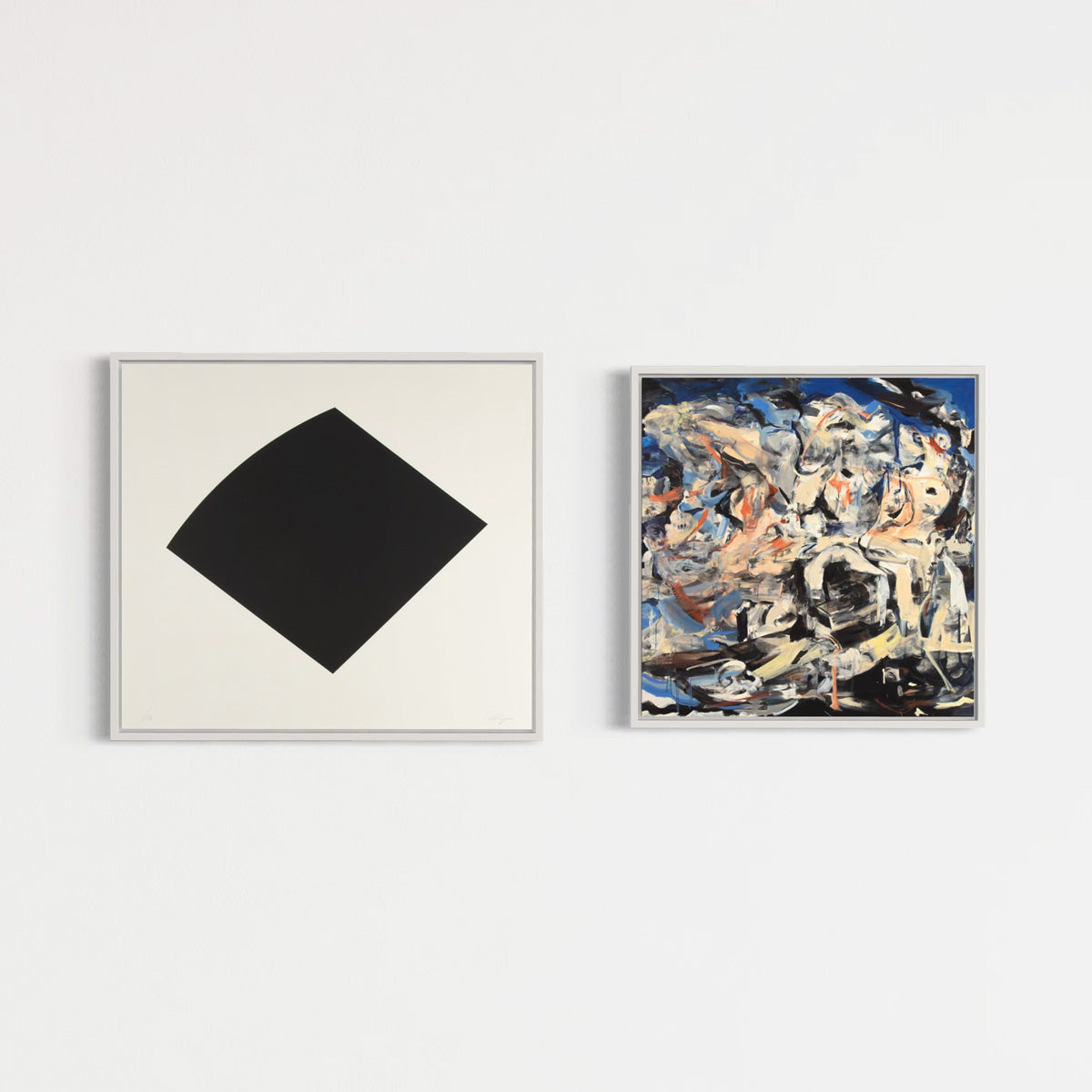
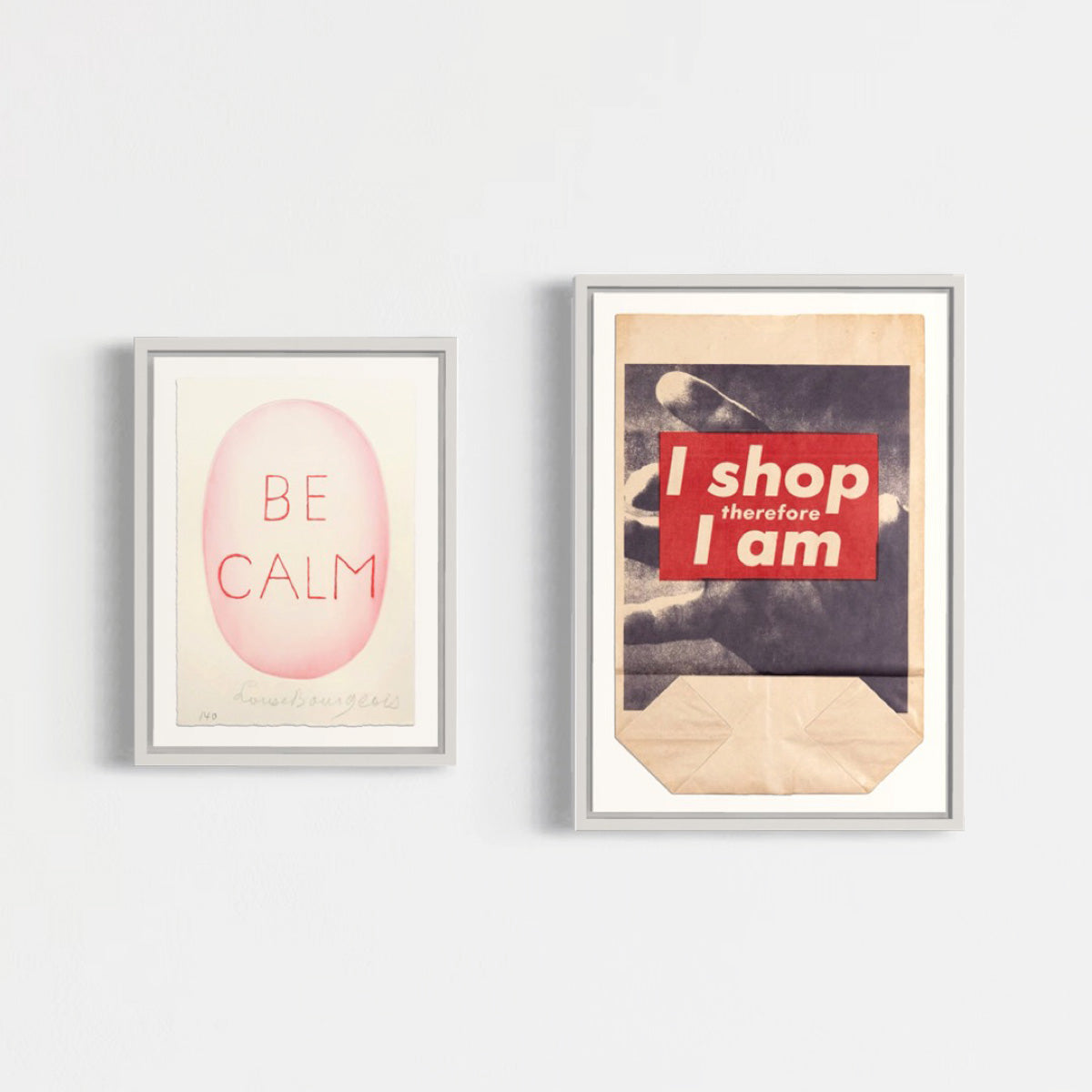
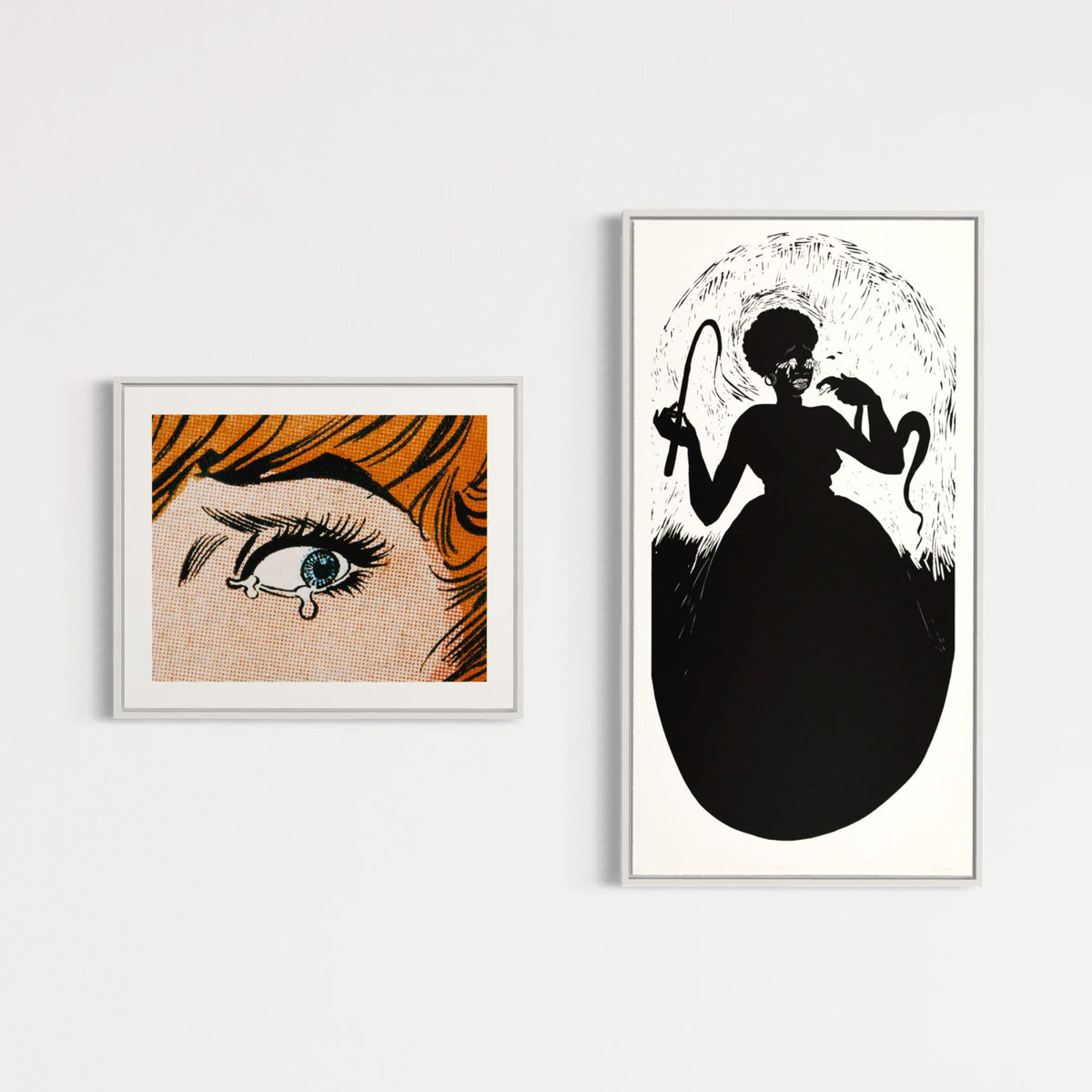
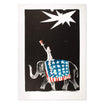
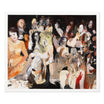
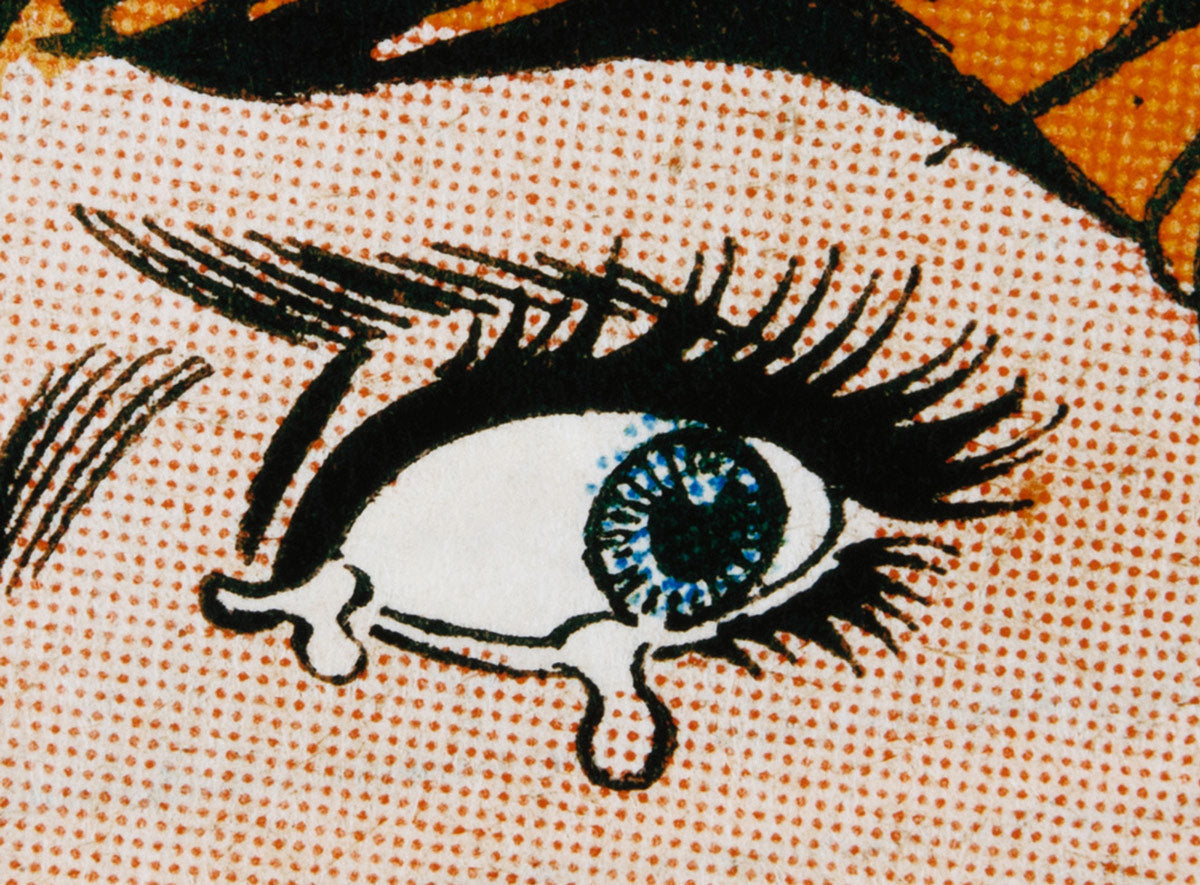
Affordable art under €2,500 offers an accessible way to start collecting. This curated selection includes limited edition prints, photographs, and artist multiples by internationally recognized artists.
Filters
154 products
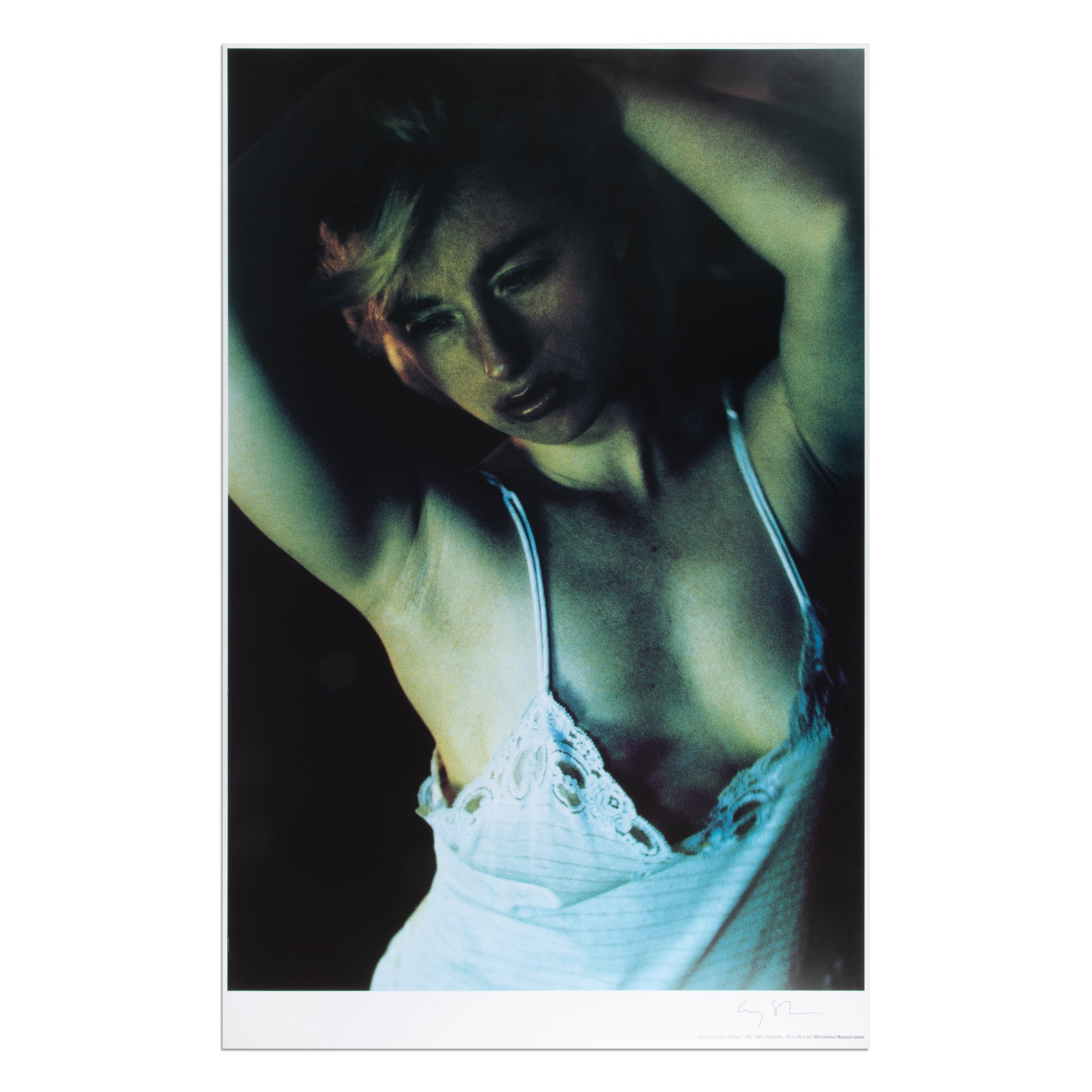
Starting an art collection is not simply about acquiring works — it’s a process of discovery, intention, and growth. The first step is to define your goals: are you collecting for the joy of living with art, as an investment, or to build a legacy? Setting a budget and focus from the beginning helps you make confident choices and avoid impulsive purchases.
Education is essential. Visit galleries, museums, and fairs; study exhibition catalogs and auction results; follow artists and galleries online. The more art you see, the sharper your eye becomes. Over time, you will learn to recognize quality, authenticity, and artistic significance — and, just as importantly, understand what personally resonates with you.
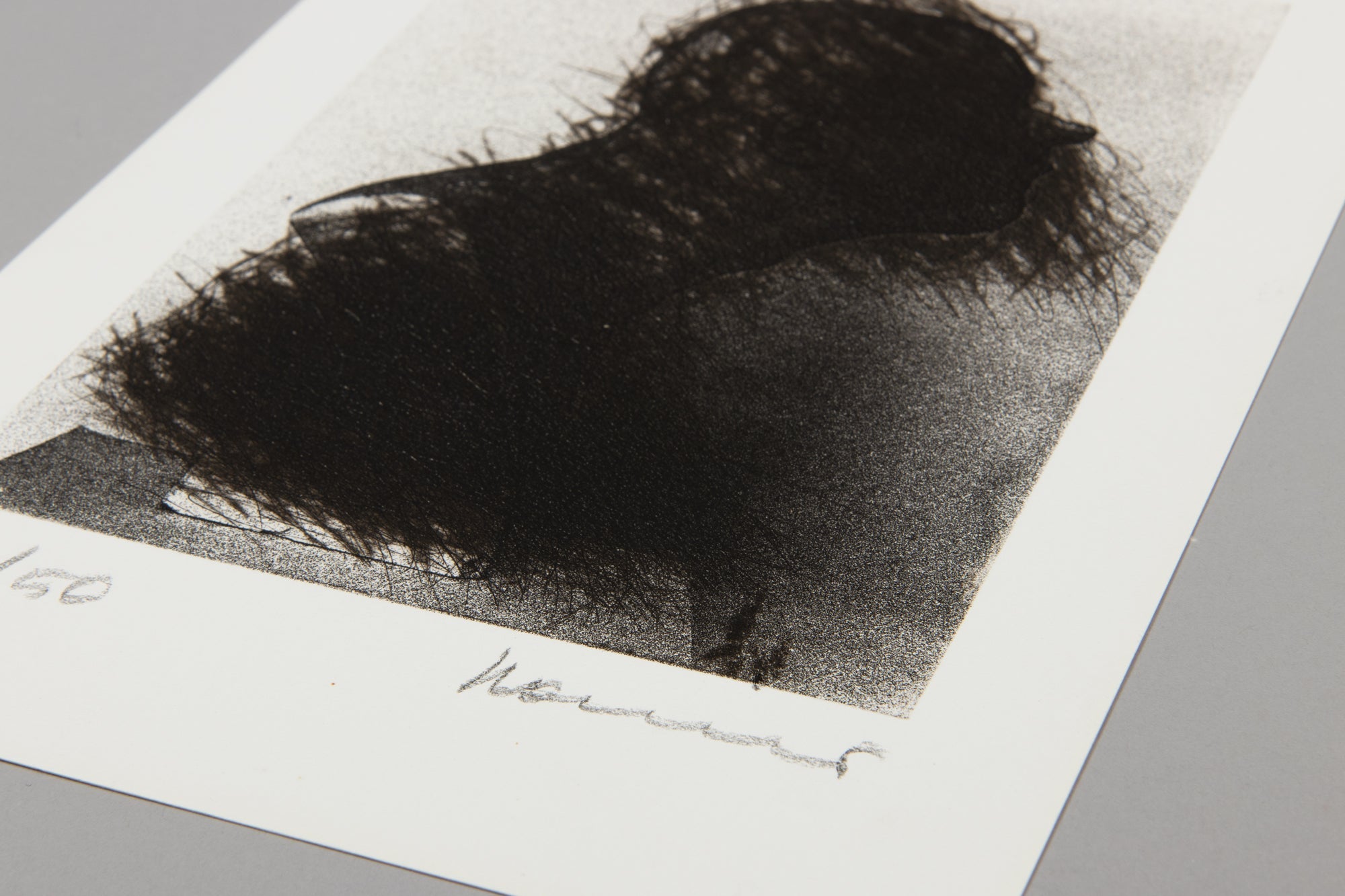
When buying, always check provenance, condition, and authenticity. For editioned works, pay attention to the edition number, signature, and print quality. Signed prints, photographs, and multiples are a safe and accessible entry point, offering original works by established artists at lower price levels than unique pieces.
Your collection will evolve over time. Anchor works may define its character, while smaller acquisitions provide context and variety. There is no need to build a collection overnight — thoughtful, deliberate choices will result in a stronger and more meaningful collection in the long run.
Ready to start your collection? →

Every strong collection reflects the unique perspective of its owner. Developing personal taste is therefore central to collecting. Taste is not something fixed — it grows and evolves through exposure to different artists, mediums, and movements. The more you look, the more confident you will become in understanding what speaks to you.
Seek out a wide range of art. Visit exhibitions and fairs, explore both established and emerging artists, and spend time with works you would not normally gravitate towards. These encounters broaden your understanding and may reveal unexpected affinities. Keeping notes or saving images of works that catch your attention can help you see patterns emerge: perhaps you are drawn to bold abstraction, figurative narratives, conceptual text, or political commentary.
Trust your instincts. Emotional response is as valuable as academic or market reasoning. A work that lingers in your mind or sparks a reaction is often more meaningful than one that simply fits a trend. Over time, these preferences will give your collection coherence and authenticity.
Developing taste is a long-term journey. By refining your eye and understanding, you not only become a more confident collector but also create a collection that reflects your vision — one that is personal, distinctive, and enduring.
Explore limited edition prints →

For many collectors, the best way to begin is to start small. Rather than rushing to acquire unique paintings or large sculptures, focus on art editions, works on paper, and artist's books. These categories offer accessible entry points while still providing the depth, originality, and authenticity collectors seek.
Limited edition prints, including signed prints, photographs, and artist multiples, allow you to own original works by leading contemporary and postwar artists at a fraction of the price of unique pieces. Because they are numbered and often limited in availability, editions maintain cultural and market significance while being more financially attainable.
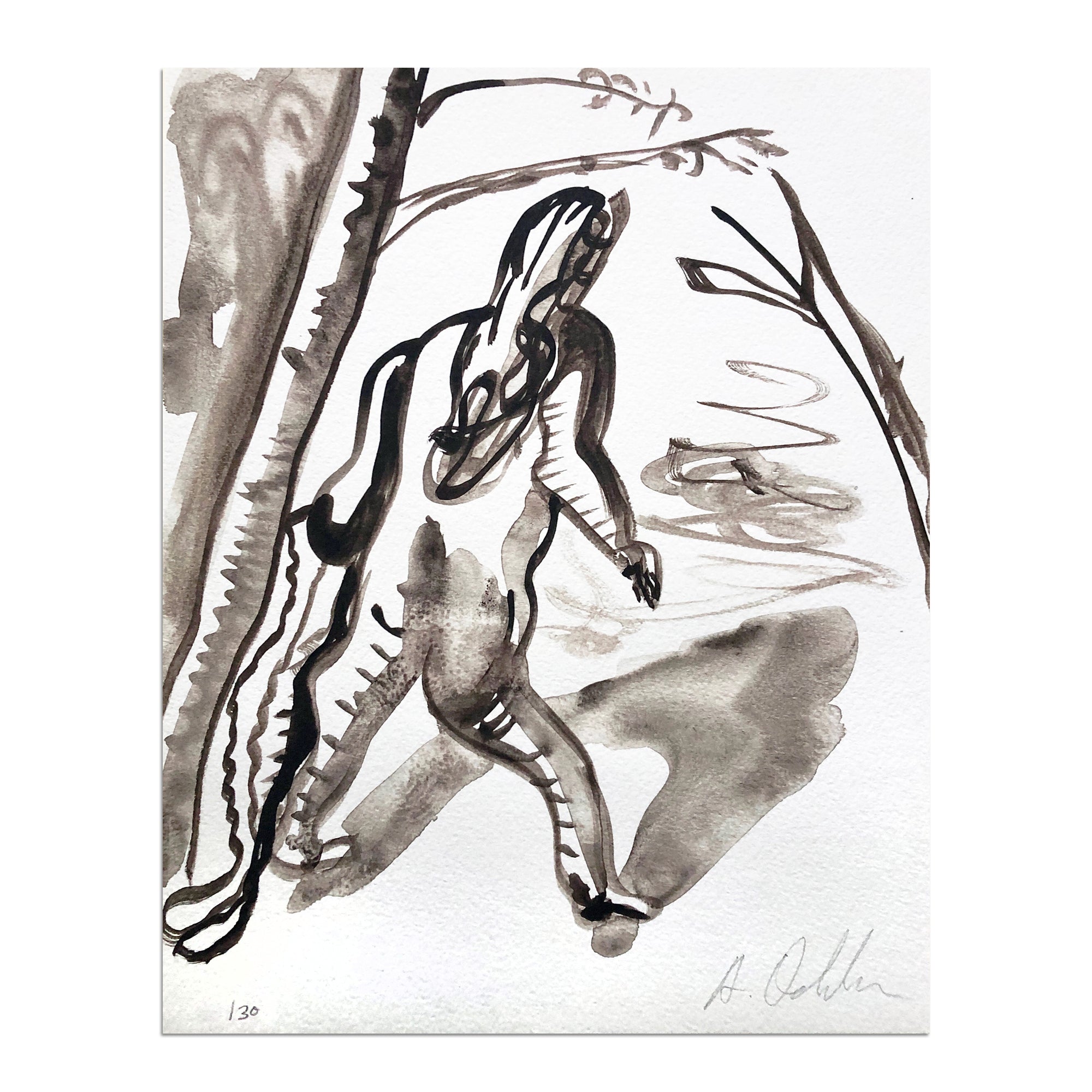
Works on paper — drawings, watercolors, or preparatory studies — provide an intimate view of an artist’s process. These pieces often reveal spontaneity and experimentation, making them rewarding for collectors who want to understand an artist’s practice beyond finished works.
Books, catalogues, and portfolios are another meaningful way to begin. Monographs and exhibition catalogues enrich your knowledge and often contain rare reproductions or even signed elements. Collecting books alongside artworks helps build a broader, more informed relationship with the artists and movements you care about.
Starting small does not mean collecting less seriously. Each acquisition can be the foundation of a larger journey. By focusing on editions, works on paper, and books, you begin to shape a collection that balances accessibility with significance — one that can grow steadily in both scope and value.
Discover all artworks under €2,500 →
Starting an art collection is not simply about acquiring works — it’s a process of discovery, intention, and growth. The first step is to define your goals: are you collecting for the joy of living with art, as an investment, or to build a legacy? Setting a budget and focus from the beginning helps you make confident choices and avoid impulsive purchases.
Education is essential. Visit galleries, museums, and fairs; study exhibition catalogs and auction results; follow artists and galleries online. The more art you see, the sharper your eye becomes. Over time, you will learn to recognize quality, authenticity, and artistic significance — and, just as importantly, understand what personally resonates with you.
When buying, always check provenance, condition, and authenticity. For editioned works, pay attention to the edition number, signature, and print quality. Signed prints, photographs, and multiples are a safe and accessible entry point, offering original works by established artists at lower price levels than unique pieces.
Your collection will evolve over time. Anchor works may define its character, while smaller acquisitions provide context and variety. There is no need to build a collection overnight — thoughtful, deliberate choices will result in a stronger and more meaningful collection in the long run.
Ready to start your collection? →
Every strong collection reflects the unique perspective of its owner. Developing personal taste is therefore central to collecting. Taste is not something fixed — it grows and evolves through exposure to different artists, mediums, and movements. The more you look, the more confident you will become in understanding what speaks to you.
Seek out a wide range of art. Visit exhibitions and fairs, explore both established and emerging artists, and spend time with works you would not normally gravitate towards. These encounters broaden your understanding and may reveal unexpected affinities. Keeping notes or saving images of works that catch your attention can help you see patterns emerge: perhaps you are drawn to bold abstraction, figurative narratives, conceptual text, or political commentary.
Trust your instincts. Emotional response is as valuable as academic or market reasoning. A work that lingers in your mind or sparks a reaction is often more meaningful than one that simply fits a trend. Over time, these preferences will give your collection coherence and authenticity.
Developing taste is a long-term journey. By refining your eye and understanding, you not only become a more confident collector but also create a collection that reflects your vision — one that is personal, distinctive, and enduring.
Explore limited edition prints →
For many collectors, the best way to begin is to start small. Rather than rushing to acquire unique paintings or large sculptures, focus on art editions, works on paper, and artist's books. These categories offer accessible entry points while still providing the depth, originality, and authenticity collectors seek.
Limited edition prints, including signed prints, photographs, and artist multiples, allow you to own original works by leading contemporary and postwar artists at a fraction of the price of unique pieces. Because they are numbered and often limited in availability, editions maintain cultural and market significance while being more financially attainable.
Works on paper — drawings, watercolors, or preparatory studies — provide an intimate view of an artist’s process. These pieces often reveal spontaneity and experimentation, making them rewarding for collectors who want to understand an artist’s practice beyond finished works.
Books, catalogues, and portfolios are another meaningful way to begin. Monographs and exhibition catalogues enrich your knowledge and often contain rare reproductions or even signed elements. Collecting books alongside artworks helps build a broader, more informed relationship with the artists and movements you care about.
Starting small does not mean collecting less seriously. Each acquisition can be the foundation of a larger journey. By focusing on editions, works on paper, and books, you begin to shape a collection that balances accessibility with significance — one that can grow steadily in both scope and value.
Discover all artworks under €2,500 →


Buy art online
Shop art editions online with transparent pricing, accurate condition reports, and fast dispatch. Designed for international collectors, we make buying limited edition prints and artworks simple, secure, and reliable.
Worldwide shipping
We ship art editions worldwide with full insurance and tracking. Handled only by trusted international carriers, each shipment is securely packaged and typically dispatched within 5 days.
Professional packaging
Every artwork is packaged to the highest professional standards. Using solid multi-layer cardboard and protective materials, we ensure your art editions arrive safely and in excellent condition.
Secure payment
Buy with confidence using secure, encrypted payments backed by advanced fraud protection. Every transaction is processed with trusted technology, ensuring a smooth and worry-free checkout for collectors worldwide.