Mel Ramos

Mel Ramos built a career on a single, provocative pairing: the polished glamour of pin-up imagery set against the equally polished language of advertising. A superheroine beside a giant cigar, a nude figure draped across a Coke bottle — each canvas painted with billboard precision. He called it a parody of "sex sells" marketing; critics have long debated whether the parody fully escapes what it critiques. That tension has followed his work since the 1960s and remains part of what makes it worth looking at closely.

Browse signed Mel Ramos prints and editions now.

Available Prints & Editions

10 products
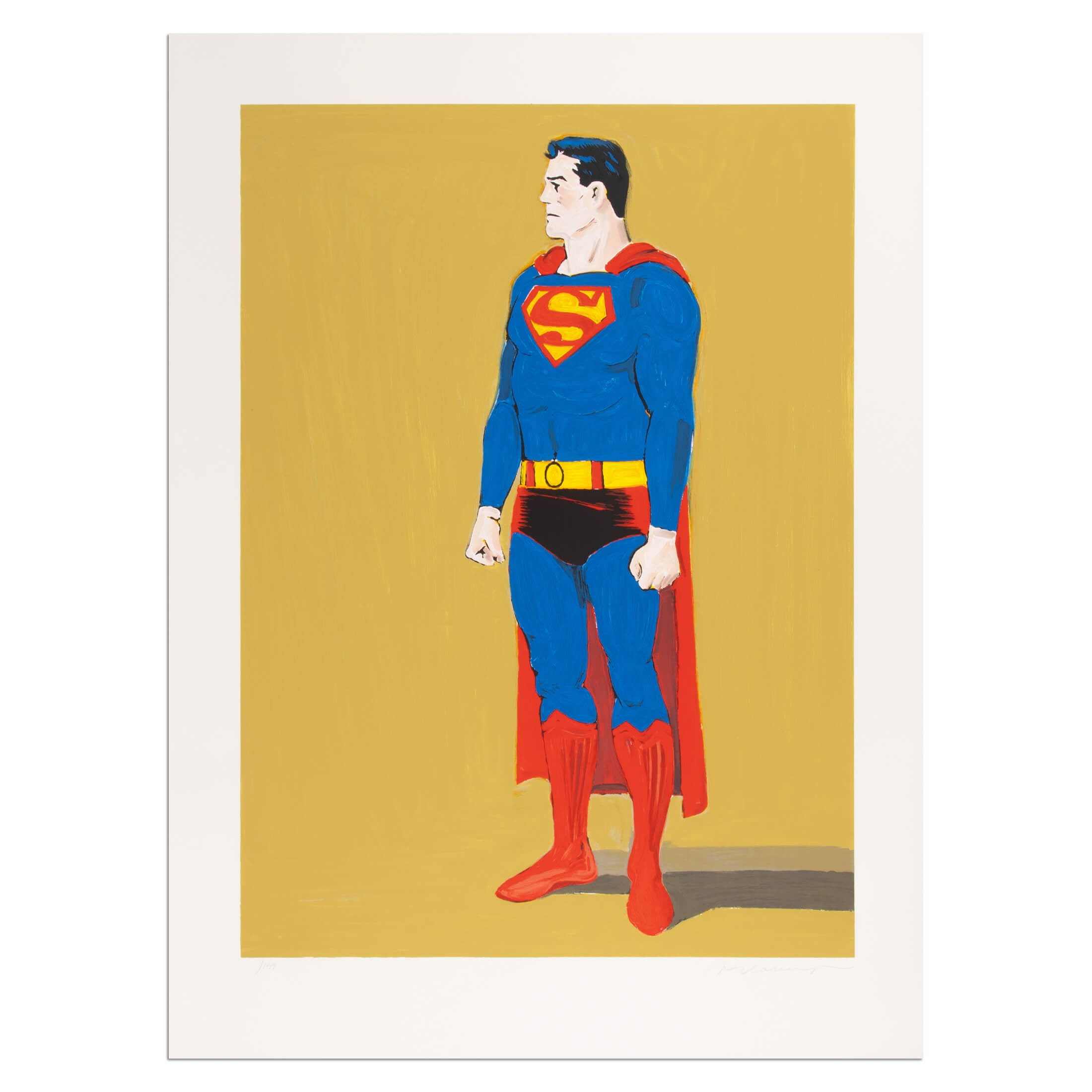
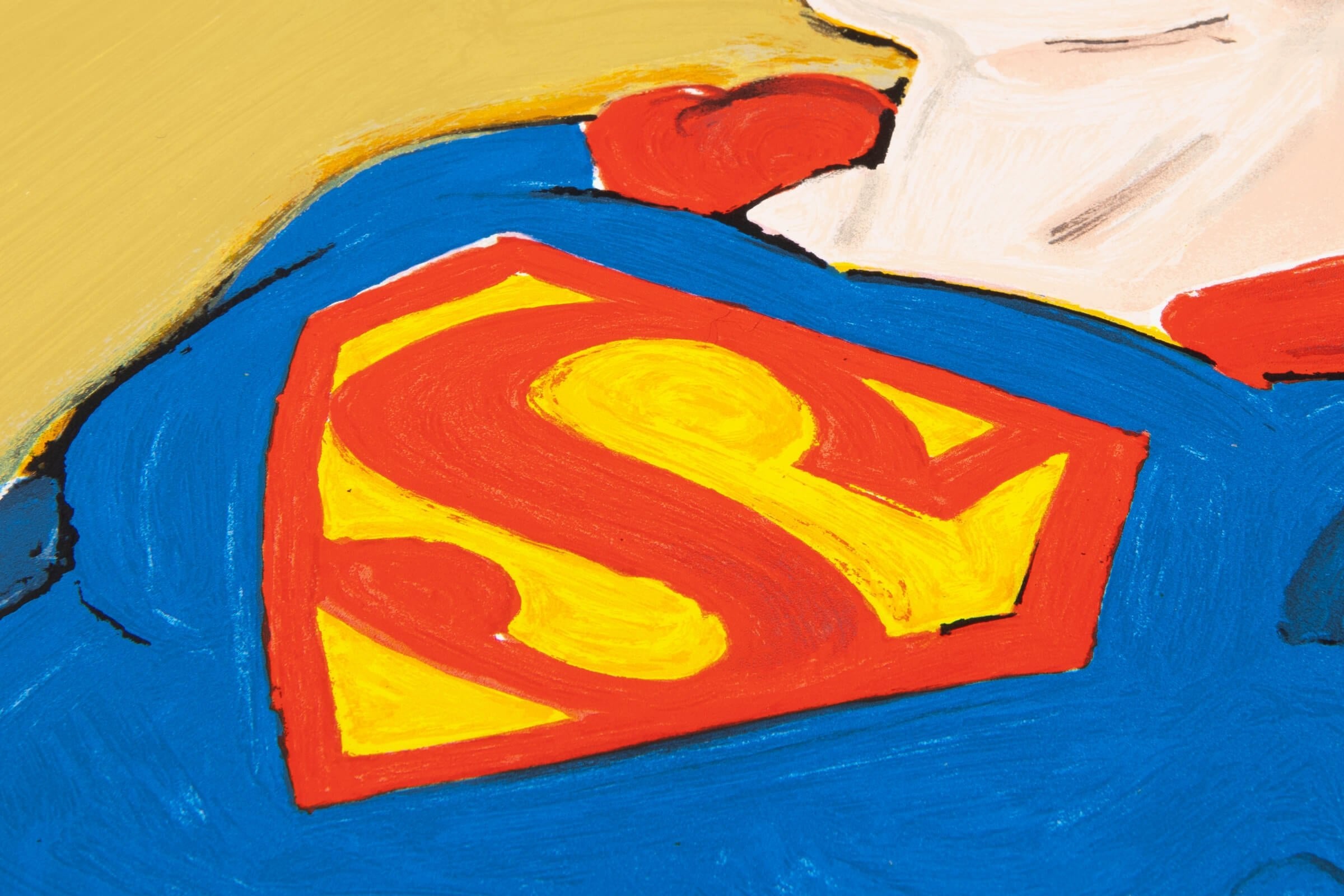
Mel Ramos – SupermanMel Ramos – Superman
Mel Ramos – Superman Sale price€3.000,00
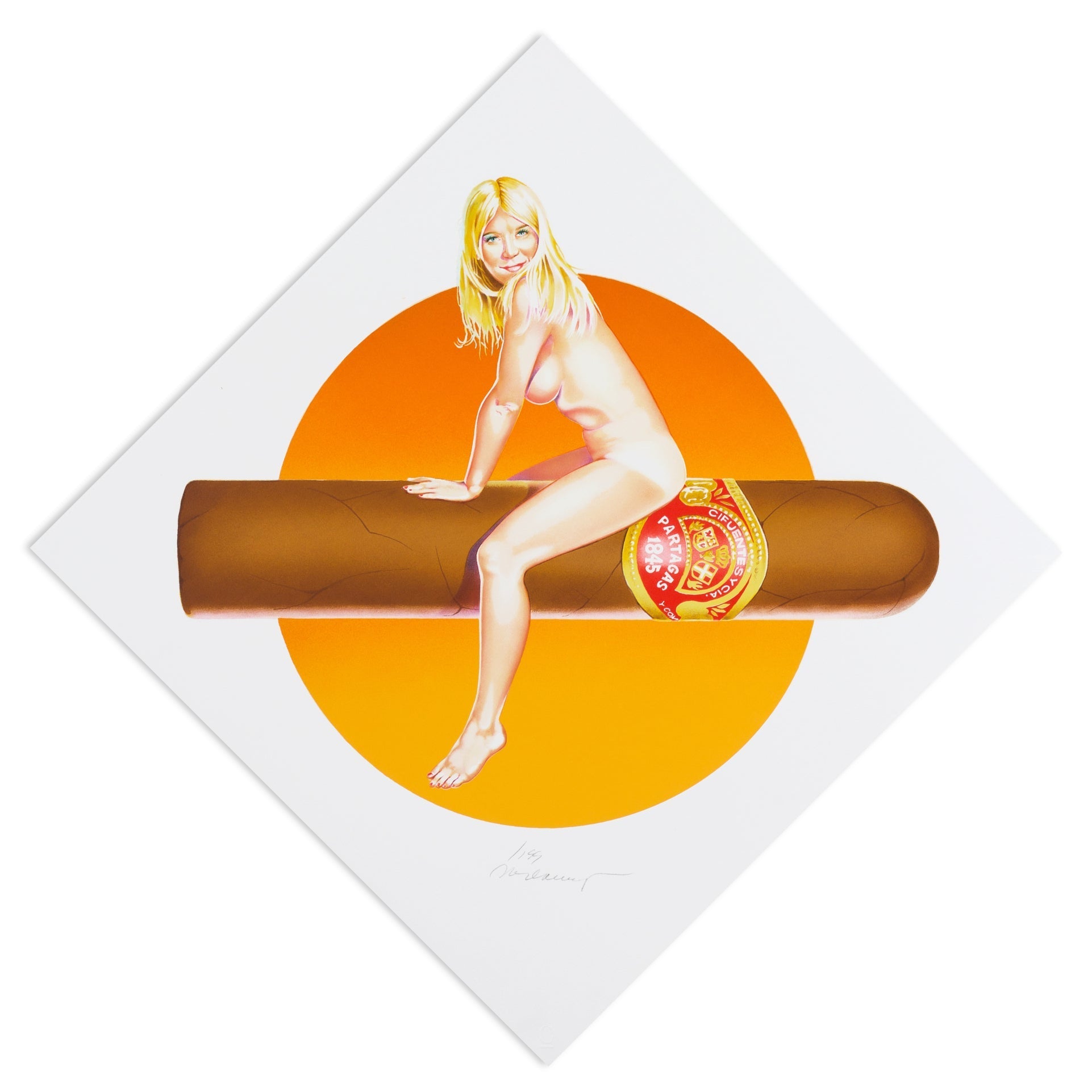
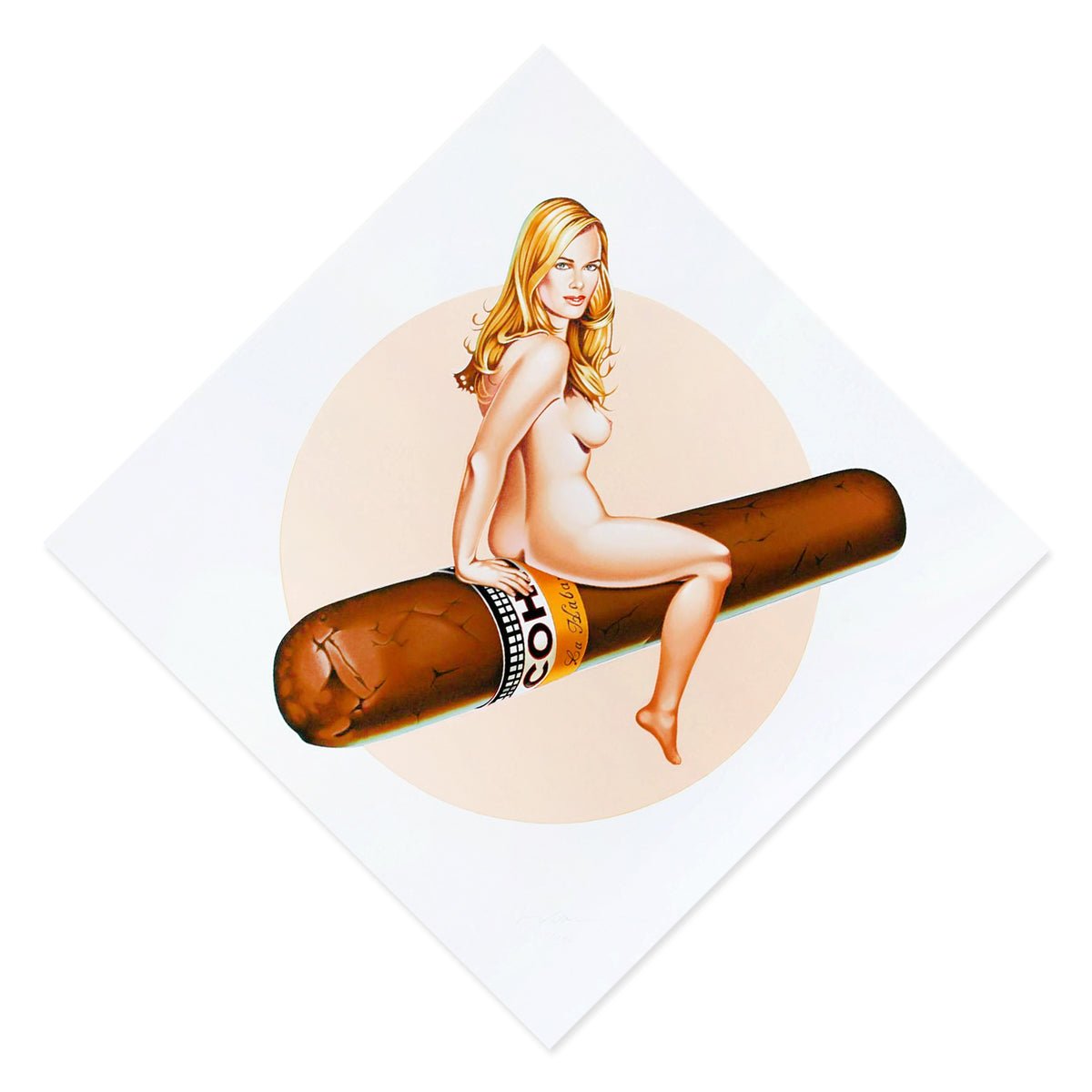
Mel Ramos - Hav-A-Havana 3
Mel Ramos – Hav-A-Havana 3 Sale price€3.500,00
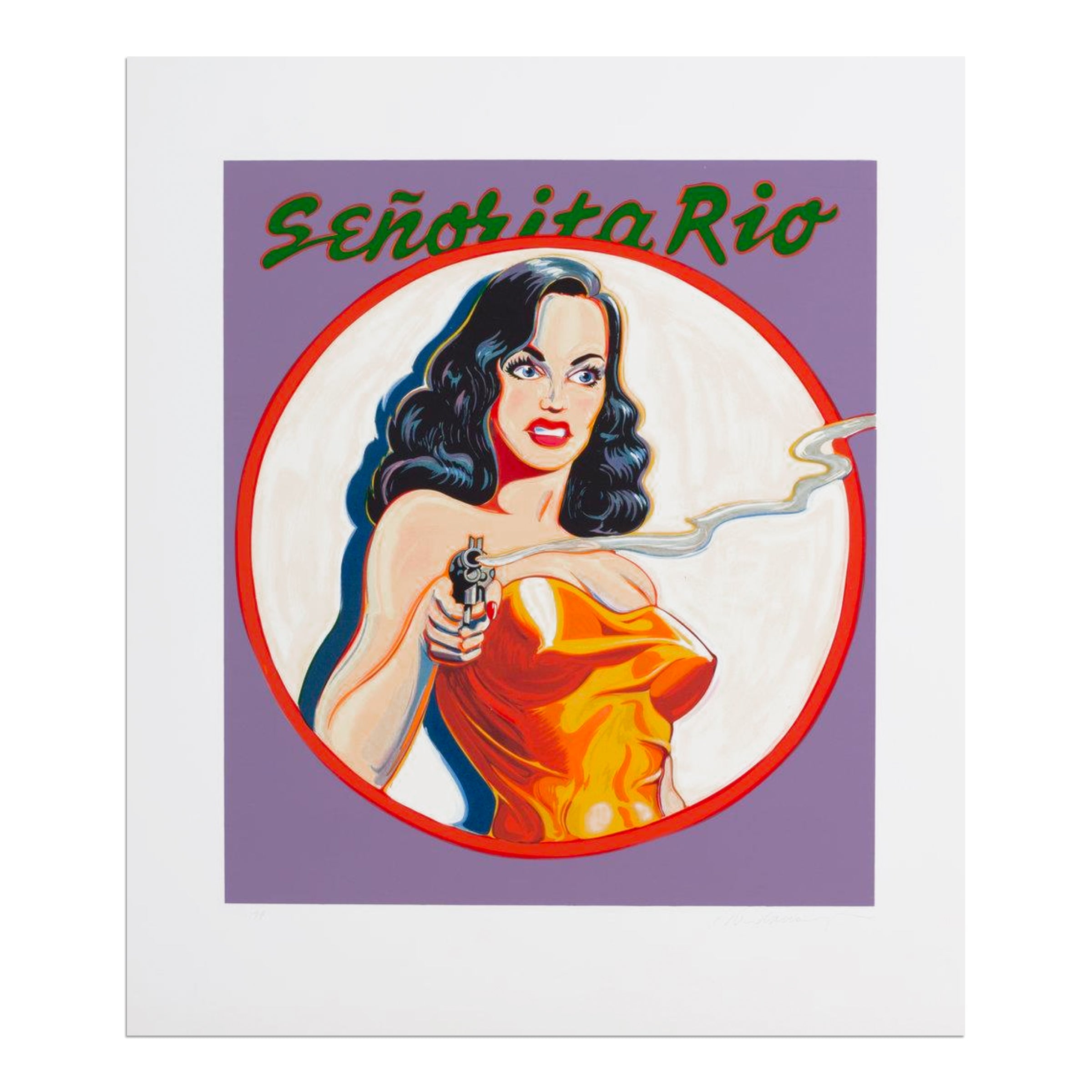
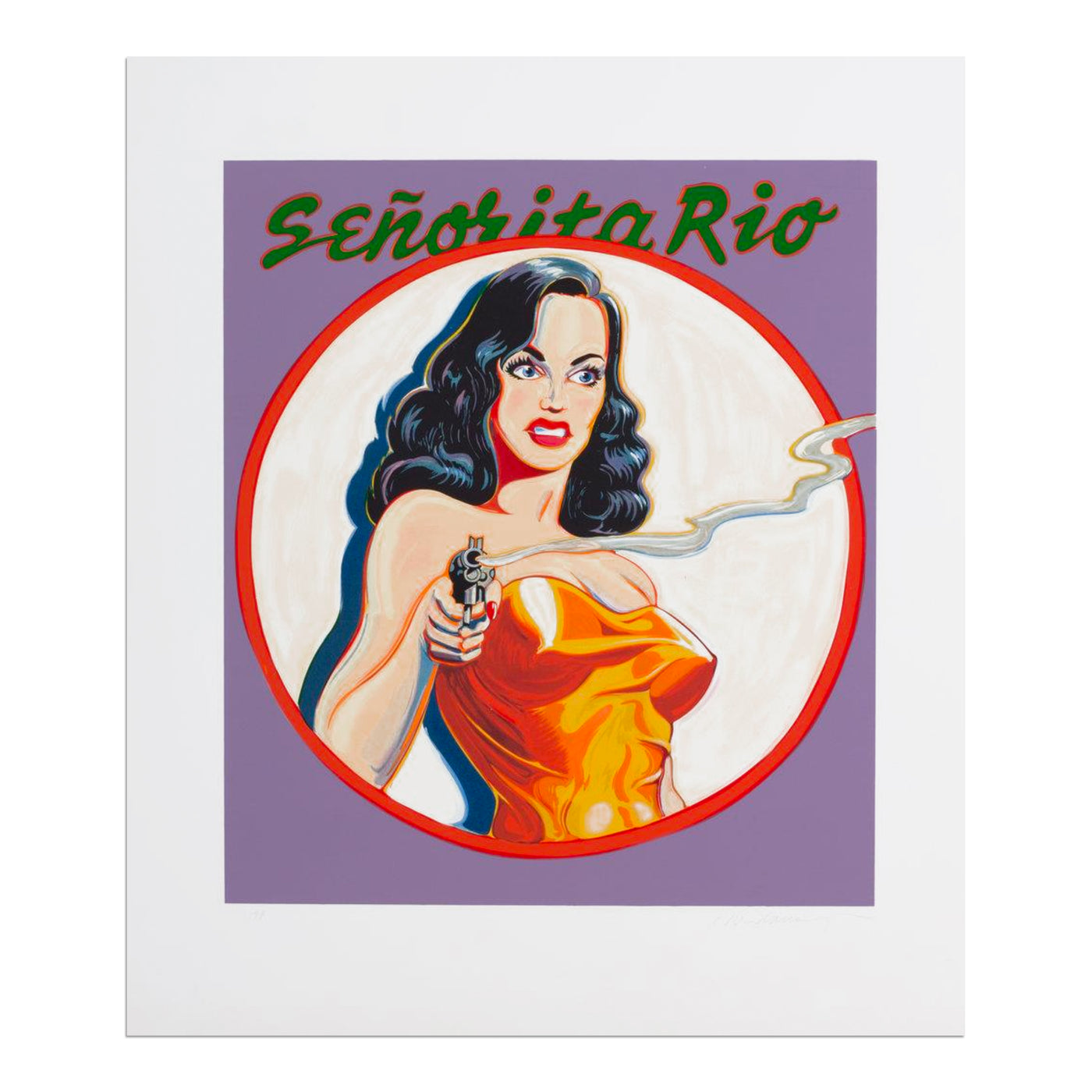
Mel Ramos - Señorita Rio
Mel Ramos – Señorita Rio Sale price€2.800,00
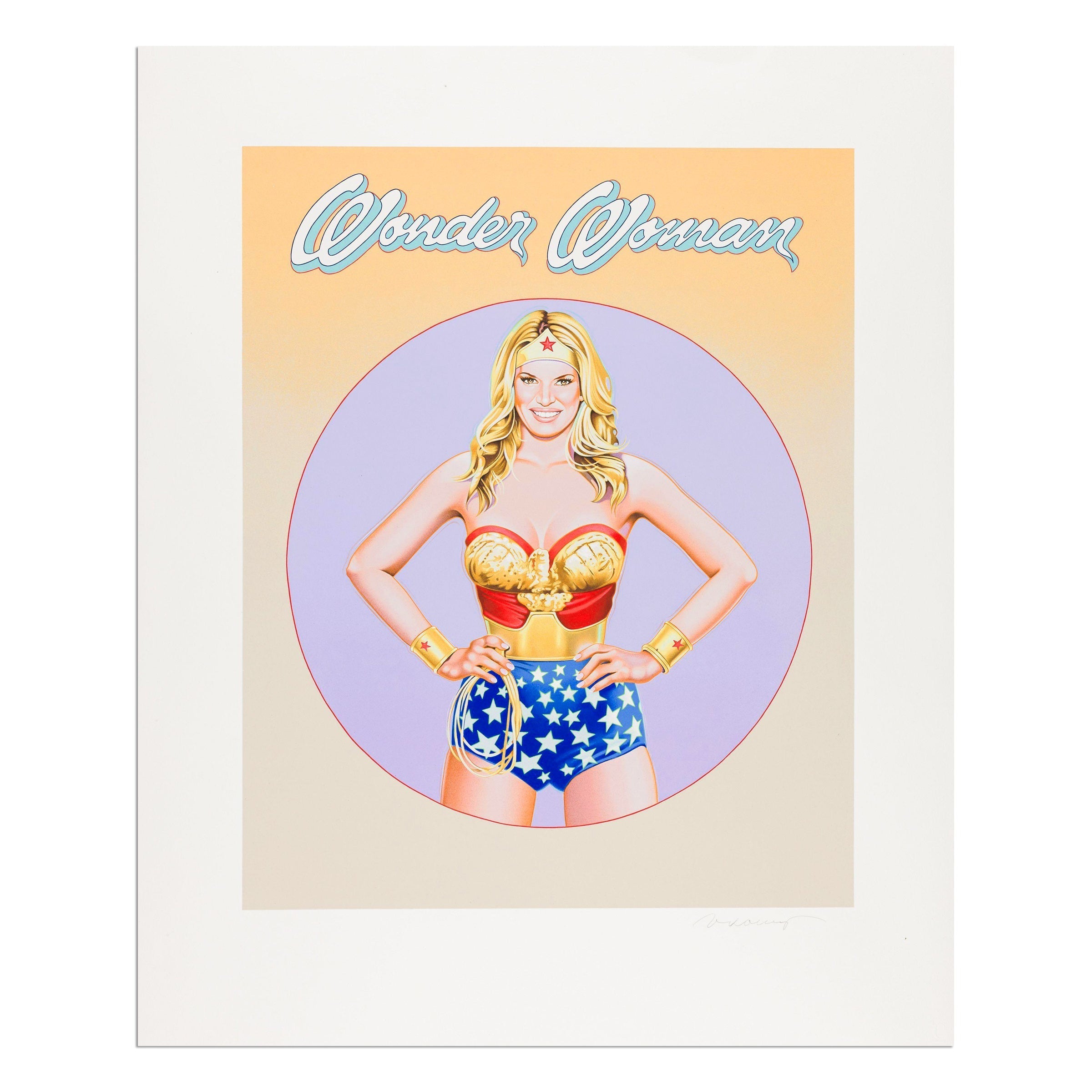
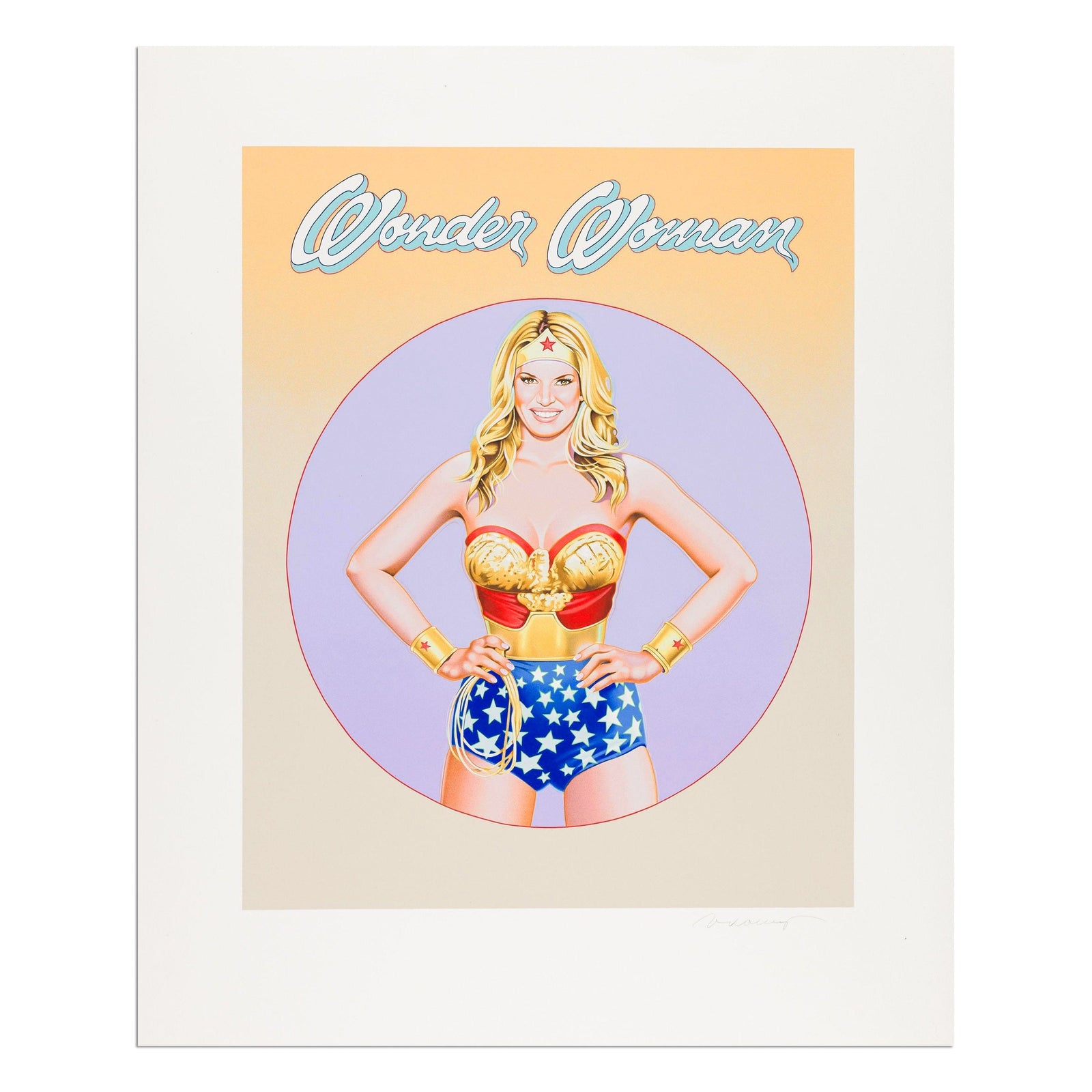
Mel Ramos – Wonder Woman 3
Mel Ramos – Wonder Woman 3 Sale price€2.800,00
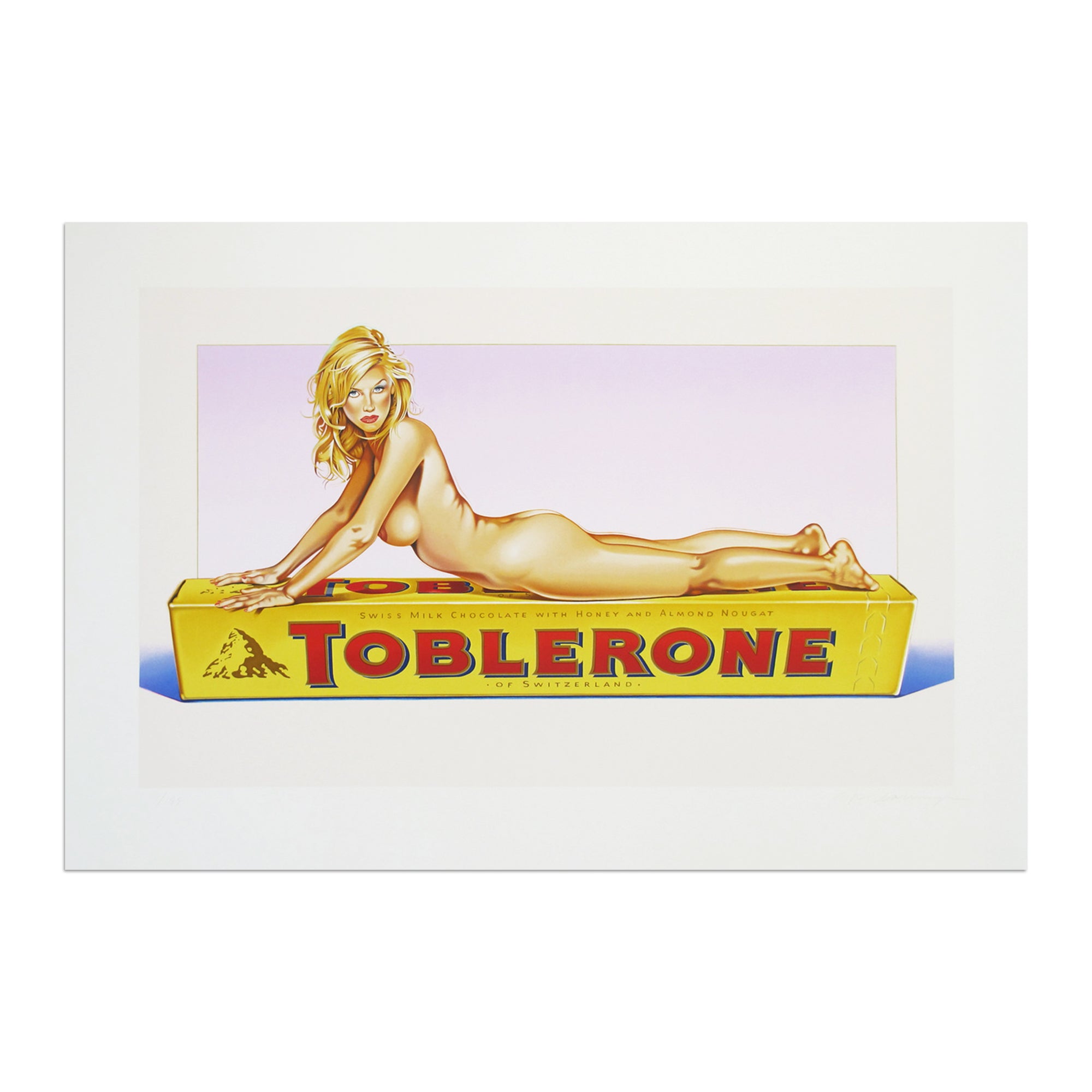
Mel Ramos – Toblerone Tess
Mel Ramos – Toblerone Tess Sale price€6.600,00
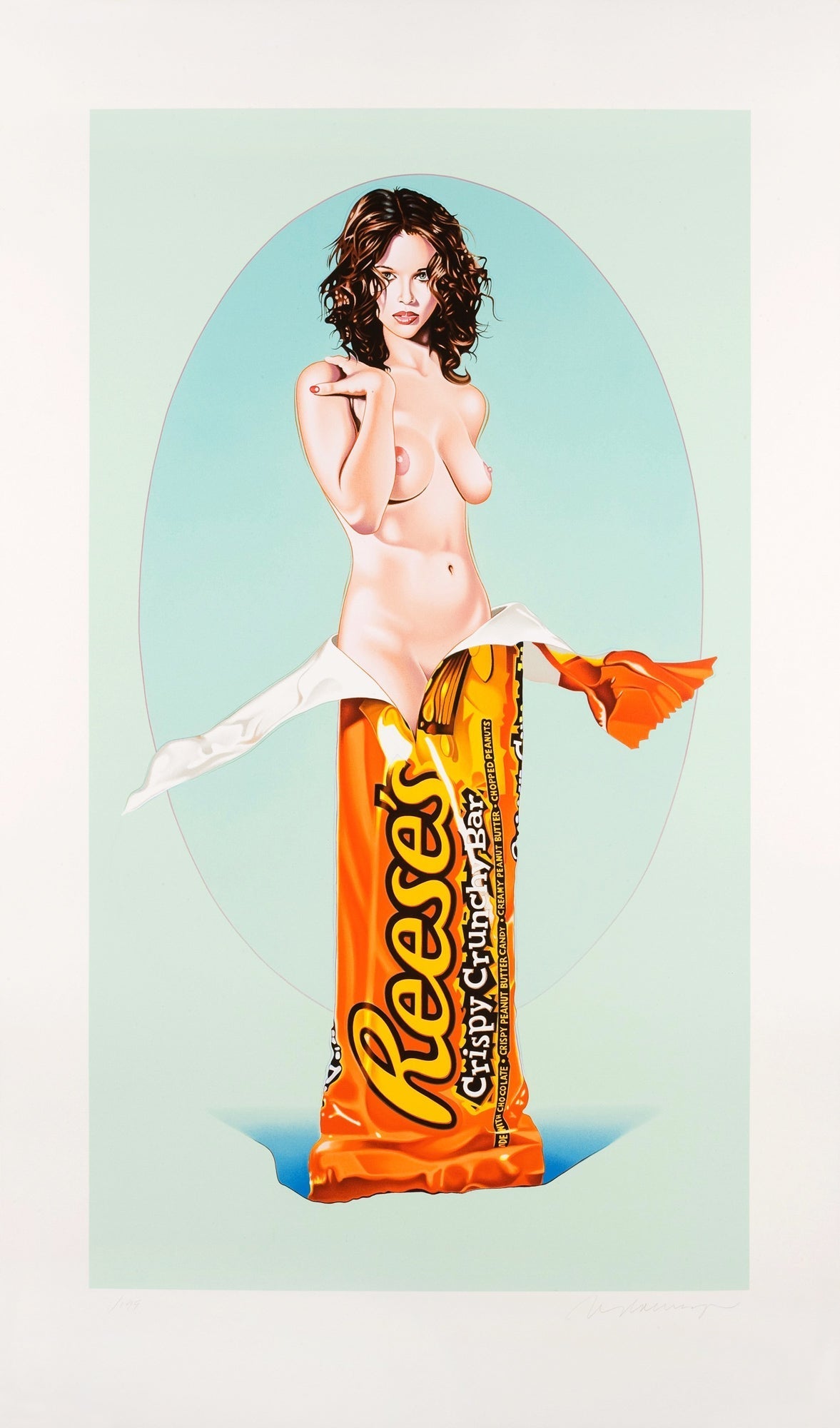
Mel Ramos - Reese's RoseMel Ramos – Reese's Rose
Mel Ramos – Reese's Rose Sale price€3.900,00
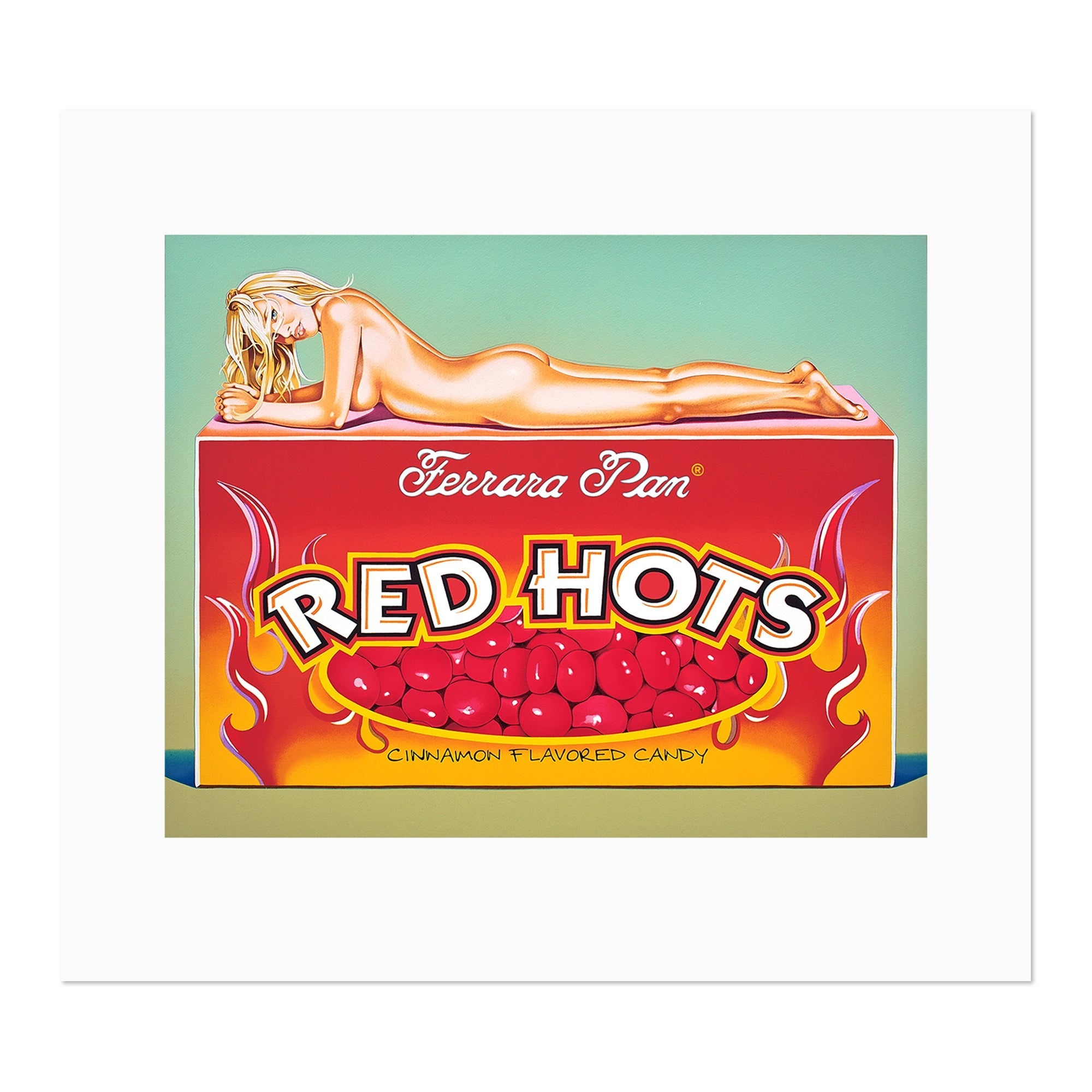
Mel Ramos – Red Hots
Mel Ramos – Red Hots Sale price€3.000,00
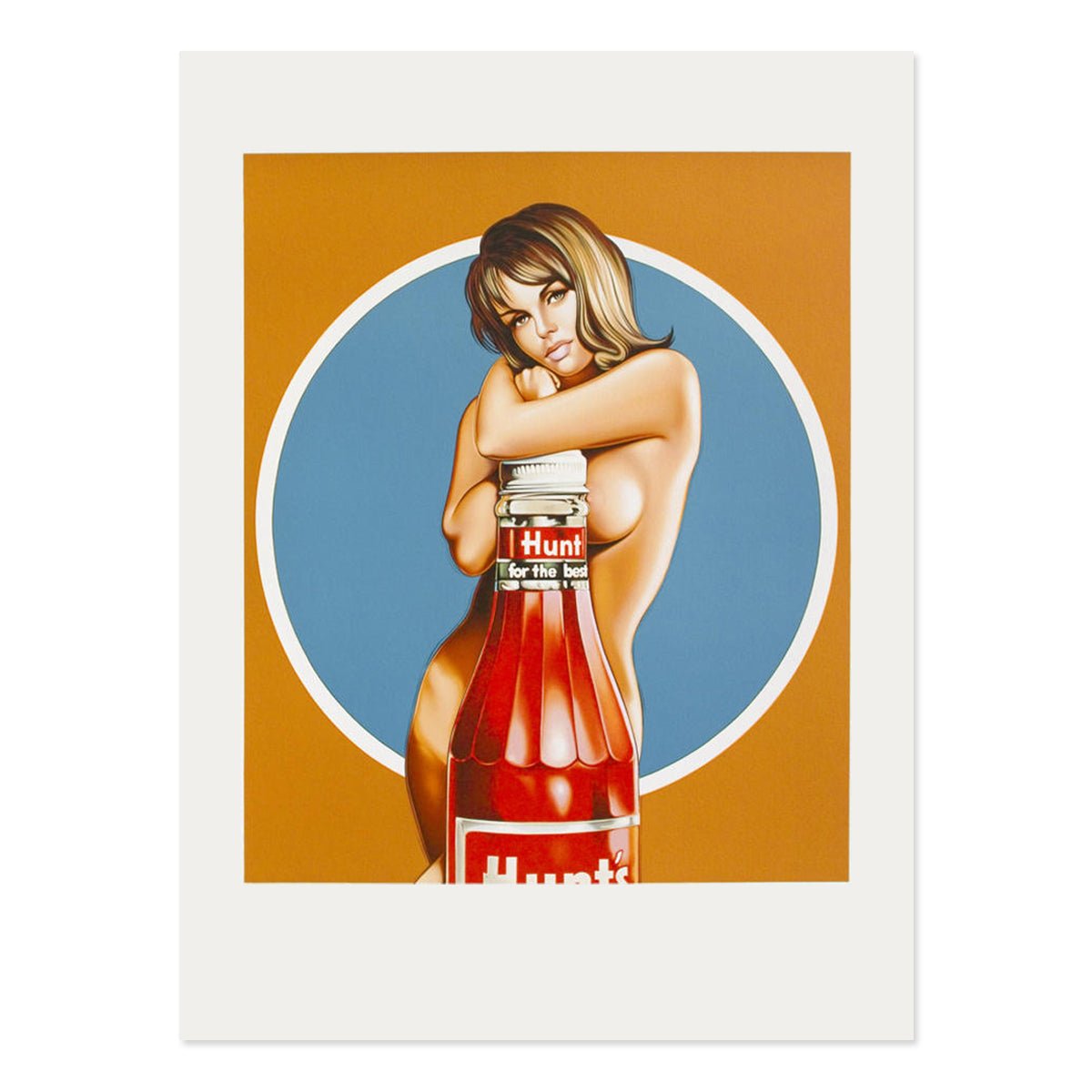
Mel Ramos – Hunt For The Best
Mel Ramos – Hunt For The Best Sale price€4.400,00
Mel Ramos – Hav-A-Havana 6
Mel Ramos – Hav-A-Havana 6 Sale price€4.000,00
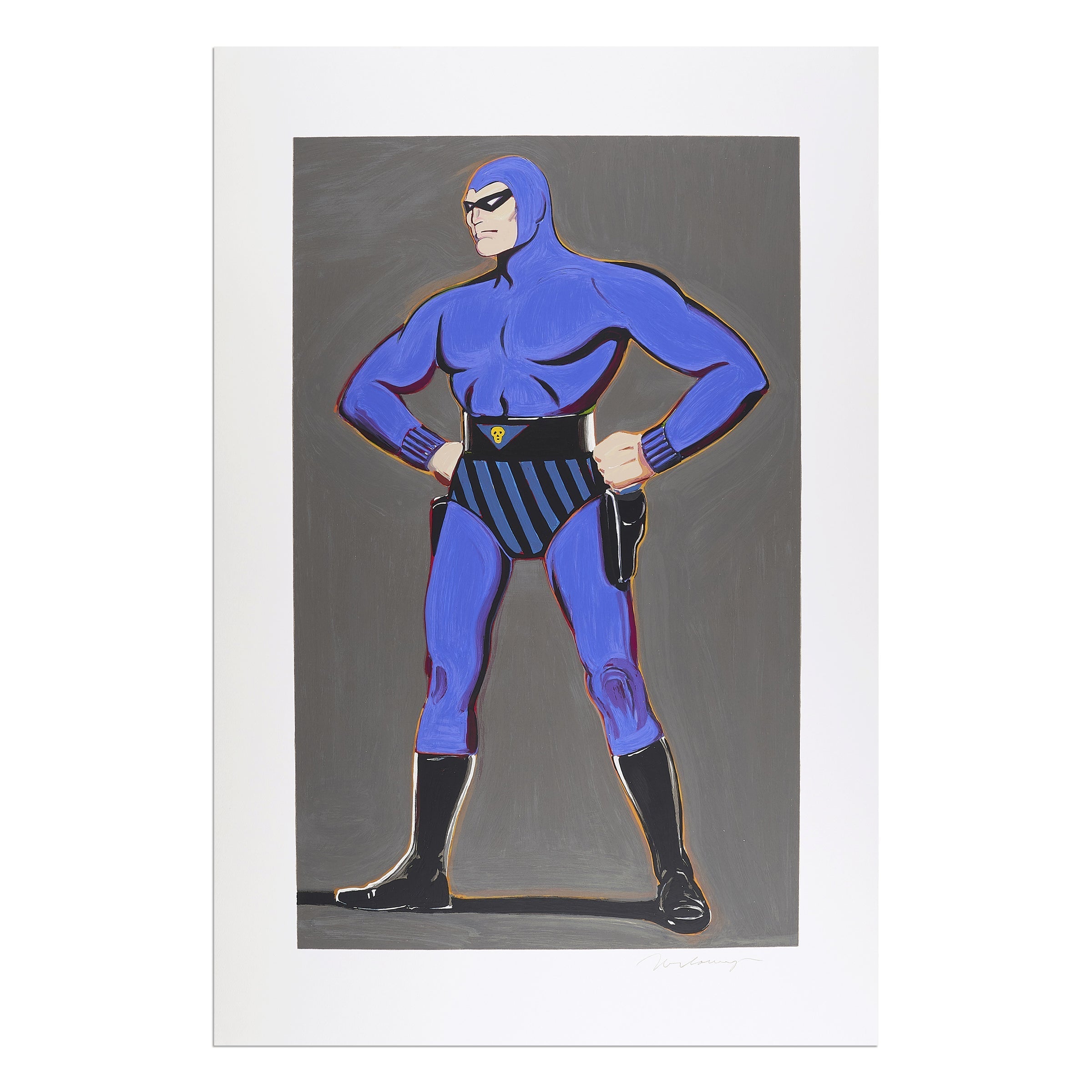
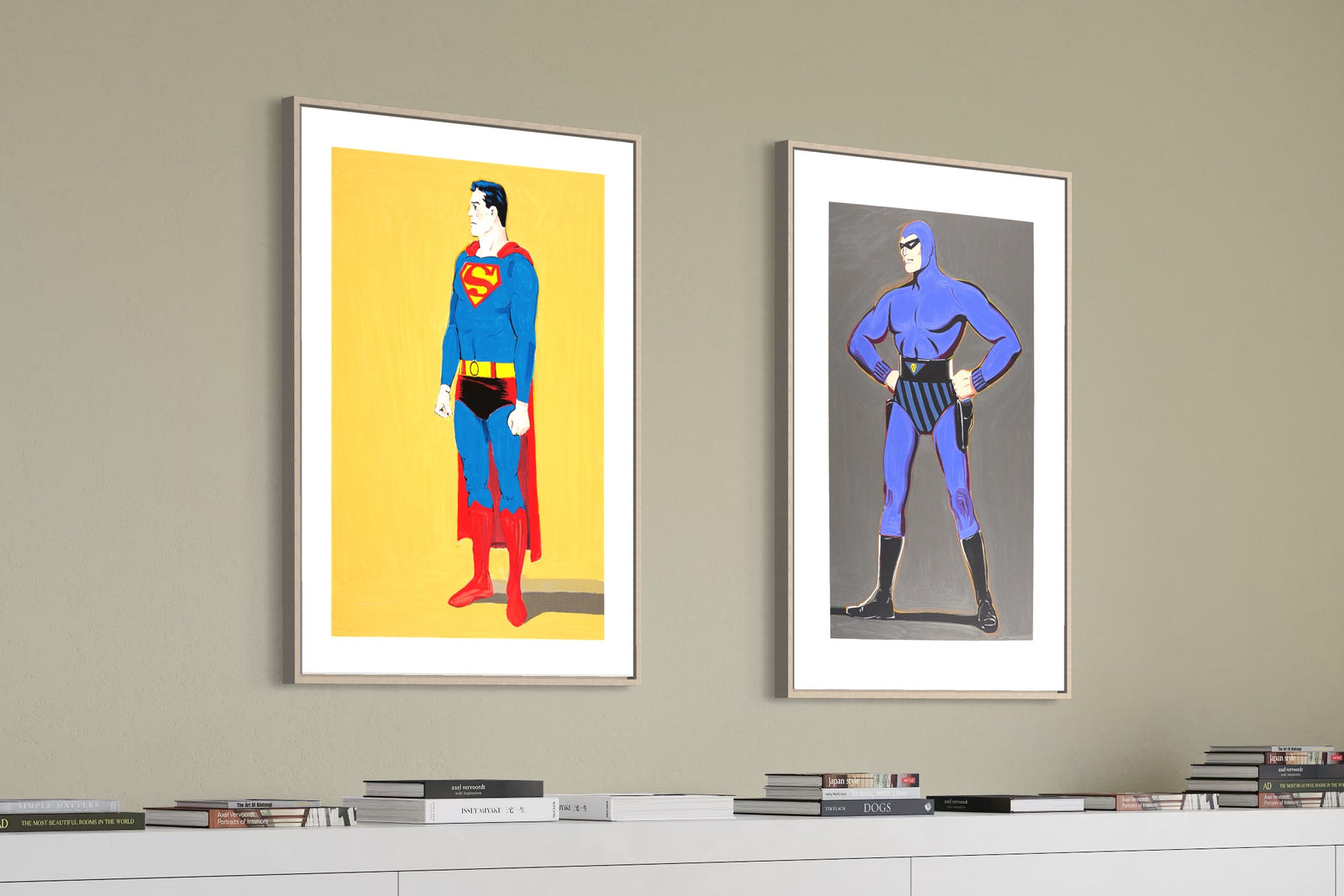
Mel Ramos - PhantomMel Ramos - Phantom
Mel Ramos – Phantom Sale price€2.800,00
01

Mel Ramos Biography

Mel Ramos (1935–2018) was born in Sacramento, California, the grandson of Portuguese immigrants from the Azores. He studied under the painter Wayne Thiebaud at Sacramento State College, absorbing a technical rigour that would define his entire career even as his subject matter moved in a very different direction. His earliest mature paintings depicted comic-book superheroes — Batman first, then Superman and the Green Lantern — rendered in the flat, poster-like style that placed him, by the early 1960s, alongside Andy Warhol and Roy Lichtenstein in the first wave of American Pop Art.

When he ran out of male heroes to paint, Ramos turned to superheroines, and from there to what he called "commercial pin-ups": nude or lightly clad women posed beside oversized, meticulously rendered consumer products — cigar boxes, candy bars, soda bottles. He described the work as a parody of advertising's central logic, the "sex sells" formula pushed to an absurd, literal extreme. "I make sure my pictures are not too erotic and that they always have a trace of humour," he said. "Either you understand it or not." The work drew criticism from conservative audiences on its release and, in later decades, from feminist critics who read it as complicit in the very objectification it claimed to satirise — a tension that has never fully resolved, and that Ramos himself acknowledged: "Picasso and Matisse do a figure, a naked figure, a naked woman — they call it a nude. When I do it, they call it a pin-up."

From 1972, Ramos extended this method backward into art history itself, reworking nudes by Ingres, Modigliani, and Manet in his own pin-up idiom — a series the critic Alan Moore memorably described in Artforum as "a Las Vegas nightmare of the Louvre." His work maintained a persistent connection to popular culture throughout: his 1993 painting Crime Busters was later adapted for the cover of Rage Against the Machine's Evil Empire album. He taught painting for decades at California State University, Hayward, dividing his later years between Oakland and Horta de Sant Joan, Spain.

Mel Ramos – Wonder Woman 3
02

Famous Mel Ramos Artworks

A.C. Annie (1971), Ramos's auction record at $1.69 million, depicts a nude figure beside a monumental air-conditioning unit — a deadpan collision of the body and the most unglamorous of household appliances that vastly exceeded its $300,000 high estimate when it sold.

His superhero paintings of the early 1960s — Batman, Superman, and eventually Wonder Woman — established his career before the pin-up series that would define it, translating comic-book iconography into the flat, saturated colour of fine-art Pop.

The Animal Paintings (1964–71), depicting nude figures alongside seals, kangaroos, and hippos, pushed his provocations further than any other body of work — a 1967 exhibition in Cologne was shut down by police, one of the more concrete confrontations between Ramos's practice and the institutions meant to display it.

Mel Ramos – Hunt For The Best
03

Mel Ramos Prints & Editions

Printmaking occupied an unusual position in Ramos's practice: because his paintings were produced slowly and in genuinely limited numbers — fewer than 1,000 across his lifetime — his lithographs and screenprints became, for most collectors, the realistic way to own an original Ramos. He translated his signature pairings of superheroines, pin-ups, and branded products into signed, numbered editions with the same crisp, poster-like precision as his canvases.

His prints span decades of his career, from early comic-inspired imagery to the branded pin-up compositions — Hav-A-Havana, Toblerone, Reese's — that became his most recognisable late-career output. A documented auction record for a Ramos lithograph stands at roughly €10,000 including premium, for Zebra (1981).

For collectors, Ramos's editions offer accessible entry into a body of work defined equally by technical precision and unresolved cultural provocation. Works are held in the permanent collections of the Whitney Museum, SFMOMA, and MOCA Los Angeles.

01

Mel Ramos Biography

Mel Ramos (1935–2018) was born in Sacramento, California, the grandson of Portuguese immigrants from the Azores. He studied under the painter Wayne Thiebaud at Sacramento State College, absorbing a technical rigour that would define his entire career even as his subject matter moved in a very different direction. His earliest mature paintings depicted comic-book superheroes — Batman first, then Superman and the Green Lantern — rendered in the flat, poster-like style that placed him, by the early 1960s, alongside Andy Warhol and Roy Lichtenstein in the first wave of American Pop Art.

When he ran out of male heroes to paint, Ramos turned to superheroines, and from there to what he called "commercial pin-ups": nude or lightly clad women posed beside oversized, meticulously rendered consumer products — cigar boxes, candy bars, soda bottles. He described the work as a parody of advertising's central logic, the "sex sells" formula pushed to an absurd, literal extreme. "I make sure my pictures are not too erotic and that they always have a trace of humour," he said. "Either you understand it or not." The work drew criticism from conservative audiences on its release and, in later decades, from feminist critics who read it as complicit in the very objectification it claimed to satirise — a tension that has never fully resolved, and that Ramos himself acknowledged: "Picasso and Matisse do a figure, a naked figure, a naked woman — they call it a nude. When I do it, they call it a pin-up."

From 1972, Ramos extended this method backward into art history itself, reworking nudes by Ingres, Modigliani, and Manet in his own pin-up idiom — a series the critic Alan Moore memorably described in Artforum as "a Las Vegas nightmare of the Louvre." His work maintained a persistent connection to popular culture throughout: his 1993 painting Crime Busters was later adapted for the cover of Rage Against the Machine's Evil Empire album. He taught painting for decades at California State University, Hayward, dividing his later years between Oakland and Horta de Sant Joan, Spain.

02

Famous Mel Ramos Artworks

A.C. Annie (1971), Ramos's auction record at $1.69 million, depicts a nude figure beside a monumental air-conditioning unit — a deadpan collision of the body and the most unglamorous of household appliances that vastly exceeded its $300,000 high estimate when it sold.

His superhero paintings of the early 1960s — Batman, Superman, and eventually Wonder Woman — established his career before the pin-up series that would define it, translating comic-book iconography into the flat, saturated colour of fine-art Pop.

The Animal Paintings (1964–71), depicting nude figures alongside seals, kangaroos, and hippos, pushed his provocations further than any other body of work — a 1967 exhibition in Cologne was shut down by police, one of the more concrete confrontations between Ramos's practice and the institutions meant to display it.

03

Mel Ramos Prints & Editions

Printmaking occupied an unusual position in Ramos's practice: because his paintings were produced slowly and in genuinely limited numbers — fewer than 1,000 across his lifetime — his lithographs and screenprints became, for most collectors, the realistic way to own an original Ramos. He translated his signature pairings of superheroines, pin-ups, and branded products into signed, numbered editions with the same crisp, poster-like precision as his canvases.

His prints span decades of his career, from early comic-inspired imagery to the branded pin-up compositions — Hav-A-Havana, Toblerone, Reese's — that became his most recognisable late-career output. A documented auction record for a Ramos lithograph stands at roughly €10,000 including premium, for Zebra (1981).

For collectors, Ramos's editions offer accessible entry into a body of work defined equally by technical precision and unresolved cultural provocation. Works are held in the permanent collections of the Whitney Museum, SFMOMA, and MOCA Los Angeles.

Mel Ramos – Wonder Woman 3Mel Ramos – Hunt For The Best

Mel Ramos: Key Questions

Collecting Mel Ramos?

Looking for a specific artwork or have a question about an edition? We're happy to advise on availability, pricing, condition, and provenance — and to source artworks beyond our current selection.

Contact us

Prints, Photographs & Multiples

View our full collection of

Prints, Photographs & Multiples

Explore editions