
Damien Hirst

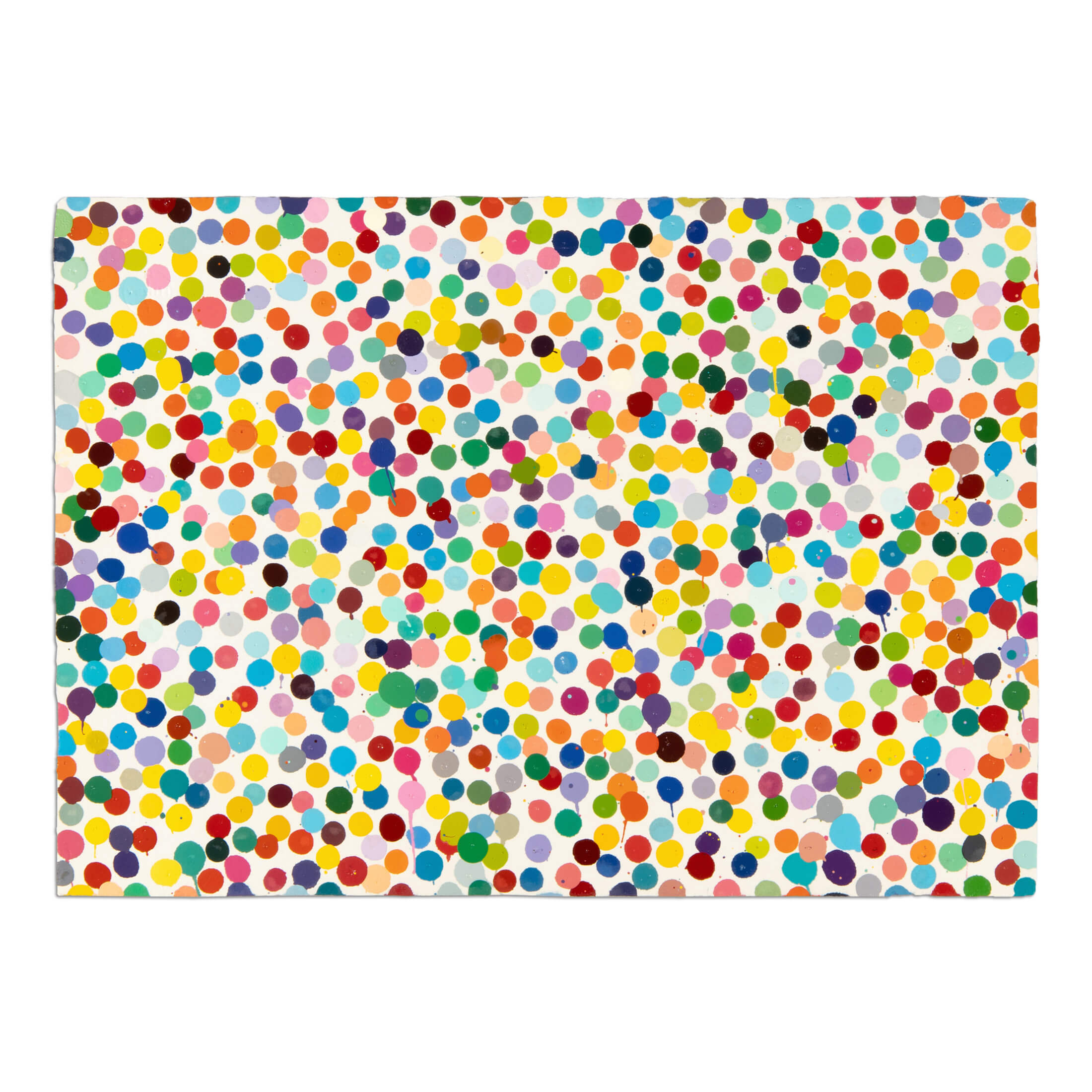
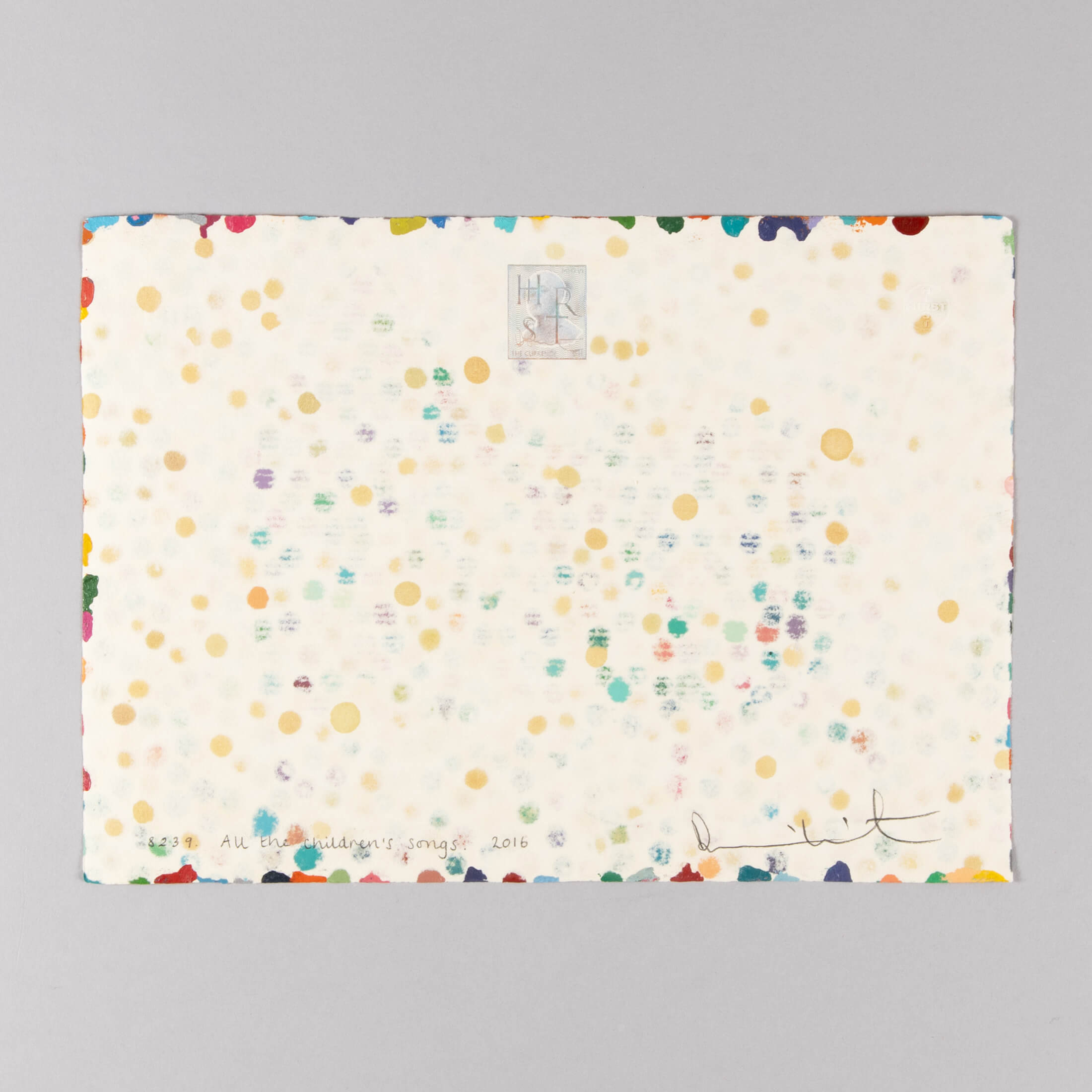
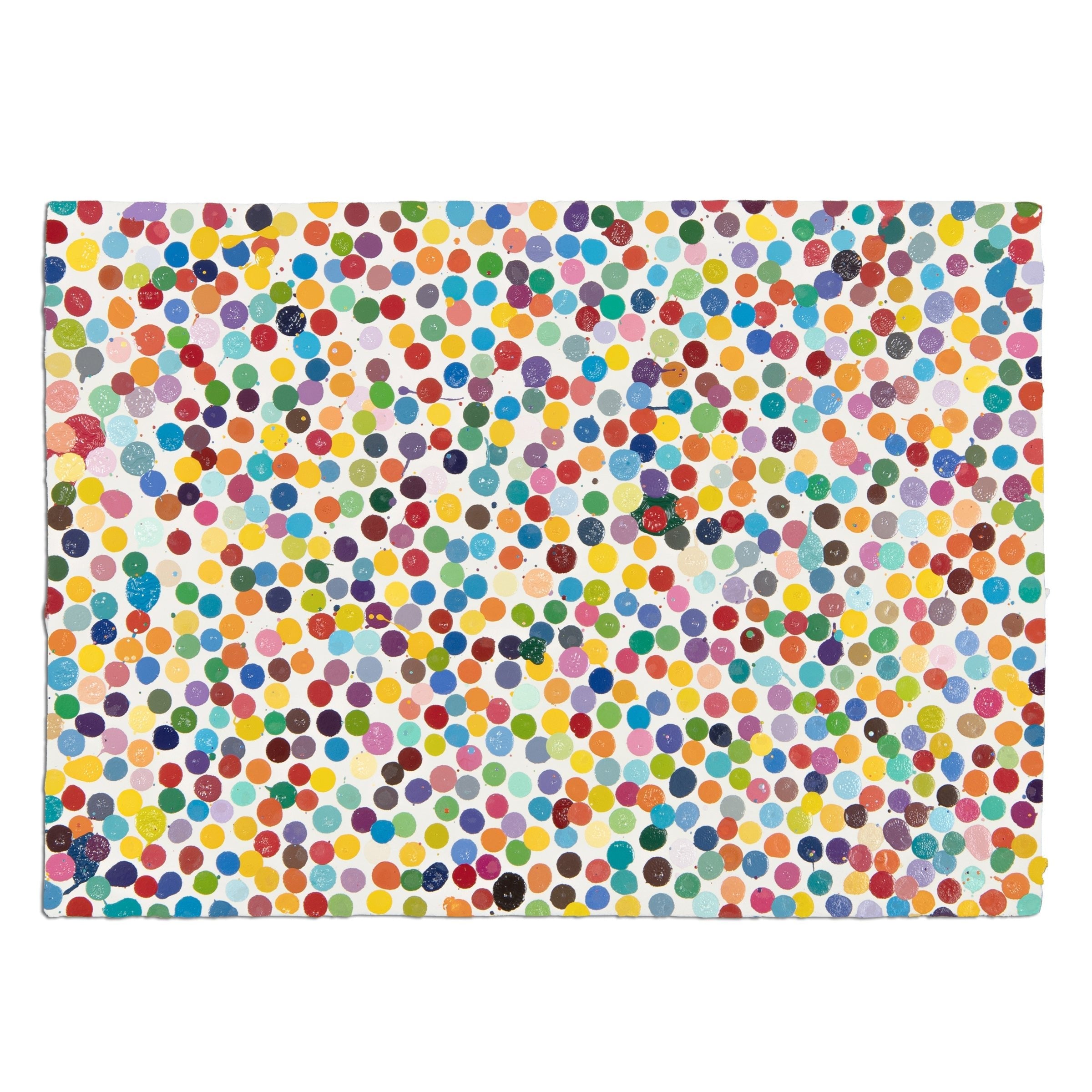
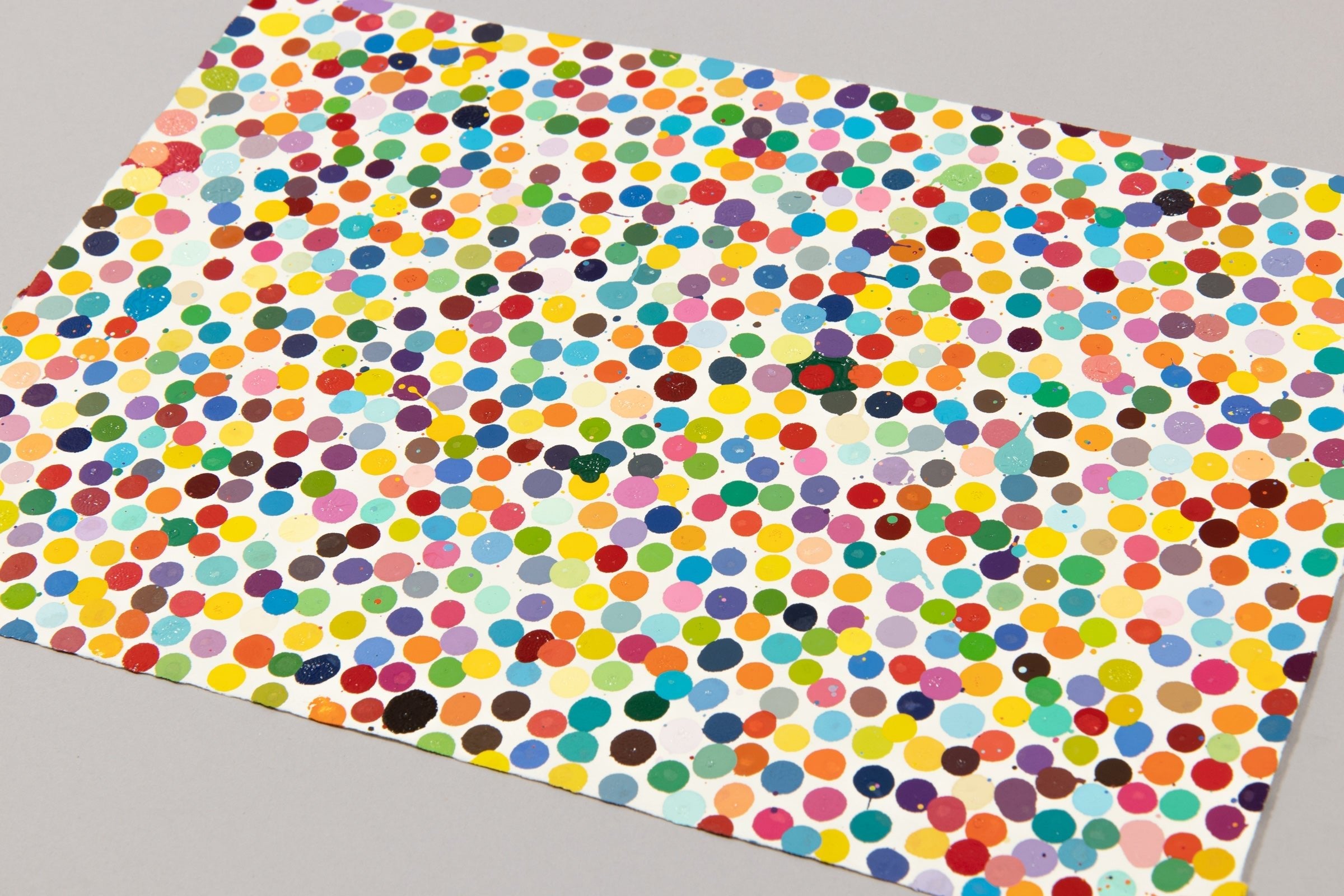
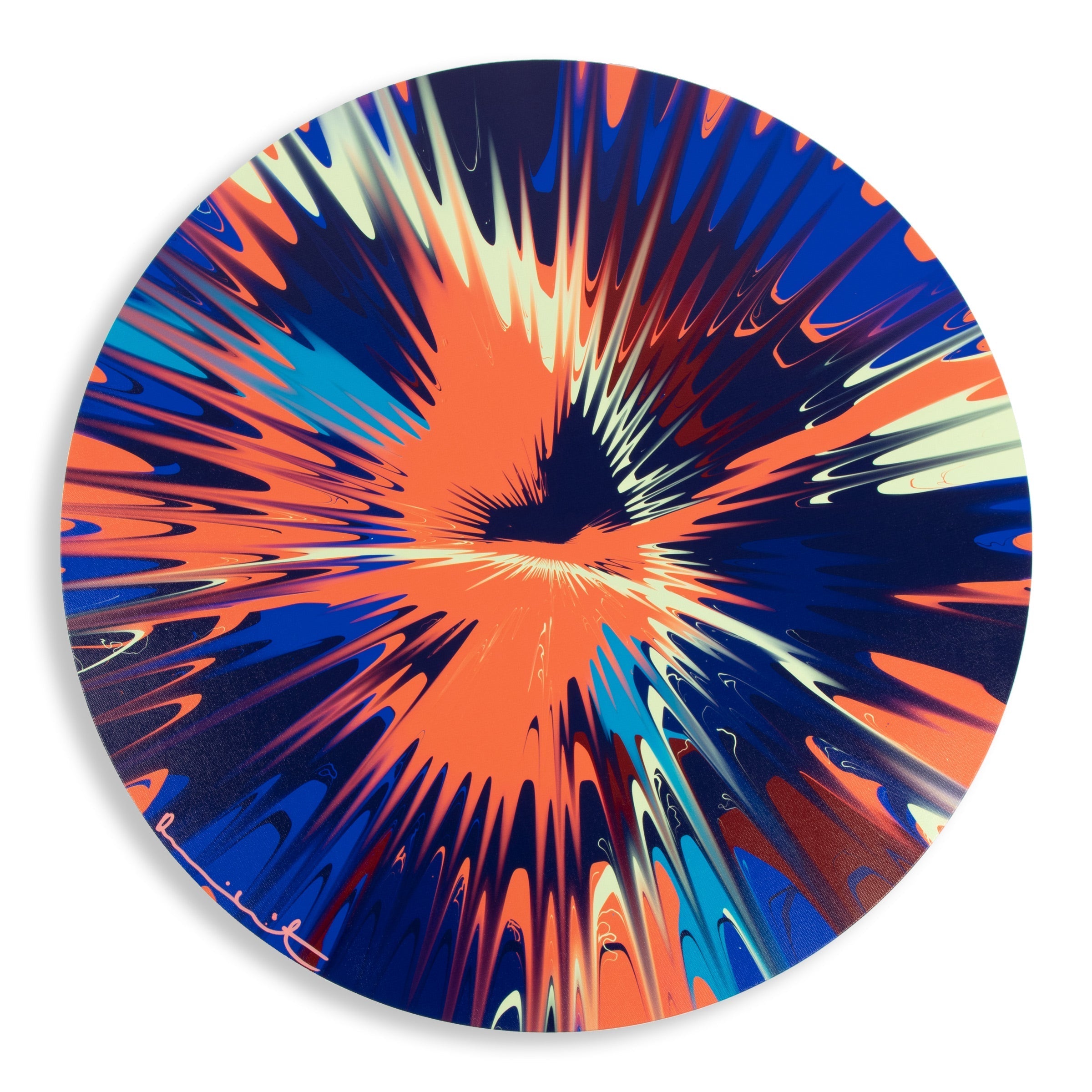
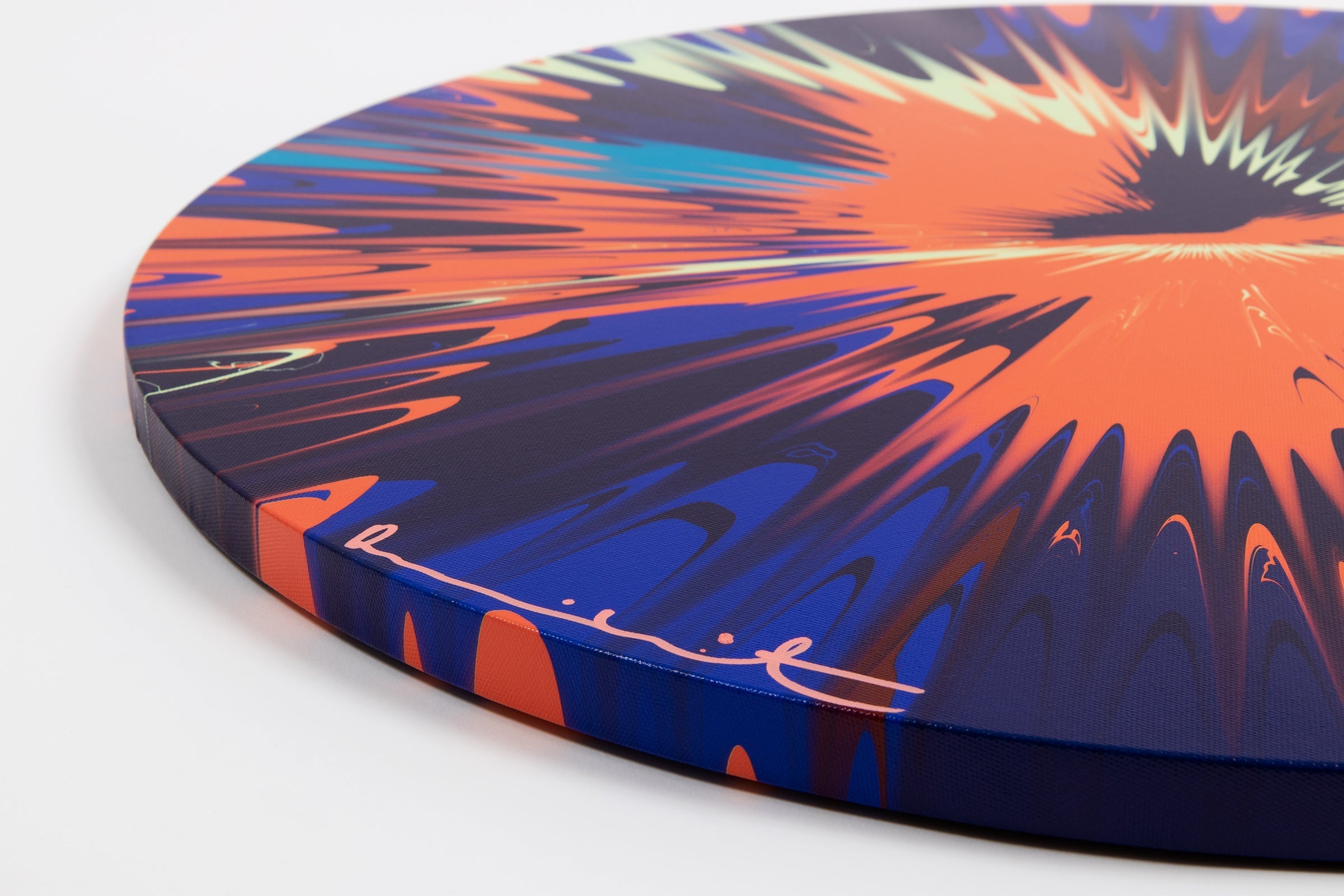
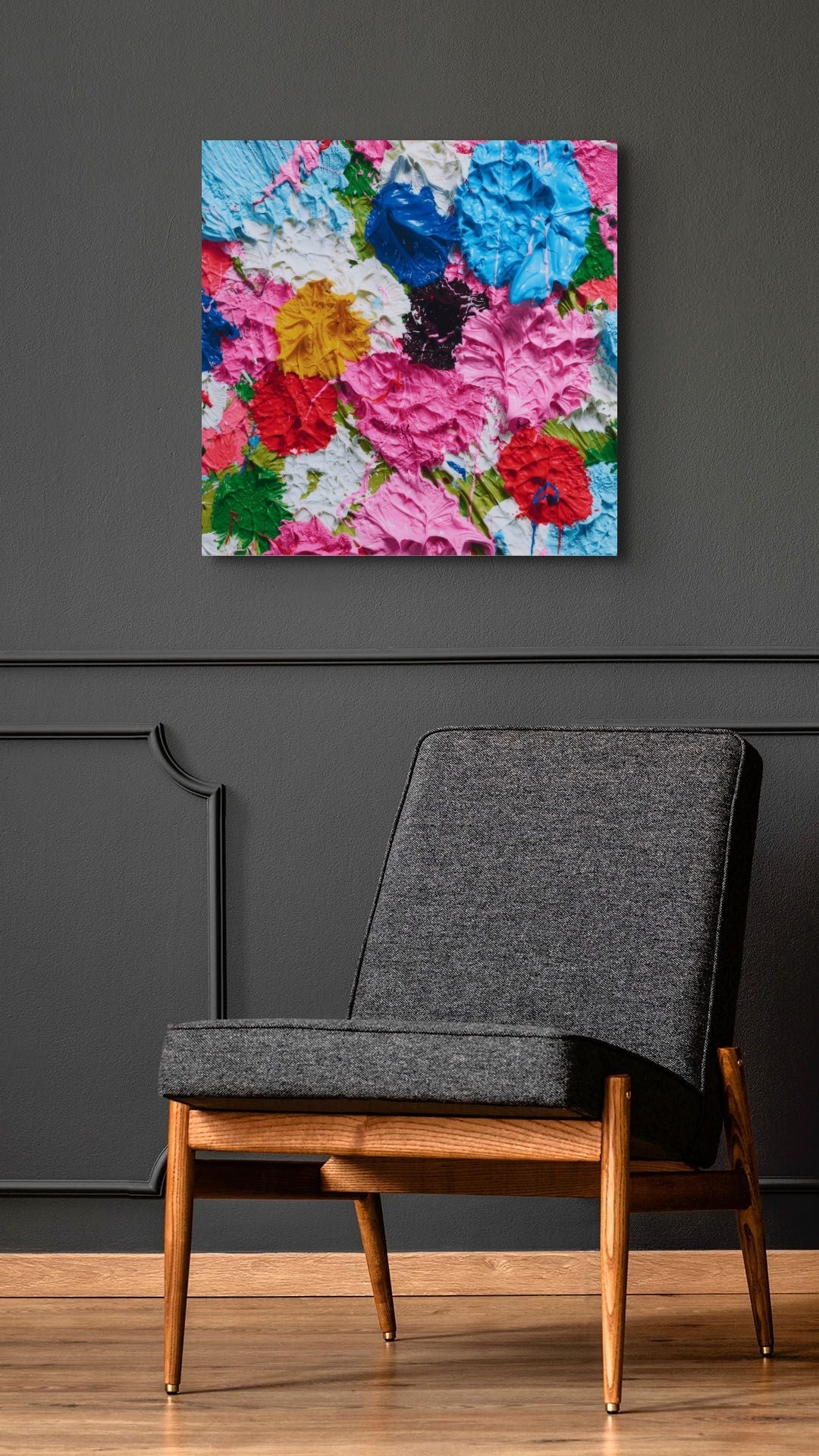
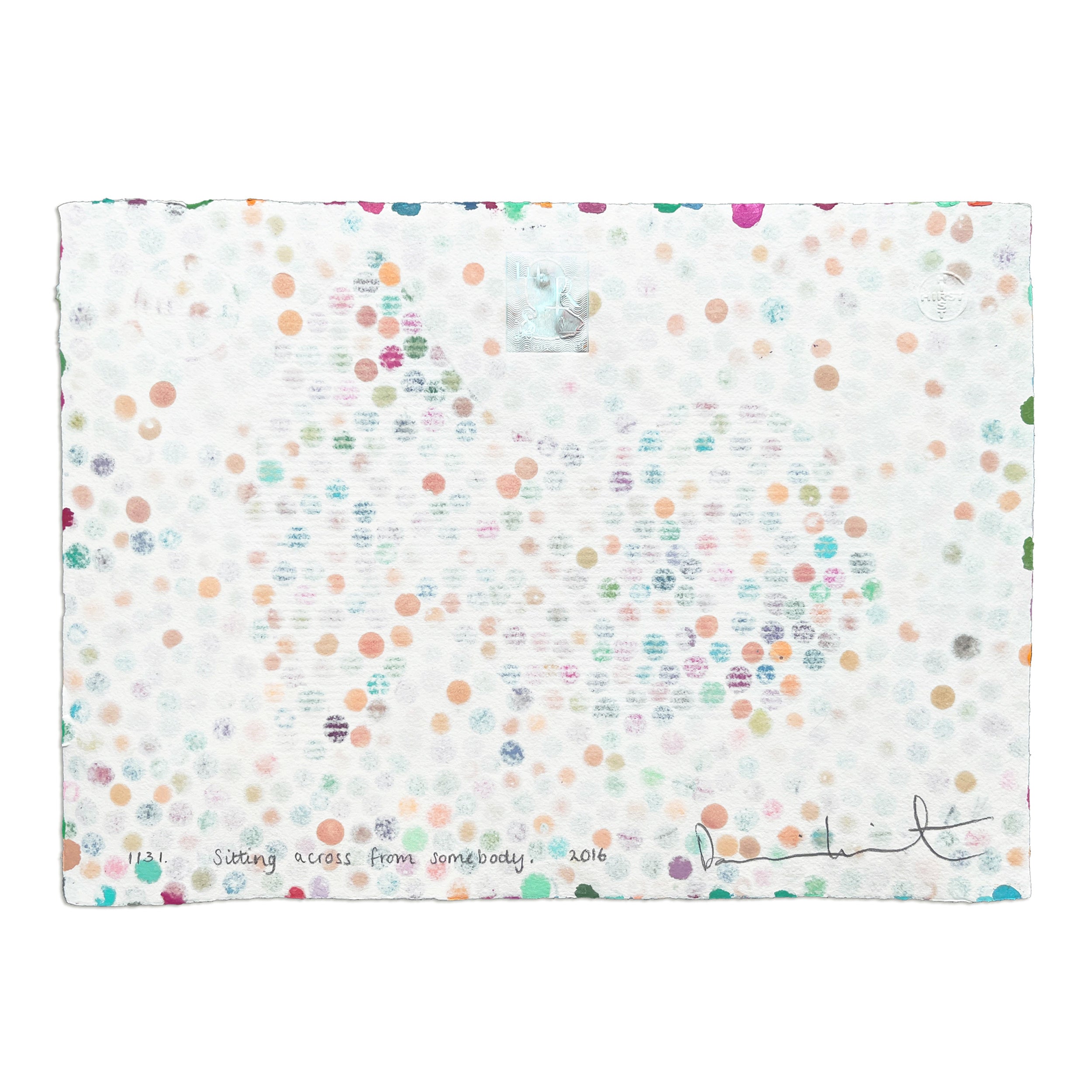
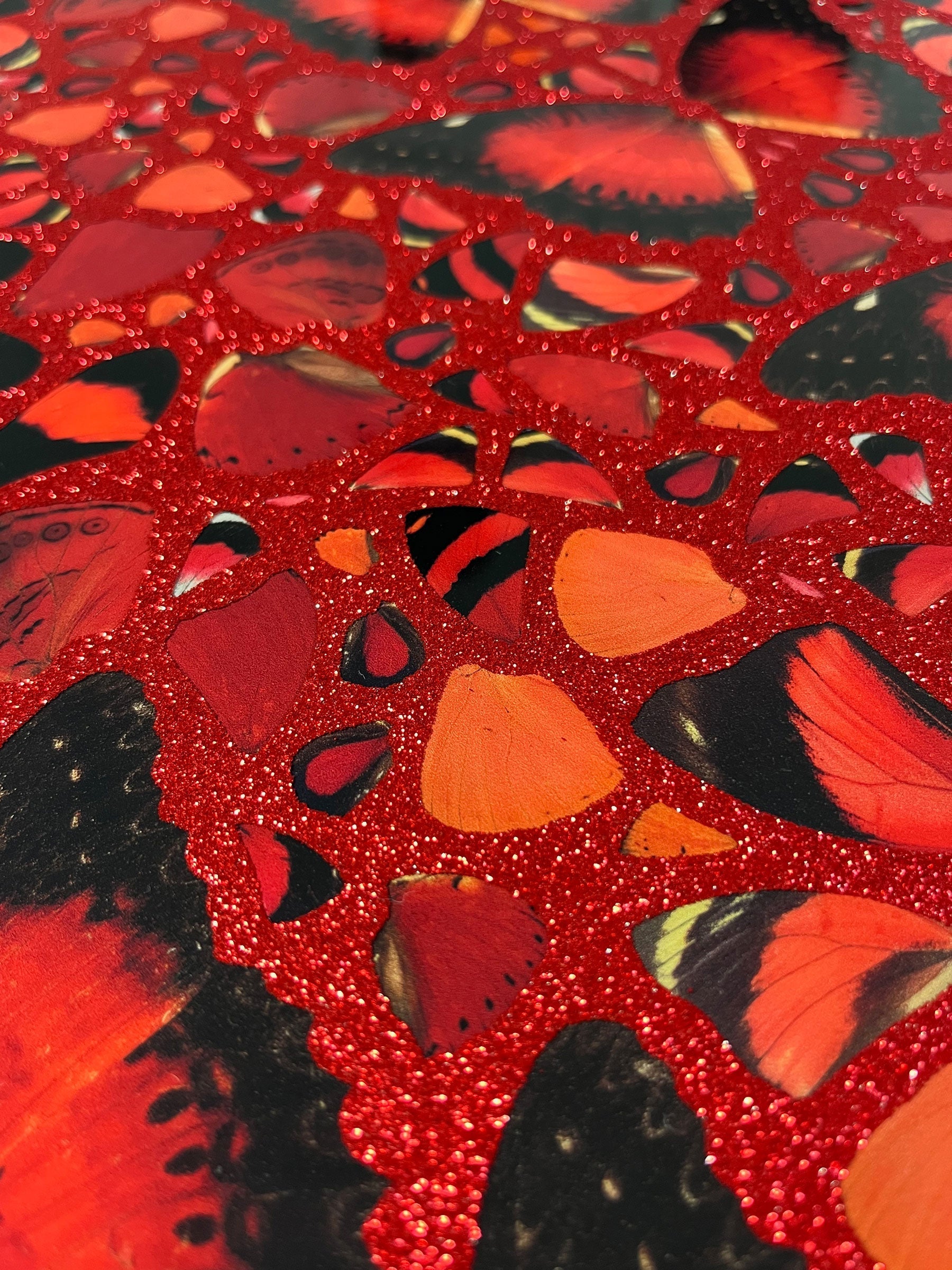
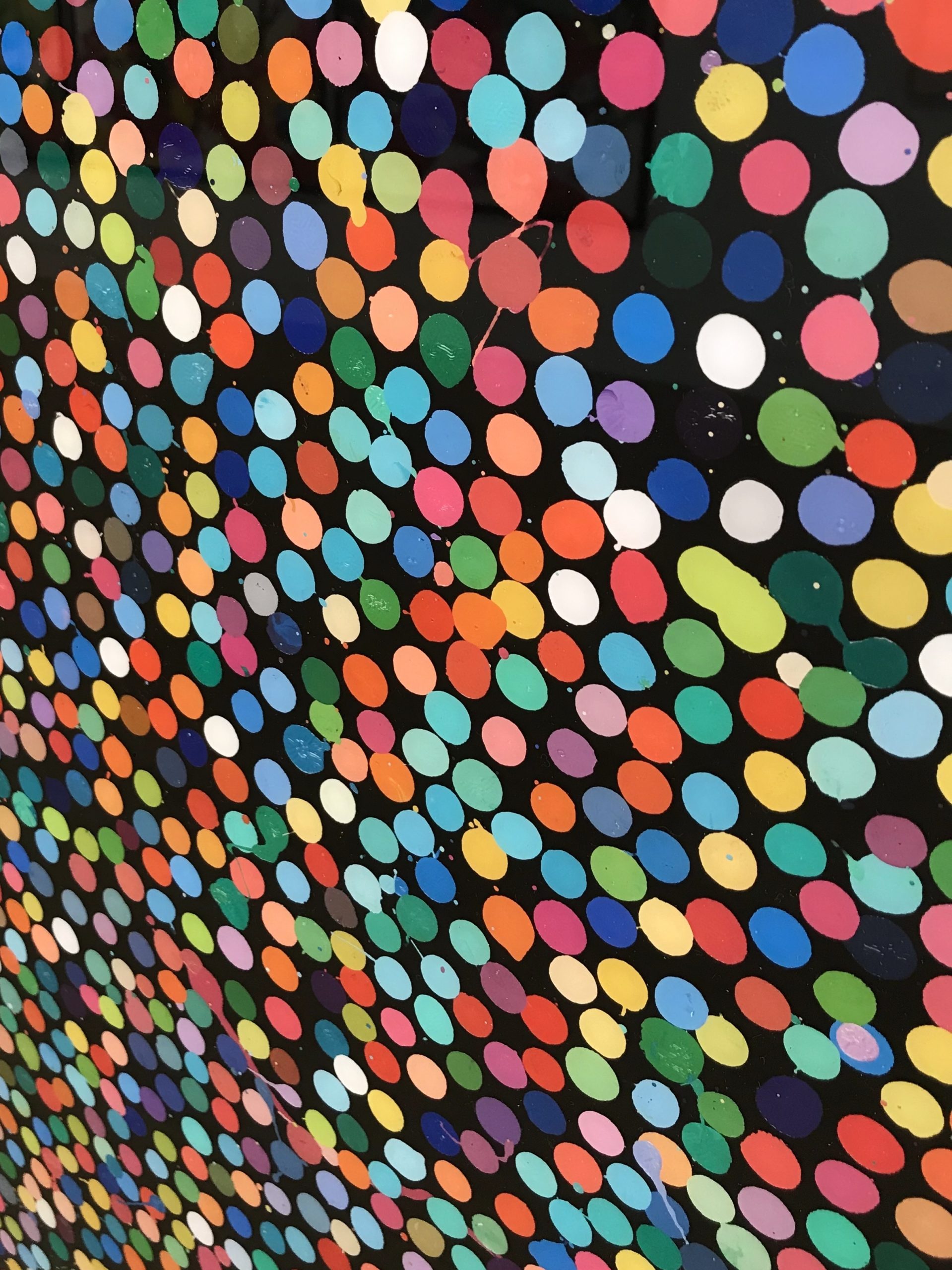
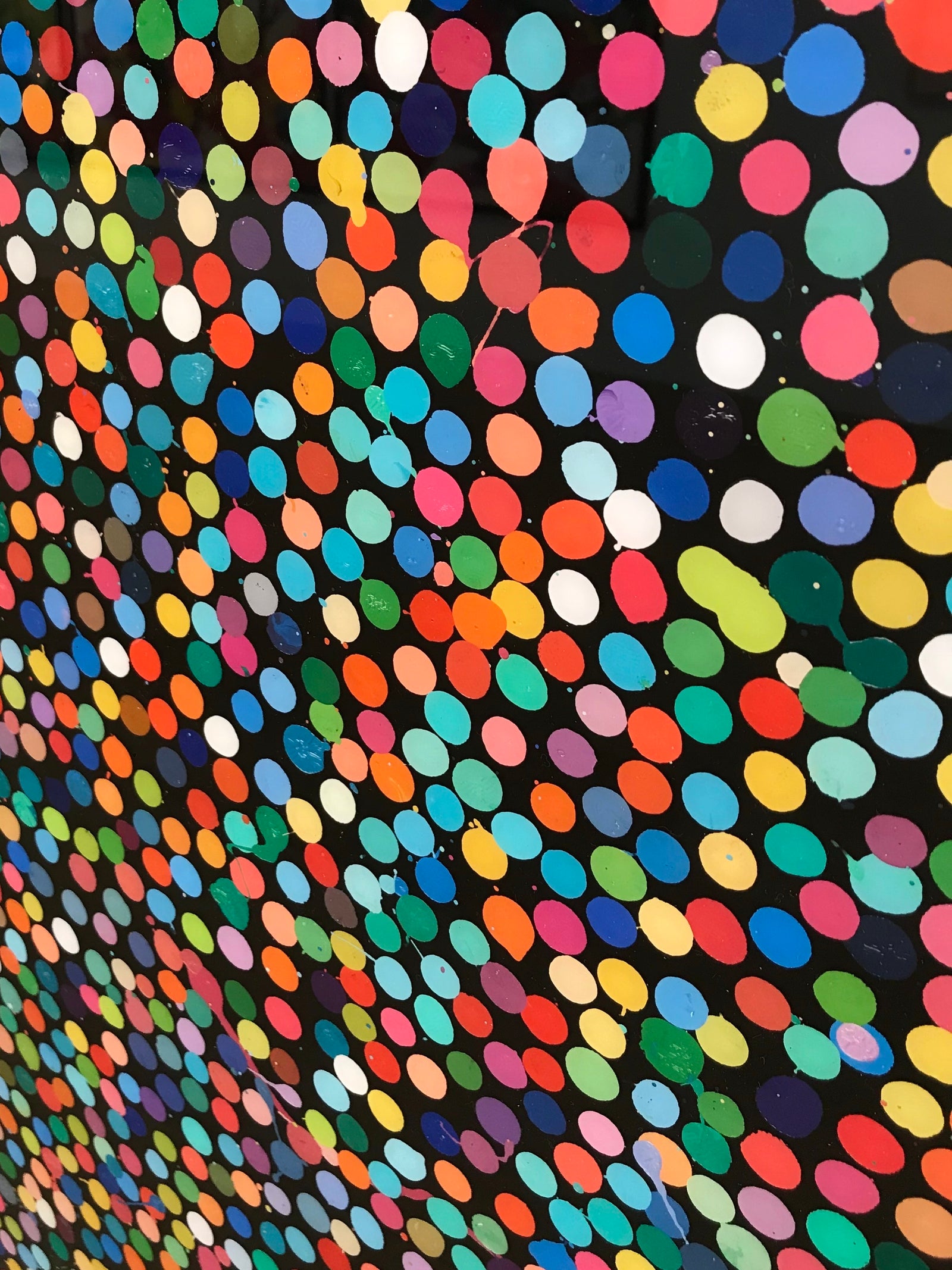
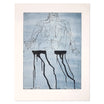
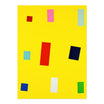
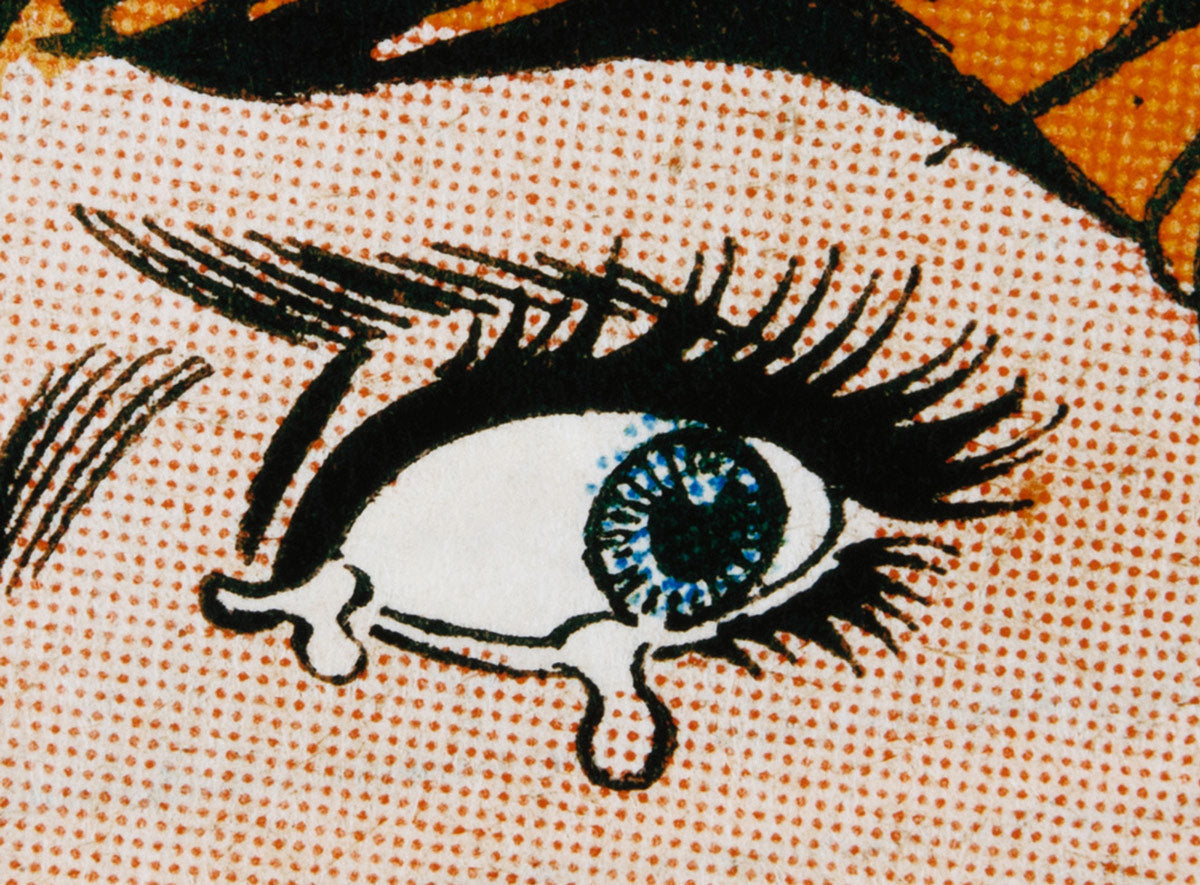
Damien Hirst - All the children's songs (The Currency)

Collect signed Damien Hirst prints and editions.

One of the most influential contemporary artists of the late 20th and early 21st century, Damien Hirst explores themes of life, death, and belief through sculpture, installation, painting, and editions. From butterfly compositions and spot paintings to skull imagery, his visual motifs combine conceptual rigor with immediate recognition. These Damien Hirst prints and editions translate his iconic practice into collectible form.

Available Prints & Editions

01

Damien Hirst Biography

Damien Hirst (b. 1965) is Britain's most famous living artist and a defining figure of contemporary art. Emerging as the provocative enfant terrible of the Young British Artists (YBAs), Hirst is internationally renowned as a conceptual artist, painter, printmaker, and sculptor. His artworks confront themes of mortality, beauty, science, medicine, and belief, often courting controversy while reshaping public perceptions of contemporary art. Through a masterful use of self-promotion, Hirst redefined the role of the artist as a global cultural entrepreneur, blurring boundaries between creativity and commerce.

Alongside fellow YBAs Tracey Emin, Sarah Lucas, and Liam Gillick, Hirst rose to prominence in the late 1980s. While studying at Goldsmiths College, University of London, he curated the seminal Freeze exhibition in 1988, a turning point in British contemporary art that brought his generation to international attention and attracted the patronage of collector Charles Saatchi. Influenced by Marcel Duchamp and the concept of the readymade, Hirst produced some of his most controversial artworks using dead animals preserved in formaldehyde. In 2008, he bypassed his galleries entirely to stage Beautiful Inside My Head Forever, a two-day auction of new artworks directly through Sotheby's that generated over £111 million — making the systems of art commerce part of the practice itself.

In 1995, he won the Turner Prize for Mother and Child (Divided), and his preserved shark, The Physical Impossibility of Death in the Mind of Someone Living (1991), became the centerpiece of Sensation at the Royal Academy in 1997. In 2012, Tate Modern hosted a major Damien Hirst retrospective tracing his career from early installations to his iconic Spot Paintings and butterfly artworks. More recently, Treasures from the Wreck of the Unbelievable (2017) spanned both Palazzo Grassi and Punta della Dogana in Venice on an unprecedented scale. His artworks have also been featured at the Whitechapel Gallery, the Gagosian galleries, and the Fondation Cartier in Paris.

In parallel with his installations and sculptures, Hirst has built one of the most significant bodies of editioned artworks in contemporary art — a practice explored in detail below. For a comprehensive exploration of his conceptual themes and artistic legacy, read our Damien Hirst editorial →

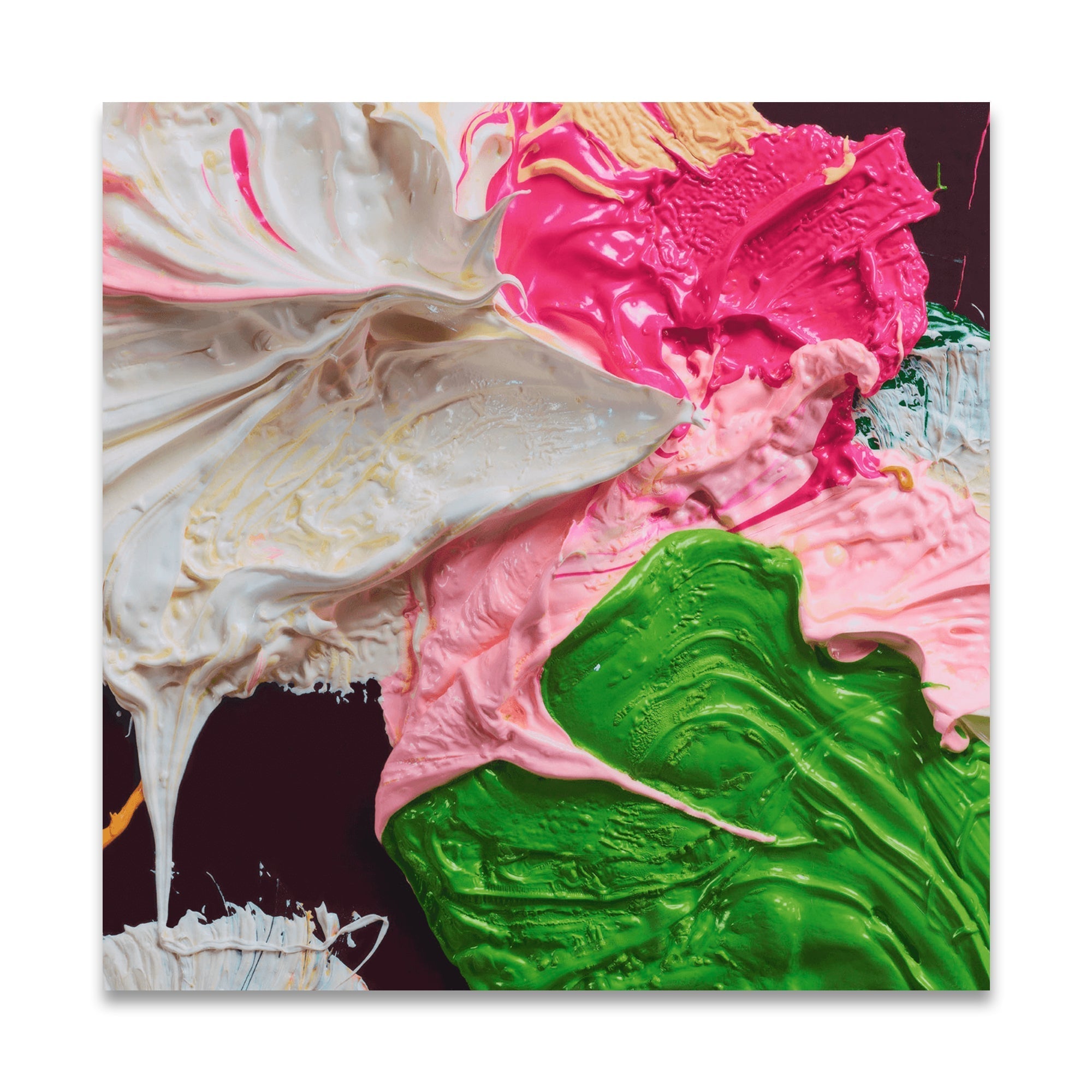
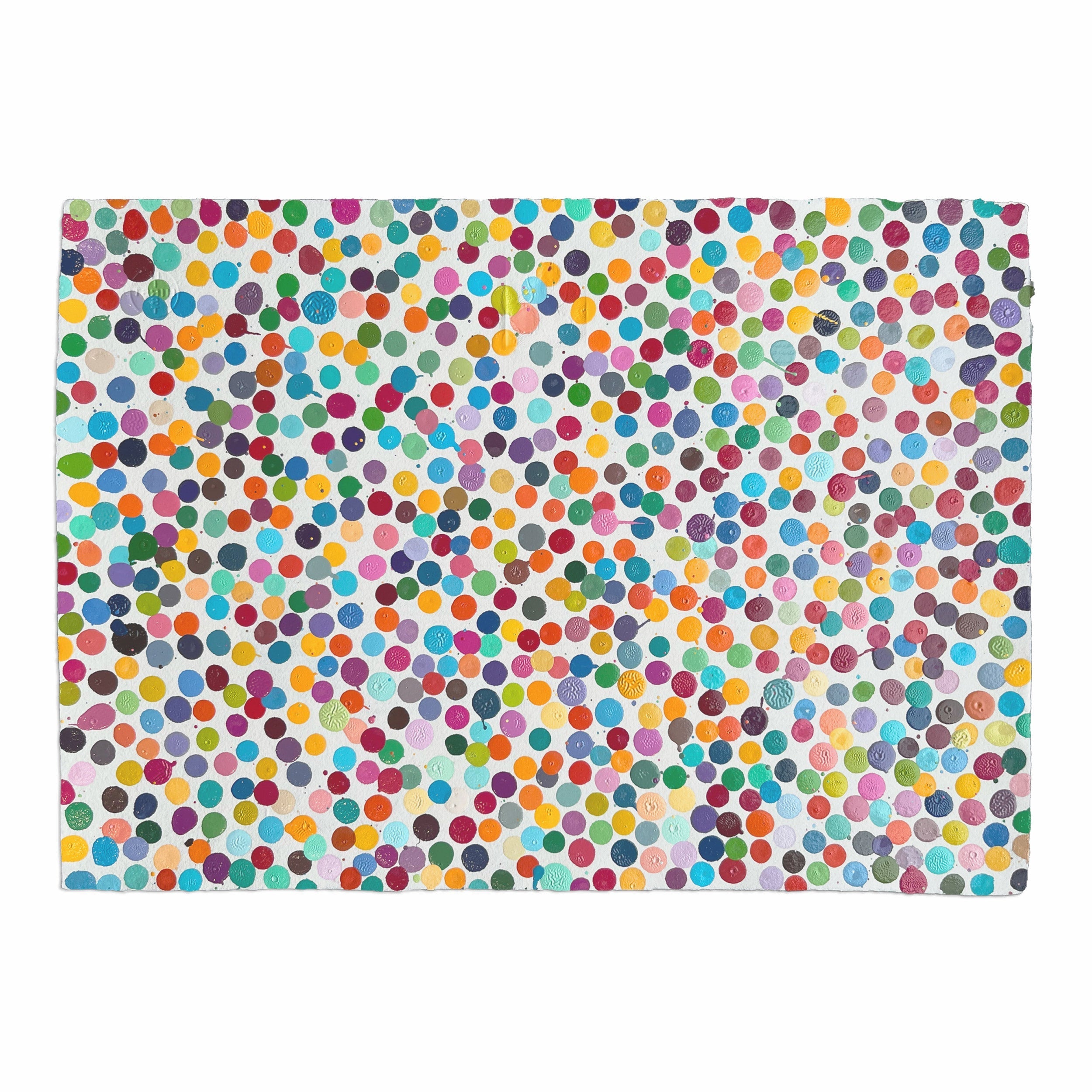
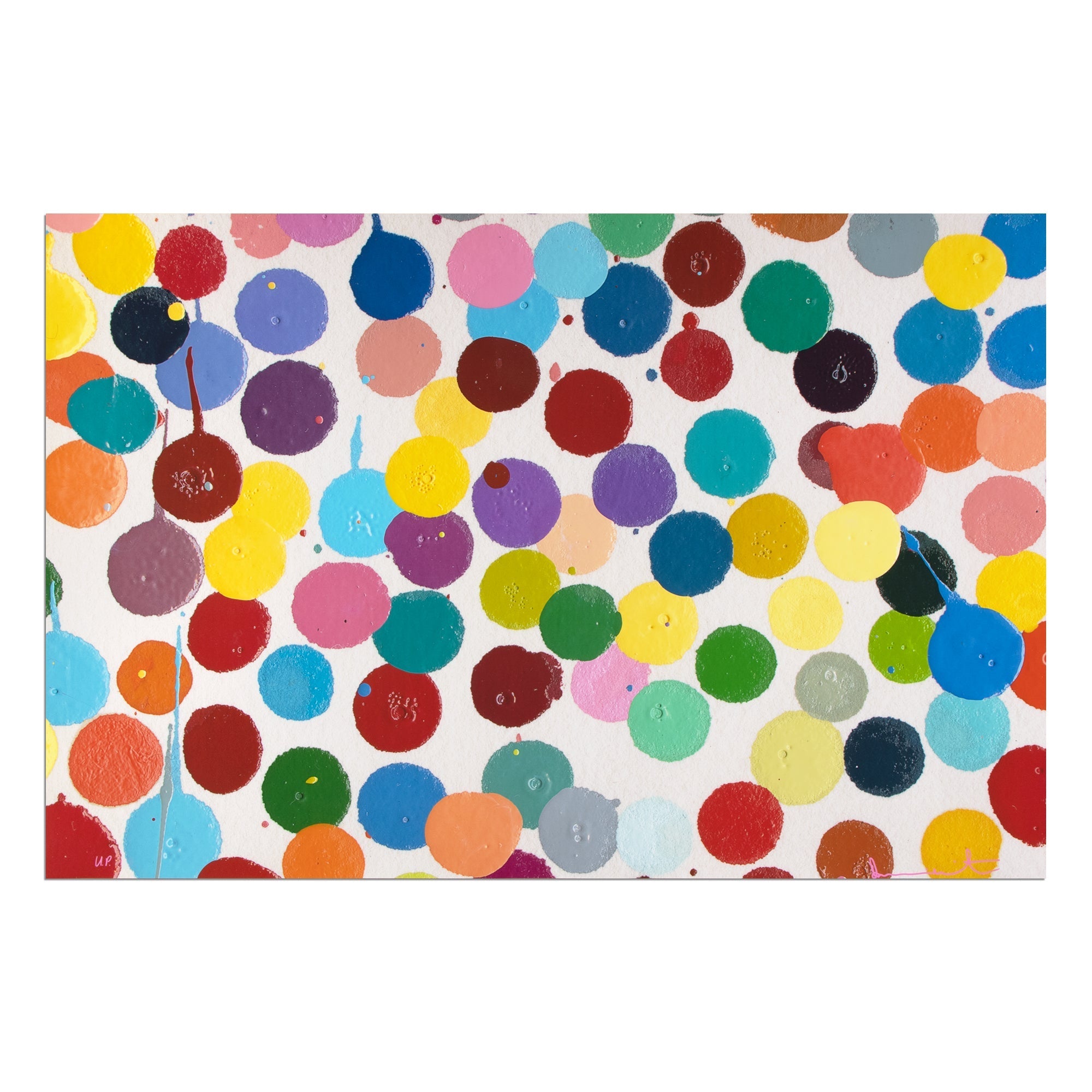
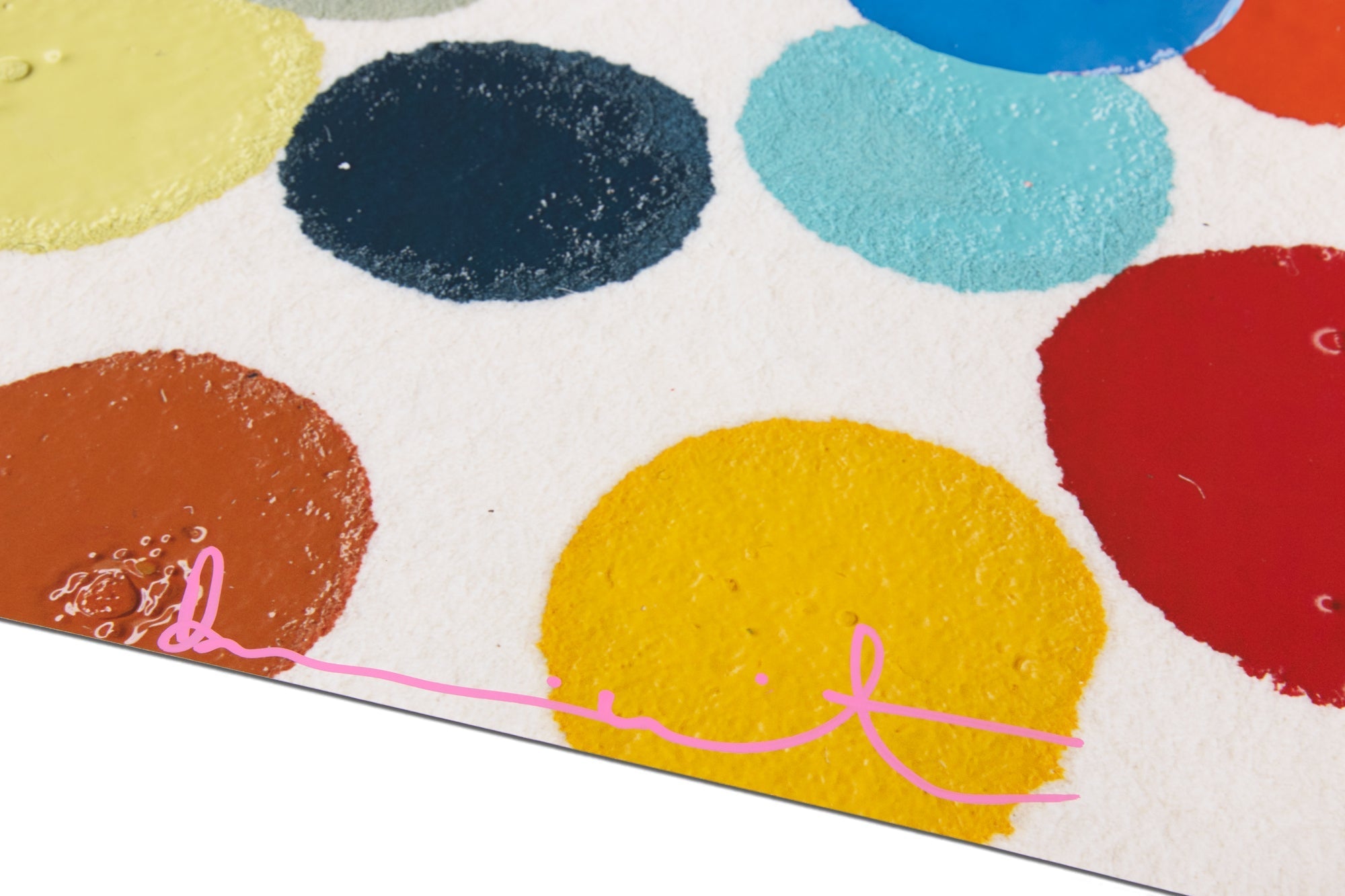
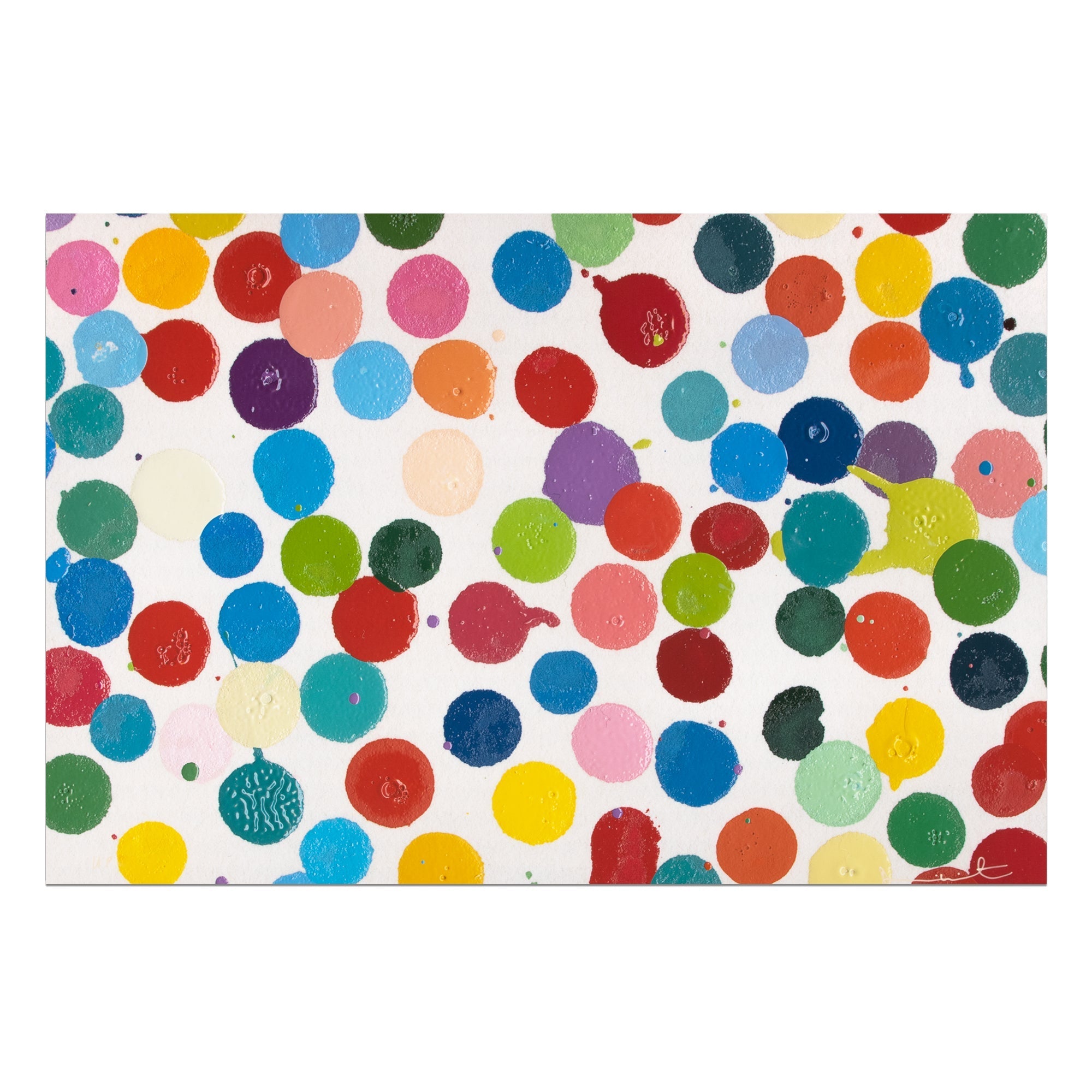
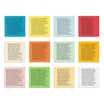
Damien Hirst - The Currency Unique Print (H11)
02

Famous Damien Hirst Artworks

Several artworks have become defining examples of Damien Hirst art, shaping how contemporary audiences encounter themes of life, death, belief, and value.

The Physical Impossibility of Death in the Mind of Someone Living (1991)
Perhaps the most famous Damien Hirst artwork, this preserved shark suspended in formaldehyde confronts viewers with the paradox of encountering death while remaining alive.

Mother and Child (Divided) (1993)
A cow and calf are bisected and displayed in vitrines, allowing viewers to walk between the halves. The installation merges scientific display with symbolic reflections on life and mortality.

For the Love of God (2007)
The diamond-covered Damien Hirst skull revisits the historical memento mori tradition while transforming it into a spectacle of luxury and belief.

The Currency (2021)
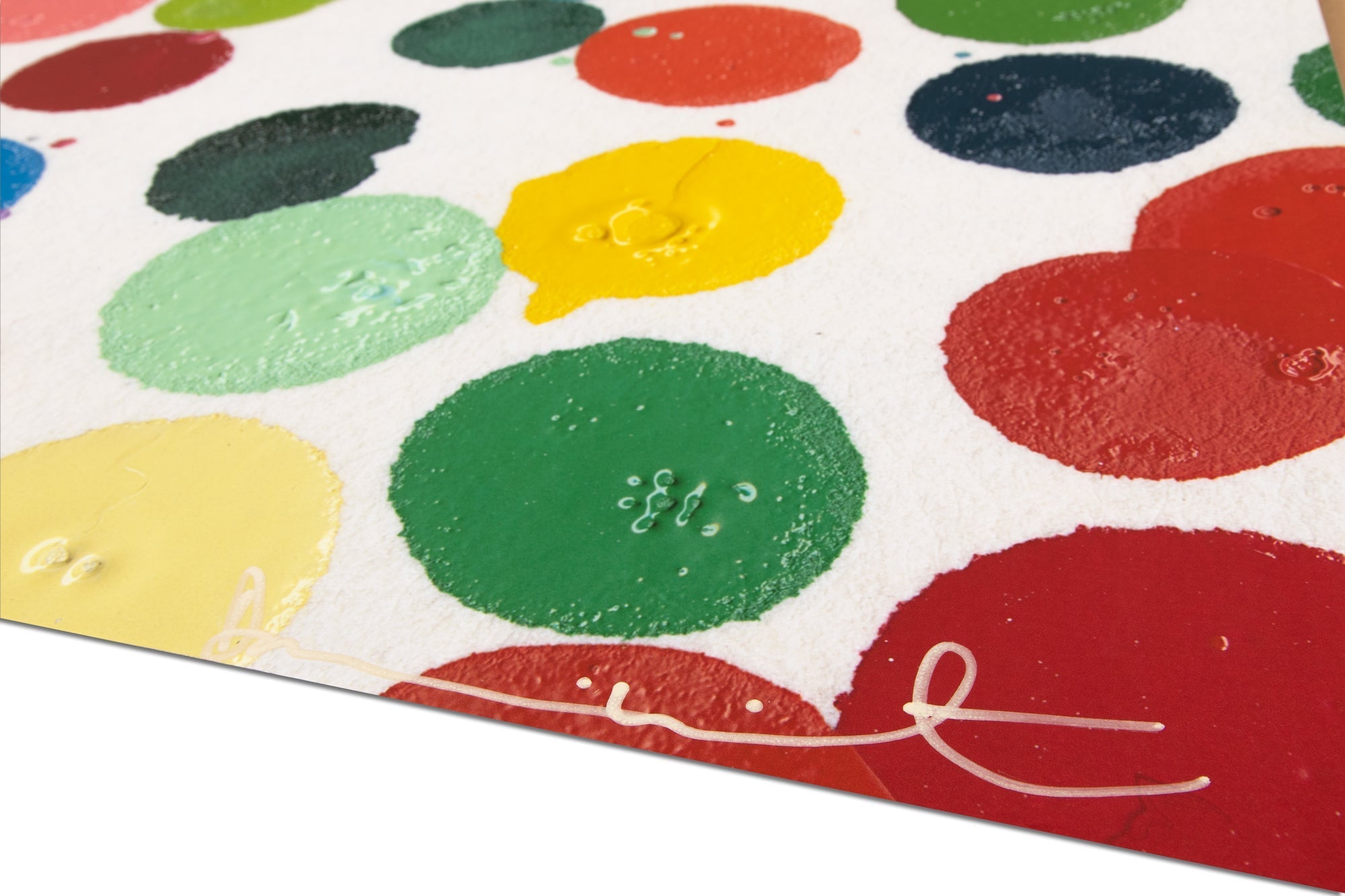
Ten thousand unique hand-painted dot compositions, each paired with a corresponding NFT. Collectors were asked to choose between keeping the digital token or exchanging it for the physical painting — making the question of where value resides the artwork itself. The project extended Hirst's lifelong interrogation of belief and systems of value into the digital age.

Together these artworks demonstrate how Hirst transforms biological reality, cultural symbolism, and market structures into artistic material.

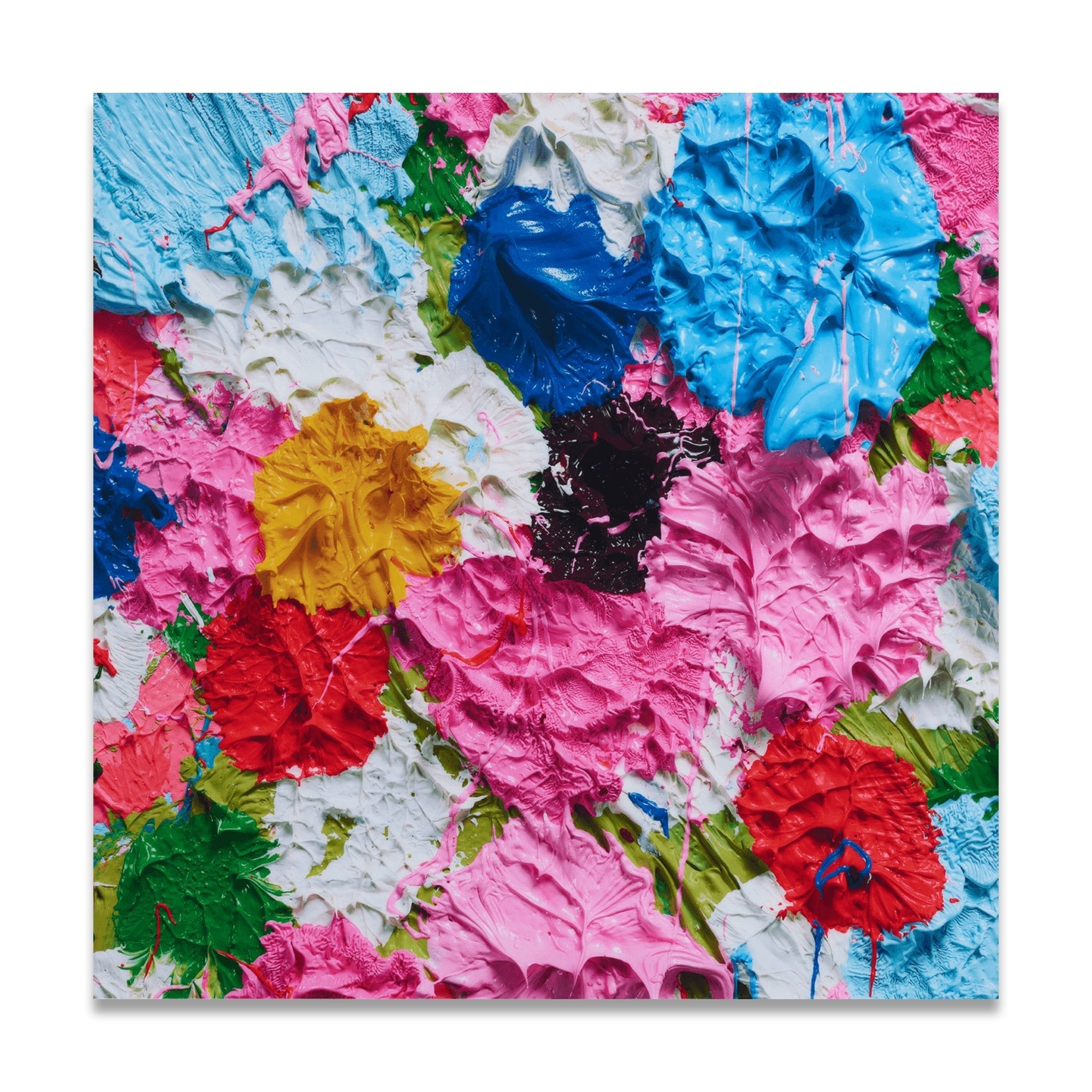
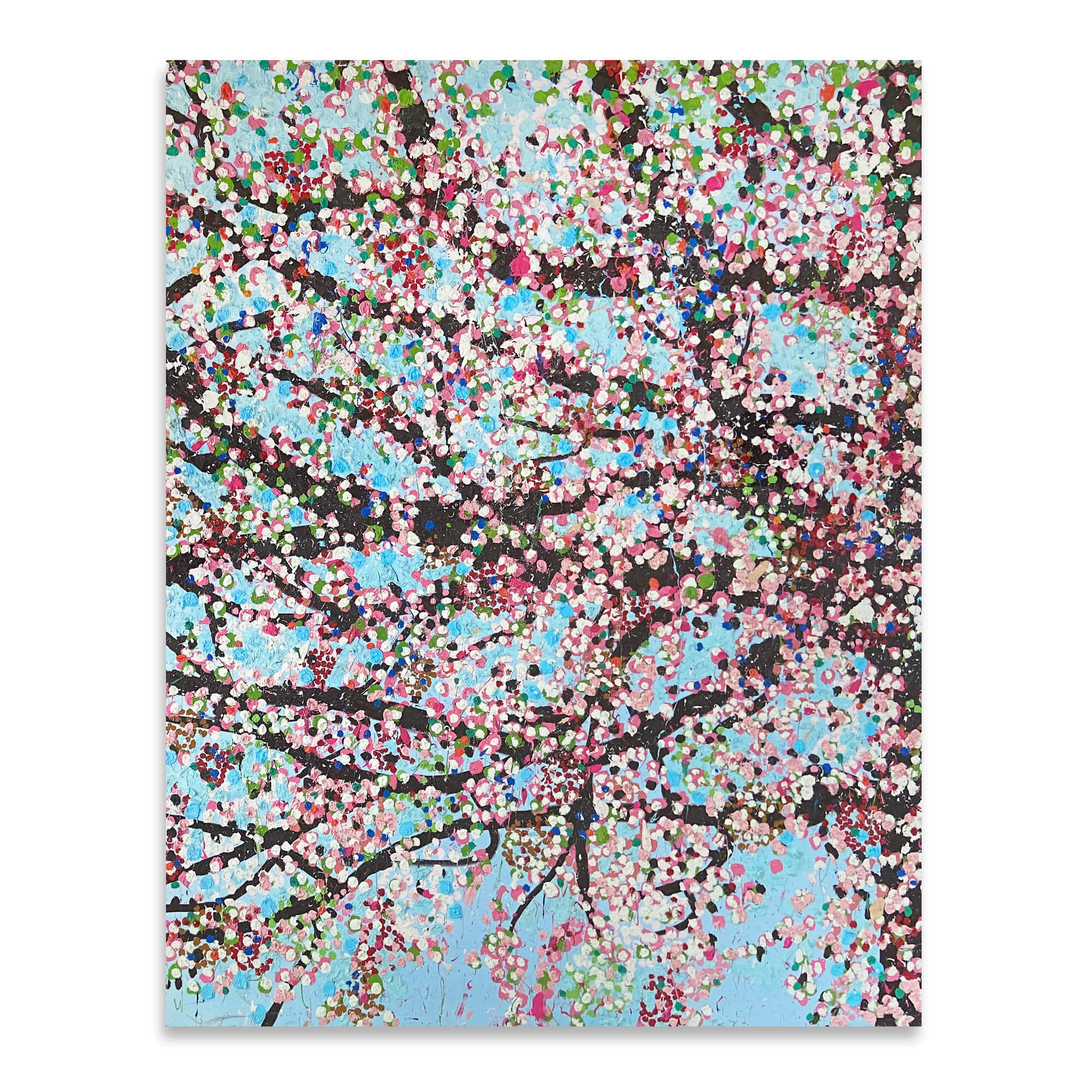
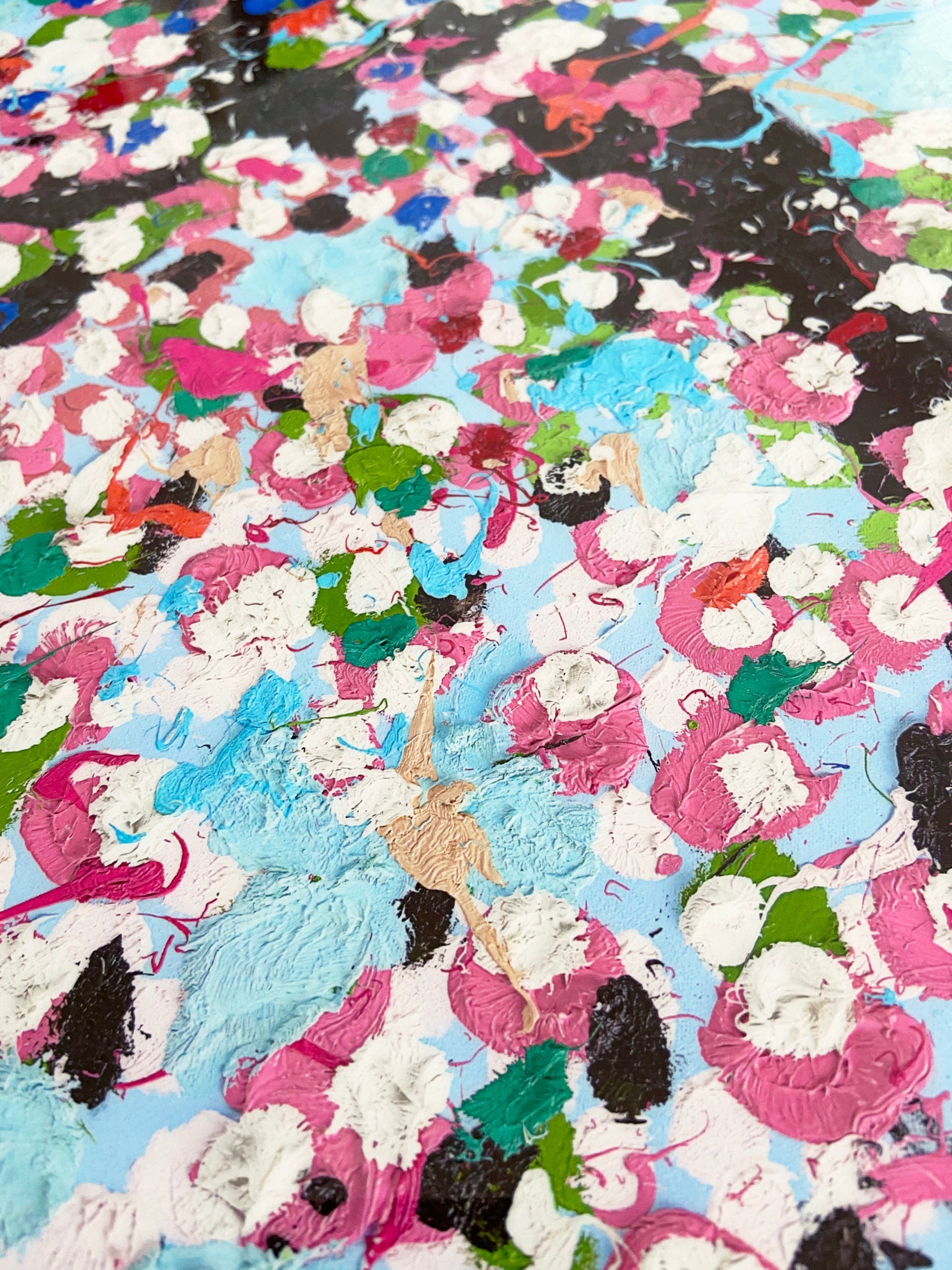
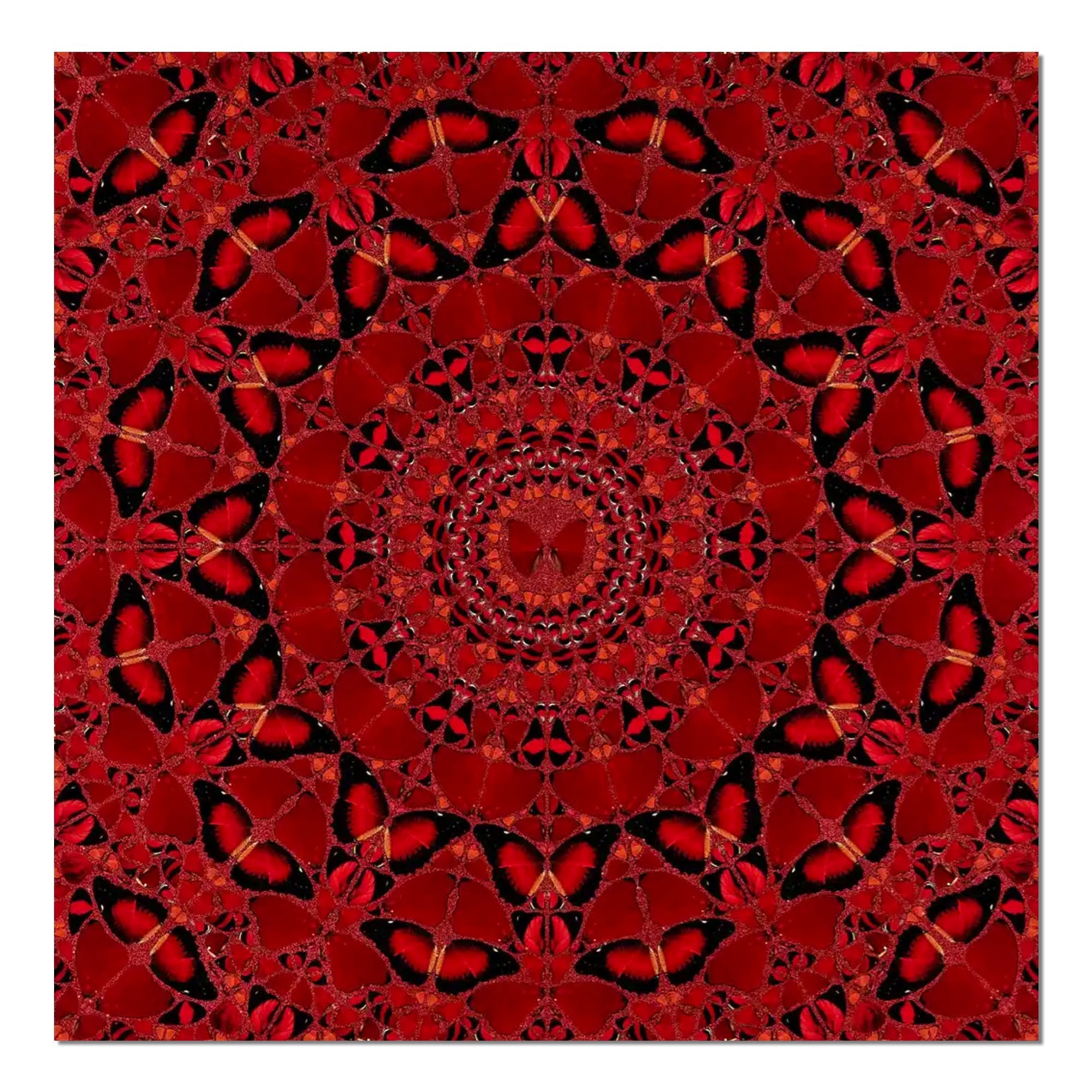
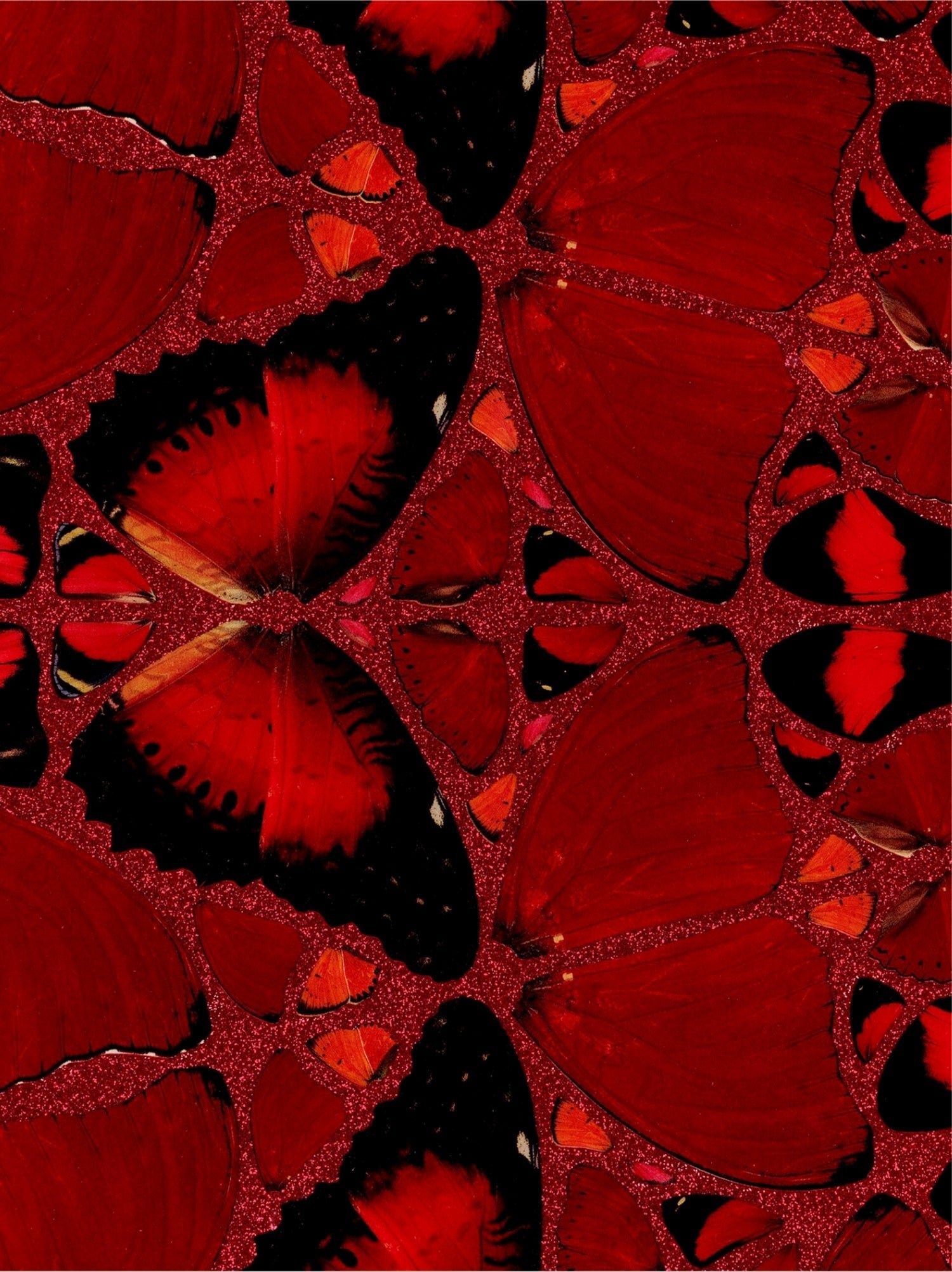
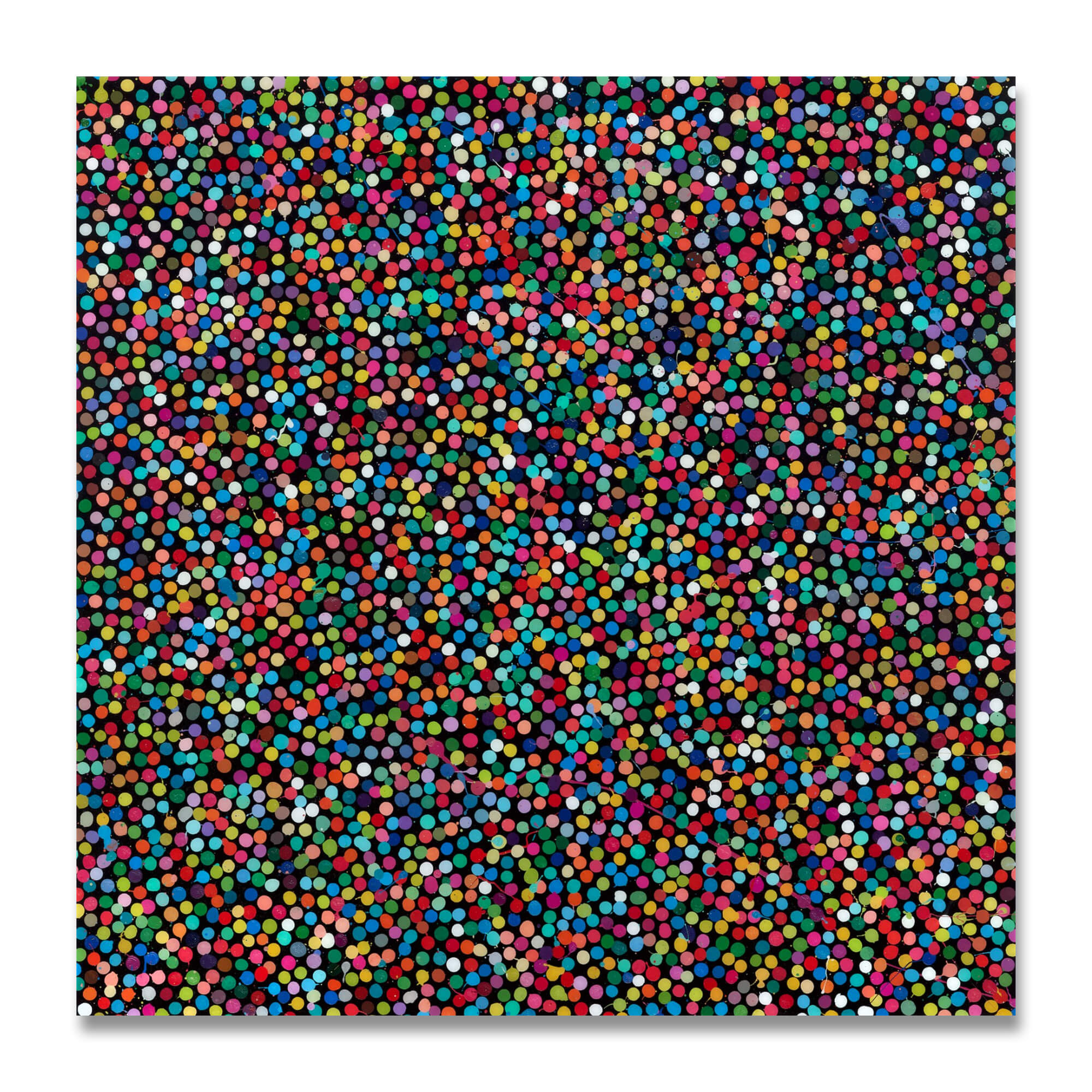
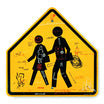
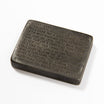
Damien Hirst - Taytu Betul (H10-5)
03

Damien Hirst Prints & Multiples

Damien Hirst's engagement with prints and multiples is not secondary to his practice — it is structurally inseparable from it. The same conceptual logic that drives his installations — seriality, systems, the tension between the unique and the reproduced — finds its most precise expression in editioned artworks.

His first major print series, The Last Supper (1999), established the terms. Thirteen screenprints published in an edition of 150 reimagined pharmaceutical packaging with common British foods replacing medication names. The series won the Ljubljana Biennial Grand Prize in 2001, and individual prints now regularly achieve five- and six-figure results at auction.

The Spot prints, derived from his Pharmaceutical paintings, are among the most actively traded Damien Hirst artworks on the secondary market — uniform colored dots on a white ground, each a different color, none repeated, suppressing the artist's hand to present color as pure visual experience. His Colour Space series takes a contrasting approach, replacing mechanical precision with densely packed daubs that retain the energy of the hand.

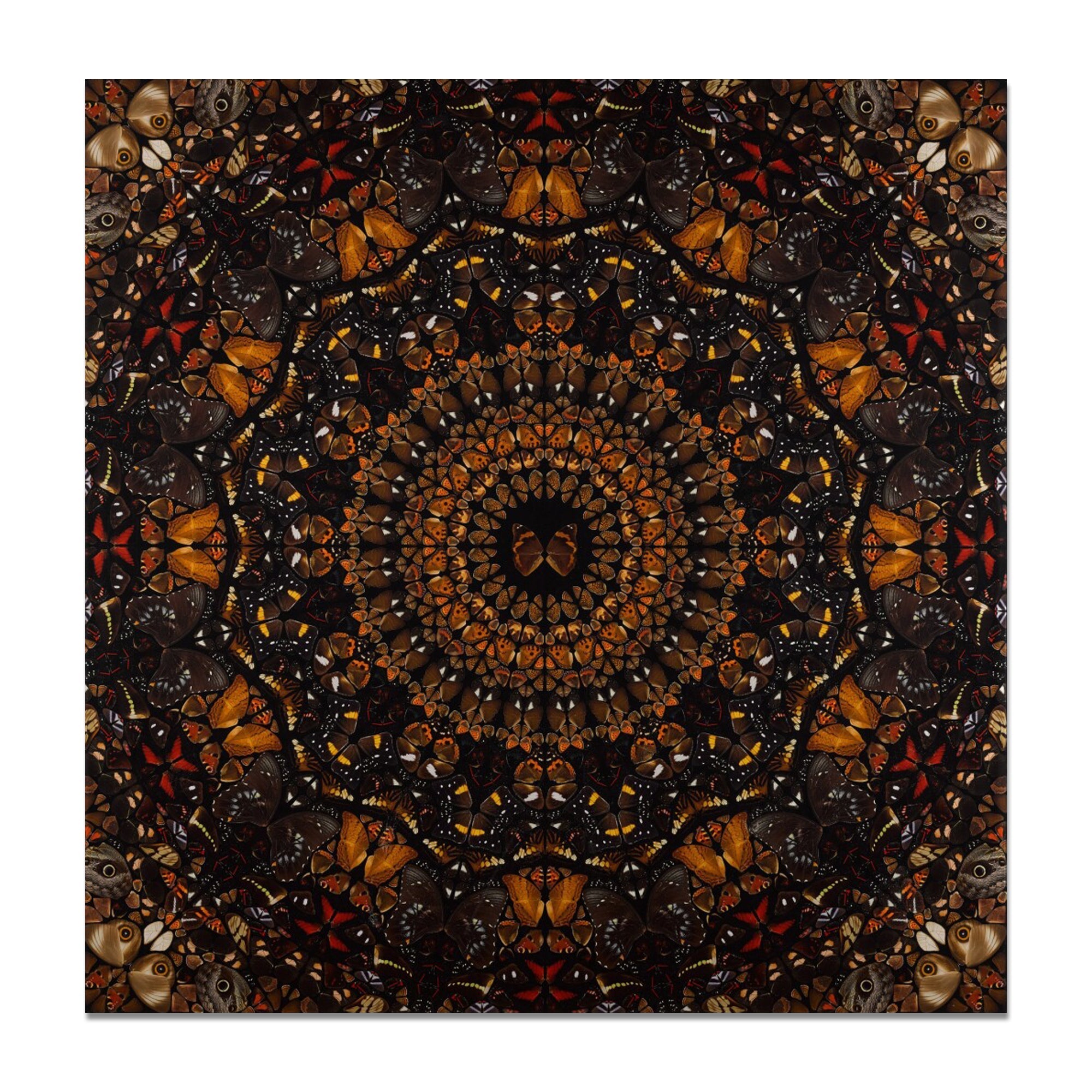
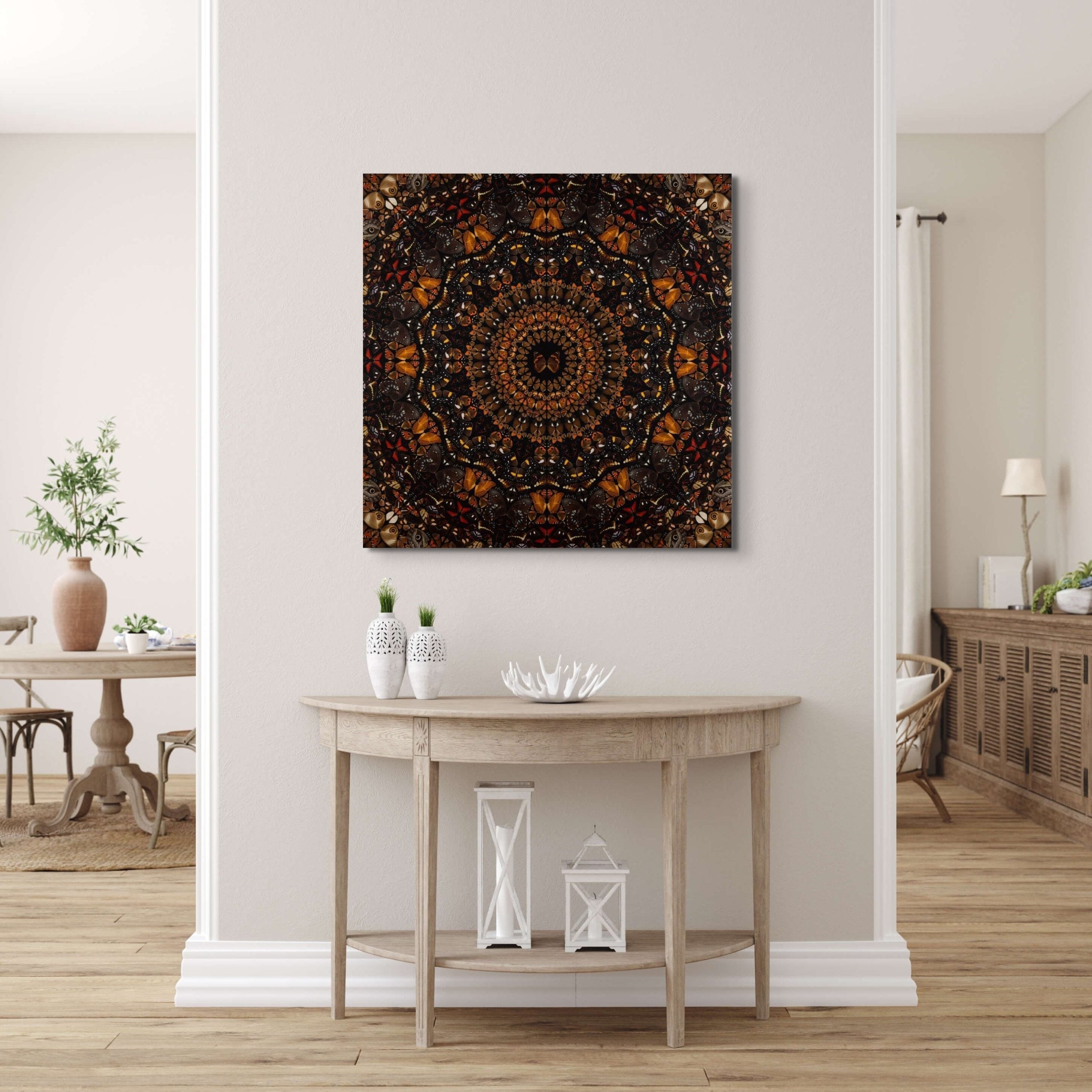
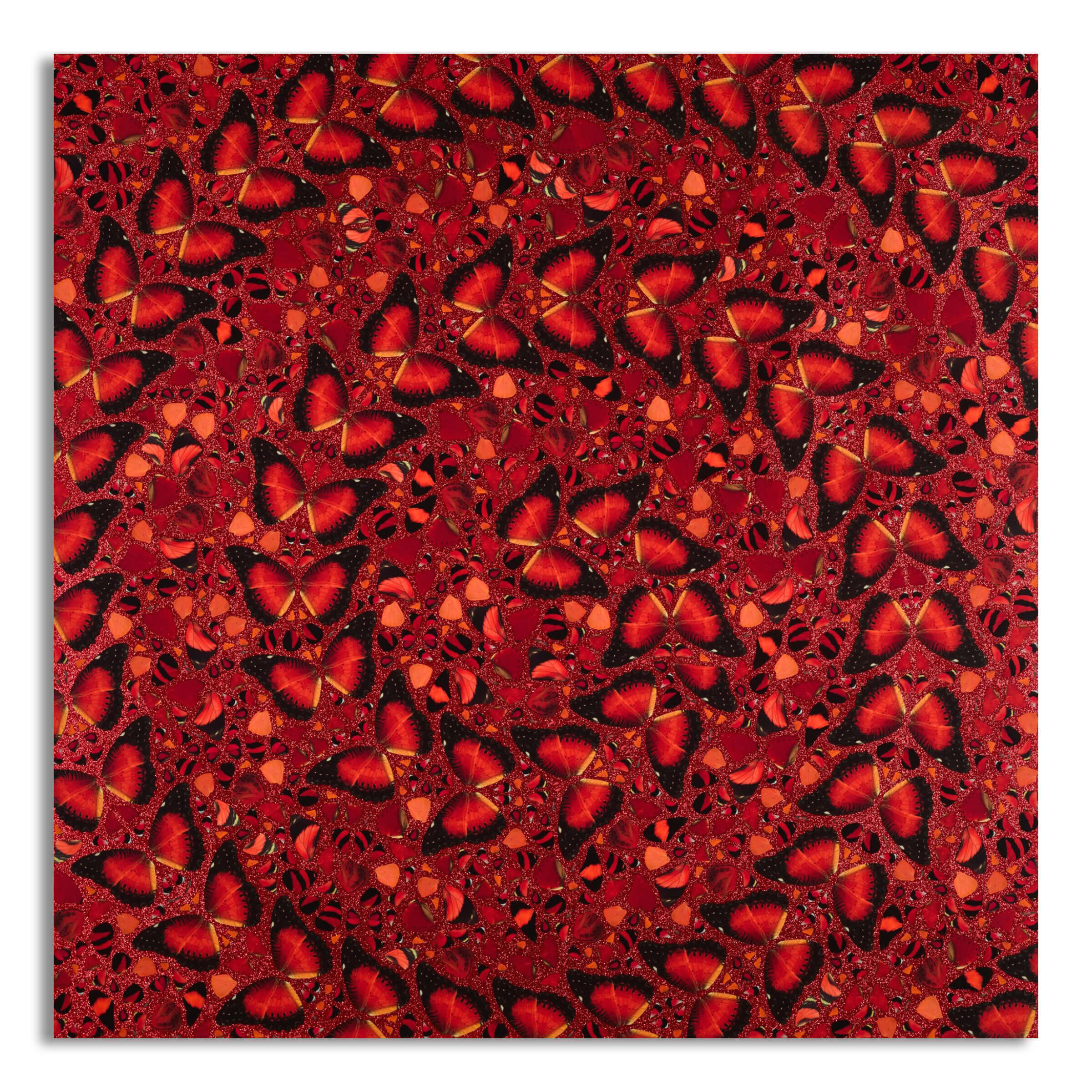
The butterfly motif, central to Hirst's practice since 1991, spans etchings, foil block prints, and giclée prints on aluminium. The Souls series (begun 2010) uses a three-step metallic layering process in editions of 15, while The Empresses extends the motif into monumental kaleidoscopic compositions named after historical female rulers. Additional series — including The Elements, The Virtues, and The Currency — demonstrate the continuing range and conceptual ambition of Hirst's editioned output.

For collectors, Damien Hirst editions offer direct access to the visual languages of one of the most consequential contemporary artists — at a fraction of the cost of unique artworks, but with the same conceptual density. Traditional edition sizes typically range from 50 to 150, while select timed and open editions — released in response to collector demand — have reached runs of several thousand. As with all editioned artworks, smaller, historically significant series tend to command the strongest secondary market performance.

01

Damien Hirst Biography

Damien Hirst (b. 1965) is Britain's most famous living artist and a defining figure of contemporary art. Emerging as the provocative enfant terrible of the Young British Artists (YBAs), Hirst is internationally renowned as a conceptual artist, painter, printmaker, and sculptor. His artworks confront themes of mortality, beauty, science, medicine, and belief, often courting controversy while reshaping public perceptions of contemporary art. Through a masterful use of self-promotion, Hirst redefined the role of the artist as a global cultural entrepreneur, blurring boundaries between creativity and commerce.

Alongside fellow YBAs Tracey Emin, Sarah Lucas, and Liam Gillick, Hirst rose to prominence in the late 1980s. While studying at Goldsmiths College, University of London, he curated the seminal Freeze exhibition in 1988, a turning point in British contemporary art that brought his generation to international attention and attracted the patronage of collector Charles Saatchi. Influenced by Marcel Duchamp and the concept of the readymade, Hirst produced some of his most controversial artworks using dead animals preserved in formaldehyde. In 2008, he bypassed his galleries entirely to stage Beautiful Inside My Head Forever, a two-day auction of new artworks directly through Sotheby's that generated over £111 million — making the systems of art commerce part of the practice itself.

In 1995, he won the Turner Prize for Mother and Child (Divided), and his preserved shark, The Physical Impossibility of Death in the Mind of Someone Living (1991), became the centerpiece of Sensation at the Royal Academy in 1997. In 2012, Tate Modern hosted a major Damien Hirst retrospective tracing his career from early installations to his iconic Spot Paintings and butterfly artworks. More recently, Treasures from the Wreck of the Unbelievable (2017) spanned both Palazzo Grassi and Punta della Dogana in Venice on an unprecedented scale. His artworks have also been featured at the Whitechapel Gallery, the Gagosian galleries, and the Fondation Cartier in Paris.

In parallel with his installations and sculptures, Hirst has built one of the most significant bodies of editioned artworks in contemporary art — a practice explored in detail below. For a comprehensive exploration of his conceptual themes and artistic legacy, read our Damien Hirst editorial →

02

Famous Damien Hirst Artworks

Several artworks have become defining examples of Damien Hirst art, shaping how contemporary audiences encounter themes of life, death, belief, and value.

The Physical Impossibility of Death in the Mind of Someone Living (1991)
Perhaps the most famous Damien Hirst artwork, this preserved shark suspended in formaldehyde confronts viewers with the paradox of encountering death while remaining alive.

Mother and Child (Divided) (1993)
A cow and calf are bisected and displayed in vitrines, allowing viewers to walk between the halves. The installation merges scientific display with symbolic reflections on life and mortality.

For the Love of God (2007)
The diamond-covered Damien Hirst skull revisits the historical memento mori tradition while transforming it into a spectacle of luxury and belief.

The Currency (2021)
Ten thousand unique hand-painted dot compositions, each paired with a corresponding NFT. Collectors were asked to choose between keeping the digital token or exchanging it for the physical painting — making the question of where value resides the artwork itself. The project extended Hirst's lifelong interrogation of belief and systems of value into the digital age.

Together these artworks demonstrate how Hirst transforms biological reality, cultural symbolism, and market structures into artistic material.

03

Damien Hirst Prints & Multiples

Damien Hirst's engagement with prints and multiples is not secondary to his practice — it is structurally inseparable from it. The same conceptual logic that drives his installations — seriality, systems, the tension between the unique and the reproduced — finds its most precise expression in editioned artworks.

His first major print series, The Last Supper (1999), established the terms. Thirteen screenprints published in an edition of 150 reimagined pharmaceutical packaging with common British foods replacing medication names. The series won the Ljubljana Biennial Grand Prize in 2001, and individual prints now regularly achieve five- and six-figure results at auction.

The Spot prints, derived from his Pharmaceutical paintings, are among the most actively traded Damien Hirst artworks on the secondary market — uniform colored dots on a white ground, each a different color, none repeated, suppressing the artist's hand to present color as pure visual experience. His Colour Space series takes a contrasting approach, replacing mechanical precision with densely packed daubs that retain the energy of the hand.

The butterfly motif, central to Hirst's practice since 1991, spans etchings, foil block prints, and giclée prints on aluminium. The Souls series (begun 2010) uses a three-step metallic layering process in editions of 15, while The Empresses extends the motif into monumental kaleidoscopic compositions named after historical female rulers. Additional series — including The Elements, The Virtues, and The Currency — demonstrate the continuing range and conceptual ambition of Hirst's editioned output.

For collectors, Damien Hirst editions offer direct access to the visual languages of one of the most consequential contemporary artists — at a fraction of the cost of unique artworks, but with the same conceptual density. Traditional edition sizes typically range from 50 to 150, while select timed and open editions — released in response to collector demand — have reached runs of several thousand. As with all editioned artworks, smaller, historically significant series tend to command the strongest secondary market performance.

Damien Hirst - The Currency Unique Print (H11)Damien Hirst - Taytu Betul (H10-5)

Damien Hirst: Key Questions

Collecting Damien Hirst?

Looking for a specific artwork or have a question about an edition? We're happy to advise on availability, pricing, condition, and provenance — and to source artworks beyond our current selection.

Contact us

Prints, Photographs & Multiples

View our full collection of

Prints, Photographs & Multiples

Explore editions