


John Baldessari

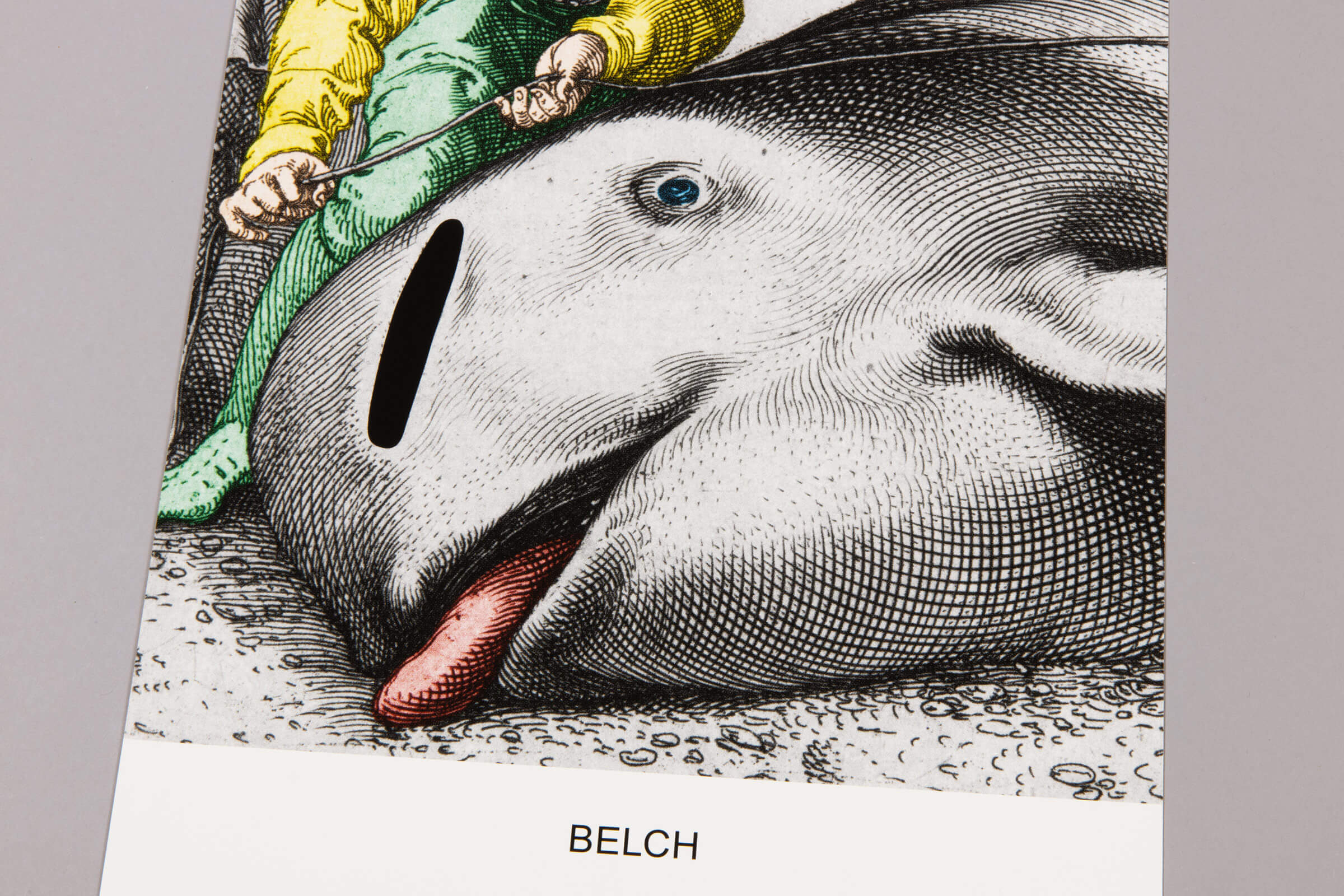
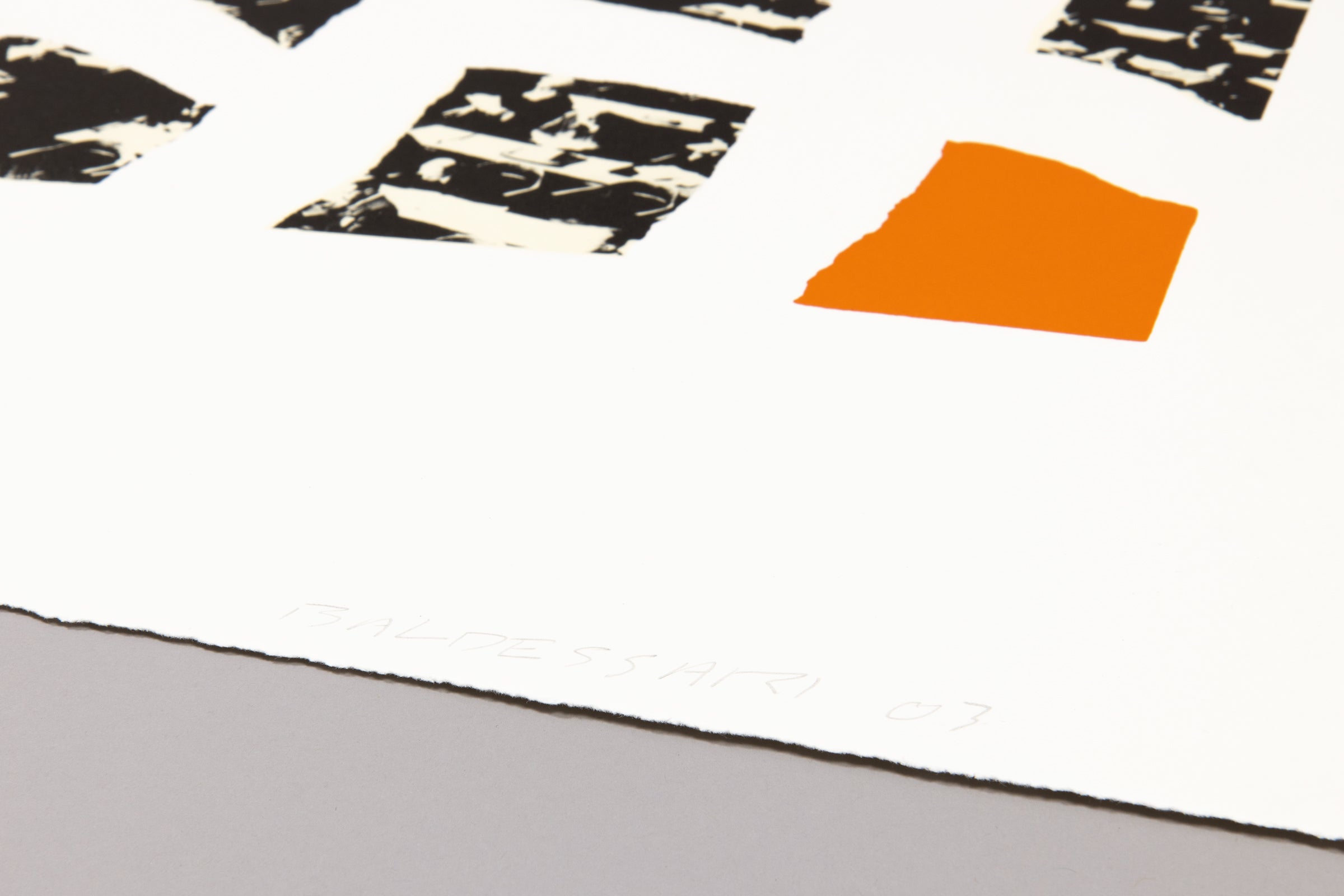
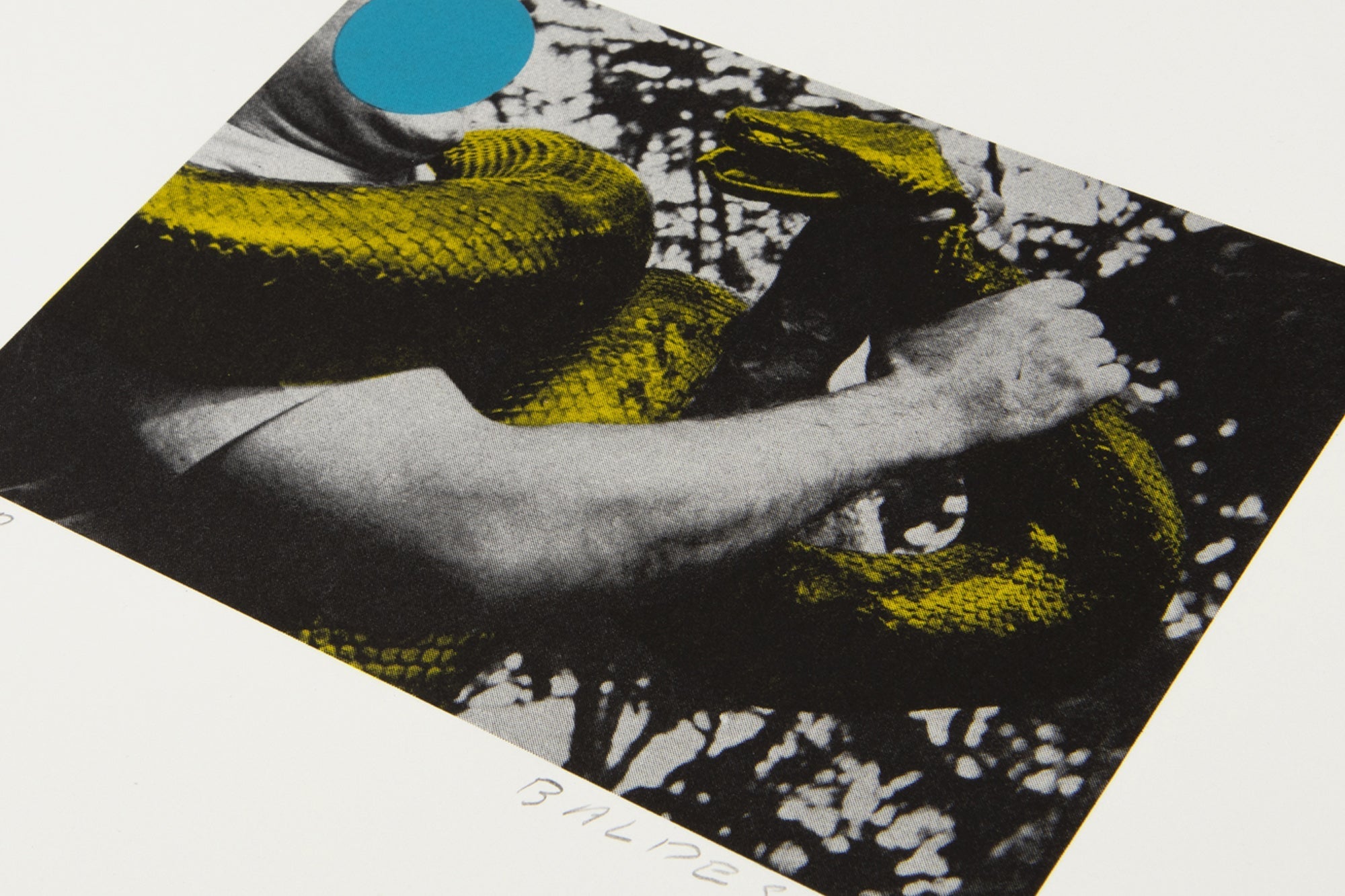
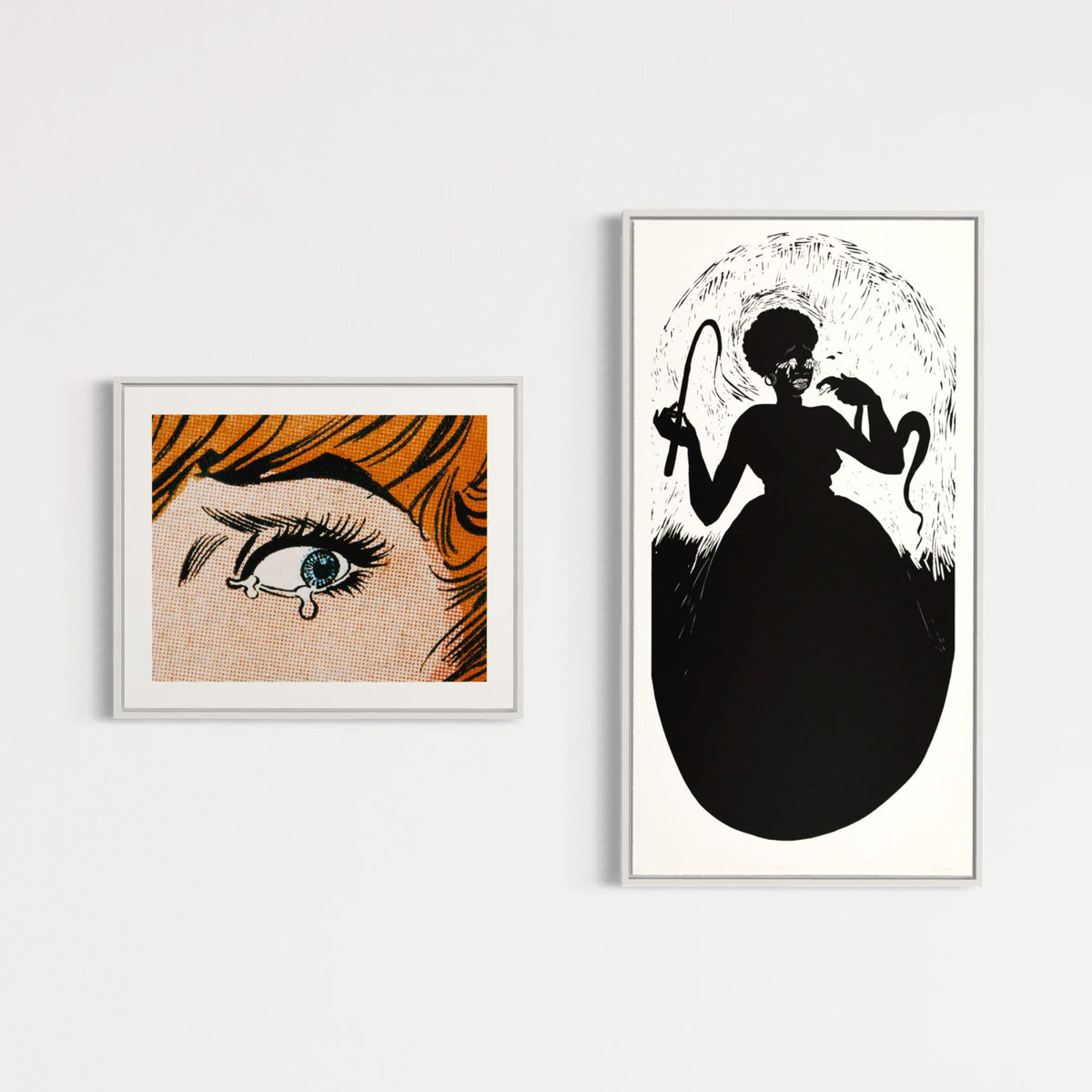
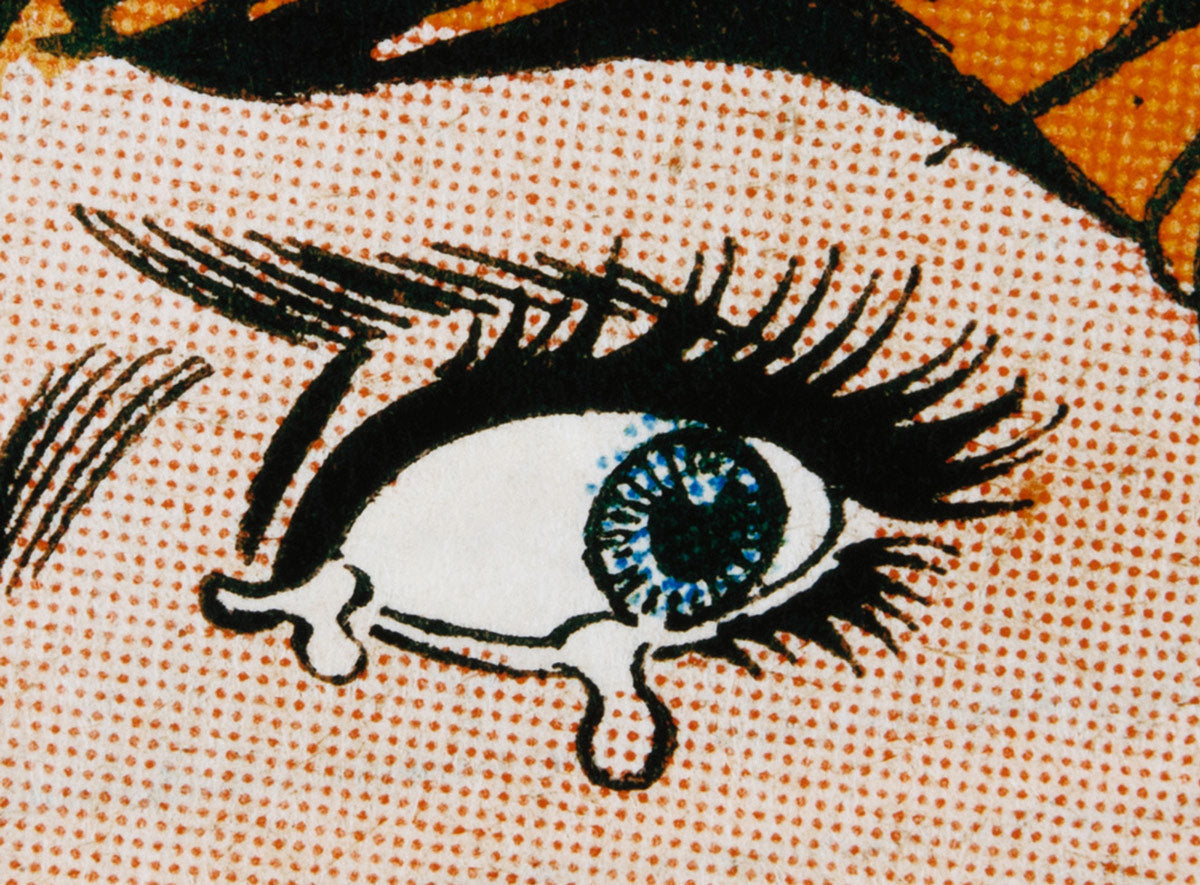
John Baldessari print closeup

In 1970, John Baldessari gathered his early paintings and had them cremated. It was not an act of despair but of transition — the definitive gesture that separated him from painting-as-destiny and opened three decades of work asking a single question: how does an image become believable? Working across photography, film stills, text, and appropriation, he exposed the captions, crops, and conventions that make pictures feel self-evident — always with a deadpan humour that made the analysis land harder, not softer. Works held at MoMA, Tate, and LACMA.

Browse signed John Baldessari prints and editions now.

Available Prints & Editions

01

John Baldessari Biography

John Baldessari (1931–2020) trained as a painter, and by the late 1960s had concluded that painting could no longer ask the questions that mattered to him. In 1970 he staged what became one of the defining gestures of conceptual art: gathering many of his early canvases and having them cremated, then preserving the ashes as material for a new work. The act was not destruction but formalisation — a declaration that art could proceed from inquiry rather than inherited technique.

What followed was a practice built on a single insight: images are not neutral, but structured by conventions that make them feel inevitable. Baldessari interrupted that inevitability — obscuring faces in appropriated film stills with his signature coloured dots, pairing photographs with deadpan instructional text, delegating execution to assistants and sign-painters. The point was never irony for its own sake. It was diagnostic: exposing how captions authorise meaning, how crops decide what counts, and how readily viewers cooperate with formats that claim to deliver truth.

This redistribution of authorship — treating the artist's hand as a variable rather than a guarantee — became one of his most consequential contributions, shaping generations of conceptual and appropriation-based practice that followed. From 1970 to 1988, Baldessari taught at CalArts, mentoring students including David Salle, Mike Kelley, and John Miller — not by transmitting a style, but by modelling a method of treating culture itself as raw material.

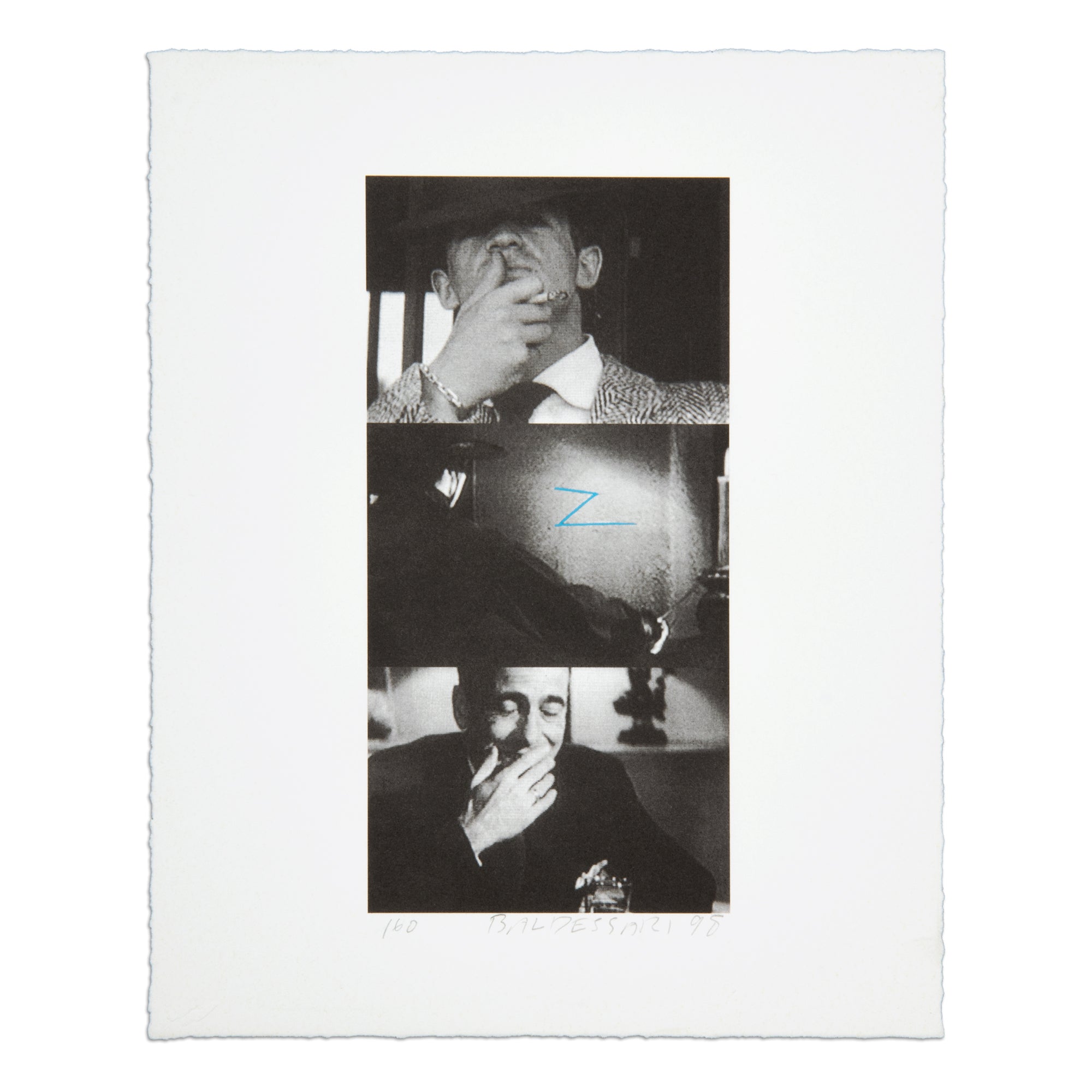
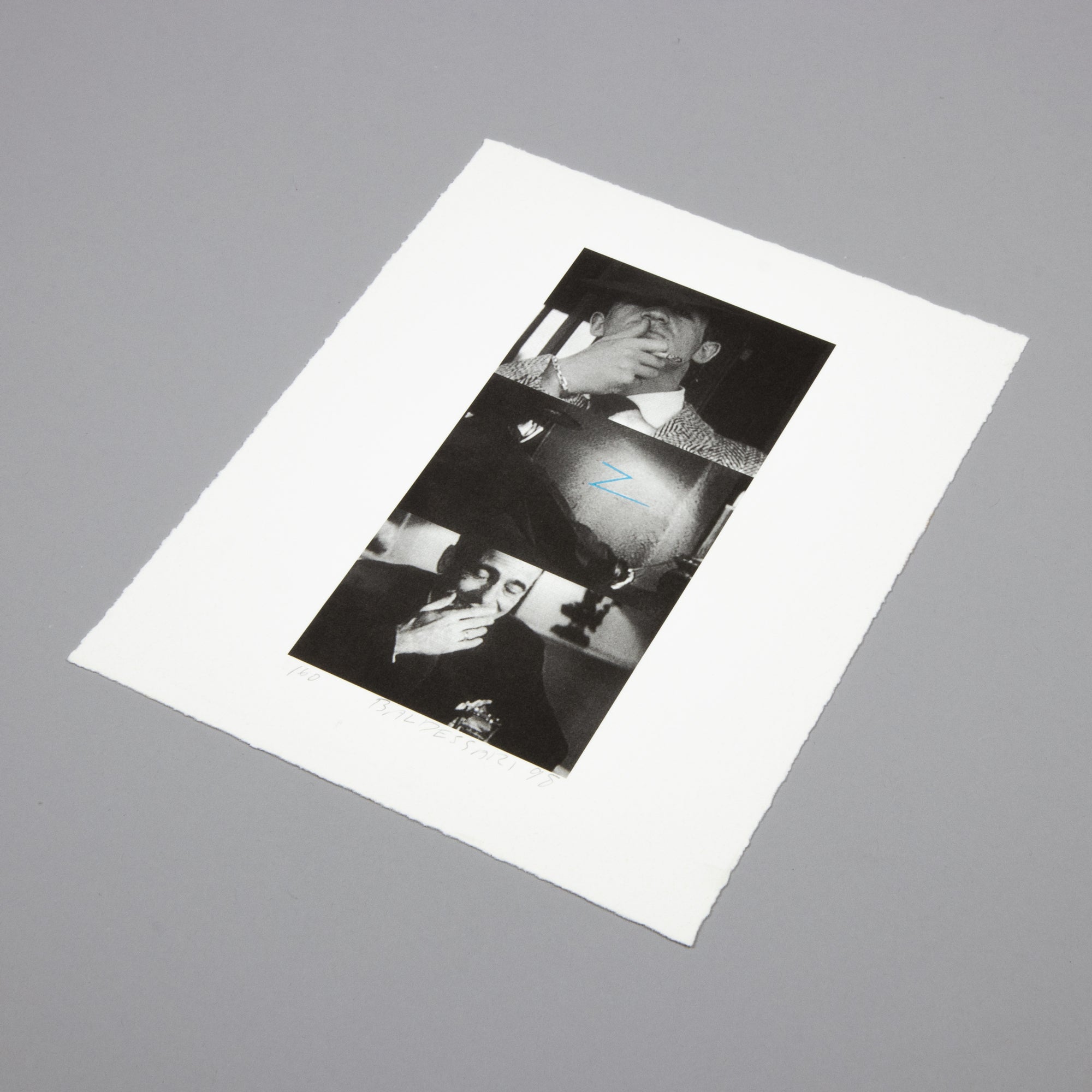
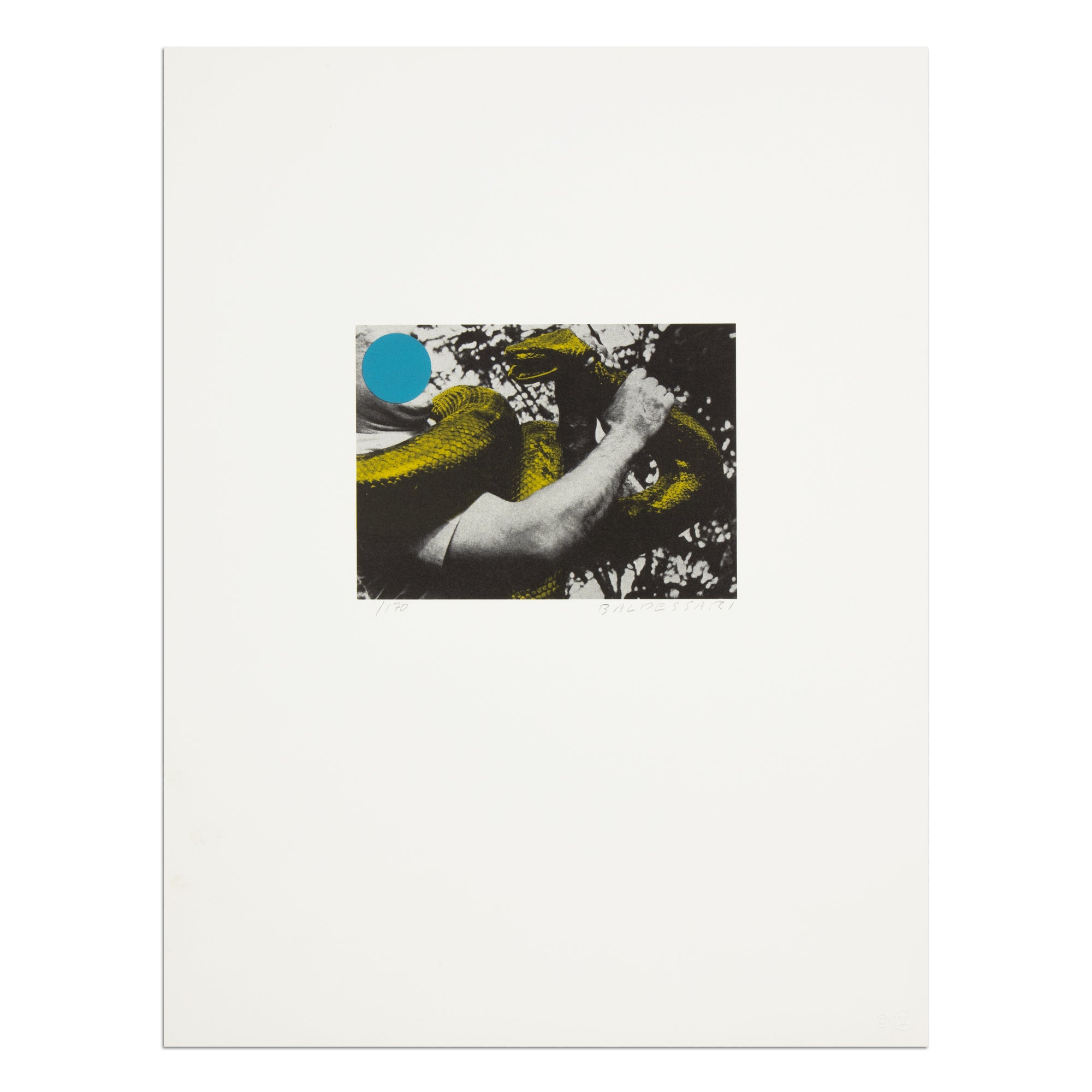
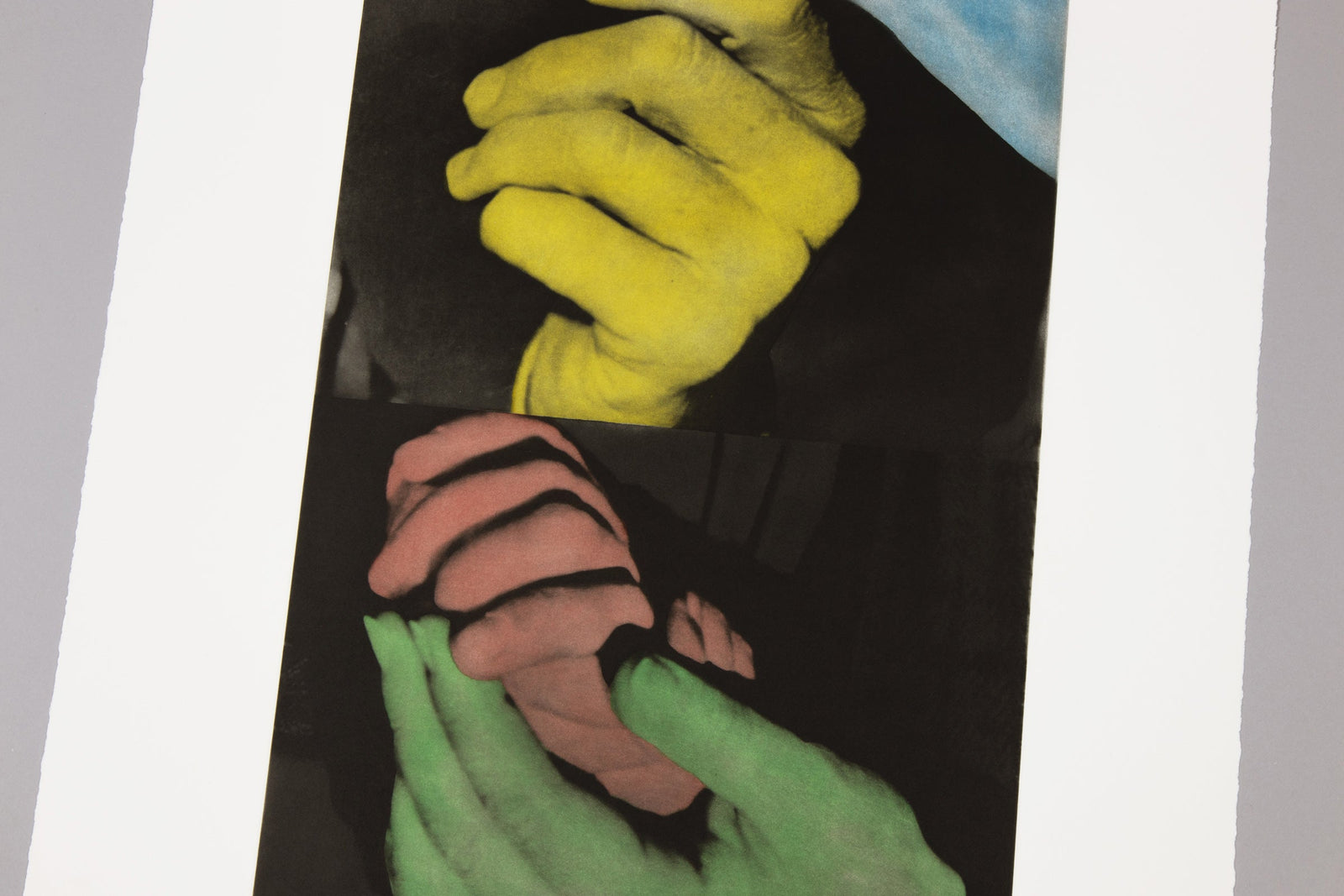
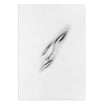
John Baldessari - Hand and Chin (with Entwined Hands)
02

Famous John Baldessari Artworks

The Cremation Project (1970) remains Baldessari's foundational statement. Rather than simply abandoning painting, he converted his earlier canvases into ash, then re-presented the remains as evidence of a studio that no longer operated under the old assumptions. The gesture crystallised what his subsequent five decades of work would investigate: that meaning is authorised by structure and convention, not by the artist's hand alone.

I Will Not Make Any More Boring Art (1971) took the form of a schoolroom punishment — the phrase handwritten in rows, repeated until it fills the page — and turned it into a conceptual manifesto. The joke is immediate, but the structure is the point: repetition as discipline, text as both content and image, sincerity delivered through a deadpan comic device. It became one of the most quoted statements in postwar art precisely because it refuses to explain itself.

His works using coloured dots over faces — a device he returned to across hundreds of photographs and film stills — form his other most recognisable body of work. By obscuring exactly the detail a viewer instinctively searches for, Baldessari blocked the automatic reflex that makes appropriated images feel complete, forcing a slower, more self-aware kind of looking.

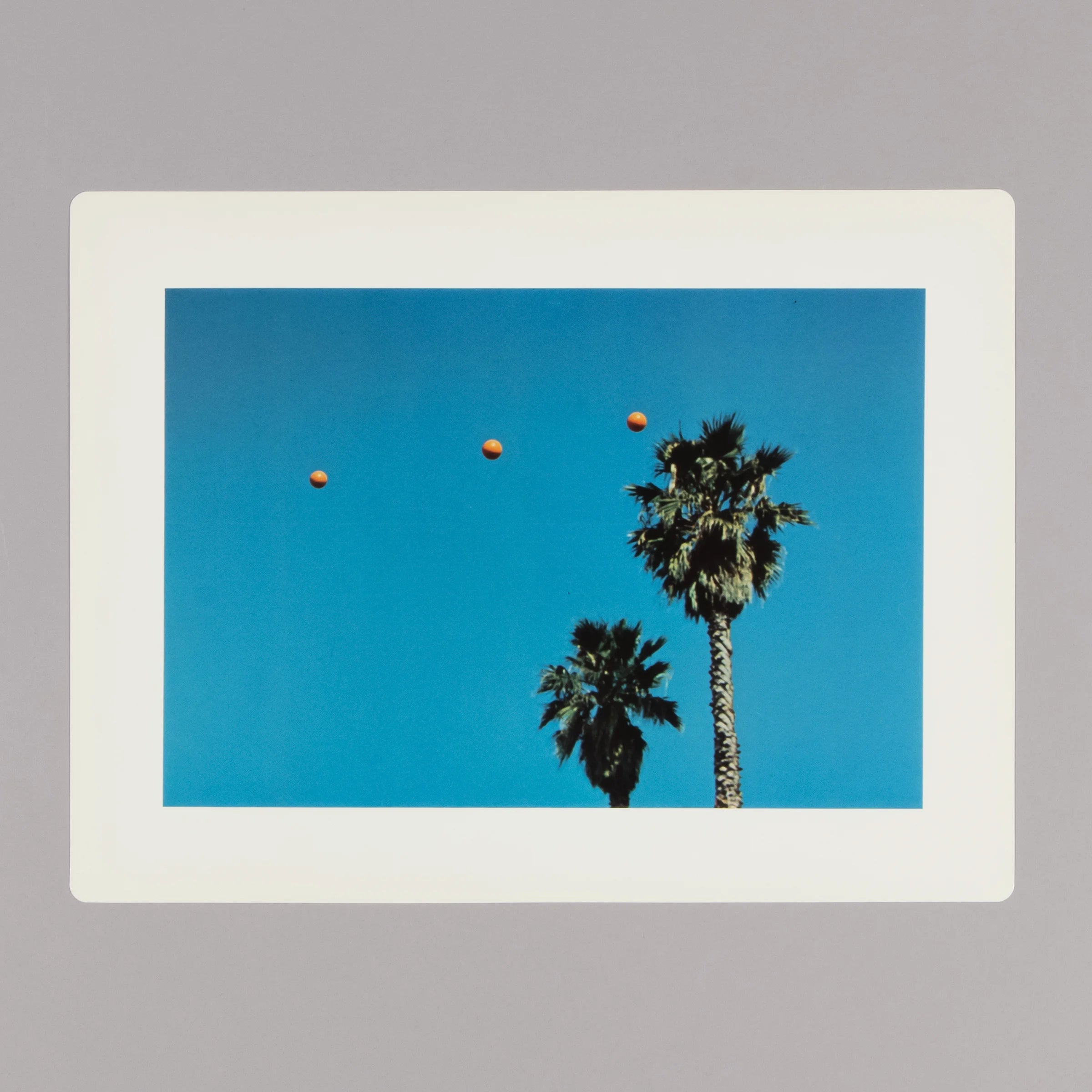
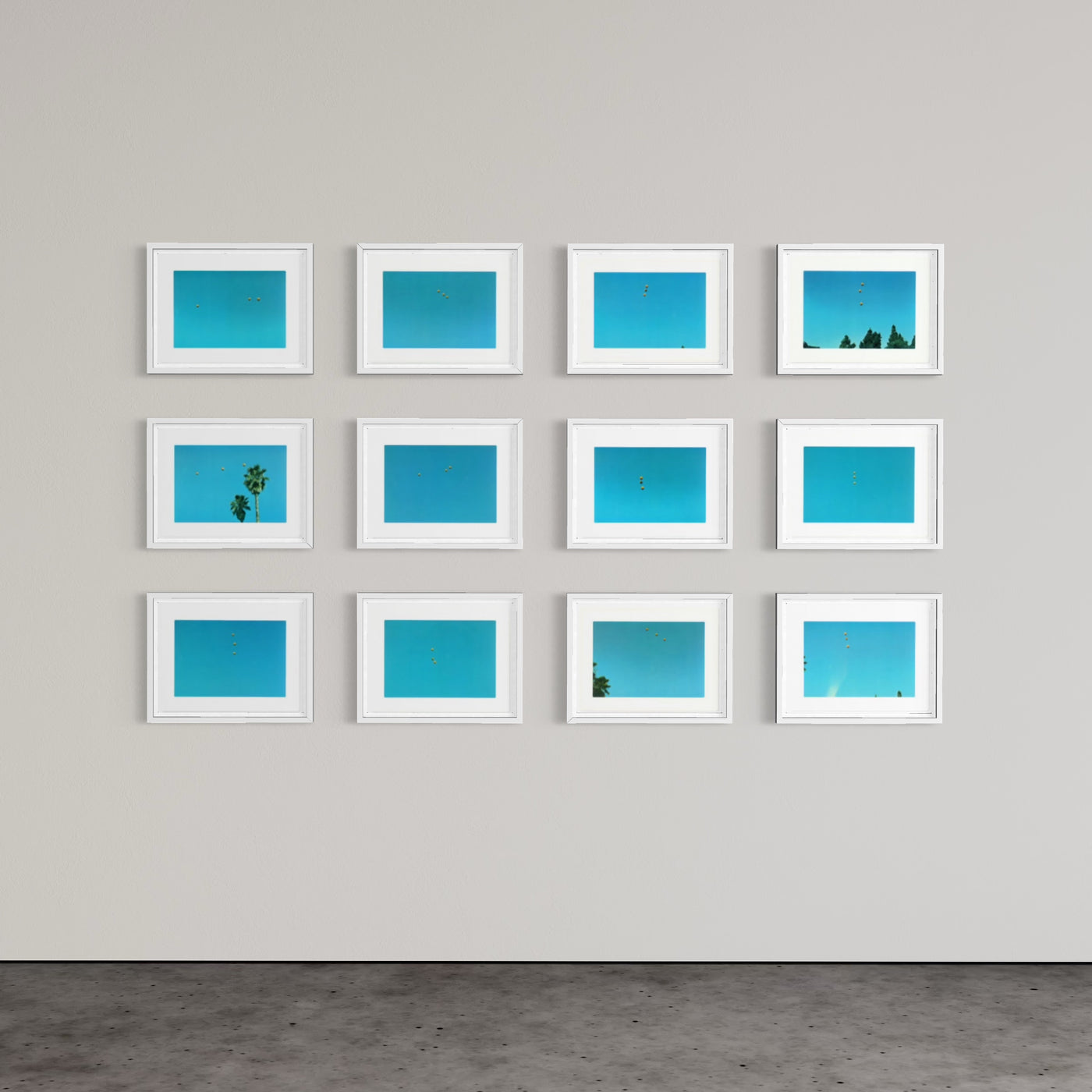
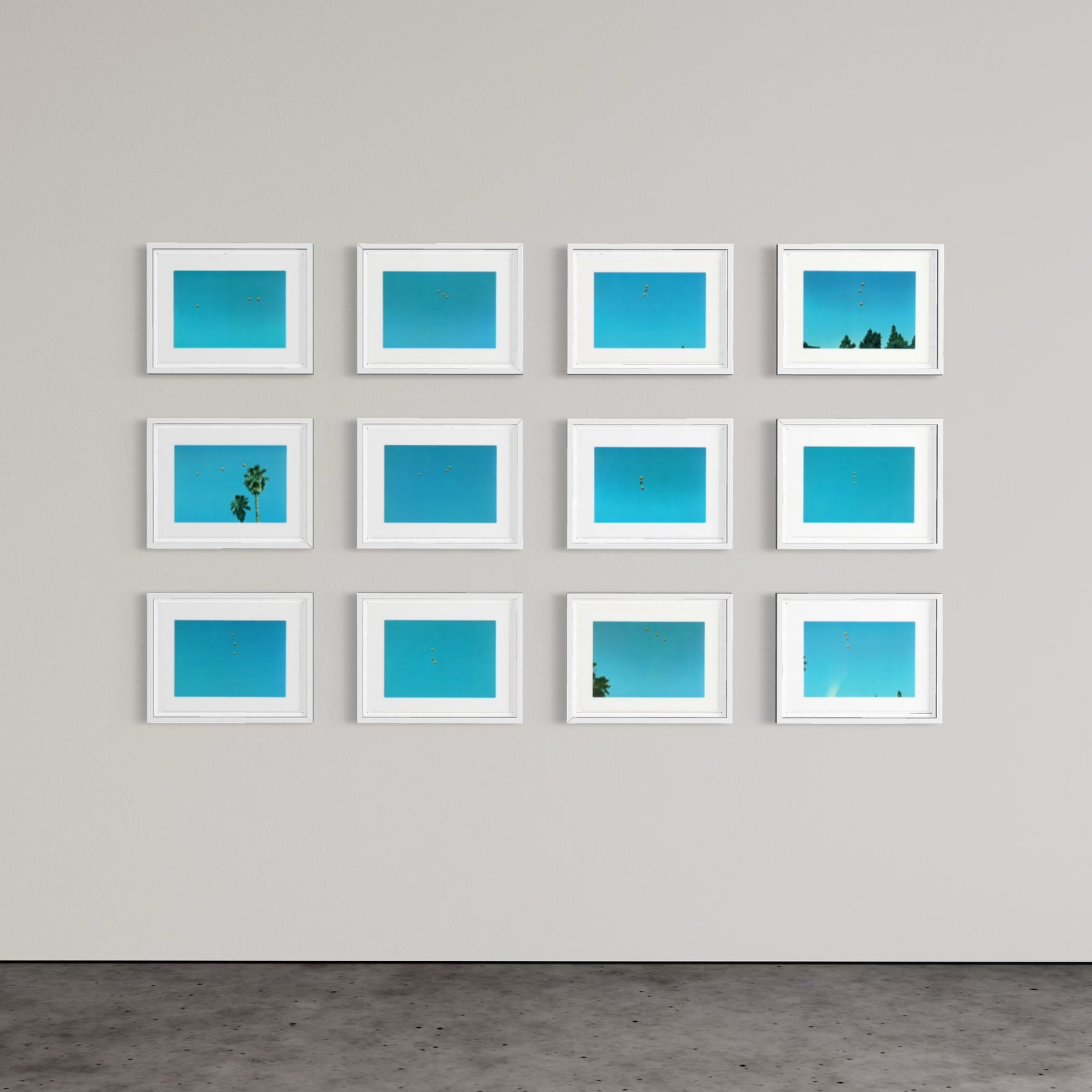
Throwing Three Balls in the Air to Get a Straight Line (1973), a deceptively simple sequence of photographs documenting a doomed attempt at geometric precision, distils his method into a single joke with serious implications: the gap between intention and image, between what art promises and what it can actually deliver.

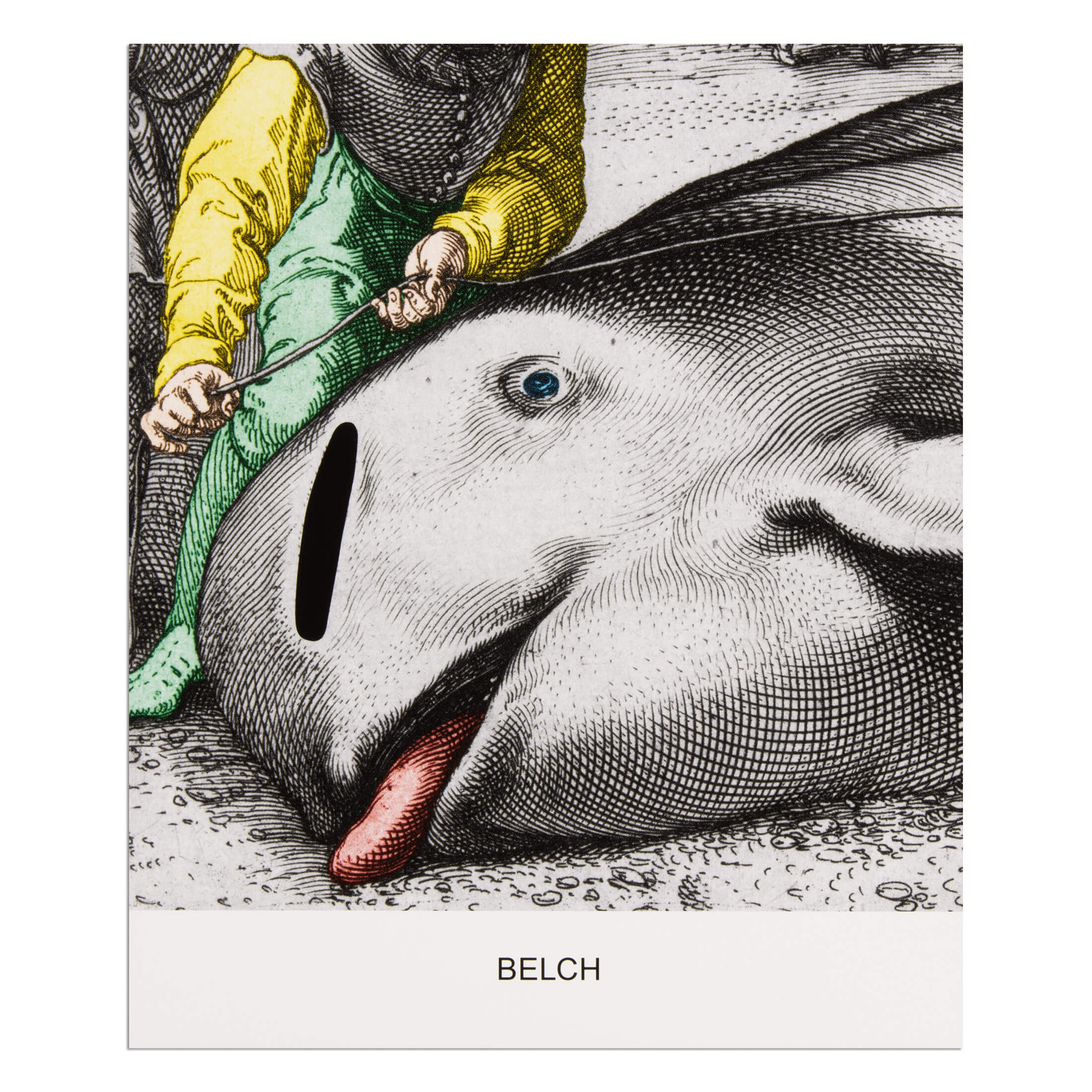
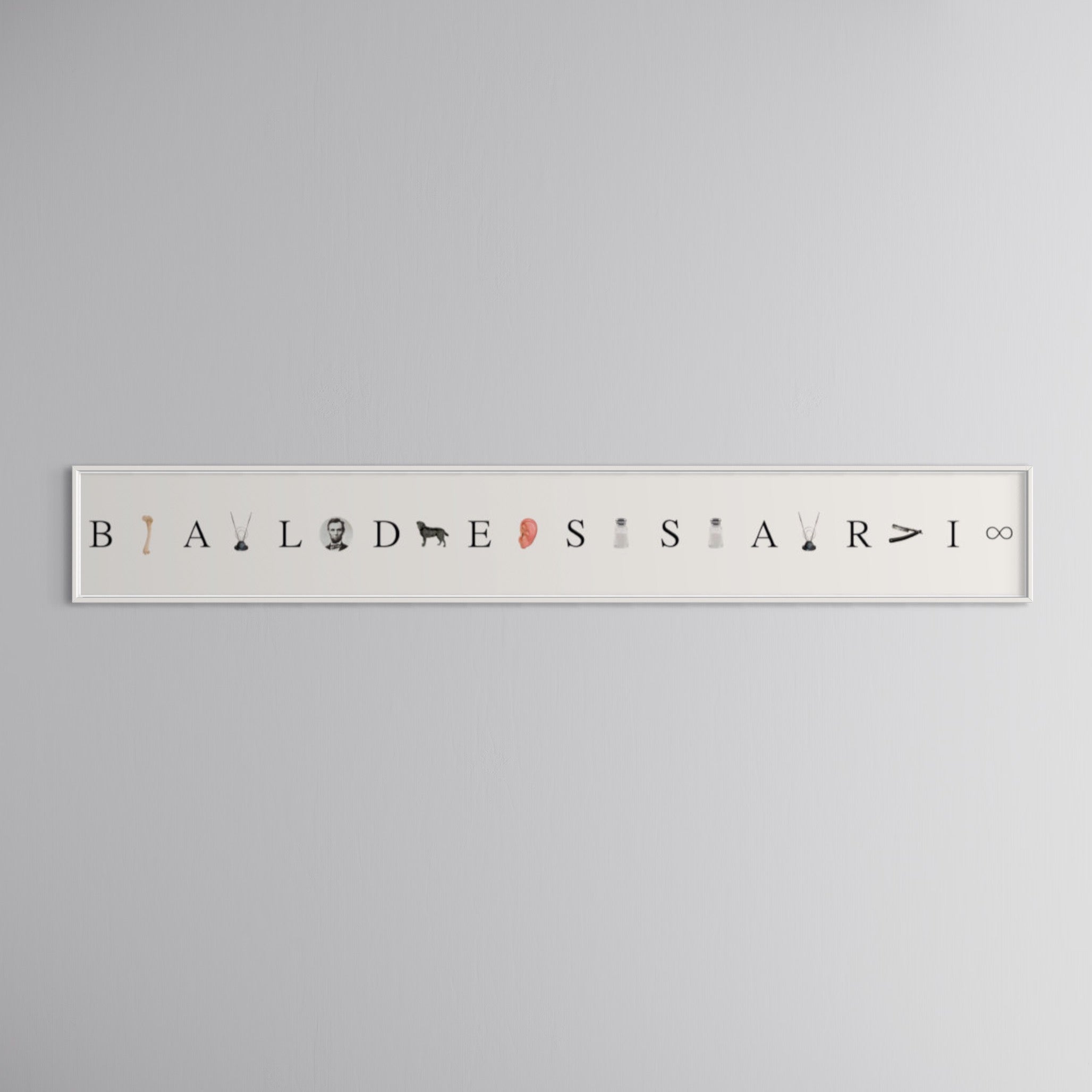
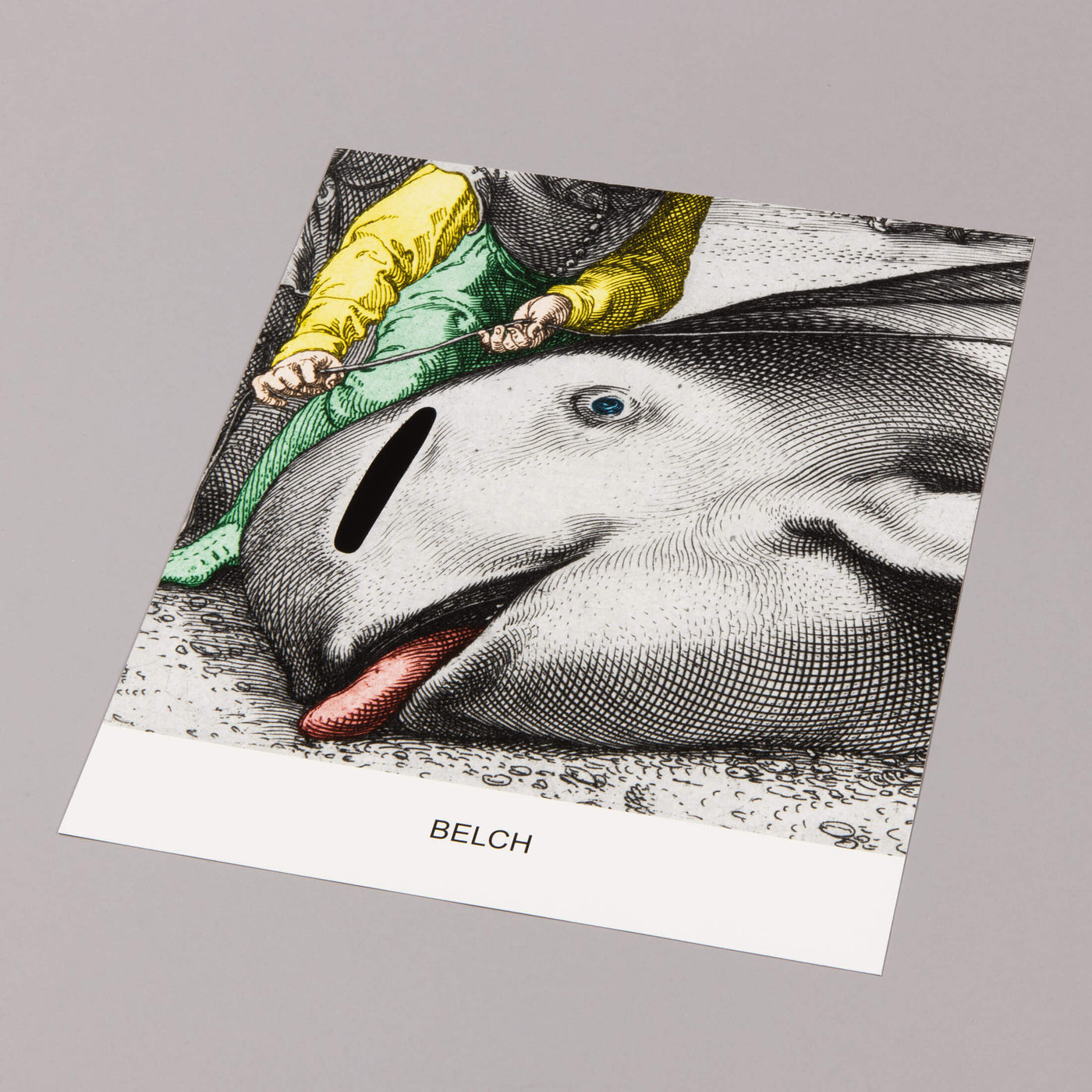
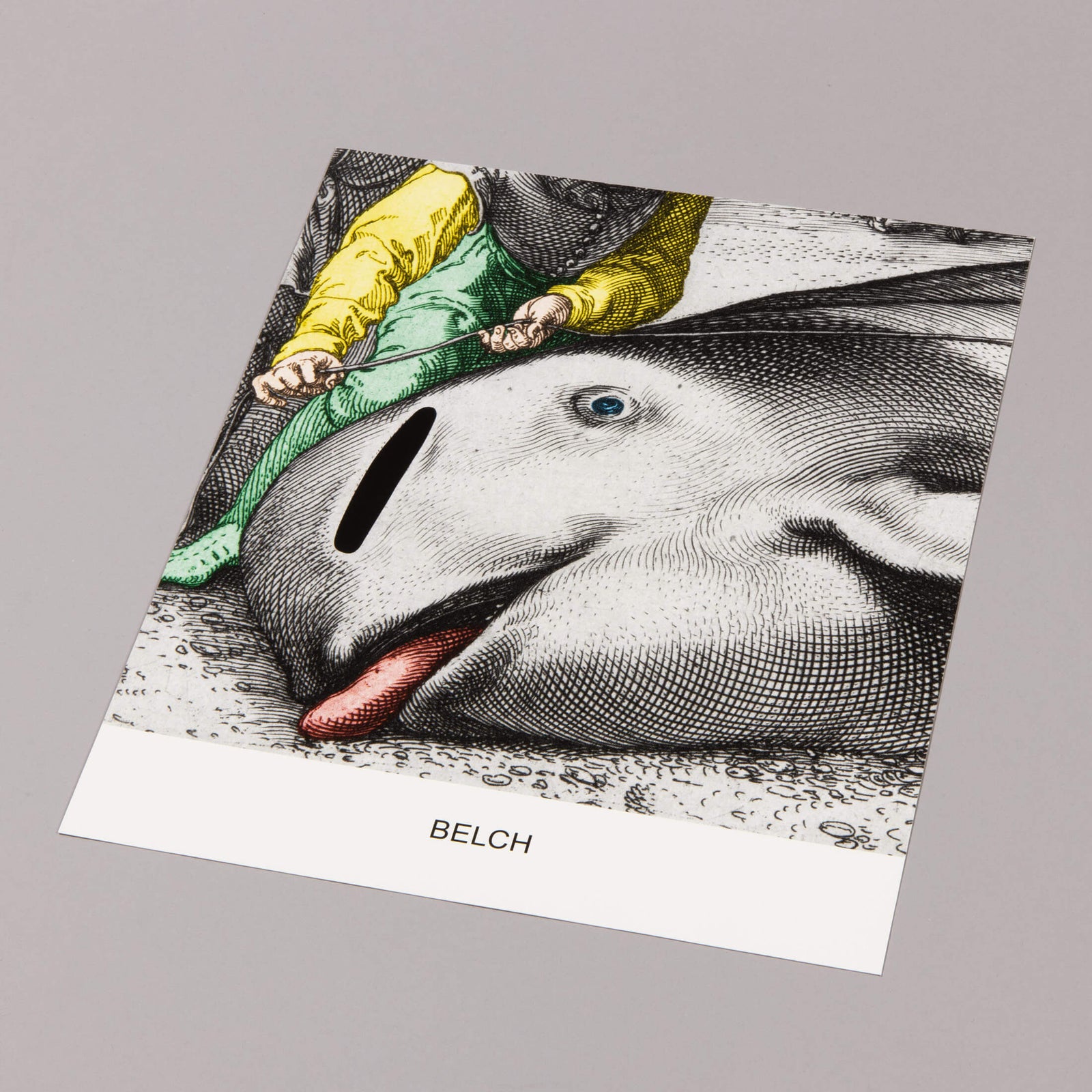
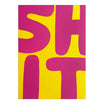
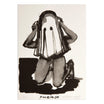
John Baldessari – Belch
03

John Baldessari Prints & Editions

For Baldessari, the edition was never a pragmatic afterthought — it was philosophically necessary. His entire practice was built on the mechanics of iteration and the circulation of images through cultural systems, so multiples were never simply reproductions of a "real" work elsewhere. Each was an autonomous investigation, testing the same conceptual logic that governed his photographs and installations.

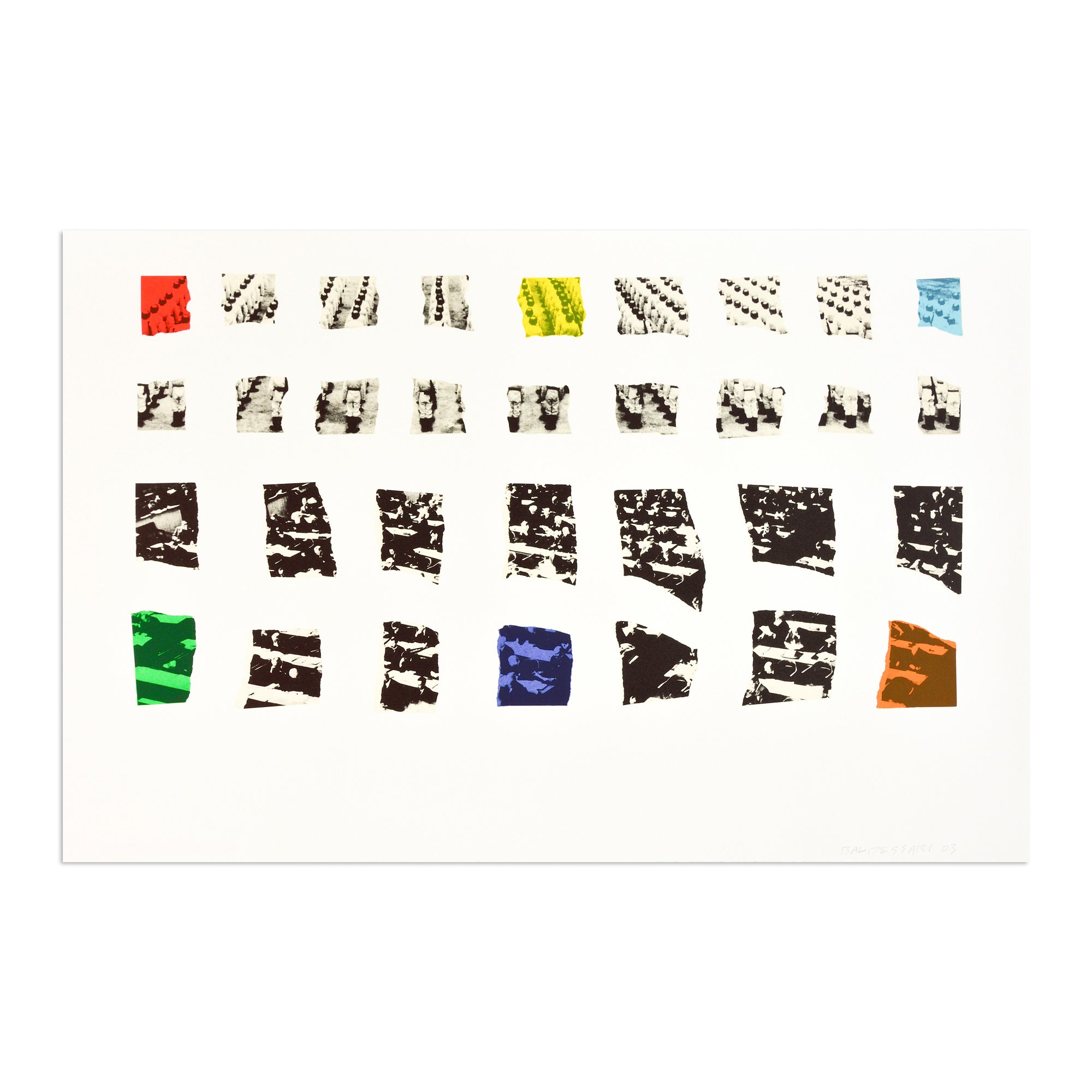
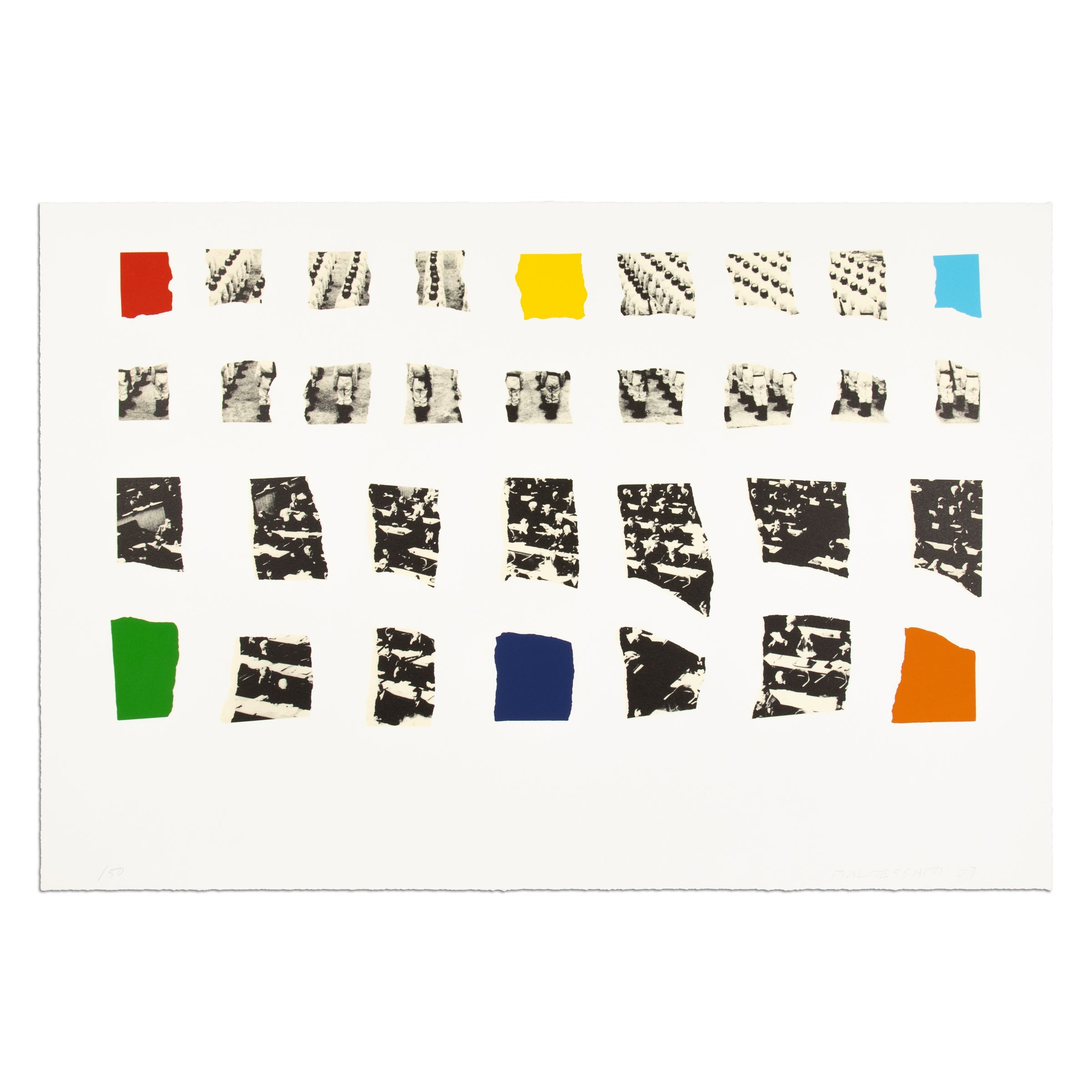
Repetition, in Baldessari's hands, was never redundancy. By allowing an image to recur in altered configurations — a different crop, a different caption, a different coloured dot — he demonstrated that meaning does not depend on the singularity of an object. The edition became an instrument of circulation, consistent with his conviction that images gain authority through repetition and distribution rather than uniqueness.

For collectors, his prints and editions offer direct access to the same structural intelligence that defines his photographs and installations — signed, strictly limited works held in the permanent collections of MoMA, Tate, and LACMA.

01

John Baldessari Biography

John Baldessari (1931–2020) trained as a painter, and by the late 1960s had concluded that painting could no longer ask the questions that mattered to him. In 1970 he staged what became one of the defining gestures of conceptual art: gathering many of his early canvases and having them cremated, then preserving the ashes as material for a new work. The act was not destruction but formalisation — a declaration that art could proceed from inquiry rather than inherited technique.

What followed was a practice built on a single insight: images are not neutral, but structured by conventions that make them feel inevitable. Baldessari interrupted that inevitability — obscuring faces in appropriated film stills with his signature coloured dots, pairing photographs with deadpan instructional text, delegating execution to assistants and sign-painters. The point was never irony for its own sake. It was diagnostic: exposing how captions authorise meaning, how crops decide what counts, and how readily viewers cooperate with formats that claim to deliver truth.

This redistribution of authorship — treating the artist's hand as a variable rather than a guarantee — became one of his most consequential contributions, shaping generations of conceptual and appropriation-based practice that followed. From 1970 to 1988, Baldessari taught at CalArts, mentoring students including David Salle, Mike Kelley, and John Miller — not by transmitting a style, but by modelling a method of treating culture itself as raw material.

02

Famous John Baldessari Artworks

The Cremation Project (1970) remains Baldessari's foundational statement. Rather than simply abandoning painting, he converted his earlier canvases into ash, then re-presented the remains as evidence of a studio that no longer operated under the old assumptions. The gesture crystallised what his subsequent five decades of work would investigate: that meaning is authorised by structure and convention, not by the artist's hand alone.

I Will Not Make Any More Boring Art (1971) took the form of a schoolroom punishment — the phrase handwritten in rows, repeated until it fills the page — and turned it into a conceptual manifesto. The joke is immediate, but the structure is the point: repetition as discipline, text as both content and image, sincerity delivered through a deadpan comic device. It became one of the most quoted statements in postwar art precisely because it refuses to explain itself.

His works using coloured dots over faces — a device he returned to across hundreds of photographs and film stills — form his other most recognisable body of work. By obscuring exactly the detail a viewer instinctively searches for, Baldessari blocked the automatic reflex that makes appropriated images feel complete, forcing a slower, more self-aware kind of looking.

Throwing Three Balls in the Air to Get a Straight Line (1973), a deceptively simple sequence of photographs documenting a doomed attempt at geometric precision, distils his method into a single joke with serious implications: the gap between intention and image, between what art promises and what it can actually deliver.

03

John Baldessari Prints & Editions

For Baldessari, the edition was never a pragmatic afterthought — it was philosophically necessary. His entire practice was built on the mechanics of iteration and the circulation of images through cultural systems, so multiples were never simply reproductions of a "real" work elsewhere. Each was an autonomous investigation, testing the same conceptual logic that governed his photographs and installations.

Repetition, in Baldessari's hands, was never redundancy. By allowing an image to recur in altered configurations — a different crop, a different caption, a different coloured dot — he demonstrated that meaning does not depend on the singularity of an object. The edition became an instrument of circulation, consistent with his conviction that images gain authority through repetition and distribution rather than uniqueness.

For collectors, his prints and editions offer direct access to the same structural intelligence that defines his photographs and installations — signed, strictly limited works held in the permanent collections of MoMA, Tate, and LACMA.

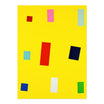
John Baldessari - Hand and Chin (with Entwined Hands)John Baldessari – Belch

John Baldessari: Key Questions

Collecting John Baldessari?

Looking for a specific artwork or have a question about an edition? We're happy to advise on availability, pricing, condition, and provenance — and to source artworks beyond our current selection.

Contact us

Prints, Photographs & Multiples

View our full collection of

Prints, Photographs & Multiples

Explore editions