
Yoshitomo Nara
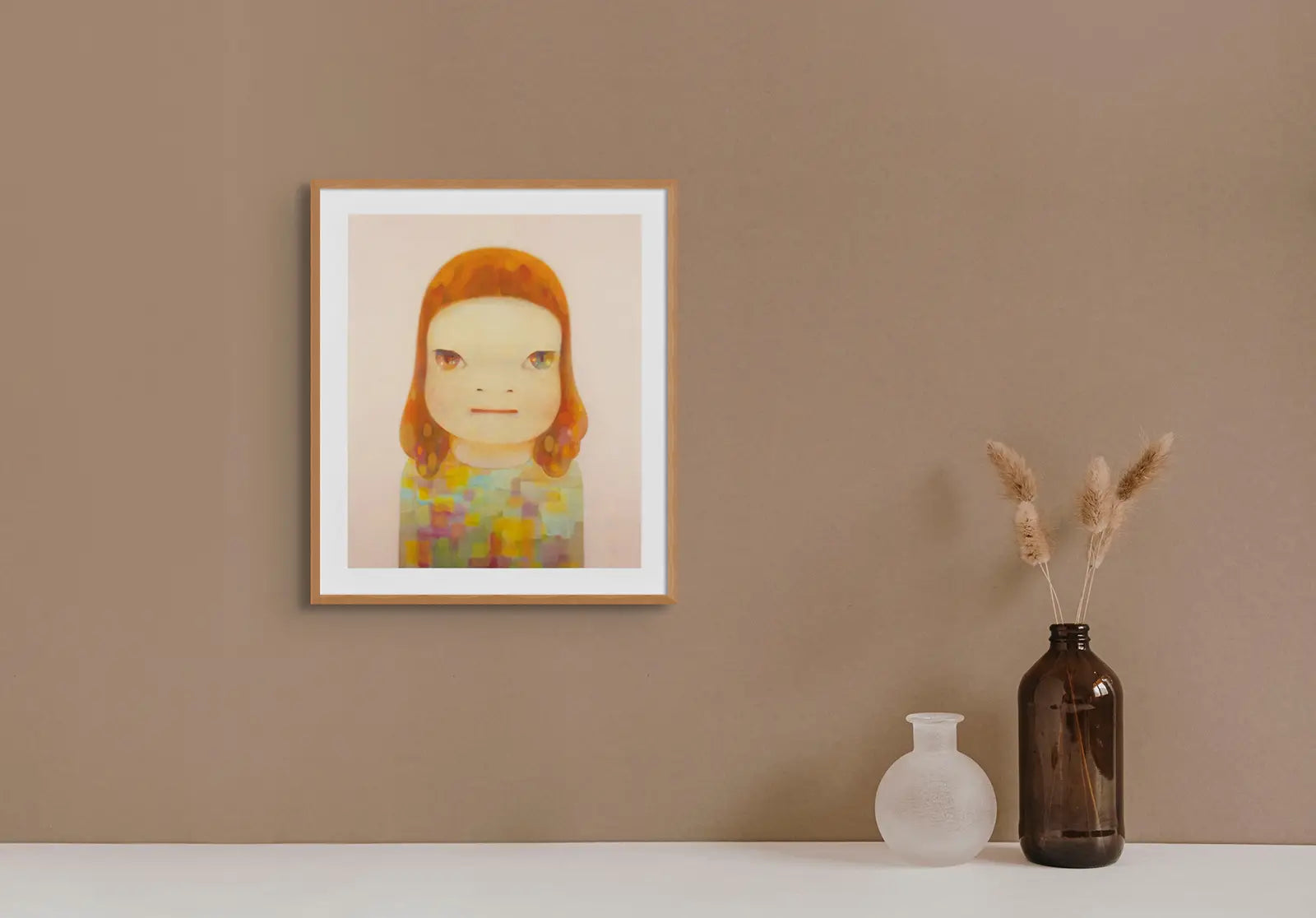
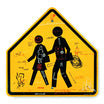
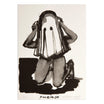
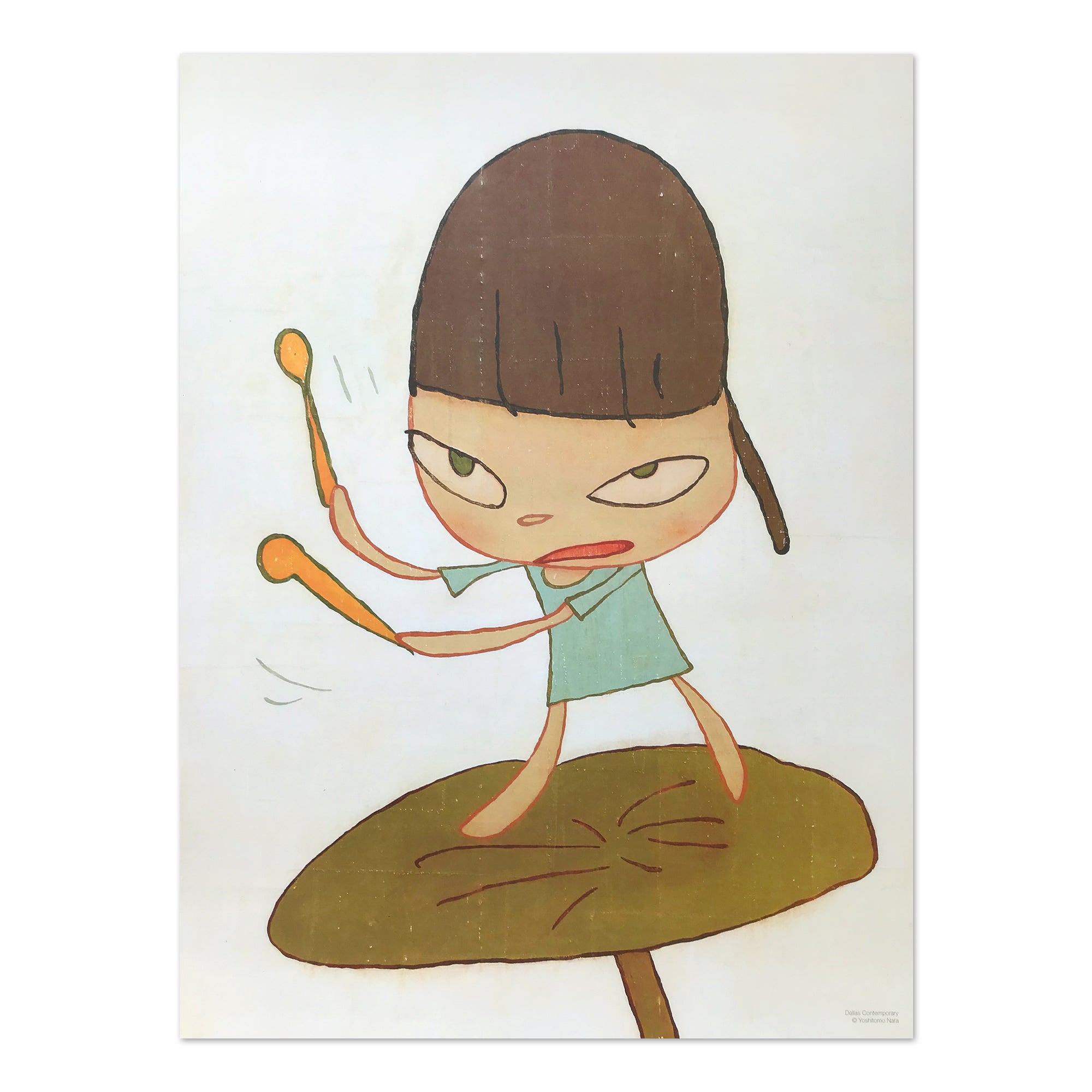
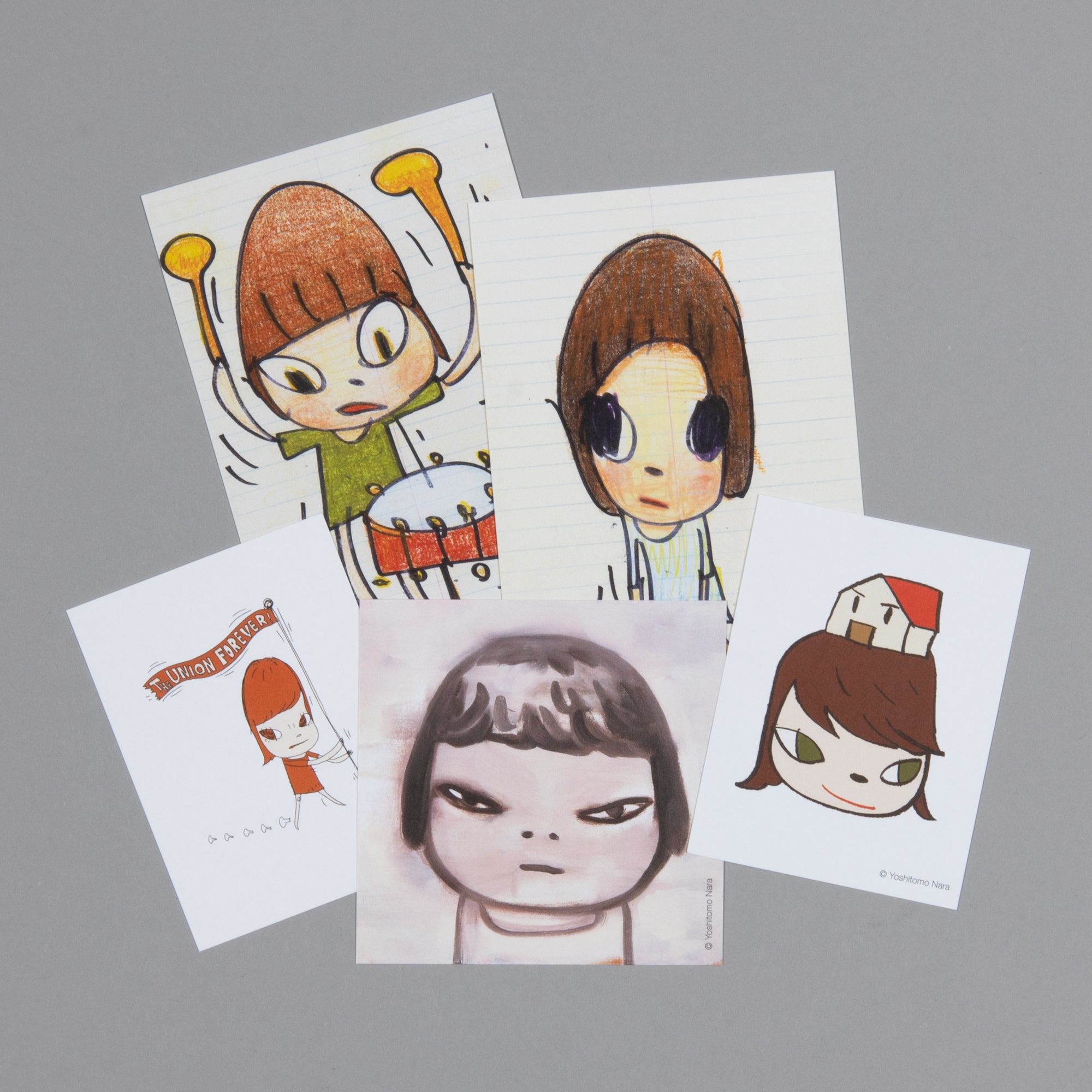
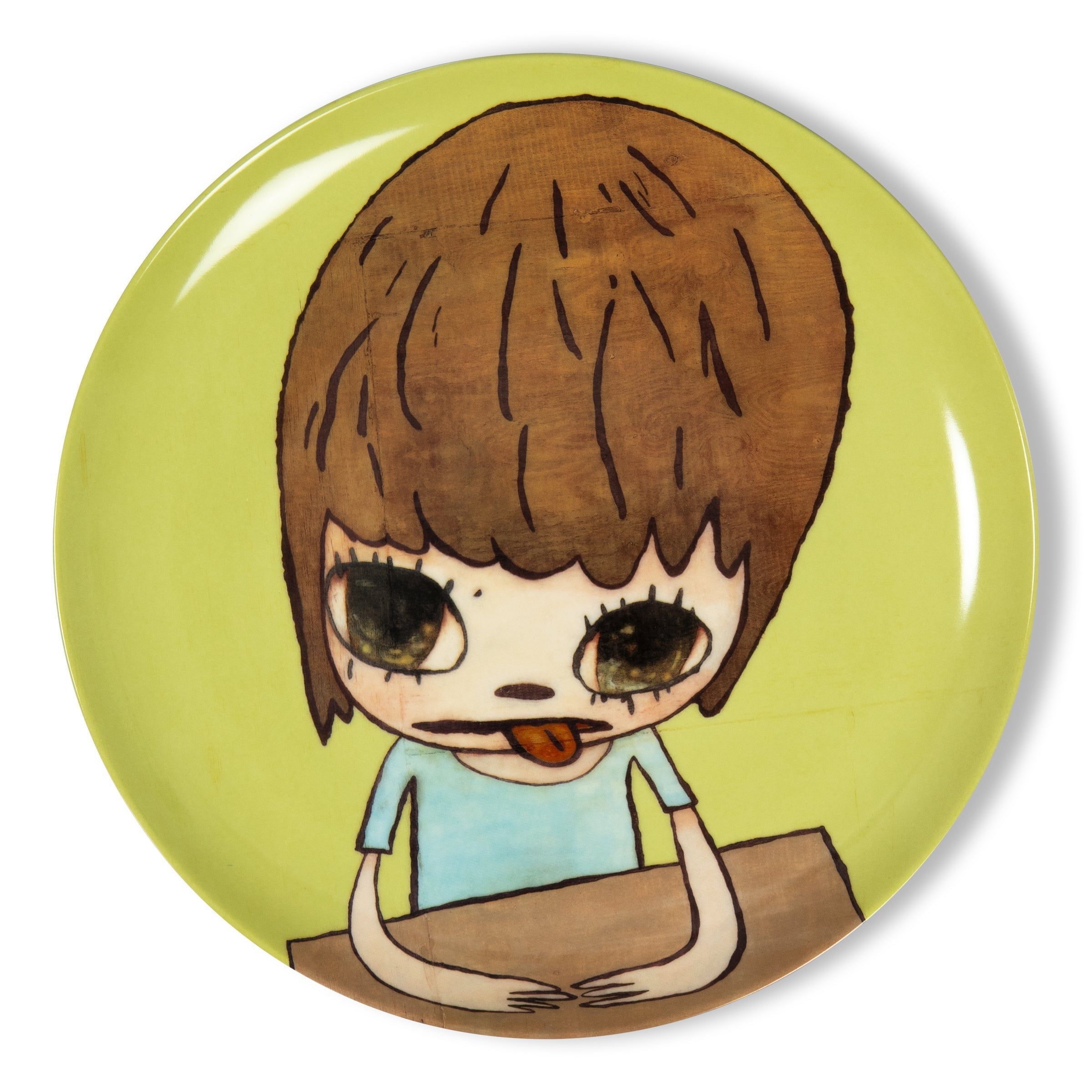
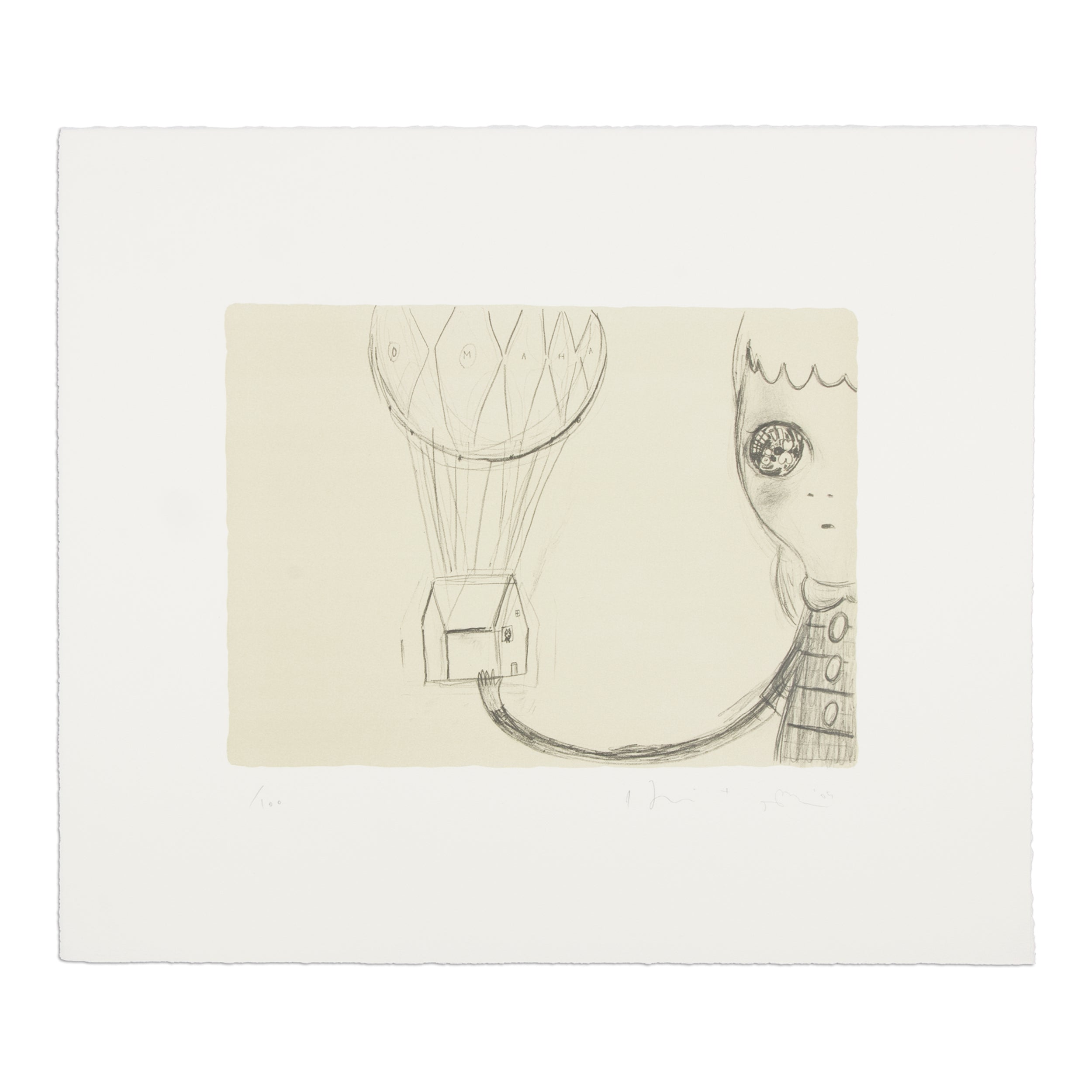
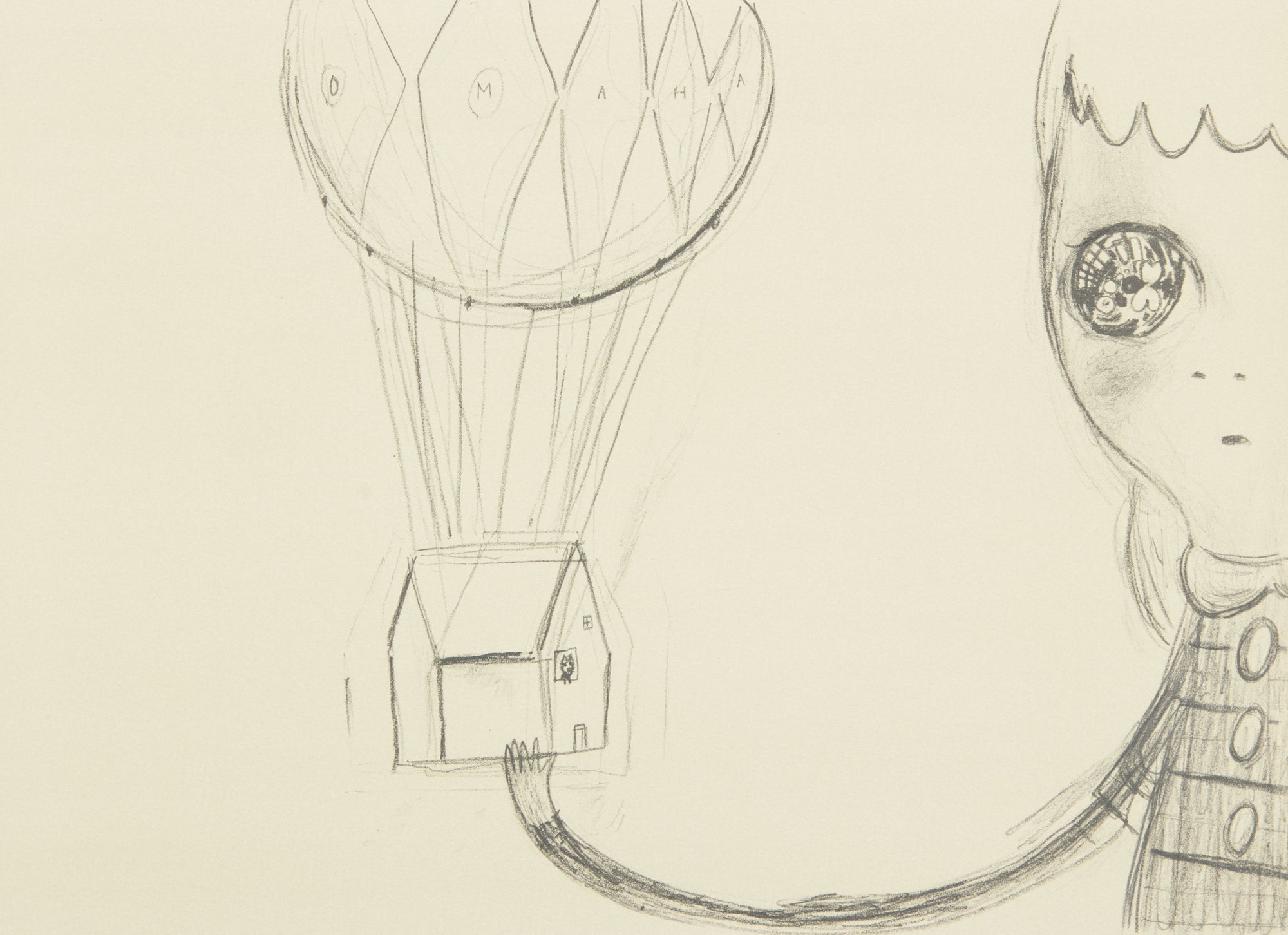
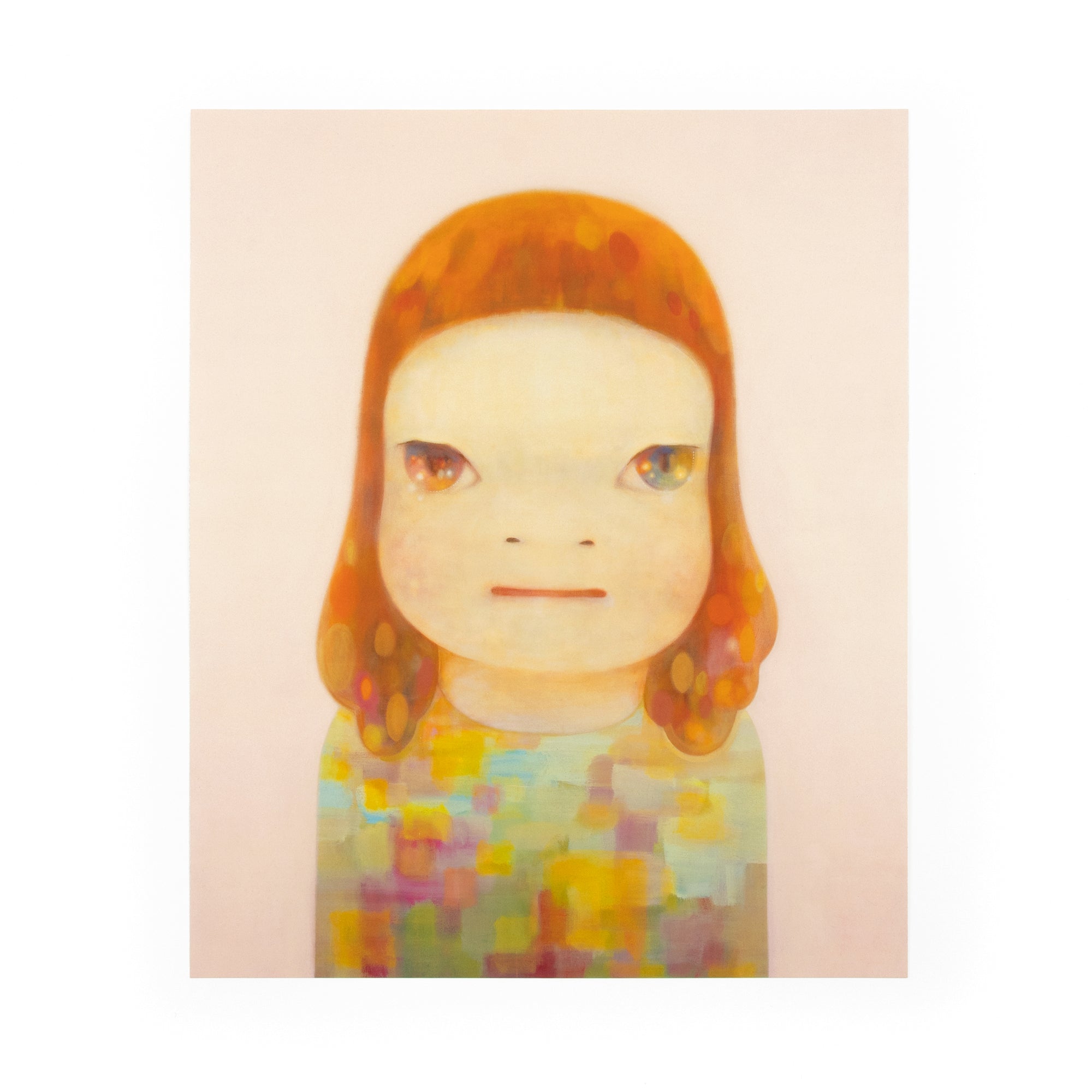
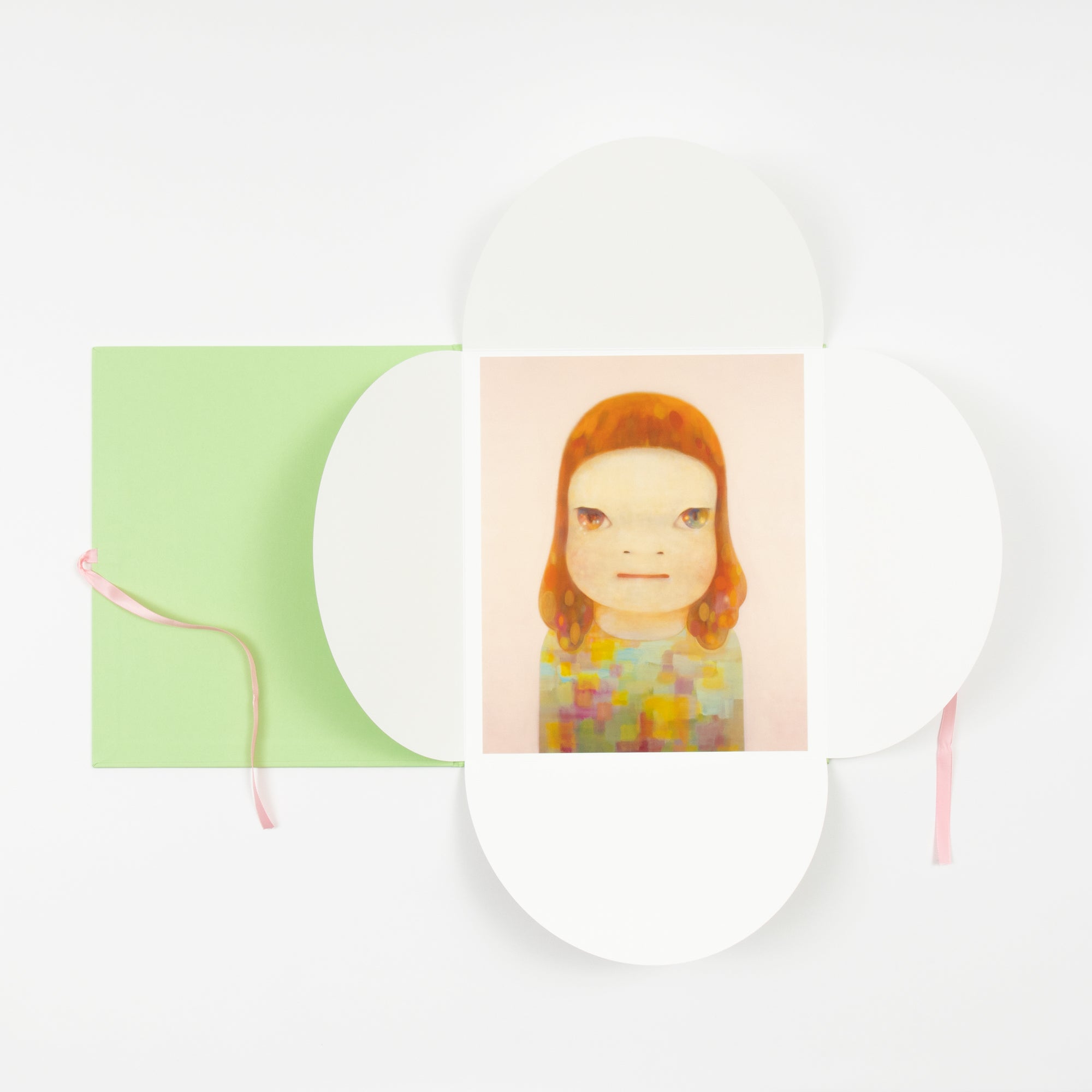
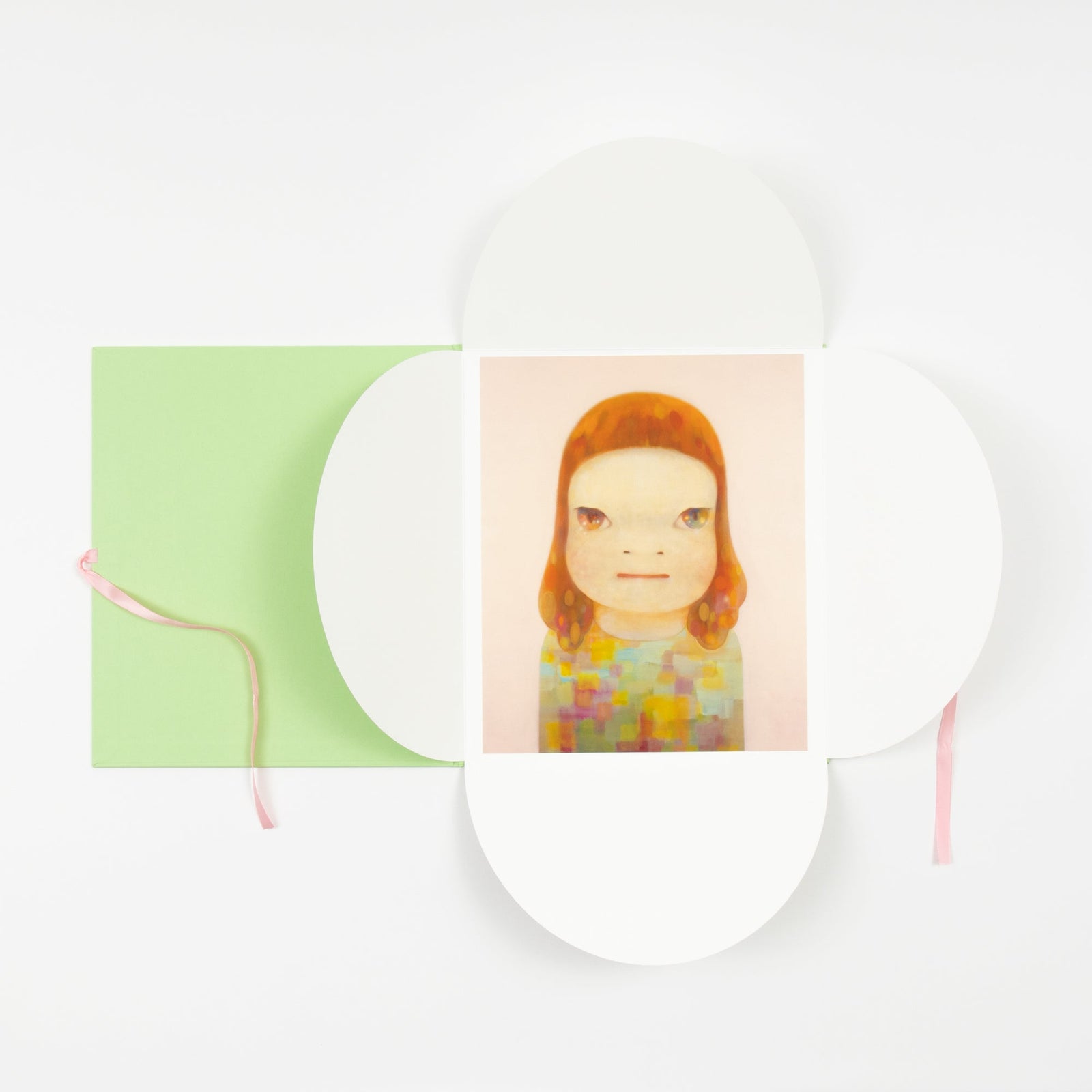
Yoshitomo Nara opened a coffeehouse at sixteen and worked as its DJ, absorbing punk rock's raw defiance years before he ever painted seriously. That same unguarded rebellion shows up in every child he's painted since — large-eyed, solitary figures caught between kawaii (cute) and kowai (frightening), innocence and something sharper just beneath it. Trained in Düsseldorf under Neo-Expressionist A.R. Penck, he became the most expensive Japanese artist in auction history. Works held in major museum collections worldwide.
Browse signed Yoshitomo Nara prints and editions now.
Available Prints & Editions
4 products
Yoshitomo Nara Biography
Famous Yoshitomo Nara Artworks

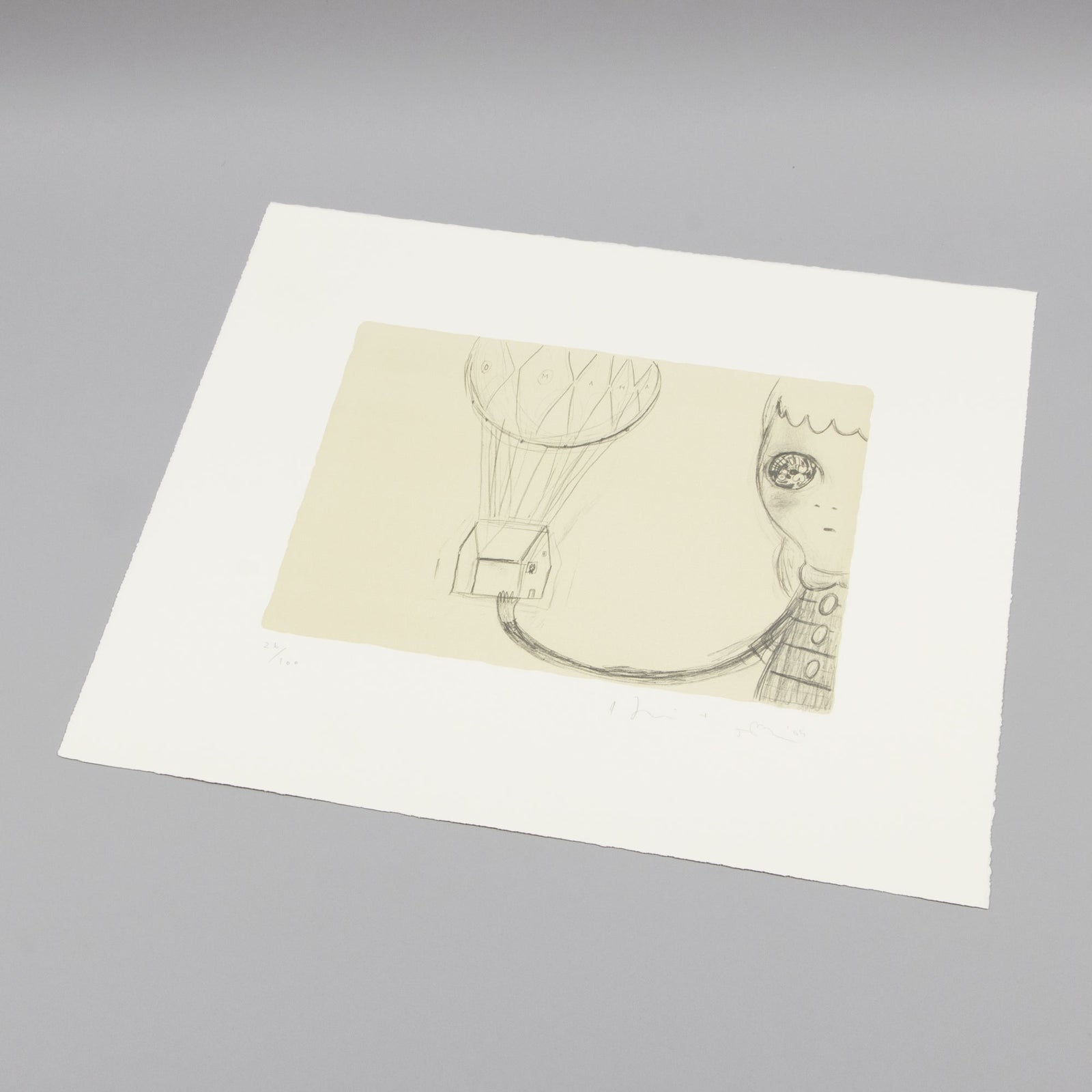
Yoshitomo Nara Prints & Editions
Yoshitomo Nara: Key Questions
Collecting Yoshitomo Nara?
Looking for a specific artwork or have a question about an edition? We're happy to advise on availability, pricing, condition, and provenance — and to source artworks beyond our current selection.
What is Yoshitomo Nara known for?
Why does Yoshitomo Nara paint children?
Is Yoshitomo Nara's work influenced by manga?
What was Yoshitomo Nara's training in Germany?
How much do Yoshitomo Nara works sell for?


