
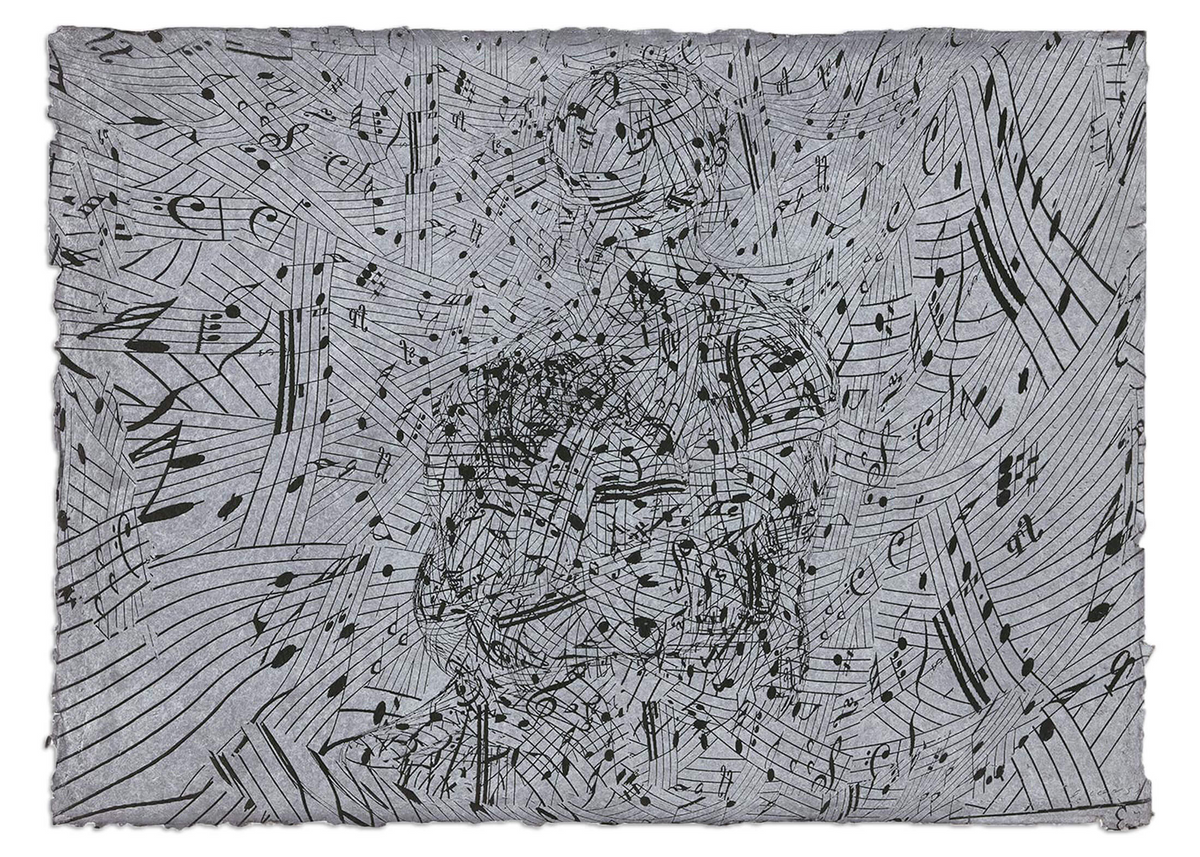
Jaume Plensa

Jaume Plensa trained the traditional way — at Barcelona's Llotja School and the Sant Jordi Academy — then, unusually, kept training informally: at the Henry Moore Foundation in England, and afterward in Alexander Calder's own studio in France. That dual apprenticeship, academic rigour followed by direct contact with two giants of modern sculpture, shaped a five-decade career built on human faces, language, and light. His Crown Fountain in Chicago's Millennium Park — two fifty-foot towers projecting the faces of a thousand residents — remains one of the most visited works of public art in the world.

Browse signed Jaume Plensa prints and editions now.

Available Prints & Editions

2 products
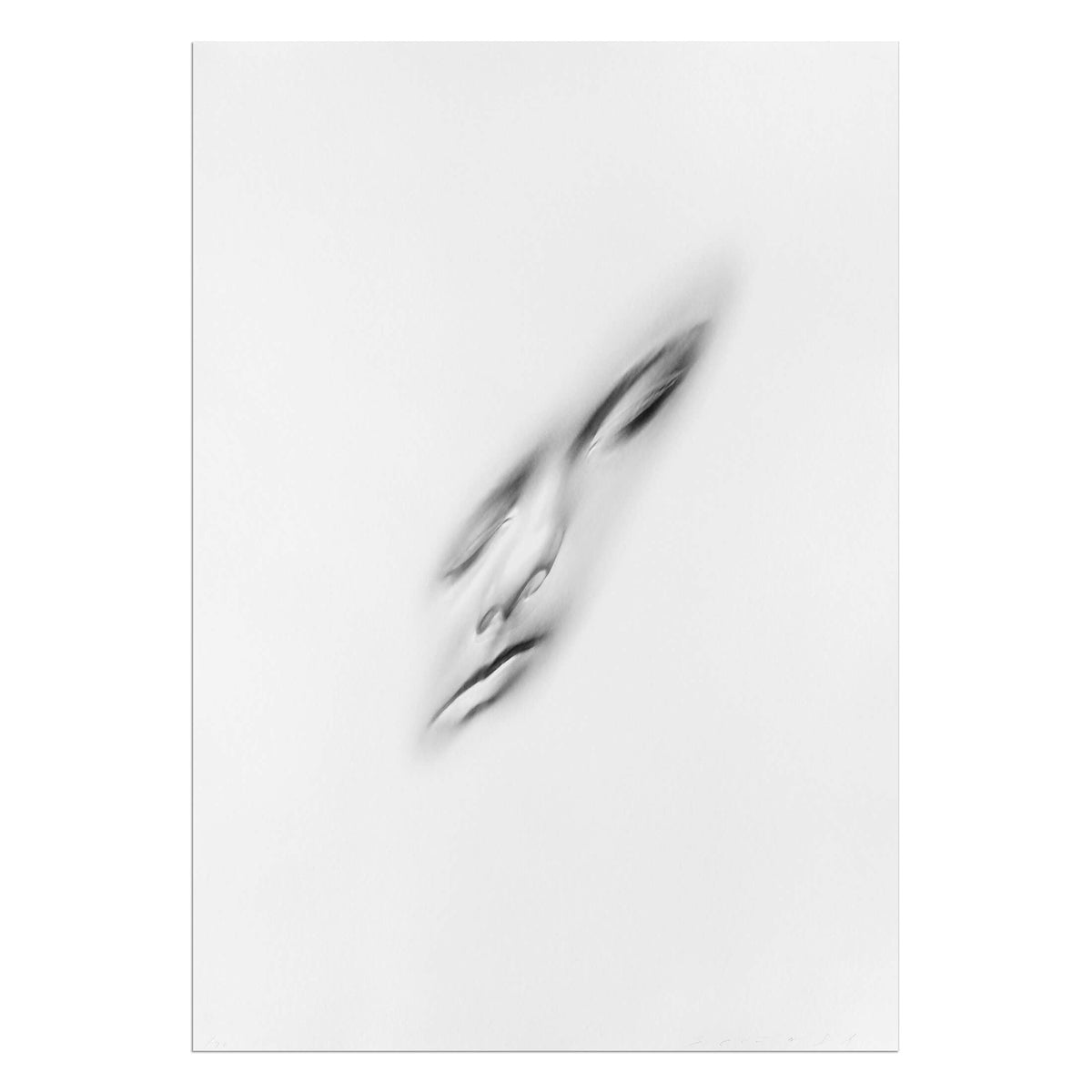
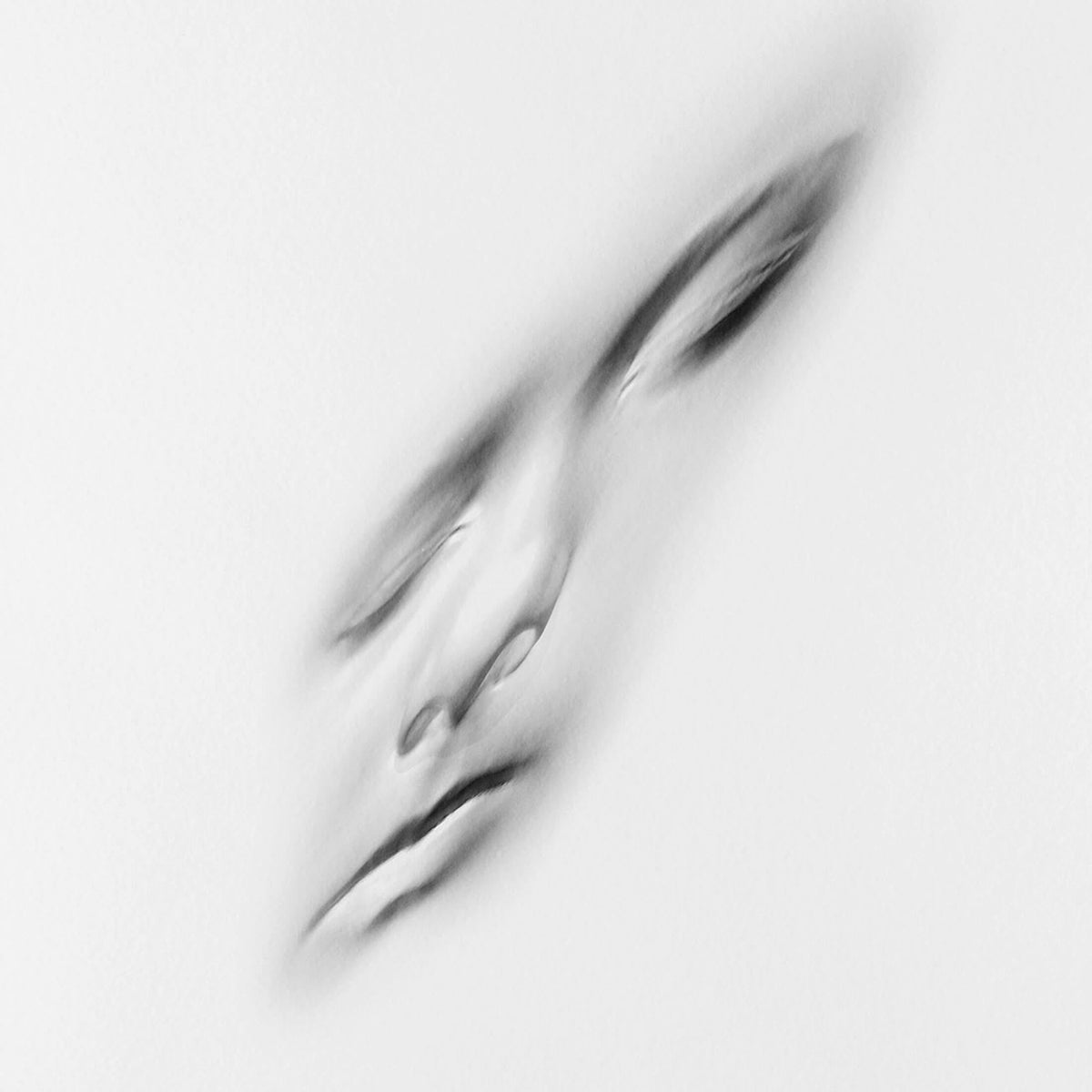
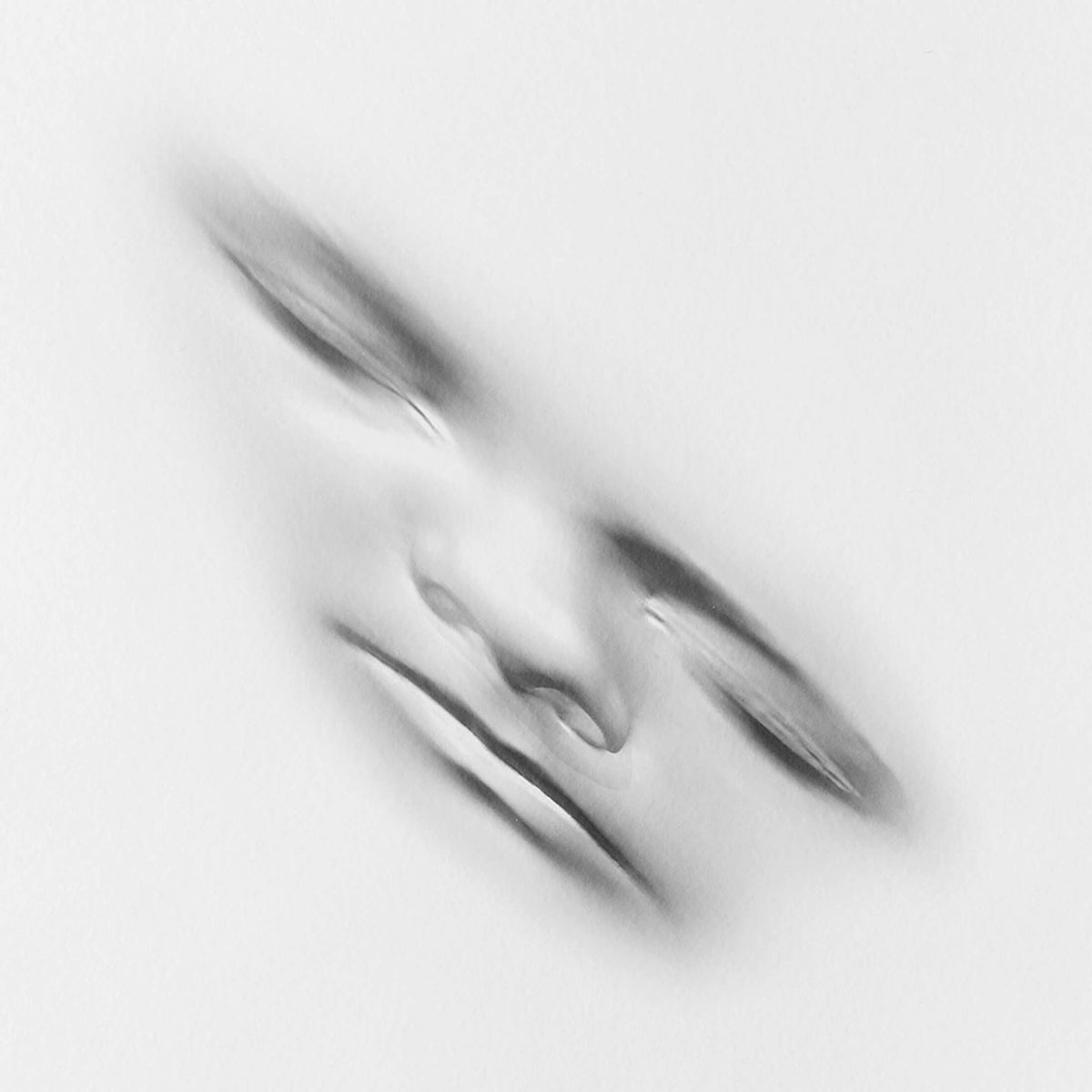
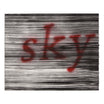
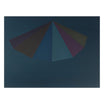
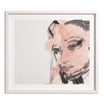
Jaume Plensa – Slumberland IIJaume Plensa – Slumberland II
Jaume Plensa – Slumberland II Sale price€2.600,00
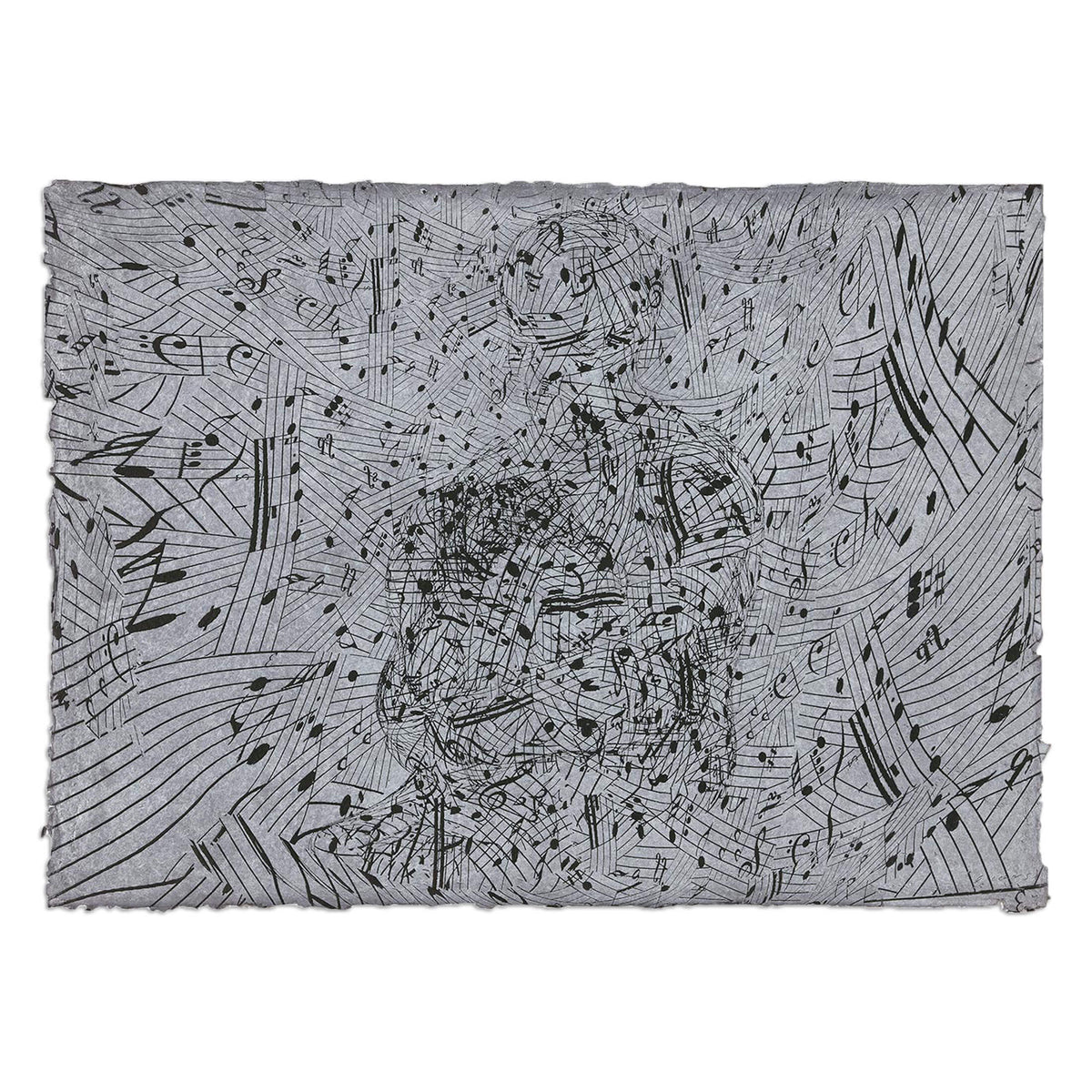
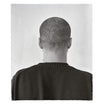
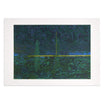
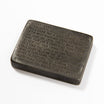
Jaume Plensa – Nocturne II
Jaume Plensa – Nocturne II Sale price€4.000,00

Jaume Plensa Biography

Jaume Plensa (born 23 August 1955 in Barcelona) studied at the city's Llotja School of Art and Design and the Reial Acadèmia Catalana de Belles Arts de Sant Jordi, then continued his education in an unusually hands-on way: a period at the Henry Moore Foundation in England, followed by time working in Alexander Calder's own studio in Saché, France. His first exhibition opened in 1980 at the Fundació Joan Miró in Barcelona — the beginning of a career that would take him to live and work for extended periods in Berlin, Brussels, London, Paris, and Chicago before he eventually returned permanently to Barcelona.

His earliest mature sculptures, made through the 1980s, were anthropomorphic works in wrought and cast iron carrying a Neo-Expressionist charge — totemic, primitive-feeling forms that reacted directly against the preceding decade's Conceptualism. Over the following years, Plensa's sculpture moved toward architecture: geometric, translucent, cell-like structures emptied of solid matter, evoking the human body's absence rather than its presence. Language entered the work decisively soon after — his figures and installations increasingly built from letters, words, and text, treating language itself as a physical, sculptural material rather than as inscription added afterward.

In January 2000, Plensa won the commission for what would become his most famous work, beating proposals from Maya Lin and Robert Venturi. Crown Fountain, completed in 2004 in Chicago's Millennium Park at a cost of $17 million, consists of two fifty-foot glass-brick towers facing each other across a shallow black granite pool, each screen projecting close-up video portraits of a thousand Chicago residents whose faces periodically purse and spout water into the pool below — a contemporary reworking of the ancient fountain gargoyle, water as a symbol of life released through a human mouth rather than a mythological one.

Since 1996, Plensa has worked extensively in theatre and opera, designing sets and costumes for numerous productions; his most recent, Verdi's Macbeth in 2023 at Barcelona's Gran Teatre del Liceu, saw him take on the role of stage director as well. His honours include Catalonia's National Visual Arts Prize (1997), Spain's National Prize for Fine Art (2012), the Velázquez Prize for the Arts (2013), and the National Graphic Arts Award (2013) from the Calcografía Nacional in Madrid — a distinction specifically for his printmaking, alongside honorary doctorates from the School of the Art Institute of Chicago, the Universitat Autònoma de Barcelona, and the University of Notre Dame. He lives and works in Barcelona.

Famous Jaume Plensa Artworks

Crown Fountain (2004), his best-known work, transformed a Chicago city block into an interactive public fountain — two fifty-foot towers projecting the faces of a thousand residents, water spouting from their screened mouths into the reflecting pool below.

Julia (2018), a twelve-metre-high head made from polyester resin and white marble dust, occupies Madrid's Plaza de Colón on the pedestal that once held a statue of Christopher Columbus — Plensa has described the work as a "blank tablecloth" onto which each viewer projects their own reflection, deliberately introducing tenderness into a historically charged public space.

Twins I and II, Plensa's auction record at $1,130,000 (Phillips New York, 2019), exemplifies the monumental figurative sculpture that anchors his market — paired human forms rendered with the same quiet, meditative presence found throughout his public commissions.

His Tel Aviv Man series, cast in iron and steel across multiple numbered variants, has become one of his most sought-after bodies of work at auction — hybrid figures built from perforated text, straddling abstraction and figuration, legibility and dissolution.

Jaume Plensa Prints & Editions

Plensa's editions carry the same investigation of the human face and figure that defines his public sculpture, translated into etching, digital print, and embossed engraving. Nocturne II (2016), an etching on wove paper, and Slumberland II (2015), a digital print, both extend the meditative, dreamlike facial studies that recur throughout his practice — intimate counterparts to work more often experienced at monumental, civic scale.

Because his major sculptures can reach seven figures at auction, his limited edition prints represent one of the more direct and genuinely accessible ways to own an original Plensa — signed prints are typically available in the low to mid thousands, a fraction of what a unique bronze or iron sculpture commands.

For collectors, Plensa's editions offer entry into a practice built on the shared vocabulary of face, language, and light. Artworks are held in the collections of the Musée Picasso, Paris, and the Museo Nacional Centro de Arte Reina Sofía, Madrid.

Jaume Plensa: Key Questions

Collecting Jaume Plensa?

Looking for a specific artwork or have a question about an edition? We're happy to advise on availability, pricing, condition, and provenance — and to source artworks beyond our current selection.

Contact us

Prints, Photographs & Multiples

View our full collection of

Prints, Photographs & Multiples

Explore editions