Gilbert & George are a British artist duo who have worked collaboratively since the late 1960s, forming one of the most enduring and provocative partnerships in contemporary art. Gilbert Proesch and George Passmore met while studying at St. Martin's School of Art in London, where they developed the radical idea of presenting themselves as "living sculptures," collapsing the distinction between art and life.
They first gained international recognition with The Singing Sculpture (1969), a seminal performance in which the artists, dressed identically in suits, stood atop a table and repeatedly sang Underneath the Arches while moving in stiff, mechanical gestures. This work challenged conventional definitions of sculpture, performance, and authorship, establishing themes that would recur throughout their career: discipline, repetition, conformity, and transgression.
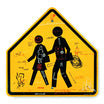
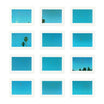
During the 1970s, Gilbert & George expanded their practice through photographic works such as the Drinking Pieces, confronting taboos surrounding alcohol, masculinity, and British social conservatism. From the 1980s onward, they became widely known for their large-scale, grid-based Pictures, highly saturated photographic compositions combining text, symbols, and imagery drawn from everyday urban life. These works function as a visual chronicle of contemporary society, addressing themes of sexuality, politics, religion, class, and identity with unapologetic directness.
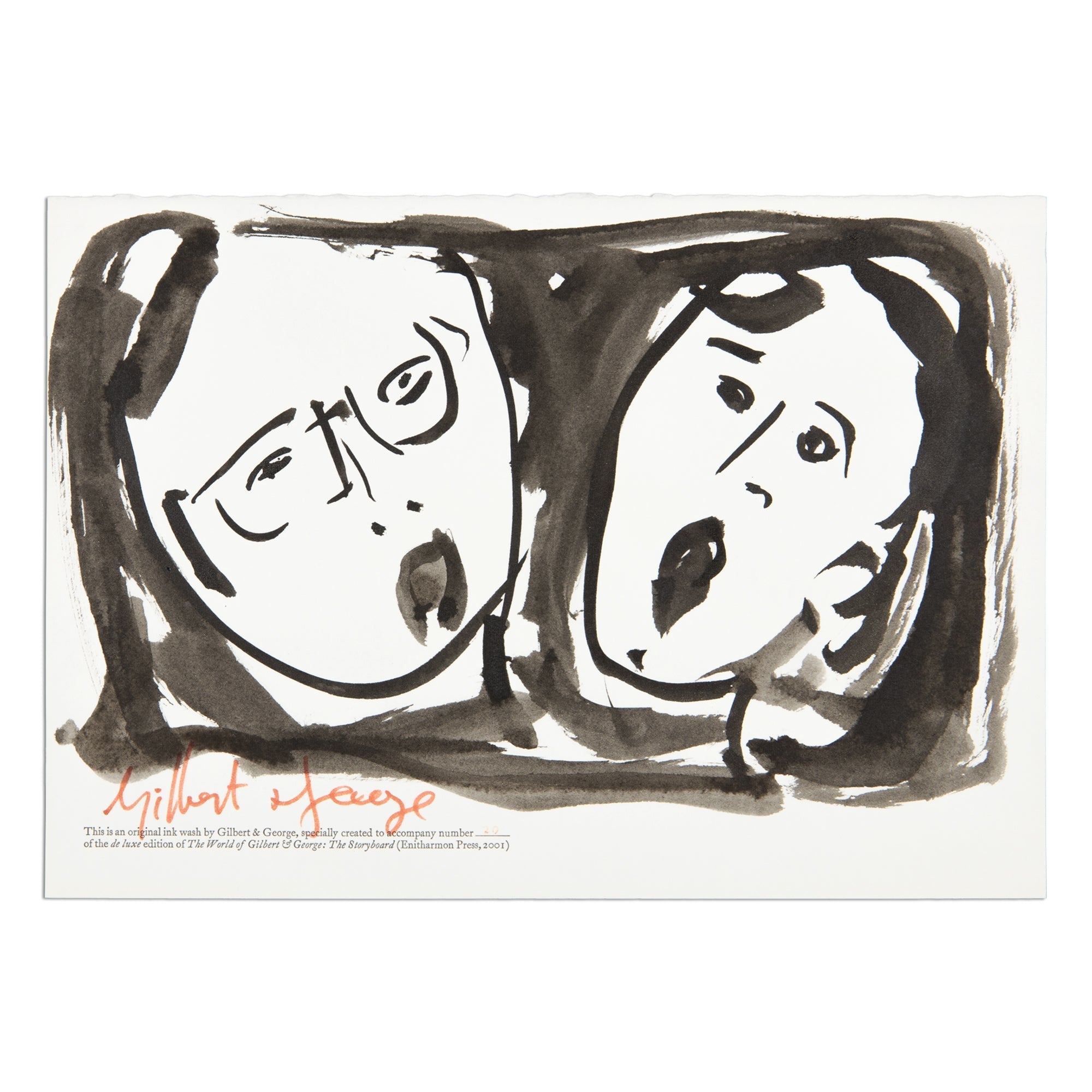
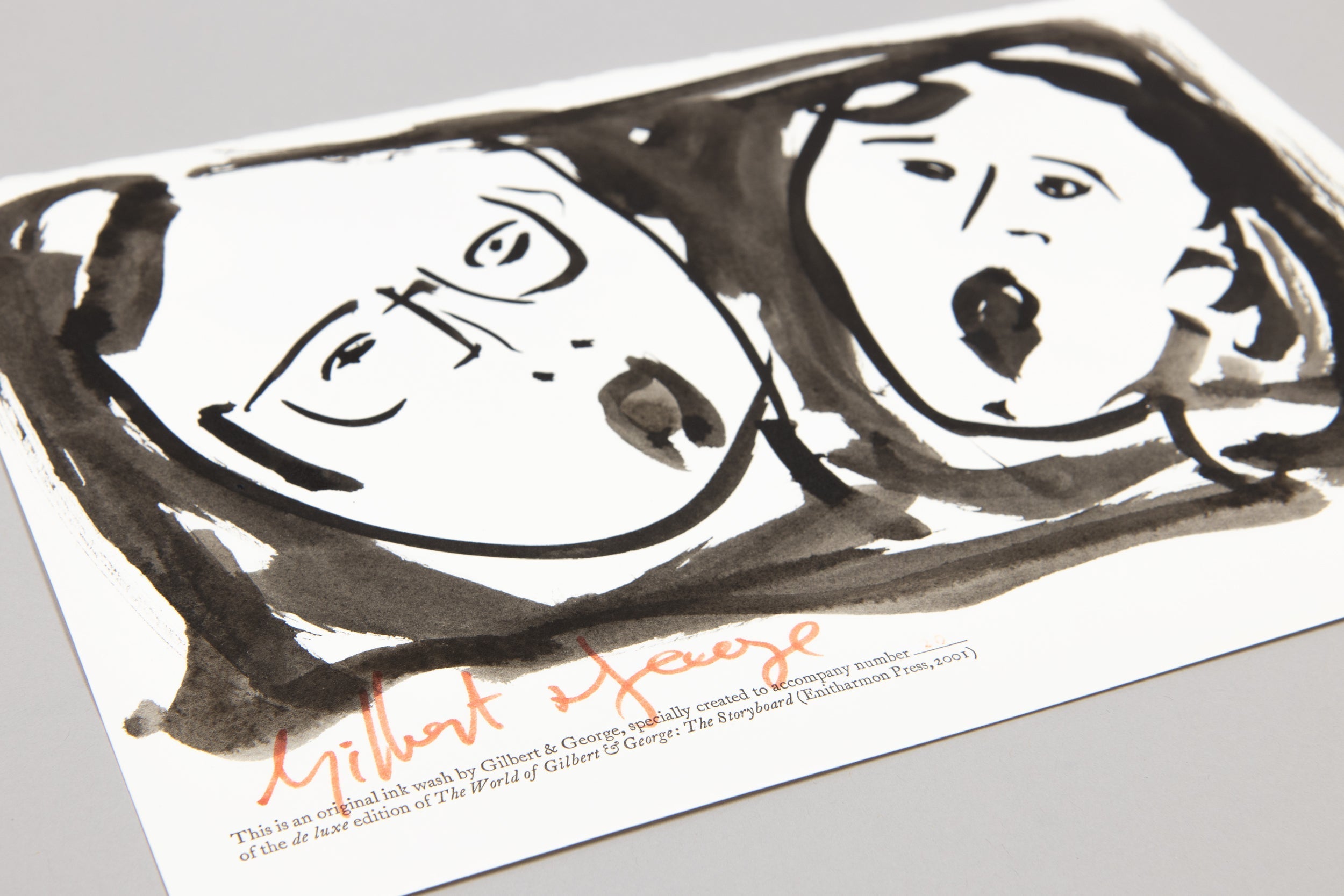
Working almost exclusively with photography and print-based media, Gilbert & George have produced an extensive body of signed limited edition prints and photographic editions, which play a central role in their practice and are widely collected. Their uncompromising vision and consistent aesthetic have earned them major institutional recognition, including the Turner Prize in 1986 and a landmark retrospective at Tate Modern in 2017. Today, Gilbert & George are regarded as pivotal figures in post-war British art, whose unique artworks, photographs and fine art prints continue to challenge moral, cultural, and artistic boundaries.