
Gilbert & George

In their final year at St Martin's School of Art, Gilbert & George posed beside their sculptures for a class presentation — then realised they didn't need the sculptures at all. "We didn't believe in objects," Gilbert later said of the moment. They decided to become the artwork themselves instead, coating their faces in metallic powder and performing as living sculpture ever since. Nearly six decades on, their grid-based photographic works remain some of British art's most confrontational and instantly recognisable.

Browse signed Gilbert & George prints and editions now.

Available Prints & Editions

01

Gilbert & George Biography

Gilbert Proesch (born 1943 in San Martin de Tor, in the Italian Dolomites, where he grew up speaking the minority Ladin language) and George Passmore (born 1942 in Plymouth, Devon) met on 25 September 1967 as sculpture students at St Martin's School of Art in London. Their defining breakthrough, by Gilbert's own account, arrived almost by accident: "At the end of the year, we posed with our sculptures, but we realised we didn't need them," he later said. "That was when we realised we didn't believe in objects." Rather than making sculpture, they decided to become it.

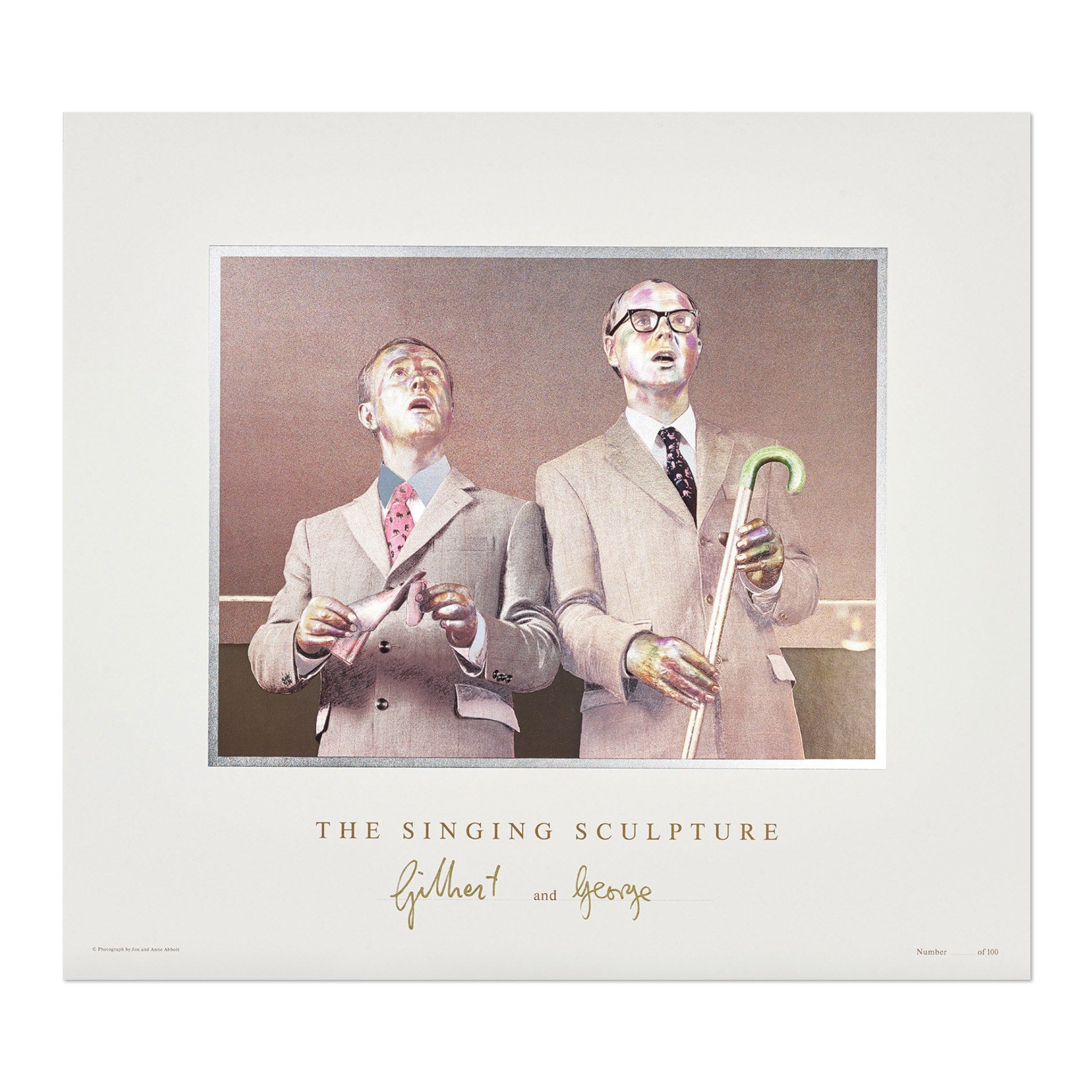
That decision produced The Singing Sculpture (1969), in which the pair, faces and hands coated in metallic powder, stood on a table in identical suits and sang the music-hall standard "Underneath the Arches" on a mechanical loop for hours at a time. Performed 26 times between 1969 and 1972 across Europe and at New York's Sonnabend Gallery, the piece established their lifelong premise: that Gilbert & George themselves, not any object they might produce, were the artwork. In 1968 they bought a Georgian house on Fournier Street in Spitalfields, East London, restoring it with period precision — a home that has supplied the raw material for their imagery ever since, since nearly every photograph they have made was shot within walking distance of it.

By the mid-1970s, the duo had moved from performance into the large-scale photographic grid pictures that would define the rest of their career — black-gridded panels combining photography, text, and saturated colour, addressing religion, sexuality, politics, and the texture of East London street life. Dirty Words Pictures (1977) incorporated graffiti and obscenities photographed directly from the neighbourhood around their home, confronting language the art world preferred to keep at a polite distance. In the late 1980s, working at the height of the HIV/AIDS crisis, they began incorporating their own bodily fluids into stained-glass-style photo-pieces — a direct, unflinching response to a period when few major artists addressed the epidemic so explicitly.

Gilbert & George won the Turner Prize in 1986 and represented the United Kingdom at the Venice Biennale in 2005 with Ginkgo Pictures. Tate Modern staged a major retrospective in 2007, later touring to Haus der Kunst Munich, Castello di Rivoli Turin, San Francisco's de Young Museum, and the Brooklyn Museum. The Great Exhibition (1971–2016), a comprehensive career survey, travelled to Moderna Museet, Oslo's Astrup Fearnley Museum, and Kunsthalle Zürich between 2019 and 2020, and their ongoing London Pictures cycle was presented at The Gilbert & George Centre and the Hayward Gallery in 2024 and 2025 — nearly six decades after they first decided they didn't believe in objects.

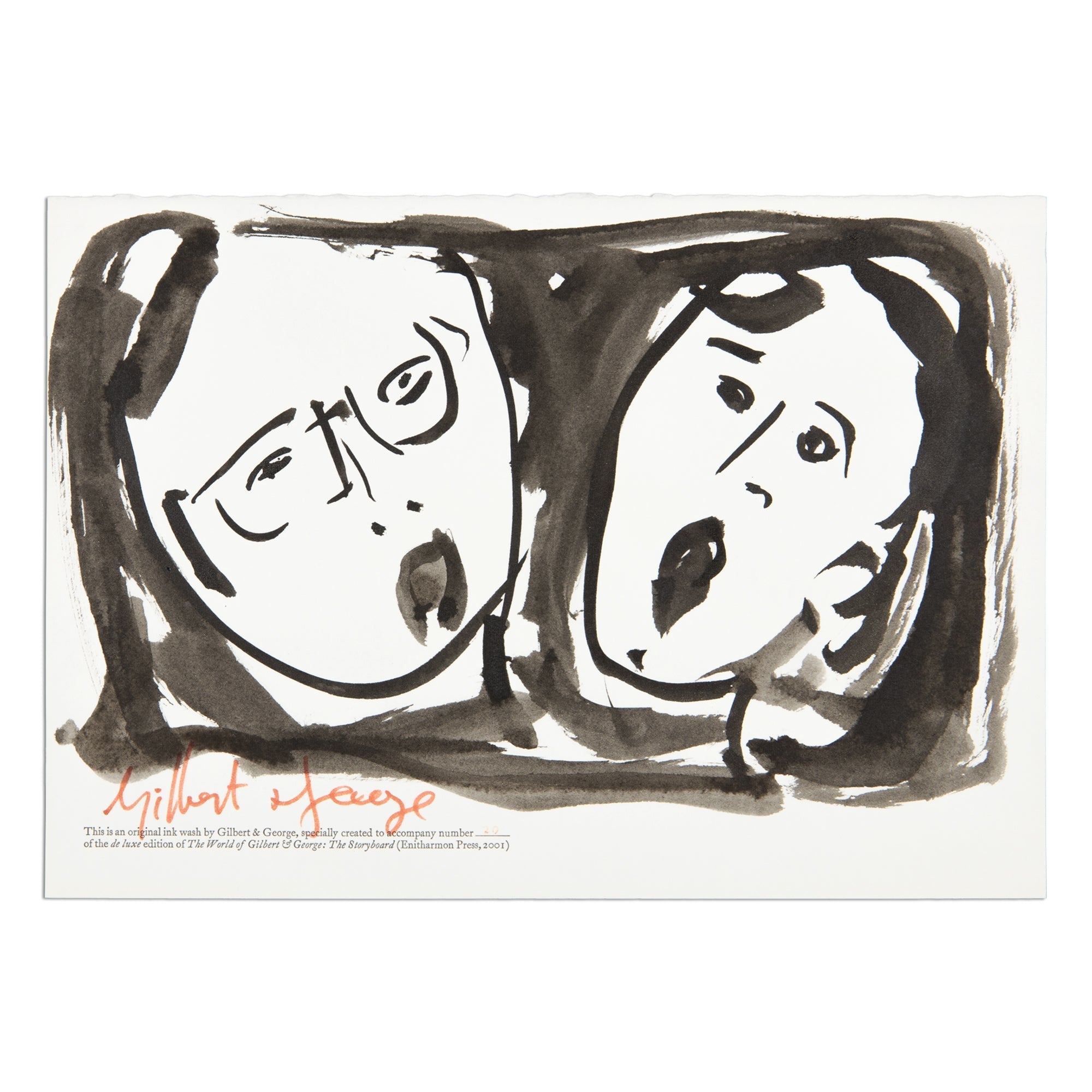
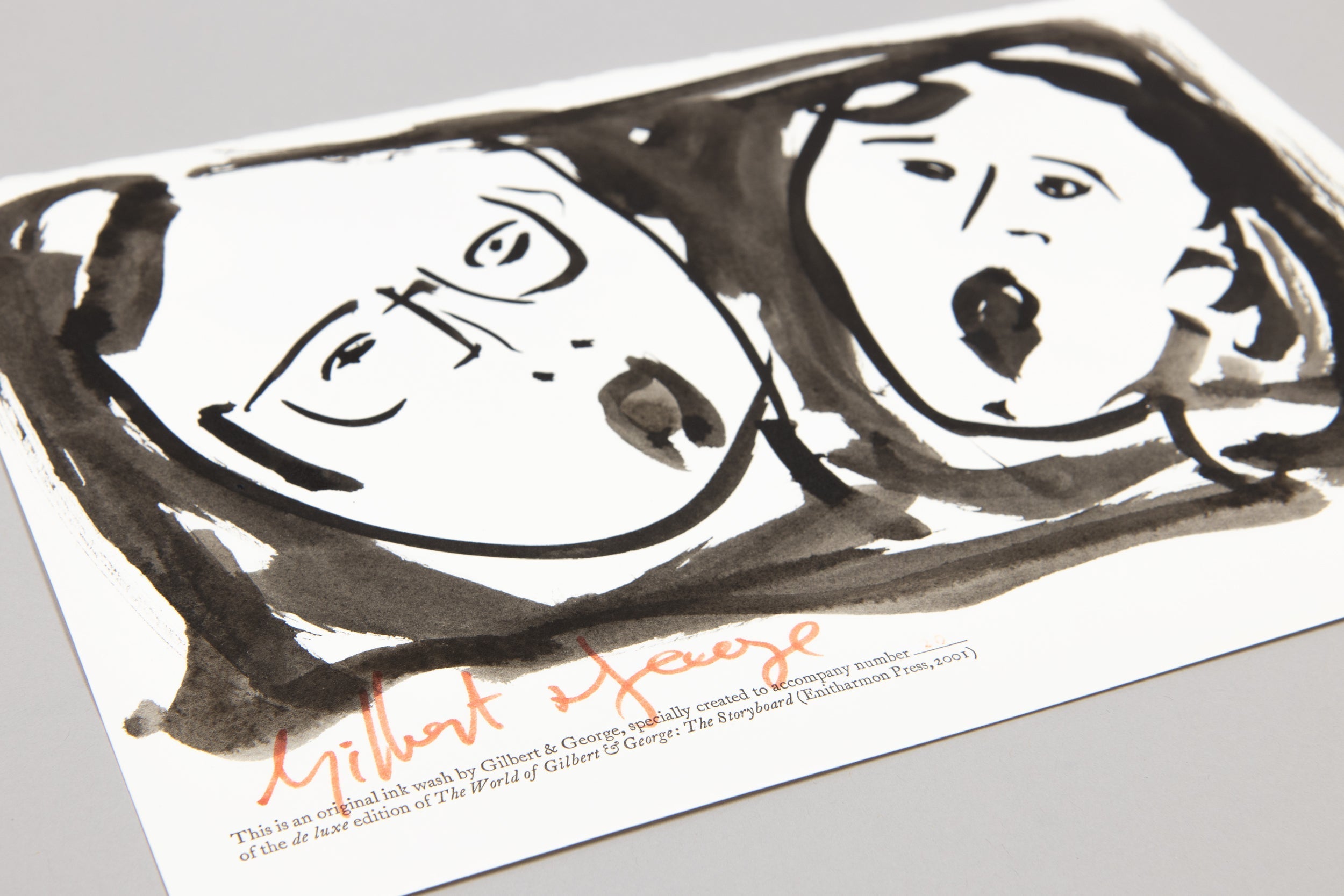
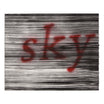
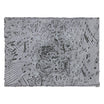
Gilbert & George - The World of Gilbert & George
02

Famous Gilbert & George Artworks

The Singing Sculpture (1969), their foundational performance, remains the clearest possible statement of their entire practice — two men, faces gilded, singing on a loop for hours, insisting that they themselves, not any object, constituted the artwork.

To Her Majesty (1973), their auction record at £1.9 million ($3.76 million), belongs to their Drinking Sculptures series — a gelatin silver print collage of 37 images depicting the pair in various states of drunkenness, ranking among the ten most expensive photographs ever sold at auction.

Dirty Words Pictures (1977) incorporated graffiti and obscenities photographed directly from the streets around their East London home, translating overheard, unwanted language into monumental grid compositions that confronted the art world's own polite avoidance of it.

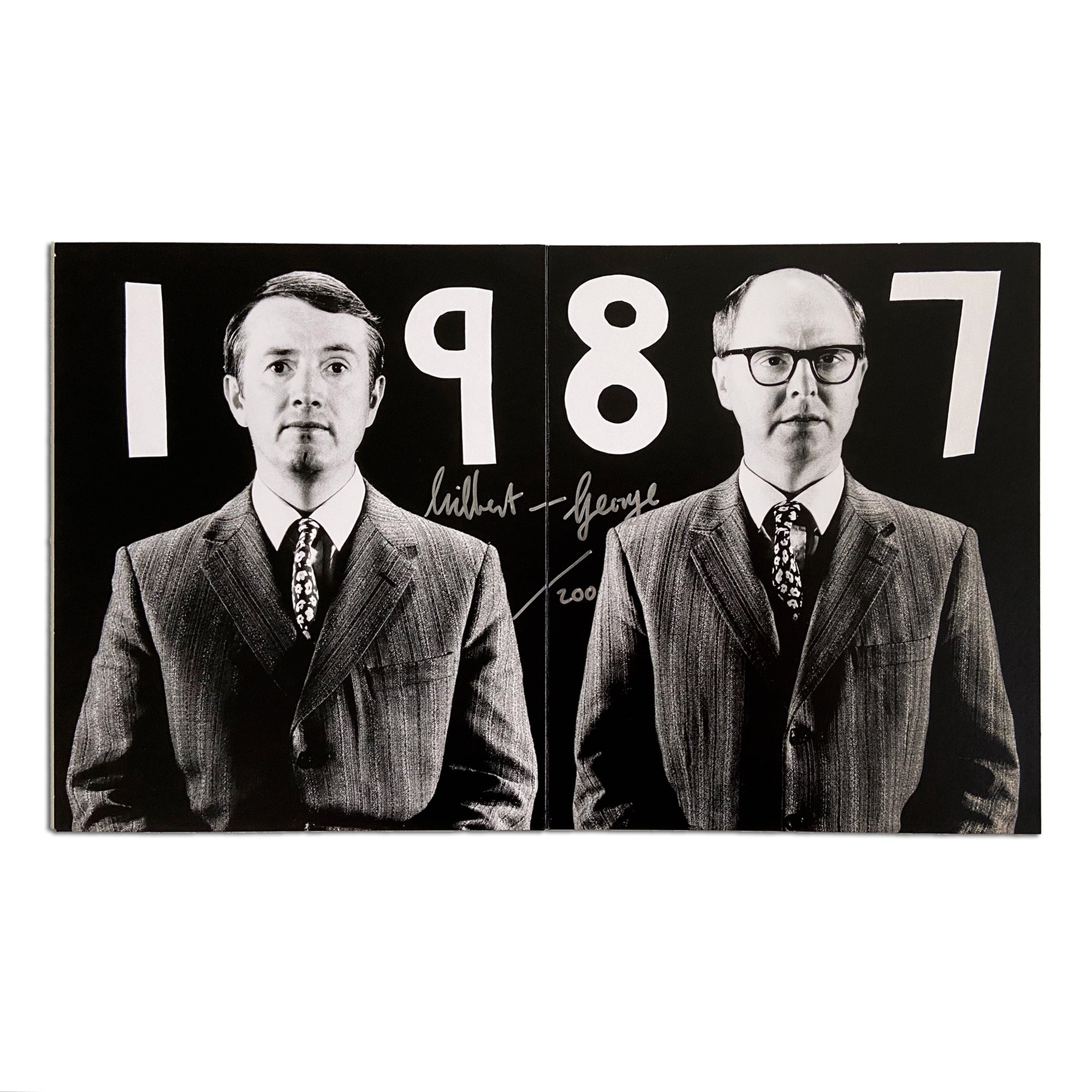
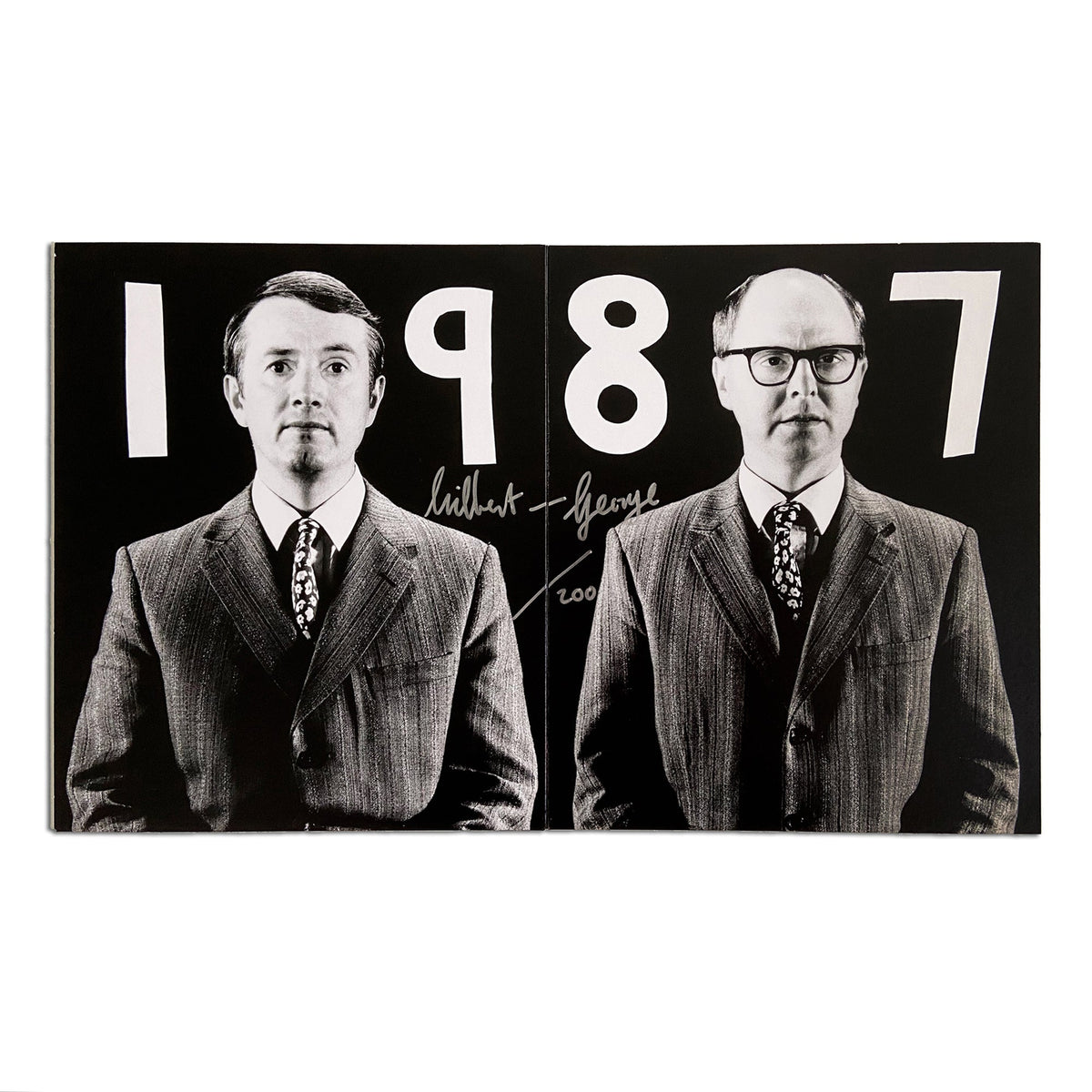
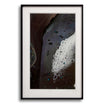
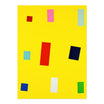
Gilbert & George - 1987 (Parkett Edition No. 14)
03

Gilbert & George Prints & Editions

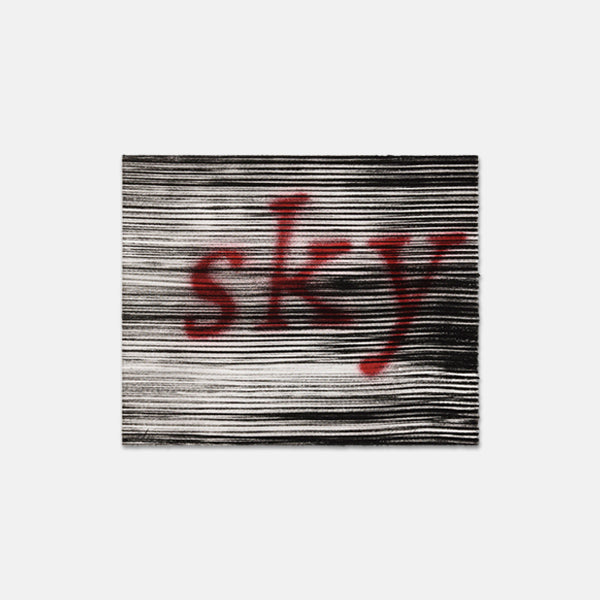
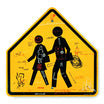
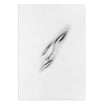
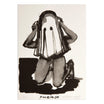
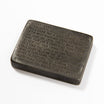
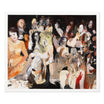
Gilbert & George's limited edition prints translate the same grid-based photographic language that defines their major exhibited artworks, produced across offset lithography and photographic multiple. The World of Gilbert & George and The Singing Sculpture extend their foundational performance and worldview directly into collectible, hand-signed form, while their 1987 (Parkett Edition No. 14) reflects their long-running collaboration with the Zurich-based art magazine Parkett, which regularly commissioned artist editions from major contemporary figures throughout the 1980s and 90s.

Because their major grid pictures are typically large-scale, unique or near-unique works held in major institutional and private collections, prints and editions represent one of the more accessible ways to own an original Gilbert & George — carrying the same confrontational clarity and bold colour at a considerably more collectible scale.

For collectors, their editions offer direct access to nearly six decades of treating art and life as genuinely inseparable. Works are held in the permanent collections of MoMA, Tate, and the Centre Pompidou.

01

Gilbert & George Biography

Gilbert Proesch (born 1943 in San Martin de Tor, in the Italian Dolomites, where he grew up speaking the minority Ladin language) and George Passmore (born 1942 in Plymouth, Devon) met on 25 September 1967 as sculpture students at St Martin's School of Art in London. Their defining breakthrough, by Gilbert's own account, arrived almost by accident: "At the end of the year, we posed with our sculptures, but we realised we didn't need them," he later said. "That was when we realised we didn't believe in objects." Rather than making sculpture, they decided to become it.

That decision produced The Singing Sculpture (1969), in which the pair, faces and hands coated in metallic powder, stood on a table in identical suits and sang the music-hall standard "Underneath the Arches" on a mechanical loop for hours at a time. Performed 26 times between 1969 and 1972 across Europe and at New York's Sonnabend Gallery, the piece established their lifelong premise: that Gilbert & George themselves, not any object they might produce, were the artwork. In 1968 they bought a Georgian house on Fournier Street in Spitalfields, East London, restoring it with period precision — a home that has supplied the raw material for their imagery ever since, since nearly every photograph they have made was shot within walking distance of it.

By the mid-1970s, the duo had moved from performance into the large-scale photographic grid pictures that would define the rest of their career — black-gridded panels combining photography, text, and saturated colour, addressing religion, sexuality, politics, and the texture of East London street life. Dirty Words Pictures (1977) incorporated graffiti and obscenities photographed directly from the neighbourhood around their home, confronting language the art world preferred to keep at a polite distance. In the late 1980s, working at the height of the HIV/AIDS crisis, they began incorporating their own bodily fluids into stained-glass-style photo-pieces — a direct, unflinching response to a period when few major artists addressed the epidemic so explicitly.

Gilbert & George won the Turner Prize in 1986 and represented the United Kingdom at the Venice Biennale in 2005 with Ginkgo Pictures. Tate Modern staged a major retrospective in 2007, later touring to Haus der Kunst Munich, Castello di Rivoli Turin, San Francisco's de Young Museum, and the Brooklyn Museum. The Great Exhibition (1971–2016), a comprehensive career survey, travelled to Moderna Museet, Oslo's Astrup Fearnley Museum, and Kunsthalle Zürich between 2019 and 2020, and their ongoing London Pictures cycle was presented at The Gilbert & George Centre and the Hayward Gallery in 2024 and 2025 — nearly six decades after they first decided they didn't believe in objects.

02

Famous Gilbert & George Artworks

The Singing Sculpture (1969), their foundational performance, remains the clearest possible statement of their entire practice — two men, faces gilded, singing on a loop for hours, insisting that they themselves, not any object, constituted the artwork.

To Her Majesty (1973), their auction record at £1.9 million ($3.76 million), belongs to their Drinking Sculptures series — a gelatin silver print collage of 37 images depicting the pair in various states of drunkenness, ranking among the ten most expensive photographs ever sold at auction.

Dirty Words Pictures (1977) incorporated graffiti and obscenities photographed directly from the streets around their East London home, translating overheard, unwanted language into monumental grid compositions that confronted the art world's own polite avoidance of it.

03

Gilbert & George Prints & Editions

Gilbert & George's limited edition prints translate the same grid-based photographic language that defines their major exhibited artworks, produced across offset lithography and photographic multiple. The World of Gilbert & George and The Singing Sculpture extend their foundational performance and worldview directly into collectible, hand-signed form, while their 1987 (Parkett Edition No. 14) reflects their long-running collaboration with the Zurich-based art magazine Parkett, which regularly commissioned artist editions from major contemporary figures throughout the 1980s and 90s.

Because their major grid pictures are typically large-scale, unique or near-unique works held in major institutional and private collections, prints and editions represent one of the more accessible ways to own an original Gilbert & George — carrying the same confrontational clarity and bold colour at a considerably more collectible scale.

For collectors, their editions offer direct access to nearly six decades of treating art and life as genuinely inseparable. Works are held in the permanent collections of MoMA, Tate, and the Centre Pompidou.

Gilbert & George - The World of Gilbert & GeorgeGilbert & George - 1987 (Parkett Edition No. 14)

Gilbert & George: Key Questions

Collecting Gilbert & George?

Looking for a specific artwork or have a question about an edition? We're happy to advise on availability, pricing, condition, and provenance — and to source artworks beyond our current selection.

Contact us

Prints, Photographs & Multiples

View our full collection of

Prints, Photographs & Multiples

Explore editions