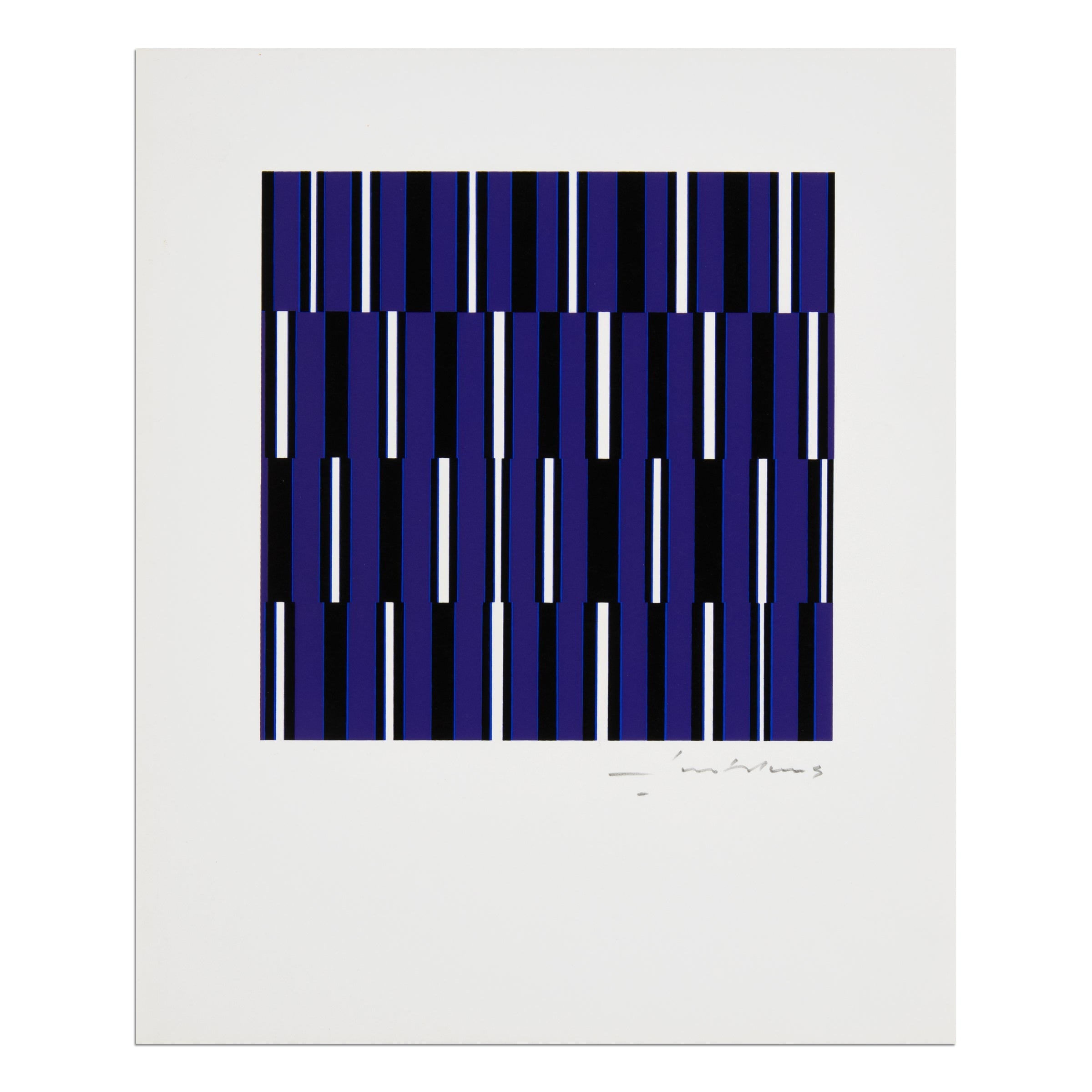
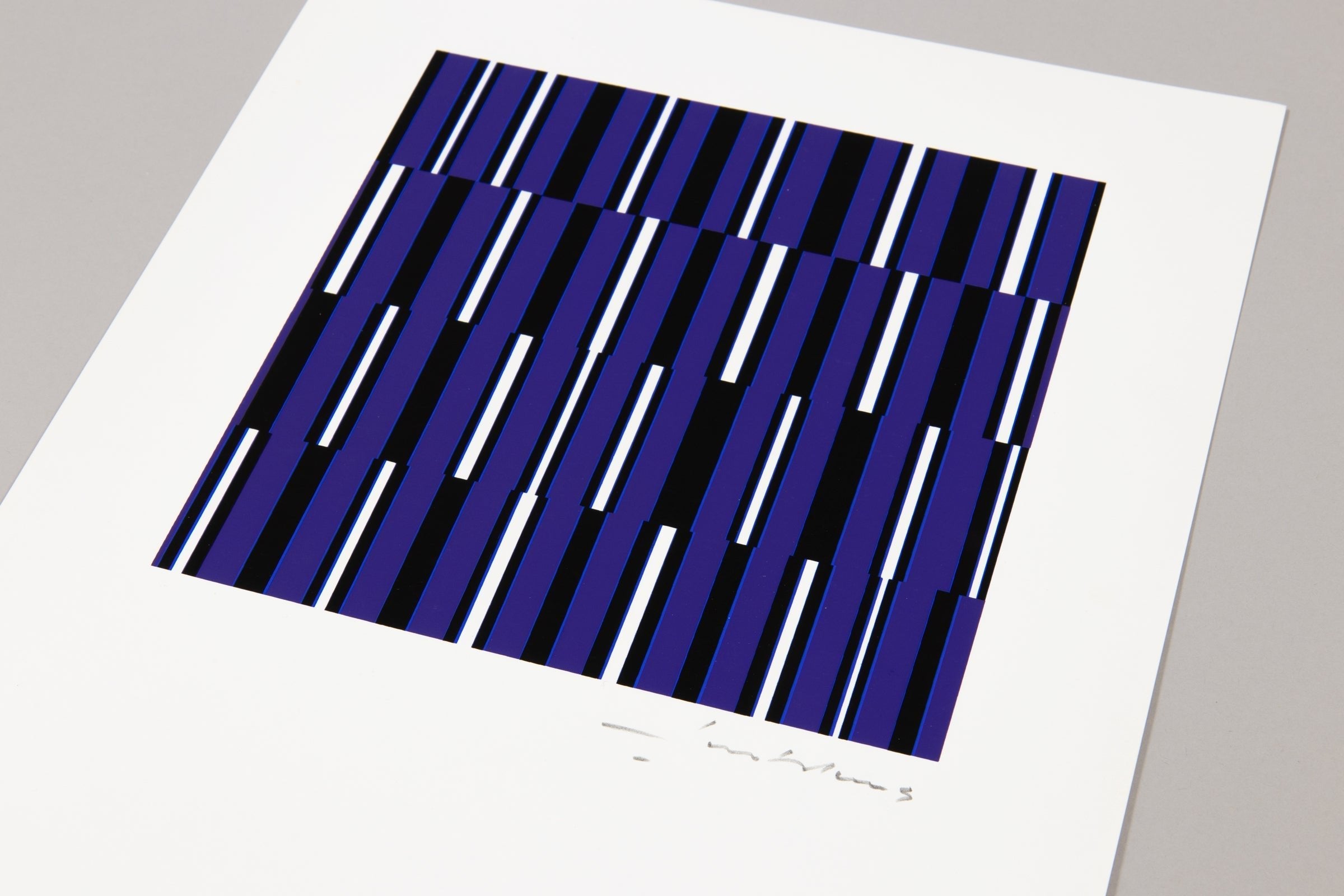
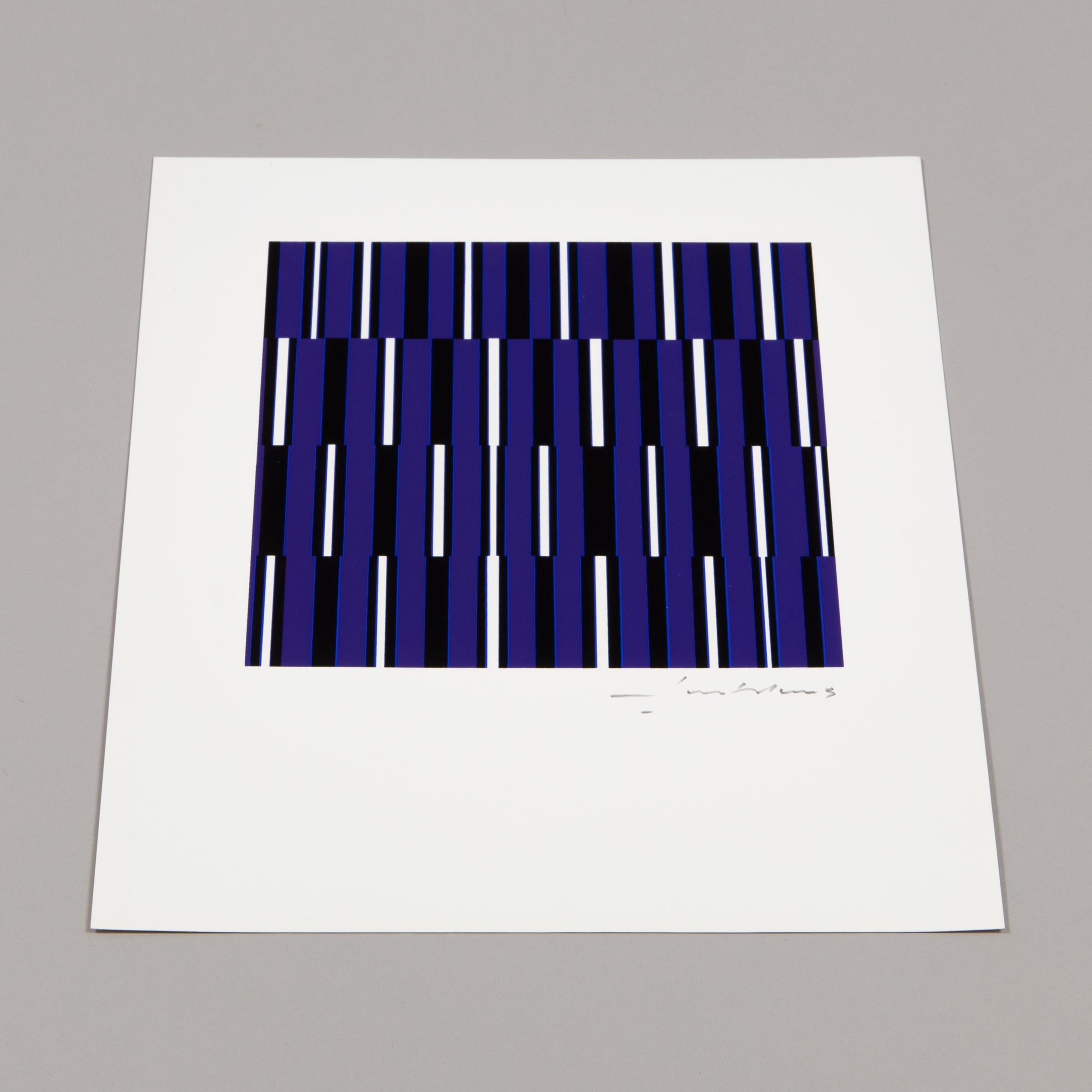
Günter Fruhtrunk (1923–1982) occupies a central position in the history of postwar geometric abstraction and non-figurative painting. His work represents a rigorous investigation of form, rhythm, and color, defined by dynamic diagonals, high-contrast palettes, and a precise visual language that rejects symbolism in favor of pure optical experience.
Born in Munich, Fruhtrunk began working with watercolor during World War II, an early engagement that shaped his lifelong commitment to abstraction. His artistic direction was decisively formed in Paris, where he studied with Ferdinand Léger and Jean Arp. There, he developed the geometric vocabulary that would become his signature, positioning him within the international discourse of European abstraction rather than national schools.
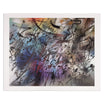
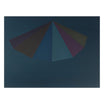
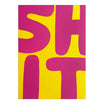
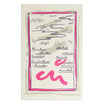
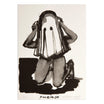
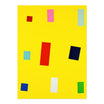
Printmaking played a crucial role in Fruhtrunk's practice. His signed limited edition prints, including lithographs, etchings, and screenprints, translate his strict compositional logic with exceptional clarity and intensity. These fine art prints are not secondary to his paintings but integral to his oeuvre, offering collectors access to his radical formal vision through precisely executed editions.
Fruhtrunk achieved international recognition during his lifetime, participating in documenta IV and the Venice Biennale in 1968. His paintings and prints have been exhibited at major institutions such as the Neue Nationalgalerie in Berlin, the Musée d'Art Moderne de la Ville de Paris, Kunstmuseum Bonn, and Lenbachhaus in Munich, securing his legacy as a leading figure of European geometric abstraction.