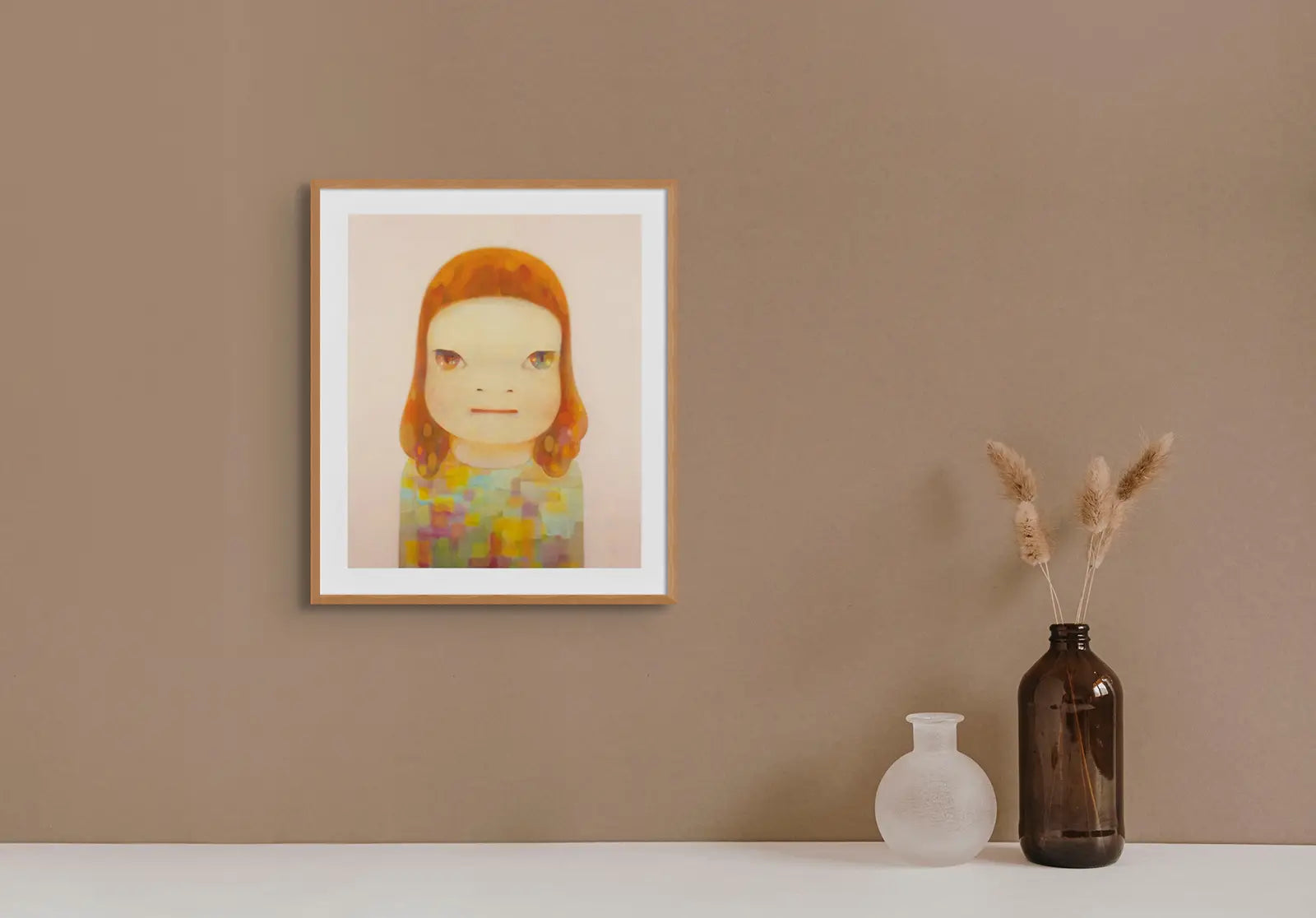
Yoshitomo Nara

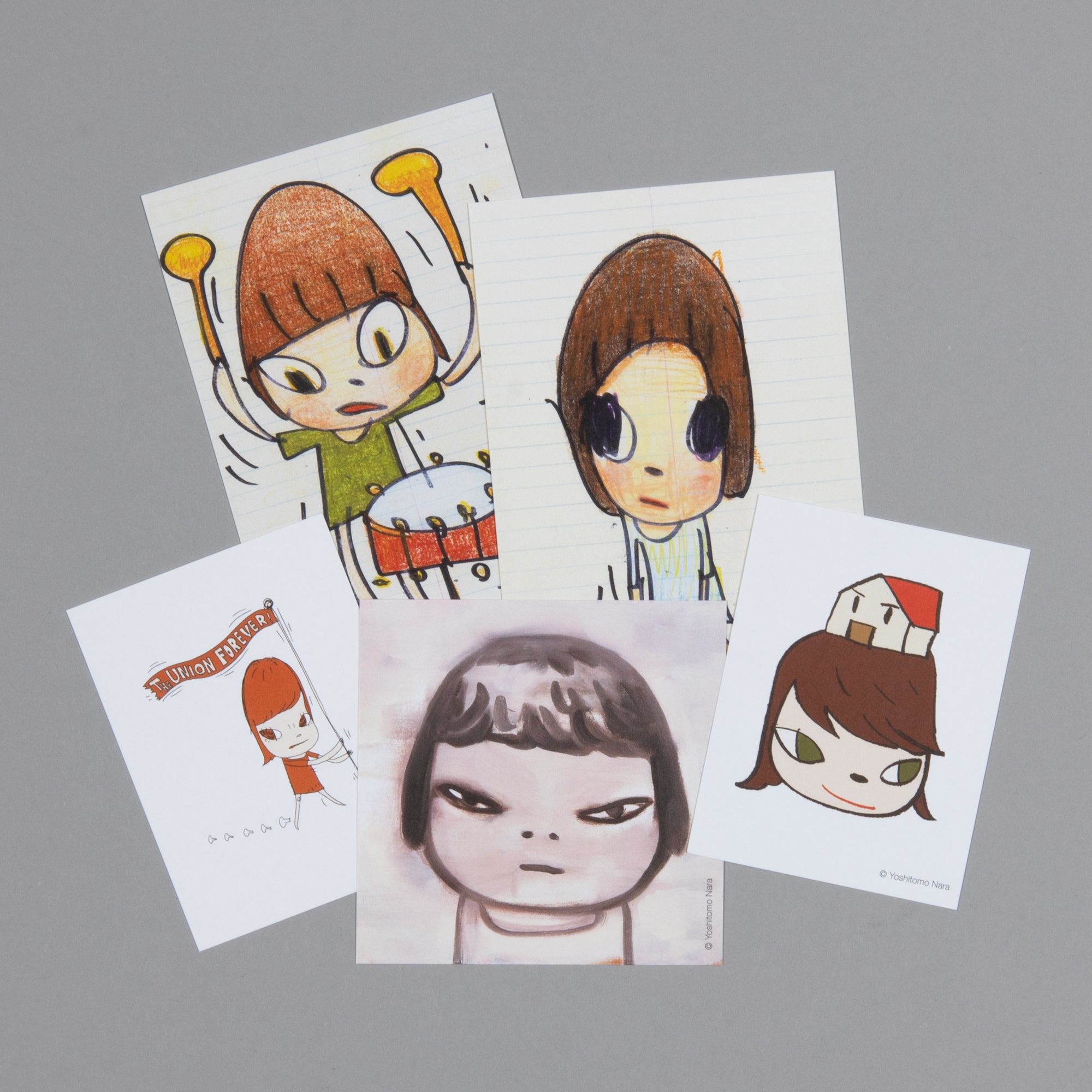
Yoshitomo Nara opened a coffeehouse at sixteen and worked as its DJ, absorbing punk rock's raw defiance years before he ever painted seriously. That same unguarded rebellion shows up in every child he's painted since — large-eyed, solitary figures caught between kawaii (cute) and kowai (frightening), innocence and something sharper just beneath it. Trained in Düsseldorf under Neo-Expressionist A.R. Penck, he became the most expensive Japanese artist in auction history. Works held in major museum collections worldwide.

Browse signed Yoshitomo Nara prints and editions now.


Available Prints & Editions

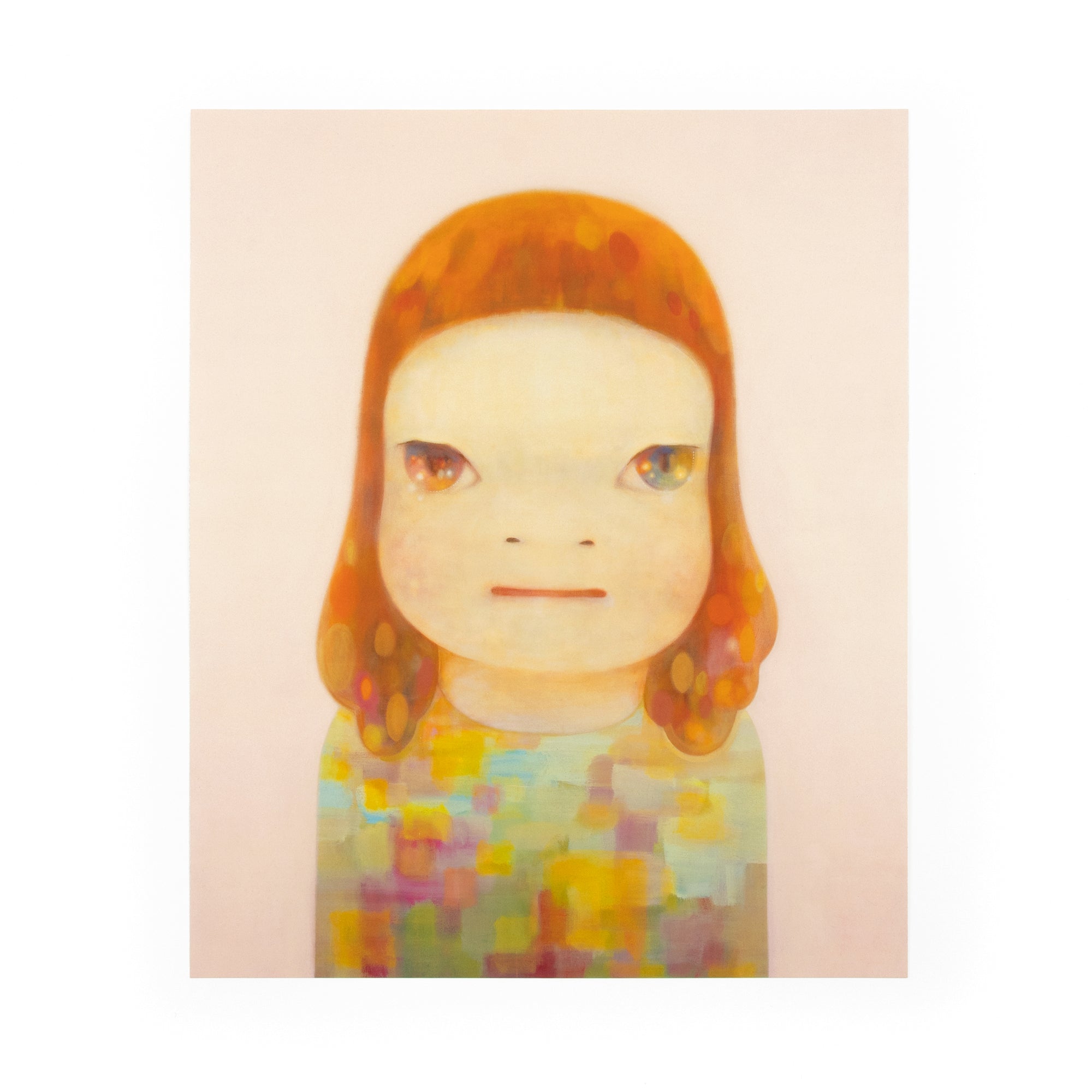
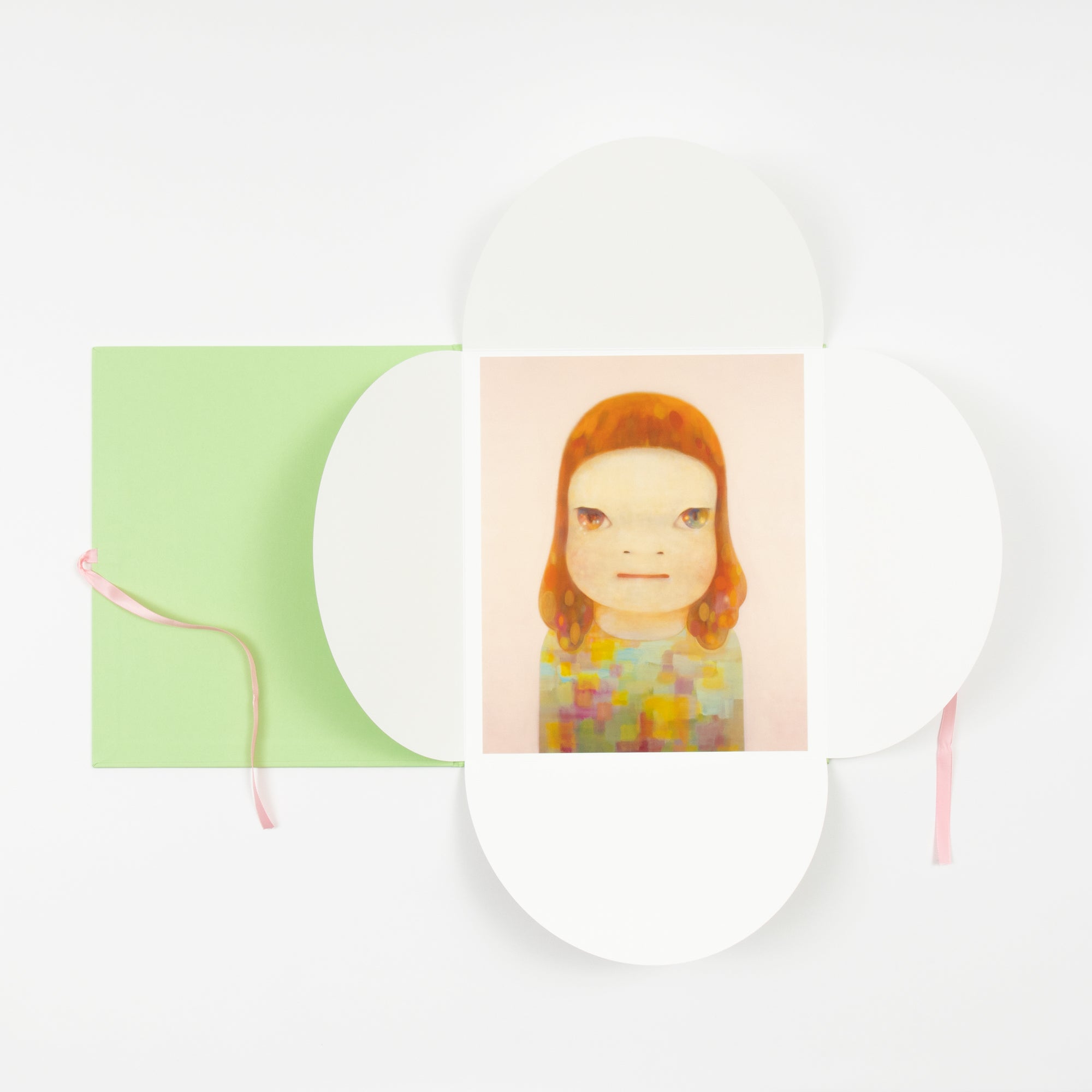
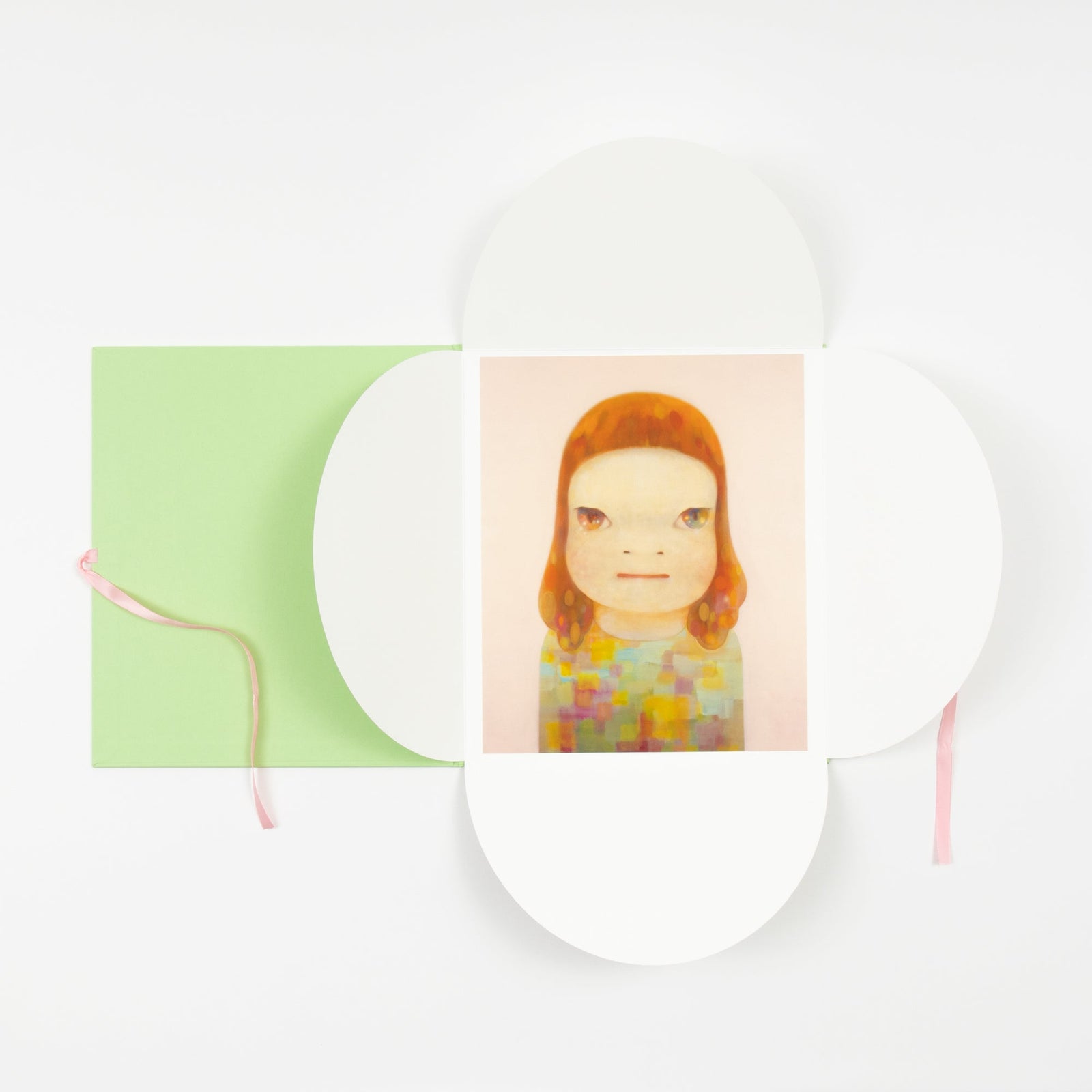
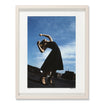
Yoshitomo Nara, Miss Spring

Yoshitomo Nara Biography

Yoshitomo Nara (born 1959 in Hirosaki, in Japan's remote Aomori Prefecture) was the youngest of three brothers, his siblings a decade older and his parents occupied with demanding jobs — a genuinely lonely childhood he has described directly: music and animals became his real companions, communication that felt easier than words. With no museum near his hometown, his earliest exposure to visual art came from record sleeves, absorbed alongside American military radio broadcasts he couldn't understand but felt anyway. At sixteen, he opened a neighbourhood coffeehouse with a friend and worked there as the DJ, immersed in the confrontational energy of punk that would later surface in his own work.

He came to fine art almost by accident — a bored literature student, he noticed a nude-drawing class during a cigarette break and joined on a whim. After earning his BFA and MFA at Aichi Prefectural University of Fine Arts and Music, Nara relocated to Germany in 1988, spending six years at the Kunstakademie Düsseldorf under Neo-Expressionist painter A.R. Penck. Unable to speak German, he experienced a version of the same isolation that had defined his childhood, with limited contact even with Penck himself or contemporaries such as Georg Baselitz and Markus Lüpertz. That isolation, rather than derailing him, forced a period of genuine self-examination — the sulky, defiant children that would become his signature motif emerged directly from these years abroad, absorbing Neo-Expressionism's raw brushwork alongside his own sense of estrangement.

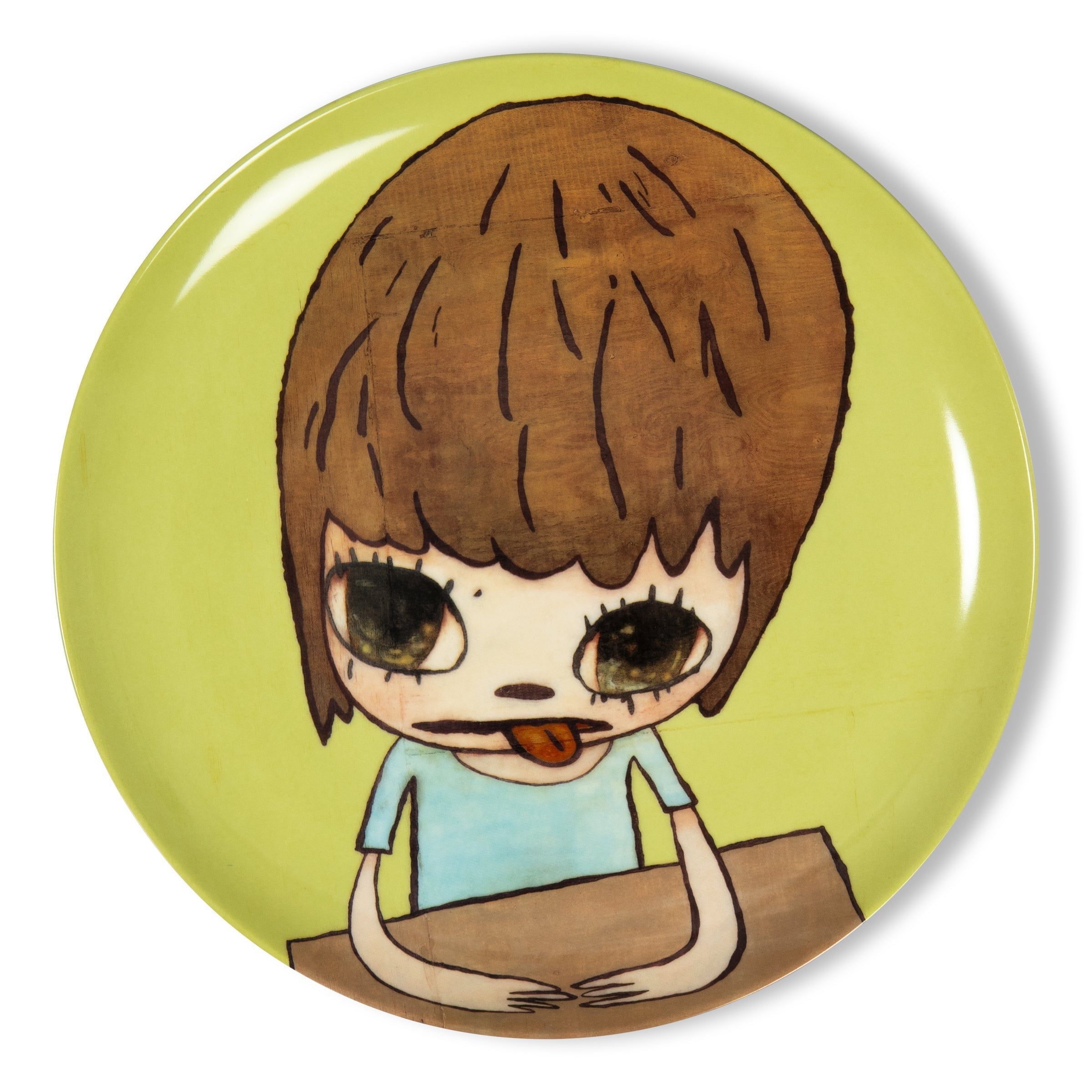
Nara's children are frequently mistaken for straightforward manga influence, but he has consistently described the work as closer to spiritual and existential reflection than pop culture homage — figures that hover between kawaii and its inverse, kowai, sweetness curdling into something wary or openly hostile. He lived in Cologne from 1994 to 2000, then Tokyo, before relocating to Nasushiobara in Tochigi Prefecture following the 2011 Fukushima disaster, an event that directly shaped subsequent work. Alongside painting, his practice extends into sculpture, ceramics, photography, and large-scale installation.

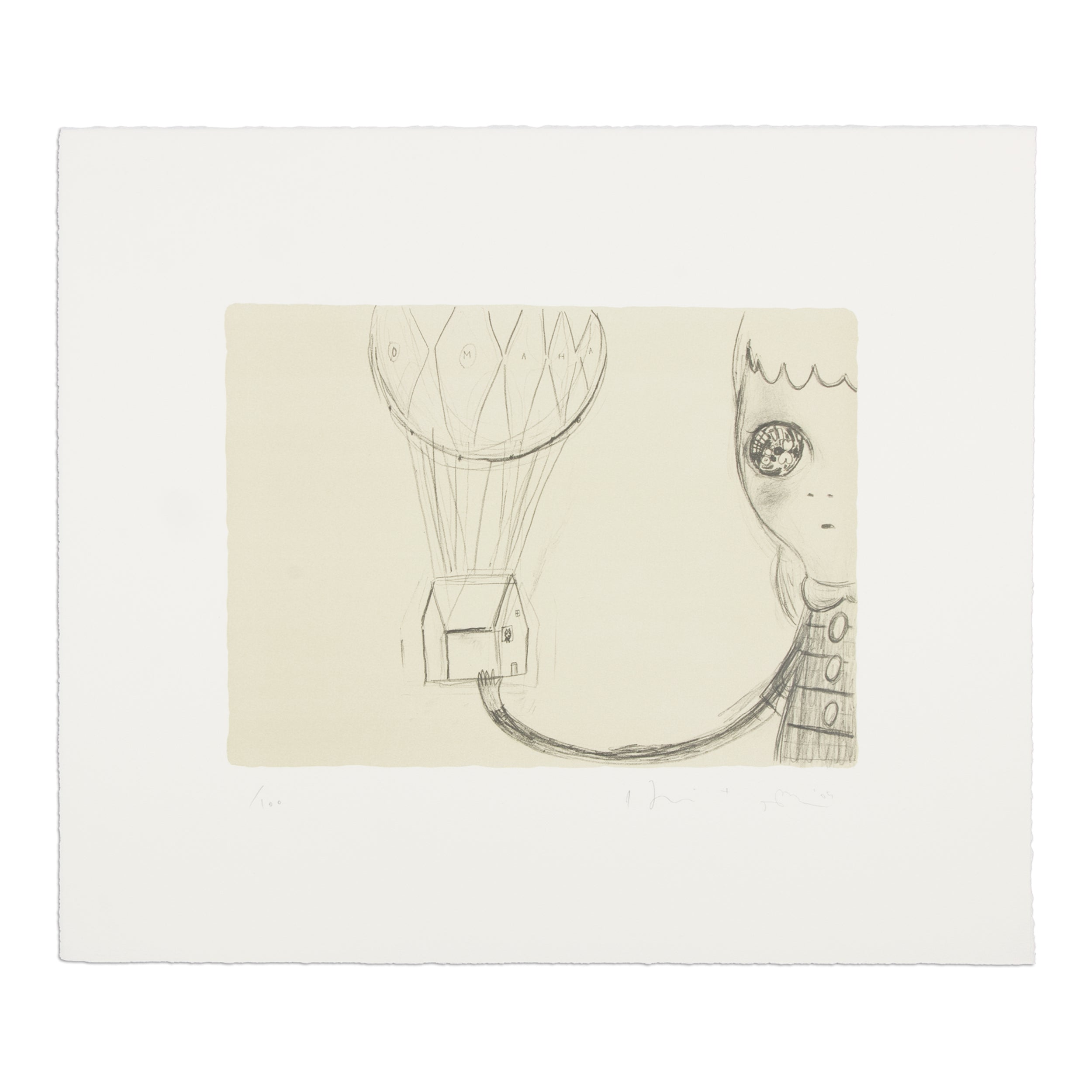
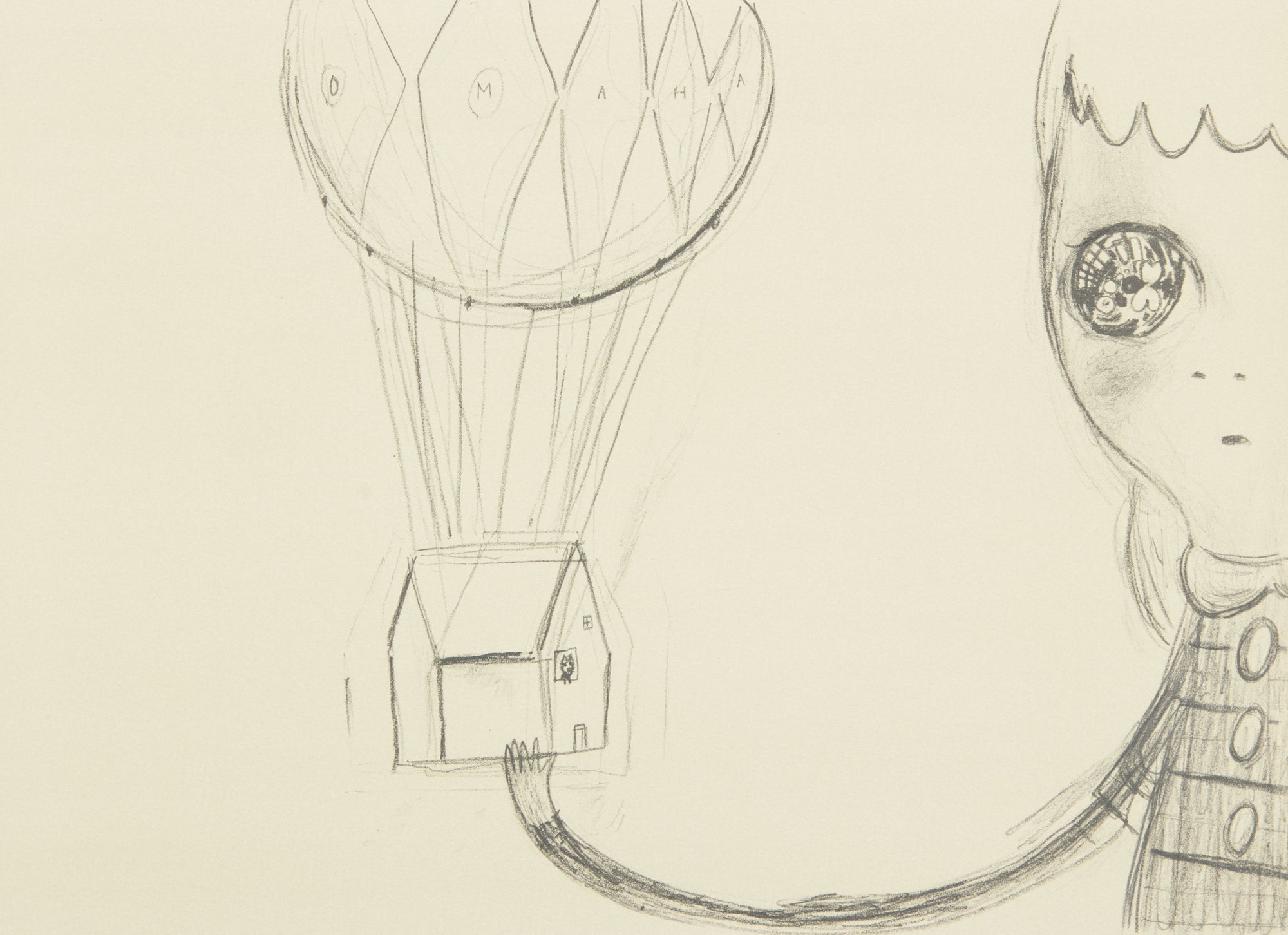
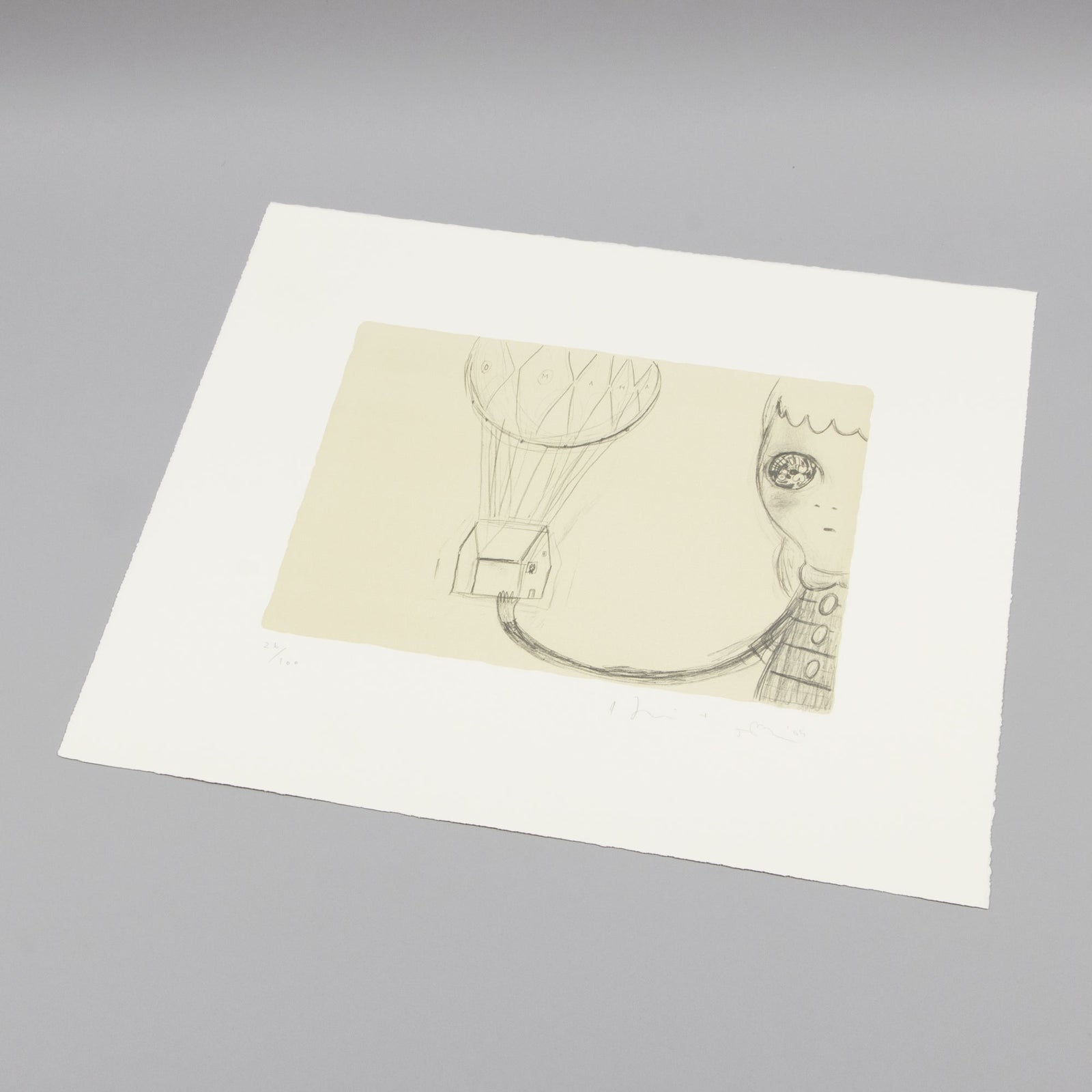
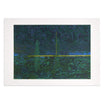
Yoshitomo Nara and Hiroshi Sugito - Untitled (Omaha)

Famous Yoshitomo Nara Artworks

Knife Behind Back (2000), Nara's auction record at $24.9 million (Sotheby's Hong Kong, 2019), depicts one of his signature full-body girls against a luminous pearlescent ground — the title announcing a hidden weapon whose absence from the visible image only sharpens the sense of menace.

Fountain of Life (2001/2014), his most institutionally travelled major installation, features a motorised teacup stacked with sleeping, lamb-eared child figures, water streaming down their cheeks like tears into the saucer below. First unveiled at his 2001 breakthrough show at the Yokohama Museum of Art, it has since anchored retrospectives at LACMA, the Yuz Museum Shanghai, and the Guggenheim Bilbao.

Aomori Dog (2007), a concrete sculpture standing nearly nine metres tall and partially sunk into the ground at the Aomori Museum of Art, remains his most visited single public work — a fitting landmark in the same prefecture where Nara was born.

Hothouse Doll (1995), painted the same year as his breakthrough exhibitions at Tokyo's SCAI The Bathhouse and LA's Blum & Poe, sold for $13.3 million in a joint Phillips–Poly Auction livestreamed sale in 2020.

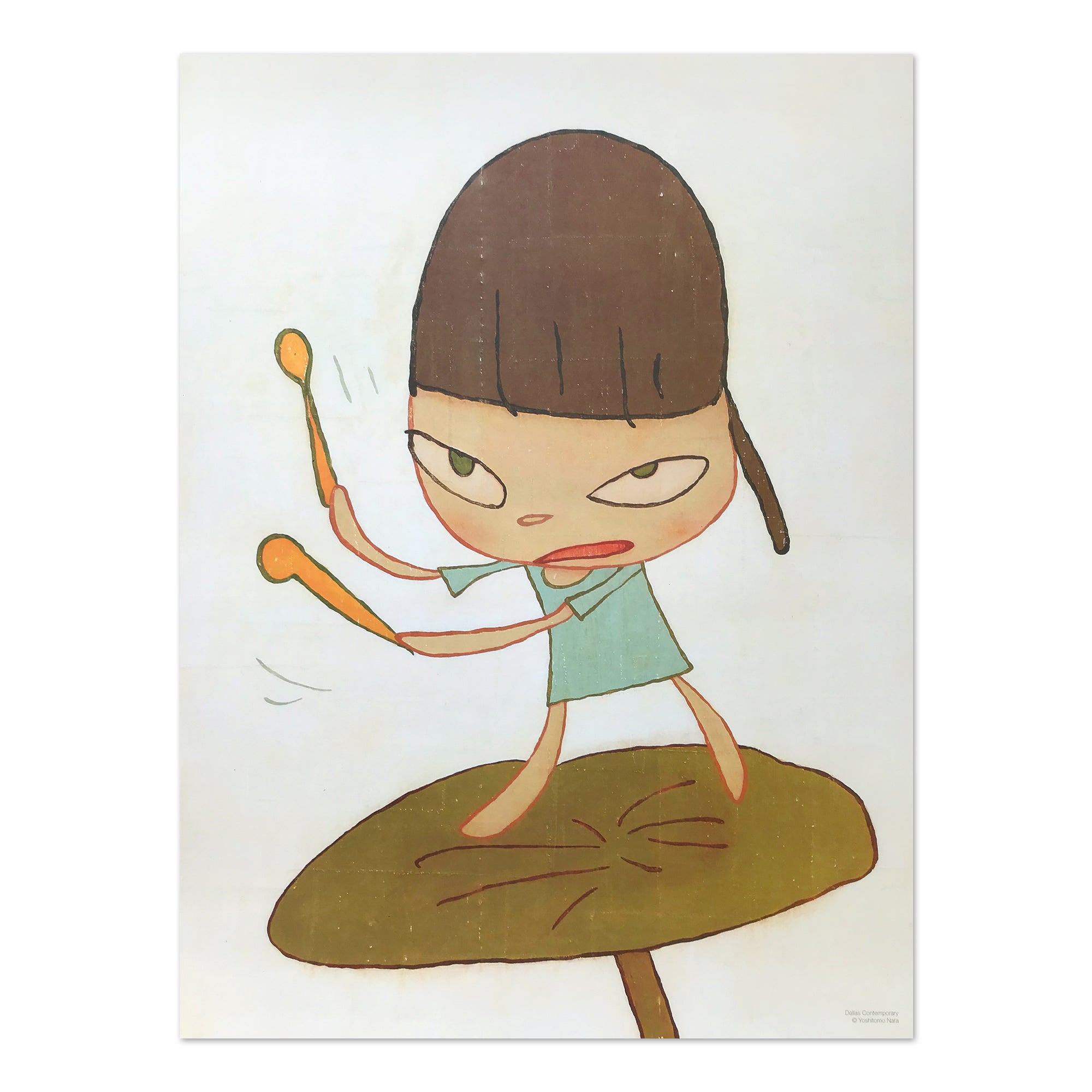
Yoshitomo Nara - Marching on a Butterbur Leaf

Yoshitomo Nara Prints & Editions

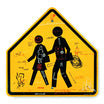
Nara's prints extend the same emotional directness as his paintings — lithographs, offset prints, and etchings that carry his solitary children and animals into signed, numbered formats, frequently produced in collaboration with fellow artists or published through specialist print studios including Edition Copenhagen. Marching on a Butterbur Leaf and Girl in the Moon exemplify his individual print practice; Untitled (Omaha), made with Hiroshi Sugito, shows the collaborative strand running alongside it.

Because his major paintings now regularly exceed seven figures at auction — several results surpassing $10 million since 2019 — his signed prints and editions offer one of the more direct and genuinely accessible ways to own an original Nara. Unsigned limited editions typically trade in the low to mid thousands, while signed, numbered works often command considerably more — frequently well north of €10,000 — a gap the auction results reflect directly: his single-print record stands at roughly €170,000 hammer price, set in 2023 for the signed woodcut Balance Girl, and a complete ten-piece ukiyo-e-style woodcut portfolio reached €663,658 including premium at Christie's Hong Kong in 2022.

For collectors, Nara's editions provide entry into the practice of the most commercially successful Japanese artist in auction history, whose figurative language has resonated across Asia, Europe, and North America. Works are held in major museum collections including MoMA, the Art Institute of Chicago, and the National Museum of Art, Osaka.

Yoshitomo Nara: Key Questions

Collecting Yoshitomo Nara?

Looking for a specific artwork or have a question about an edition? We're happy to advise on availability, pricing, condition, and provenance — and to source artworks beyond our current selection.

Contact us

Prints, Photographs & Multiples

View our full collection of

Prints, Photographs & Multiples

Explore editions